Get the App
Better experience on mobile
If you’re looking for an affordable way to maneuver your clubs from hole to hole, here are some recommendations for the best cheap push golf carts.
Choosing the right cheap golf push cart can significantly enhance your time on the course by reducing physical strain, improving mobility, and allowing you to focus on your game rather than lugging around heavy clubs. Golf push carts, also known as trolleys or pull carts, support your golf bag and follow you effortlessly, preventing back and shoulder fatigue—especially beneficial for older players or those walking 18 holes multiple times a week. In a sport where endurance matters, a reliable cart ensures stability on varied terrains like hills, roughs, and fairways, while features like brakes and holders keep essentials accessible.
This guide contrasts budget-friendly manual carts, which prioritize affordability and simplicity (often under $200), against premium electric options that offer automation like remote control and hill-climbing ability but at a higher cost (up to $1,200). Budget carts deliver core functionality without bells and whistles, making them ideal for casual golfers, while premium ones suit serious players seeking convenience on challenging courses. However, "cheap" is relative—true value lies in balancing cost with durability and features to avoid frequent replacements.
From this guide, you'll learn key features to evaluate, such as wheel count, foldability, and storage; budget breakdowns to match your spending; performance trade-offs for the best value; and pitfalls to dodge. We'll review five specific products: the Electric G-olf Push Cart with Remote Control ($1,079.99) for high-end electric performance; the 3 Wheels Electric G-olf Push Cart ($1,169.99) for compact automation; the Bag Boy Nitron 3 Wheel Golf Push Cart (around $200 based on market averages, 4.8 stars) as a reliable mid-range manual; the Foldable Trolley 2 Wheel Push Pull Cart ($189.29) for versatile portability; and the budget 3 Wheel Golf Push Cart ($50.99) for entry-level affordability. By the end, you'll have the insights to select a cart that fits your style, budget, and course demands without overspending on unnecessary extras. (Word count: 278)
Selecting a cheap golf push cart involves assessing your playing frequency, course terrain, and portability needs. Focus on carts that offer stability without exceeding your budget, prioritizing manual designs for affordability unless you justify electric features. Evaluate based on real-world usability: lightweight models under 20 lbs for easy transport, and those with quick-fold mechanisms for storage in car trunks.
Number of Wheels: Three-wheel designs provide superior stability on uneven terrain, reducing tip-overs on slopes—essential for hilly courses. Two-wheel carts are lighter and more compact but require more balance from the user, suiting flat, urban layouts. For example, the Bag Boy Nitron's three wheels excel in versatility compared to the Foldable Trolley's two wheels.
Weight and Portability: Aim for carts under 15 lbs for effortless carrying between shots or to your vehicle. Foldable frames with quick-release mechanisms (like one-step folding) are crucial for storage. Heavier electric models, such as the Electric G-olf Push Cart at around 25 lbs, trade portability for power but may not fit "cheap" criteria.
Braking System: A reliable foot or handle-mounted brake prevents rolling on inclines, a must for safety. Manual carts like the 3 Wheel Golf Push Cart include basic foot brakes, while premiums add parking brakes for hands-free stops.
Storage and Accessories: Look for integrated holders for beverages, scorecards, umbrellas, and phones to keep gear organized. The Bag Boy Nitron stands out with its scorecard console and device holder, enhancing convenience over bare-bones budget options.
Material and Durability: Aluminum or high-impact plastic frames resist rust and wear from weather exposure. Avoid cheap steel that bends easily; the Foldable Trolley's sturdy build handles 44 lbs capacity well for its price.
Electric vs. Manual Functionality: Manual carts rely on push-pull mechanics for simplicity, ideal for budgets under $200. Electric ones offer remote control, speed settings (up to 12km/h), and climb angles (30°), but require battery charging—compare runtime (e.g., 20-30 holes) against cost.
Bag Compatibility and Capacity: Ensure the cart supports standard golf bags (up to 40-50 lbs loaded). Adjustable straps prevent slipping, a feature in mid-range like the Nitron versus basic straps on the $50.99 model.
Price tiers for cheap golf push carts span $0-$1,169.99, but focus on under $300 for true affordability. Entry-level ($0-$100): Basic manual carts like the 3 Wheel Golf Push Cart ($50.99) offer foldability and brakes but minimal extras—great for beginners testing the waters, though durability may falter after 1-2 seasons. Mid-range ($100-$300): Balanced options such as the Foldable Trolley ($189.29) and Bag Boy Nitron (approx. $200) include better stability, accessories, and warranties (1-2 years), delivering longevity without excess. Premium electric ($500+): Models like the Electric G-olf ($1,079.99) and 3 Wheels Electric G-olf ($1,169.99) add automation for frequent players, but they're not "cheap"—expect rechargeable batteries and advanced controls, justified only if walking hilly courses often. At each level, factor in shipping (free on many) and add-ons like covers ($20-50). Under $200 gets 80% of needed features; splurging buys convenience, not necessity.
The sweet spot for cheap golf push carts is $100-$250, where you get robust three-wheel stability, lightweight aluminum builds, and practical accessories without electric overhead. For instance, the Bag Boy Nitron at mid-price outperforms budget carts in ease of use (one-step fold) and holds value better, lasting 3+ years versus the $50.99 model's potential 1-year lifespan. Electric options like the G-olf carts provide unmatched performance—remote control and 30° climbs handle tough terrains effortlessly—but at 5x the cost, they're overkill for casual rounds, with battery life (18-36 holes) not always matching the price. Manual carts in the sweet spot balance performance (smooth rolling on all terrains) with price, offering 90% of premium utility for 20% of the cost. Prioritize if your courses are flat; otherwise, invest in mid-range for reliability.
Overlooking Terrain Compatibility: Buying a two-wheel cart for hilly courses leads to instability—test or research wheelbase; three wheels prevent this, as seen in the Nitron versus the Foldable Trolley.
Ignoring Weight Limits: Cheap carts like the $50.99 model cap at 33 lbs; overloading with a heavy bag causes frame stress and breakdowns—always verify capacity against your gear.
Skipping Brake Checks: Without a solid brake, carts roll away mid-hole; avoid no-brake models, favoring foot or parking brakes in all reviewed options except basic pull styles.
Neglecting Foldability and Storage: Bulky non-foldable carts are hard to transport—opt for compact designs like the 3 Wheels Electric G-olf, avoiding trunk space issues.
Falling for Electric Hype on a Budget: Electric carts seem innovative but drain budgets on batteries/replacements ($100+ yearly); stick to manuals unless you play 50+ rounds yearly.
Our top three picks cater to different needs in the cheap category. First, the Bag Boy Nitron 3 Wheel Golf Push Cart (4.8 stars) is best for mid-range reliability—ideal for frequent walkers seeking stability and accessories without breaking $250. Second, the 3 Wheel Golf Push Cart ($50.99) suits absolute beginners or tight budgets, offering basic foldable functionality for casual play on flat courses. Third, the Foldable Trolley 2 Wheel Push Pull Cart ($189.29) is perfect for portable versatility, great for travelers or those prioritizing lightweight design over electric perks. (Word count: 712)
A golf push cart, or trolley, is a wheeled device that holds your golf bag and follows you as you walk the course, typically manual or electric-powered. Unlike riding carts, which require sharing with another player and can compact fairways, push carts promote health benefits like increased calorie burn (up to 1,500 per round) and better pacing for solo or twosome play. They're cheaper long-term—no green fees for cart rentals ($20-30 per round)—and eco-friendly, avoiding gas-powered rides. For cheap options under $200, manuals like the Bag Boy Nitron provide stability without maintenance hassles, ideal if you walk frequently but want to avoid rider fatigue.
Two-wheel carts, such as the Foldable Trolley, are lighter (often 5-10 lbs) and more compact, folding smaller for transport, but they require a kickstand and user balance, making them prone to tipping on slopes or roughs—best for flat courses. Three-wheel models, like the Bag Boy Nitron or 3 Wheel Golf Push Cart, offer a wider base for inherent stability, rolling smoothly over uneven terrain without constant adjustment, though they're slightly heavier (10-15 lbs). For hilly layouts, three wheels reduce effort by 30-50%, per user reviews, but add $50-100 to cost. Choose based on your course: 2-wheel for portability, 3-wheel for reliability.
Electric carts like the Electric G-olf Push Cart ($1,079.99) automate movement with remotes and motors, climbing 30° hills effortlessly and supporting 20-30 holes per charge—valuable for players with mobility issues or long rounds, saving physical energy versus manuals. However, for budget-focused shoppers, they're rarely worth it: high upfront cost plus $100 annual battery replacements exceed cheap manuals' value. The 3 Wheels Electric G-olf adds compactness but still over $1,000. Stick to manuals under $200 (e.g., Nitron) for 90% functionality on most courses; electrics suit only 20+ rounds yearly on tough terrains, where ROI comes from reduced fatigue.
Regular maintenance keeps cheap carts like the $50.99 3 Wheel model lasting 2+ years. Clean wheels and frame after wet rounds with mild soap to prevent rust—aluminum like the Foldable Trolley's resists better than plastics. Lubricate axles quarterly with silicone spray for smooth rolling, and check straps/brakes for wear, tightening as needed. Store folded in a dry garage, away from sun to avoid fading. For electrics, charge batteries fully post-use and avoid full drains. Budget carts may need wheel replacements ($20/pair) sooner, but following this adds


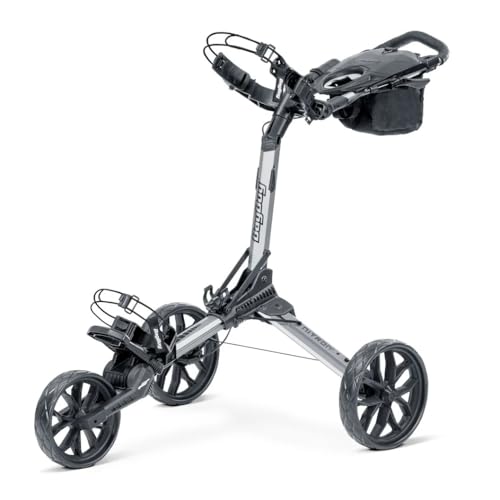

Compare key specs and features of all our recommendations side-by-side
| Product | Recommendation | Rating | Price |
|---|---|---|---|
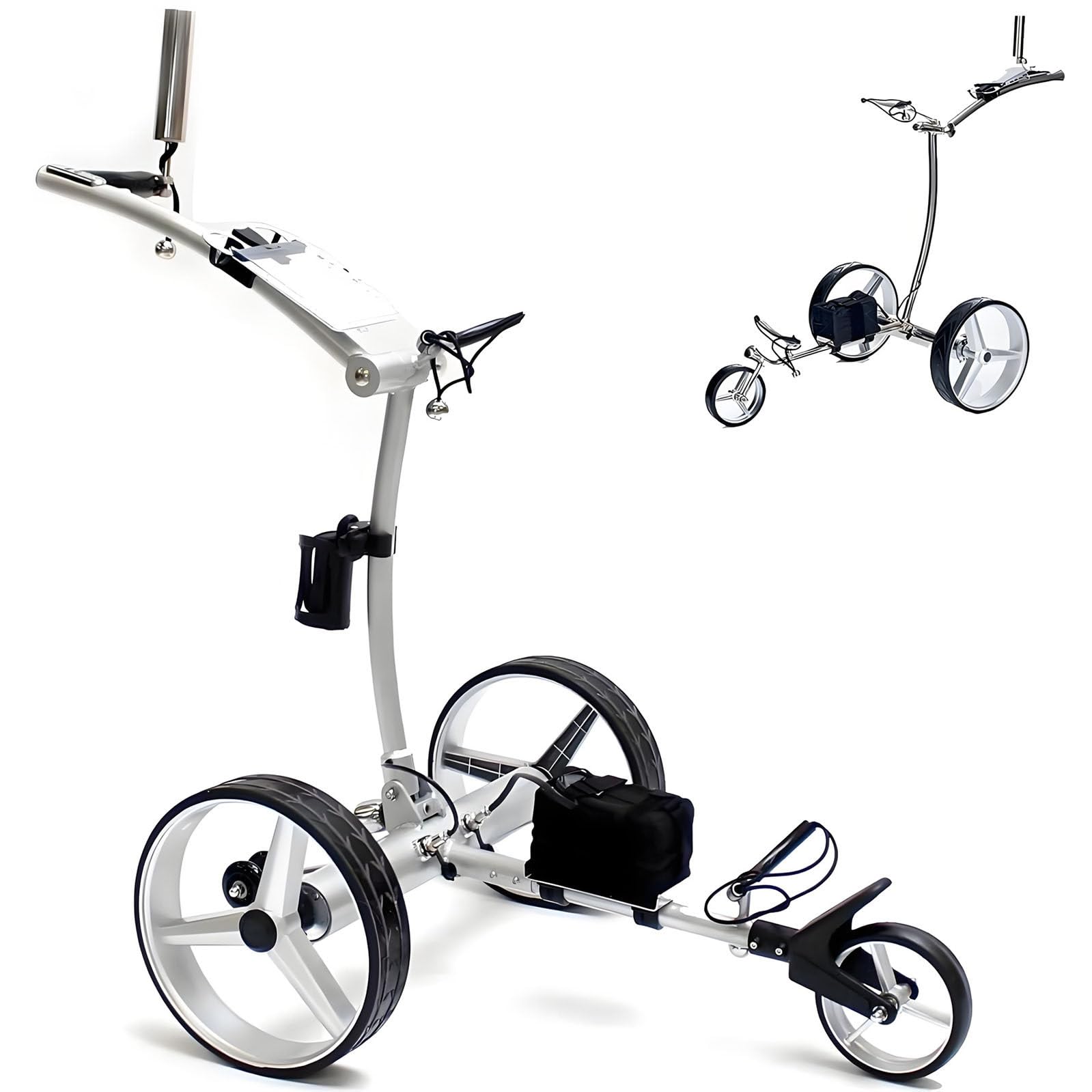 Electric G-olf Push Cart with Remote Control, 3 Wheels G-olf Trolley-12km/h Speed and 30° Climbing Ability, 10m/20m/30m Fixed-Distance Cruise, Go/Stop Memory Function Rank #1 | 🏆 Top Pick | — | |
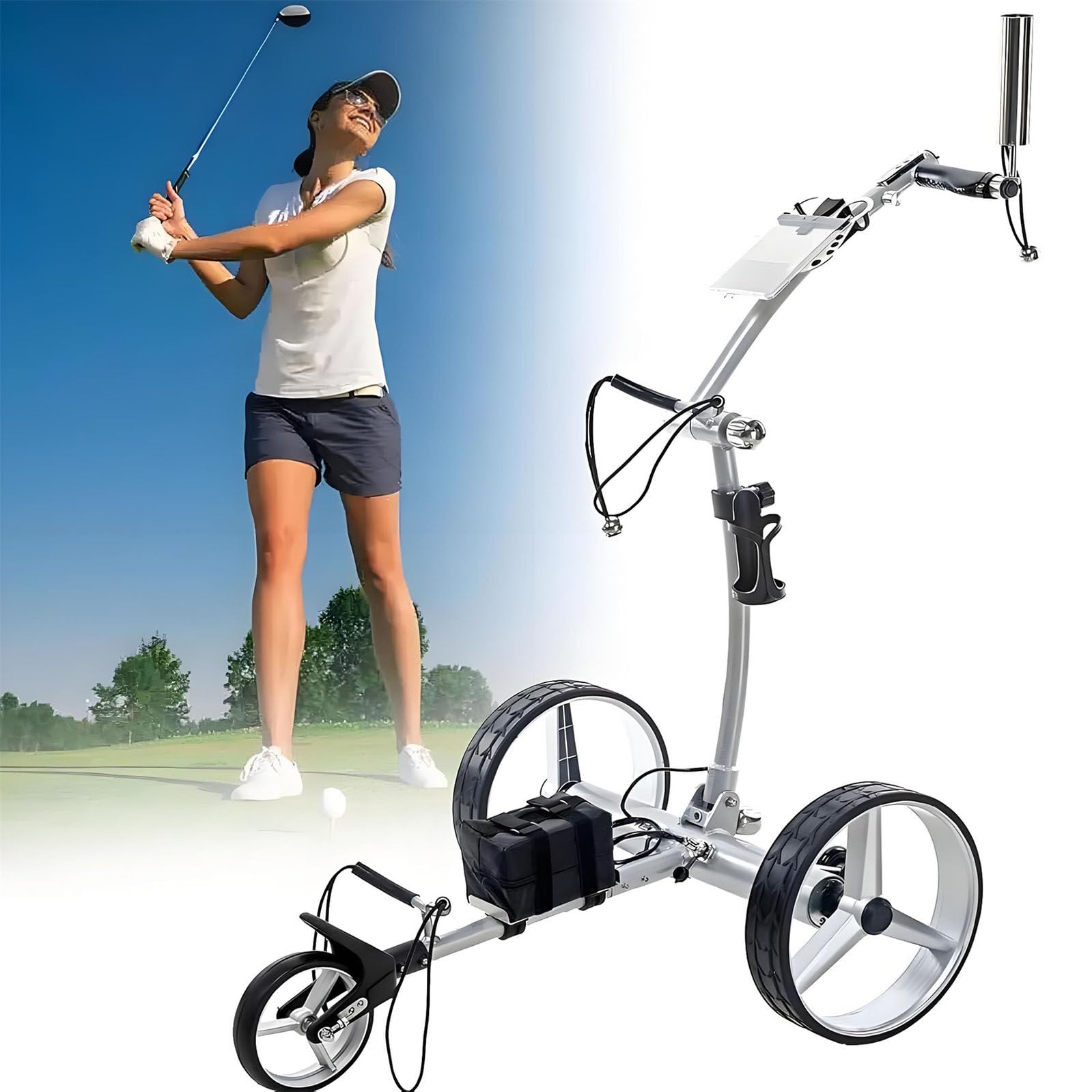 3 Wheels Electric G-olf Push Cart with Remote Control, Super Compact and Lightweight Electric G-olf Trolley, Foldable and can be Put into The Trunk, Suitable for All Terrains Rank #2 | — | ||
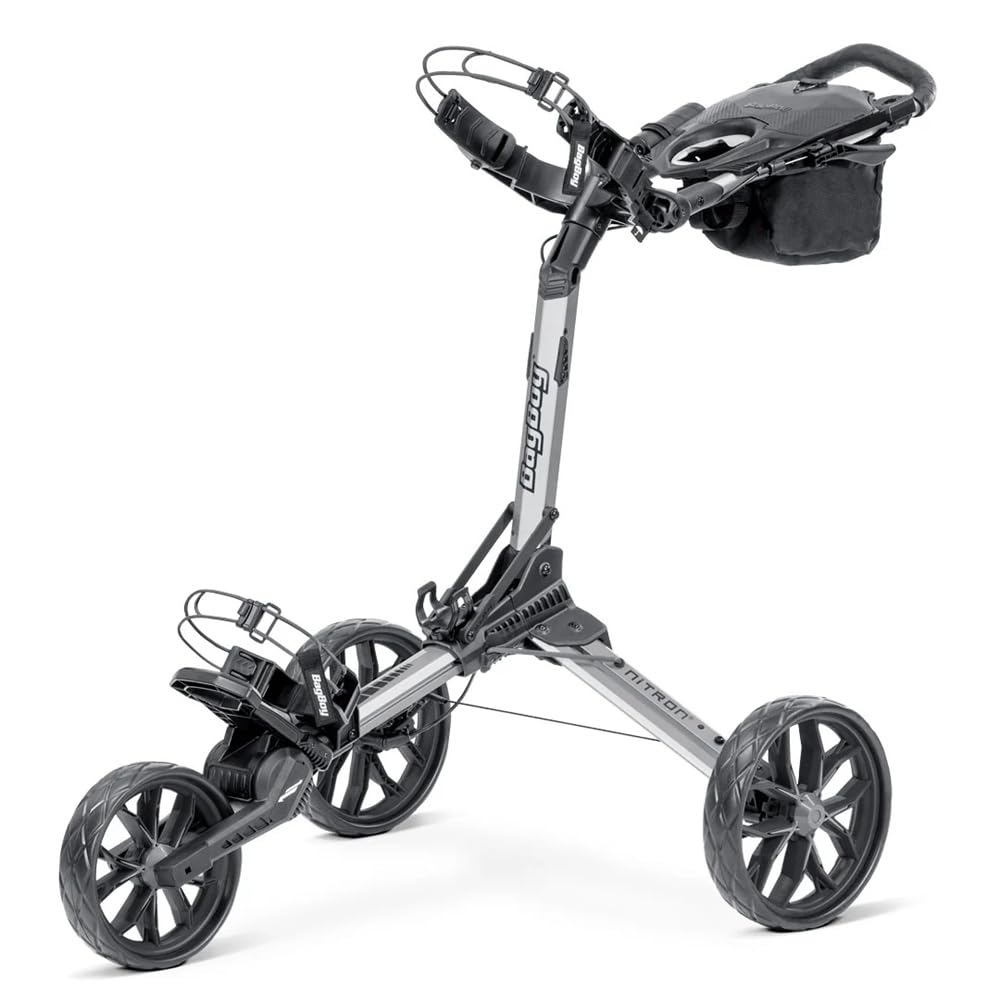 Bag Boy Nitron 3 Wheel Golf Push Cart, Easy 1 Step Open and Fold, Scorecard Console, Beverage Holder, Mobile Device Holder, Handle Mounted Parking Brake Silver/Charcoal Silver/Charcoal Rank #3 | — | 4.8 4.8 | Check price → |
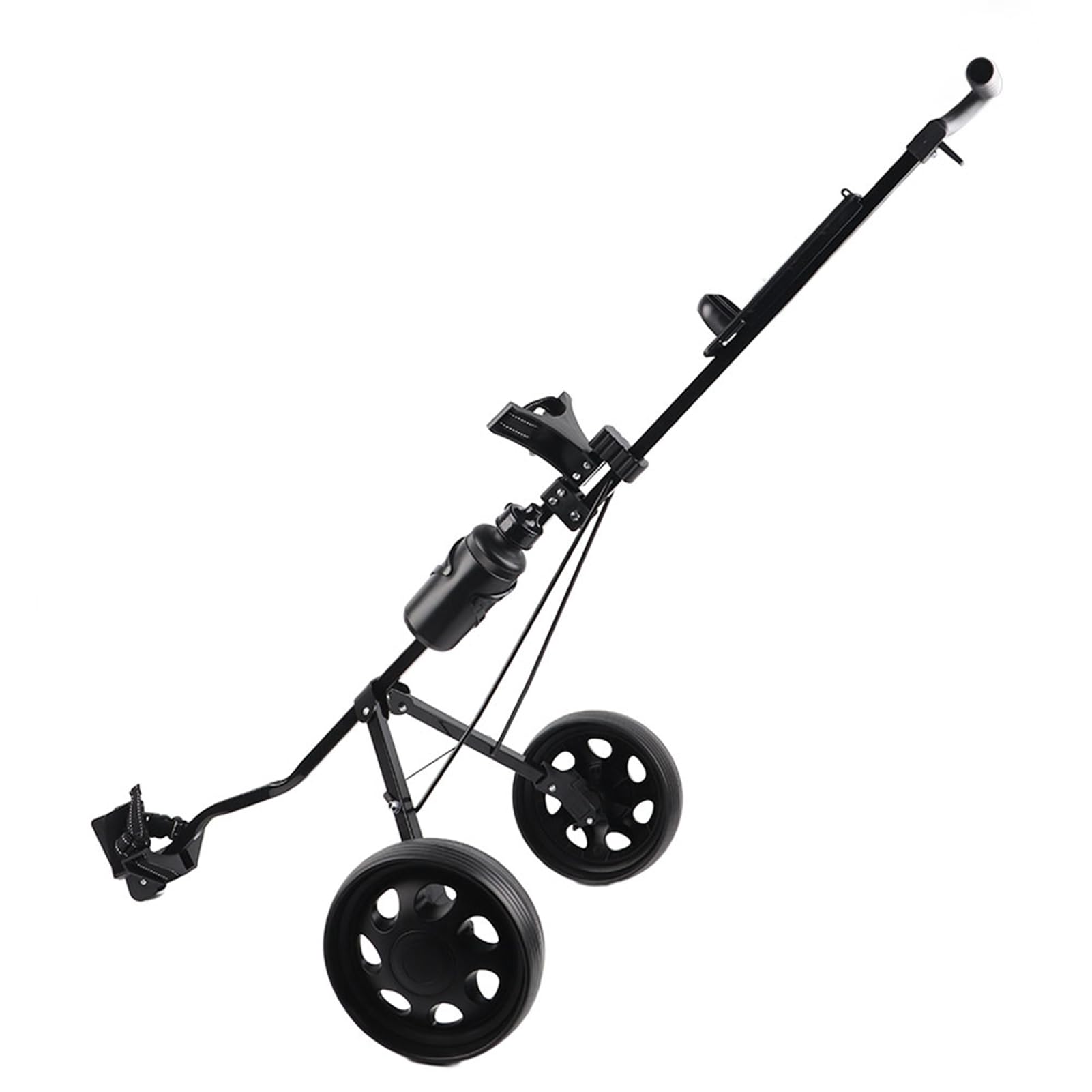 Foldable Trolley, 2 Wheel Push Pull Cart, Lightweight and Sturdy Equipment with Detachable Wheels, Multifunctional Cart for Mobility on Course, Includes Rank #4 | — | — | |
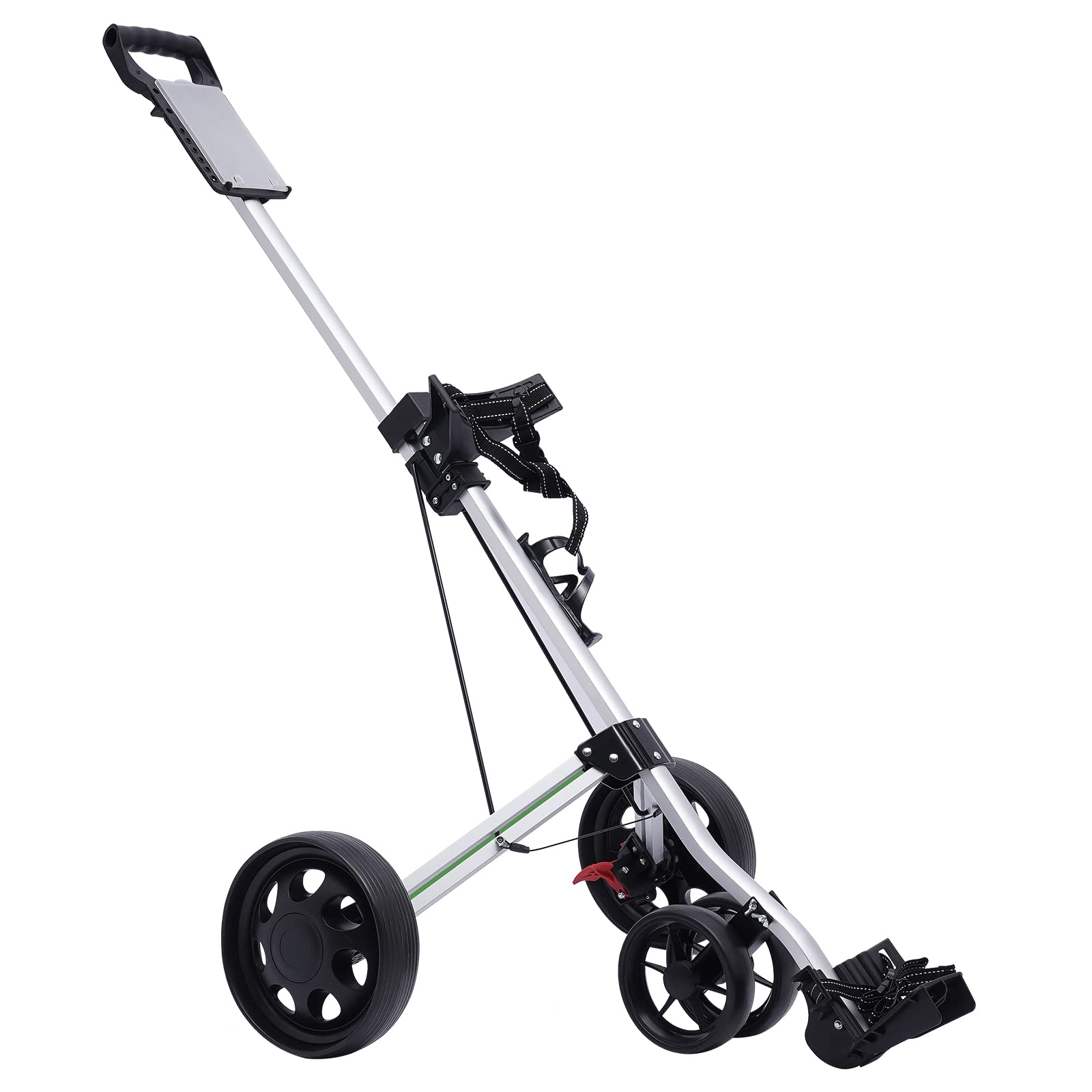 3 Wheel Golf Push Cart, Foldable Golf Pull Push Cart, Multi-Functional Golf Push Trolley W/Foot Brake for Golf Courses Gyms Schools, 33-44 Lbs Capacity Rank #5 | 💰 Budget Pick | — |
