Get the App
Better experience on mobile
From budget-friendly mirrorless to full-frame powerhouses, these are the best cameras for travel, video, sports, and everyday shooting.
The best camera in 2026 isn't the one with the largest sensor — it's the one that fits the way you actually shoot. The market has split into nimble APS-C powerhouses, high-resolution full-frame monsters, and dedicated video tools, each with its own trade-offs. Jumping straight to the priciest model can mean paying for features you'll never use, while an ultra-budget body might lack the autofocus that makes capturing children or pets possible.
That's why we've combed through current reviews, buyer forums, and spec sheets to find the cameras that deliver real-world performance without the fluff. Whether you're chasing fast action, shooting low-light street scenes, or producing cinematic video, there's a pick here that matches your needs. We've also included a few specialized tools that excel in their niche but ask you to accept compromises elsewhere.
Our selection ranks eight cameras from budget to premium, each with a clear use case in mind. We've considered not just image quality, but also ergonomics, lens ecosystems, video capability, and long-term ownership costs. The result is a list that ranges from a $700 beginner-friendly mirrorless to a $3,900 high-resolution workhorse, with honest assessments of where each one falls short.
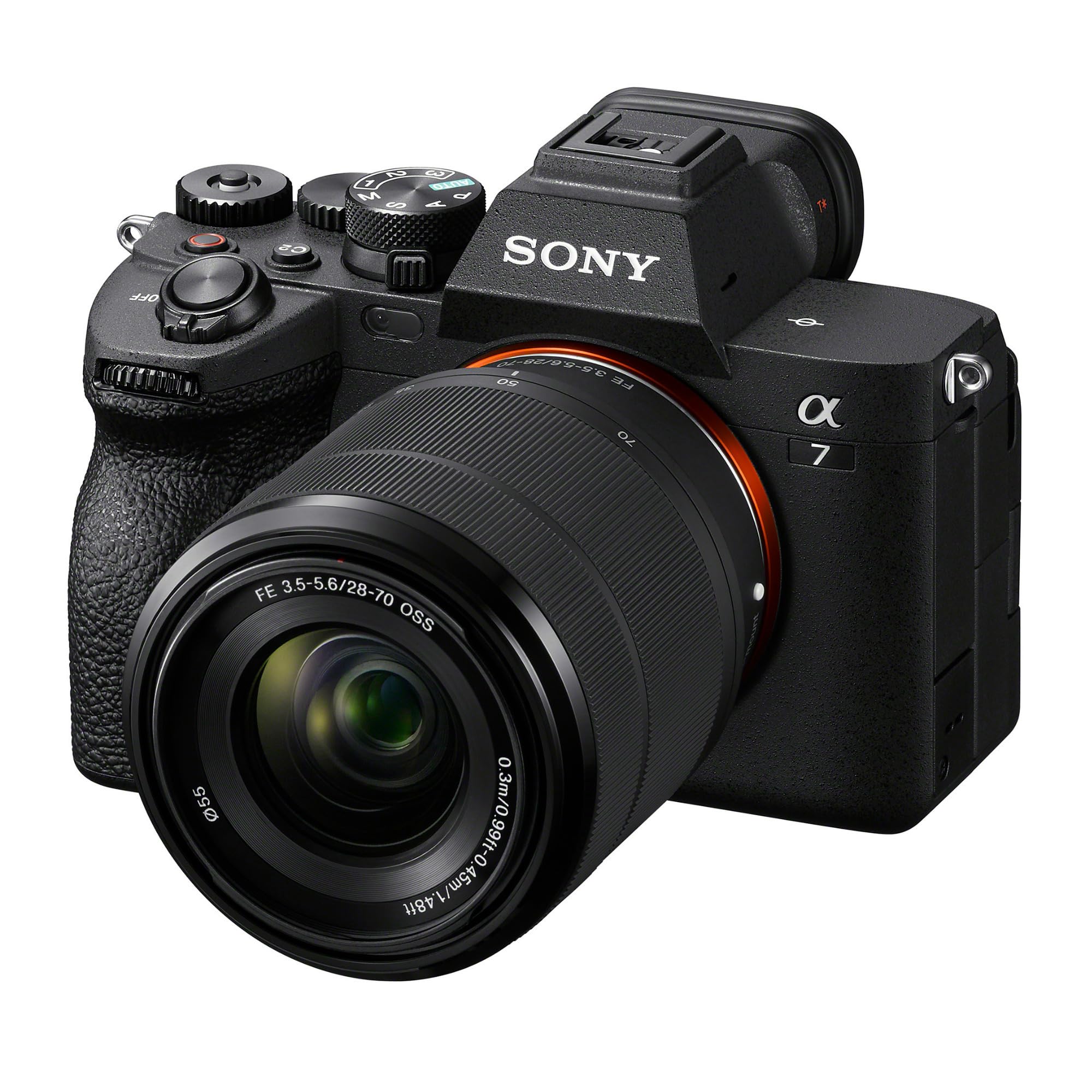
The Sony A7 IV is the quintessential hybrid camera: a 33MP full-frame sensor, reliable 4K60 video, and autofocus that tracks both eyes and animals with ease. It's the one camera that can handle virtually any subject, from portraits to sports, without demanding a second body. The trade-off is a mediocre rolling shutter in electronic mode and a slightly dated menu system that can be daunting for newcomers.
Main limitation: Still uses the older UI from 2021, and the electronic shutter's rolling shutter makes it less ideal for fast-moving subjects in silent mode.
Skip if: Anyone on a tight budget or those who need 8K video or a higher-resolution sensor for pixel-peeping.
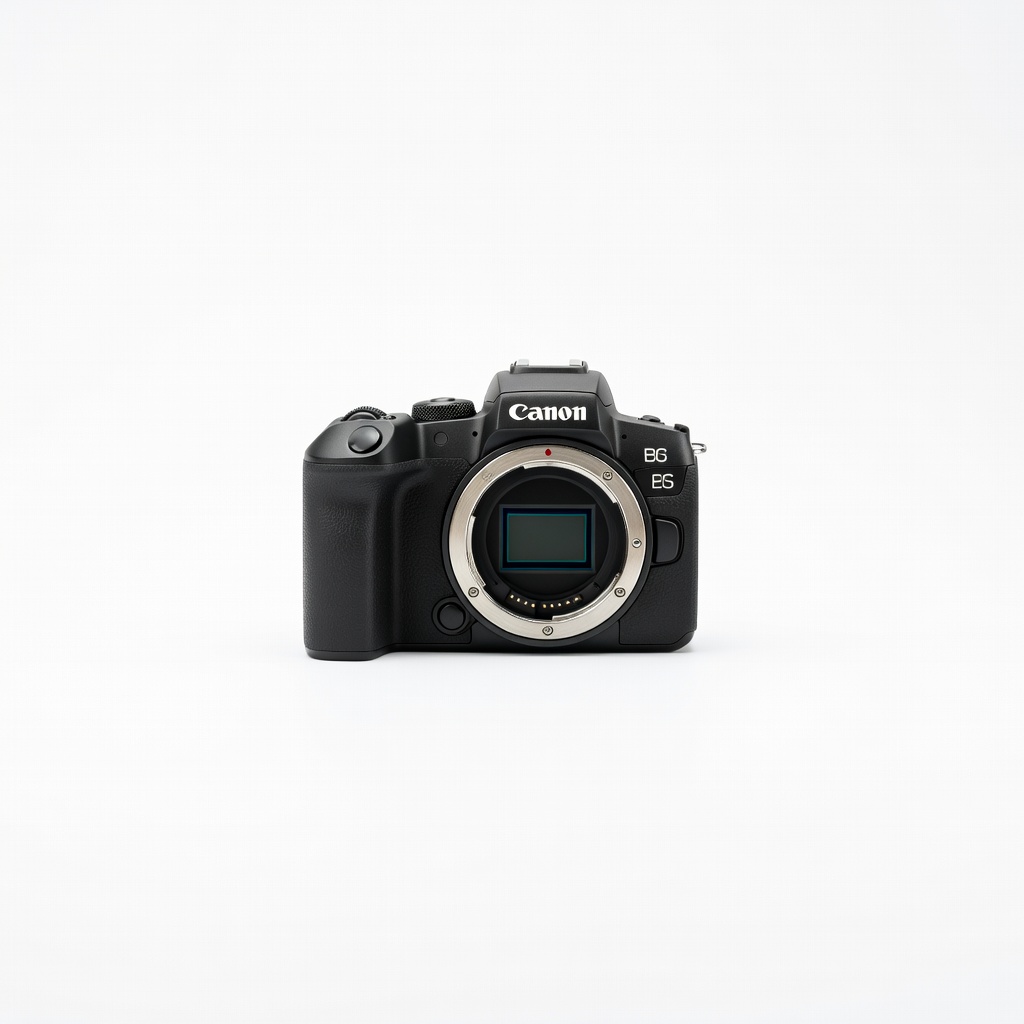
The Canon EOS R50 brings Canon's excellent Dual Pixel autofocus and a 24MP APS-C sensor to a compact, beginner-friendly body that costs under $800. It's perfect for families who want better photos than a phone and a real lens system to grow into, all without breaking the bank. The trade-off is limited video options (4K/30 with crop) and a minimal control layout that might frustrate advanced users.
Main limitation: No in-body image stabilization, and the control dials are sparse, making manual adjustments slower.
Skip if: Content creators who need uncropped 4K or those who want an extensive lens selection (RF-S is still growing).
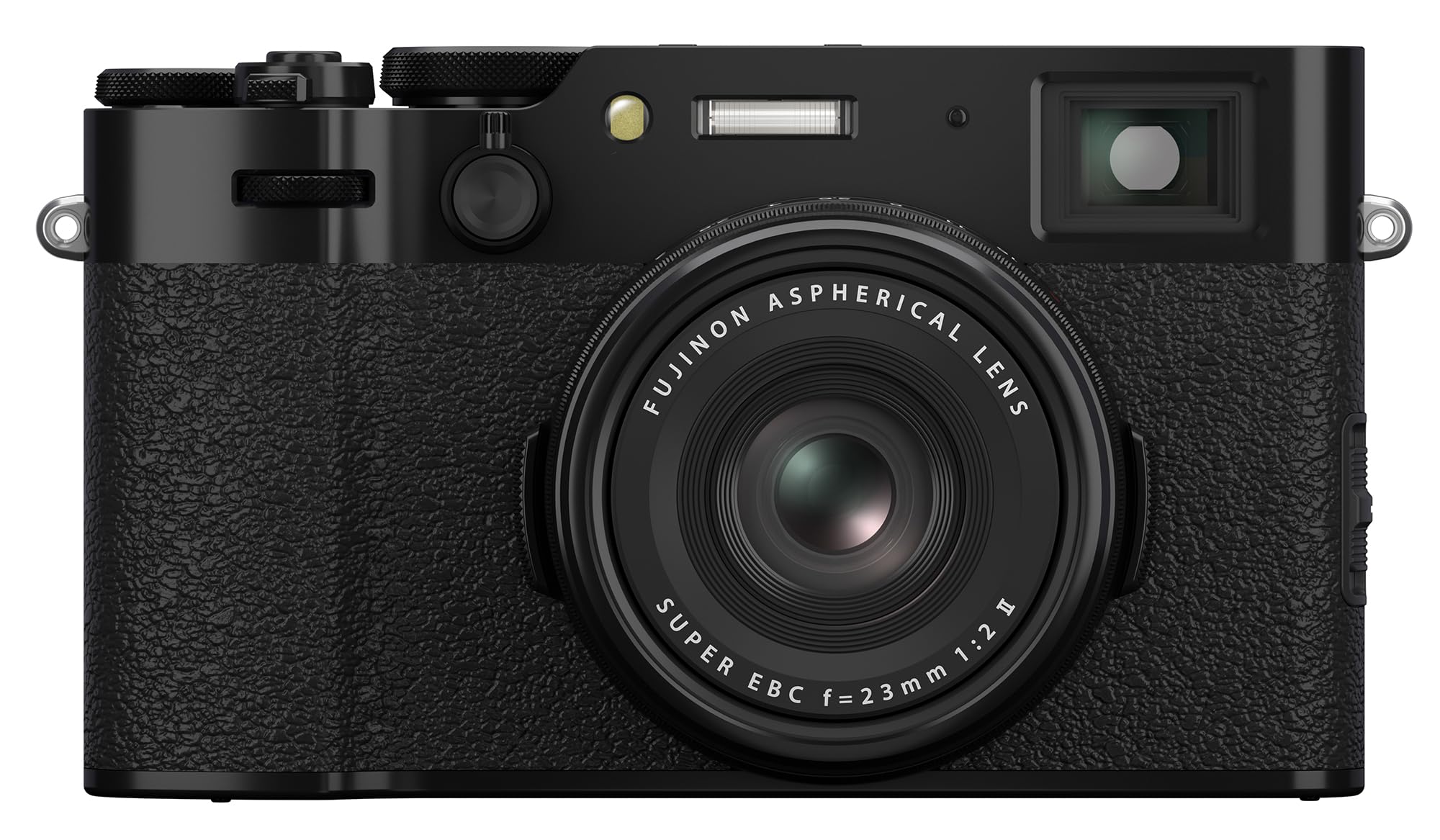
The Fujifilm X100VI is a fixed-lens APS-C camera that combines a beautiful 35mm-equivalent f/2 lens with Fuji's legendary film simulations and a newly added 40MP sensor. Its silent leaf shutter, compact size, and blend of vintage dials make it a joy for street photographers who want a discreet camera with character. The trade-off is its premium price and fact that the lens is not interchangeable, so you're committing to that one focal length.
Main limitation: The fixed 23mm lens suits street but not much else, and the camera has been perpetually back-ordered since release.
Skip if: Anyone who wants zoom flexibility or who needs weather sealing without a filter adapter.
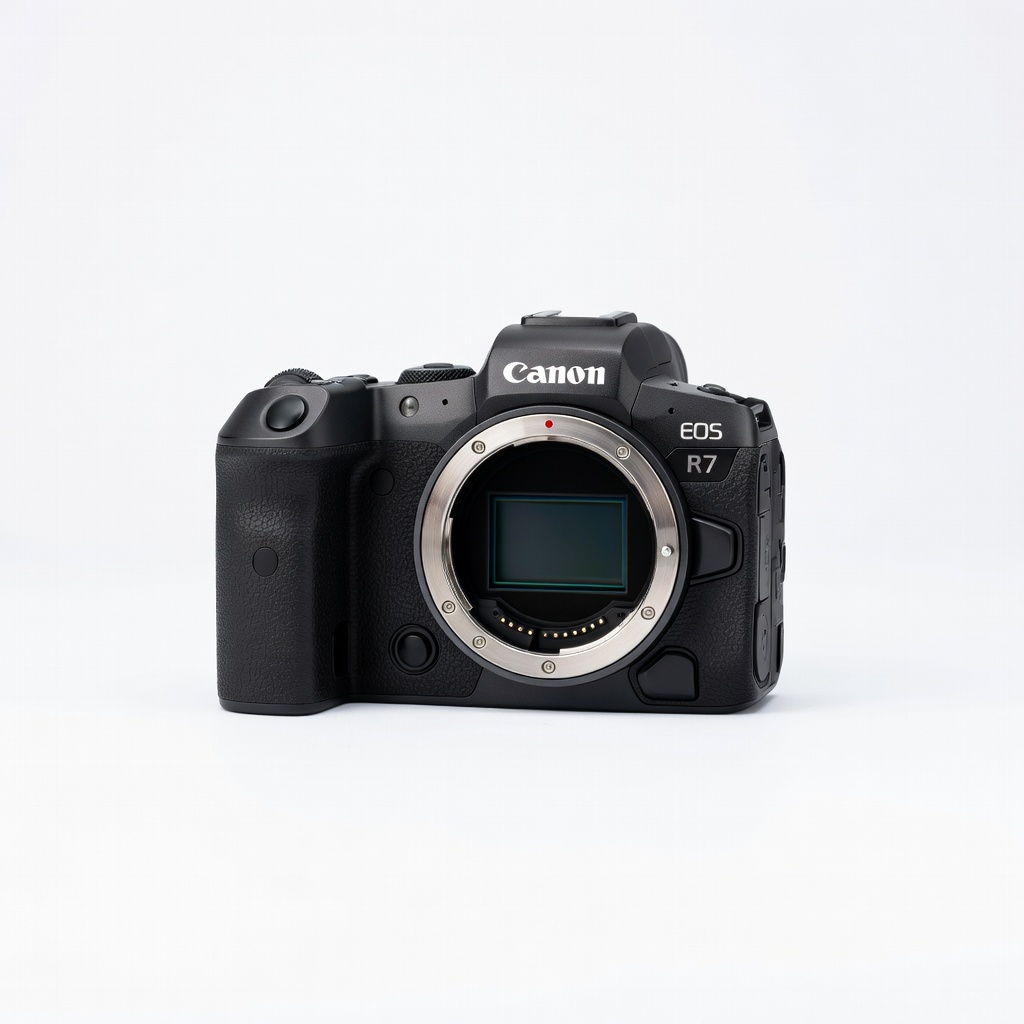
The Canon EOS R7 packs a 32.5MP APS-C sensor, 15 fps mechanical shooting, and a capable subject-detection autofocus into a weather-sealed body that won't break your bank. Its crop sensor and RF-S lens mount are ideal for telephoto reach on a budget, letting you capture birds and action without a $10,000 setup. The trade-off: rolling shutter in electronic mode and a limited lens selection for RF-S capable lenses.
Main limitation: The RF-S lens lineup is still small, and the electronic shutter's rolling shutter is significant in fast panning scenarios.
Skip if: Low-light shooters who prefer full-frame or those already invested in another system.
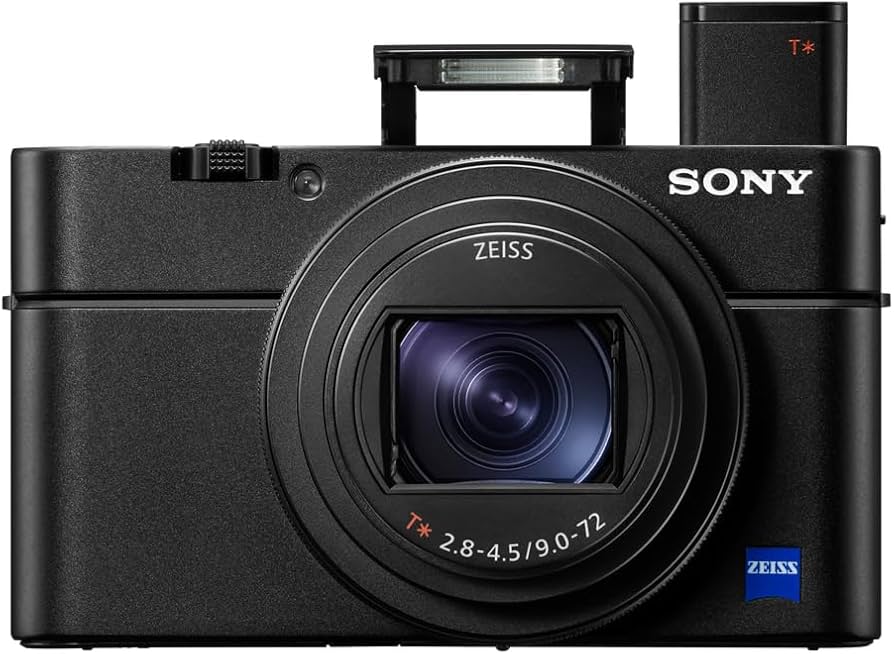
The Sony RX100 VII is the ultimate pocketable camera with a 20MP 1-inch sensor and a truly versatile 24-200mm zoom lens in a body that slips into a jacket pocket. It's the only camera in this list you'll actually carry everywhere, and its fast hybrid autofocus rivals much larger cameras. The trade-off is a tiny EVF, small buttons, and the fact that a good smartphone can cover some of its strengths.
Main limitation: Expensive for a camera with a 1-inch sensor, and its controls can be fiddly for larger hands.
Skip if: Anyone expecting interchangeable lenses or who prefers a touchscreen for quick control.
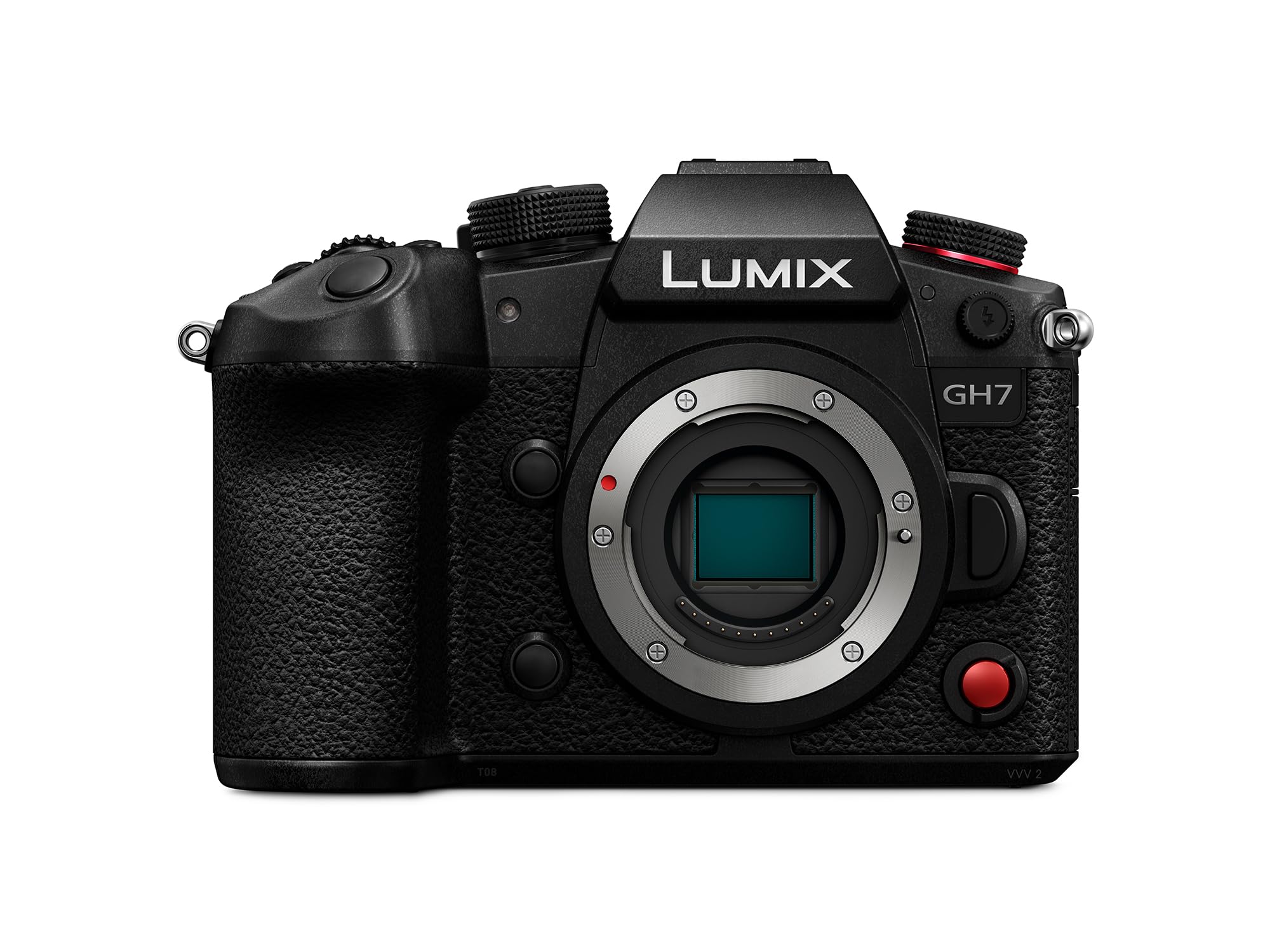
The Panasonic Lumix GH7 is a video-first Micro Four Thirds camera that shoots internal 6K ProRes RAW and offers stunning 4:4:2 color, impressive in-body stabilization, and now phase-detect autofocus for the first time in Panasonic's video-centric line. It's a compact production tool that can double as a stills camera, but its small sensor is less forgiving in low light when photographing. The trade-off: the MFT sensor needs faster lenses to match full-frame, and the body is not as sleek for stills purists.
Main limitation: Small sensor struggles in low-light stills compared to full-frame, and the menu system is complex for beginners.
Skip if: Primarily still photographers or anyone who needs an industry-standard full-frame video platform.
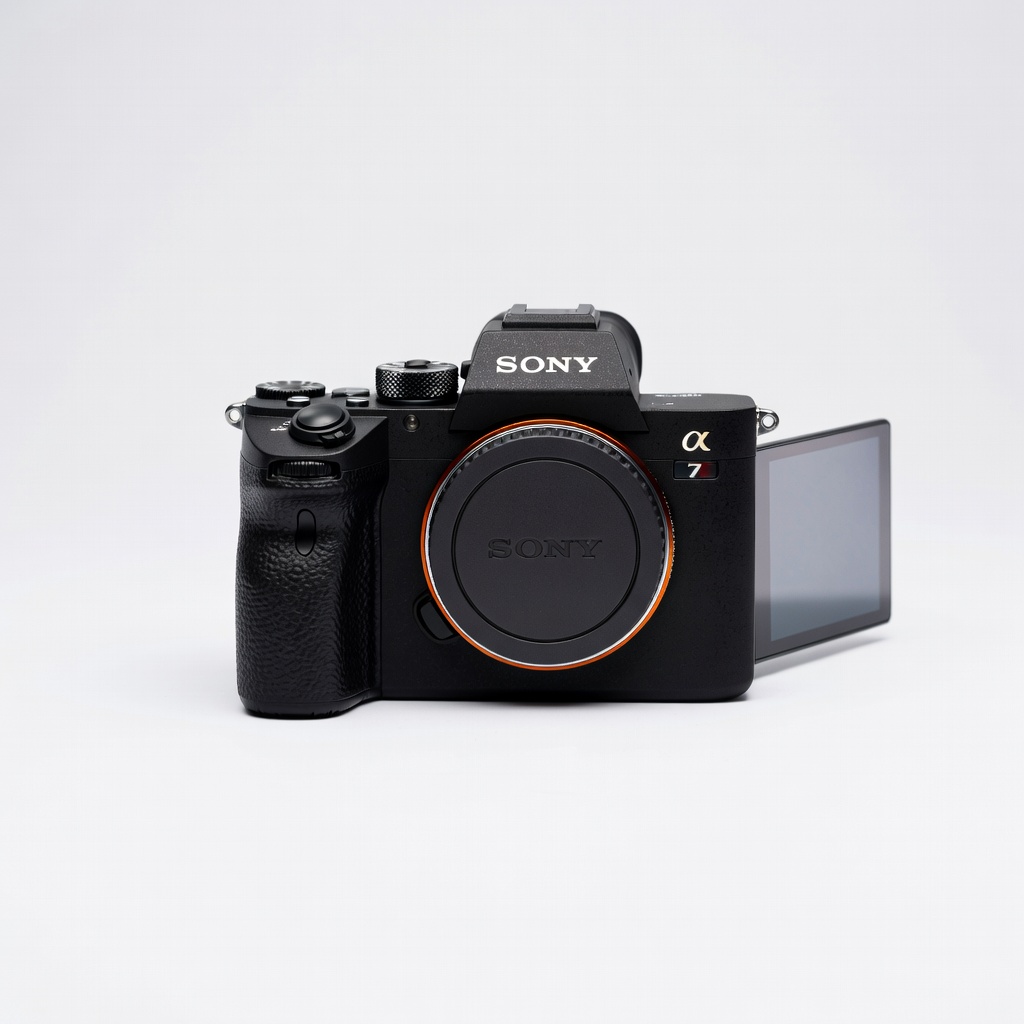
The Sony A7R V delivers an astonishing 61MP full-frame sensor with pixel-shift up to 240MP, plus advanced AI-based AF that nails eyes on humans and animals even in tricky conditions. Its best-in-class image stabilization is a boon for landscape and architecture shooters who crave maximum detail and recovery flexibility. The trade-off is a hefty price tag and the massive file sizes that demand a powerful computer.
Main limitation: Massive raw files can bog down older PCs, and the 61MP sensor offers no advantage for most online postings or small prints.
Skip if: Action photographers who need high-speed bursts, or anyone not printing large or cropping heavily.
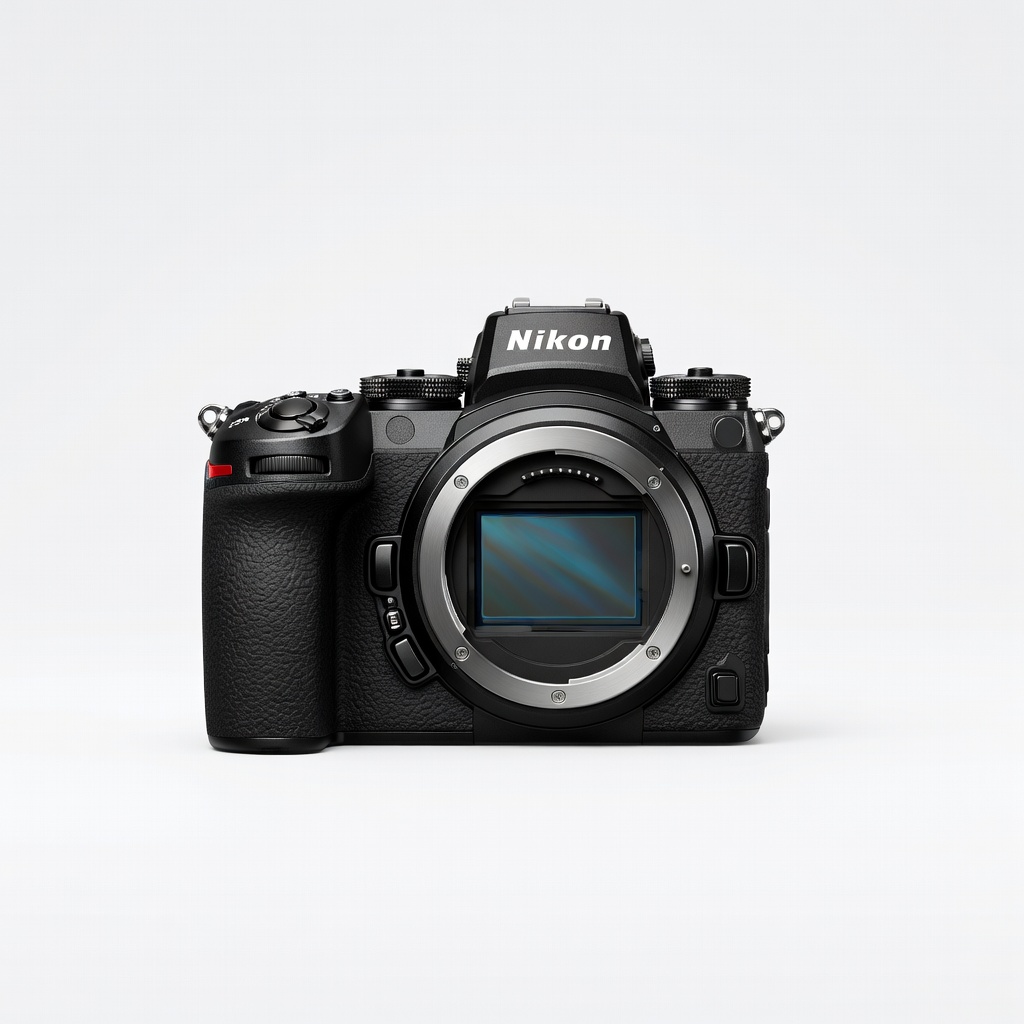
The Nikon Z6 III features a partially stacked 25MP full-frame sensor that delivers exceptional low-light performance and a surprisingly fast electronic shutter for a camera in its class. Its bright, high-resolution EVF and robust weather sealing make it a favorite for night shooters and run-and-gun videographers who want 4K120 slow-motion. The trade-off: the 25MP resolution is modest compared to rivals, and the lower-resolution viewfinder is a step below some competitors.
Main limitation: Only 25MP, which some might find limiting for cropping, and the AF system is not as sticky in fast action as the Sony options.
Skip if: Photographers who need maximum resolution for studio work or prefer a truly silent mirrorless shutter.
Compare key specs and features of all our recommendations side-by-side
| Product | Recommendation | Rating | Price |
|---|---|---|---|
Sony A7 IV Rank #1 | 🏆 Top Pick | 9.3/10 | $2,300–$2,500 Check current price → |
Canon EOS R50 Rank #2 | 💰 Budget Pick | 8.2/10 | $650–$750 (with lens) Check current price → |
Fujifilm X100VI Rank #3 | ⭐ Editor's Choice | 8.8/10 | $1,500–$1,700 Check current price → |
Canon EOS R7 Rank #4 | — | 8.5/10 | $1,300–$1,500 Check current price → |
Sony RX100 VII Rank #5 | — | 8.2/10 | $1,200–$1,300 Check current price → |
Panasonic Lumix GH7 Rank #6 | — | 8.7/10 | $1,800–$2,000 Check current price → |
Sony A7R V Rank #7 | — | 8.8/10 | $3,800–$4,200 Check current price → |
Nikon Z6 III Rank #8 | — | 8.6/10 | $2,400–$2,700 Check current price → |
Common questions buyers have about this category.
The Canon EOS R50 is our top budget pick because it offers guided menus, excellent AF, and a large ecosystem of EF/RF lenses with an adapter. It's light, affordable, and takes great photos right out of the box. If you have a slightly larger budget, the Sony A7 IV is forgiving and grows with you, though it has a learning curve.
Not necessarily. Full-frame cameras deliver better low-light performance and shallower depth of field, but they cost more and are heavier. APS-C cameras like the Canon EOS R50 or Fujifilm X100VI are more portable, affordable, and often more than enough for most hobbyists. Unless you routinely photograph in very dark settings or need extreme crop flexibility, a crop-sensor is the practical choice.
For serious video, the Panasonic Lumix GH7 offers internal RAW, 6K resolution, and excellent stabilization. The Sony A7 IV and Nikon Z6 III are also strong hybrids with 4K60/120. If you're a vlogger who prioritizes portability, the Sony RX100 VII's built-in screen and compact size make it a viable option.
If you're a beginner, start with the kit lens to learn the basics, then add a 50mm or 35mm prime later. A prime lens offers better low-light performance and sharpness, but limits flexibility. For travel, a zoom lens like the RX100's built-in zoom is more practical. As you improve, you'll know which focal lengths you need.
A good rule of thumb is to set aside at least the cost of the camera body for lenses and accessories over time. A fast prime, an extra battery, a memory card, and a bag are essentials. Professional lenses can cost more than the body, but you don't need them right away — start with the kit lens and upgrade as your skills develop.
Absolutely. Previous-generation models like the Sony A7 III or Fujifilm X-T4 are still excellent and often sell for 40% less than they did new. Just check shutter counts, replace the battery, and inspect for wear. However, newer cameras offer better autofocus and video features, so weigh your priorities.
Products we evaluated but did not recommend — and why.
