Get the App
Better experience on mobile
From full-frame workhorses to pocket-sized vloggers, these are the cameras that earn their price in 2026.
The mirrorless revolution is complete. By 2026, the benefits of electronic viewfinders, in-body stabilization, and compact camera bodies have made DSLRs nearly obsolete for most buyers. That's good news: you get better technology at lower prices than ever before. But the sheer number of models can be paralyzing. The best camera for you isn't the one with the most megapixels or the boldest spec sheet — it's the one that you'll actually carry, understand, and enjoy using.
We've combed through the current market to find cameras that succeed at their intended purposes, whether that's a $650 entry-level body for learning on, a $2,500 hybrid that handles both photos and video like a pro, or a fixed-lens compact for street photographers who want to travel light. We prioritized autofocus reliability, lens ecosystem, video quality, and everyday usability. We also considered real-world feedback from owners to ensure each pick is a dependable partner rather than a spec-sheet gem.
The eight cameras below represent the best of 2026, selected through careful comparison of specifications and the consensus of expert and user reviews. We've also included guidance on what to consider before you buy, so you can make an informed choice — not just the most expensive one. Remember, the best camera is the one that's with you when the moment happens, so weigh portability and ease of use as heavily as image quality.
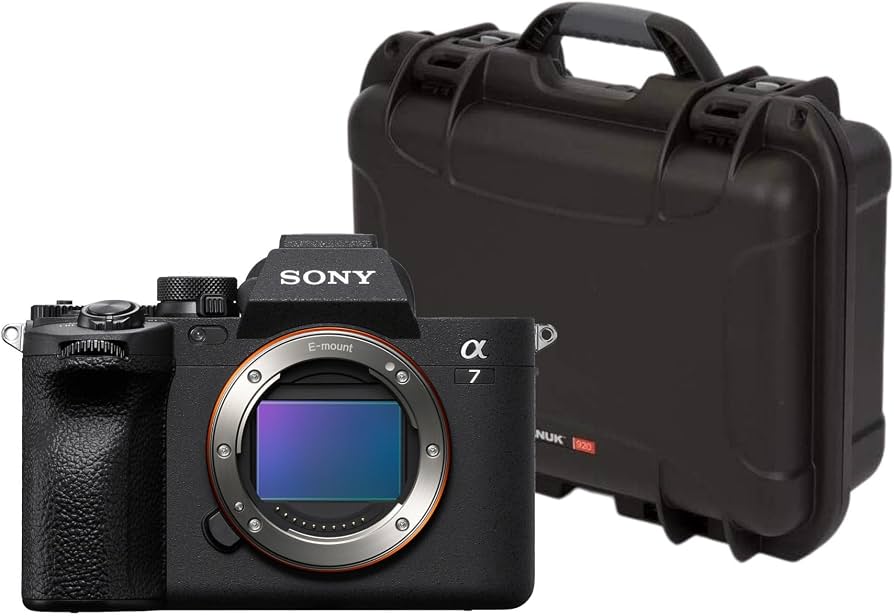
The Sony A7 IV is the quintessential hybrid camera, pairing a 33MP full-frame sensor with class-leading autofocus and excellent 4K60 video. For most photographers, it strikes the perfect balance of resolution, speed, and price. The trade-off is a slightly dated menu system and rolling shutter in 4K60, but it's still the benchmark for all-rounders.
Main limitation: The 4K60 mode uses a crop and exhibits noticeable rolling shutter, which may disappoint action videographers.
Skip if: If you're a beginner on a budget, the A7 IV's price and complexity might be overkill; consider a crop-sensor option instead.
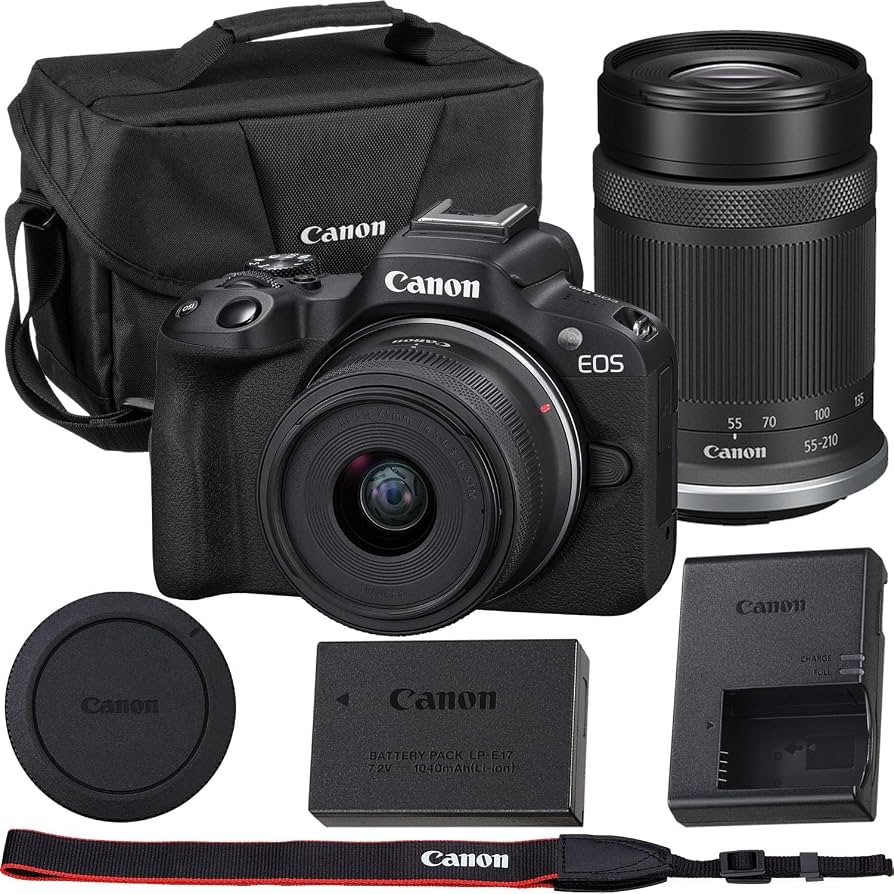
The EOS R50 is Canon's entry-level mirrorless that doesn't feel entry-level. It borrows advanced dual-pixel AF from higher-end models and shoots sharp 4K video, all in a tiny body. The kit lens is decent, but the real value lies in the intuitive interface and beginner-friendly features. The primary limitation is the small battery and limited button customization, but for the price, it's an unbeatable starter.
Main limitation: Battery life is poor, and the lack of a joystick makes AF point selection slightly clumsy.
Skip if: If you need a camera for professional work or want viewfinder magnification, this is not the right tool.
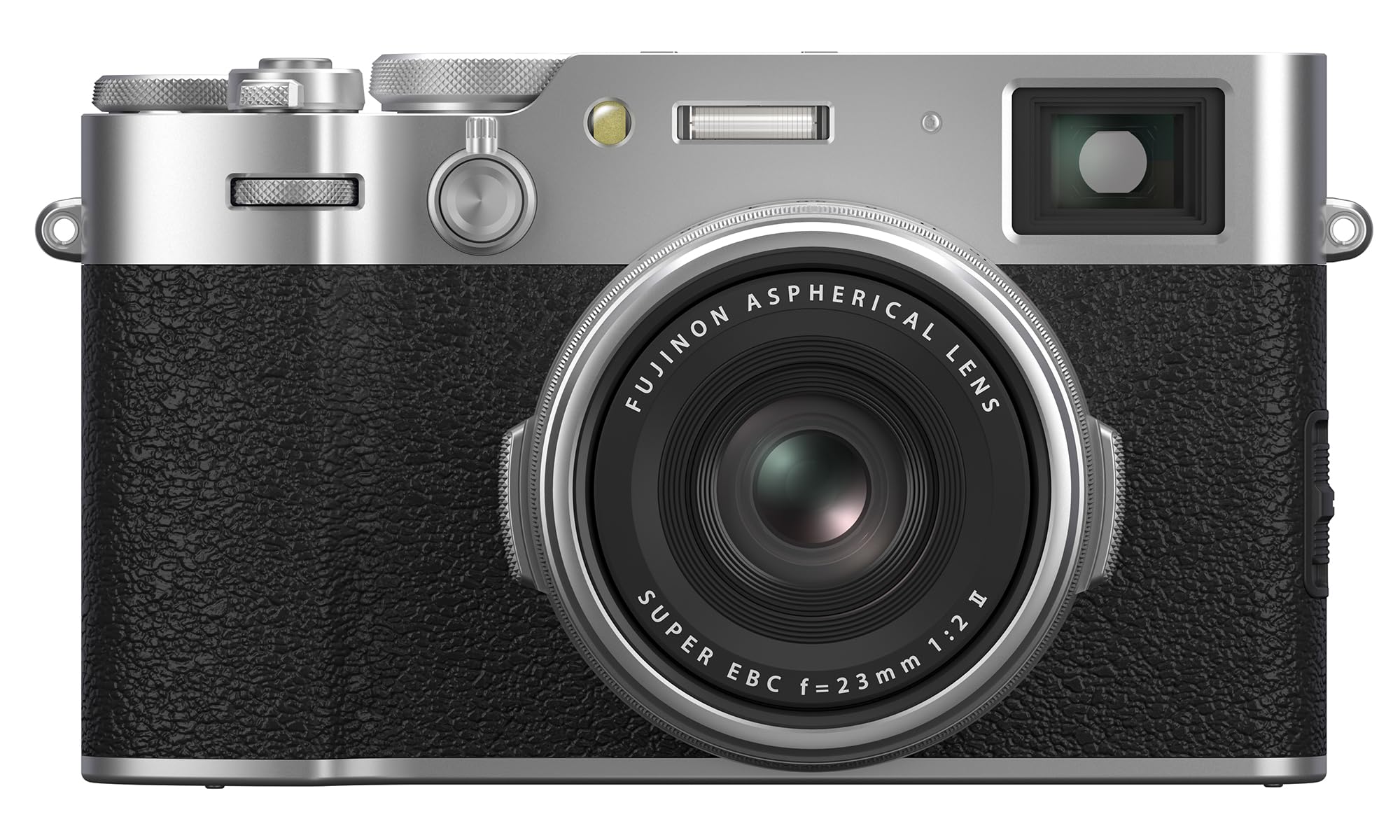
The X100 VI is the definitive street shooter's camera, blending a vintage rangefinder look with modern internals: a 40MP X-Trans sensor and the latest AF. The fixed 23mm f/2 lens is perfect for 35mm-equivalent framing, and Fuji's film simulations deliver unique JPEGs out of camera. The main trade-off is that it's a fixed-lens camera with a premium price, and it's not weather-sealed.
Main limitation: The fixed 35mm equivalent lens and high cost limit its flexibility compared to interchangeable lens rivals.
Skip if: If you need a zoom lens or on-camera flash, this is not for you; skip it if you want a general-purpose travel camera.
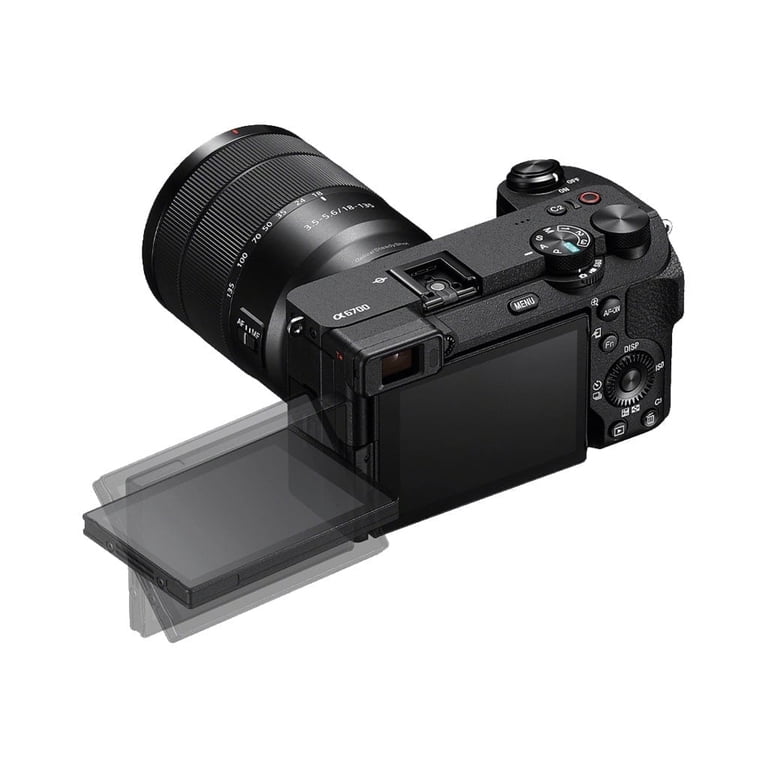
The A6700 brings Sony's latest AI autofocus and 4K120 to a compact APS-C body, making it a top choice for both photo and video. It's built on the same AF algorithms as the A7 V, with excellent subject tracking for animals and vehicles. The downside is the lack of a fully articulating screen for vlogging and a shallow grip, but it's a powerhouse for its size.
Main limitation: The SLI (single-layered interface) screen can't flip to the front for self-recording, and the menu is still dense.
Skip if: If you primarily shoot professional video, you'll want a full-frame body with more ports; this is better for creators who need a lightweight option.
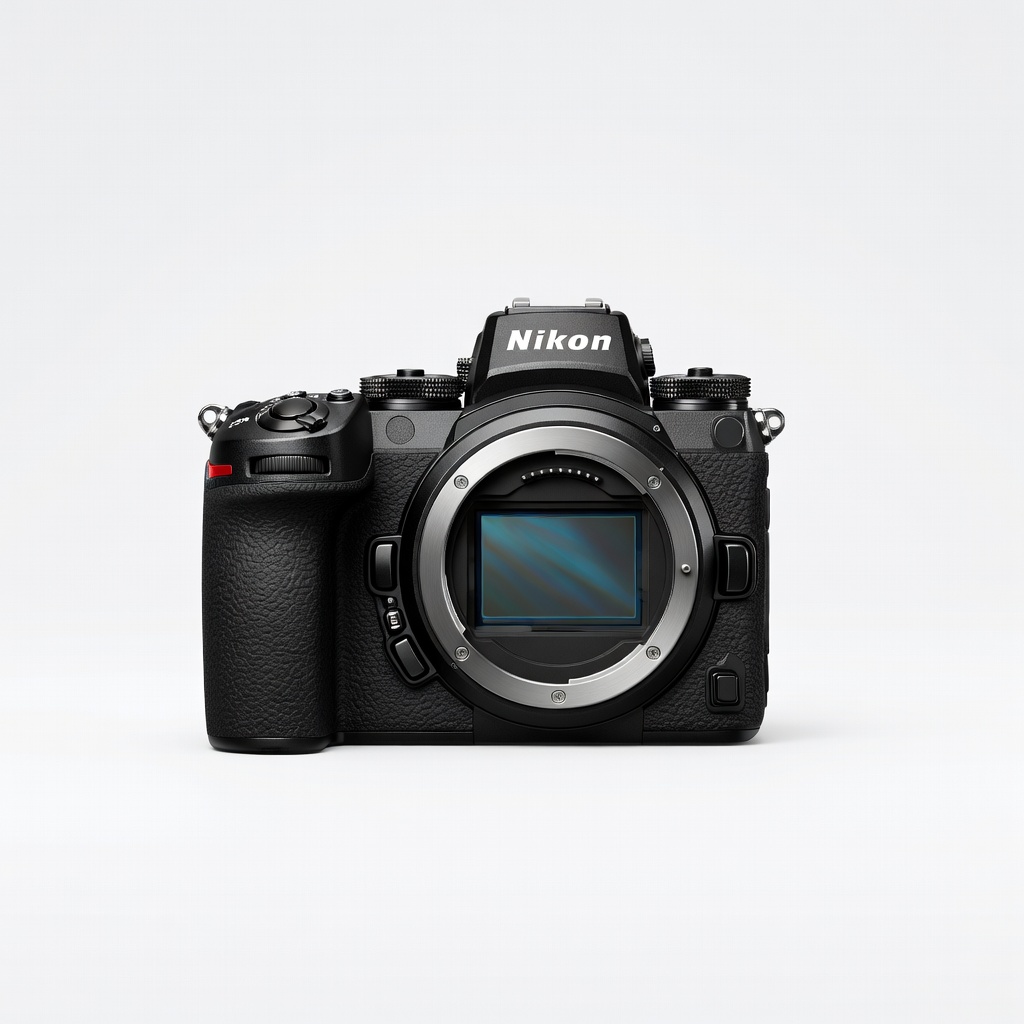
The Z6 III's partially stacked 24.5MP sensor delivers readout speeds that put it in a class above its price, with 120fps EVF and 14-bit RAW at 20fps. It excels in challenging light, thanks to an ISO range that remains clean up to 12,800. The trade-off is that the fully-articulated screen and deep grip make it a bit chunky for everyday carry.
Main limitation: Battery life is mediocre, and the shutter shock at low speeds can cause blur if you're not careful.
Skip if: If you're a video-first shooter, you might prefer the Panasonic S5 II for its unlimited recording and better codecs.
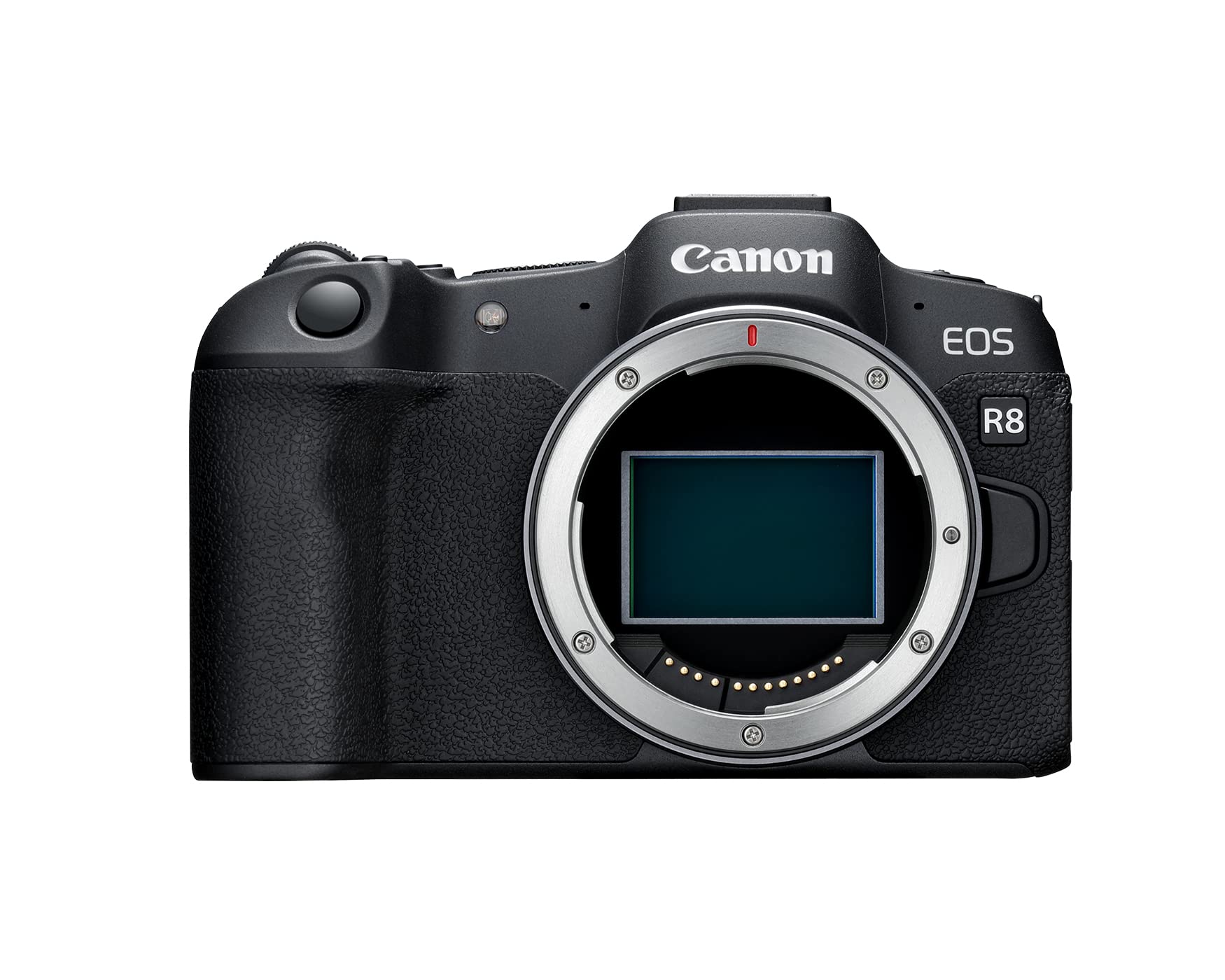
The R8 is Canon's most affordable full-frame mirrorless body, offering the same 24MP sensor and dual-pixel AF as the R6 Mark II but in a much lighter package. It's a brilliant travel companion that shoots 4K60 video and has excellent autofocus. To keep the price low, Canon omitted IBIS and used a smaller battery, so stabilization and battery life are underwhelming.
Main limitation: No in-body image stabilization and a tiny LP-E17 battery that drains quickly.
Skip if: If you need IBIS or long battery life for all-day shoots, consider an R6 II or a competitor with stabilised lenses.
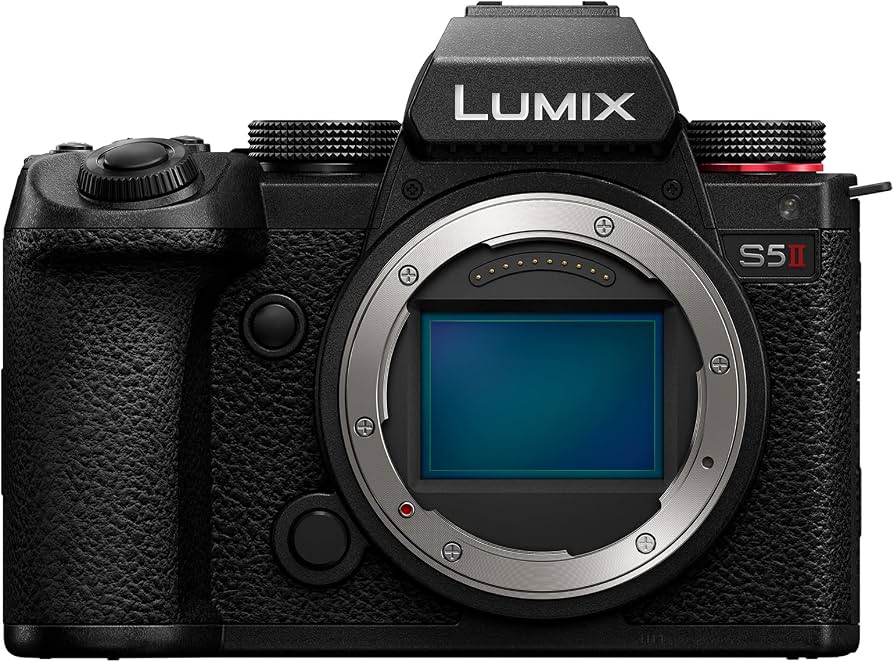
The S5 II gives videographers the features usually found on much pricier cameras: 6K open-gate recording, unlimited recording times (with cooling), and a new phase-detect AF that actually works. It's a hybrid that punches above its weight, with excellent ergonomics and a free-angle display. The caveat is that the AF isn't quite as sticky as Sony's, and the burst rate is modest.
Main limitation: Autofocus, while much improved, still lags behind Sony and Canon in fast-paced tracking, and the burst rate is limited to 9fps.
Skip if: If you're a high-speed sports shooter, this isn't the camera for you; look at a Z6 III or Sony A9 series.
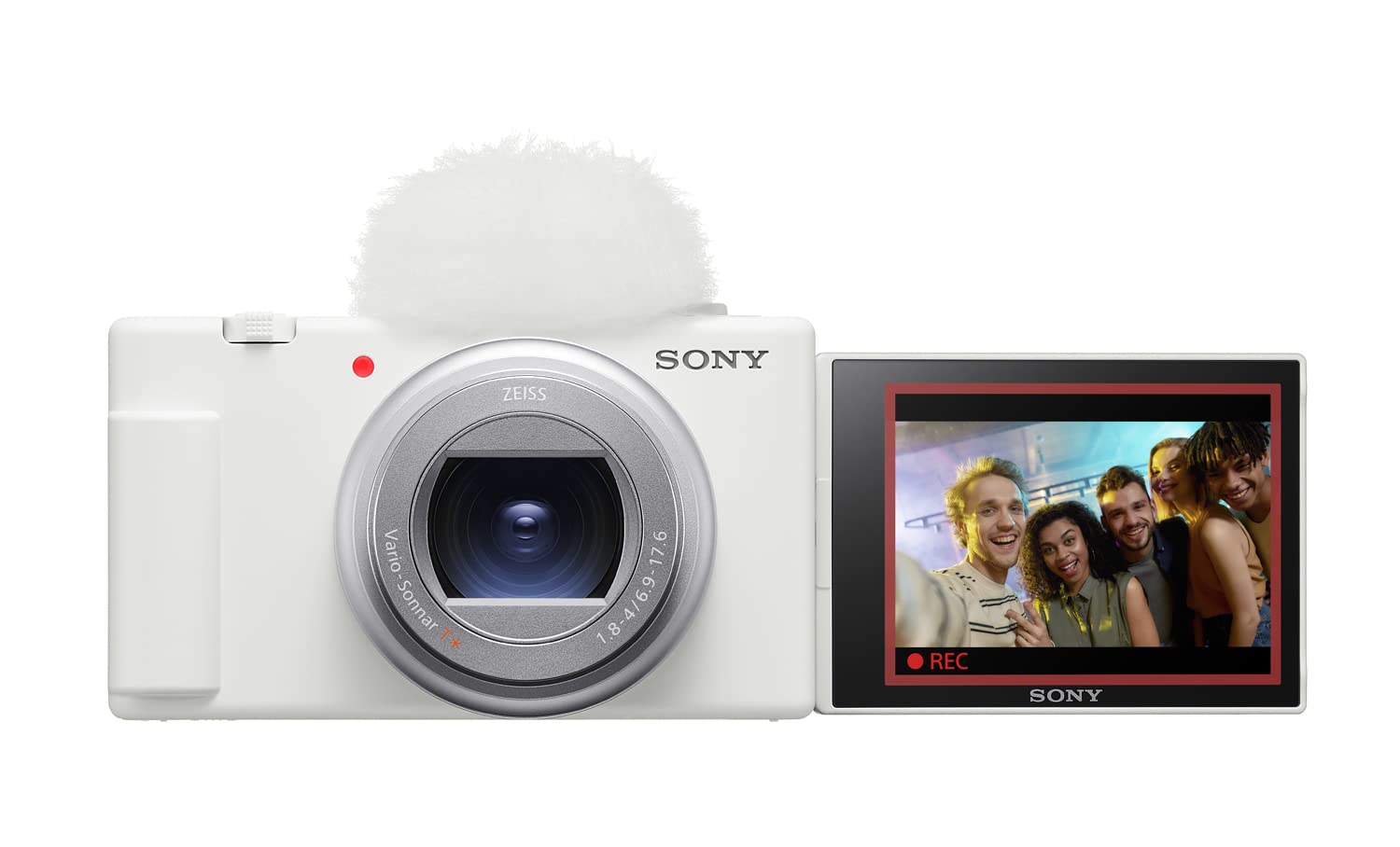
The ZV-1 II improves on its predecessor with a wider 18-50mm lens and better autofocus, making it an ideal jacket-pocket companion for vloggers. It records 4K30 with proper oversampling, has a flip-out screen, and features a built-in ND filter. The trade-off is the small 1-inch sensor, which performs poorly in low light and produces softer images than APS-C or full-frame cameras.
Main limitation: The 1-inch sensor can't match larger cameras in low light, and the built-in mic despite an outer wind sponge isn't great in wind.
Skip if: If you're a serious photographer who might print large, or you need a compact camera with an interchangeable lens, look elsewhere.
Compare key specs and features of all our recommendations side-by-side
| Product | Recommendation | Rating | Price |
|---|---|---|---|
Sony Alpha A7 IV (ILCE-7M4) Rank #1 | 🏆 Top Pick | 9.0/10 | $2,400–$2,600 Check current price → |
Canon EOS R50 + RF-S 18-45mm STM Kit Rank #2 | 💰 Budget Pick | 8.0/10 | $650–$800 Check current price → |
Fujifilm X100 VI Rank #3 | ⭐ Editor's Choice | 8.7/10 | $1,500–$1,700 Check current price → |
Sony Alpha A6700 (ILCE-6700) Rank #4 | — | 8.5/10 | $1,400–$1,600 Check current price → |
Nikon Z6 III Rank #5 | — | 8.8/10 | $2,200–$2,500 Check current price → |
Canon EOS R8 Rank #6 | — | 8.2/10 | $1,100–$1,300 Check current price → |
Panasonic Lumix S5 II (DC-S5M2) Rank #7 | — | 8.4/10 | $1,700–$2,000 Check current price → |
Sony ZV-1 II Rank #8 | — | 7.8/10 | $700–$800 Check current price → |
Common questions buyers have about this category.
The Canon EOS R50 is our top budget pick for beginners. It offers excellent autofocus, a user-friendly interface, and a compact body, all at a reasonable price. For a little more, the Sony A6700 provides a more advanced hybrid experience and room to grow.
Full-frame gives you better low-light performance, shallower depth of field, and typically higher resolution, but it costs more and requires heavier, pricier lenses. APS-C is a smarter choice for most hobbyists because it balances image quality, cost, and portability. Choose full-frame only if you have specific needs like shooting in low light without a flash or needing ultra-high resolution.
For most social media postings, even a mid-range camera like the Canon R50 or Sony ZV-1 II is more than enough. Highlight a camera for video features like 4K, good autofocus, and a flip-out screen, not necessarily a full-frame sensor. Expensive full-frame cameras are overkill if your destination is a phone screen.
24 megapixels is the sweet spot for most users, allowing ample cropping space and high-quality prints up to 20x30 inches. 33-40MP only helps if you frequently crop deeply or make wall-sized prints. Higher megapixel counts usually mean larger files and slower continuous shooting, so don't chase resolution unless you have a concrete need.
For pure vlogging, the Sony ZV-1 II is our top compact pick due to its user-friendly flip-out screen, versatile lens, and built-in ND filter. If you want a more versatile camera for both photo and vlogging, the Sony A6700 or Canon R8 offer larger sensors and interchangeable lenses, giving you much better video quality.
Yes, with the correct adapter. Companies like Sony, Canon, Nikon, and even third parties offer adapters that maintain autofocus and image stabilization for many lenses. Keep in mind that some adapters are bulky, and autofocus speed may be slower than native lenses. It's a great way to save money if you already own lenses.
The Canon EOS R50 is our budget pick, offering reliable 24MP images and excellent autofocus for under $800 with a kit lens. If you prefer a compact all-in-one, the Sony ZV-1 II is also a strong contender for its lens quality and portability, though its 1-inch sensor is a compromise.
Products we evaluated but did not recommend — and why.
