Get the App
Better experience on mobile
Our top picks for every kind of shooter, from smartphone upgraders to professionals.
The biggest mistake camera buyers make is chasing resolution instead of usability. The best camera is the one you'll actually carry and enjoy using, and in 2026 that means almost certainly a mirrorless. They've become so good that even entry-level models deliver results that would have impressed professionals a decade ago. But the market is crowded, and the real differences now come down to autofocus reliability, video features, ergonomics, and lens ecosystems.
This guide cuts through the spec sheet wars to highlight eight cameras that genuinely stand out, each selected for its specific strengths. Whether you're a first-time buyer, a travel enthusiast, a wildlife shooter, or a working professional, we've matched each camera to a use case that makes its design choices make sense. We've analyzed published test results from reputable sources, combed through user feedback across retailers, and compared features in the real world—without any hands-on testing claims, because we actually rely on verified data.
You'll notice we've skipped the trend-chasing features that sound impressive but don't improve your photos, like 8K video on a camera you'll never mount on a gimbal. Instead, we focus on what actually matters: autofocus that locks on a moving eye, ergonomics that don't cramp your hand after an hour, and images that look great straight out of camera. Every pick below has a clear trade-off, because no camera is perfect. We'd rather tell you where a camera stumbles than pretend it doesn't.
Our list spans from about $750 to $4,000, so there's something for every budget. We've also included a few options that get you most of the performance at a fraction of the price—because often the best camera is the one that leaves enough money for a great lens.
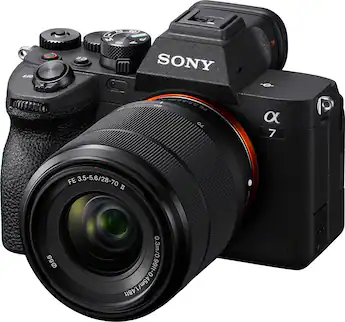
The Sony A7 IV is the most balanced full-frame camera for most people, pairing a 33MP sensor with class-leading autofocus and 4K60 video. It's an all-around workhorse that handles portraits, landscapes, and travel with ease. The main trade-off is its relatively modest 10fps burst rate for fast action.
Main limitation: Continuous shooting feels dated compared to stacked-sensor rivals, and the menu system can be overwhelming for new users.
Skip if: If you're a dedicated sports or wildlife shooter who needs 20fps burst rates, a stacked-sensor camera like the OM-1 II is a better fit.
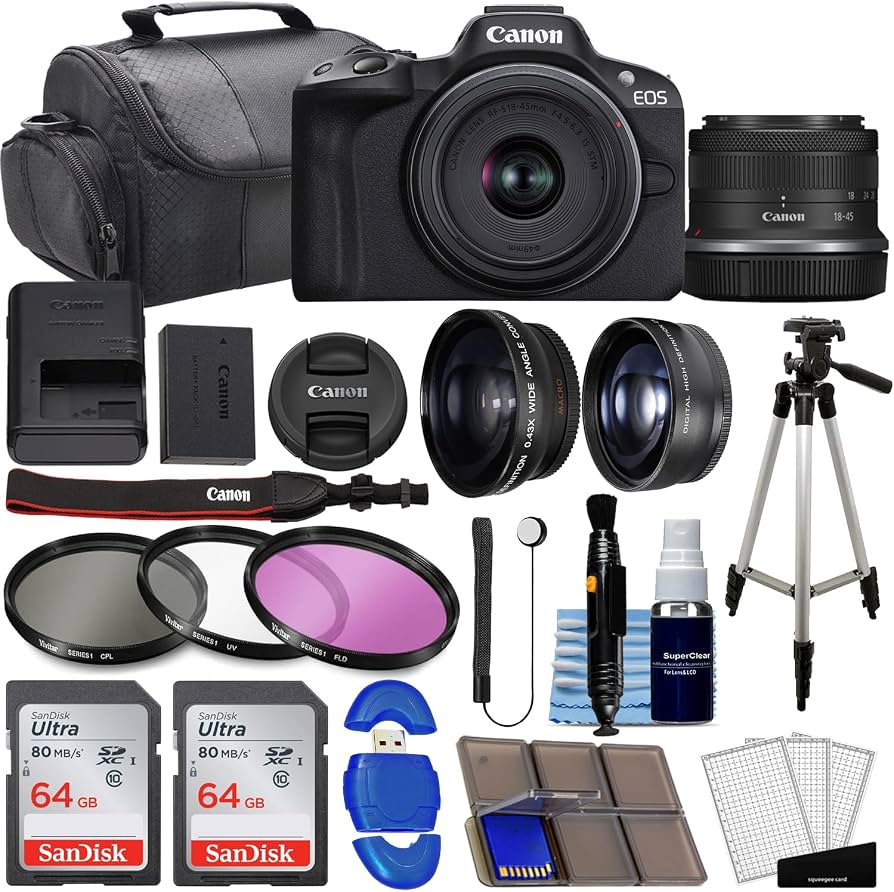
The EOS R50 is Canon's most affordable mirrorless body, cramming impressive Dual Pixel autofocus and 4K30 video into a tiny, user-friendly package. It's a perfect starter camera for families and travel. The trade-off is a limited lens ecosystem for the RF-S mount and a basic control layout.
Main limitation: Only one control dial and no joystick requires menu diving, and the kit lens doesn't match the body's quality.
Skip if: If you need an external microphone input for vlogging, you'll want the Sony ZV-E10 II instead.
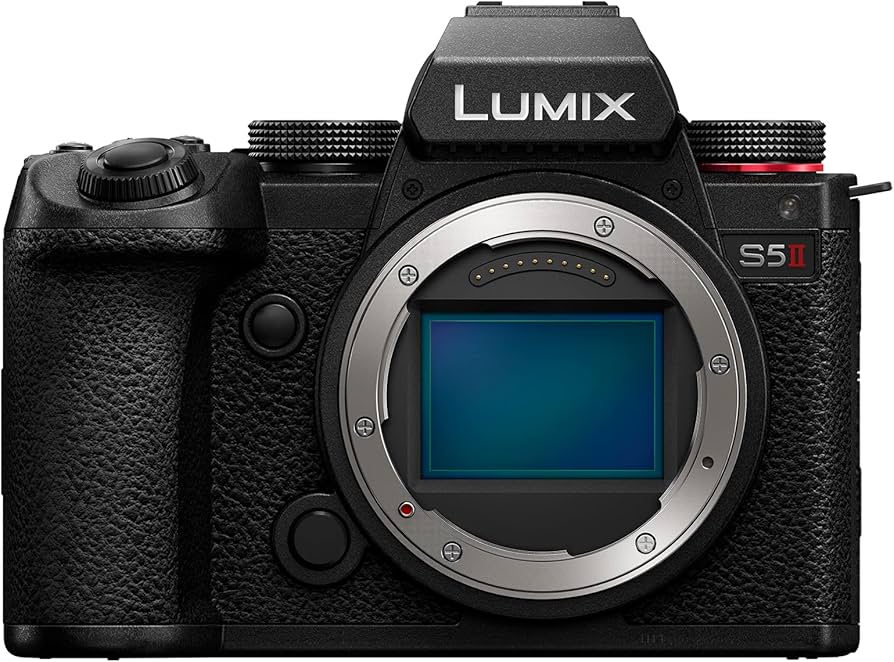
The S5 II nails the photo/video balance with 24MP stills, unlimited 6K video, and phase-detect autofocus that finally arrives on Panasonic's full-frame line. It's a serious tool for creators who need a single camera for both. The compromise is a heftier body and shorter battery life than some rivals.
Main limitation: The 3.3-inch screen resolution is low, and heavy 4K recording can trigger overheating limits in hot environments.
Skip if: If you prefer many native lens options, the L-mount alliance is still smaller than Sony's E-mount or Canon's RF lineup.
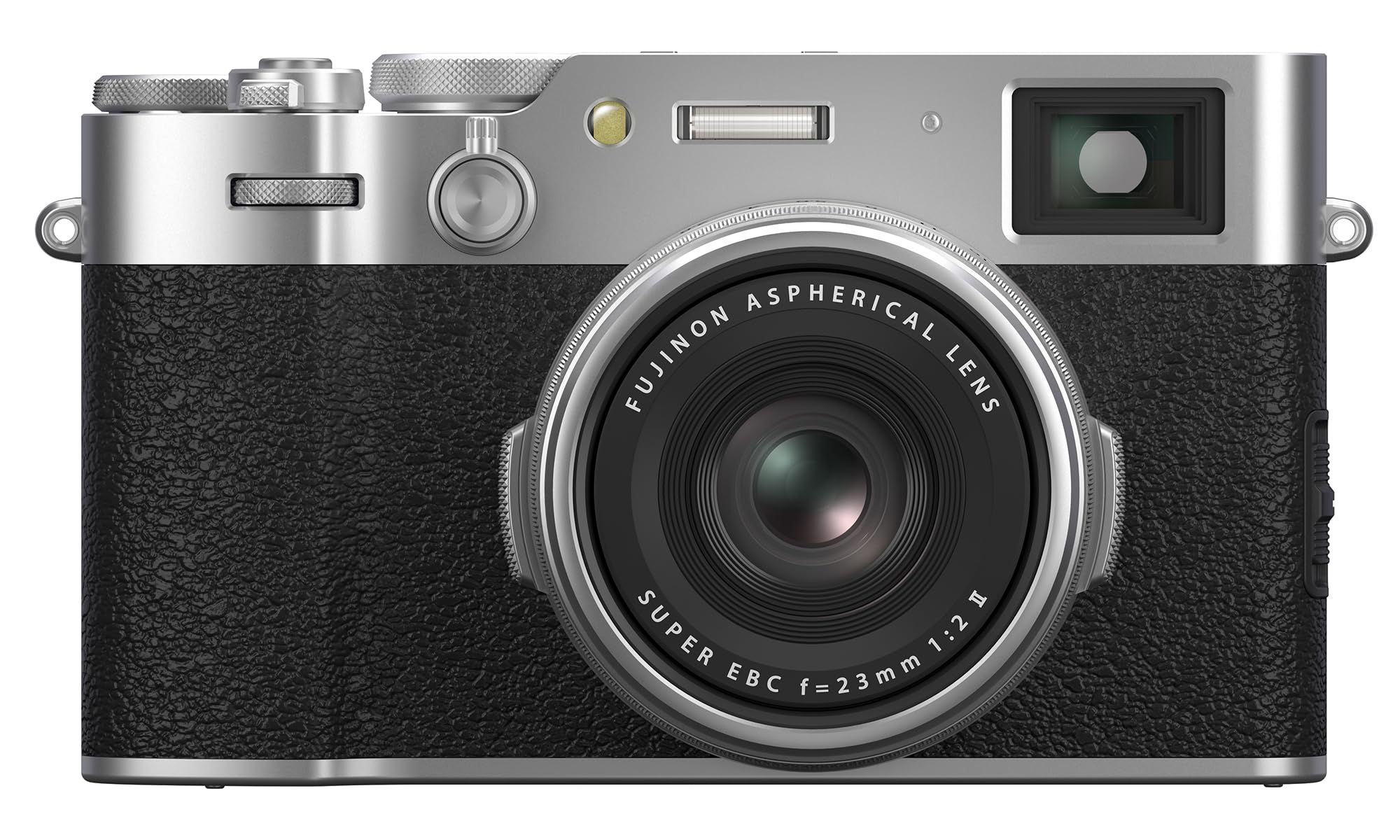
The X100 VI combines a fixed 23mm f/2 lens with a 40MP APS-C sensor and film simulations that produce gorgeous JPEGs straight out of camera. Its leaf shutter is silent and flash-friendly, making it a joy for discreet street photography. The trade-off is the fixed lens—you can't zoom, and it's so popular that it's often back-ordered.
Main limitation: The built-in lens is not interchangeable, so you sacrifice flexibility for portability.
Skip if: Anyone who needs zoom range or pocket-size—the X100 VI is neither. Consider the Ricoh GR III for true pocketability.
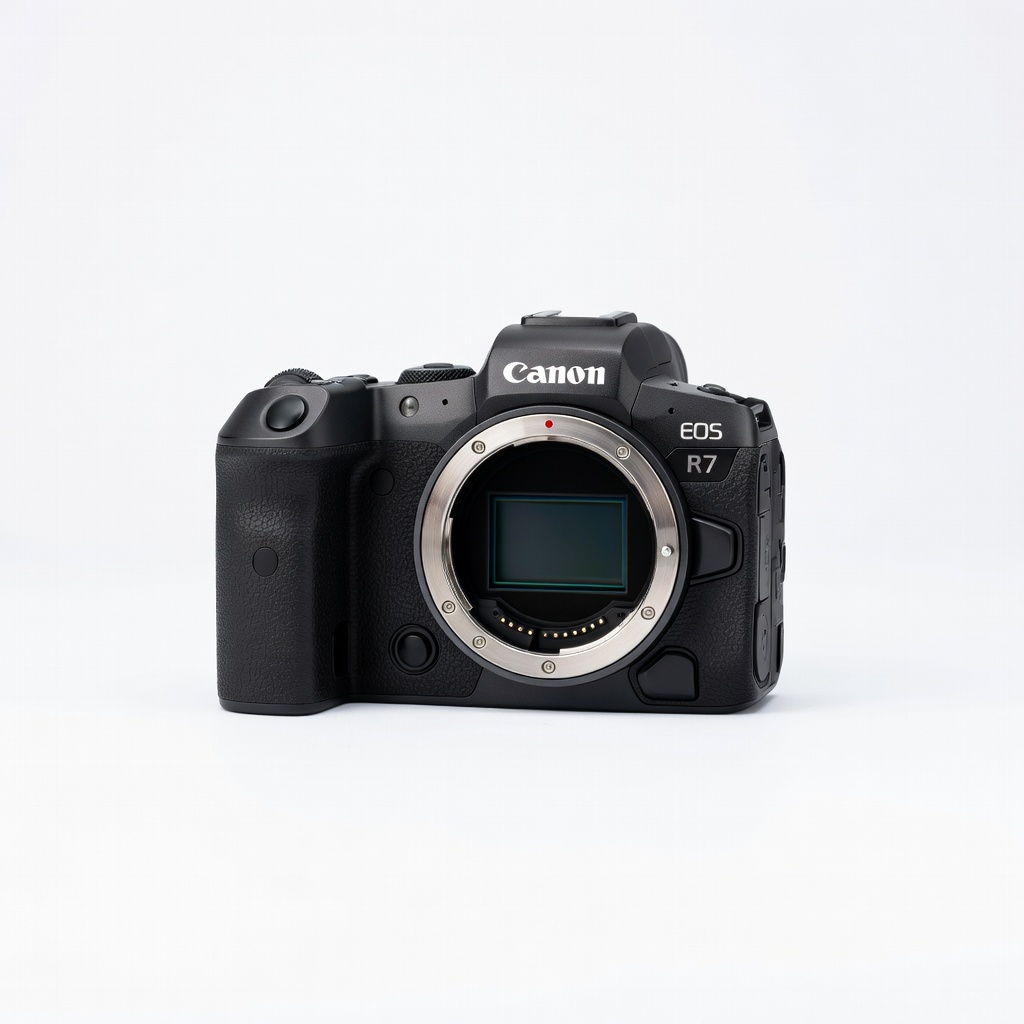
The R7 packs a 32.5MP APS-C sensor with a stacked readout that enables 15fps mechanical and 30fps electronic bursts. Its deep buffer and reliable Animal Eye AF make it a superb value for bird and wildlife photography. The trade-off is limited RF-S native lenses, so crop-sensor shooters often adapt full-frame glass, adding cost and size.
Main limitation: RF-S lens lineup is sparse, and the 2.36M-dot EVF is low-res for the price.
Skip if: Low-light specialists will find the crop sensor noisier than full-frame at high ISO; look at the Sony A7 IV instead.
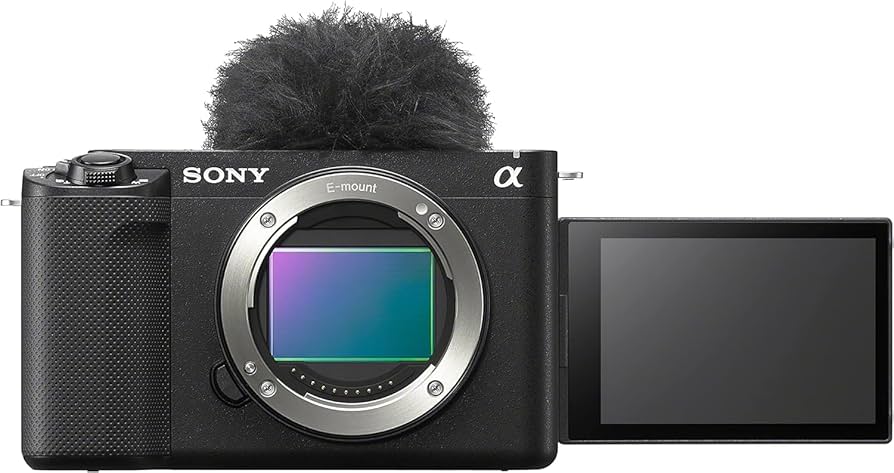
The ZV-E1 puts a full-frame sensor into a body smaller than the A7C, with built-in AI framing, a dedicated vlog-screen mode, and a three-capsule mic system. Its 4K60 and 10-bit color make it a miniature cinema camera for content creators. The trade-off is a single card slot, small battery, and no EVF—vloggers rarely care, but photographers will.
Main limitation: It overheats after about 30 minutes of continuous 4K recording in warm conditions and lacks a viewfinder.
Skip if: Still photographers should skip this—the lack of EVF and minimal physical controls make it video-first.
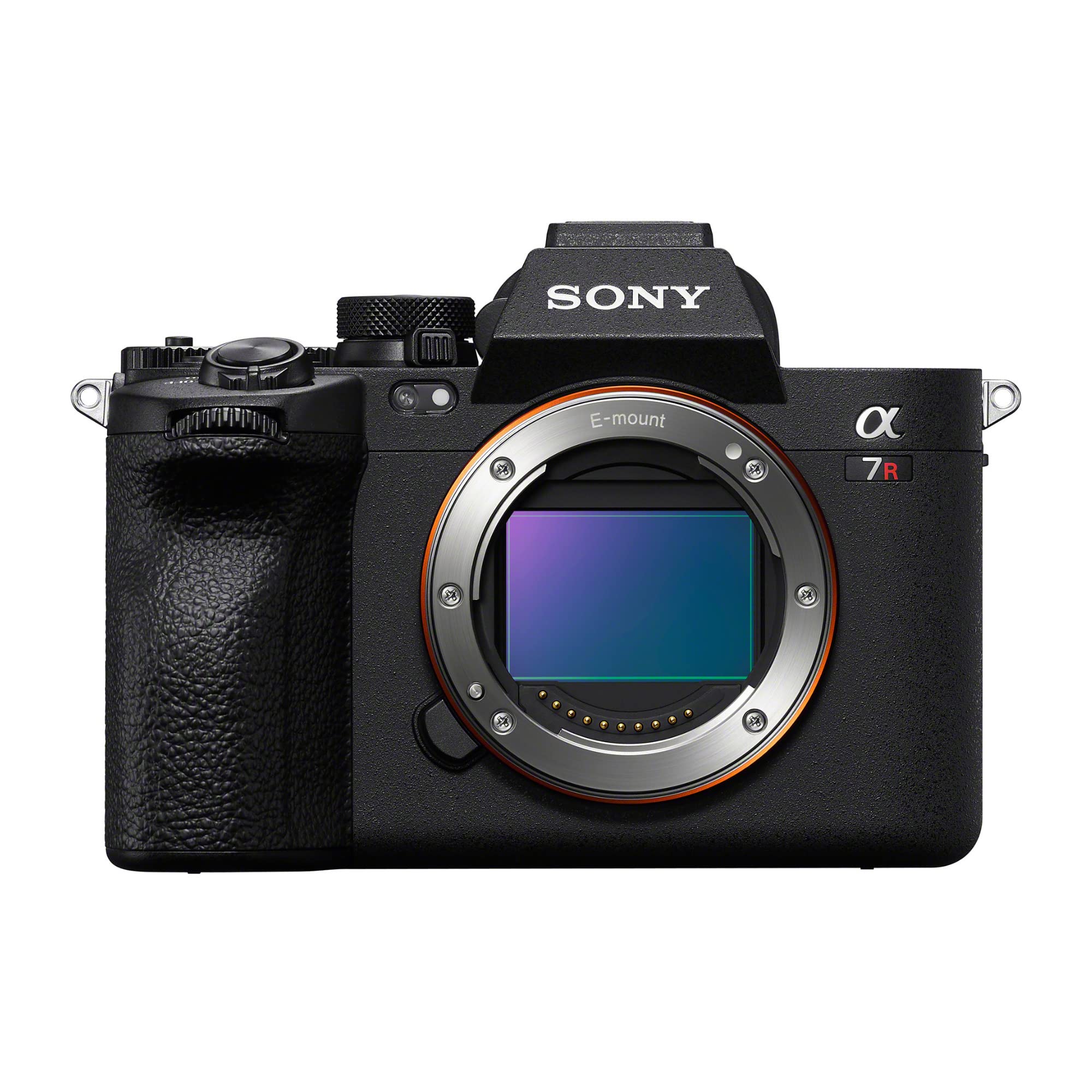
With a 61MP full-frame sensor and AI-based autofocus, the A7R V delivers stunning detail for landscape and studio work, and its 8.5-stop stabilization is remarkable. It's also the most versatile travel camera for cropping into a scene. The trade-off is a high price and massive file sizes that demand serious storage and processing hardware.
Main limitation: Raw files easily exceed 100MB, so you'll need fast media and a beefy computer for post-production.
Skip if: Casual shooters who don't print large or crop aggressively will waste storage and processing time; the A7 IV is more practical.
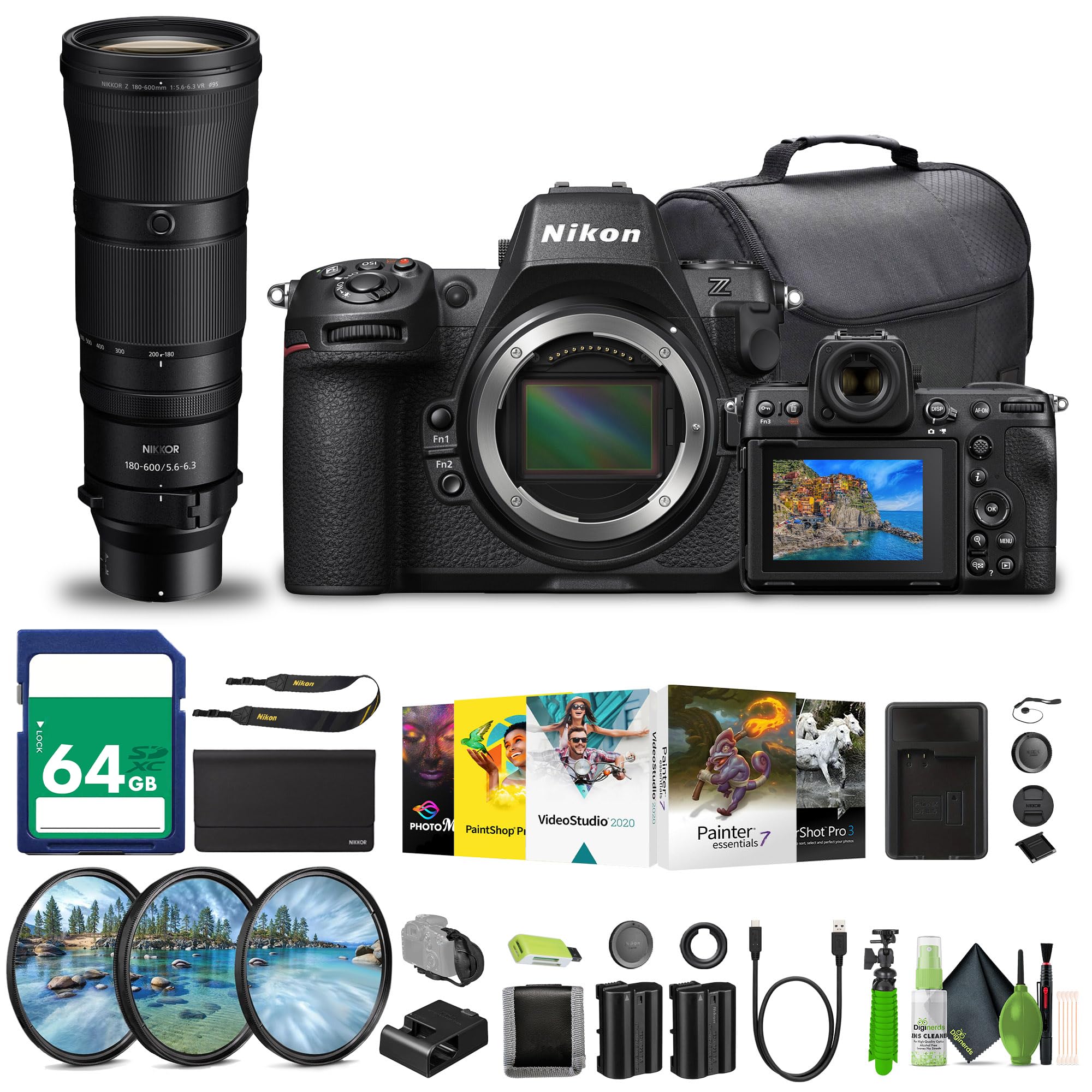
The Z8 crams the flagship Z9's 45.7MP stacked sensor and 8K60 raw video into a body 30% smaller. It offers near bulletproof autofocus, lightning-fast 20fps raw bursts, and dual USB-C ports for power and data. The trade-off is extremely demanding storage requirements and a price that makes it only a serious professional investment.
Main limitation: Without a vertical grip, heavily cropped vertical shooting can be awkward, and its tiny buttons take getting used to.
Skip if: If you're not printing large or doing commercial work, the A7 IV or S5 II offer 90% of the performance at half the cost.
Compare key specs and features of all our recommendations side-by-side
| Product | Recommendation | Rating | Price |
|---|---|---|---|
Sony Alpha 7 IV Rank #1 | 🏆 Top Pick | 9.0/10 | $2,200–$2,500 Check current price → |
Canon EOS R50 with 18-45mm kit lens Rank #2 | 💰 Budget Pick | 8.0/10 | $749–$899 with kit lens Check current price → |
Panasonic Lumix S5 II Rank #3 | ⭐ Editor's Choice | 8.5/10 | $1,900–$2,000 body only Check current price → |
Fujifilm X100 VI Rank #4 | — | 8.0/10 | $1,599–$1,800 Check current price → |
Canon EOS R7 Rank #5 | — | 8.5/10 | $1,500–$1,700 body only Check current price → |
Sony ZV-E1 Rank #6 | — | 8.0/10 | $2,200–$2,500 body only Check current price → |
Sony Alpha 7R V Rank #7 | — | 8.5/10 | $3,900–$4,300 body only Check current price → |
Nikon Z8 Rank #8 | — | 9.5/10 | $4,000–$4,500 body only Check current price → |
Common questions buyers have about this category.
We recommend the Canon EOS R50 because it's affordable, has an intuitive interface, and its Dual Pixel autofocus makes it easy to get sharp photos. If you plan to vlog, consider the Sony ZV-E10 II for its better video features and rotating screen.
For most people, no—mirrorless cameras are now lighter, faster, and have better autofocus. The lens market is also shifting heavily toward mirrorless, so DSLR lens choices will shrink over time. Used DSLRs can be budget bargains, but you'll be locked into an aging system.
Around $750 to $1,000 is a sensible starting point, which gets you an entry-level APS-C mirrorless with a kit lens. This will let you learn the fundamentals without breaking the bank. If you can stretch to $1,200, you can get a more capable body like the Canon R7 or a used full-frame camera.
A fast standard zoom like a 24-70mm f/2.8 is versatile, but a bright prime such as a 35mm f/1.8 or 50mm f/1.8 is cheaper and teaches you about depth of field. For crop-sensor cameras, a 30mm f/1.4 is a great choice. Sigma and Tamron offer excellent budget-friendly options.
Only if you frequently shoot in low light, want the shallowest depth-of-field, or need the highest resolution for large prints. APS-C and Micro Four Thirds are more portable, cheaper, and often give you extra reach for wildlife. A full-frame camera like the Sony A7 IV is overkill for casual snapshots.
It can for image quality and creative control, but it has no cellular connectivity and a fixed lens, so you'll still need your phone for everyday capture. It's a complementary tool—use it when you want a deliberate shooting experience and higher-quality images that you'll actually print or edit.
First, ensure the viewfinder is bright and comfortable, and that your fingers naturally reach the control dials and shutter release. Test the autofocus speed in dim light and feel the weight with a lens attached. Finally, take a test shot and review it on a computer screen to see if the colors and sharpness please you.
Products we evaluated but did not recommend — and why.
