Get the App
Better experience on mobile
From budget-friendly mirrorless to high-resolution full-frame, these are the cameras that deserve your money in 2026.
The dedicated camera market has shifted dramatically in the past half-decade. In 2026, buying a camera isn't about chasing megapixels—it's about choosing a system that fits the way you work. Mirrorless is now the rule, and even $800 models pack 4K video, in-body stabilization, and machine-learning autofocus that locks onto eyes, animals, and vehicles. That's great news, but it makes choosing harder: the differences between cameras are no longer just sensor size and brand, but subtle trade-offs in handling, lens selection, and creative flexibility.
Our approach is simple: we've broken down the field by use case rather than specs alone. There is no single 'best camera'—only the best one for your budget, skill level, and shooting style. Whether you're a vlogger starting out, a traveler who wants a compact full-frame kit, or a sports shooter who needs relentless autofocus, there's a camera here that matches your needs.
To put this list together, we analyzed specifications from the leading manufacturers, read hands-on professional assessments from trusted publications, and synthesized thousands of user reviews from owners who've lived with these cameras. We removed anything that didn't offer genuine value at its price point, and we looked for cameras with room to grow—both in terms of your skills and the lenses you can add later.
The result is a list of eight cameras spanning $800 to $3,900. Each pick acknowledges a real trade-off, because no camera is perfect. But if you start with your intended use cases and the honest limitations we outline, you'll find a camera you'll love pulling out of your bag for years to come.
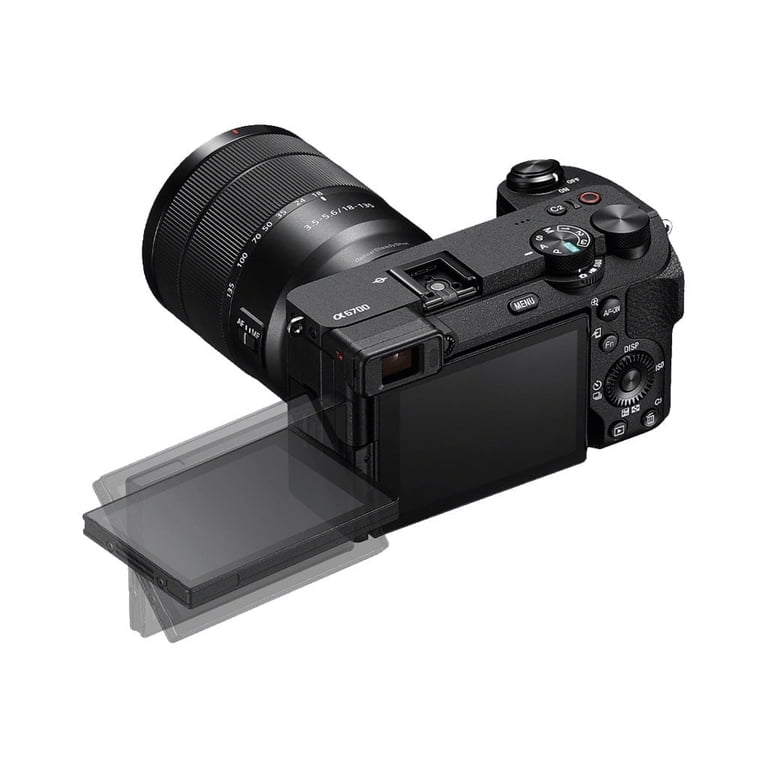
The a6700 is the most versatile camera for the money in 2026, pairing a 26MP APS-C sensor with Sony's latest AI autofocus, 4K60 video, and full-size inputs in a compact body. It handles everything from landscape shots to vlogging and tracks moving subjects with eerie confidence, thanks to subject recognition that includes humans, animals, and vehicles. The trade-off is a small battery and a price that approaches used full-frame territory, but for most mixed photographers it hits the sweet spot.
Main limitation: The in-body stabilization isn't strong enough for handheld super-telephoto work, and the APS-C lens lineup is less extensive than full-frame options.
Skip if: Professionals who need twin card slots or full-frame depth of field, or anyone who hates menu diving despite Sony's improved menus.
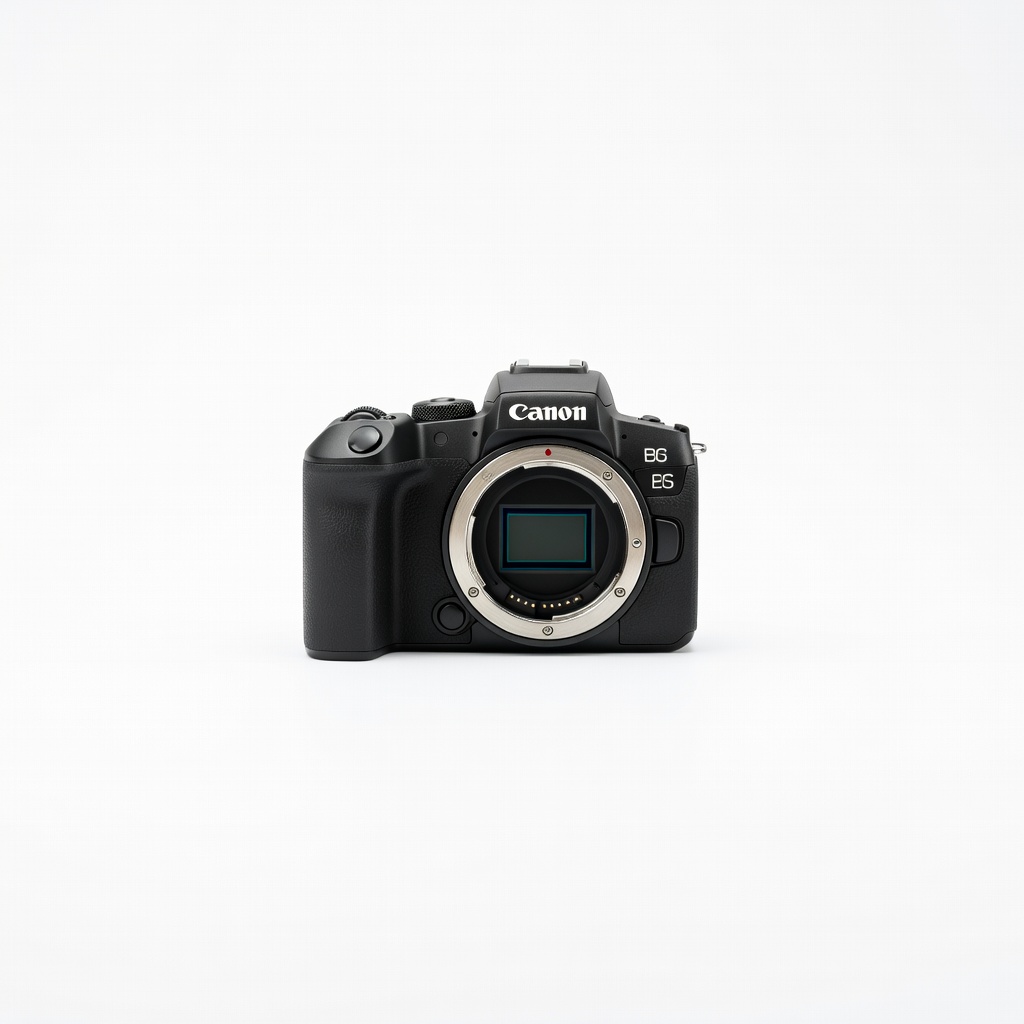
The EOS R50 delivers sharp photos and surprisingly capable 4K video in an exquisitely compact body, making it the best entry-level camera for under $1,000. Its fully articulating screen and intuitive touch interface welcome beginners, while Dual Pixel AF II keeps faces and eyes in focus without fuss. The downside is that the RF mount still lacks affordable third-party lenses, and the body feels a little toys-like in the hand.
Main limitation: Limited physical controls and no headphone jack can frustrate growing shooters.
Skip if: Experienced photographers who need dual control dials and deep buffer, or enthusiasts who already own a full-frame kit.
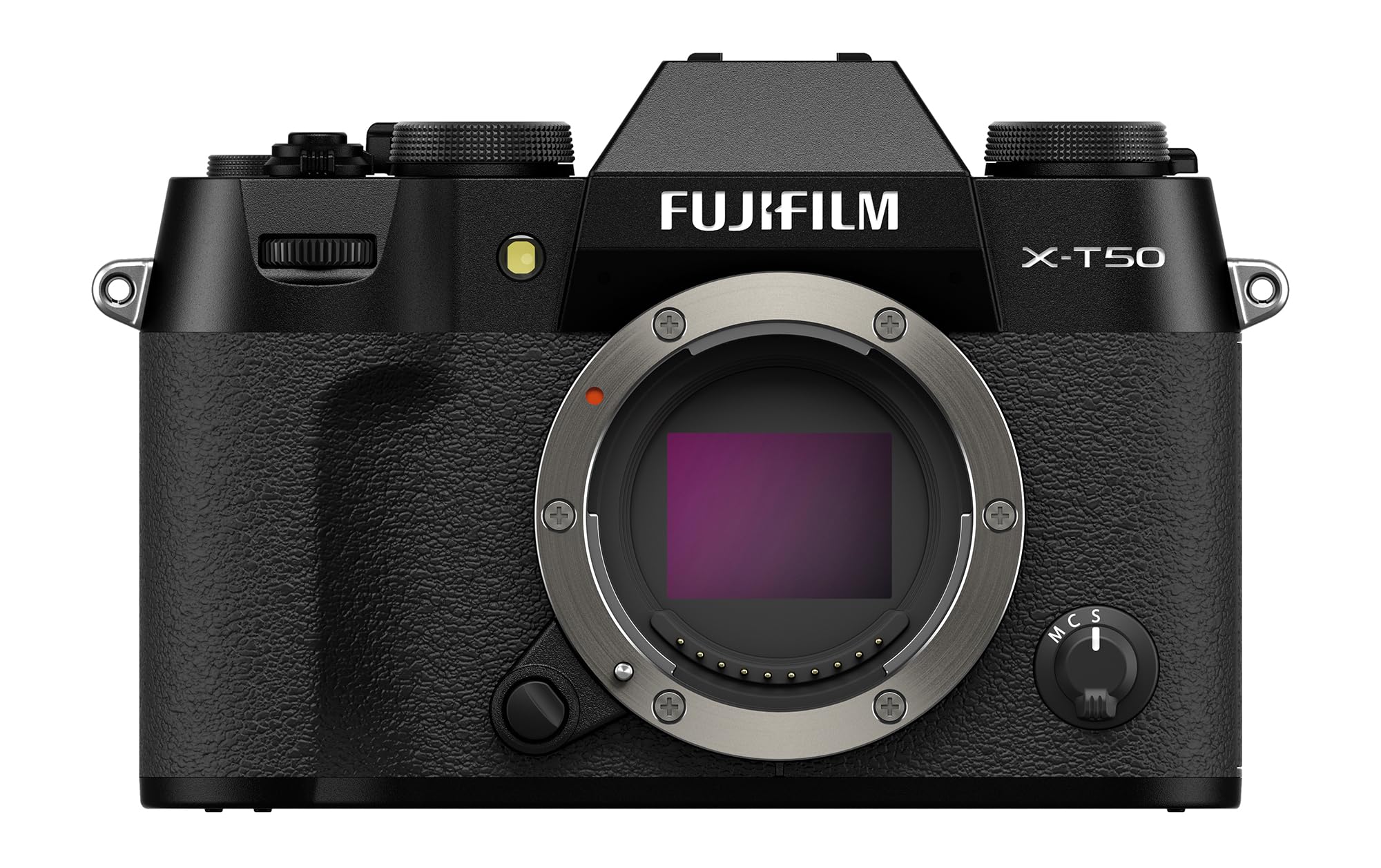
The X-T50 is a joy for photographers who want beautiful JPEGs straight out of the camera, with Fujifilm's legendary film simulations and a new 40MP sensor. It's compact, stylish, and its physical dials invite you to slow down and think about each shot. The catch is modest battery life and a body that feels cramped when you mount a large telephoto zoom.
Main limitation: IBIS is limited to roughly 5.5 stops, not class-leading, and video features are more basic than rival hybrids.
Skip if: Video-first creators who need uncropped 4K60 or advanced log profiles.
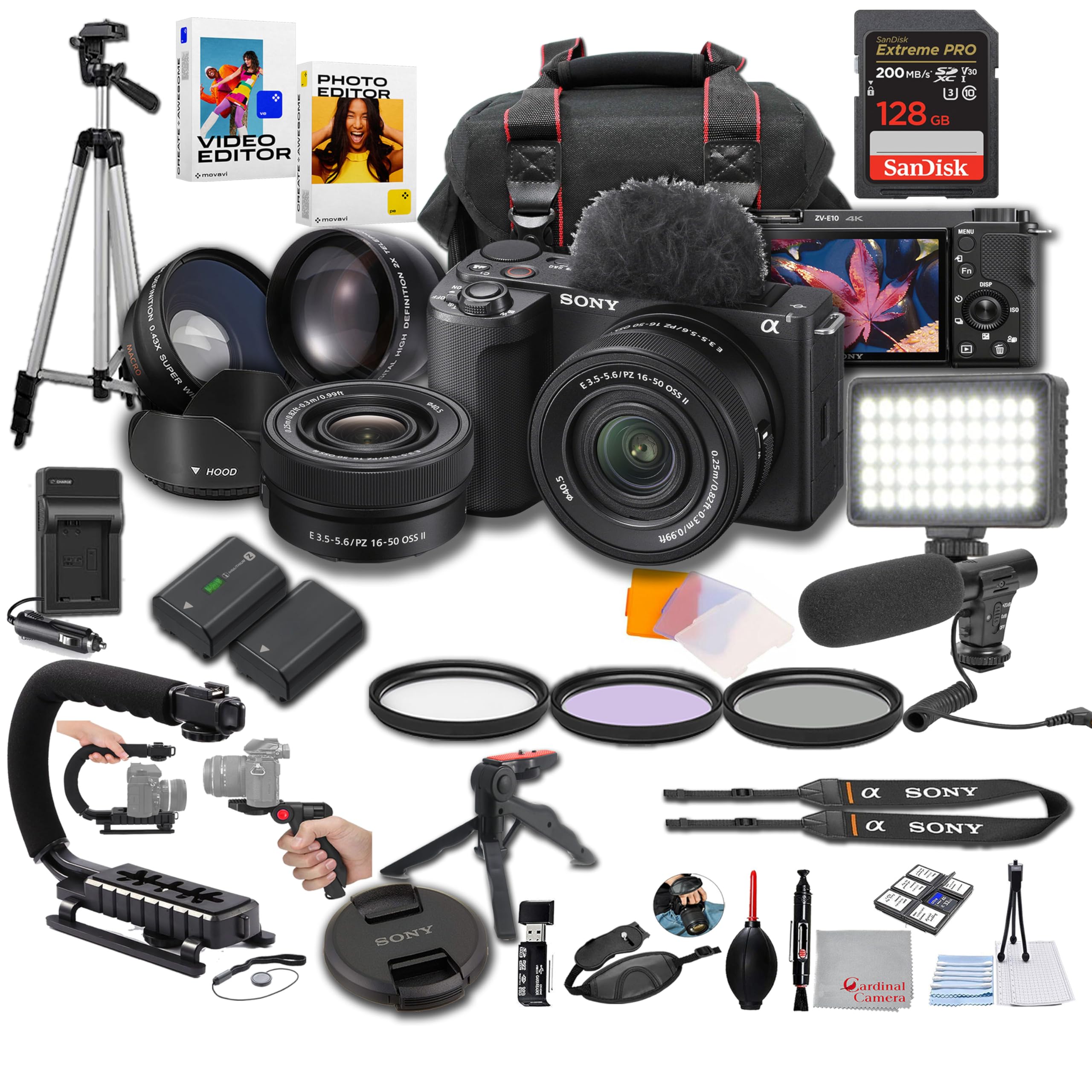
With a fully articulating screen, a built-in three-capsule microphone, and 4K60 recording, the ZV-E10 II is the go-to for creators who need a compact interchangeable-lens vlogging setup. The upgraded 26MP sensor gives better low light than its predecessor, and product-review mode makes it effortless to switch between face and hands. The downside is no viewfinder and a single card slot, which might annoy serious videographers.
Main limitation: No electronic viewfinder makes it awkward in bright sunlight, and the 4K60 crop reduces wide-angle coverage.
Skip if: Still photographers who prefer eye-level shooting, or anyone needing weather-sealing.
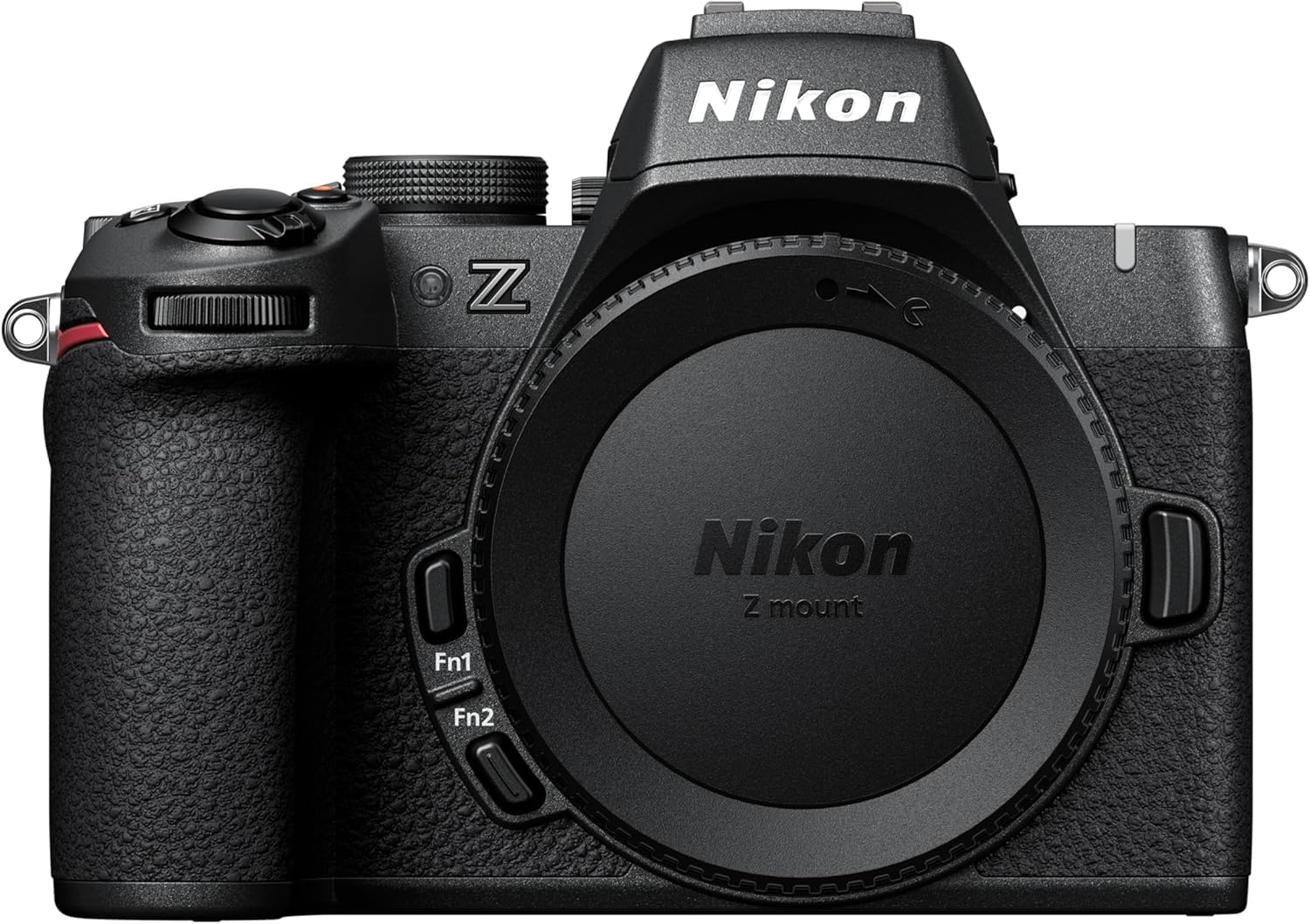
The Z50 II improves on its ancestor with the EXPEED 7 processor inherited from Nikon's pro cameras, bringing fast, reliable subject detection and a refreshed menu. It's a forgiving camera for learning photography, with a detailed guide mode and a vari-angle touchscreen. It’s not a huge leap in raw sensor quality, but the autofocus upgrades make it a smarter investment than the original Z50.
Main limitation: Single SD card slot and the lack of in-body stabilization limit its appeal for low-light hand-held shooting.
Skip if: Athletes and birders demanding long telephoto ability, or shooters who already own another mirrorless system.
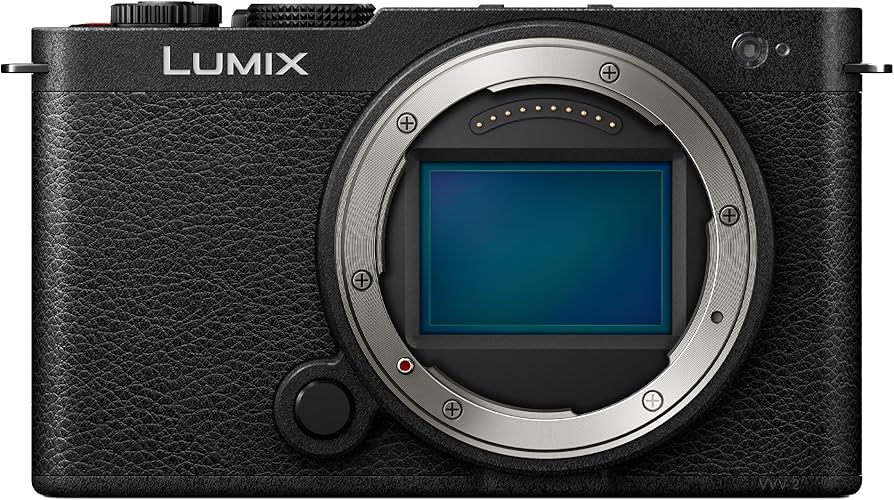
The S9 squeezes a 24MP full-frame sensor into a body smaller than most APS-C mirrorless cameras, perfect for travelers who want excellent low-light quality and shallow depth of field without the bulk. Its LUT-based color presets let you create custom looks straight out of camera, and the flip-out touchscreen supports easy vlogging. The trade-off is a single slot and no EVF, making it a minimal, specialized tool.
Main limitation: The new barrel lens is soft at the edges and slow, and the grip is very shallow, making it awkward with heavier lenses.
Skip if: Videographers needing long battery life or robust stabilization, or anyone planning to adapt large telephoto lenses.
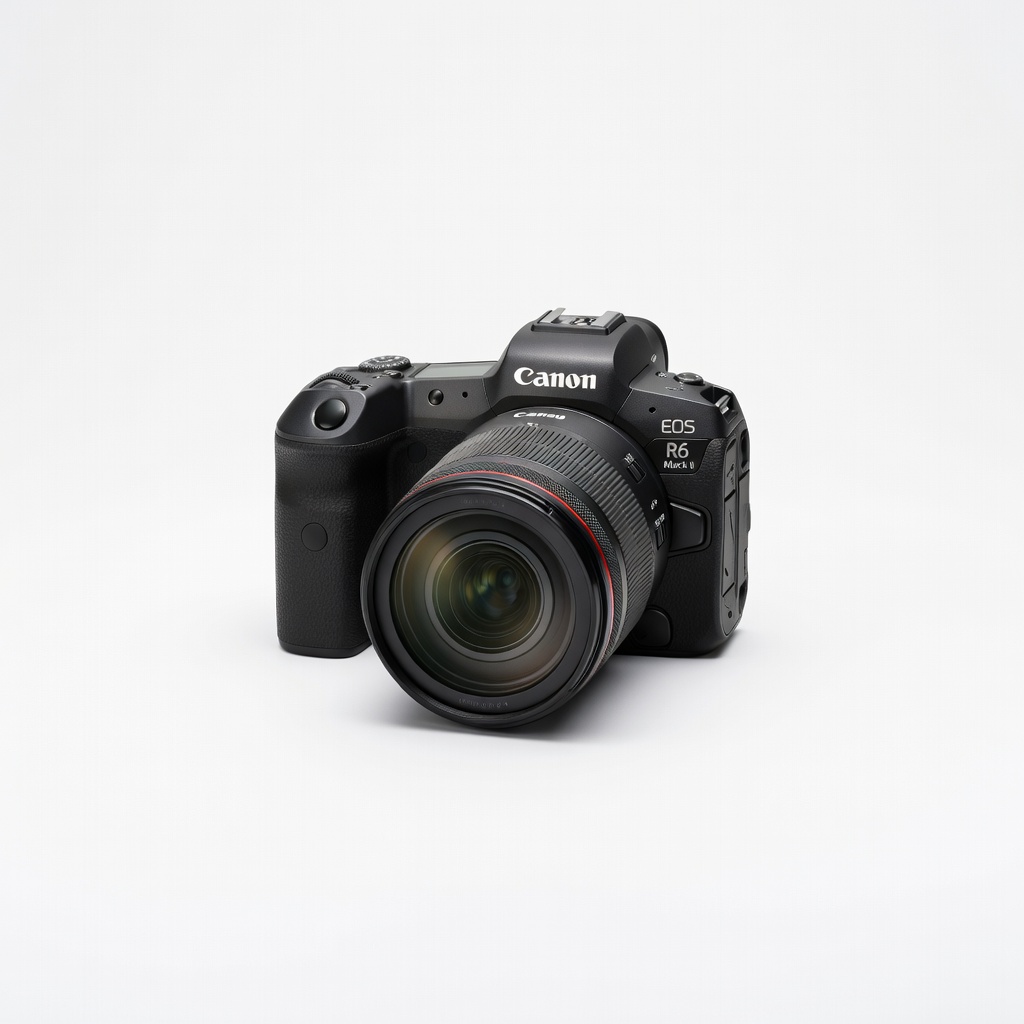
The R6 Mark II is Canon's mid-priced full-frame speedster, matching stacked-sensor autofocus for subject tracking and delivering up to 40 fps in electronic shutter mode. It's also one of the best video hybrids under $2,500, with uncropped 4K60 and focus breathing correction. The trade-off is a 24MP sensor that doesn't allow much cropping, but if your subject is movement, this is a top contender.
Main limitation: The 24MP resolution limits landscape and studio cropping, and electronic-shutter rolling shutter can distort some fast pans.
Skip if: You prioritize maximum resolution for big prints or heavy pixel-peeping over speed and low-light capability.
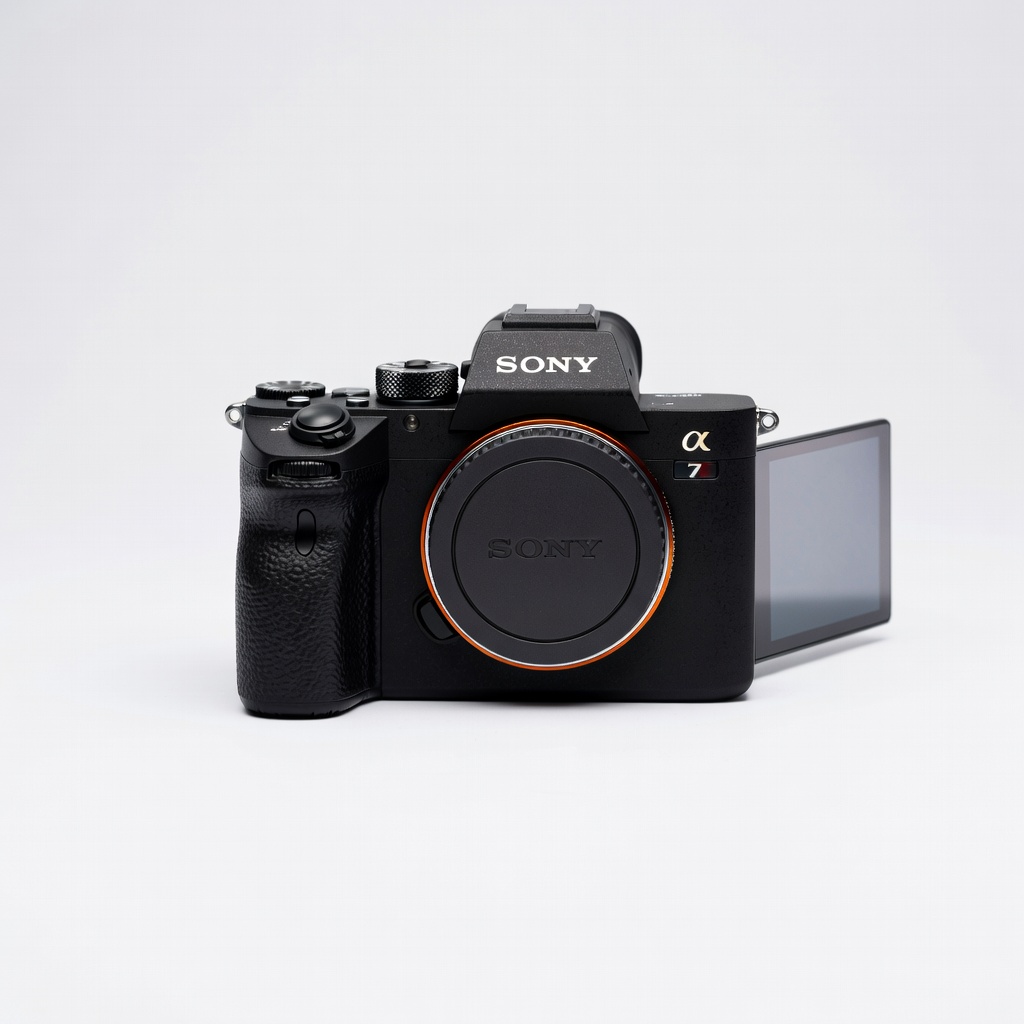
The A7R V is the resolution king for landscape and studio photographers, with a 61MP sensor and AI-powered autofocus that makes subject detection easier than ever. The 4-axis tilting display and revamped AF make it easier to shoot from awkward angles during dawn or dusk shoots. It's expensive, heavy, and demands large memory cards and hard drives, but for fine art and commercial work it's unmatched.
Main limitation: Raw files are enormous, and the 61MP sensor requires flawless technique or substantial post-processing to justify its resolution.
Skip if: Casual shooters who don't want to manage gigabytes of files, or anyone who primarily shoots action and needs blazing burst rates.
Compare key specs and features of all our recommendations side-by-side
| Product | Recommendation | Rating | Price |
|---|---|---|---|
Sony Alpha A6700 (ILCE-6700) Rank #1 | 🏆 Top Pick | 9.0/10 | $1,400–$1,600 Check current price → |
Canon EOS R50 Rank #2 | 💰 Budget Pick | 8.0/10 | $799–$899 Check current price → |
Fujifilm X-T50 Rank #3 | ⭐ Editor's Choice | 8.5/10 | $1,400–$1,600 Check current price → |
Sony ZV-E10 II Rank #4 | — | 8.0/10 | $1,000–$1,200 Check current price → |
Nikon Z50 II Rank #5 | — | 8.0/10 | $950–$1,100 Check current price → |
Panasonic LUMIX S9 Rank #6 | — | 7.5/10 | $1,500–$1,800 Check current price → |
Canon EOS R6 Mark II Rank #7 | — | 8.5/10 | $2,299–$2,500 Check current price → |
Sony A7R V Rank #8 | — | 8.5/10 | $3,500–$3,900 Check current price → |
Common questions buyers have about this category.
For most people, APS-C is the right call because it's cheaper, lighter, and lenses are less expensive. Modern APS-C sensors are good enough in low light for all but the most demanding situations. Full-frame only matters if you need the absolute shallowest depth of field, the best low-light quality, or you plan to heavily crop 4K video.
For everyday shooting, 24-26MP is plenty; even 20MP will produce sharp 4K displays and 8x10 prints. You'd benefit from 40MP or more only if you're cropping aggressively, making large prints, or doing commercial work that requires extensive retouching. More megapixels also mean bigger files, slower processing, and higher hard-drive costs.
Yes for most people, as long as you check shutter count and buy from a reputable seller. Older models like the Sony A7 III or Fujifilm X-T4 still deliver superb images and significant savings, but you'll miss newer autofocus advances and sometimes video features like 10-bit color. If your budget allows a current-generation body, the autofocus improvements alone are often worth the upgrade.
A dedicated vlogging camera like the Sony ZV-E10 II offers better low-light performance, superior built-in audio, and the ability to create a background blur that a phone can't achieve. For casual travel clips, a modern flagship phone might be enough. But if you're serious about YouTube or TikTok, the larger sensor and interchangeable lenses give you a clear path to upgrade your image quality.
Start with the kit zoom, typically 16-50mm or 18-45mm, and then add a fast prime like a 30mm f/1.4 or 50mm f/1.8 for low-light and portraits. This lets you learn with flexibility without spending on expensive glass before you know your preferred focal length. Never buy a camera body without a lens in mind—even a cheap prime will teach you more than a zoom you'll rarely use.
Only in the long term, because lenses and accessories are the biggest long-term expense. Consider the ecosystem, not just the body you're buying today. Sony's E-mount has the deepest selection with lots of third-party support, Canon's RF is growing quickly, Nikon's Z-mount lenses are spectacular, and Fujifilm offers compact, high-quality primes. If you can hold the bodies in a store, choose the one that feels best in your hands.
Products we evaluated but did not recommend — and why.
