Get the App
Better experience on mobile
From entry-level APS-C to professional full-frame, these cameras excel at capturing fast-moving animals in challenging conditions.
Wildlife photography is a game of milliseconds. A bird takes flight, a leopard breaks into a sprint, and you have a fraction of a second to acquire focus and fire a burst. The camera body you choose determines whether you come home with a portfolio shot or a blurry memory. While lenses get much of the credit, the sensor, processor, and autofocus algorithm inside the camera are the unsung heroes that make or break the shot.
Unlike landscape or portrait photography, wildlife demands a unique combination of speed, reach, and durability. You need an autofocus system that can track an animal's eye as it moves erratically through brush or sky. You need a burst rate high enough to capture the perfect wing position or paw strike, and a buffer deep enough to keep shooting without choking. Weather sealing is non-negotiable when you're caught in a sudden downpour, and ergonomics matter when you're hand-holding a heavy telephoto for hours.
In this guide, we've analyzed published specifications, expert reviews, and aggregated buyer feedback to select six cameras that excel in these areas across a wide price range. Whether you're a beginner with a $800 budget or a professional ready to invest $7,000, there's a body here that will help you get closer to the action. We'll also explain the key trade-offs—sensor size, burst depth, and autofocus intelligence—so you can match a camera to your specific subjects and shooting style.
The Alpha 1 II combines a 50MP stacked sensor with Sony's most advanced AI autofocus, blackout-free 30fps shooting, and 8K video, making it the most versatile tool for wildlife photographers who demand the best. However, its $6,500 price tag puts it out of reach for most enthusiasts.
Main limitation: The cost is extremely high, and the menu system can be overwhelming for new users.
Skip if: If you're on a tight budget or only shoot occasional wildlife, you'll get better value from a crop-sensor body.
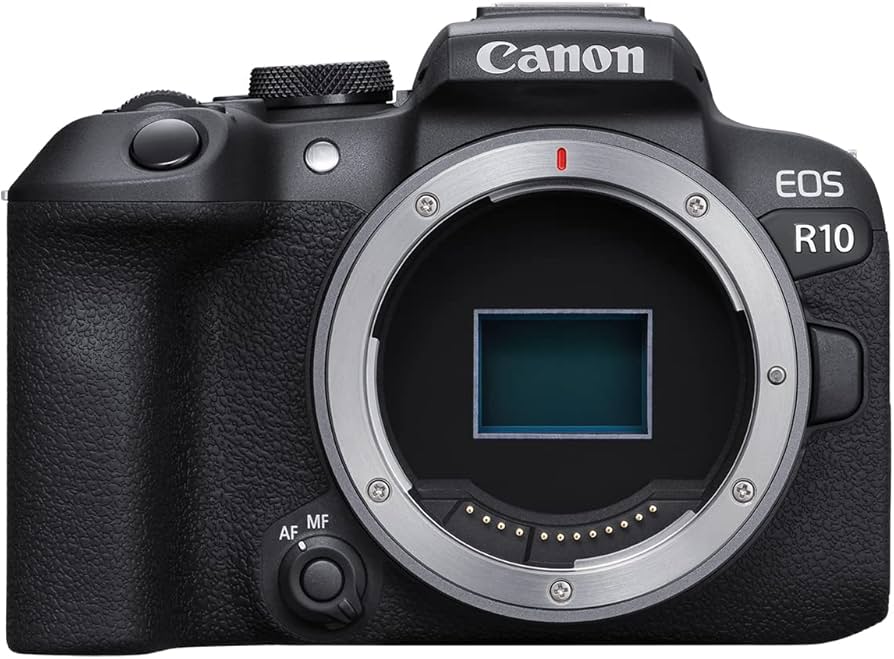
The EOS R10 offers Canon's excellent Dual Pixel AF II with animal detection, 15fps mechanical (23fps electronic) shooting, and a compact APS-C body at a very accessible price. Its small buffer and lack of in-body stabilization are the main compromises for serious wildlife work.
Main limitation: Buffer depth is limited, and it lacks IBIS, so you'll need stabilized lenses for low light.
Skip if: Skip if you frequently shoot in rainy or dusty conditions—the R10 is not fully weather-sealed.
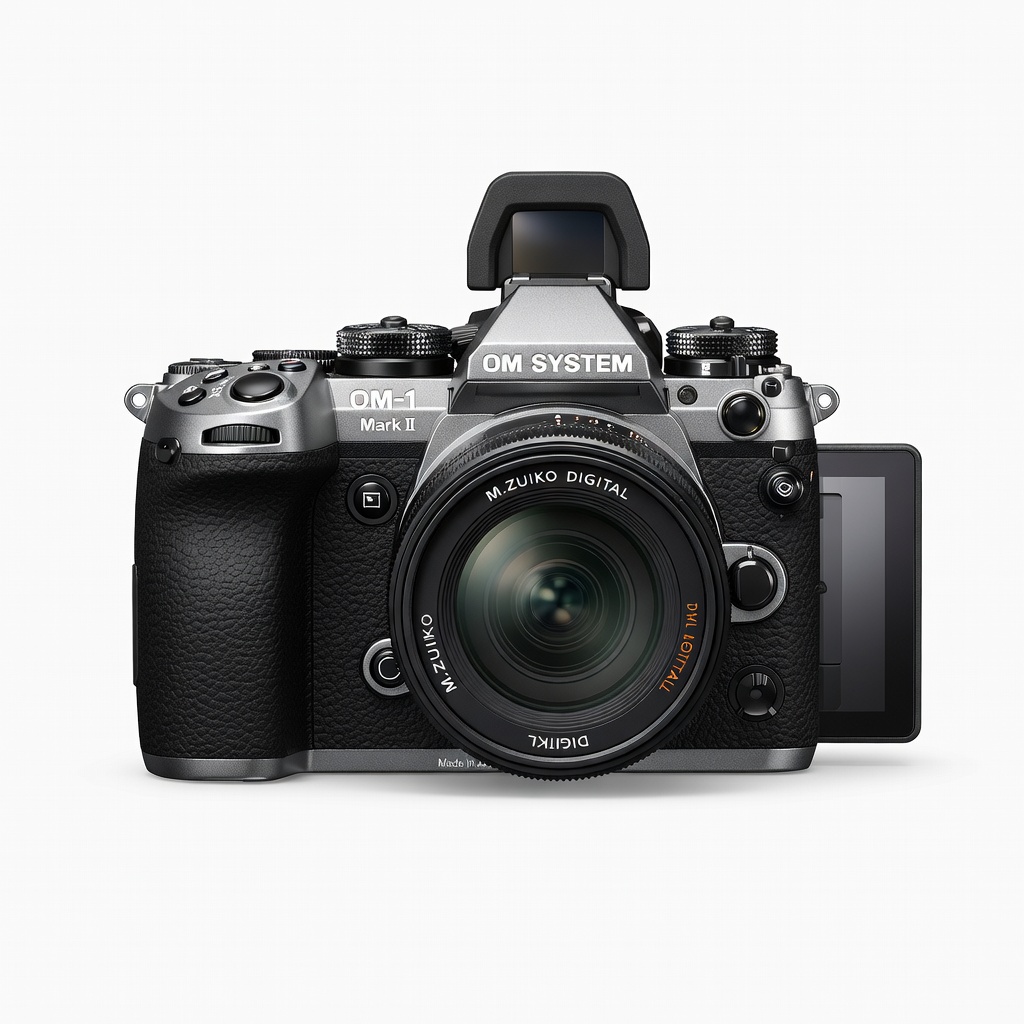
The OM-1 Mark II is a Micro Four Thirds powerhouse that weighs just 599g yet offers 120fps burst shooting, IP53 weather sealing, and an impressive AI subject detection system for birds and animals. Its smaller sensor means more noise in low light and less dynamic range than full-frame rivals, but the portability is unmatched.
Main limitation: Micro Four Thirds sensor struggles in very low light and offers less background blur.
Skip if: If you often shoot at dawn/dusk and need clean high-ISO files, a full-frame camera is better.
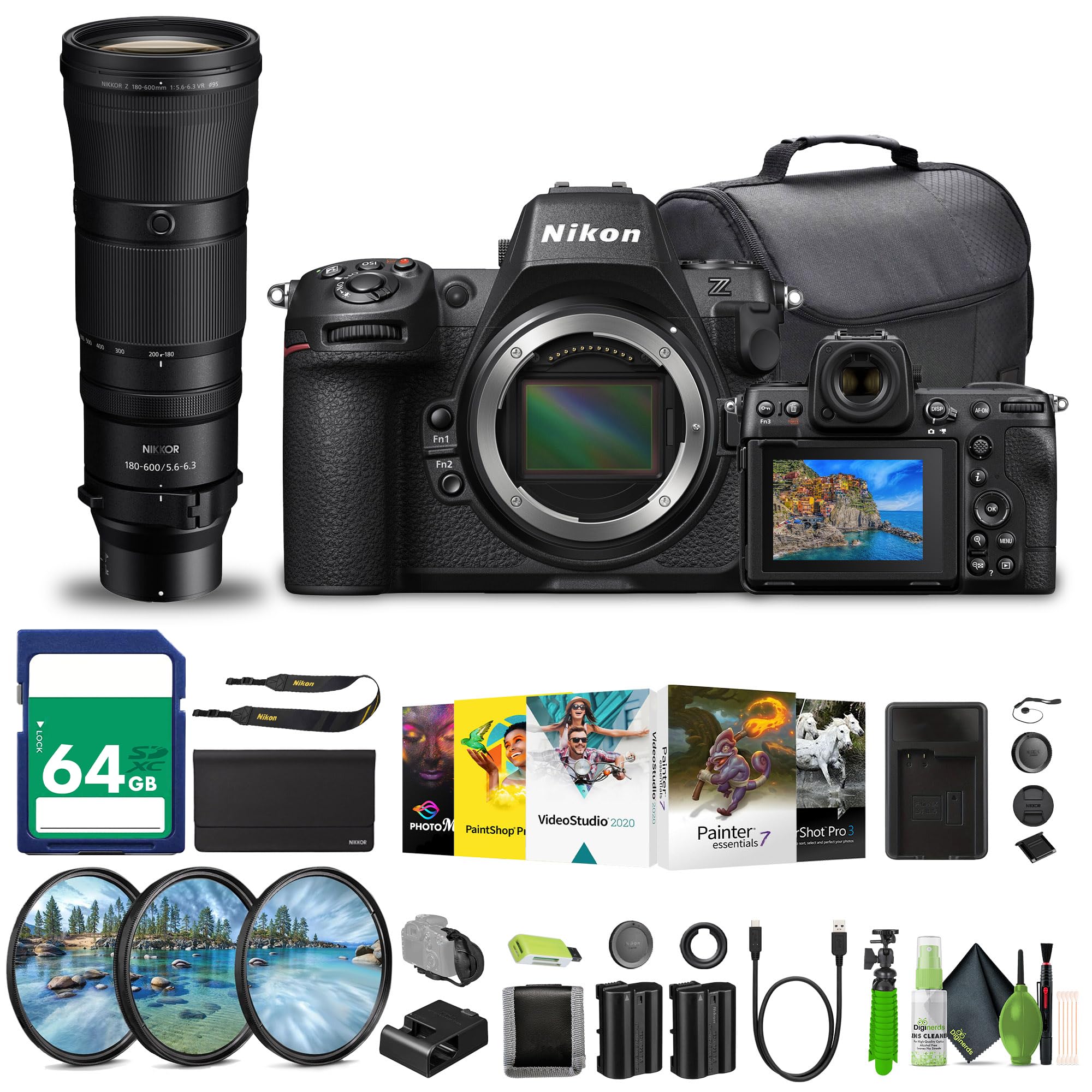
The Nikon Z8 packs the same 45MP stacked sensor and advanced AF as the flagship Z9 into a smaller body, delivering 20fps raw shooting, 8K video, and robust weather sealing at a more affordable price. The lack of a mechanical shutter and shorter battery life compared to the Z9 are minor trade-offs.
Main limitation: Battery life is average, and the absence of a mechanical shutter can cause banding under some artificial lights.
Skip if: If you need the absolute longest battery life or dual CFexpress slots, the Z9 is better.
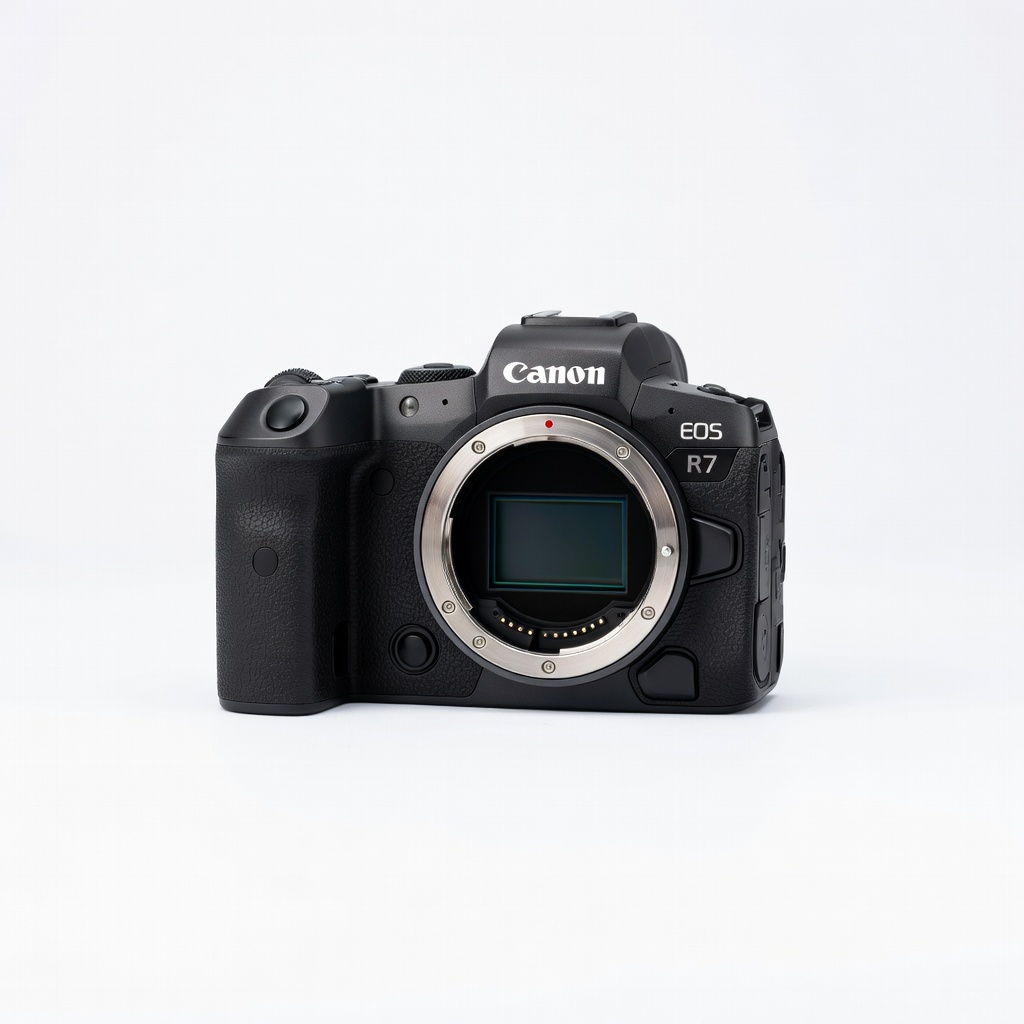
The EOS R7 is Canon's most advanced APS-C camera, offering a 32.5MP sensor that gives your telephoto lenses a 1.6x crop factor, 15fps mechanical (30fps electronic) shooting, and Dual Pixel AF II with animal detection. The rolling shutter in electronic mode and limited buffer are the main drawbacks for fast action.
Main limitation: Electronic shutter suffers from noticeable rolling shutter, and the buffer fills quickly when shooting RAW at high speeds.
Skip if: If you need the absolute best low-light performance, a full-frame body is preferable.
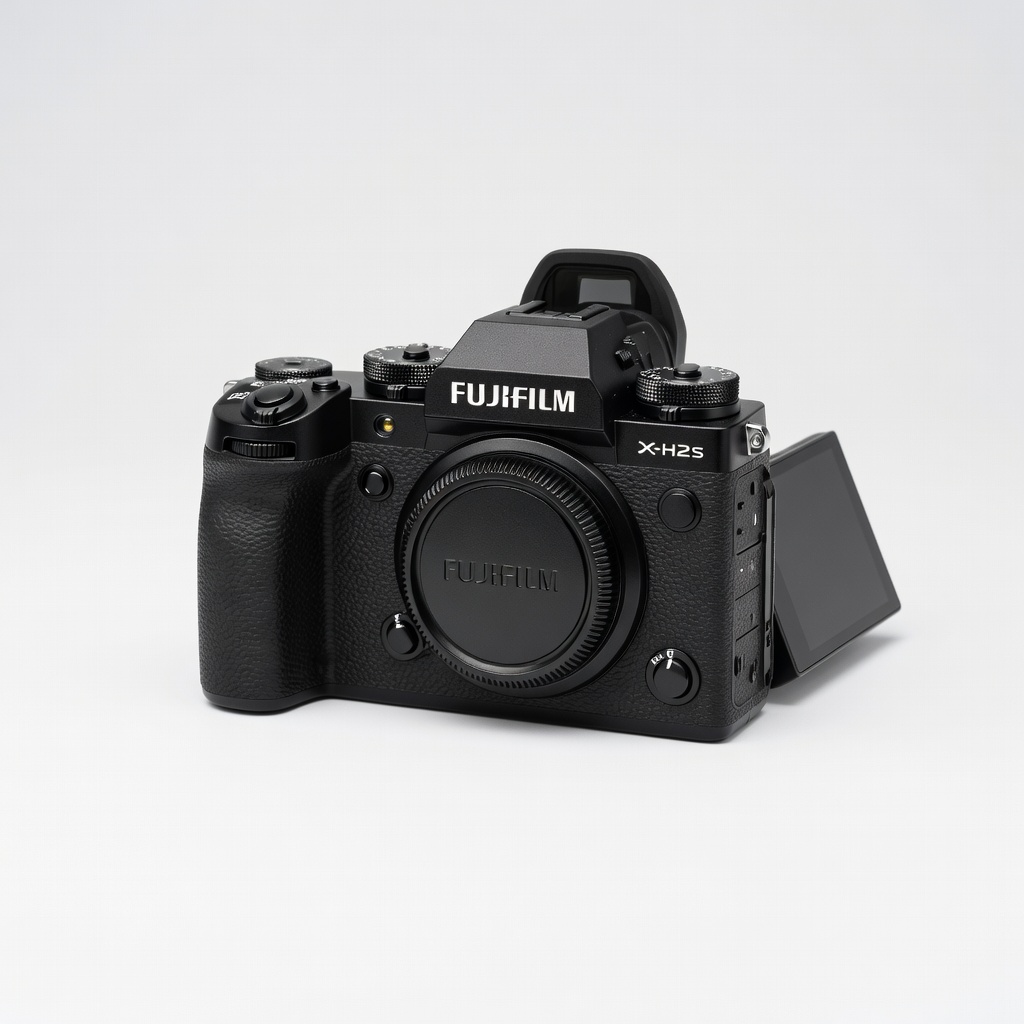
The X-H2S is a speed demon with a 26MP stacked APS-C sensor that shoots up to 40fps with continuous AF, plus 6.2K video and Fujifilm's excellent color science. Its autofocus tracking for wildlife is good but not quite as tenacious as Sony or Canon's best, and the menu system takes time to learn.
Main limitation: Subject tracking can occasionally lose fast-moving birds against busy backgrounds.
Skip if: If you rely heavily on flawless AF tracking, Sony or Canon may be safer choices.
Compare key specs and features of all our recommendations side-by-side
| Product | Recommendation | Rating | Price |
|---|---|---|---|
Sony Alpha 1 II (ILCE-1M2) Rank #1 | 🏆 Top Pick | 9.5/10 | $6,500–$7,000 (body only) Check current price → |
Canon EOS R10 Rank #2 | 💰 Budget Pick | 8.0/10 | $800–$1,000 (body only) Check current price → |
OM System OM-1 Mark II Rank #3 | ⭐ Editor's Choice | 8.5/10 | $2,000–$2,200 (body only) Check current price → |
Nikon Z8 Rank #4 | — | 9.0/10 | $3,500–$3,800 (body only) Check current price → |
Canon EOS R7 Rank #5 | — | 8.5/10 | $1,400–$1,600 (body only) Check current price → |
Fujifilm X-H2S Rank #6 | — | 8.0/10 | $2,300–$2,500 (body only) Check current price → |
Common questions buyers have about this category.
No, you don't. Full-frame cameras offer better low-light performance and shallower depth of field, but APS-C and Micro Four Thirds sensors provide a crop factor that effectively multiplies your telephoto reach, which is a major advantage for wildlife. Many professional wildlife photographers use crop-sensor bodies for exactly this reason. The best choice depends on your typical shooting conditions and whether you prioritize reach or high-ISO cleanliness.
A burst rate of at least 10 frames per second is a good baseline for most wildlife, while 20fps or higher is ideal for fast action like birds in flight. However, burst rate alone isn't enough—you also need a deep buffer so the camera can keep shooting without slowing down. Look for cameras that can sustain high-speed shooting for several seconds, especially when capturing RAW files.
Weather sealing is very important because wildlife photography often takes you into unpredictable environments, from dusty savannas to rainy forests. A well-sealed camera and lens combo prevents moisture and dust from damaging internal electronics. If you frequently shoot in harsh conditions, prioritize a body with comprehensive sealing and pair it with a similarly sealed lens.
The best lens is typically a telephoto zoom or prime with a focal length of at least 300mm (or 200mm on Micro Four Thirds). Popular choices include 100-400mm, 150-600mm, and 200-600mm zooms, which offer flexibility for different distances. Prime lenses like 400mm f/2.8 or 600mm f/4 deliver superior sharpness and light gathering but are much heavier and more expensive. Your choice should balance reach, aperture, weight, and budget.
Both systems offer a crop factor that extends telephoto reach, but they differ in sensor size and lens selection. APS-C (like Canon RF or Nikon Z DX) generally provides better low-light performance and shallower depth of field than Micro Four Thirds, while MFT (OM System, Panasonic) offers even smaller, lighter lenses and a 2x crop factor. If portability is your top priority, MFT is excellent; if you want a balance of reach and image quality, APS-C is often the sweet spot.
Yes, you can, but you'll face limitations in autofocus speed, buffer depth, and low-light performance. Many award-winning wildlife photos have been taken with entry-level cameras paired with good lenses. If your budget is tight, invest more in a sharp telephoto lens and practice your fieldcraft to get closer to your subjects. A budget body can still deliver excellent results in good light and with slower-moving animals.
Animal eye autofocus uses deep learning algorithms to detect and track an animal's eye within the frame, keeping it sharp even as the subject moves. This technology is a game-changer for wildlife because it lets you focus on composition rather than constantly adjusting focus points. The effectiveness varies by brand and species—some systems excel with birds, others with mammals—so read reviews specific to your target subjects.
Products we evaluated but did not recommend — and why.
