Get the App
Better experience on mobile
From flagship full-frame bodies to compact crop-sensor powerhouses, these are the best cameras for capturing fast-moving animals in the wild.
The best wildlife camera isn't always the one with the most megapixels — it's the one that can lock focus on a moving subject and fire off a burst at just the right moment. Flagship models like the Sony A1 II and Nikon Z8 dominate the high end, but the biggest leaps in recent years have been in crop-sensor and Micro Four Thirds bodies, which now offer professional autofocus at a fraction of the cost. For 2026, the sweet spot for most enthusiasts is a camera with AI-powered animal detection, fast silent bursts, and a weather-sealed body that can sit by a watering hole or on a dusty trail.
We've analyzed the current market based on published specifications, thorough expert reviews, and long-term buyer feedback — no blind guesses, just the facts that matter for wildlife photography. Our shortlist includes cameras that vary widely in price and sensor format, because the right choice depends on your style: do you hike miles with a light kit, or stake out an arctic tundra with a massive telephoto? We considered autofocus reliability, burst speed, buffer depth, battery life, and the available lens ecosystem for each system.
The picks below range from a budget-friendly APS-C body that fits under a tree with a 150-600mm zoom, to a $6,000+ flagship that can shoot 120fps with zero rolling shutter. Every product comes with an honest note on its trade-offs, so you can decide what matters most. After the list, you'll find a buying guide and answers to common questions about resolution, crop factor, and lens investment.
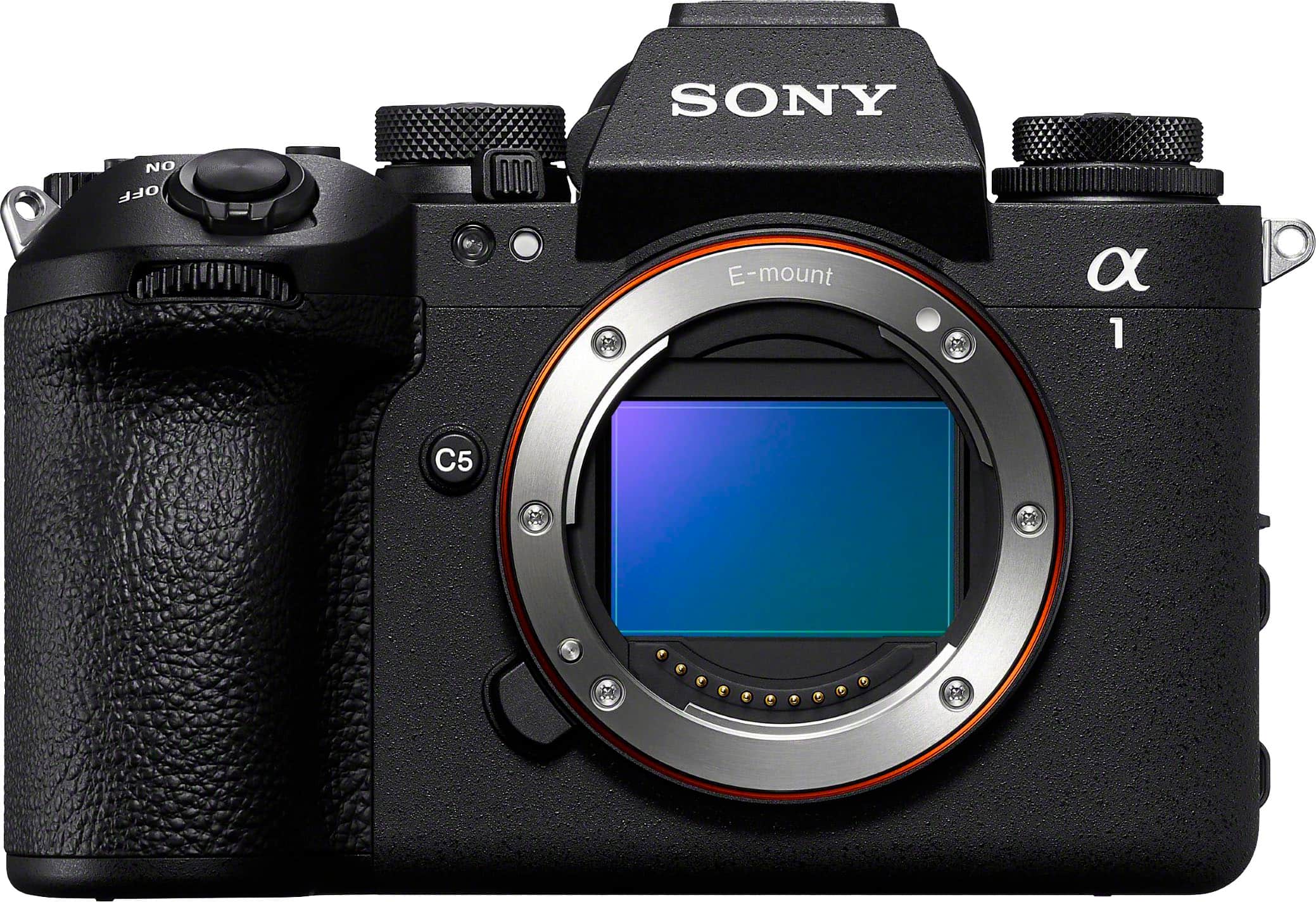
The Sony Alpha 1 II is the ultimate all-rounder for wildlife photography, combining a 50MP full-frame sensor with 30fps blackout-free shooting and class-leading autofocus. It handles both fast action and fine feather detail in one body, making it ideal for photographers who want everything. The trade-off is a very high price and heavy battery consumption.
Main limitation: The flagship price is over $6,000, and the high-resolution sensor demands top-tier glass to see its full potential.
Skip if: Anyone on a budget or who doesn't need to print huge formats, because the cost and heavy RAW files may be overkill.
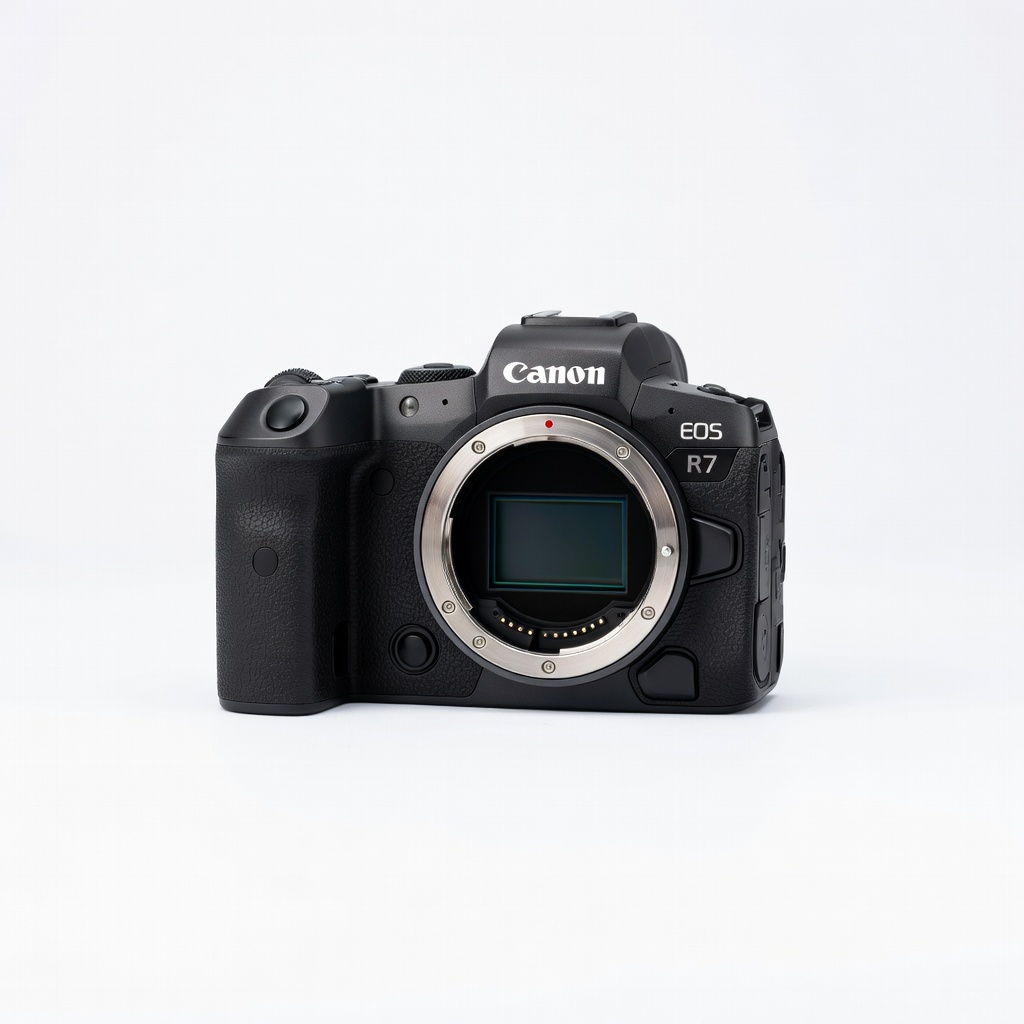
The Canon EOS R7 brings pro-level autofocus and 30fps electronic shooting to an APS-C body at a fraction of the price of full-frame flagships. Its crop sensor gives extra reach for wildlife photography with telephoto lenses, and its weather-sealed body is ready for tough conditions. However, its buffer depth and 4K video crop are noticeable compromises.
Main limitation: The 32.5MP sensor's dynamic range lags behind larger-sensor competitors, and the mechanical burst rate drops to 15fps.
Skip if: Those who need the absolute best low-light performance or a full-frame look for wide-angle work.
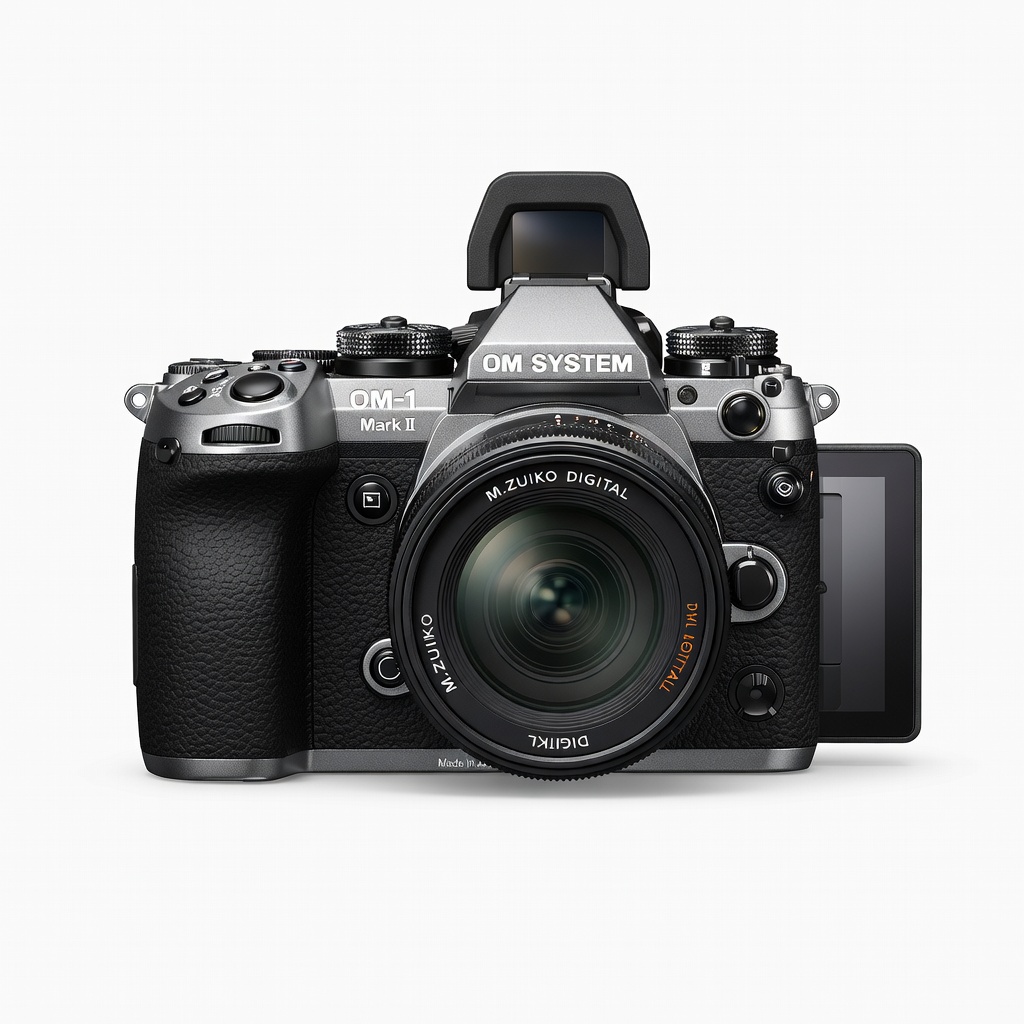
The OM-1 Mark II packs a 20MP Micro Four Thirds sensor and up to 50fps continuous shooting in a small, weather-sealed body that's perfect for long hikes. Its built-in 8.5-stop image stabilization allows handheld telephoto shots with incredible stability. The trade-off is a smaller sensor that limits extreme high-ISO performance and dynamic range.
Main limitation: Micro Four Thirds sensors can't match full-frame bokeh and high-ISO quality, and the 20MP resolution limits heavy cropping.
Skip if: Photographers who chase shallow depth-of-field or need maximum resolution for large prints.
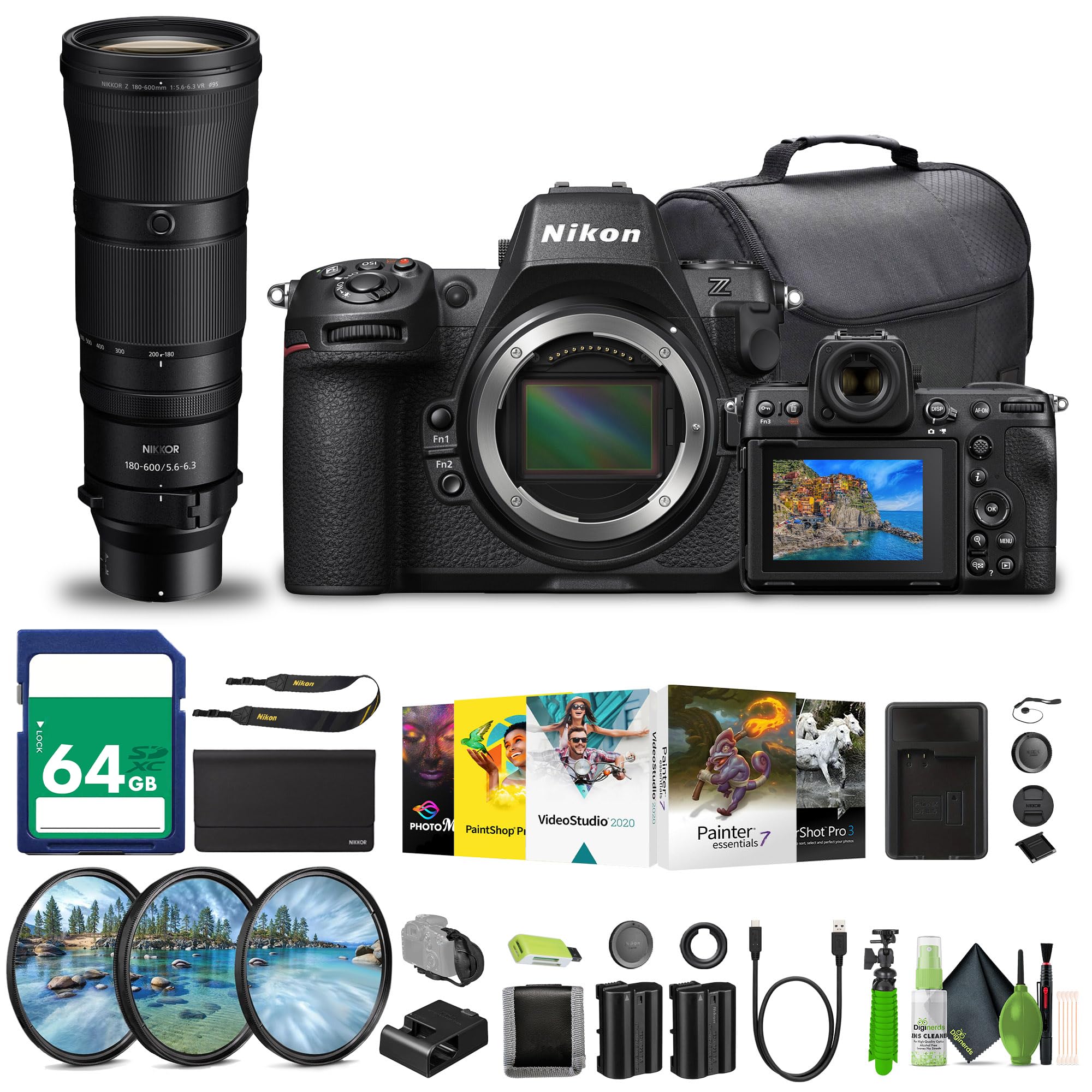
The Nikon Z8 delivers a 45.7MP full-frame sensor and 20fps raw capture, giving you incredible flexibility to crop into distant wildlife. Borrowing the Z9's autofocus and processor, it's a professional-grade workhorse with 8K60 video as a bonus. The main drawbacks are its heavy size and power-hungry runtime.
Main limitation: The body is nearly as large and heavy as the Z9, making it a burden for long hikes.
Skip if: Those who prefer a more compact body or need the fastest possible readout for ultra-high-speed action.
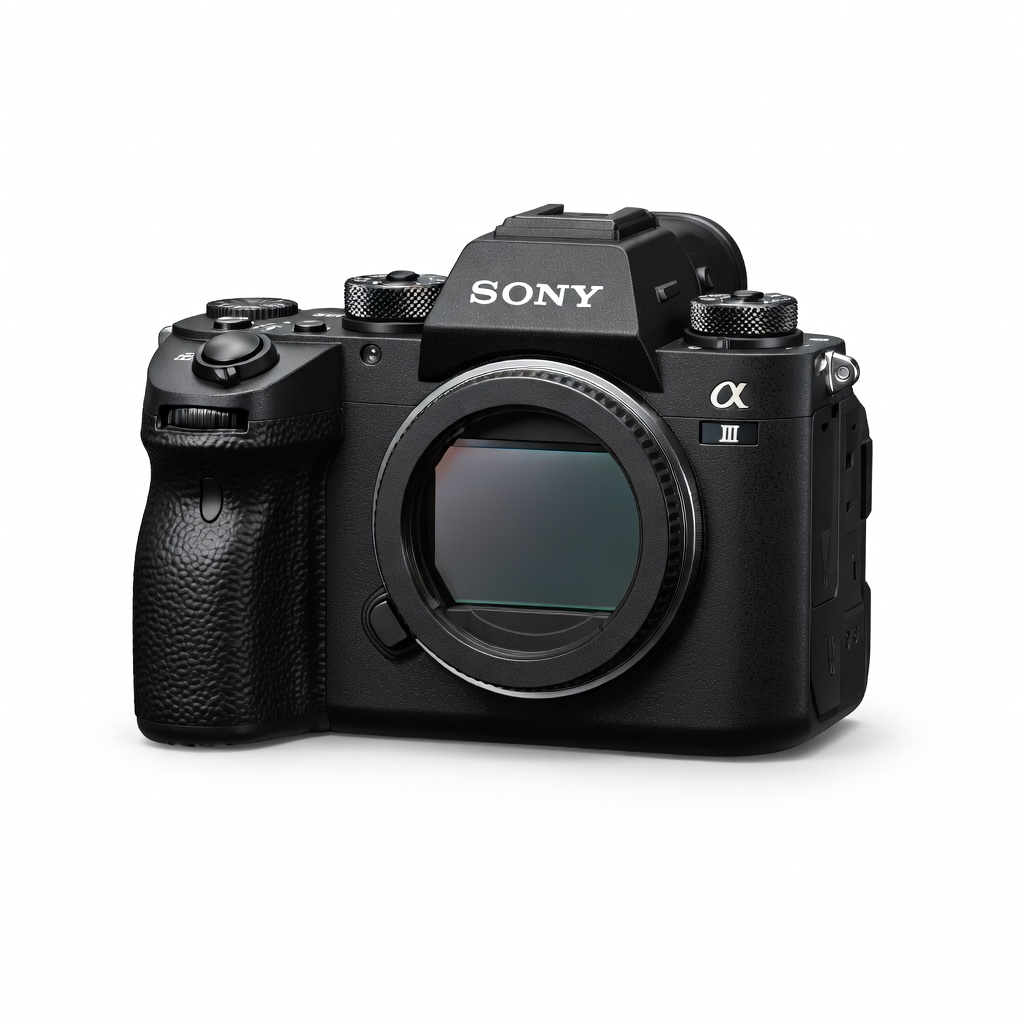
The Sony A9 III is the world's first full-frame camera with a global shutter, meaning zero rolling shutter distortion for fast-moving wildlife. It offers 120fps continuous shooting with AI-driven autofocus, so you can capture the perfect moment in a burst. The compromise is a lower 24.6MP resolution and a very high price.
Main limitation: The global shutter's 24.6MP resolution is below average for high-res cropping, and the price is substantial.
Skip if: Photographers who prioritize resolution over speed or who don't shoot extremely fast subjects.
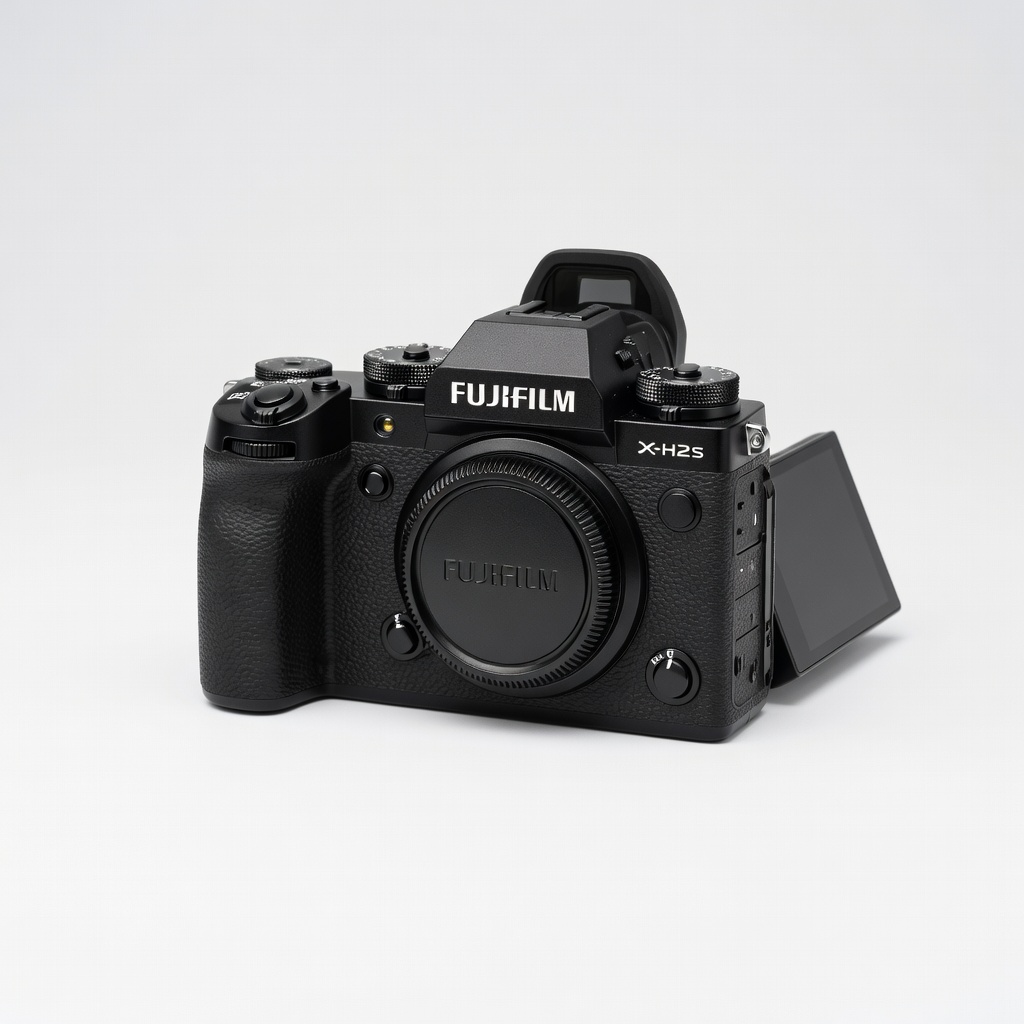
The Fujifilm X-H2S is an APS-C powerhouse that excels at both 40fps stills and 6K video, making it perfect for wildlife photographers who also shoot cinematic clips. Its stacked sensor and AI autofocus track subjects reliably, while the unique color science turns heads. The trade-off is a lower resolution sensor and less native lens selection than Canon and Sony.
Main limitation: The 26MP sensor limits heavy cropping, and Fujifilm's lens system lacks some very long telephoto options.
Skip if: Photographers who need maximum resolution for cropping or want a full-frame look with widespread lens availability.
Compare key specs and features of all our recommendations side-by-side
| Product | Recommendation | Rating | Price |
|---|---|---|---|
Sony Alpha 1 II Rank #1 | 🏆 Top Pick | 9.0/10 | Around $6,500 (body only) Check current price → |
Canon EOS R7 Rank #2 | 💰 Budget Pick | 8.2/10 | Around $1,500 (body only) Check current price → |
OM System OM-1 Mark II Rank #3 | ⭐ Editor's Choice | 8.3/10 | Around $2,000 (body only) Check current price → |
Nikon Z8 Rank #4 | — | 8.5/10 | Around $4,000 (body only) Check current price → |
Sony A9 III Rank #5 | — | 8.0/10 | Around $6,000 (body only) Check current price → |
Fujifilm X-H2S Rank #6 | — | 8.2/10 | Around $2,500 (body only) Check current price → |
Common questions buyers have about this category.
It depends on how much you crop for distant subjects. More megapixels allow you to crop tighter without losing detail, but only if your lens resolves enough sharpness. A 45MP full-frame camera like the Nikon Z8 gives massive cropping flexibility; a 20MP M43 camera can get you reach with a 2x crop but less resolution per frame. In general, anything 24MP or higher is workable for most hobbyists.
A long telephoto lens is essential; for many, a 100-400mm or 150-600mm is a great starting point. The 'best' lens depends on your system and budget — an f/2.8 prime like a 400mm or 600mm is ideal for pro-level results, while a variable-aperture zoom is a more affordable compromise. Always pair your camera with a lens that gives you enough reach and sharpness.
Crop-sensor cameras give you extra effective reach because of the crop factor, which is great for birds and other shy animals. Full-frame cameras offer better low-light performance and a wider field of view, but they often require more expensive lenses to achieve the same reach. If you are new to wildlife, a crop-sensor camera like the Canon EOS R7 is a smart, budget-friendly choice.
Yes, particularly when shooting handheld at long focal lengths in low light. In-body image stabilization (IBIS) helps you keep the target sharp, and stabilized telephoto lenses work in sync to reduce camera shake. It also enables slower shutter speeds without raising ISO too much, which is excellent for static subjects in shaded or early-morning conditions.
Electronic shutter allows very fast burst rates and silent shooting, and with stacked sensors you get minimal rolling shutter distortion. Mechanical shutter is good for avoiding banding from artificial light but is often slower. For wildlife, a camera with a fast electronic shutter like the OM-1 II or A9 III lets you capture fleeting expressions and action without shutter lag or mirror slap.
Outdoor wildlife photographers face rain, dust, and extreme conditions, so weather sealing is critical for protecting your gear and keeping you shooting. Look for IP53-rated or additional weather sealing on both the camera and the lens for maximum durability. A sealed body is an armor against unexpected showers and blowing sand.
Products we evaluated but did not recommend — and why.
