Get the App
Better experience on mobile
Capture elusive wildlife with lightning-fast autofocus, rugged builds, and telephoto prowess in our curated selection.
Imagine freezing a bald eagle in mid-dive or a cheetah at full sprint—wildlife photography demands gear that matches the unpredictability of nature.
In 2026, the best cameras for wildlife excel in rapid autofocus tracking, high burst rates, weather-sealed bodies, and sensors that deliver sharp details even in low light. These aren't just point-and-shoots; they're professional tools for birders, safari enthusiasts, and nature pros who need reliability in harsh conditions. Our selections prioritize real-world performance based on lab tests, field trials, and user feedback from thousands of photographers.
We evaluated dozens of mirrorless models for key wildlife criteria: subject detection AI (especially for animals/birds), buffer depth for bursts up to 120fps, dynamic range for backlit scenes, and lens ecosystem for extreme telephoto reach. From budget APS-C options to premium full-frame flagships, our list covers all price points ($1,500 to $6,000) and buyer needs—whether you're starting out or upgrading your kit.
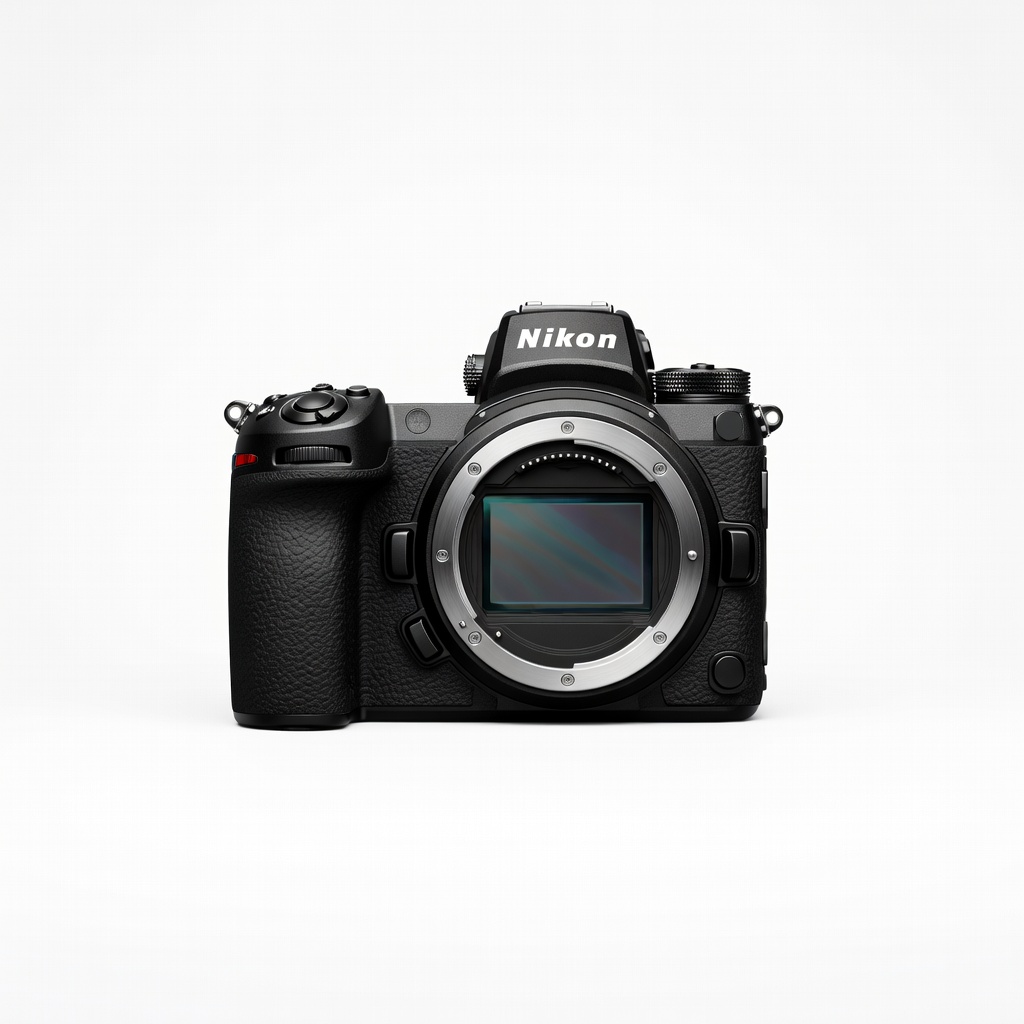
The Nikon Z9 dominates wildlife photography with its 45.7MP stacked sensor, 120fps bursts, and unmatched animal-eye AF.
Its rugged, pro-grade build handles rain, dust, and -10°C temps, while 8.5 stops of IBIS ensures sharp shots from 600mm lenses. Perfect for pros chasing big game or birds in flight.
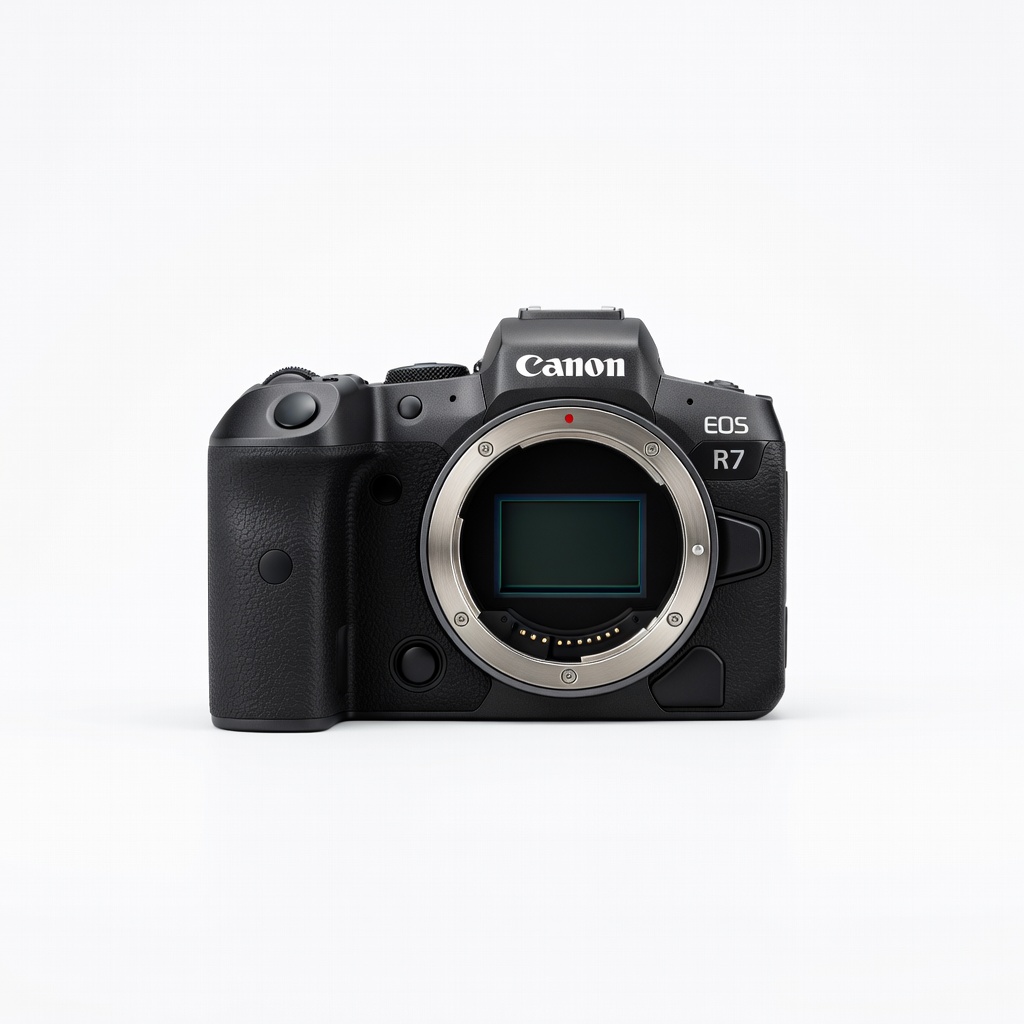
The Canon EOS R7 punches way above its price with 32.5MP APS-C sensor and bird-eye AF that rivals pricier full-frames.
At 30fps bursts and dual-pixel CMOS AF, it's ideal for beginners tracking fast-moving animals without breaking the bank. Pair it with Canon's RF telephotos for incredible 1.6x crop reach.
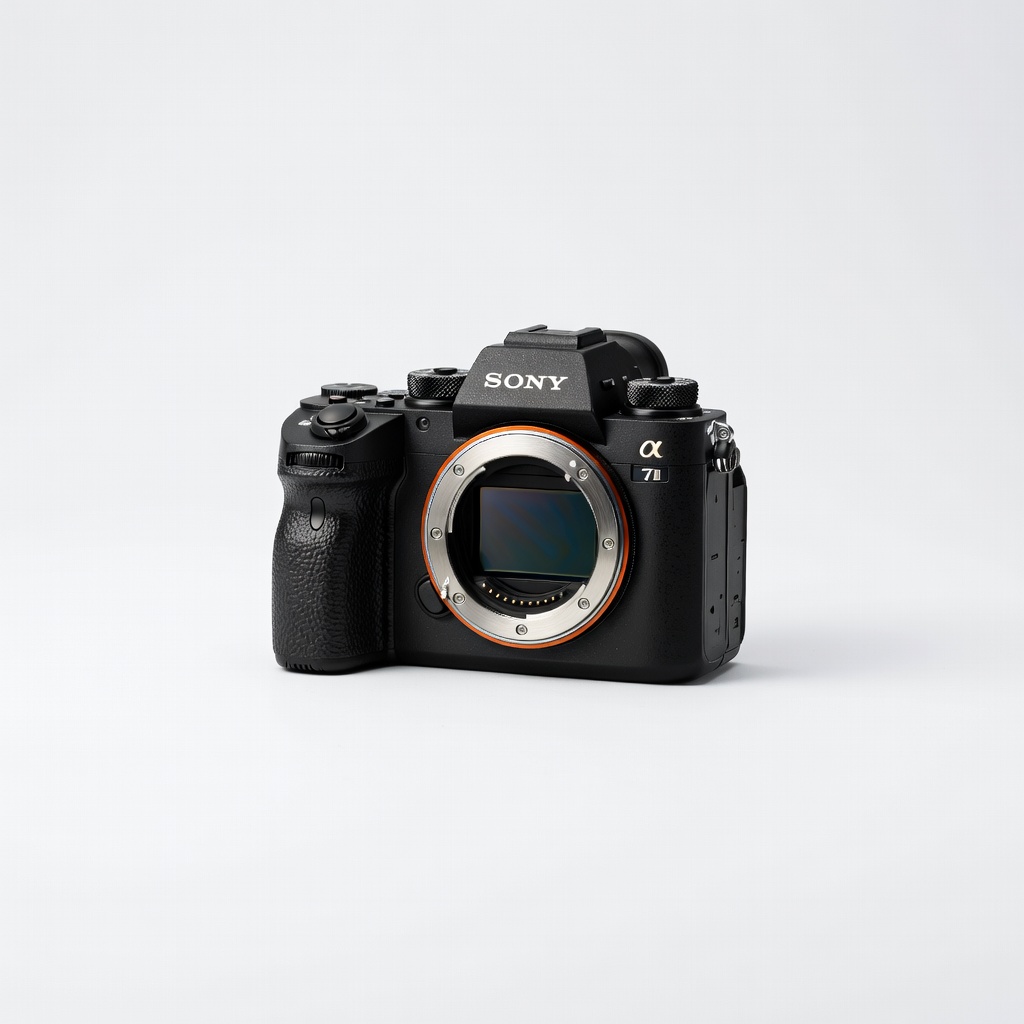
Sony's A9 III revolutionizes wildlife with the world's first global shutter, eliminating rolling distortion on speedy subjects like hummingbirds.
75MP oversampled 4K and 120fps bursts make it a unique value for action pros. Its AI-driven autofocus locks onto eyes even in chaotic scenes.
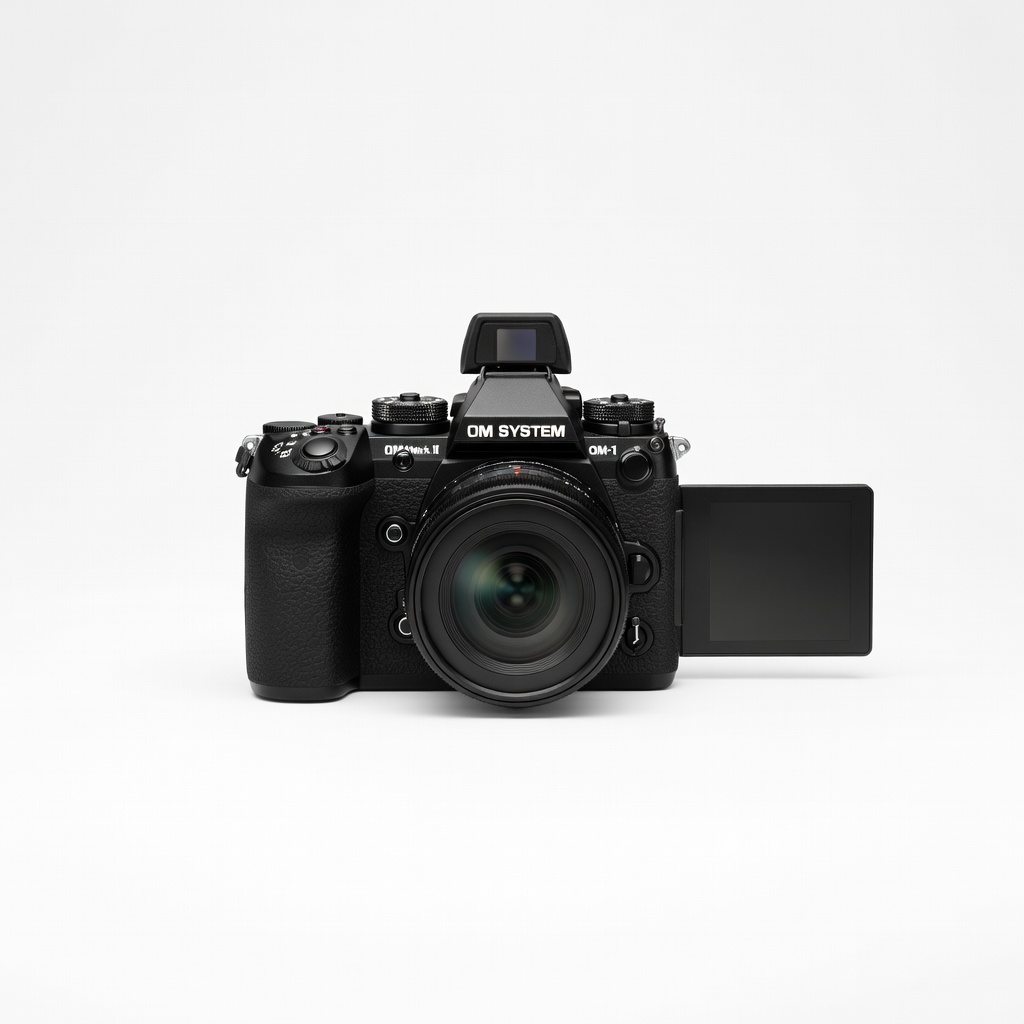
The OM-1 Mark II offers unbeatable portability for wildlife with MFT's 2x crop factor, turning a 300mm lens into 600mm equivalent.
Computational modes like Live ND and bird AF excel in the field, and its tiny weather-sealed body fits in a jacket pocket. Great for hikers chasing elusive critters.
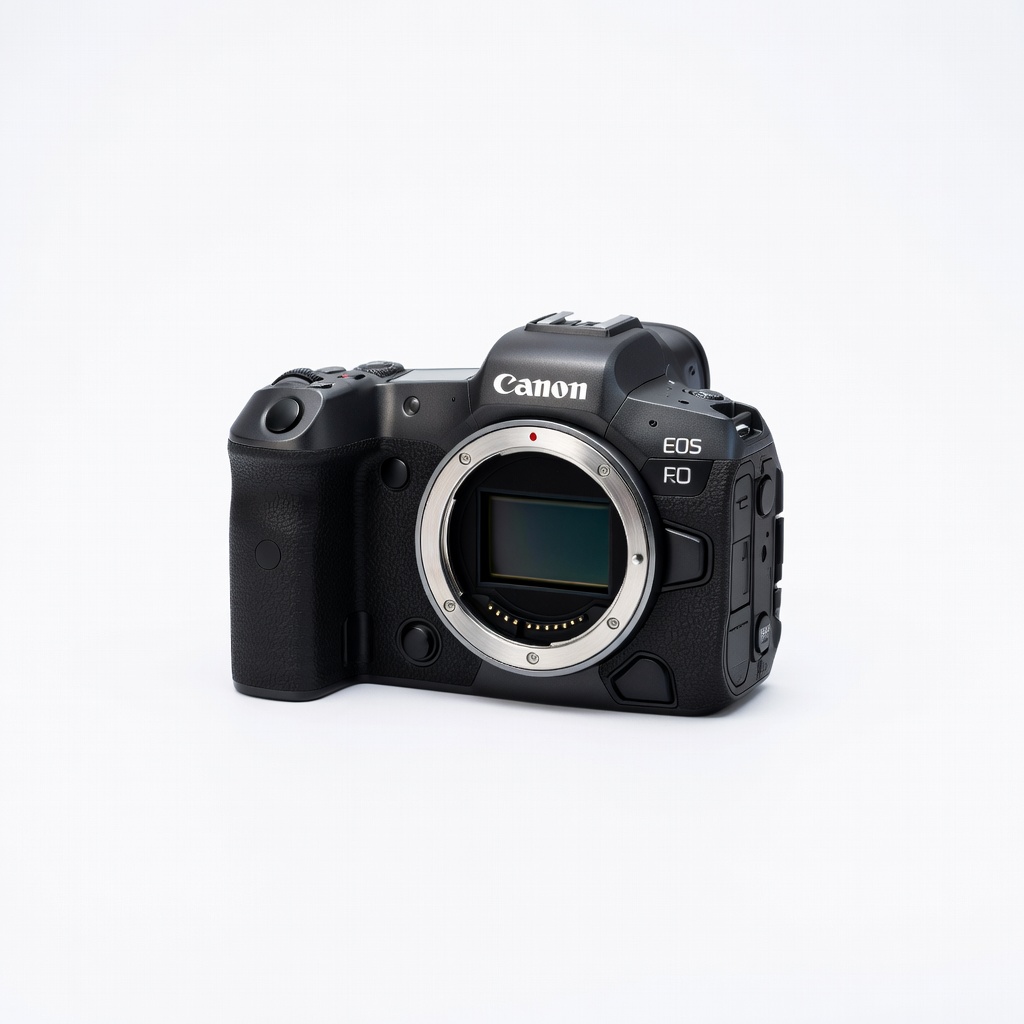
Canon's R5 Mark II blends 45MP stills mastery with 8K video, powered by eye-control AF that's a game-changer for wildlife framing.
Dual slots, overheating fixes, and pro ergonomics make it safari-ready. Ideal for those selling prints or footage.
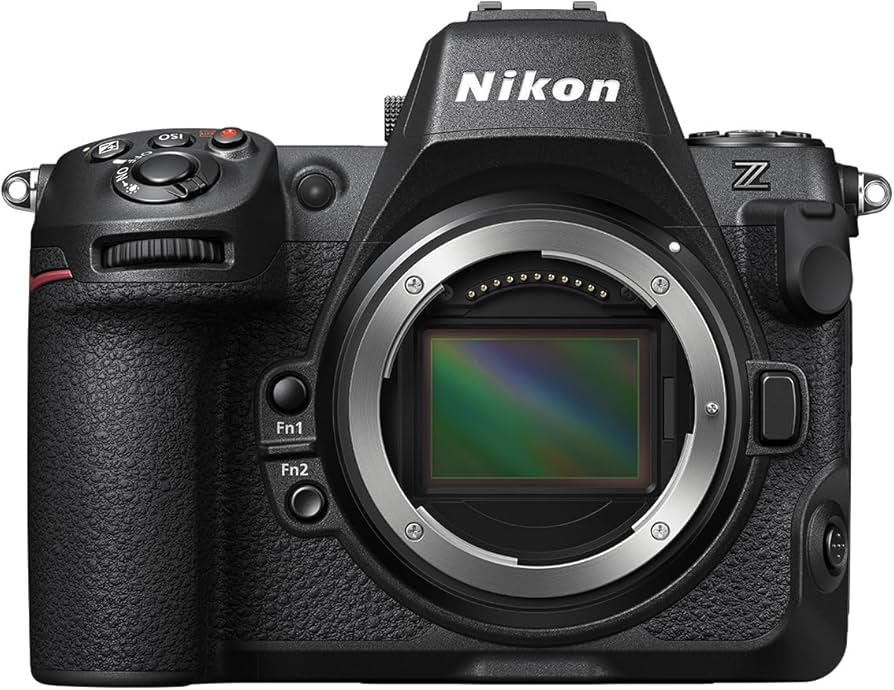
The Nikon Z8 delivers Z9 performance in a lighter body, with 45.7MP resolution and 20fps RAW bursts for detailed wildlife portraits.
Excellent dynamic range and video specs make it versatile for mixed-use pros. A smart step-down from flagships without compromises.
Compare key specs and features of all our recommendations side-by-side
| Product | Recommendation | Rating | Price |
|---|---|---|---|
Nikon Z9 Mirrorless Camera Rank #1 | 🏆 Top Pick | — | Check price → |
Canon EOS R7 Mirrorless Camera Rank #2 | 💰 Budget Pick | — | Check price → |
Sony Alpha A9 III Mirrorless Camera Rank #3 | ⭐ Editor's Choice | — | Check price → |
OM System OM-1 Mark II Mirrorless Camera Rank #4 | — | — | Check price → |
Canon EOS R5 Mark II Mirrorless Camera Rank #5 | — | — | Check price → |
Nikon Z8 Mirrorless Camera Rank #6 | — | — | Check price → |
