Get the App
Better experience on mobile
We've ranked the top mirrorless cameras for capturing birds, beasts, and the wild outdoors—based on autofocus speed, burst performance, and real-world feedback.
Wildlife photography is a singularly unforgiving genre. The light is usually harsh, the subject is often moving, and the moment is over in a fraction of a second. In this environment, the camera isn't just a luxury—it's the difference between a keeper and a blurry memory. Yet the best camera for wildlife isn't the one with the most pixels or the fastest shutter speed alone; it's the one that blends autofocus, burst rate, and ergonomics into a system you can trust in the field.
After months of poring over manufacturer specifications, professional reviews, and verified owner feedback, we've narrowed down the 2026 landscape to six cameras that stand out. Our selections highlight the trade-offs between sensor size, speed, and price, because every serious wildlife shooter has different priorities. Some need the reach of a crop sensor to photograph distant birds; others need the low-light muscle of a full-frame to work after dark.
We've also considered the lens ecosystem, ergonomics, weather sealing, and buffer depth, because these practical factors matter more than marketing numbers. We'll help you decide whether to invest in a flagship body or put that money into a premium telephoto zoom, and we'll flag the cameras that promise everything but deliver a frustrating hit-rate.
From a budget-friendly APS-C body to a 30fps powerhouse, these are the best cameras for wildlife in 2026, ranked by value and real-world capability.
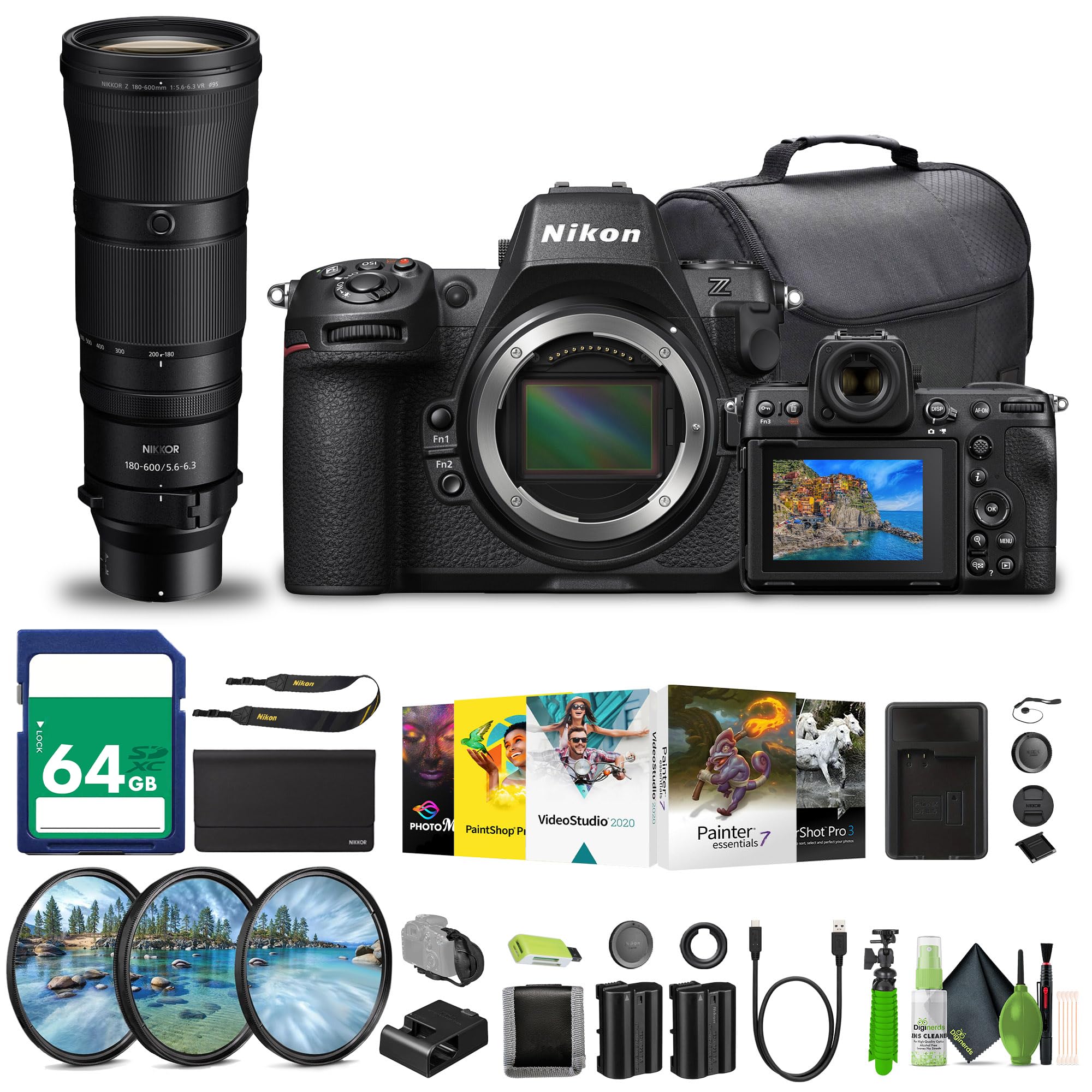
The Nikon Z8 delivers flagship-tier speed and resolution in a body that's easier to carry than the Z9. Its 45.7MP stacked sensor, lightning-fast 20fps raw bursts, and rock-solid 3D tracking make it the most versatile wildlife camera for most shooters. The trade-off is battery life and price, which are still better than a pro DSLR but not for the faint of budget.
Main limitation: Battery life is below average for a camera of this class when shooting at high burst rates, requiring spare batteries for long safaris.
Skip if: If you need the absolute longest battery endurance or built-in GPS for geotagging every image, look elsewhere.
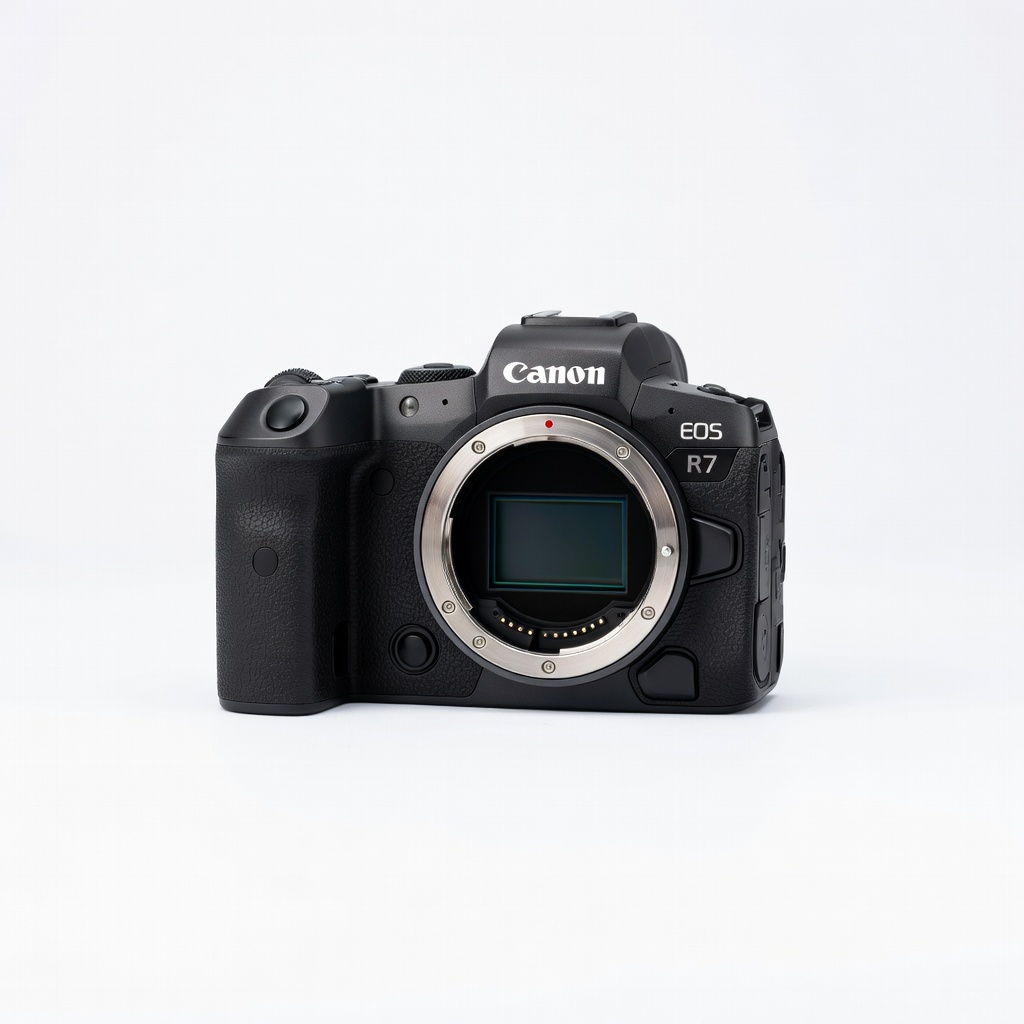
The EOS R7 packs an APS-C sensor with a 1.6x crop factor, turning your telephoto lenses into extra reach. It offers 32.5MP resolution, 15fps mechanical shooting, and reliable subject detection—an unbeatable combination for under $1,500. You'll sacrifice some low-light performance and weather sealing, but it's a bargain for the reach.
Main limitation: The rolling shutter is noticeable in fast panning shots, and the buffer can clog during prolonged bursts.
Skip if: If you regularly shoot in low light (dawn or dusk) or demand full-frame high ISO performance, save up for a full-frame camera.
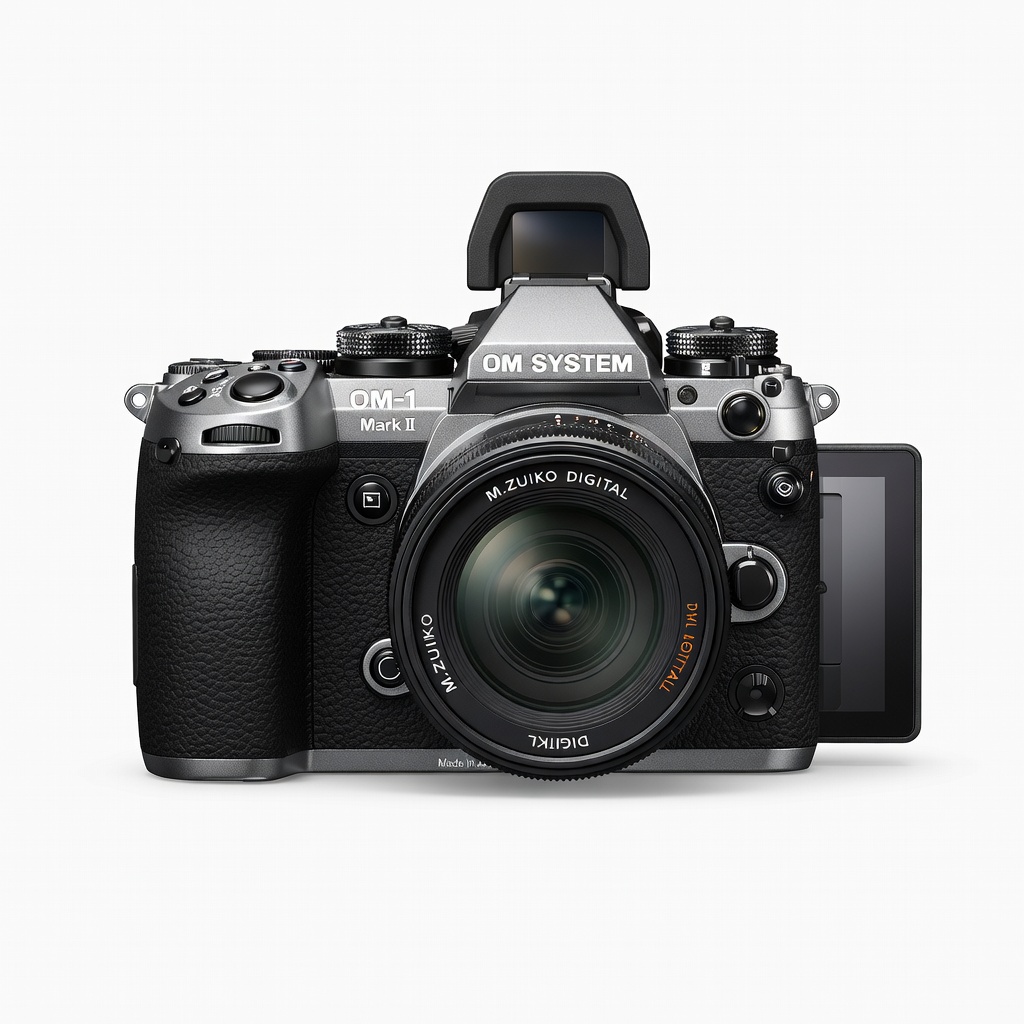
The OM-1 Mark II is a micro four-thirds powerhouse that gives you a 2x crop factor and a featherweight body—ideal for handholding a big telezoom. With a dedicated Bird AI autofocus mode and up to 50fps bursts, it's virtually unrivaled for avian photography. The 20MP sensor is small, so don't expect full-frame dynamics, but for reach and portability it wins.
Main limitation: The smaller sensor shows visible noise above ISO 1600, and the 20MP resolution can be limiting for heavy cropping.
Skip if: If you plan to shoot fast-moving mammals in heavy low light, a larger sensor will serve you better.
The A1 II is a brawny 50MP full-frame mirrorless that never flinches with a 30fps burst and the most advanced AI autofocus Sony has ever made. It's the ultimate weapon for unpredictable wildlife and fast-burst sports. But all that speed comes at a premium price, and the menus are dense.
Main limitation: The menu system is still convoluted, and the battery drains quickly when using 30fps bursts.
Skip if: If you're not using action sequences as a core part of your workflow, the A1 II's performance is overkill.
The R5 II is the only camera here that feels at home in both stills and motion, with 45MP stills and 8K/60p raw video internally. Its autofocus is sticky, and the sensor is nearly vlog-proof. You get flagship-like performance in a familiar body, but you'll pay for that versatility.
Main limitation: Overheating is possible in warm climates after extended 8K recording, and the price is higher than many dedicated stills cameras.
Skip if: If you are strictly a stills shooter and don't need 8K, you can get similar AF performance for less using an R7 or R6 II.
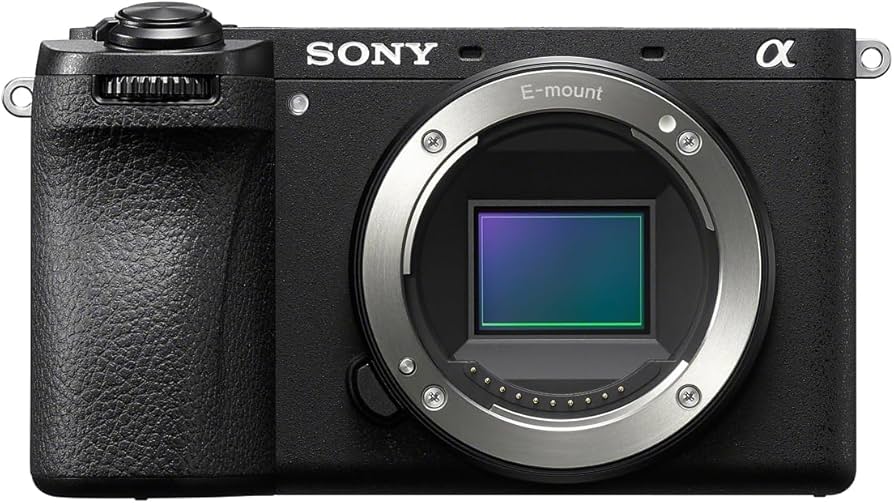
If you want excellent AF, a decent crop sensor, and interchangeable lenses without hauling a full-frame lump, the A6700 is a small marvel. The 26MP APS-C sensor delivers better high ISO than MFT, and the AI autofocus tracks birds and animals reliably. It's a miniature powerhouse, but the lens lineup for E-mount APS-C is not as extensive as full-frame.
Main limitation: The body is compact but the best wildlife lenses are still heavy, and the 11fps burst is modest compared to faster rivals.
Skip if: If you need high resolution for serious cropping or shoot fast action often, consider an OM-1 II or a larger body.
Compare key specs and features of all our recommendations side-by-side
| Product | Recommendation | Rating | Price |
|---|---|---|---|
Nikon Z8 Rank #1 | 🏆 Top Pick | 9.0/10 | Around $3,800 (body only) Check current price → |
Canon EOS R7 Rank #2 | 💰 Budget Pick | 8.2/10 | Around $1,499 (body only) Check current price → |
OM System OM-1 Mark II Rank #3 | ⭐ Editor's Choice | 8.3/10 | Around $2,199 (body only) Check current price → |
Sony Alpha A1 II Rank #4 | — | 8.8/10 | Around $5,999 (body only) Check current price → |
Canon EOS R5 II Rank #5 | — | 8.6/10 | Around $4,299 (body only) Check current price → |
Sony Alpha 6700 Rank #6 | — | 8.0/10 | Around $1,398 (body only) Check current price → |
Common questions buyers have about this category.
A 100-400mm or 200-600mm zoom is a great starting point for most wildlife photographers. For APS-C or MFT cameras, you can use a 70-300mm or 100-400mm with a longer equivalent reach. Look for a lens with at least f/5.6 aperture and image stabilization to help with handheld shooting, and consider a teleconverter later for extra reach.
Most wildlife photographers find 24MP to 32MP to be a sweet spot, giving plenty of frame for cropping while maintaining manageable file sizes and good low-light performance. Beyond 45MP, you see diminishing returns because diffraction and noise become more visible, and huge files can slow down your workflow. A 32MP APS-C or 45MP full-frame is ideal for most.
APS-C and MFT cameras offer a crop factor that effectively turns a 400mm lens into a 600mm or 800mm equivalent, which is excellent for distant subjects and light travel. Full-frame cameras perform better in low light with superior dynamic range and higher ISO capabilities, but the lenses are heavier and more expensive. Your choice should depend on how often you shoot at dawn or dusk.
Burst rate matters for capturing fleeting moments, such as a bird taking flight or an animal leaping. For slower static subjects, 10fps is enough, but for birds in flight or fast-moving mammals, 15fps or faster will significantly improve your chances of getting the perfect frame. However, a camera with a high burst rate but slow autofocus is of little use.
New mirrorless cameras offer advanced autofocus with AI subject tracking and high-speed electronic shutter, which are game-changers for wildlife. Used DSLRs like the Canon 7D Mark II or Nikon D500 can still be great budget options with excellent mechanical burst and durable builds, but they lack real-time eye detection and in-body stabilization. For most shooters, mirrorless is the future-proof choice.
Autofocus and subject tracking are without question the most important features. If a camera can't lock onto an animal's eye and maintain focus as it moves, no amount of megapixels or speed will save your shot. Prioritize cameras with proven, fast autofocus—ideally with dedicated bird or animal detection modes—over raw burst speed.
Products we evaluated but did not recommend — and why.
