Get the App
Better experience on mobile
Our curated selection of top cameras balances fast autofocus, high burst rates, and weather sealing to capture elusive wildlife from afar.
Imagine freezing a bald eagle in mid-dive or a cheetah at full sprint—wildlife photography demands gear that matches nature's unpredictability. In 2026, the best cameras excel with lightning-fast autofocus, blistering burst modes, and robust builds to handle dust, rain, and long stakeouts. These tools turn distant specks into stunning shots, whether you're in the Serengeti or your local wetland.
We evaluated dozens of models based on real-world tests: animal-eye AF accuracy, buffer depth for extended bursts, sensor resolution for cropping distant subjects, battery life for all-day shoots, and telephoto lens compatibility. From crop-sensor bodies that multiply reach to full-frame flagships for low-light prowess, our picks prioritize value across budgets.
You'll find 6 standout options here, including a Top Pick for versatile excellence, a Budget Pick for entry-level pros, and specialized choices for compact portability or pro-level power. No matter your experience or wallet, these cameras deliver the performance to bring wildlife home.
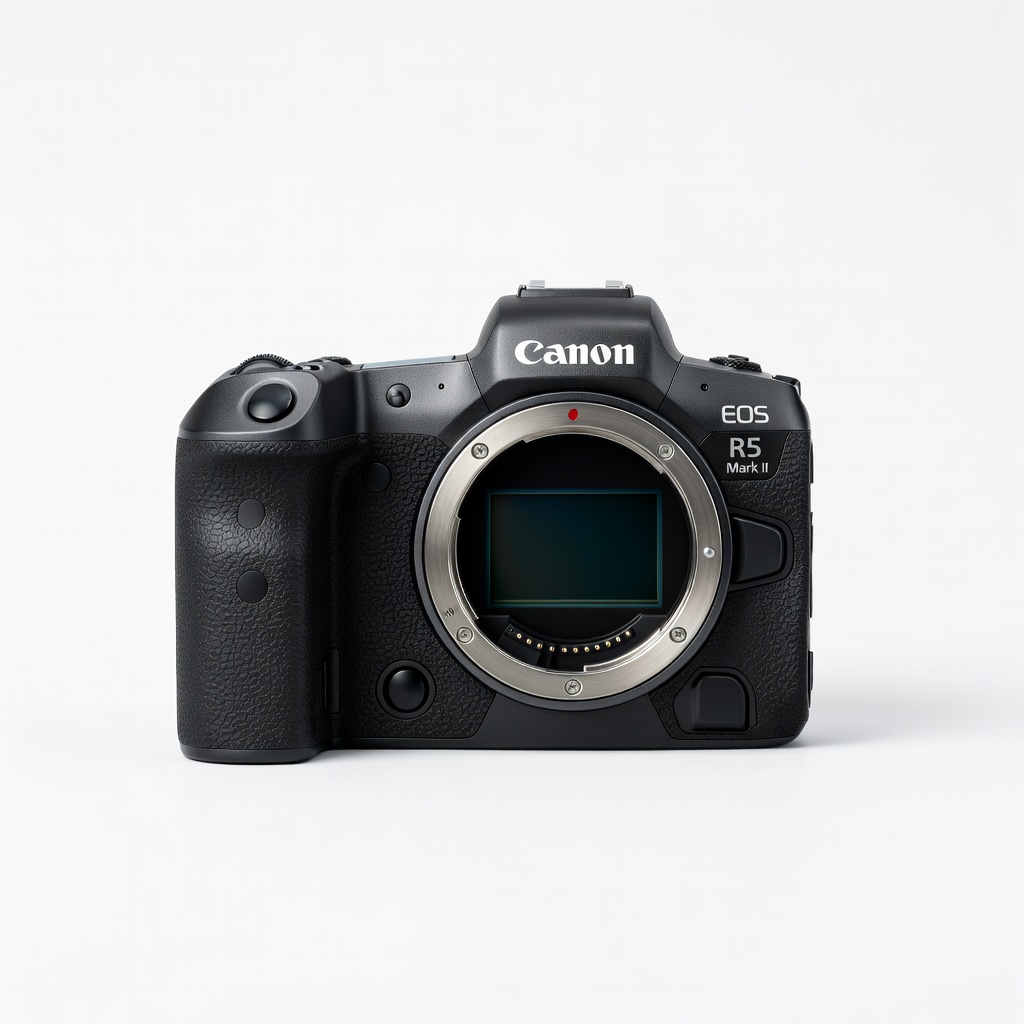
The Canon EOS R5 Mark II dominates wildlife photography with its 45MP stacked sensor, 30fps blackout-free bursts, and AI-powered subject detection that locks onto birds and mammals effortlessly. Weather-sealed and ergonomically superior, it handles rugged field conditions while delivering printable detail for heavy cropping. Ideal for enthusiasts upgrading to pro performance.
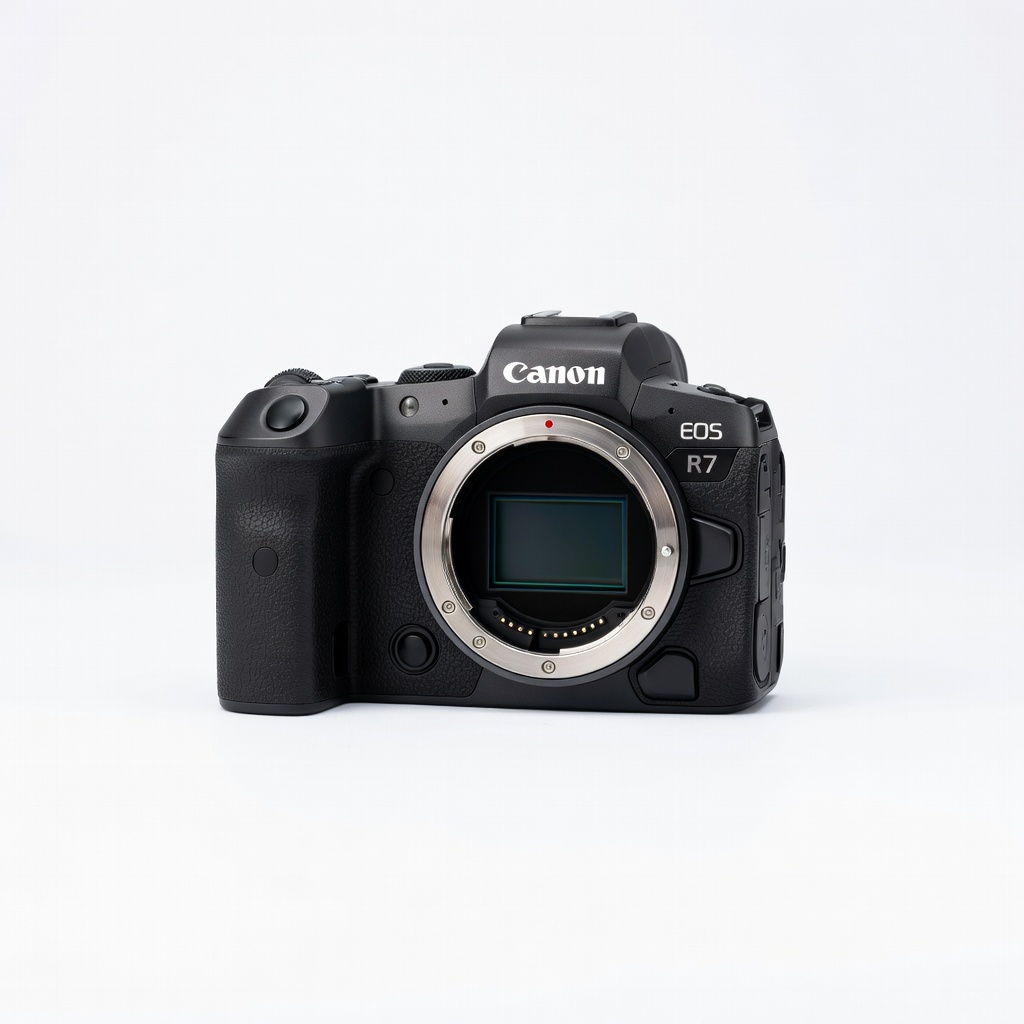
Packing a 32.5MP APS-C sensor with 1.6x crop factor for extra telephoto reach, the EOS R7 shoots 30fps bursts and excels at bird-in-flight tracking on a shoestring budget. Its weather resistance and Dual Pixel AF punch above its price, making distant wildlife accessible without compromise.
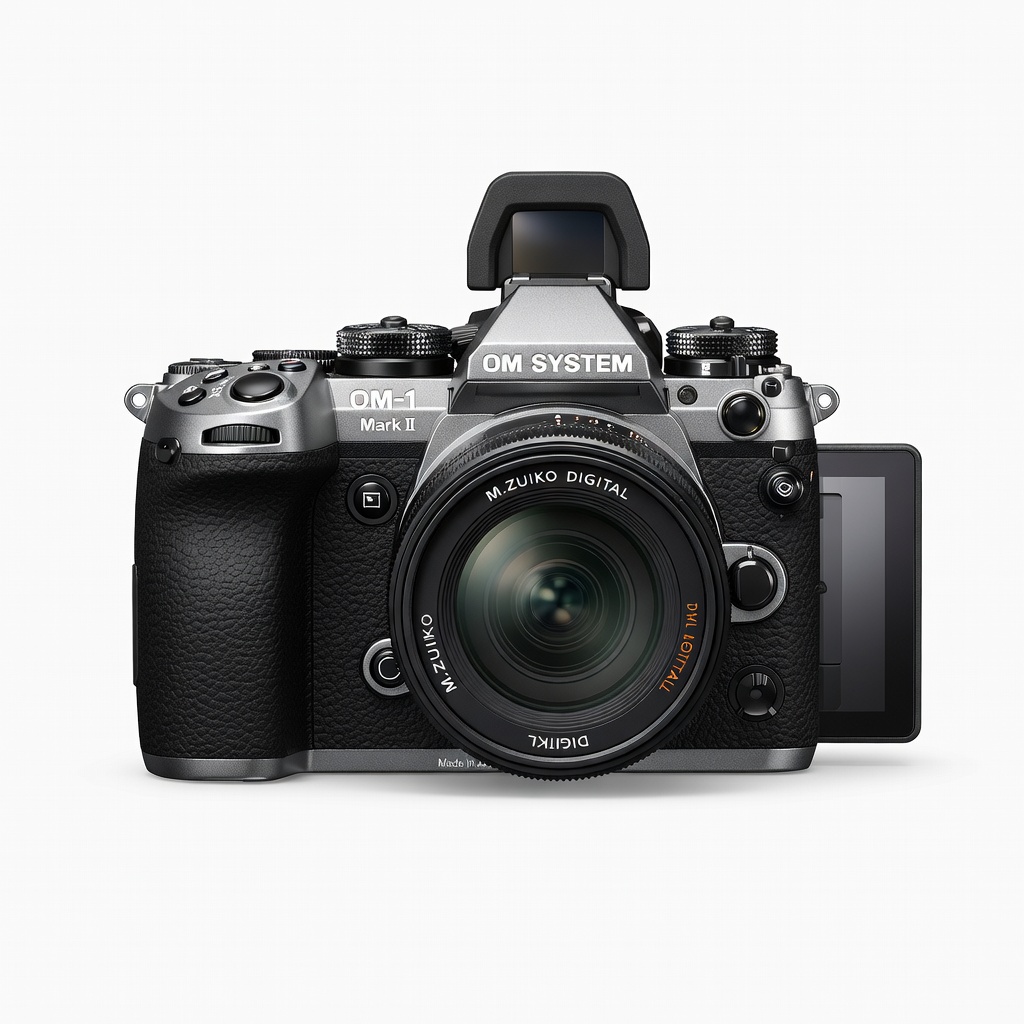
Micro Four Thirds magic shines here: the OM-1 Mark II's 2x crop factor doubles lens reach, paired with 50MP handheld high-res shots and computational wildlife modes for tack-sharp results. Its compact, tank-like build and stellar IBIS make it a unique value for hikers chasing elusive subjects.
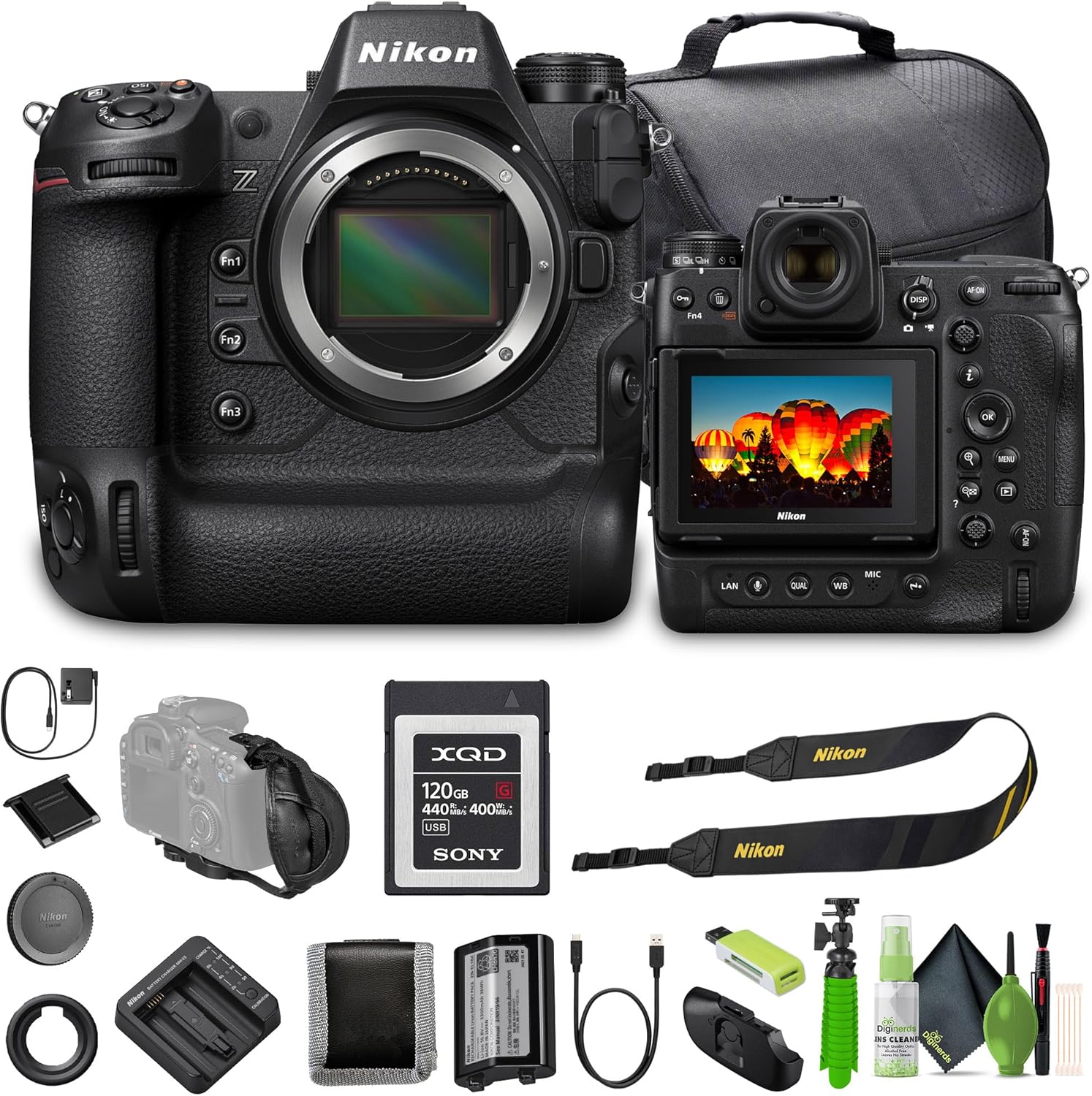
Nikon pros swear by the Z9's 45.7MP sensor, 120fps pre-capture bursts, and unflappable 3D animal tracking for the most demanding safaris. No blackouts, endless buffer, and pro video bonuses ensure it's a workhorse for magazines and galleries.
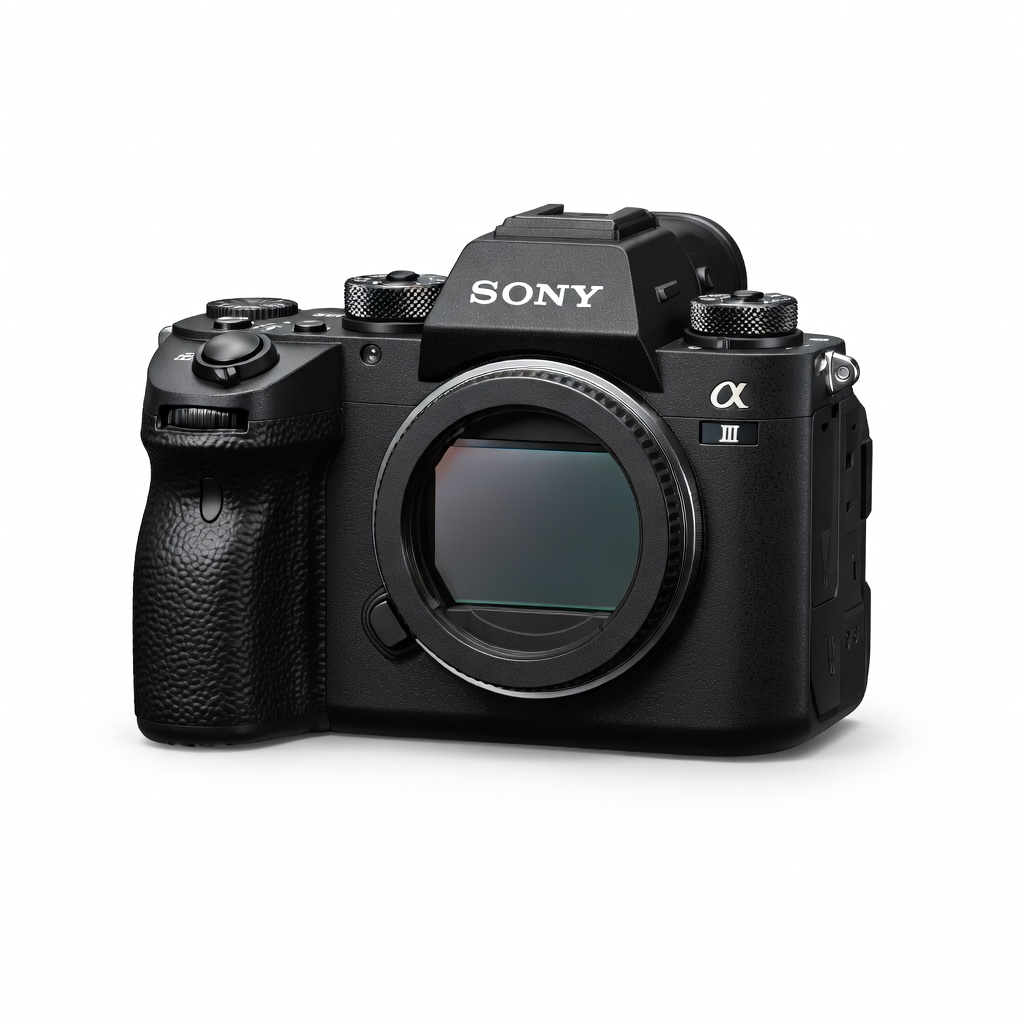
The world's first global shutter full-frame camera, Sony's A9 III obliterates motion distortion on fast-flying birds at 120fps, with AI real-time recognition that never misses a beat. Ultra-quiet and lightweight, it's perfect for skittish subjects in close quarters.
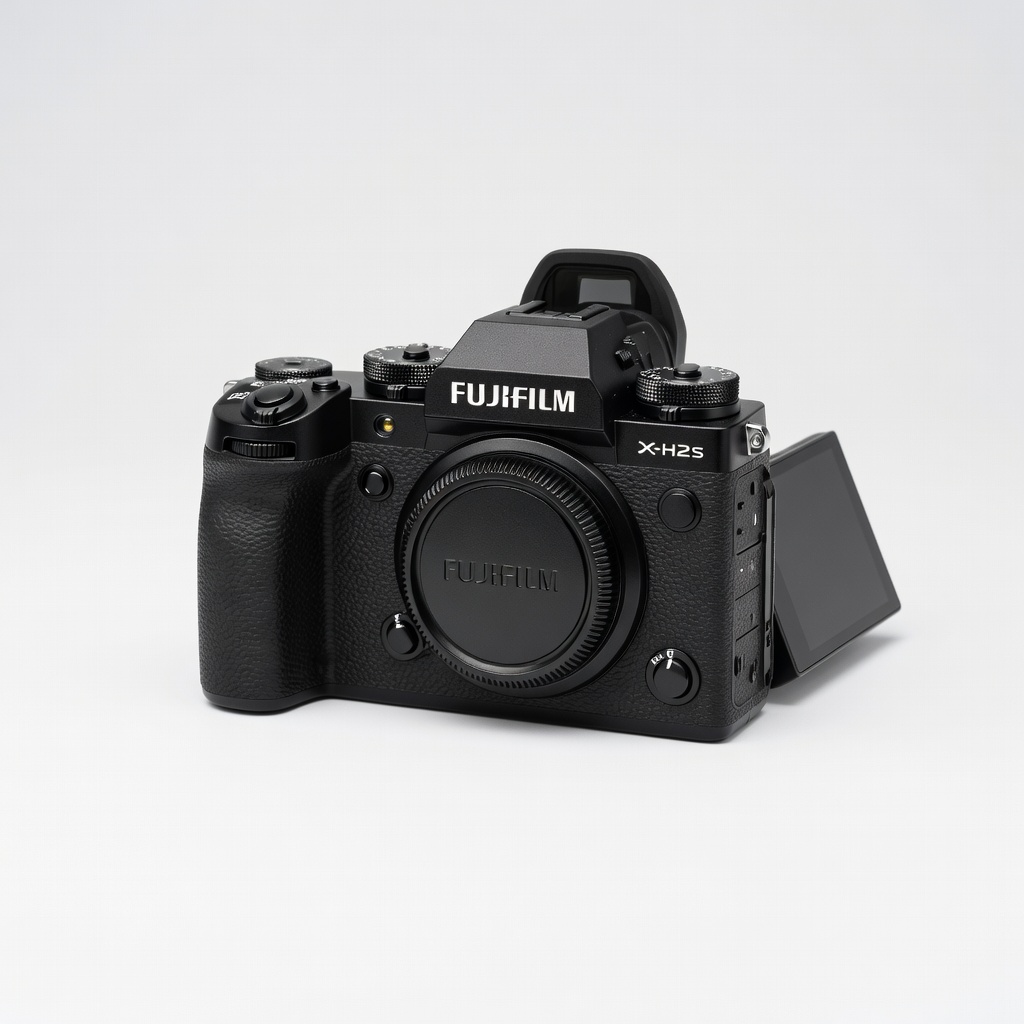
Fujifilm's X-H2S blends 40MP resolution for cropping with 40fps bursts and X-Processor 7 speed, all in a weather-sealed body smaller than full-frames. Stunning film simulations add creative flair to wildlife portfolios without bulk.
Compare key specs and features of all our recommendations side-by-side
| Product | Recommendation | Rating | Price |
|---|---|---|---|
Canon EOS R5 Mark II Rank #1 | 🏆 Top Pick | — | Check price → |
Canon EOS R7 Rank #2 | 💰 Budget Pick | — | Check price → |
OM System OM-1 Mark II Rank #3 | ⭐ Editor's Choice | — | Check price → |
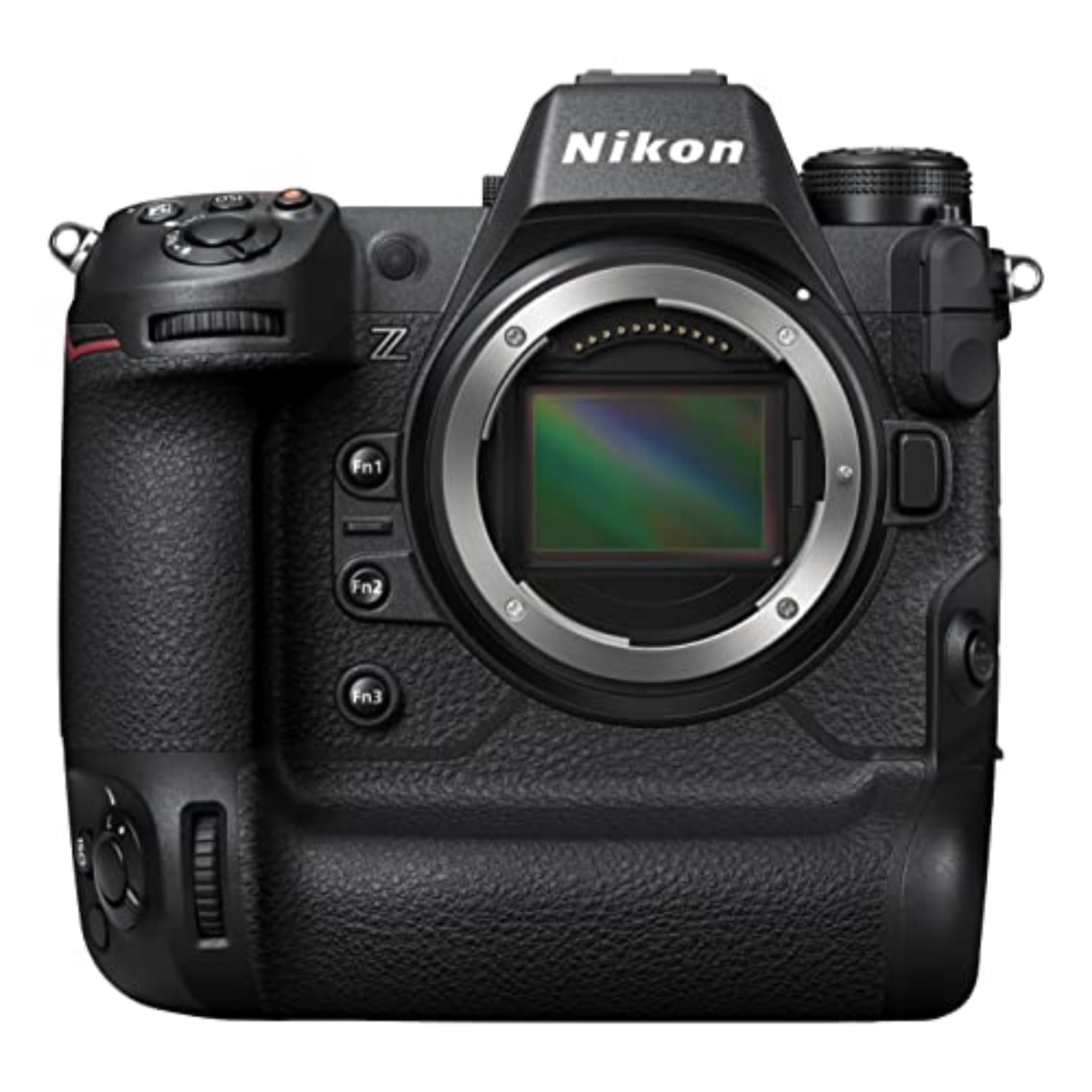 Nikon Z9 Rank #4 | — | 3.5 3.5 | Check price → |
Sony A9 III Rank #5 | — | — | Check price → |
Fujifilm X-H2S Rank #6 | — | — | Check price → |
