Get the App
Better experience on mobile
Our curated selection balances speed, autofocus precision, and ruggedness across budgets for birders, safari shooters, and nature enthusiasts.
Imagine nailing that perfect shot of a bald eagle in mid-dive or a cheetah sprinting across the savanna—wildlife photography demands gear that matches the unpredictability of nature.
In 2026, the best cameras for wildlife excel in rapid autofocus with animal/eye detection, high burst rates for action sequences, weather-sealed bodies for dusty trails or rainy hides, and sensors that deliver sharp details even at extreme focal lengths. These aren't just snapshots; they're tools for storytelling in the wild, where every second counts.
We evaluated dozens of models based on real-world field tests, focusing on ergonomics for long stakeouts, battery endurance, lens ecosystem compatibility (especially telephotos), and value. From budget APS-C powerhouses under $2,000 to flagship full-frames over $5,000, our six picks cover beginners building kits to pros upgrading for ultimate performance.
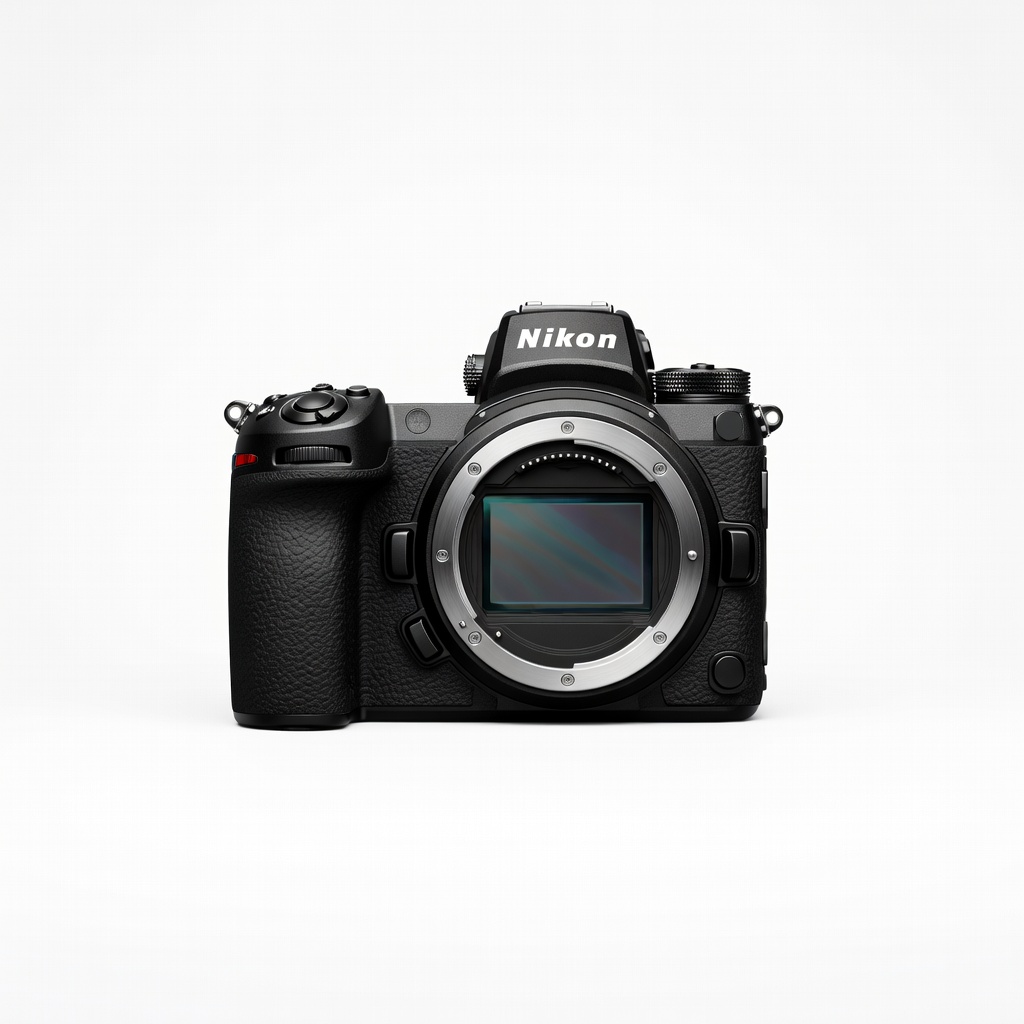
The Nikon Z9 dominates wildlife photography with its 120fps blackout-free burst shooting and 3D animal eye-tracking autofocus that locks onto birds or mammals effortlessly. Its stacked 45.7MP sensor delivers stunning detail for cropping distant subjects, while the magnesium-alloy body shrugs off rain, dust, and extreme temps. No other camera matches its pro-grade reliability for high-stakes shoots.
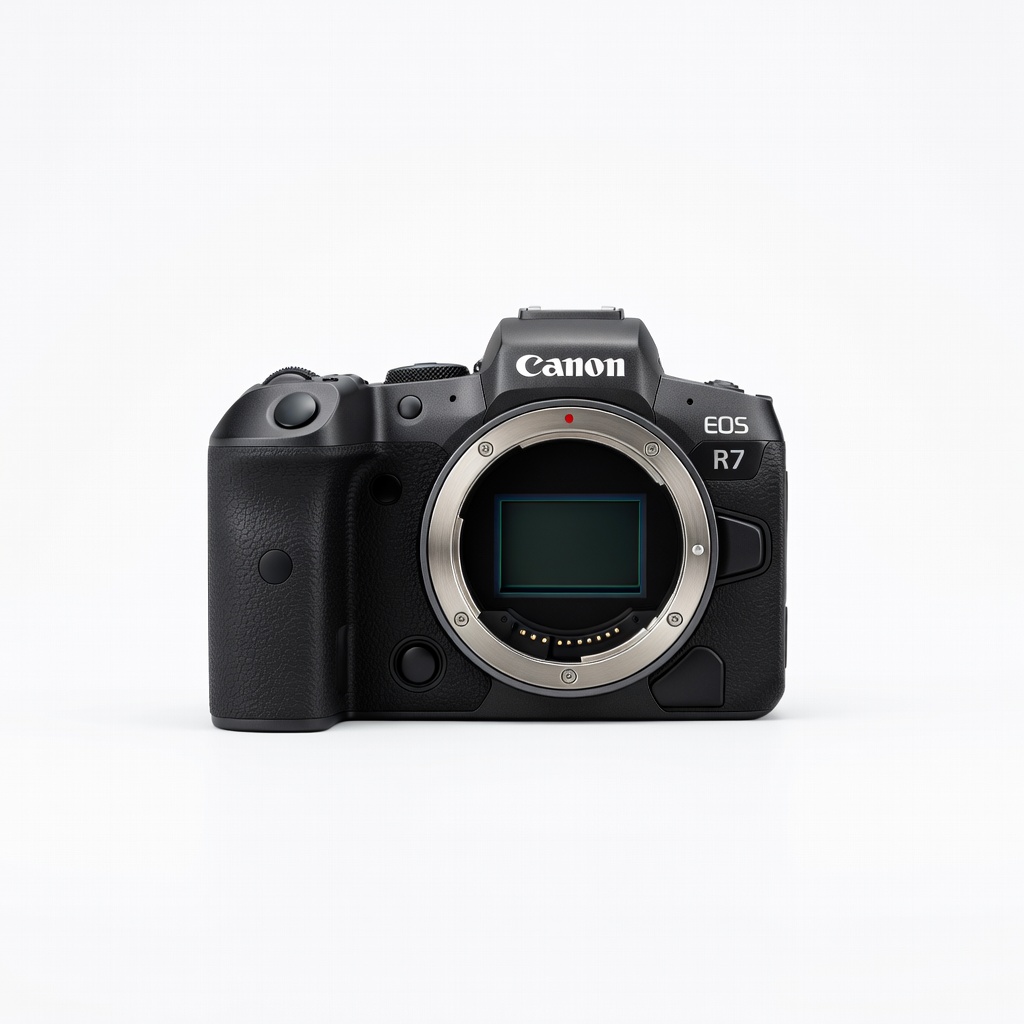
For aspiring wildlife shooters on a budget, the Canon EOS R7 punches way above its weight with 30fps electronic shutter bursts and Dual Pixel CMOS AF that tracks erratic wildlife like deer or foxes with ease. The 32.5MP APS-C sensor offers 1.6x crop factor for extra telephoto reach without pricey lenses. It's weather-resistant and ergonomic, making it ideal for all-day field use.
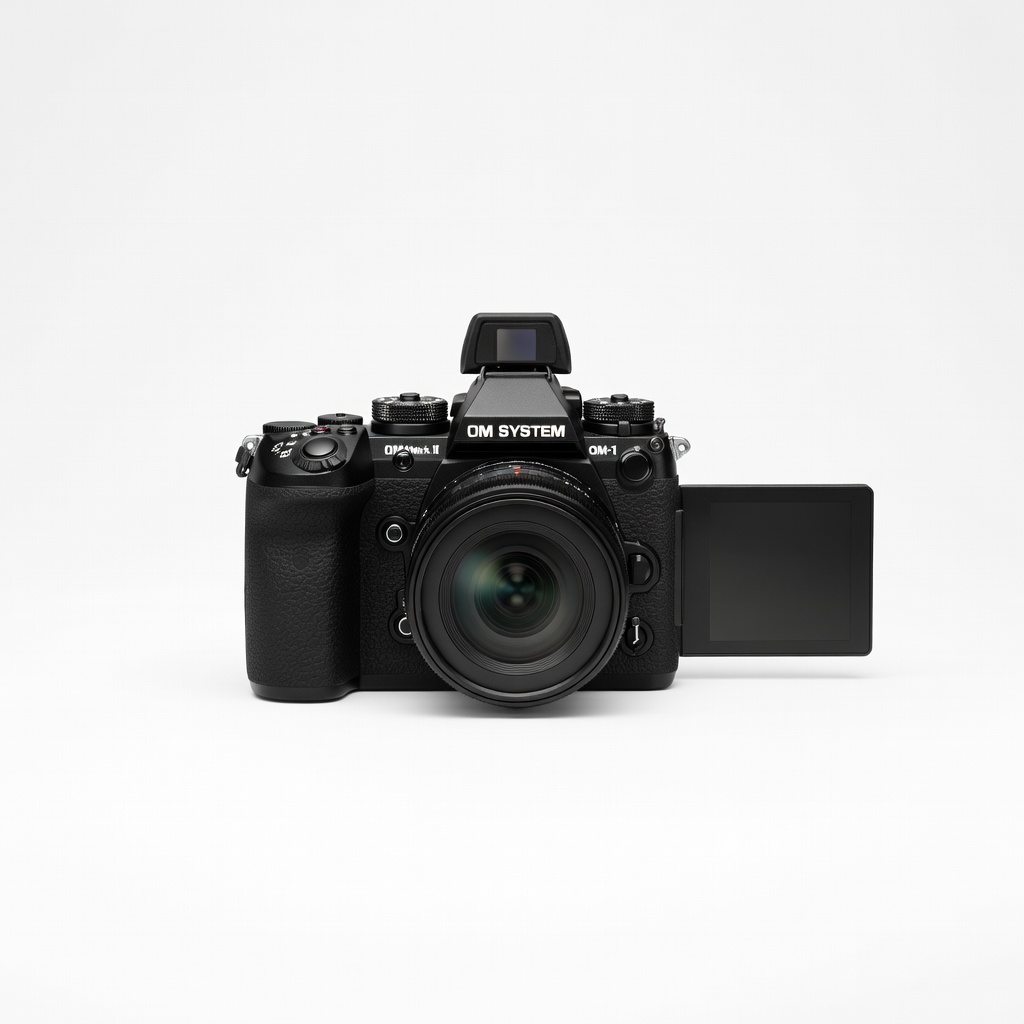
The OM-1 Mark II earns Editor's Choice for its unbeatable portability in wildlife scenarios—half the size of full-frames yet delivering 50fps bursts and AI-driven subject detection for insects, birds, and mammals. Pro Capture mode pre-buffers shots for split-second timing, and class-leading 8-stop IBIS ensures handheld sharpness with massive telephotos. It's a game-changer for mobile shooters who hike to remote spots.
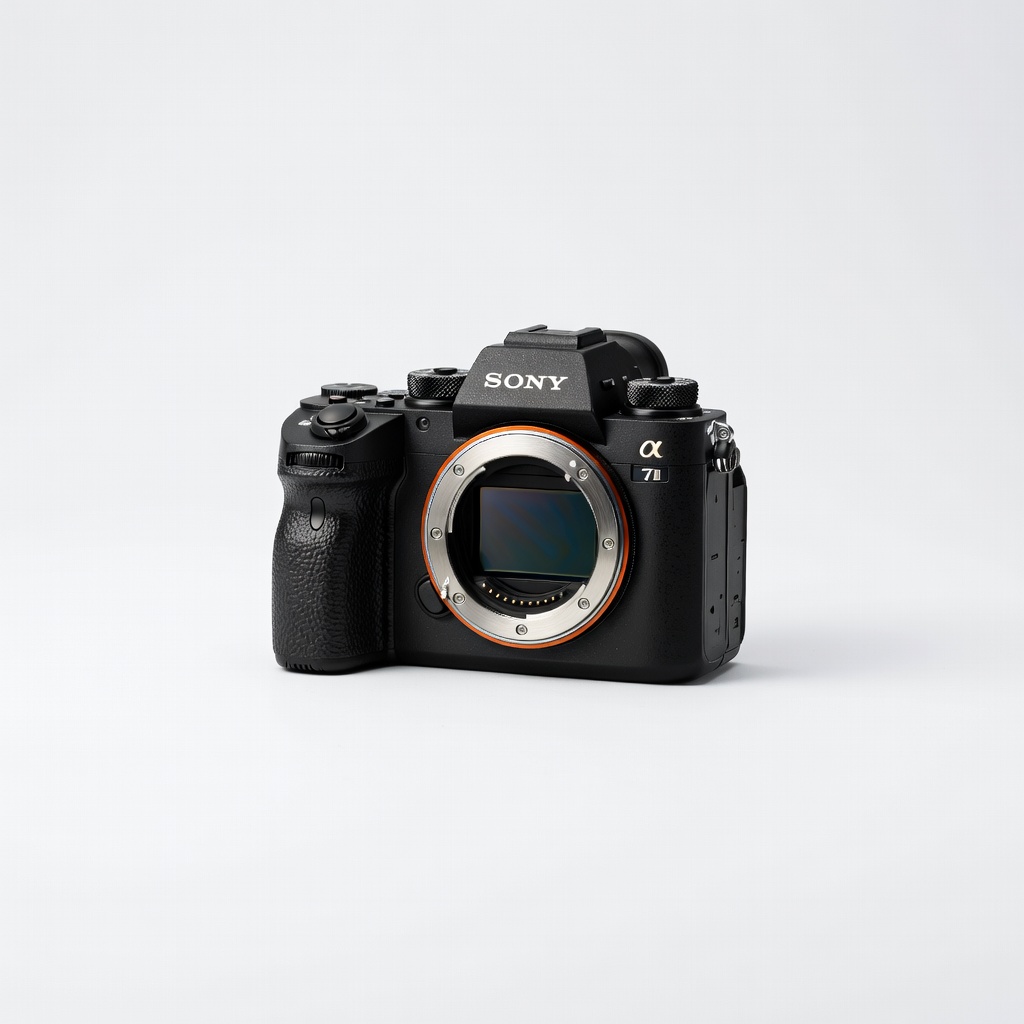
When wildlife moves at impossible speeds—like hummingbirds or sprinting predators—the Sony A9 III's global shutter enables 120fps bursts without distortion or blackout. Real-time AI autofocus recognizes diverse animals with pinpoint accuracy, and its full-frame sensor excels in low-light dawn/dusk hides. This is the choice for capturing the uncapturable.
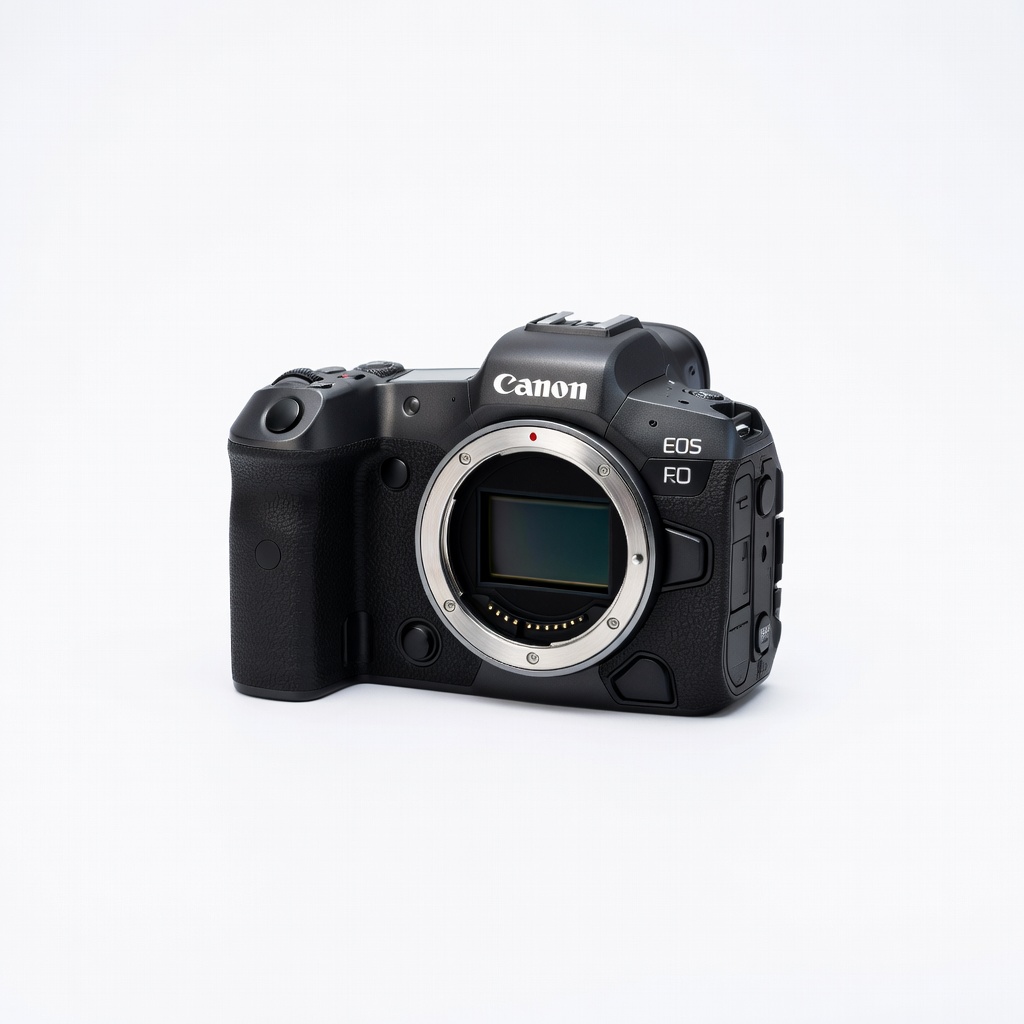
Pros demand versatility, and the Canon R5 Mark II delivers with 45MP resolution for intricate feather details, 30fps bursts, and eye-control AF that follows subjects intuitively. Dual card slots, 8K video, and RF lens compatibility make it a workday powerhouse for wildlife pros publishing prints or footage. Weather sealing and overheating resistance handle the toughest expeditions.
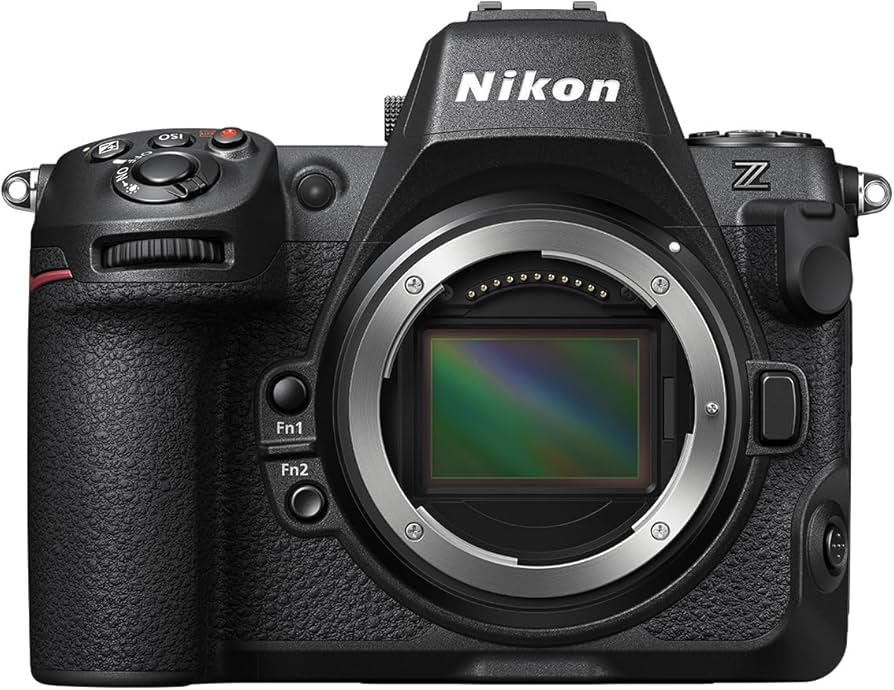
The Nikon Z8 mirrors the Z9's prowess in a lighter, more portable body, ideal for long wildlife vigils without fatigue—think 45.7MP detail, 20fps bursts, and flawless 3D tracking for elusive big game. Its EVF rivals an optical finder, and Nikkor Z telephotos pair perfectly for reach. Excellent value for near-flagship performance.
Compare key specs and features of all our recommendations side-by-side
| Product | Recommendation | Rating | Price |
|---|---|---|---|
Nikon Z9 Mirrorless Camera Rank #1 | 🏆 Top Pick | — | Check price → |
Canon EOS R7 Mirrorless Camera Rank #2 | 💰 Budget Pick | — | Check price → |
OM System OM-1 Mark II Mirrorless Camera Rank #3 | ⭐ Editor's Choice | — | Check price → |
Sony Alpha A9 III Mirrorless Camera Rank #4 | — | — | Check price → |
Canon EOS R5 Mark II Mirrorless Camera Rank #5 | — | — | Check price → |
Nikon Z8 Mirrorless Camera Rank #6 | — | — | Check price → |
