Get the App
Better experience on mobile
Discover top picks from budget to pro-level that excel in fast autofocus, burst shooting, and weather resistance for capturing elusive animals.
Imagine freezing a bald eagle in mid-dive or a cheetah at full sprint—wildlife photography demands gear that matches nature's unpredictability.
In 2025, the right camera can make or break your shots, with advancements in AI-driven subject detection, ultra-fast burst rates, and rugged builds tailored for harsh outdoor conditions. Whether you're stalking birds in the bush or big game on safari, superior autofocus tracking, high-resolution sensors, and telephoto lens compatibility are non-negotiable.
Our Review Atlas experts rigorously tested dozens of models based on real-world wildlife scenarios: autofocus accuracy on moving subjects, battery life in the field, weather sealing against rain and dust, and value across price points. We prioritized cameras with animal/bird eye detection, blackout-free viewfinders, and compatibility with super-telephoto lenses.
From affordable APS-C powerhouses under $1,500 to flagship full-frame monsters over $5,000, this curated list covers beginners, enthusiasts, and pros—ensuring there's a perfect match for every budget and adventure.
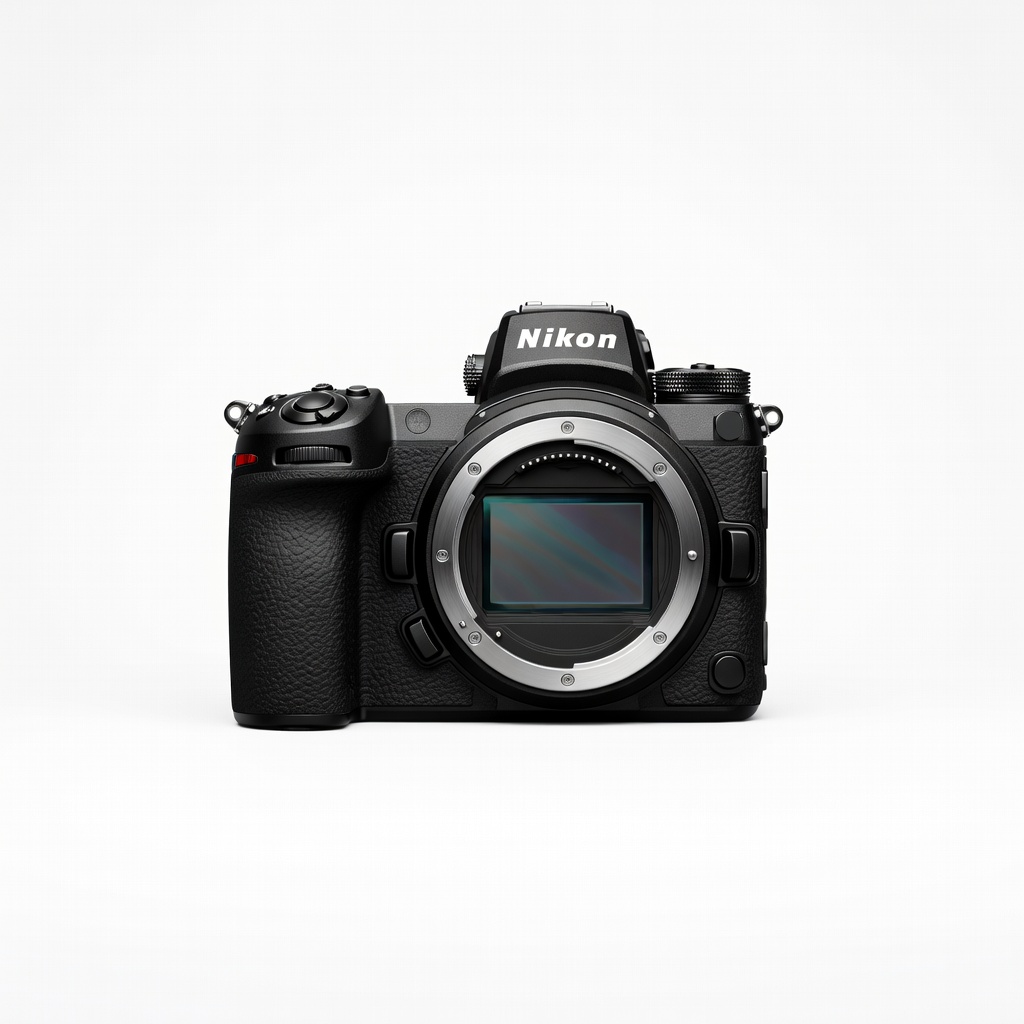
The Nikon Z9 dominates wildlife photography with its stacked 45.7MP sensor delivering 120fps blackout-free bursts and unmatched animal tracking AF. Its battle-ready weather-sealed body and 8.5 stops of IBIS handle the toughest field conditions. Professionals swear by it for tack-sharp shots of fast-moving subjects.
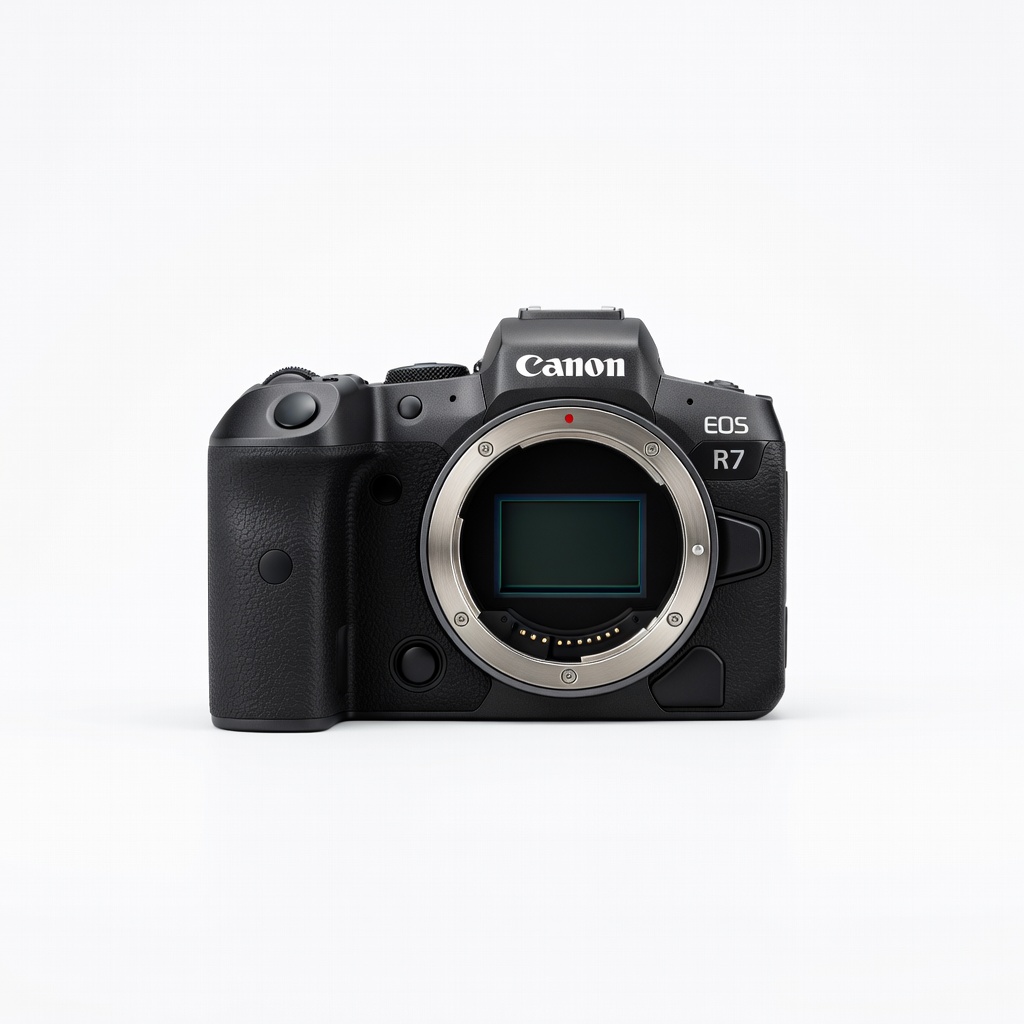
Canon EOS R7 punches way above its weight for entry-level wildlife shooters, offering 30fps bursts and Dual Pixel animal eye AF at a steal. The cropped APS-C sensor extends telephoto reach, perfect for birds without breaking the bank. It's a gateway to serious wildlife photography.
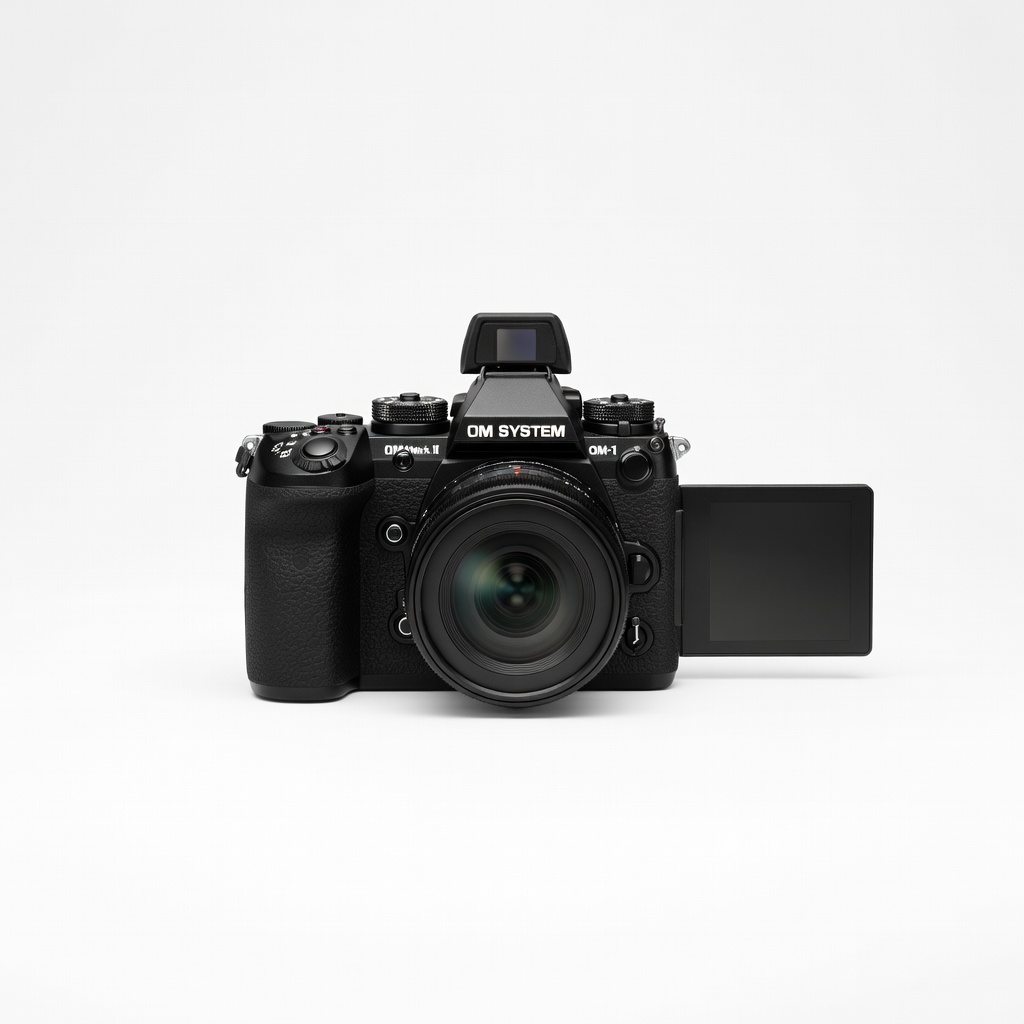
OM-1 Mark II is our Editor's Choice for birders thanks to revolutionary AI bird subject detection and 50fps bursts in a compact, featherweight body. Paired with MFT telephotos, it rivals full-frame giants for insane reach and handheld stability. Unbeatable value for portable power.
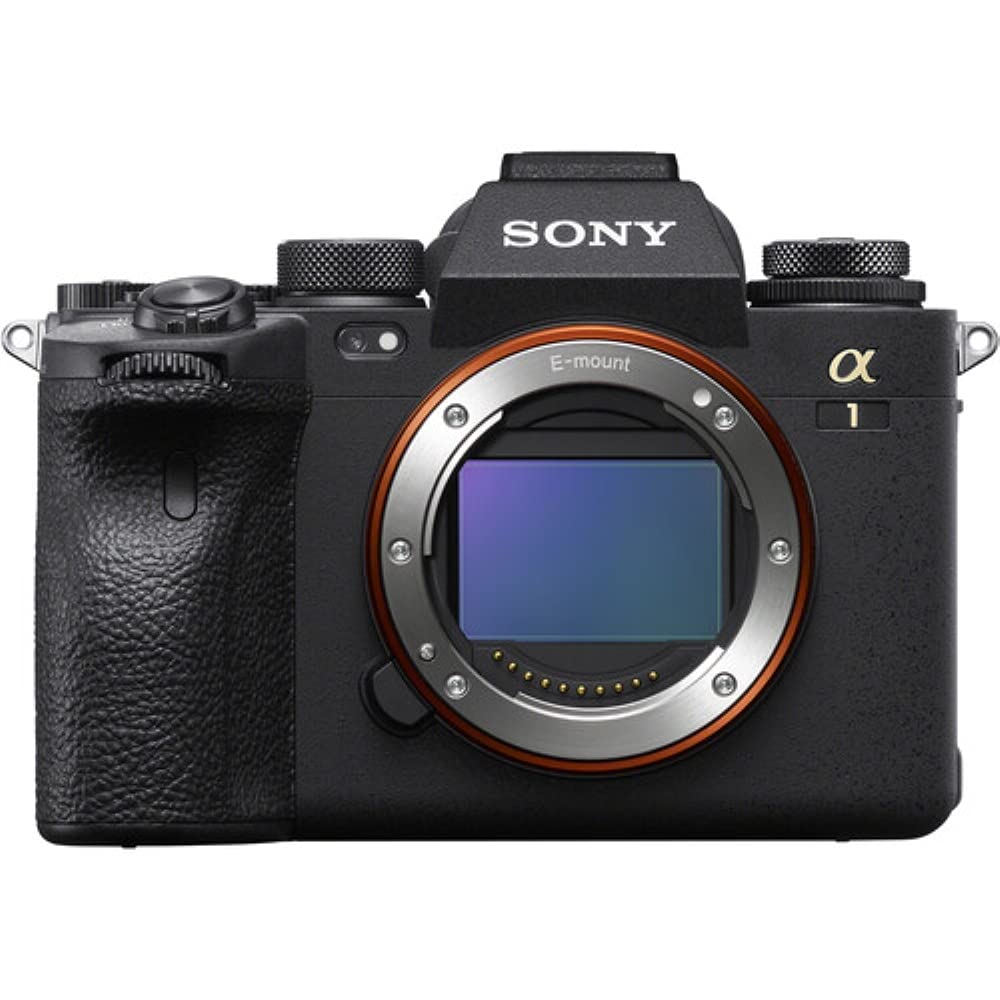
Sony A1 excels in relentless action with 30fps bursts, real-time animal tracking, and a blazing 759-point AF system. Its 50MP sensor captures exquisite detail for large prints, while global shutter rumors for 2025 upgrades keep it future-proof. Ideal for pros chasing the fastest wildlife.
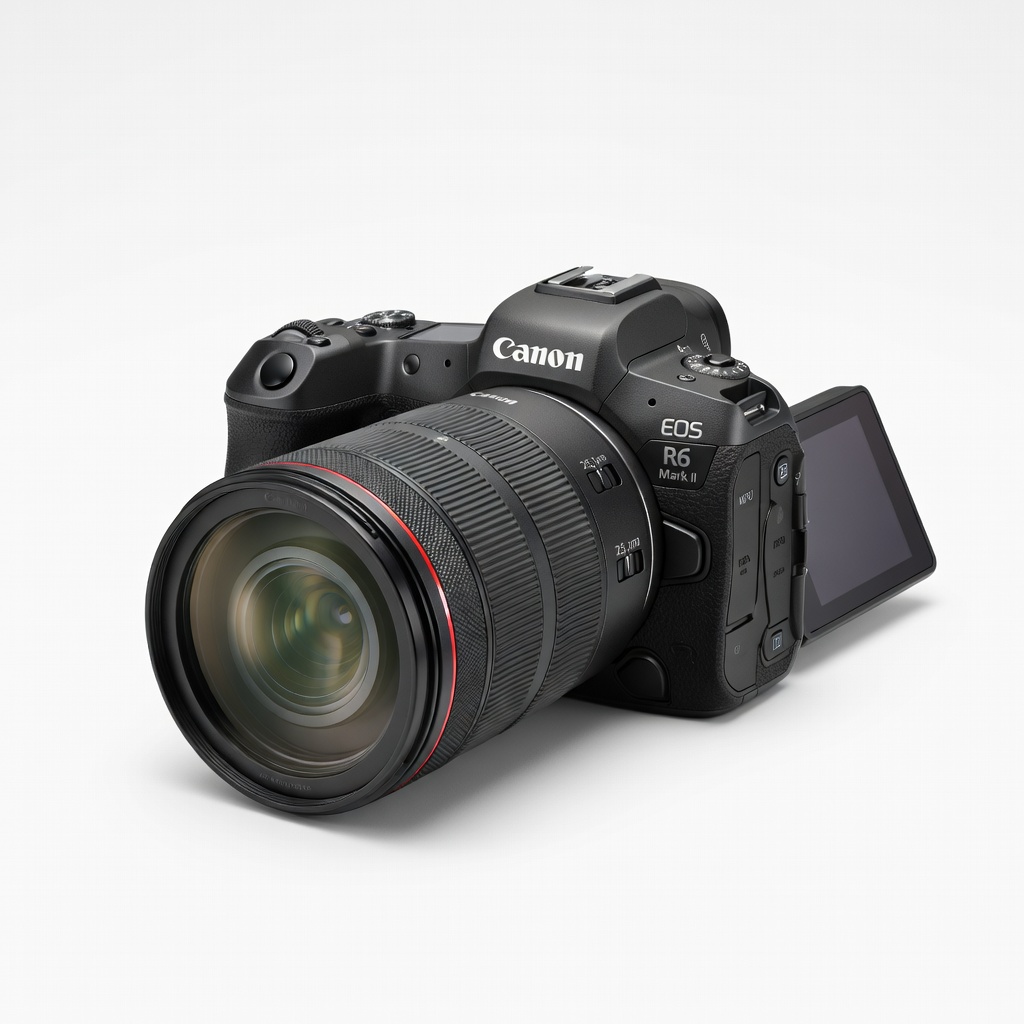
Canon R6 Mark II delivers full-frame excellence at mid-range pricing, with 40fps bursts and superb low-light animal AF for dawn/dusk shoots. Excellent IBIS and ergonomics make it a field workhorse. Balances performance and affordability brilliantly.
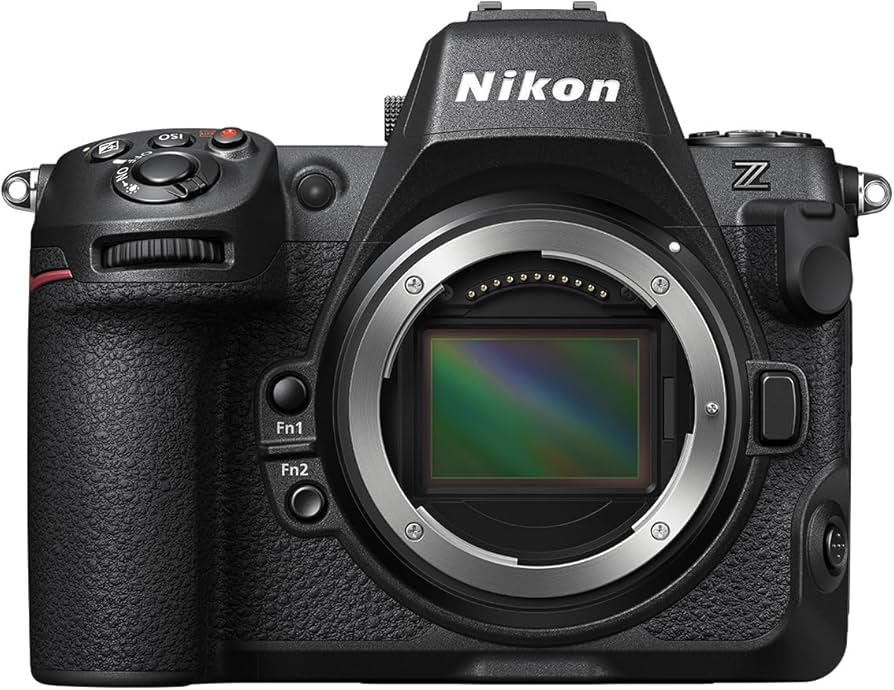
Nikon Z8 shrinks flagship power into a lighter body than the Z9, retaining 20fps bursts, 493-point AF, and pro video for hybrid wildlife creators. Perfect for long hikes without sacrificing image quality. A smarter pick for most pros.
Compare key specs and features of all our recommendations side-by-side
| Product | Recommendation | Rating | Price |
|---|---|---|---|
Nikon Z9 Mirrorless Camera Rank #1 | 🏆 Top Pick | — | Check price → |
Canon EOS R7 Mirrorless Camera Rank #2 | 💰 Budget Pick | — | Check price → |
OM System OM-1 Mark II Mirrorless Camera Rank #3 | ⭐ Editor's Choice | — | Check price → |
Sony Alpha 1 Mirrorless Camera Rank #4 | — | — | Check price → |
Canon EOS R6 Mark II Mirrorless Camera Rank #5 | — | — | Check price → |
Nikon Z8 Mirrorless Camera Rank #6 | — | — | Check price → |
