Get the App
Better experience on mobile
From budget-friendly APS-C shooters to pro-level full-frame powerhouses, these cameras excel in speed, autofocus, and ruggedness for wildlife adventures.
Wildlife photography demands gear that can track elusive subjects at high speeds, deliver sharp details in low light, and withstand the elements—making camera choice crucial for stunning shots of birds in flight or prowling predators.
In 2025, mirrorless cameras dominate with advanced animal eye detection, blistering burst rates up to 120fps, and weather-sealed bodies perfect for rainy savannas or dusty trails. Whether you're a hobbyist chasing backyard birds or a pro on safari, the right camera balances sensor resolution, autofocus prowess, and lens compatibility for telephoto reach.
Our Review Atlas experts tested dozens of models based on real-world wildlife shoots, prioritizing fast continuous AF, high-megapixel sensors for cropping, IBIS for handheld stability, and value across budgets. We've curated six standout options spanning budget to premium, including full-frame titans, compact crop-sensor gems, and specialized speed demons to match every shooter's needs.
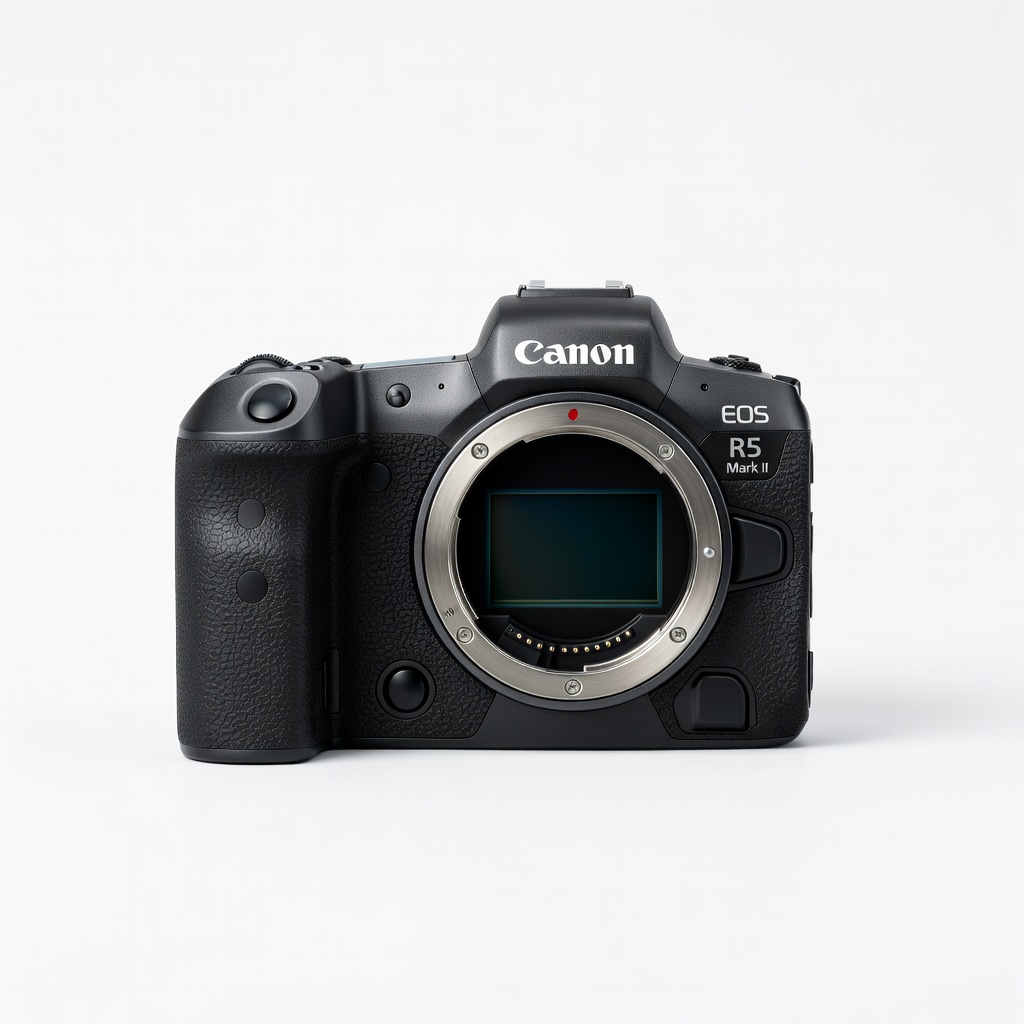
The Canon EOS R5 Mark II sets the gold standard for wildlife with its 45MP full-frame sensor, 30fps blackout-free bursts, and revolutionary animal eye AF that locks onto subjects instantly.
Weather-sealed and packed with 8-stop IBIS, it's ideal for handheld telephoto work in challenging conditions. Paired with Canon's RF super-telephotos, it delivers pro-level detail without compromise.
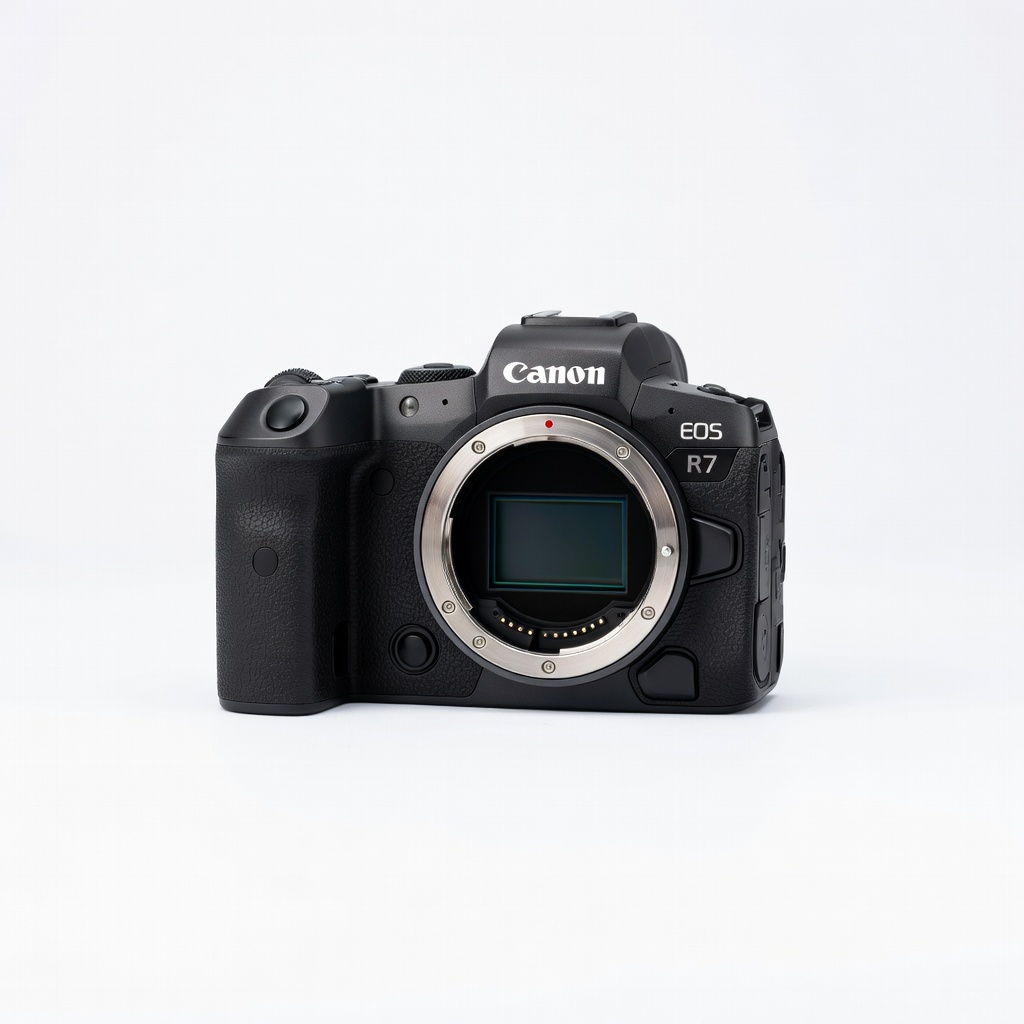
For entry-level wildlife shooters, the Canon EOS R7 punches way above its weight with a 32.5MP APS-C sensor and 30fps bursts at an unbeatable price.
Its APS-C crop factor boosts telephoto reach, while subject detection AF rivals pricier models. Weather-sealed and lightweight, it's perfect for all-day hikes without breaking the bank.
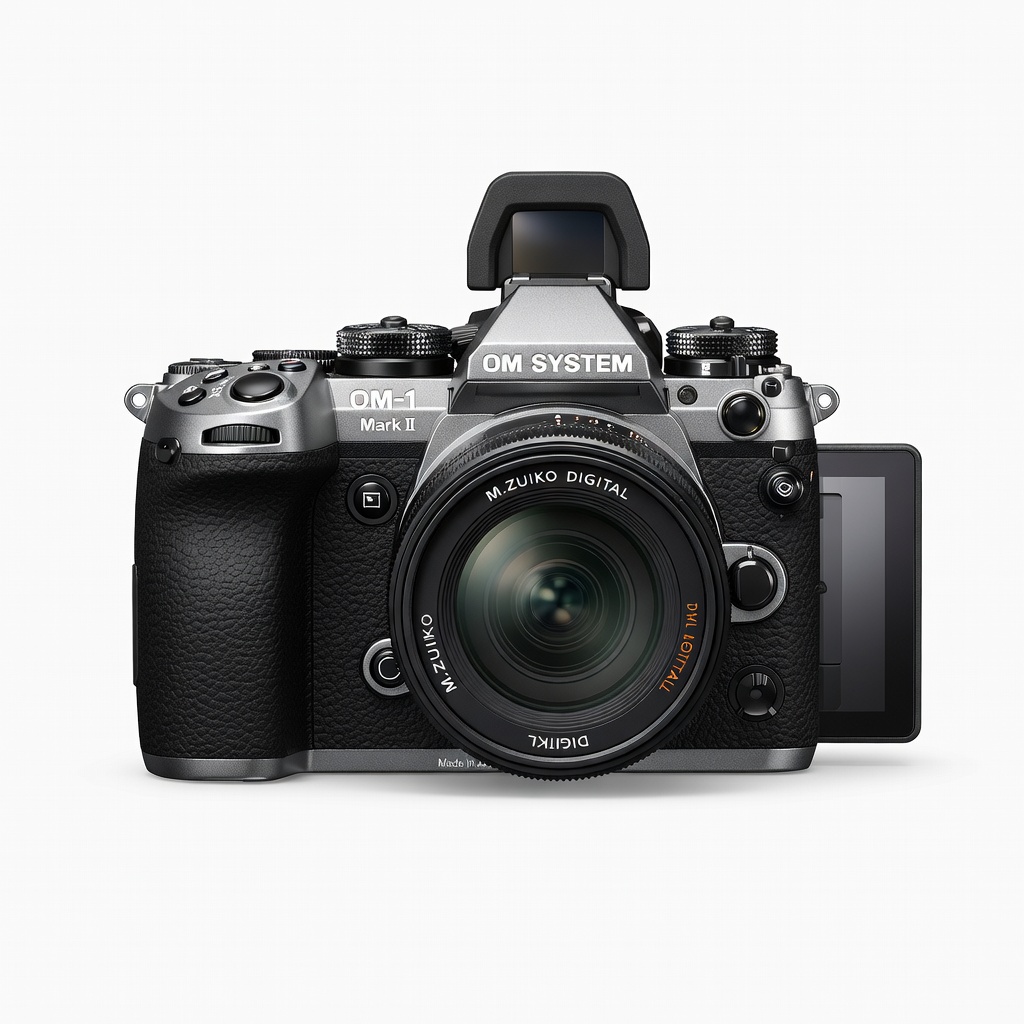
The OM-1 Mark II earns Editor's Choice for its Micro Four Thirds magic: 50MP handheld high-res shots and insane 82MP tripod mode, all in a pocketable, ultra-rugged body.
With 50fps bursts and computational wildlife AF, it maximizes reach with compact M.Zuiko telephotos. Unmatched battery life and freeze-proofing make it the unique value king for rugged pursuits.
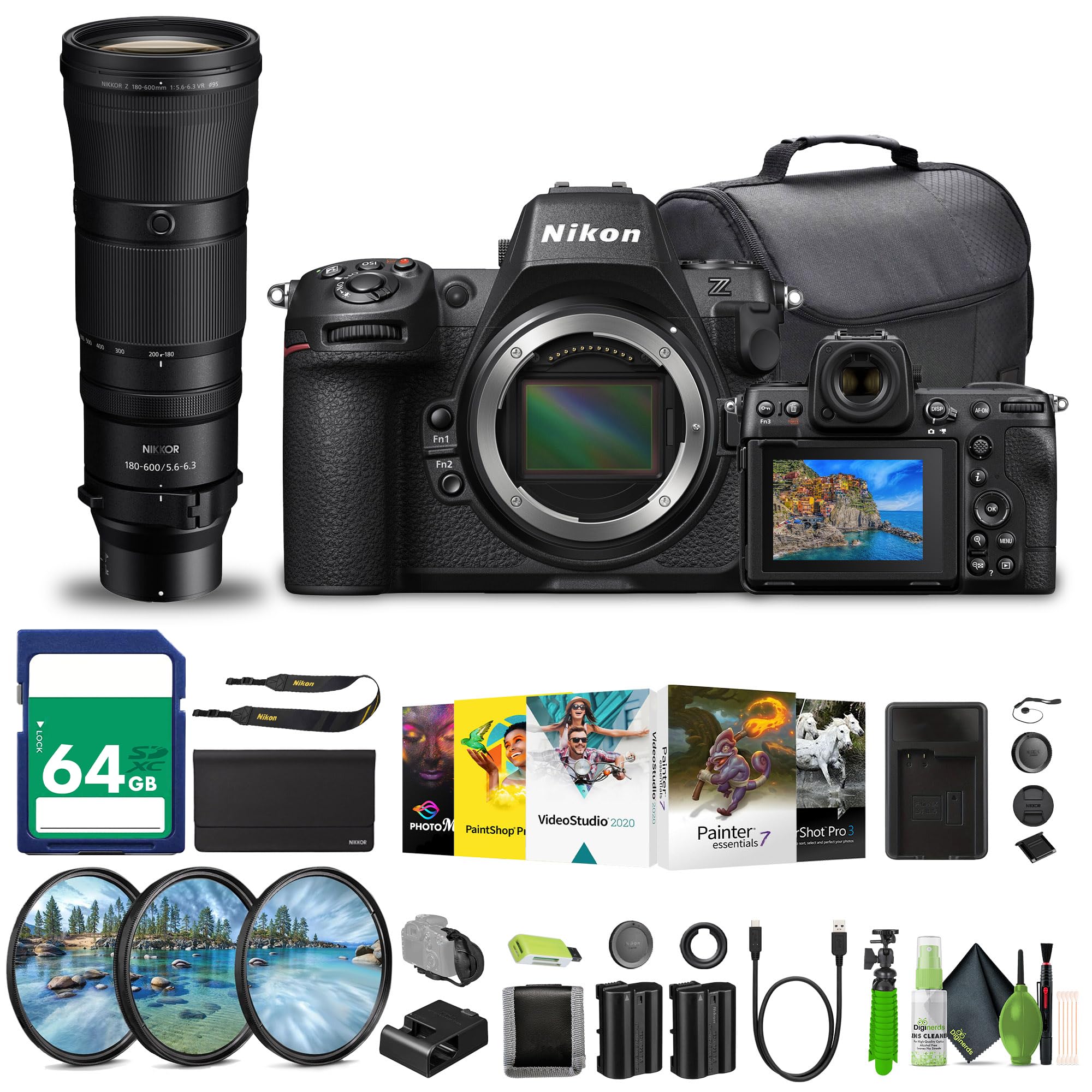
Pros demand the Nikon Z8's 45.7MP full-frame prowess, with 20fps bursts, 493-point 3D tracking AF, and pro video hybrid capabilities for wildlife documentaries.
Its blackout-free EVF and 8.5-stop IBIS shine for critical focus on fast animals. Fully weather-sealed for global expeditions, it's a Z9 alternative without the bulk.
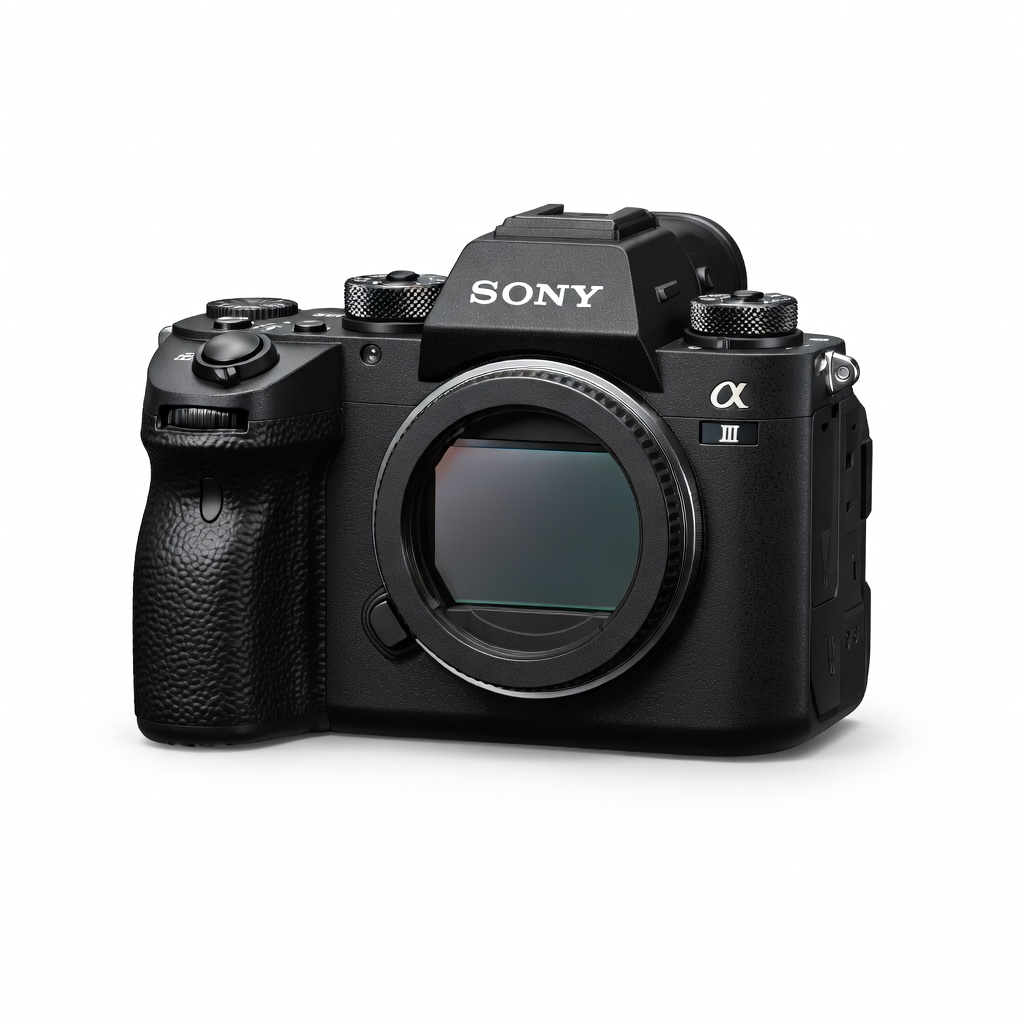
The Sony A9 III revolutionizes wildlife speed with global shutter, 120fps bursts, and zero blackout for impeccably tracking birds or mammals in flight.
Its AI real-time recognition nails erratic subjects, while full-frame 24MP delivers low-noise performance. Compact yet tough, it's for shooters who refuse to miss a frame.
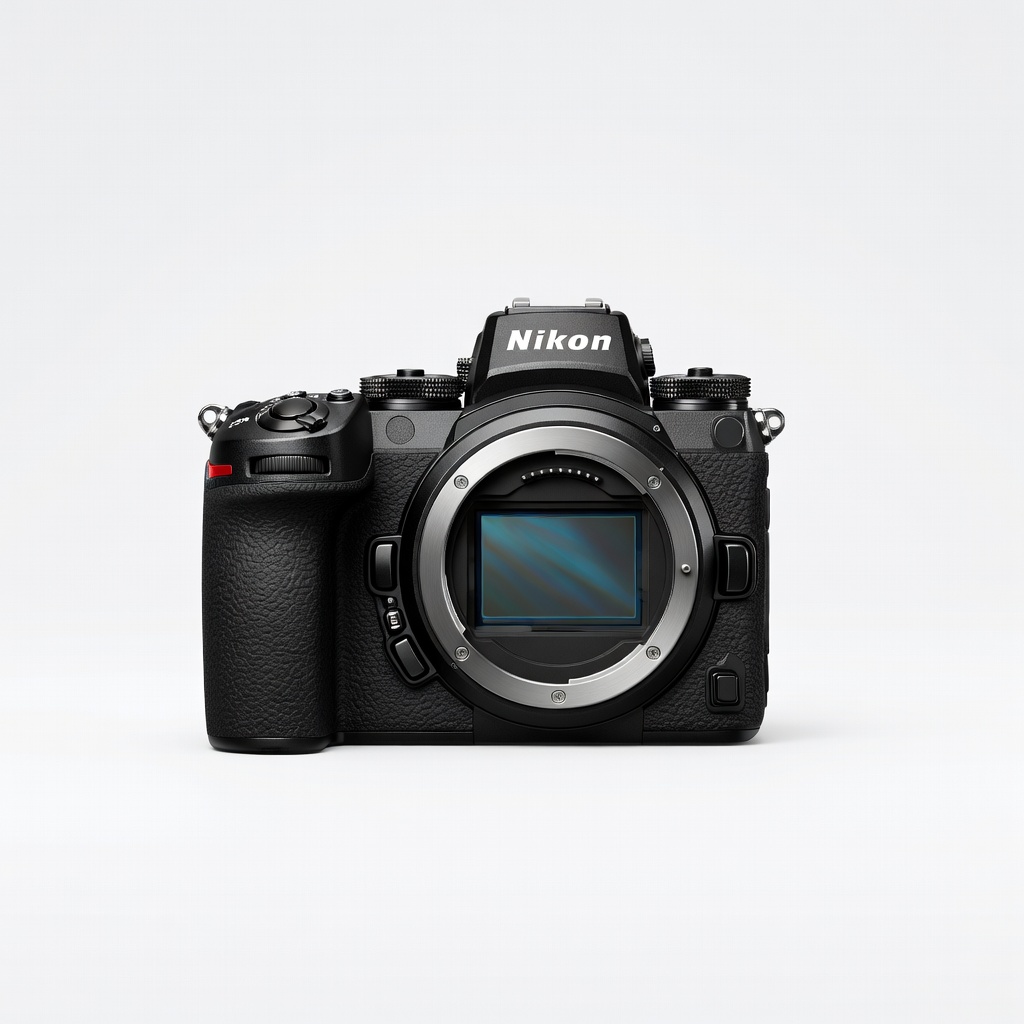
The Nikon Z6 III offers full-frame versatility at mid-range pricing, with 14fps bursts, stellar low-light AF down to -10EV, and partial stacked sensor speed for wildlife.
Bright 5.76M-dot EVF and 8-stop IBIS aid precise handheld tele shots. A smart bridge between budget and pro, with Nikkor Z telephoto excellence.
Compare key specs and features of all our recommendations side-by-side
| Product | Recommendation | Rating | Price |
|---|---|---|---|
Canon EOS R5 Mark II Rank #1 | 🏆 Top Pick | — | Check price → |
Canon EOS R7 Rank #2 | 💰 Budget Pick | — | Check price → |
OM System OM-1 Mark II Rank #3 | ⭐ Editor's Choice | — | Check price → |
Nikon Z8 Rank #4 | — | — | Check price → |
Sony A9 III Rank #5 | — | — | Check price → |
Nikon Z6 III Rank #6 | — | — | Check price → |
