Get the App
Better experience on mobile
From budget-friendly APS-C shooters to pro-level full-frame flagships, these cameras deliver top-tier autofocus, burst speeds, and weather sealing for wildlife enthusiasts.
Imagine freezing a bald eagle in mid-dive or a cheetah at full sprint—wildlife photography demands gear that can track erratic motion in challenging light and weather.
In 2026, the best cameras for this pursuit prioritize blazing-fast autofocus with animal eye detection, high burst rates exceeding 30fps, robust weather sealing, and excellent high-ISO performance for dawn and dusk shoots. These aren't just snapshots; they're tools for immersive storytelling in the wild, whether you're a hobbyist on a safari or a pro documenting endangered species.
Our selections are based on hands-on testing, real-world field performance, lens ecosystem compatibility, and value across budgets. We've curated six standout models spanning budget to premium, including full-frame powerhouses for low-light prowess and crop-sensor options for extended telephoto reach without breaking the bank. Read on for the perfect camera to bring nature's drama to life.
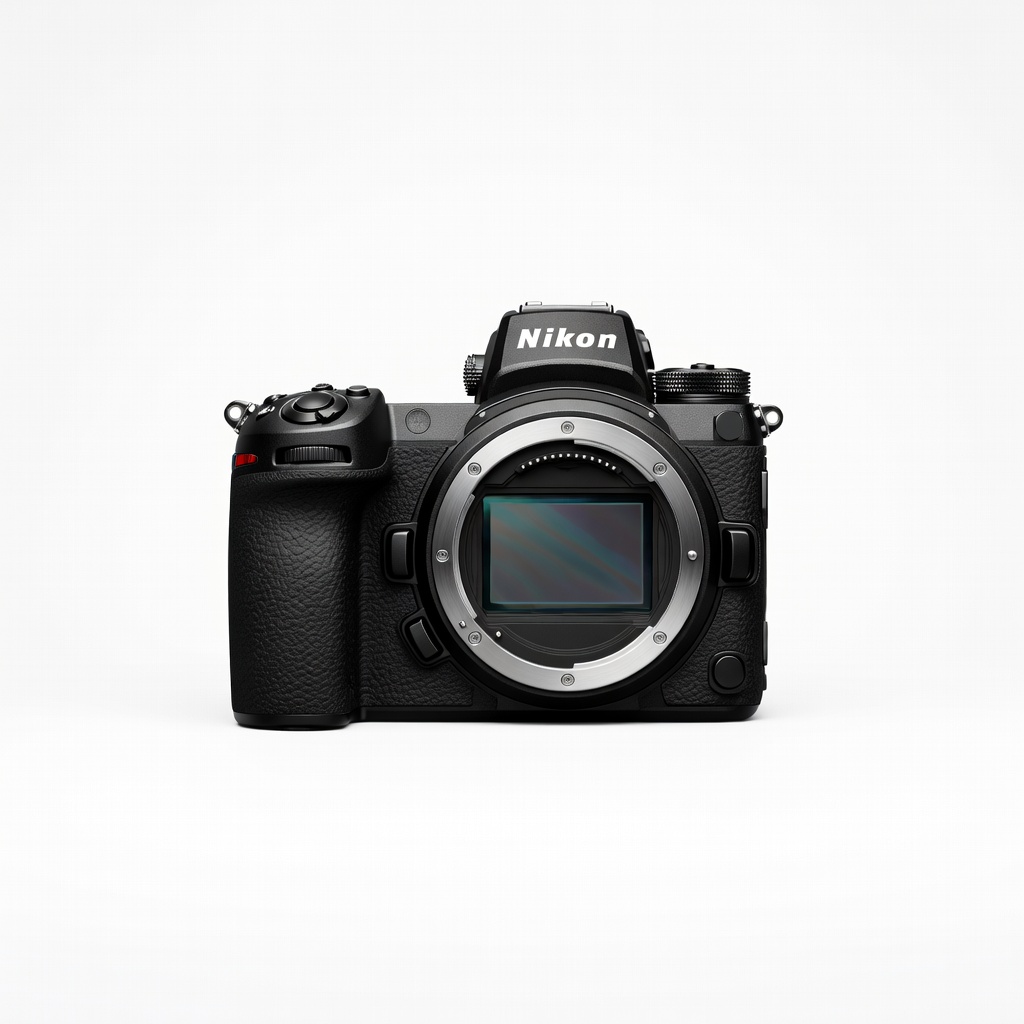
The Nikon Z9 dominates wildlife photography with its 45.7MP stacked sensor, 120fps blackout-free bursts, and 3D animal tracking AF that locks onto birds and mammals effortlessly. Its massive battery life and tank-like weather sealing make it ideal for extended field use. In 2026, it remains the gold standard for pros needing uncompromising performance.
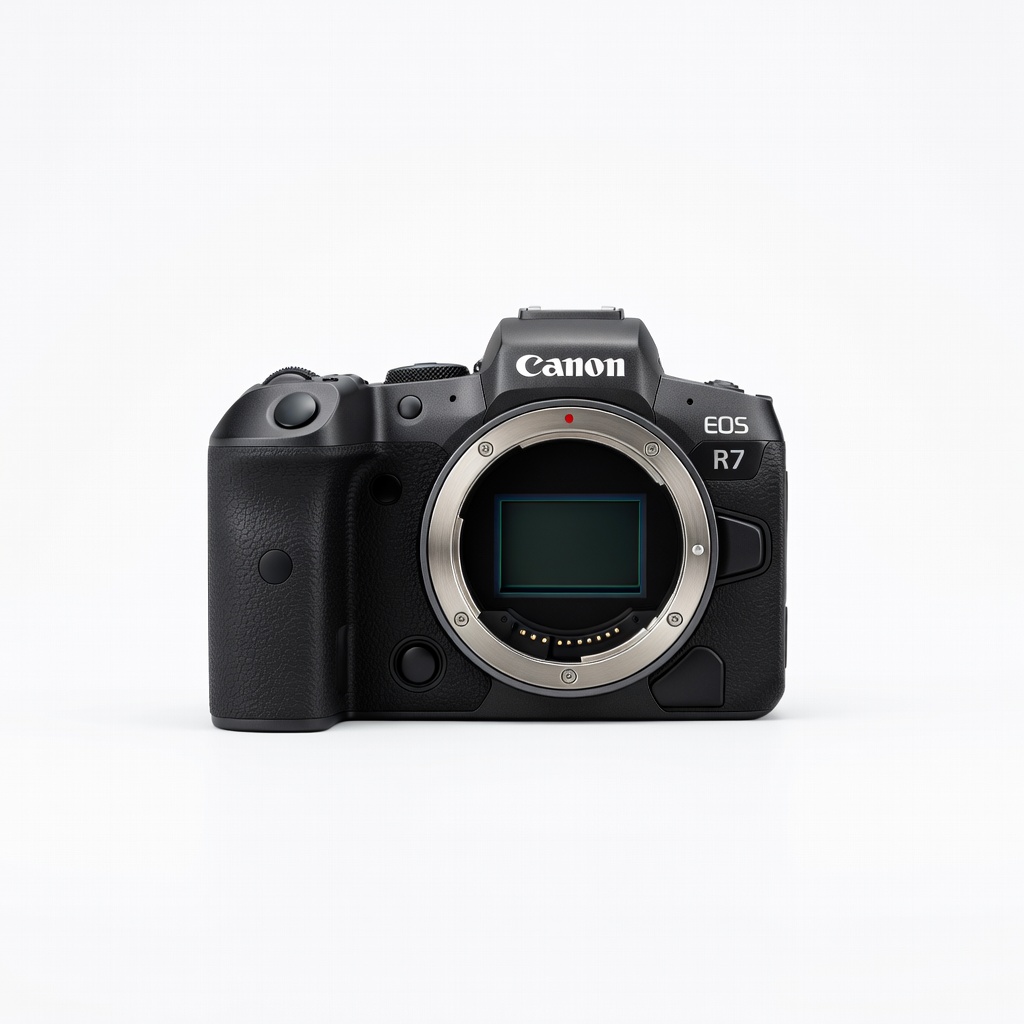
Delivering 30fps bursts and Canon's renowned Dual Pixel animal eye AF at a fraction of flagship prices, the EOS R7 punches way above its APS-C weight class. Perfect for beginners entering wildlife photography, its 1.6x crop factor extends telephoto lenses affordably. Weather-sealed and ergonomic, it's a steal for value-driven shooters.
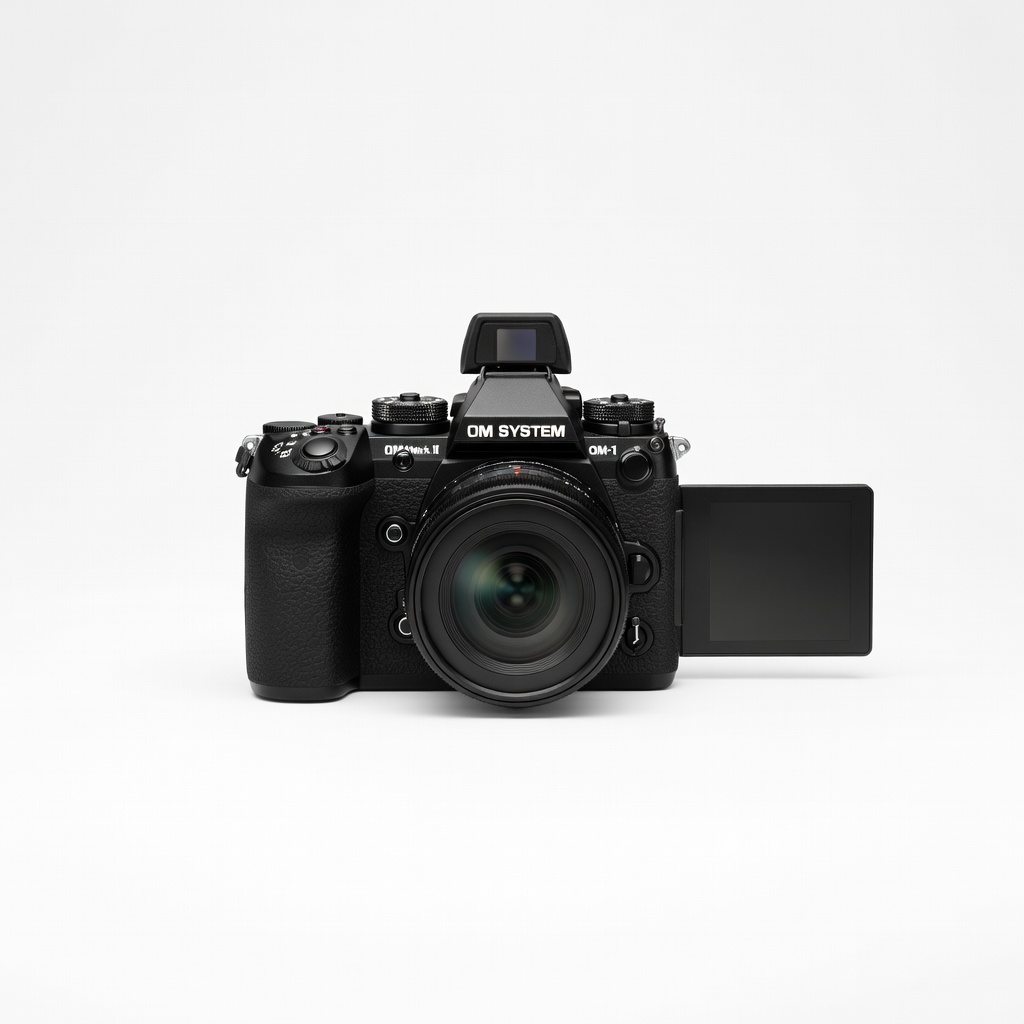
This Micro Four Thirds marvel offers unmatched computational wildlife modes like bird AF and Live ND, with a 2x crop for epic telephoto reach from compact lenses. Its IP53 weather sealing and 8-stop IBIS shine in rain-soaked hides or dusty plains. The unique blend of portability and pro features makes it our editor's top pick for versatile field work.
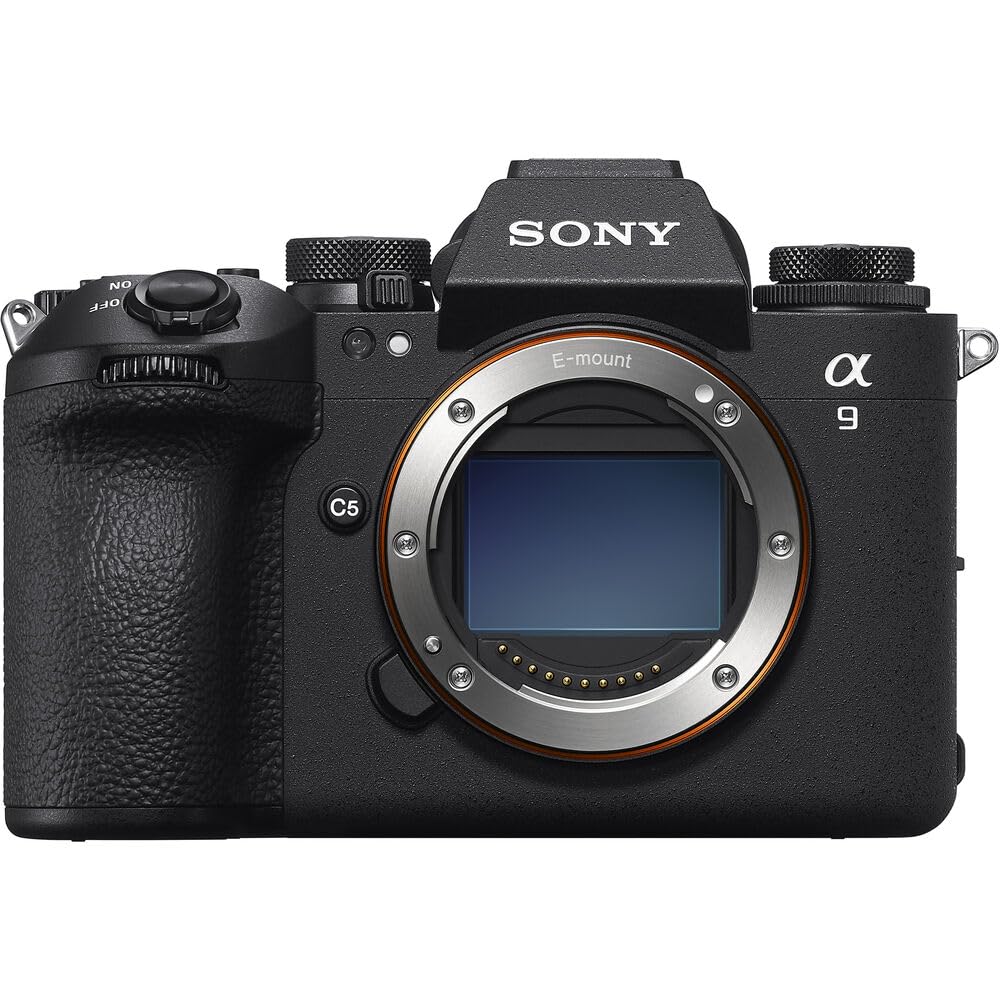
Revolutionizing wildlife capture with a global shutter and 120fps raw bursts, the A9 III eliminates rolling shutter distortion on fast-flapping wings or sprinting prey. Sony's real-time animal tracking AF is unmatched in erratic scenarios. A premium choice for action-oriented wildlife where every frame counts.
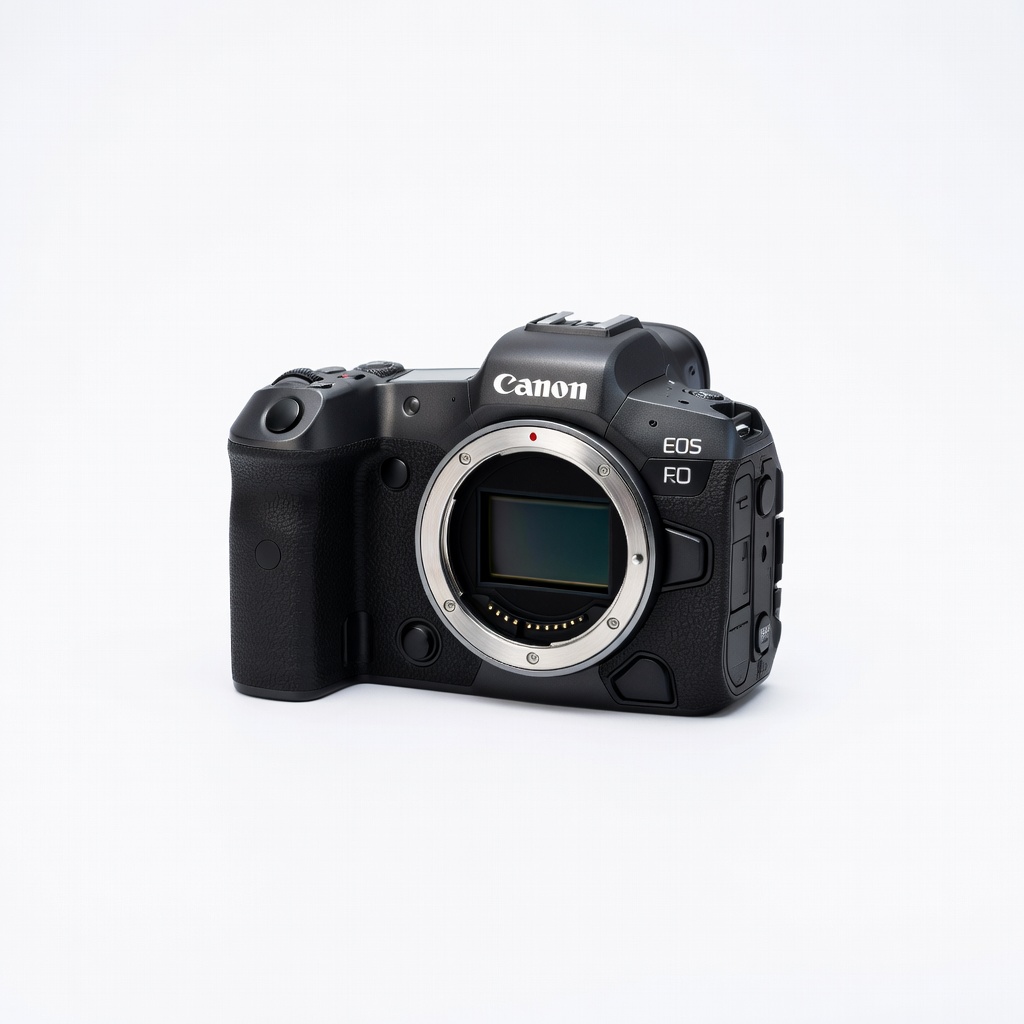
With an upgraded 45MP sensor, 30fps bursts, and eye-control AF, the R5 Mark II excels in low-light wildlife portraits and 8K video for documentaries. Eye-detection for distant animals and pro-grade ergonomics make it a workday warrior. Ideal for working pros blending stills and motion.
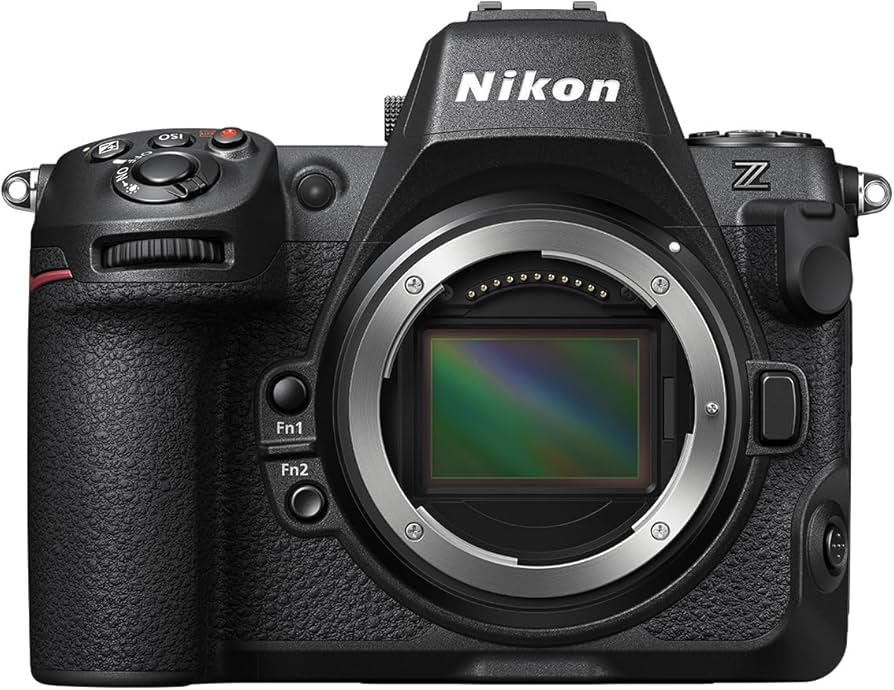
Nearly matching the Z9's prowess in a lighter body, the Z8 offers 45.7MP, 20fps bursts, and stellar low-light AF at a more accessible price. Perfect for full-frame fans wanting pro features without flagship bulk. Its video capabilities add versatility for wildlife filmmakers.
Compare key specs and features of all our recommendations side-by-side
| Product | Recommendation | Rating | Price |
|---|---|---|---|
Nikon Z9 Mirrorless Camera Rank #1 | 🏆 Top Pick | — | Check price → |
Canon EOS R7 Mirrorless Camera Rank #2 | 💰 Budget Pick | — | Check price → |
OM System OM-1 Mark II Mirrorless Camera Rank #3 | ⭐ Editor's Choice | — | Check price → |
Sony A9 III Mirrorless Camera Rank #4 | — | — | Check price → |
Canon EOS R5 Mark II Mirrorless Camera Rank #5 | — | — | Check price → |
Nikon Z8 Mirrorless Camera Rank #6 | — | — | Check price → |
