Get the App
Better experience on mobile
Seven phones ranked by how well they handle the photos and videos most people actually shoot — with the trade-offs spelled out.
The gap between the best camera phone and the tenth-best has never been smaller — and that's exactly what makes choosing so difficult. Sensors have largely plateaued across the flagship tier; what separates phones now is how many focal lengths they cover, how aggressively they process your images, and how well they hold up when you're recording video instead of shooting stills.
Two things matter more than any number on a spec sheet. The first is lens coverage: a phone with a genuinely good telephoto lets you frame shots you'd otherwise crop into mush. The second is processing discipline — the best camera phones know when to leave an image alone, and the worst ones sharpen skin and foliage into sandpaper. White balance and skin-tone consistency vary enormously between brands even when the underlying hardware is similar.
Megapixel counts are the least useful comparison available to you. A 50MP sensor binned down to roughly 12.5MP will frequently beat a 200MP sensor doing the same thing in dim light, because pixel size and image processing matter more than the total. When you see "200MP" on a spec sheet, you're mostly looking at a number designed to be compared rather than a promise about image quality.
Below you'll find seven phones spanning roughly $400 to $2,400, ranked by how well they handle the kinds of photos and videos most people take. We based these picks on published reviews from major outlets, manufacturer documentation, aggregated owner feedback, and current retail pricing — not first-party lab testing. Every entry includes the trade-off you're accepting, because every phone here has one.

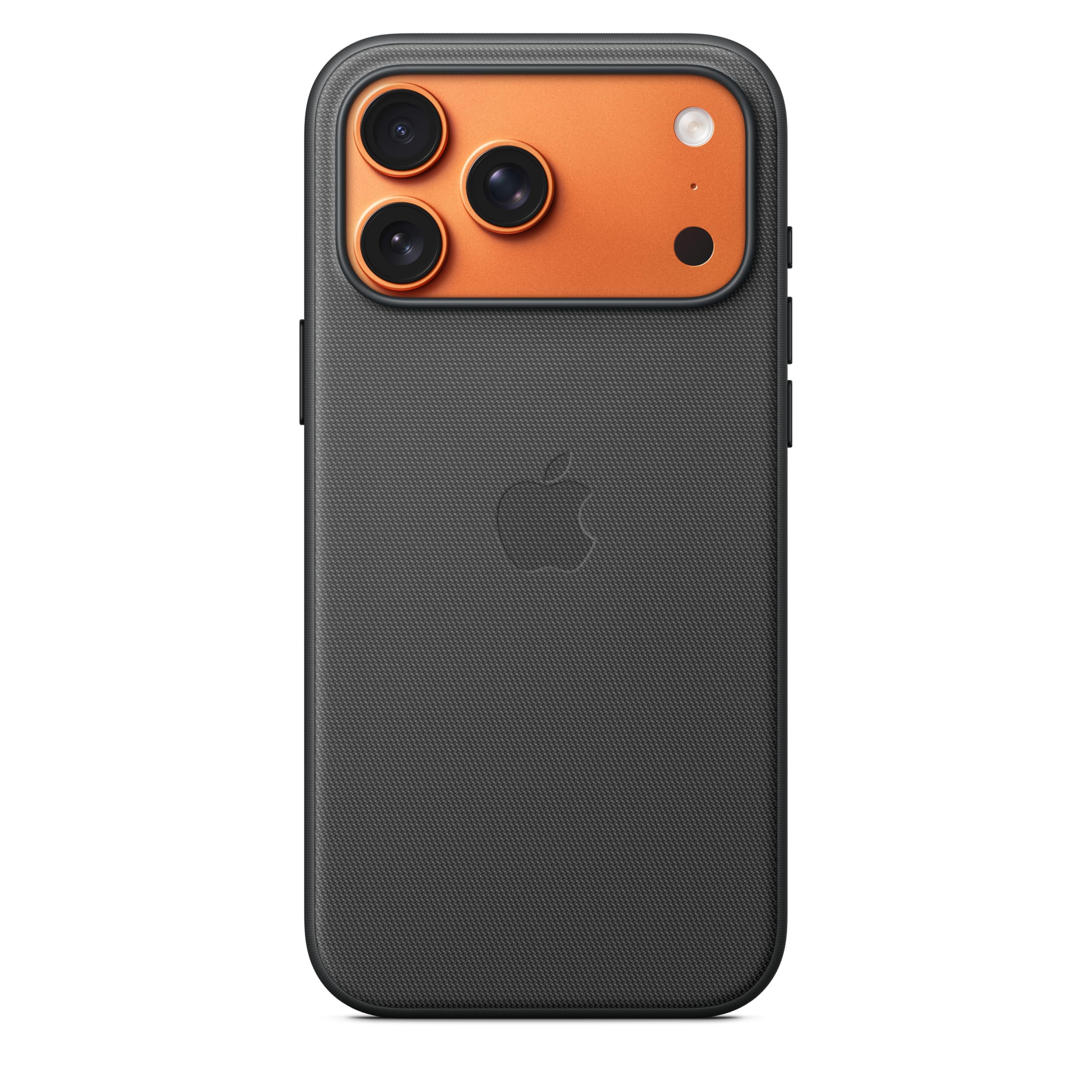
The most complete camera phone you can buy right now: three 48MP sensors covering main, ultra wide, and 4x telephoto, plus video quality that no Android rival has matched for consistency. The trade-off is size and cost — this is a large, heavy phone that starts around $1,199.
Main limitation: The camera plateau is pronounced and the phone is genuinely heavy, which makes long handheld shooting sessions tiring.
Skip if: Skip it if you want top-tier photos in a pocketable frame — the standard iPhone 17 or a Pixel 10 Pro gets you most of the way there in a smaller, lighter body.
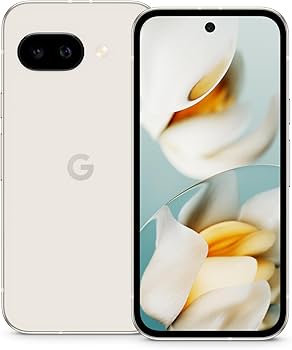
The least expensive phone that still takes genuinely excellent photos, because it inherits the same 48MP main sensor and processing pipeline found on pricier Pixels. You give up the telephoto lens entirely and settle for a plainer build with a slower charging speed.
Main limitation: There's no telephoto lens, so anything past roughly 2x is digital zoom that softens noticeably in low light.
Skip if: Skip it if you shoot a lot of distant subjects, record video professionally, or want flagship-grade build materials.

No other mainstream phone covers as many focal lengths: a 200MP main sensor, two dedicated telephoto lenses, and a sharp ultra wide with autofocus for close-up macro work. The catch is processing that can over-sharpen fine detail compared with a Pixel.
Main limitation: Samsung's aggressive sharpening and saturation can make close-up textures like foliage, fabric, and pet fur look artificial.
Skip if: Skip it if you prefer natural, lower-contrast rendering straight out of camera — a Pixel will match your taste better.
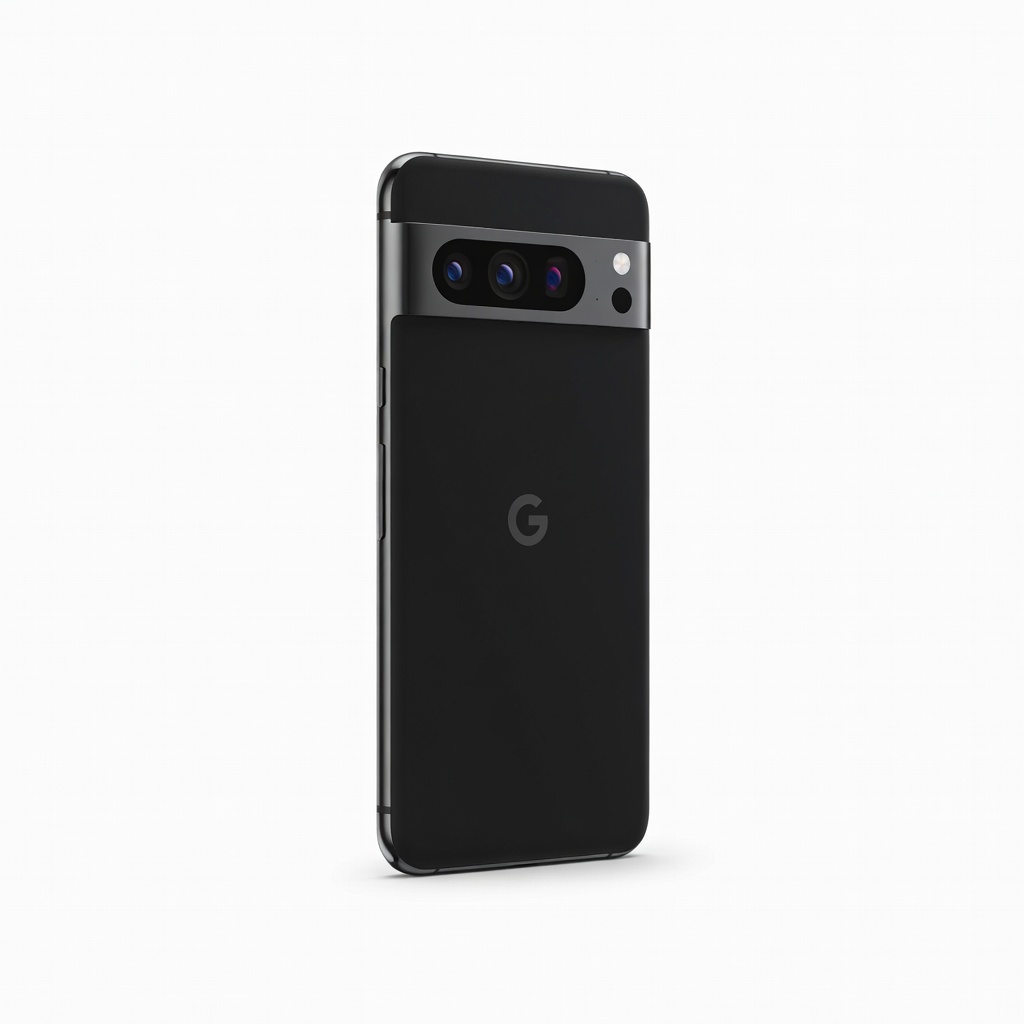
If you want the highest percentage of usable keepers without ever touching a setting, this is the one — Google's processing handles white balance, exposure, and skin tones more reliably than any competitor. The trade-off is video, which still trails iPhone in dynamic range and stabilization consistency.
Main limitation: Video capture, while improved generation over generation, still isn't as dependable as an iPhone's when lighting shifts mid-clip or subjects move quickly.
Skip if: Skip it if video is your primary medium or if you need the longest possible telephoto reach for distant subjects.
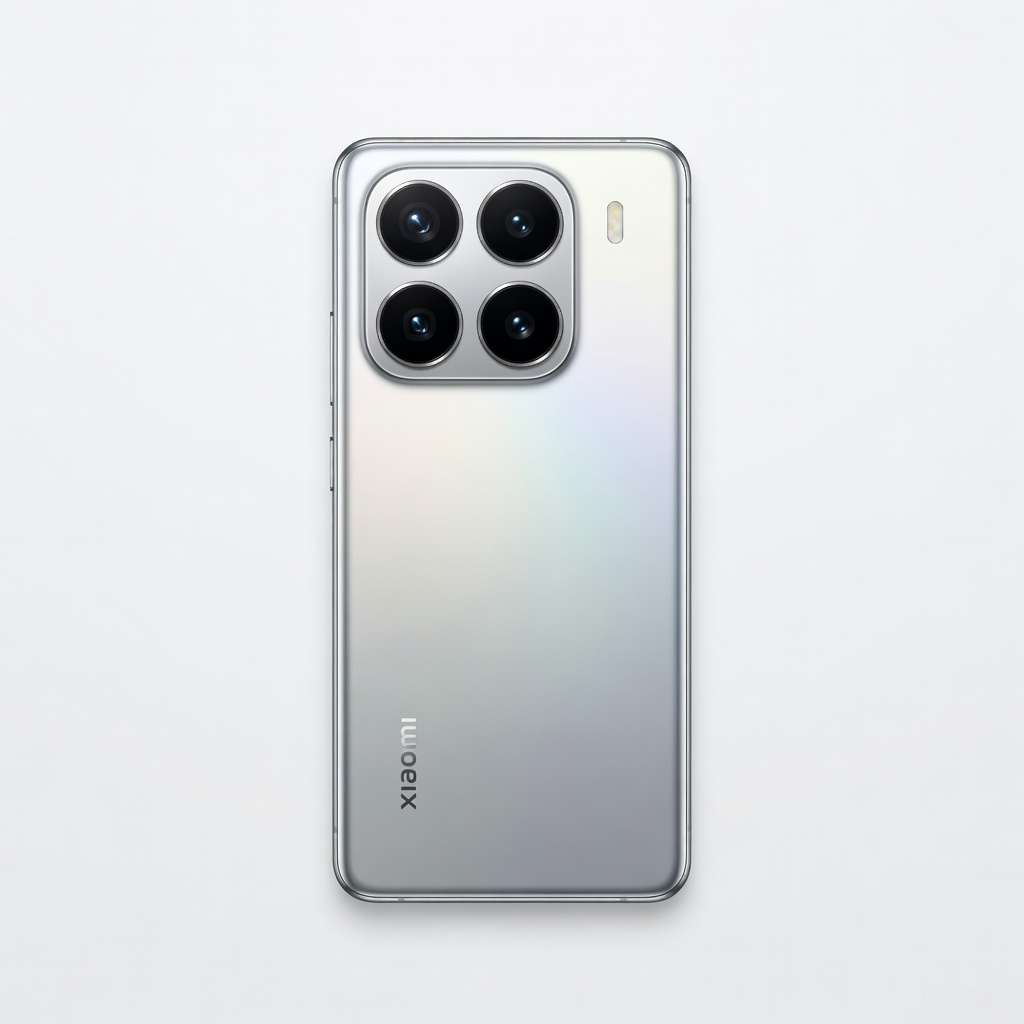
A 1-inch main sensor paired with a 200MP periscope telephoto makes this the most optically ambitious camera phone on sale, and the Leica-tuned color profiles appeal to people who shoot manually. The catch is that it isn't officially sold in the U.S., so warranty support and carrier compatibility are entirely on you.
Main limitation: There's no official U.S. distribution, which means no domestic warranty and inconsistent support for some carrier bands.
Skip if: Skip it if you want carrier financing, a local warranty, or the ability to walk into a store for service.
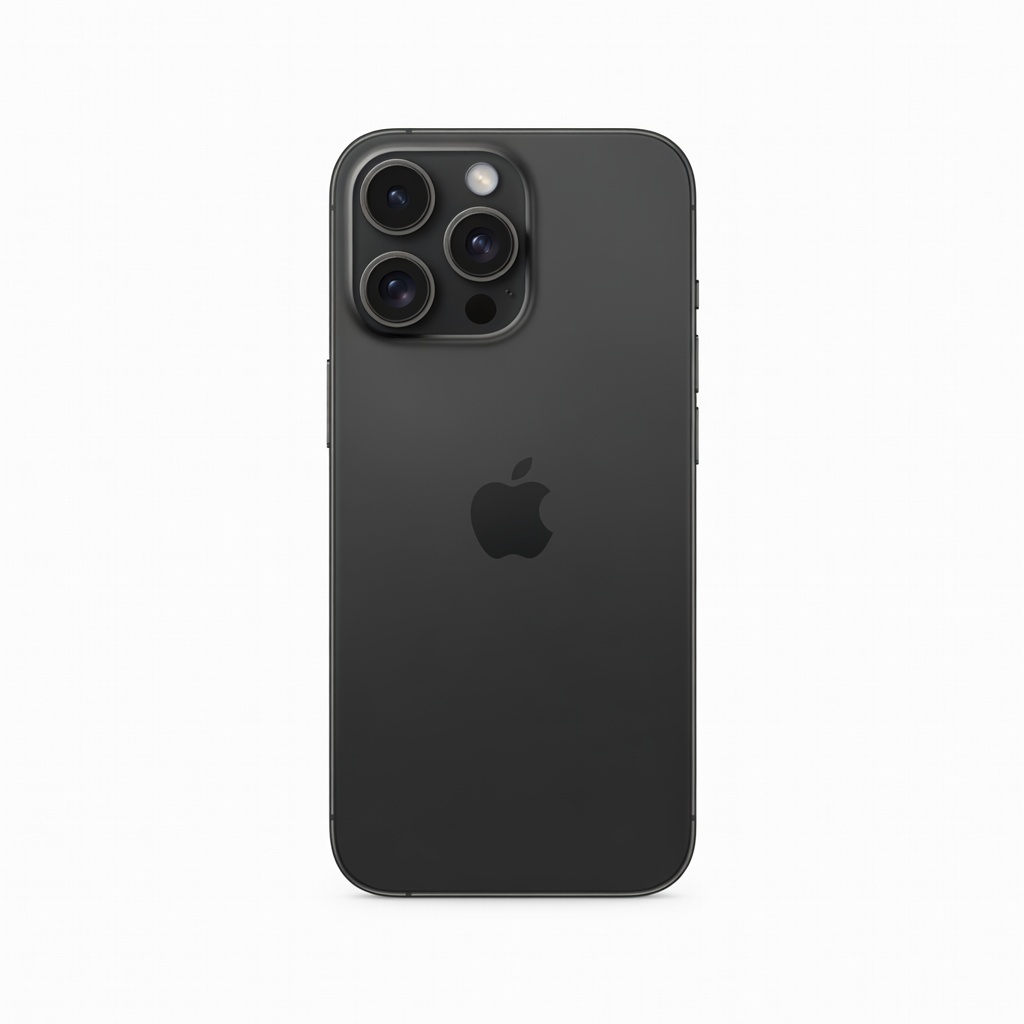
The standard iPhone 17 finally gets a 48MP ultra wide to match its main sensor, plus the same 18MP front camera as the Pro models — making it the best camera value in Apple's lineup. You sacrifice the telephoto lens and the Pro-grade video formats.
Main limitation: There's no dedicated telephoto, so zoomed shots rely on cropping the main sensor and degrade quickly past 2x.
Skip if: Skip it if you shoot wildlife, sports, or concerts where genuine optical reach is the whole point.
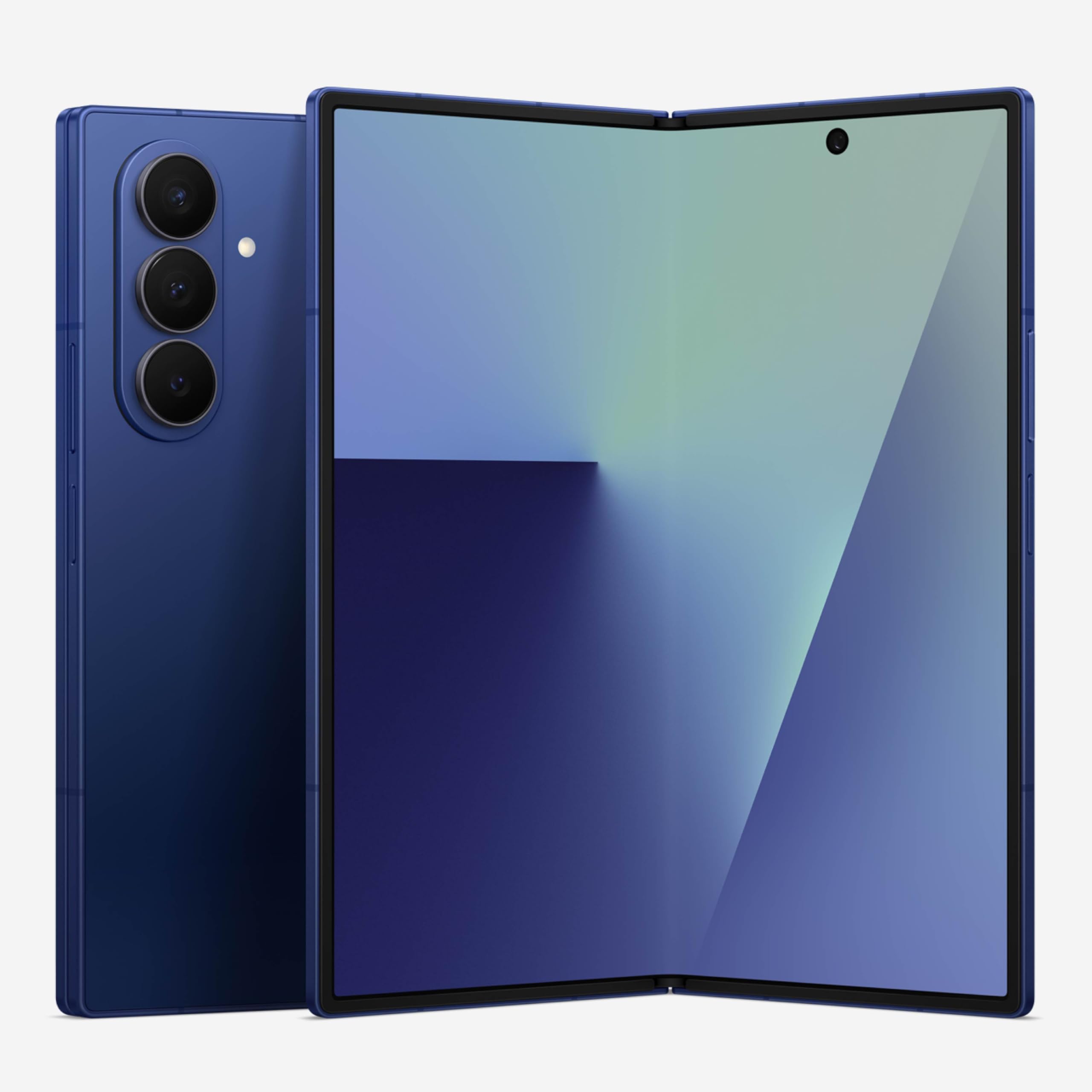
Samsung finally put a 200MP main sensor in a foldable, so the Z Fold 7 takes photos that hold up against slab flagships while giving you a large inner display for editing on the spot. The compromise is a shorter telephoto reach and a price that dwarfs everything else on this list.
Main limitation: The 3x telephoto is the shortest of any phone here, and low-light ultra wide shots lag behind the Galaxy S25 Ultra.
Skip if: Skip it if camera quality is your only criterion — you can get better photos for roughly half the price.
Compare key specs and features of all our recommendations side-by-side
| Product | Recommendation | Rating | Price |
|---|---|---|---|
 Apple iPhone 17 Pro Max Rank #1 | 🏆 Top Pick | 4.3 4.3 | $1,199–$1,999 Check current price → |
Google Pixel 9a Rank #2 | 💰 Budget Pick | 8.3/10 | $399–$499 Check current price → |
 Samsung Galaxy S25 Ultra Rank #3 | ⭐ Editor's Choice | 4.5 4.5 | $1,000–$1,400 Check current price → |
Google Pixel 10 Pro Rank #4 | — | 9.0/10 | $899–$1,199 Check current price → |
Xiaomi 15 Ultra Rank #5 | — | 8.8/10 | $1,100–$1,500 (import) Check current price → |
Apple iPhone 17 Rank #6 | — | 8.7/10 | $799–$1,099 Check current price → |
Samsung Galaxy Z Fold 7 Rank #7 | — | 8.0/10 | $1,800–$2,400 Check current price → |
Common questions buyers have about this category.
Only if you regularly photograph subjects you can't walk closer to — concerts, wildlife, sports, or distant landscapes. For portraits, food, and everyday scenes, a good main sensor with a 2x crop covers most situations. If you've never found yourself wishing you could zoom in further, you probably don't need one.
Not on its own. High-megapixel sensors capture more detail in bright light and give you more cropping headroom, but they lean harder on pixel binning and processing when light drops. A well-tuned 50MP sensor frequently produces cleaner night shots than a 200MP sensor paired with weaker image processing.
iPhones remain the most consistent choice, particularly for dynamic range, stabilization, and smooth switching between lenses while recording. Samsung and Google have narrowed the gap for casual clips, but iPhone's ProRes and Log recording options still give editors more flexibility in post-production.
In most cases, yes. Camera hardware evolves slowly, and a one- or two-year-old flagship often costs substantially less while producing nearly identical photos. What you lose is primarily future software feature updates and occasionally an improved sensor or better low-light processing.
If you shoot 4K video with any regularity, 256GB should be your minimum — high-resolution footage fills storage far faster than most people expect. Since most flagship phones no longer support expandable storage, buying more capacity upfront is usually cheaper than upgrading later.
Software has become the bigger differentiator. Two phones using the same sensor can produce dramatically different results depending on how their image pipeline handles white balance, noise reduction, and HDR. This is precisely why a midrange Pixel can outperform a more expensive phone with a physically larger sensor.
The newest foldables have closed most of the gap — the Galaxy Z Fold 7 uses a 200MP main sensor that competes with slab flagships in good light. The remaining compromises are typically a shorter telephoto reach and slightly weaker low-light performance from the ultra wide.
Products we evaluated but did not recommend — and why.
