Get the App
Better experience on mobile
From budget wonders to flagship powerhouses—these phones deliver the most reliable, impressive camera performance for the price.
The best camera phone isn't the one with the highest megapixel count—it's the one that reliably captures the moment. In 2026, computational photography has reached the point where even mid-range phones can outshoot flagships from a few years ago. The real differentiators now are processing speed, AI features, and how well the camera app handles tricky lighting. After poring over expert reviews and owner experiences, we've identified seven standouts that deliver exceptional results without requiring a degree in photography.
Whether you're a parent who never wants to miss a fleeting look, a traveler who prioritizes zoom, or a content creator addicted to cinematic video, there's a camera phone here that fits your life. We've broken down the list by budget and use case, so you can quickly find the phone that matches your priorities—not just the most expensive option in the store.
The days of needing a separate digital camera are long gone. Modern phones combine multiple lenses, AI scene recognition, and real-time HDR processing in a device that fits in your palm. But with dozens of models claiming 'pro-grade' cameras, how do you separate marketing from meaningful? We've done the digging, focusing on what actually matters: shot-to-shot consistency, zoom range, low-light handling, and video stability.
Our picks span from under $400 to over $1,200, and each one has been chosen for a specific reason—whether it's the best all-around performer, the best value, or the best tool for a particular photography style. While no phone is perfect, the options below come closest to delivering the quality you'd expect from a dedicated camera, without the extra gear.

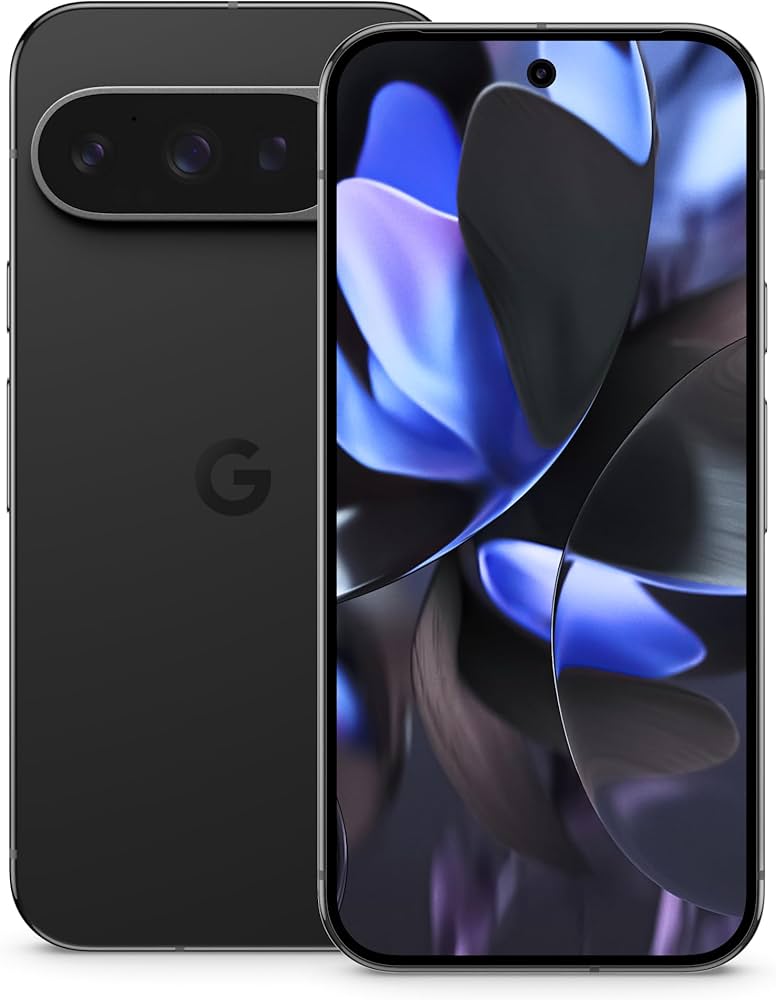
The Pixel 9 Pro offers the most foolproof camera system on any phone today, combining a 50MP main sensor with Google's incredible computational photography. Its 5x optical zoom and Magic Editor make it a favorite for parents, travelers, and anyone who just wants to point and shoot. The main trade-off is battery life, which can be strained by heavy photography sessions.
Main limitation: Battery life under sustained camera use is below average for the flagship class.
Skip if: You should skip it if you need a built-in stylus or the raw flexibility of a 200MP sensor for large prints.
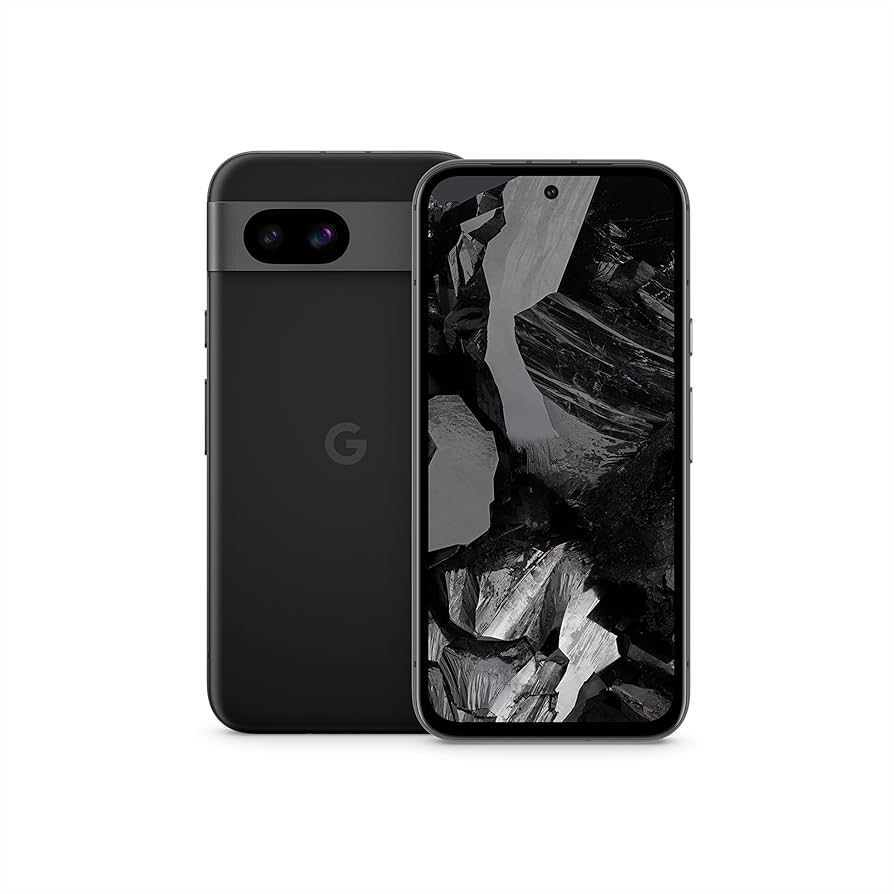
The Pixel 8a brings Google's flagship camera software to a phone half the price, delivering pin-sharp photos with vivid colors and excellent Night Sight. It's the best affordable camera phone for anyone who wants a dependable shooter without the flagship price tag. The trade-off is a lack of optical zoom and a slower charging speed.
Main limitation: It has no optical zoom and only a 60Hz display, which can feel dated.
Skip if: You should skip it if you're a zoom addict who frequently photographs distant subjects.

The Galaxy S25 Ultra's quad-camera setup includes a 50MP telephoto periscope lens with 5x optical zoom and up to 100x Space Zoom, making it unmatched for capturing faraway subjects like concerts, sports, and wildlife. Its 200MP main sensor also produces extremely detailed shots. The trade-off is the sheer size and weight, which some users find unwieldy.
Main limitation: Its bulky frame and hefty price tag make it less pocketable and accessible.
Skip if: You should skip it if you prefer a compact phone or shoot mostly indoors in low light.

The iPhone 16 Pro Max remains the gold standard for mobile video, with ProRes 4K recording, cinematic 4K Dolby Vision, and improved action stabilization. Its 48MP main lens captures beautiful stills too, but it's the video features that make it shine. The trade-off is a hefty price and limited manual control for still photography.
Main limitation: It does not offer a dedicated periscope zoom lens, so telephoto quality lags behind Samsung's.
Skip if: You should skip it if you're an Android loyalist or need a versatile telephoto lens for distant shots.
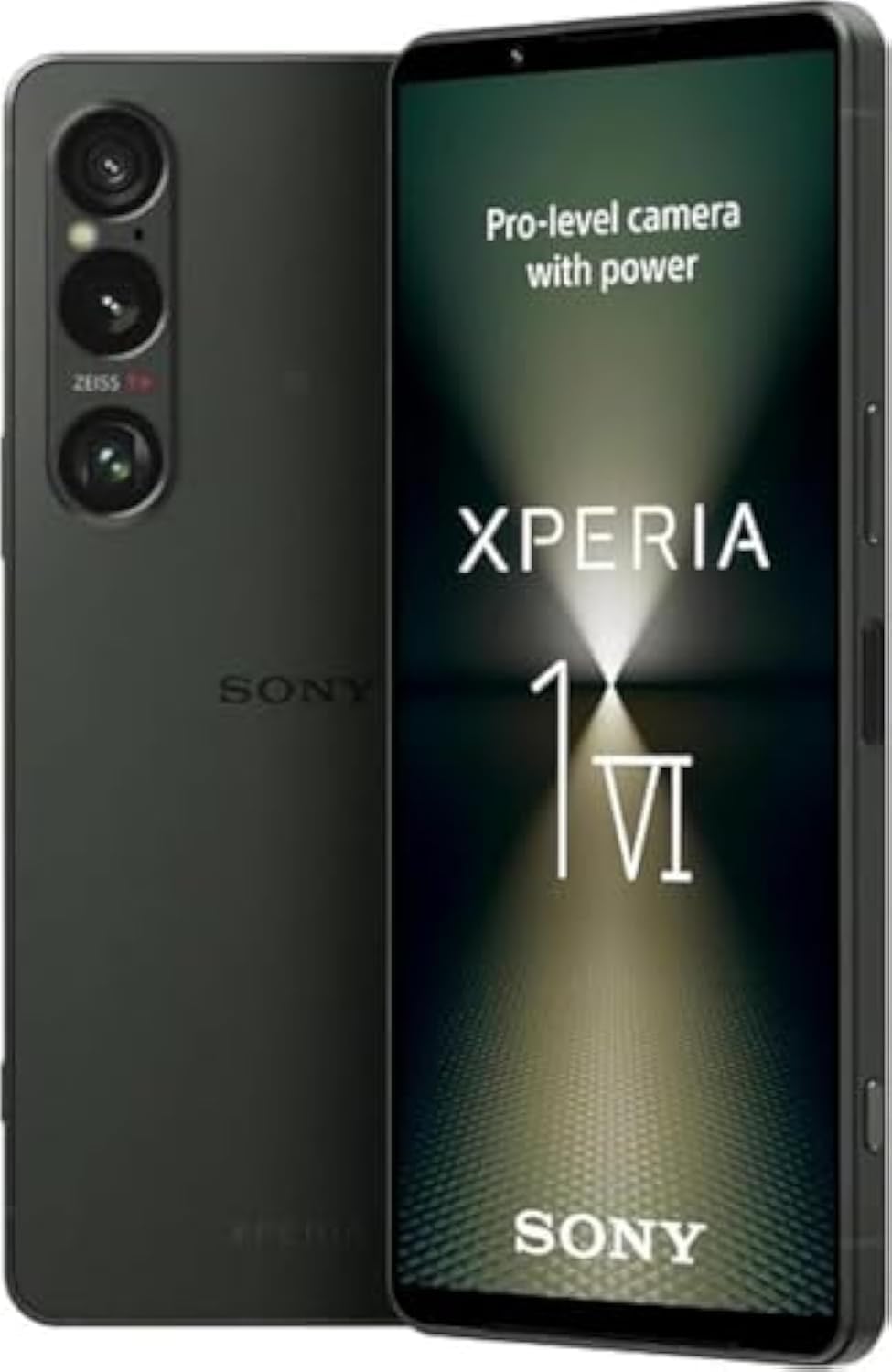
The Sony Xperia 1 VI is a photographer's phone, complete with a dedicated shutter button, physical lens controls, and a Pro camera app that replicates Sony Alpha settings. It uses a 48MP stacked CMOS sensor optimized for low light, and the 85–170mm variable optical zoom lens is a rarity. The trade-off is a steep learning curve and outdated software support.
Main limitation: Its camera app intimidates beginners, and the 6.5-inch screen has a lower refresh rate than rivals.
Skip if: You should skip it if you want a point-and-shoot experience or need long-term Android updates.
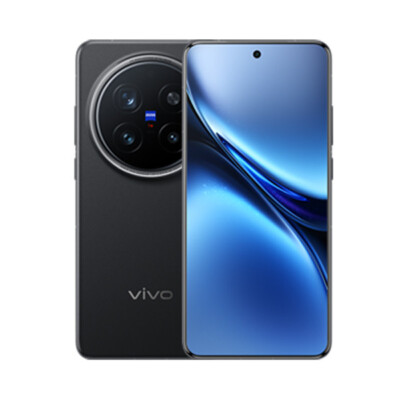
The Vivo X200 Pro's Zeiss co-engineered portrait lens and AI-driven bokeh effects produce strikingly natural portrait shots that rival DSLRs. Its 1-inch main sensor is one of the largest on any smartphone, guaranteeing excellent low-light performance and depth-of-field control. The trade-off is its limited availability and lack of a headphone jack.
Main limitation: Availability is limited outside of Asia, and its heavy camera housing makes it top-heavy.
Skip if: You should skip it if you primarily take casual selfies or need a phone with a dedicated macro lens.
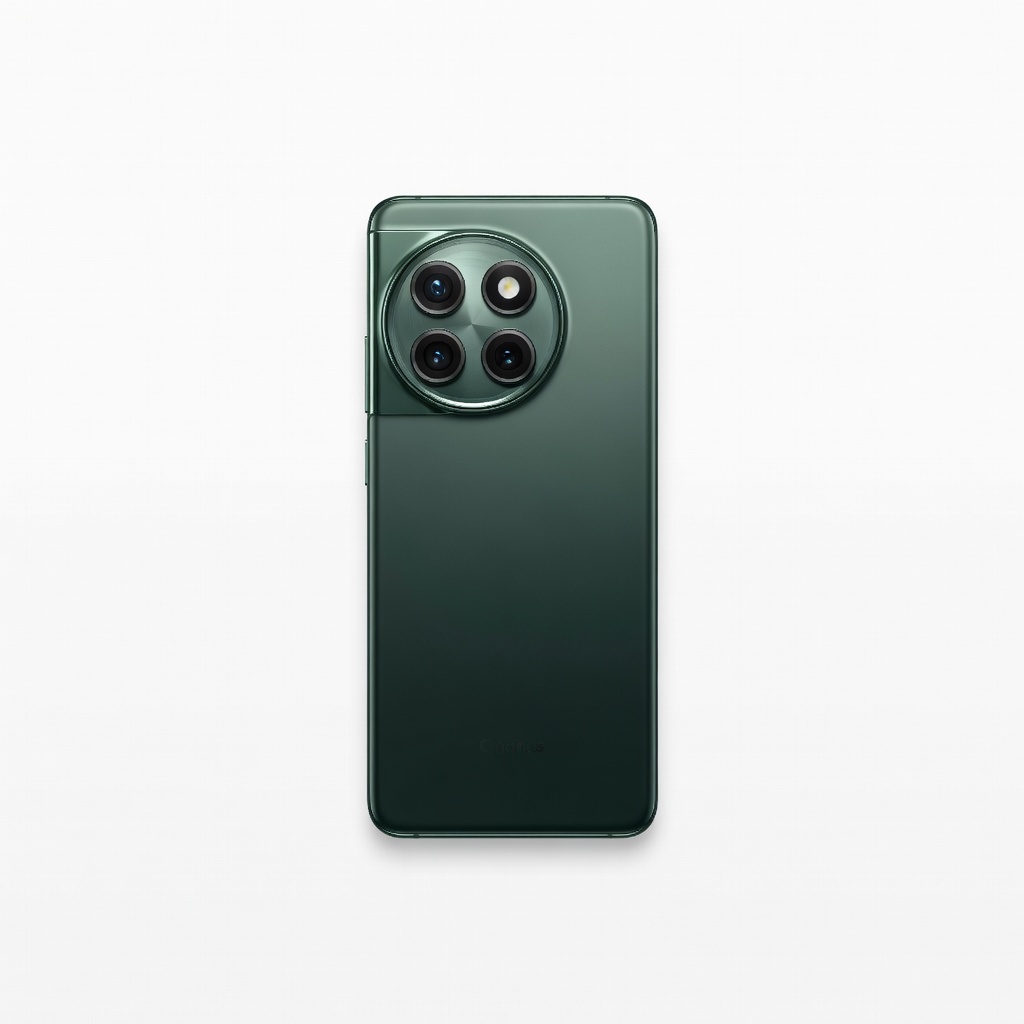
The OnePlus 12's 50MP Sony LYT-808 sensor, paired with Hasselblad color tuning, delivers incredibly bright and detailed low-light photos without excessive noise. Its Nightscape mode captures crisp images from dimly lit streets and interiors, and the 2x optical telephoto is great for low-light portraits. The trade-off is that its video stabilization is less robust than rivals.
Main limitation: Its 4K video stabilization can show occasional jitter in fast action scenes.
Skip if: You should skip it if you're a professional videographer needing flawless image stabilization.
Compare key specs and features of all our recommendations side-by-side
| Product | Recommendation | Rating | Price |
|---|---|---|---|
 Google Pixel 9 Pro Rank #1 | 🏆 Top Pick | 4.3 4.3 | $899–$1,199 Check current price → |
Google Pixel 8a Rank #2 | 💰 Budget Pick | 8.5/10 | $399–$499 Check current price → |
 Samsung Galaxy S25 Ultra Rank #3 | ⭐ Editor's Choice | 4.5 4.5 | $1,199–$1,449 Check current price → |
 Apple iPhone 16 Pro Max Rank #4 | — | 4.4 4.4 | $1,199–$1,399 Check current price → |
Sony Xperia 1 VI Rank #5 | — | 8.0/10 | $1,399–$1,499 Check current price → |
Vivo X200 Pro Rank #6 | — | 8.5/10 | $1,099–$1,299 Check current price → |
OnePlus 12 Rank #7 | — | 8.0/10 | $699–$899 Check current price → |
Common questions buyers have about this category.
No. The 200MP sensor on phones like the Galaxy S25 Ultra is excellent for cropping and large prints, but the Pixel 9 Pro’s 50MP sensor takes equally impressive photos for 99% of users. Good photography is more about the sensor size, pixel processing, and software—not the raw megapixel count.
The Google Pixel 8a is the best budget camera phone under $500. It offers a 64MP main sensor, Night Sight, and Google's latest AI features, including Best Take. Its only major drawbacks are the lack of optical zoom and a lower refresh rate display, but for stills and everyday videos, it outshines everything in its price range.
Yes, if you regularly photograph distant subjects like concerts, sports, or wildlife. A 3x or 5x optical telephoto lens lets you zoom in without losing detail. The Galaxy S25 Ultra offers the best 5x telephoto quality, while the Pixel 9 Pro's 5x lens is also excellent. If you only take up-close and portraits, a 2x telephoto like the OnePlus 12's might be sufficient.
Very important, because many everyday photos are taken indoors or at night. Look for phones with large sensors and advanced night modes. The OnePlus 12 and Vivo X200 Pro both excel here, while the Pixel 8a works wonders thanks to Google's Night Sight algorithm. In-camera night modes have improved so much that a dedicated camera is often unnecessary.
The iPhone 16 Pro Max remains the best all-around video camera phone, with ProRes 4K, Dolby Vision, and top-tier stabilization. The Galaxy S25 Ultra also supports 8K and has improved video stability, but the iPhone's app ecosystem and consistent performance give it the edge for creators.
Absolutely. The Pixel 8a and similar budget phones take photos that are on par with many entry-level digital cameras, thanks to computational photography. You'll get great colors, decent depth of field, and reliable exposure in most situations. The main limitations are zoom range and low-light performance at extreme difficulties, but for everyday snapshots, they're more than enough.
Products we evaluated but did not recommend — and why.
