Get the App
Better experience on mobile
From budget miracles to all-out flagships, these are the smartphones that take the best photos and video in 2026.
When smartphone cameras first started replacing point-and-shoots, the selling point was purely megapixel count. That era is over. In 2026, the best camera phones are differentiated by computational photography, optical zoom, and video capability — not by how many millions of pixels you can squeeze into a sensor. Understanding these forces is the first step toward finding a camera that truly fits your life.
The good news: you don't need to spend $1,200 to get a camera that produces beautiful photos. Phones in the $400–$600 range now borrow heavily from their flagship siblings in software, which means good lighting, accurate colors, and reliable HDR are accessible to everyone. The bad news: no single phone does everything, and the ones that come close are either huge, expensive, or both.
That's why this guide separates the field into a set of picks for different priorities: maximum versatility, best video, easiest point-and-shoot, and even compact designs. We combed through expert reviews from sources you trust and aggregated the feedback of thousands of buyers to identify the phones that consistently deliver the wow factor, as well as the trade-offs that aren't always obvious. Our selections cover everything from the latest 200MP flagships to the most capable budget shooters.
Below, you'll find our top recommendations for 2026, along with a buying guide that explains the features that actually matter, the pitfalls that trip up many shoppers, and the answers to common camera questions. Whether you're a parent, a traveler, or a professional creator, there's a camera phone on this list that fits your hand and your budget.
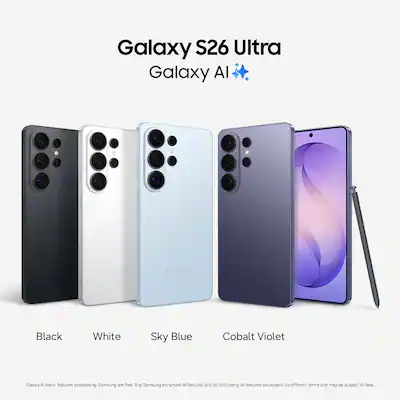
The Galaxy S26 Ultra offers the most complete camera system on any phone — from a high-resolution main sensor to a periscope zoom that captures distant objects clearly. Its versatility makes it the best choice for most people who want one device for every shot. The trade-off is its size and price: it's heavy, bulky, and costs as much as a laptop.
Main limitation: It's physically large and heavy, and the 100x digital zoom remains more of a gimmick than a useful feature.
Skip if: If you want a compact phone that easily fits in a small pocket or purse, skip the Ultra and look at the standard S26 or iPhone.
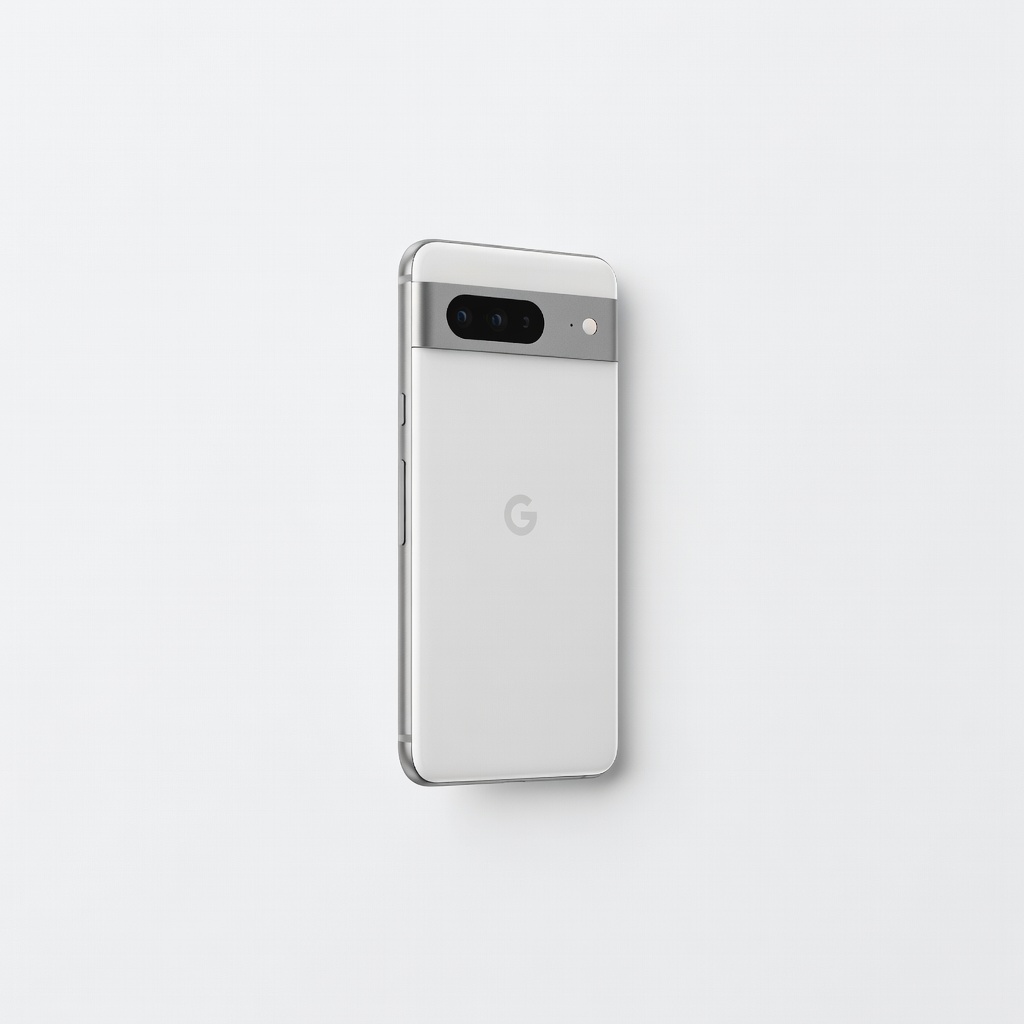
Google packs its flagship computational photography into the Pixel 10a, delivering stunning photos in good light and respectable low-light shots for a fraction of the price. The camera is the phone's star, and the software keeps it feeling fresh for years. The trade-off is a plastic build, slower refresh rate, and limited optical zoom.
Main limitation: There's no optical zoom lens, so distant subjects will lose sharp detail compared to far more expensive flagships.
Skip if: If you frequently shoot concerts or wildlife from far away, you'll want a phone with a telephoto camera, even if it means paying more.
If your primary goal is filmmaking or vlogging, the iPhone 18 Pro Max remains the gold standard for video, with class-leading stabilization, accurate color science, and ProRes recording that editors love. Its camera is more about reliability than zoom range — you'll always get a great shot. The trade-off is its weight and a significantly higher price than most Android rivals.
Main limitation: The telephoto zoom is still only around 5x, and the phone is notably heavy on the wrist during long shoots.
Skip if: Android users who are heavily invested in the Google ecosystem will find switching to iOS a dealbreaker.
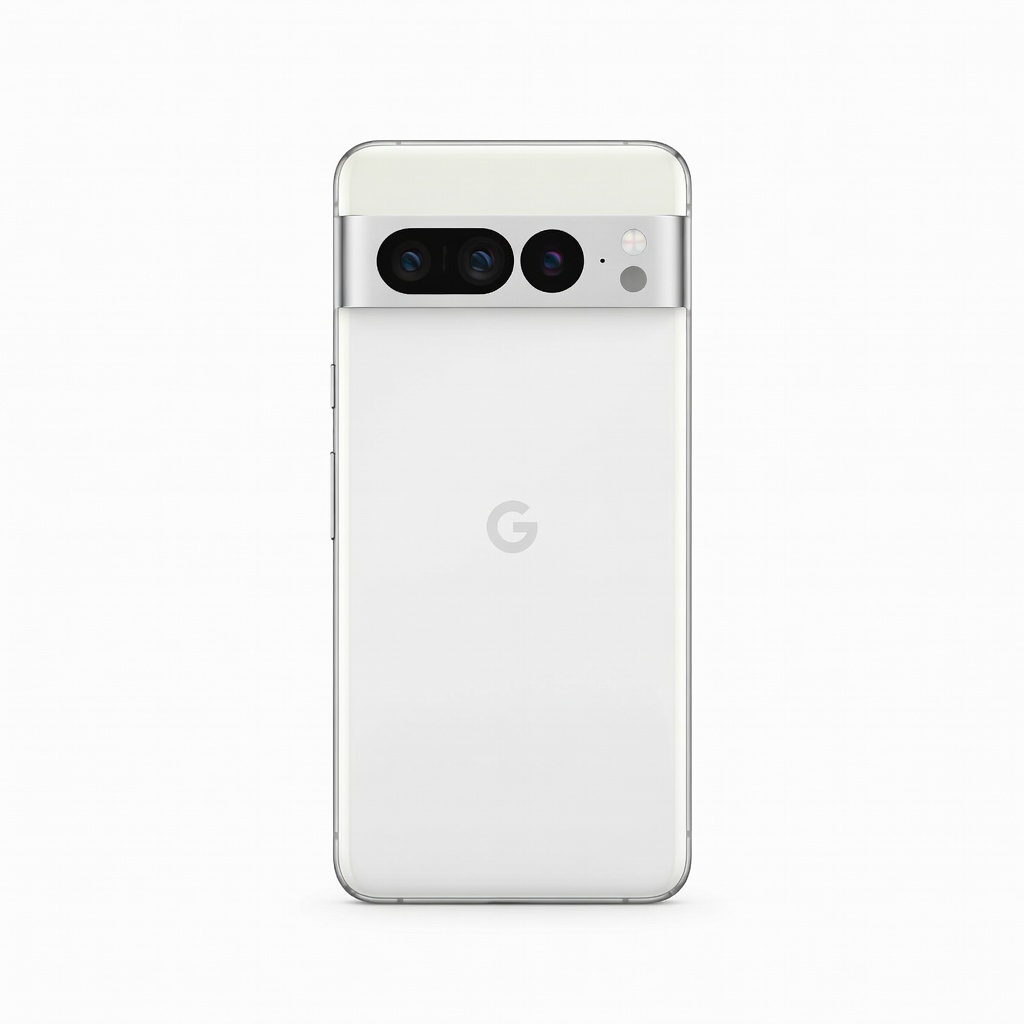
The Pixel 11 Pro is the phone you trust to nail the shot with zero manual adjustments, thanks to Google's unmatched AI scene detection and HDR processing. It brings a dedicated telephoto lens and a refined design that feels premium without the bulk of the Ultra. The main trade-off is video recording, which lags behind Apple's across the board.
Main limitation: Video quality still trails Samsung and Apple in frame rate options and color grading.
Skip if: If you're primarily a videographer or need a long zoom for wildlife, you'll be better served by a Samsung or Xiaomi flagship.
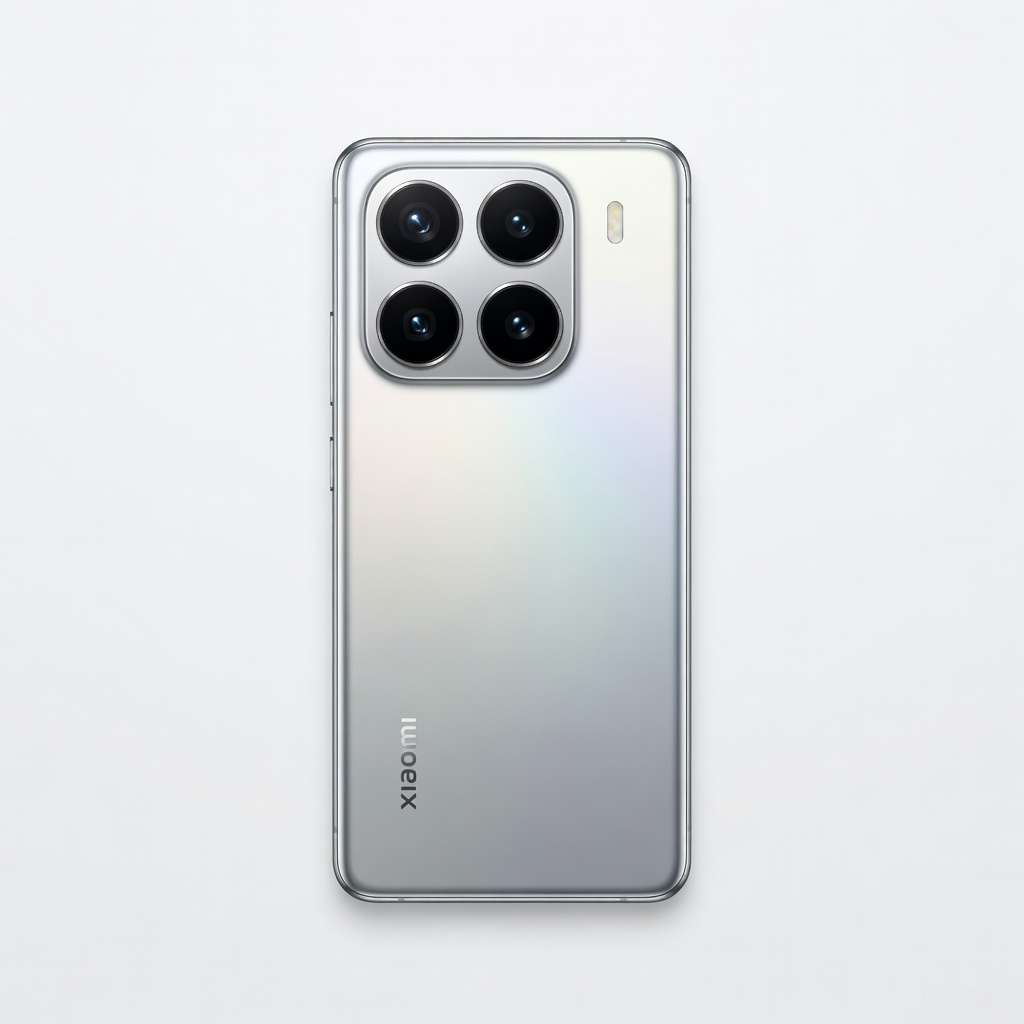
The Xiaomi 15 Ultra brings professional-grade hardware with a 1-inch main sensor and Leica-tuned color profiles, giving enthusiasts a phone that feels like a compact camera. It offers manual controls and raw capture that put the photographer in charge. The trade-off is limited network support in North America and a heavy, camera-bump design that's not for everyone.
Main limitation: Lacks full 5G band support on US carriers, and the camera bump makes the phone rock on flat surfaces.
Skip if: North American users who rely on a specific carrier's mid-band 5G should check compatibility before committing.
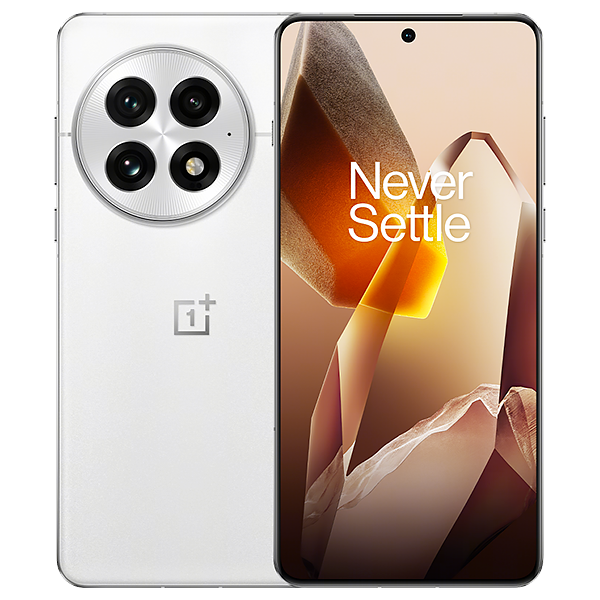
The OnePlus 14 Pro offers near-flagship camera performance with Hasselblad's color science at a more accessible price, especially if you're not chasing the absolute best zoom. Its main sensor is excellent, and the ultra-fast charging means you'll never miss a shot from a dead battery. The trade-off is a less advanced algorithm for low-light and a smaller selection of photography modes than competitors.
Main limitation: The 3x telephoto is serviceable but not in the same league as the periscope zooms on Samsung or Xiaomi.
Skip if: If you regularly shoot at 100% zoom or want the most advanced AI editing, look elsewhere for a more camera-first phone.
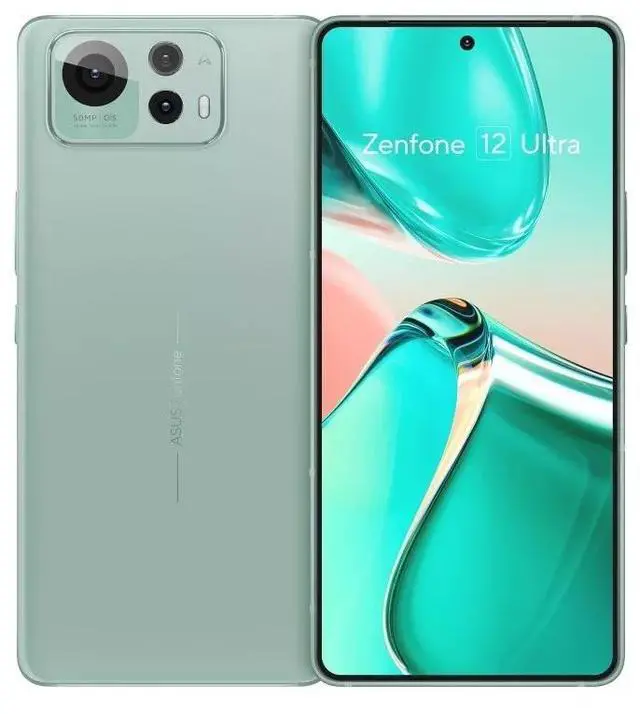
ASUS strikes a rare balance by fitting a flagship camera into a phone that's smaller than the average slab, making it the choice for one-handed photographers. The 6.3-inch screen and light body don't compromise on core camera quality, with a solid main sensor and good software support for manual controls. The trade-off is that you don't get the periscope zoom or leading-edge AI features found on larger flagships.
Main limitation: The camera is good but not great in low light, and there's no dedicated telephoto lens.
Skip if: If you shoot a lot of sports or need a long zoom, the compact design isn't worth the camera compromises.
Compare key specs and features of all our recommendations side-by-side
| Product | Recommendation | Rating | Price |
|---|---|---|---|
Samsung Galaxy S26 Ultra Rank #1 | 🏆 Top Pick | 9.5/10 | $1,299–$1,499 Check current price → |
Google Pixel 10a Rank #2 | 💰 Budget Pick | 8.2/10 | Around $449 Check current price → |
iPhone 18 Pro Max Rank #3 | ⭐ Editor's Choice | 9.0/10 | $1,199–$1,299 Check current price → |
Google Pixel 11 Pro Rank #4 | — | 8.8/10 | $999–$1,099 Check current price → |
Xiaomi 15 Ultra Rank #5 | — | 8.5/10 | $1,099–$1,299 Check current price → |
OnePlus 14 Pro Rank #6 | — | 8.0/10 | $799–$899 Check current price → |
Asus Zenfone 12 Ultra Rank #7 | — | 7.5/10 | $699–$799 Check current price → |
Common questions buyers have about this category.
Less than you think. While a 200MP sensor can capture more detail, it's only useful if you're cropping heavily or making large prints. Most people are better served by a phone with a larger sensor size and smarter HDR processing. A 50MP main sensor with good computational software will outperform a 108MP sensor with a laggy shutter. Focus on what the camera produces, not the number.
Computational photography leverages software to enhance photos beyond the sensor's raw ability. Features like Night Mode, HDR, and portrait blur are computed in real time, often by stitching multiple exposures into one image. Google and Apple lead the pack in this area, which is why their mid-range and older flagships still take great shots. This technology is the primary reason budget phones can now compete with expensive models in well-lit situations.
Absolutely. Optical zoom uses a physical lens to magnify without losing detail, while digital zoom effectively crops the image and enlarges the pixels, reducing sharpness. If you frequently take pictures at events, wildlife, or children in sports, a periscope lens with optical 5x–10x will be far more useful than a 100x digital mode that washes out at maximum. Even the best AI-enhanced zoom can't create detail that doesn't exist on the sensor.
Those moon shots you see on Ultra phones are often a combination of hardware and software. The phone's periscope zoom gets you close, while AI-based scene recognition applies lunar texture and sharpening to a fuzzy image. The result can be compelling, but it's not a true photograph. If you're expecting realistic astronomical photography, you'll need a dedicated camera with a large lens, not just a phone zoom.
A dedicated camera still offers better image quality, especially in low light, and gives you interchangeable lenses for different scenarios. But for most people, the convenience of a smartphone camera is unmatched — it's always in your pocket, and modern phones handle sharing instantly. A hybrid approach works well: use your phone for everyday, casual shots and invest in a compact mirrorless camera if you're serious about landscapes, wildlife, or studio work. Our guide focuses on phones because they serve as the best all-in-one cameras for the majority of shoppers.
It depends on how you shoot. If you record 4K videos regularly, plan for at least 256GB of storage, since a 10-minute clip can easily consume more than 1GB. Photos shot in raw or high-resolution modes can also be 20–50MB each. Cloud storage can offload files, but a large internal drive is safer for travel, when connectivity is unreliable. We recommend 256GB as a sweet spot for a camera-focused phone, and 512GB for video creators.
Products we evaluated but did not recommend — and why.
