Get the App
Better experience on mobile
After comparing the latest flagship and mid-range camera systems, these are the phones that deliver the most impressive photos and videos in 2026.
In 2026, calling a phone a 'camera' is no longer a metaphor. The best camera phones now capture detail that fools professional photographers, and their computational photography has erased the need for bulky mirrorless rigs in many situations. But more than specs, the winner is the phone you'll actually carry every day—because the best camera in the world is the one in your pocket.
Used to be that 'phone camera' meant a convenience sensor with mediocre quality. Now, even budget phones shoot night mode that would have been impossible a generation ago. This has created a paradox: with so many variations of sensors, lenses, and AI algorithms, picking the best camera phone in 2026 is less about raw hardware and more about your photography style and comfort with the software.
We dug through published reviews from respected photography sites, compared manufacturer spec sheets, and scoured aggregated buyer feedback across major retailers and forums. Our picks span all price ranges, from a $500 workhorse to $1,500 flagship, and each earned its spot by balancing image quality, ease of use, video features, and value.
Rather than declare one universal winner, we've split the podium into distinct categories—because a travel blogger, a parent, and a cinematographer will prize entirely different camera characteristics. Read on to find the camera phone that slots into your own portfolio.

Apple's flagship delivers the most balanced camera system in 2026, with a 48MP main sensor, an improved tetraprism 5x telephoto, and industry-leading video stabilization. The key trade-off is its premium price and the occasional over-processing in tricky lighting.
Main limitation: The camera app can still struggle with unsolicited sharpening, and the Pro Max form factor is too bulky for one-handed use.
Skip if: If you prefer Android's flexibility or need pro-level manual controls out of the box, the iPhone's locked-down camera interface may frustrate you.
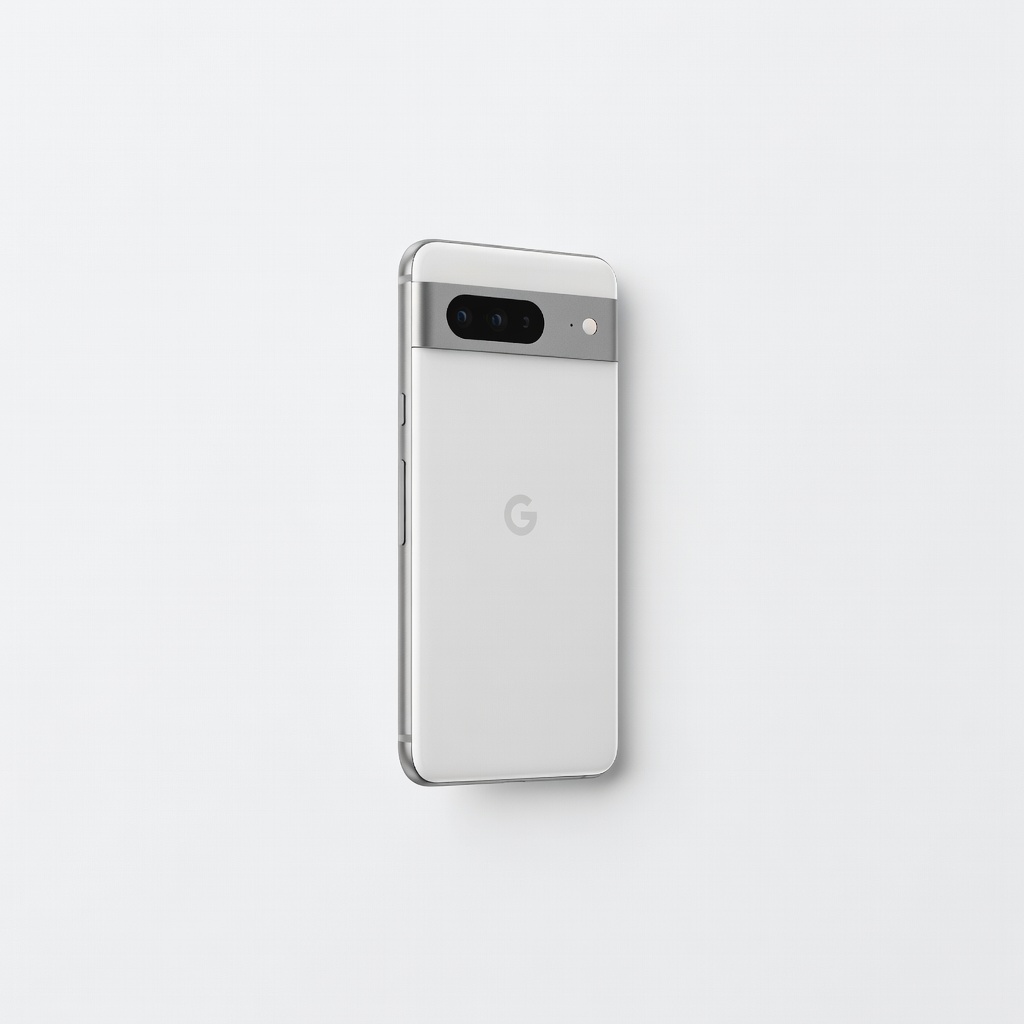
The Pixel 10a proves you don't need a $1,000 phone to take stunning photos. Google's camera smarts, including Magic Eraser and Night Sight, deliver flagship-quality shots for a fraction of the cost, though the plastic build and 60Hz display show the budget corners cut.
Main limitation: Video recording tops out at 4K 30fps without a dedicated telephoto lens, so zoom shots beyond 2x lose sharpness quickly.
Skip if: If you're a serious videographer or need a rugged phone, the 10a's modest hardware and lack of a telephoto camera will disappoint.
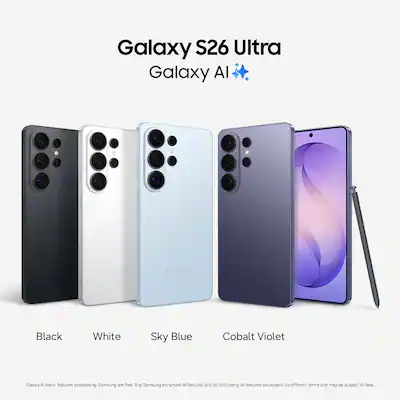
The Galaxy S26 Ultra's 200MP main sensor and dual periscope telephoto lenses crush the competition for far-away shots, offering clean 10x optical zoom that retains detail. The trade-off is that its colors lean oversaturated, and its size is massive for everyday pocketability.
Main limitation: The camera hump is bulky, and Samsung's aggressive skin smoothing can make portraits look artificial.
Skip if: If your photos stay on Instagram and you rarely need beyond 3x zoom, the S26 Ultra is overkill—you'll pay extra for a feature you won't use.
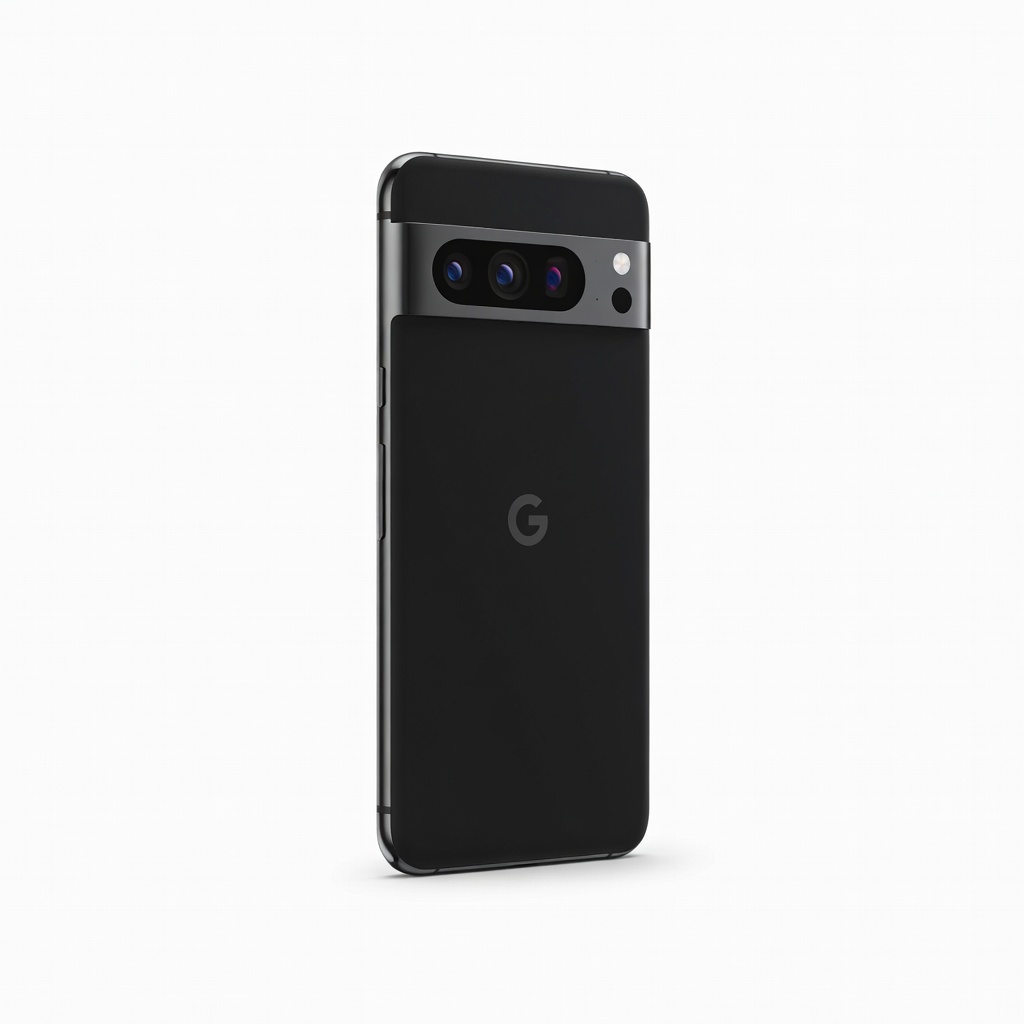
If you want a camera that consistently nails exposure and color with zero manual input, the Pixel 10 Pro is the gold standard. Google's AI enhancements elevate ordinary scenes into gallery-worthy shots, but the hardware itself is less impressive than rivals—especially in low-light video.
Main limitation: The ultra-wide camera can suffer from slight edge blur, and the lack of a dedicated video-boost feature (aside from cloud processing) is felt by creators.
Skip if: If you demand 100x zoom or pro-level raw video support, the Pixel 10 Pro isn't the tool for you.
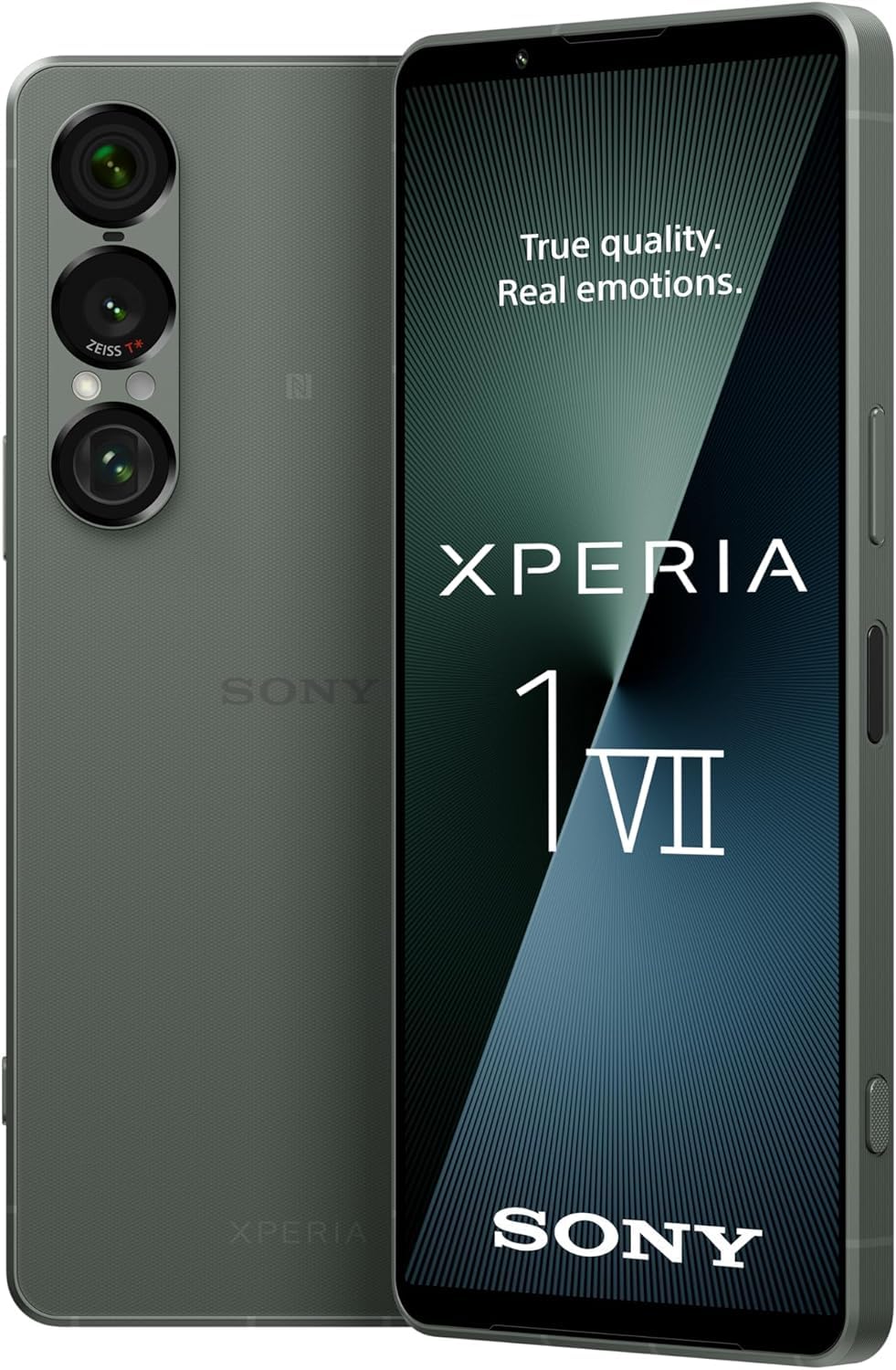
Aimed squarely at photographers and filmmakers, the Xperia 1 VII retains its Micro SD slot, 4K 120fps slow-motion, and a truly flat picture profile that lets you grade in post. The trade-off: the camera user interface is intimidating, and the phone charges slowly compared with other flagships.
Main limitation: The one-grip, pro-style UI is overkill for casual users, and the periscope telephoto's sensor is small, hurting low-light zoom.
Skip if: If you'd rather shoot in Auto mode and want an easy day-to-day camera, this phone will frustrate you with its manual-first approach.
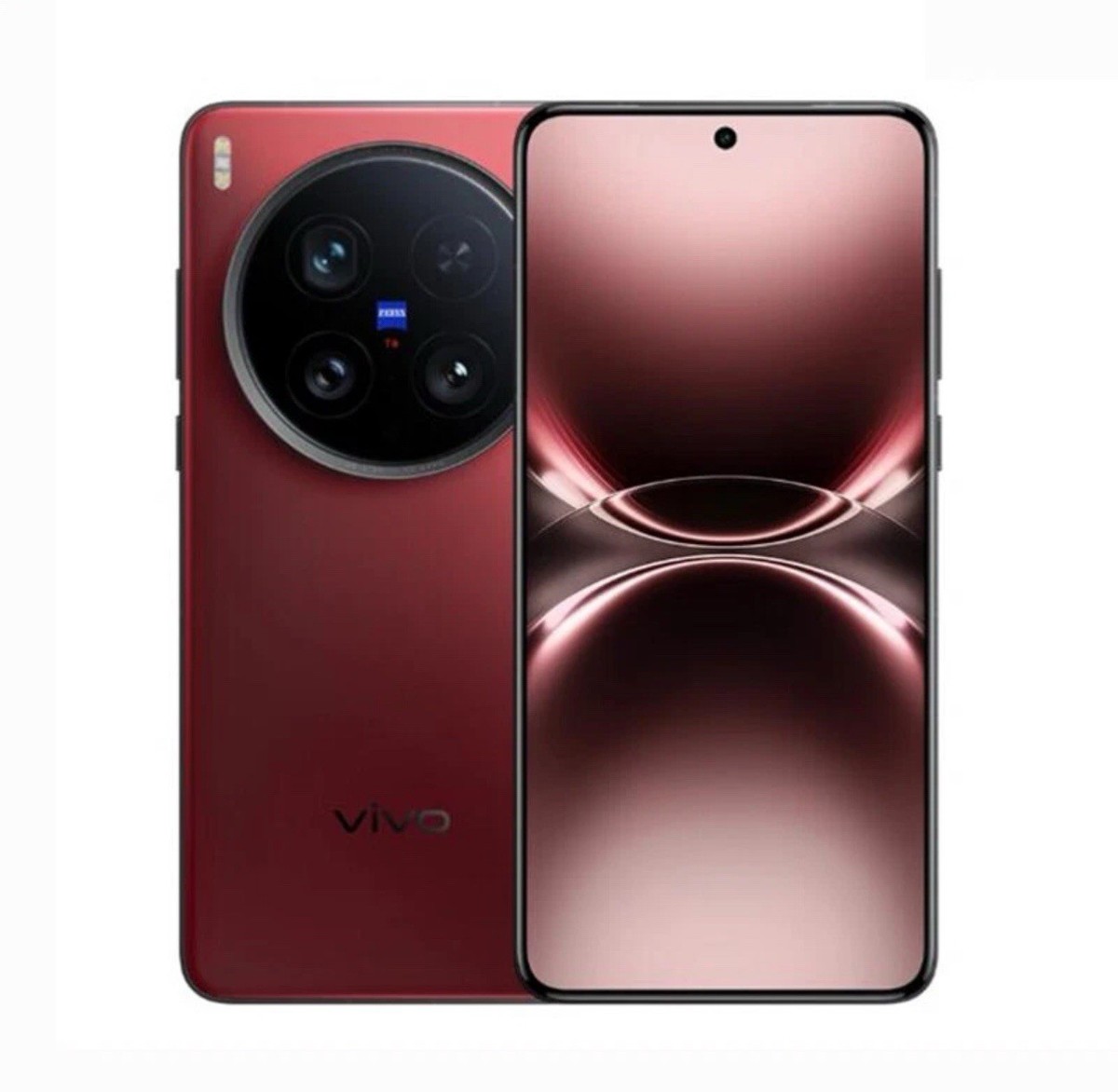
Vivo's latest imaging flagship uses a custom 50MP human-octa camera with a dedicated depth sensor to produce natural bokeh, lifelike skin tones, and a stunning 85mm equivalent portrait mode. Its primary flaw is a clunky OS with ads in some regions and no official US warranty.
Main limitation: Availability is limited outside Asia, and the Funtouch Origin OS can feel bloated to western users.
Skip if: If you're in the US and don't want to import a phone, the lack of official service and warranty should steer you elsewhere.
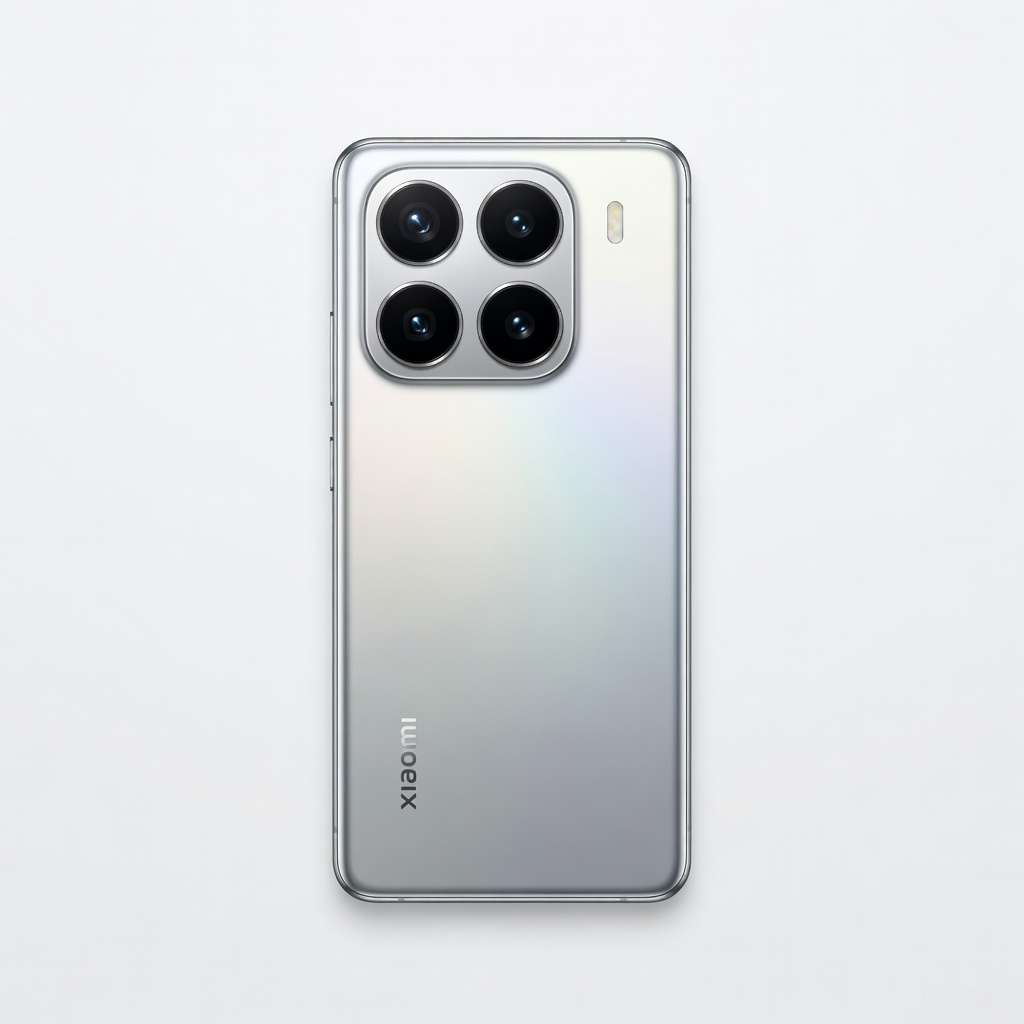
The Xiaomi 15 Ultra brings a 1-inch main sensor with variable aperture (f/1.6–f/4.0) that lets you dial in depth of field and control low-light noise. It's a flexible studio in your pocket, but MIUI HyperOS is heavy with bloatware, and its camera processing can clip highlights in auto mode.
Main limitation: The camera app's auto mode sometimes overcooks highlights in mixed lighting, and the phone's global availability is spotty.
Skip if: If you want a set-it-and-forget-it low-light experience, the manual tuning on the 15 Ultra may be more than you need.
Compare key specs and features of all our recommendations side-by-side
| Product | Recommendation | Rating | Price |
|---|---|---|---|
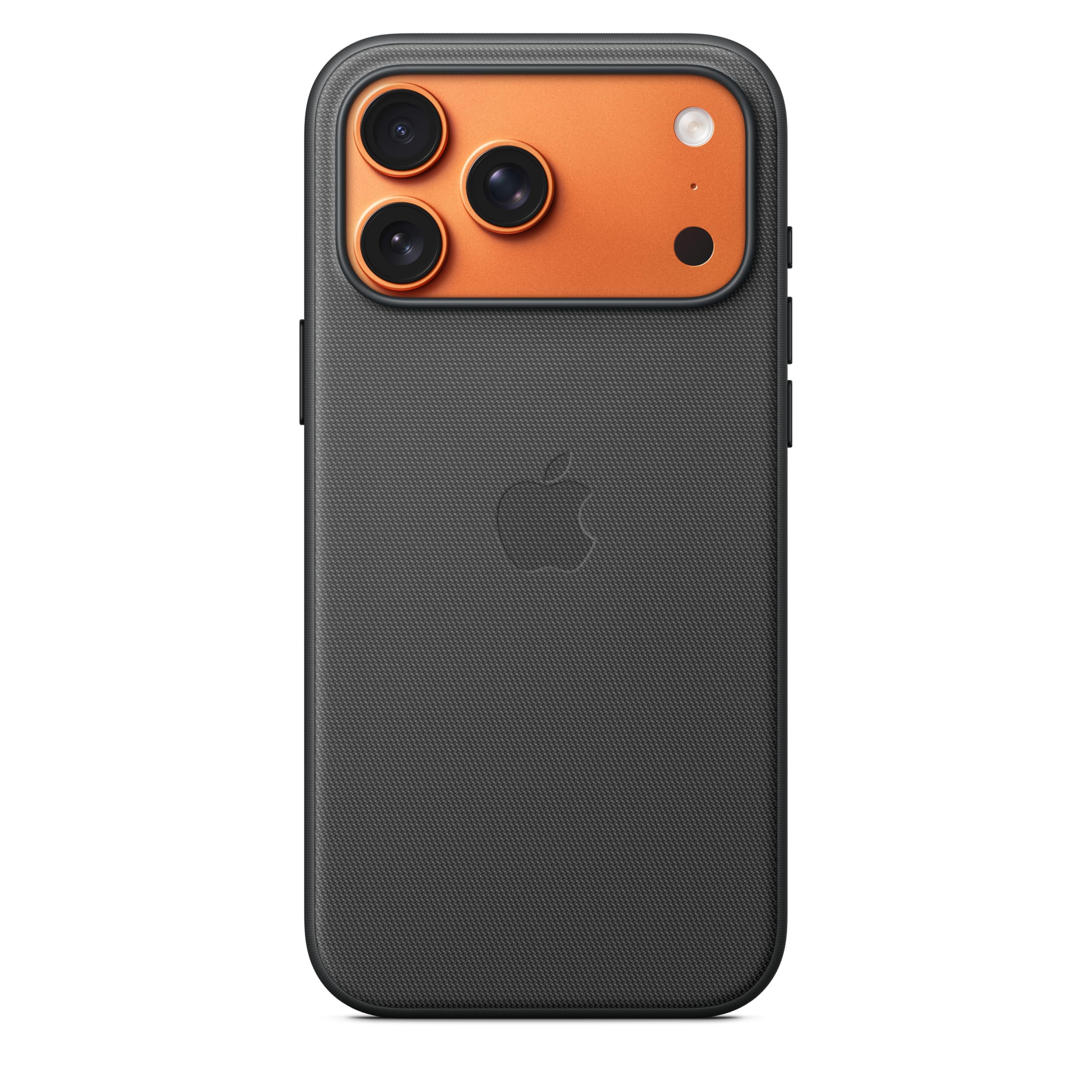 Apple iPhone 17 Pro Max Rank #1 | 🏆 Top Pick | 4.3 4.3 | $1,199–$1,599 Check current price → |
Google Pixel 10a Rank #2 | 💰 Budget Pick | 8.2/10 | $499–$549 Check current price → |
Samsung Galaxy S26 Ultra Rank #3 | ⭐ Editor's Choice | 9.0/10 | $1,299–$1,499 Check current price → |
Google Pixel 10 Pro Rank #4 | — | 8.8/10 | $999–$1,099 Check current price → |
Sony Xperia 1 VII Rank #5 | — | 8.6/10 | $1,299–$1,399 Check current price → |
Vivo X200 Ultra Rank #6 | — | 8.7/10 | $1,199–$1,299 Check current price → |
Xiaomi 15 Ultra Rank #7 | — | 8.4/10 | $1,299–$1,399 Check current price → |
Common questions buyers have about this category.
The most important specs are sensor size, optical zoom range, low-light performance, and video stabilization. Megapixels alone don't determine quality; a large sensor with good pixel-binning captures more light and detail. Look for phones with at least a 1/1.3-inch main sensor and dedicated telephoto lens for true optical magnification.
No. While high megapixel counts allow for generous cropping, most phones use pixel-binning to merge pixels and improve dynamic range. A well-optimized 50MP sensor often produces better images than a 200MP sensor because it can combine more light. Focus on the pixel size and the quality of the image signal processor rather than the megapixel battle.
Two telephoto lenses, like the 3x and 10x on the Samsung Galaxy S26 Ultra, let you compose images at multiple focal lengths without losing detail. If you're into portraits or wildlife, this is valuable. For everyday users, a single 3x or 5x telephoto is sufficient—going beyond that often relies on heavy cropping or AI-enhanced 'space zoom' that can look mushy.
In 2026, both platforms can produce stunning results, but there are nuances. iPhones excel at video stability and true-to-life colors, while the best Android phones (Google, Samsung) offer more versatile zoom and advanced editing controls on the device. If you're embedded in an ecosystem, your choice is already half-made—stick with the platform that keeps your photos organized and shareable.
Absolutely. Phones like the Pixel 10a show that AI-driven computational photography closes the gap for stills. You'll lose optical telephoto, advanced video codecs, and low-light zoom, but if you mostly shoot daytime snapshots, a budget phone can satisfy your needs. Just be aware that slower processors and fewer creative modes might limit you if you grow as a photographer.
For many casual and even semi-professional uses, yes. The best camera phones now offer better low-light performance, faster focus, and more advanced computational modes than entry-level mirrorless kits, all in a pocketable form. But for professional work requiring interchangeable lenses, true optical zoom, or robust ergonomic controls, a dedicated camera still has an edge—especially for studio and high-end video productions.
Products we evaluated but did not recommend — and why.
