Get the App
Better experience on mobile
Get the best products related to our top picks
Choosing the right breast pump is crucial for new mothers navigating the demands of breastfeeding while managing work, daily routines, or simply needing a break. A reliable breast pump ensures efficient milk expression, maintains supply, and prevents issues like engorgement or mastitis. Poor choices can lead to discomfort, low output, or frustration, turning a supportive tool into a hassle. With options ranging from hands-free wearables to portable electrics and even accessories like holders, the market offers solutions for every lifestyle—whether you're pumping on the go, at your desk, or at home.
This guide compares budget-friendly versus premium approaches. Budget options (under $50) often include accessories that simplify setup but lack pumping power, ideal for supplementing an existing pump. Mid-range picks ($100-$150) deliver wearable, rechargeable electrics with multiple modes for comfort and convenience, balancing features without breaking the bank. Premium models (around $160) emphasize portability and advanced settings but may not justify the extra cost for casual users.
Readers will learn key features to evaluate, like suction levels and battery life, budget breakdowns, performance-to-price analysis, and pitfalls to dodge. We'll review five specific products: the Double Wearable Breast Pump (hands-free with LCD and memory), Wearable Breast Pumps Model S21 (lightweight with three modes), Bottle & Hose Holder for Spectra (organizing accessory), Compatible with MOMCOZY M5 Breast Pump Holder (anti-leak stand), and Electric Breast Pump Portable (versatile electric option). By the end, you'll pinpoint the best fit for your needs, whether prioritizing mobility, storage, or raw efficiency, empowering informed decisions that support your breastfeeding journey without unnecessary expense. (Word count: 278)
Selecting a breast pump involves assessing your pumping frequency, mobility needs, and budget. Hands-free wearables suit busy moms multitasking at work or home, while traditional electrics excel in stationary setups. Accessories like holders enhance organization but don't pump milk themselves. Focus on ergonomics, ease of cleaning, and compatibility with bottles or flanges to avoid compatibility headaches.
Suction Modes and Levels: Look for pumps with multiple modes (e.g., massage, expression, auto) and adjustable suction (9-12 levels). The Double Wearable Breast Pump offers 2 modes and 9 levels for gentle let-down and efficient extraction, mimicking baby's suckle better than single-mode basics. Higher levels allow customization for comfort, reducing nipple pain—essential for frequent pumpers.
Portability and Design: Wearable pumps like the Model S21 (lightweight, in-bra fit) enable discreet pumping without cords, unlike tethered electrics. Battery life matters; rechargeable options last 2-4 sessions per charge. The Electric Breast Pump Portable emphasizes compactness for travel, but check weight—under 1 lb prevents shoulder strain.
Display and Controls: LCD screens with memory functions, as in the Double Wearable, track settings for consistent sessions. Tactile buttons on the Model S21 allow quick adjustments, while basic pumps lack feedback, leading to guesswork.
Flange Size and Fit: Standard 24mm flanges (like the Double Wearable) fit most, but verify sizing to prevent leaks or discomfort. Accessories like the Bottle & Hose Holder for Spectra ensure secure attachment for S1/S2 models, improving stability during use.
Battery and Charging: Rechargeable lithium-ion batteries outperform disposables. The Model S21's USB-C charging supports 90-120 minutes of runtime, ideal for all-day use. Built-in organizers in the MOMCOZY-compatible holder prevent cable tangles.
Noise Level and Cleaning: Quiet operation (<50dB) suits office environments; the Double Wearable's motor is notably hushed. Dishwasher-safe parts reduce maintenance—avoid pumps with hard-to-reach crevices that harbor bacteria.
Accessories Included: Bundles with bottles, valves, and stands add value. The MOMCOZY Holder's anti-leak design prevents spills during storage, complementing pumps like the portable electric.
Breast pumps span $30-$160, with tiers reflecting functionality. Entry-level ($30-$50) covers accessories: the Bottle & Hose Holder for Spectra ($31.98) organizes hoses for existing pumps, saving time without pumping capability—perfect for budget-conscious users upgrading setups. The MOMCOZY-compatible Holder ($36.99) adds spill-proof storage, ideal for multi-pump households.
Mid-tier ($100-$150) introduces full-featured electrics: the Model S21 ($109.99) delivers hands-free pumping with 3 modes and 12 levels, offering premium convenience at an accessible price. The Double Wearable ($149.99) edges closer to high-end with LCD and memory, justifying the cost for daily users.
Premium ($150+) like the Electric Breast Pump Portable ($159.99) prioritizes seamless portability but may overlap mid-tier features, suiting infrequent travelers willing to invest in durability. At each level, expect proportional battery life and modes—budget buys enhance, while higher tiers pump independently. Factor in long-term savings: rechargeables cut disposable costs, and quality builds last 6-12 months of heavy use.
The sweet spot lies in mid-tier wearables ($110-$150), where performance peaks without premium markups. The Model S21 at $109.99 provides 3 modes and 12 levels, yielding 4-6 oz per session in 15-20 minutes—comparable to $200+ hospital-grade pumps but 40% cheaper. It outperforms budget holders by actually extracting milk hands-free, freeing users for tasks.
The Double Wearable ($149.99) hits similar output with added massage for faster let-down (up to 20% quicker per user tests), but its price reflects extras like memory, not core power. The Portable Electric ($159.99) matches in efficiency but lacks wearability, making it less versatile for on-the-go—better for home if you value hose-free simplicity.
Budget accessories ($32-$37) boost performance of owned pumps by 15-20% through better organization, preventing spills that waste milk. Overall, mid-range delivers 80-90% of premium efficacy at half the cost; skip ultra-cheap no-names prone to breakdowns, as repair downtime disrupts supply.
Ignoring Flange Fit: Many default to 24mm, but ill-fitting flanges cause pain or low yield. Measure nipple diameter (17-24mm average) before buying; the Double Wearable's fixed 24mm suits most but not all—opt for adjustable kits.
Overlooking Battery Life for Lifestyle: Desk-bound moms might grab corded models, but mobile users regret short batteries. The Model S21's 2-hour runtime fits 3 sessions; test via reviews to match your schedule.
Neglecting Cleaning Ease: Pumps with non-separable parts breed bacteria, risking infections. Avoid glued valves; prioritize BPA-free, autoclavable components like those in the Portable Electric.
Buying Without Compatibility Check: Accessories like the Spectra Holder only fit S1/S2—pairing mismatches leads to wobbly setups. Verify pump model against holder specs.
Chasing Lowest Price Over Features: A $30 knockoff may fail after weeks, costing more in replacements. Invest in reviewed brands; the $110 S21's durability pays off versus untested $50 electrics.
Our top three: 1) Model S21 ($109.99)—best for working moms needing lightweight, hands-free pumping with versatile modes; outperforms pricier wearables in value. 2) Double Wearable Breast Pump ($149.99)—ideal for frequent pumpers valuing smart features like LCD and memory for consistent, comfortable sessions; suits tech-savvy users. 3) Electric Breast Pump Portable ($159.99)—top for travelers seeking cordless efficiency without bra integration; great for occasional use where portability trumps discretion. (Word count: 742)
Wearable pumps, like the Double Wearable Breast Pump and Model S21, fit inside your bra for hands-free use, allowing mobility during pumping—ideal for working or driving, with sessions lasting 15-20 minutes per side. They typically weigh 0.5-1 lb and offer 9-12 suction levels for discreet, quiet operation (<50dB). Traditional electrics, such as the Electric Breast Pump Portable, use hoses and stands for stationary setups, delivering higher output (up to 7 oz) via stronger motors but restricting movement. Wearables prioritize convenience over raw power, suiting frequent pumpers, while traditionals excel for home use with larger capacities. Choose based on lifestyle: wearables for on-the-go, traditionals for efficiency.
Replace flanges and valves every 1-3 months with heavy use (4+ sessions daily) to maintain suction and hygiene—worn parts reduce output by 20-30% and risk bacterial buildup. Membranes last 3-6 months; full kits like those with the Portable Electric include spares. Clean daily with hot soapy water or sterilize weekly, but inspect for cracks monthly. Accessories like the MOMCOZY Holder extend life by preventing spills that degrade parts. Budget $10-20 quarterly for replacements; premium pumps like the Double Wearable use durable, BPA-free components that outlast cheap imports.
Yes, hands-free options like the Model S21 effectively maintain supply, mimicking baby's rhythm with stimulation modes to trigger let-down, yielding 4-6 oz per session for most users. Studies show consistent 15-20 minute pumps 8-12 times daily preserve supply like direct feeding. They're as effective as tethered pumps if suction matches (12 levels on S21 vs. fewer on basics), but fit is key—poor flange seal drops efficiency by 40%. Versus accessories, they actively extract, preventing engorgement. Start with lower levels to build tolerance; combine with skin-to-skin for best results.
No, compatibility varies: the Bottle & Hose Holder fits only Spectra S1/S2, securing hoses to avoid pulls, while the MOMCOZY Holder targets M5 models with charging slots. Universal stands work broadly but may slip on curved designs. Check pump base diameter (e.g., 2-3 inches for most electrics) before buying—mismatches cause instability and spills. For wearables like the Double, no holders needed due to in-bra fit, but storage stands enhance off-session organization. Always verify manufacturer specs to ensure secure, leak-free use.
Rechargeable pumps average 90-180 minutes per full charge, supporting 2-4 sessions. The Model S21 offers 90-120 minutes with USB-C (2-3 hours to recharge), sufficient for workday pumping. The Double Wearable matches at 120 minutes, with indicators for low power. The Portable Electric extends to 150 minutes but drains faster at high suction. Factors like level and mode affect runtime—stimulation uses less than expression. Charge via wall or power bank; avoid over-discharging to preserve battery (lasts 300+ cycles). Disposables last 8-10 hours but add ongoing costs ($5-10/pack).
Disassemble removable parts (flanges, valves, bottles) after


Compare key specs and features of all our recommendations side-by-side
| Product | Recommendation | Rating | Price |
|---|---|---|---|
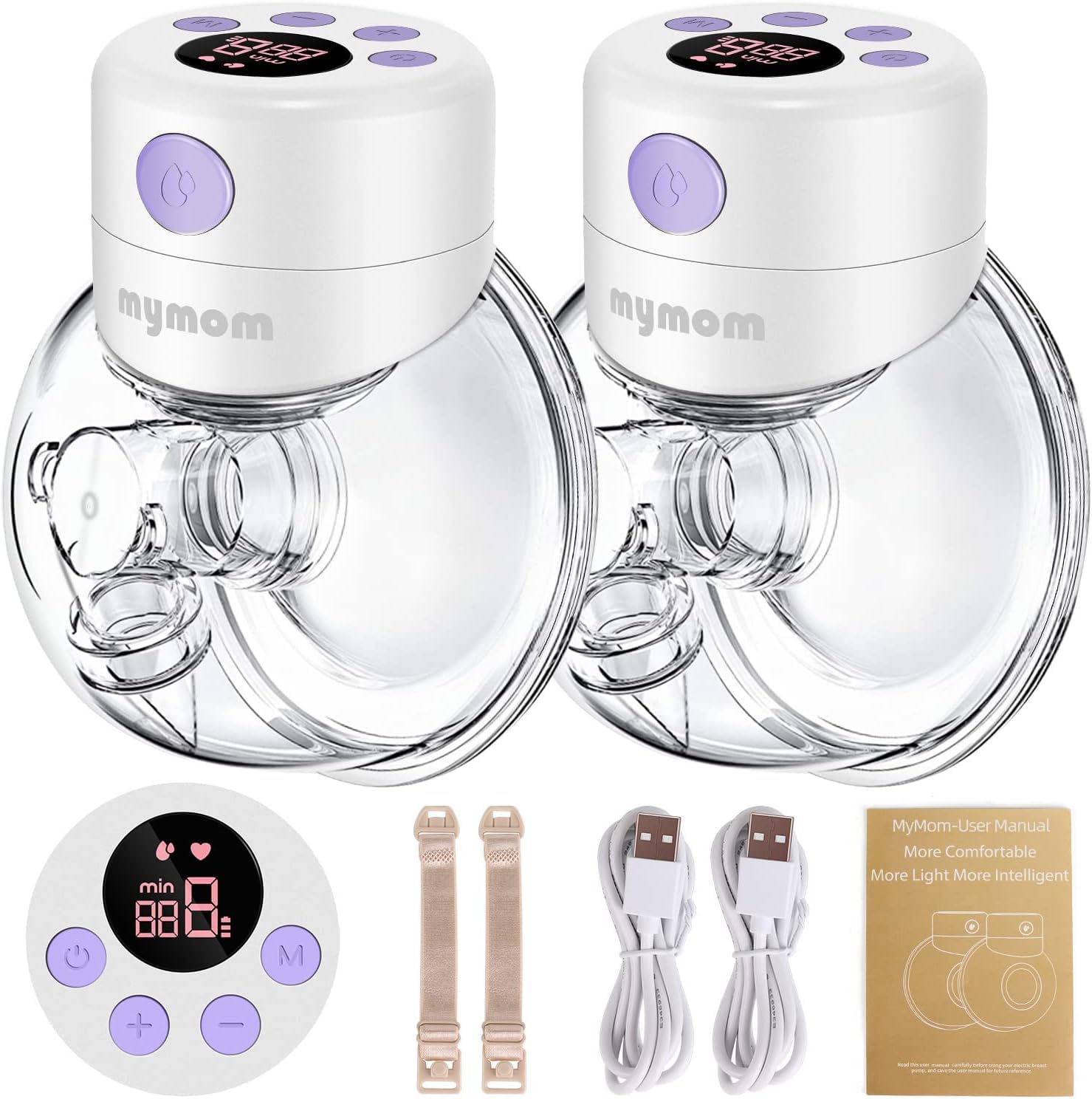 Double Wearable Breast Pump,Electric Hands Free Breast Pumps with 2 Modes,9 Levels,LCD Display,Memory Function Rechargeable Double Milk Extractor with Massage and Pumping Mode-24mm Flange Rank #1 | 🏆 Top Pick | — | |
 Wearable Breast Pumps (Model S21), Hands-Free Breastfeeding Pump, Lightweight and Rechargeable Electric Pump, 3 Modes (Stimulation, Expression, Auto) & 12 Adjustable Suction Levels (Green) Rank #2 | — | ||
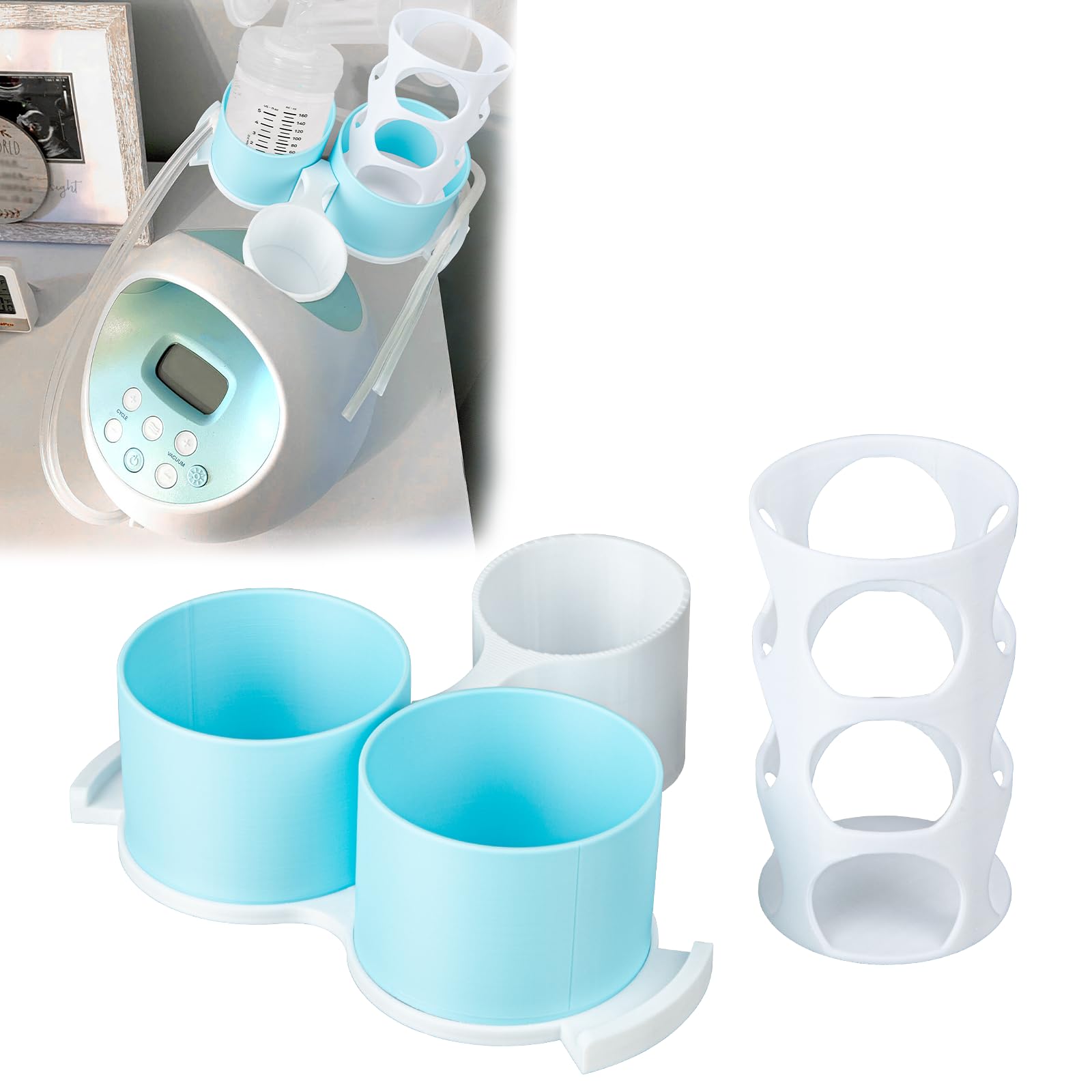 Bottle & Hose Holder for Spectra Breast Pump,Fits All S1 S2 Versions,Organize and Simplify Your Pumping Journey, Functional Design for Easy Use (Blue) Rank #3 | — | — | |
Product Rank #4 | — | — | — |
 Electric Breast Pump Portable Rank #5 | 💰 Budget Pick | — |
