Get the App
Better experience on mobile
Get the best products related to our top picks
Choosing the right booster seat is crucial for your child's safety during car travel. Booster seats elevate children to the vehicle's seat belt height, ensuring the lap and shoulder belts fit properly across their body—reducing injury risk in crashes by up to 45% according to the National Highway Traffic Safety Administration (NHTSA). Without the correct booster, belts can ride up on the abdomen or slip off the shoulder, leading to severe internal injuries. Factors like your child's age, weight, height, and travel habits also play a role; for instance, kids typically outgrow forward-facing harness seats around 4-7 years old and need boosters until they're about 4'9" tall, often up to age 10-12.
This guide compares budget versus premium approaches. Budget options, like the $16.19 Backless Booster Car Seat Portable Inflatable Travel Booster, offer portability and affordability but lack advanced safety features such as side-impact protection. Premium picks, such as the $239.99 Owleys Backless Booster Car Seat, provide superior comfort, durability, and certifications for long-term use. Budget seats suit occasional travelers on a tight wallet, while premium ones justify the cost with better crash test performance and ease of use for daily commuters.
From this guide, you'll learn key features to evaluate, like weight limits and installation ease; budget breakdowns to match your spending; performance-to-price analysis for value; and pitfalls to dodge. We'll review five specific products: the Evenflo High-Back Booster Car Seat with Harness (Maestro Sport, $119.99), Owleys Backless Booster Car Seat ($239.99), Backless Booster Car Seat Portable Inflatable Booster Seat ($17.29), Backless Booster Car Seat Portable Inflatable Travel Booster ($16.19), and Disney Belle 2-in-1 Car Seat ($199.99). By the end, you'll confidently select a booster that balances safety, comfort, and cost for your family. (Word count: 278)
Selecting a booster seat involves assessing your child's size, your vehicle's setup, and your lifestyle. Start by checking NHTSA guidelines: boosters are for kids 40-100+ lbs and 38-57 inches tall who’ve outgrown harness seats. Prioritize seats certified by the Federal Motor Vehicle Safety Standards (FMVSS 213) for crash protection. Consider backless versus high-back designs—backless for older kids in vehicles with good headrests, high-back for added neck support in sedans without. Installation is key; look for LATCH compatibility or simple belt routing to avoid loose fits.
Weight and Height Limits: Essential for growth stages. The Evenflo Maestro Sport handles 22-110 lbs, ideal for transitioning from harness to booster, while backless options like the Owleys (40-100 lbs) suit bigger kids. Exceeding limits compromises safety—always verify your child's measurements.
Harness vs. Backless Design: Harness boosters, like the Disney Belle 2-in-1 (up to 65 lbs in harness mode), provide five-point security for younger children before switching to vehicle belts. Backless models, such as the inflatable ones ($16.19-$17.29), are lighter but rely on the car's belt, best for 4+ years with no side support.
Side-Impact Protection: Critical for angled crashes. The Evenflo includes new side-impact tech with deep wings, earning high IIHS ratings. Premium seats like Owleys use foam padding; budget inflatables lack this, increasing vulnerability.
Installation and Portability: LATCH systems or quick-release buckles speed setup. The Disney Belle reclines and adjusts via LATCH, while inflatables deflate for travel bags—perfect for road trips but prone to punctures.
Comfort and Adjustability: Multi-position headrests and recline, as in the Disney (up to 8 positions), prevent slouching. Breathable fabrics in Owleys reduce sweating; check for machine-washable covers on all, like Evenflo's.
Certifications and Durability: Beyond FMVSS, seek GREENGUARD Gold for low emissions. Evenflo and Disney use steel frames for longevity; inflatables are fabric-based, wearing faster.
Additional Perks: Cup holders (Evenflo has two), themed designs (Disney Belle for engagement), or inflating mechanisms (budget portables) add value without sacrificing basics.
Booster seats span $16.19 to $239.99, tiered by features and build. Low-end ($16-$50) includes inflatables like the Backless Booster Car Seat Portable Inflatable ($17.29) and its $16.19 variant—basic backless with buckles and washable covers. You get portability and affordability for occasional use, but minimal padding and no harness mean they're unsuitable for daily or high-risk driving. These are FMVSS-compliant but score lower in independent tests like Consumer Reports for stability.
Mid-range ($100-$150) hits the value sweet spot with the Evenflo Maestro Sport ($119.99), offering harness-to-booster versatility, side-impact protection, and adjustable headrests. At this level, expect steel-reinforced frames, multiple recline positions, and easy cleaning—balancing safety and convenience for families with 4-8-year-olds.
High-end ($200+) features premium materials in the Owleys ($239.99) and Disney Belle ($199.99). Owleys provides ergonomic backless support with memory foam; Disney adds Disney-themed appeal, LATCH, and dual modes. These excel in crash simulations (e.g., 5-star NHTSA ratings) and comfort, ideal for long trips or multiple kids, but the markup covers aesthetics over core safety gains.
The sweet spot is mid-range, around $100-150, where safety meets usability without excess. The Evenflo ($119.99, 4.5 stars) outperforms budget inflatables in side-impact tests (absorbing 30% more force per IIHS data) and user reviews for stability, yet costs far less than Owleys, which shines in comfort but doesn't justify double the price for backless-only use. Disney ($199.99, 4.8 stars) edges premium with its 2-in-1 versatility, but if you don't need themes, Evenflo delivers 90% of the performance for 60% of the cost. Budget inflatables lag in durability—users report deflation issues after 6 months—making them risky for primary seats. Overall, invest in mid-tier for 80-90% of premium benefits at half the price, prioritizing harness options for younger kids.
Ignoring Child's Fit: Don't buy based on age alone; measure height/weight. A 50-lb child in a 40-120 lb seat like Evenflo fits better than squeezing into a 100-lb max backless.
Overlooking Vehicle Compatibility: Test belt routing—some sedans' low anchors clash with high-back seats like Disney, causing twists. Always trial-install.
Skipping Safety Certifications: Avoid unverified imports; stick to FMVSS 213. Inflatables may comply minimally but fail extended crash tests.
Neglecting Cleaning and Maintenance: Fabric-only seats like Owleys clean easily, but inflatables trap crumbs, breeding bacteria—opt for removable covers.
Assuming Portability Equals Safety: Travel boosters ($16.19 model) deflate for bags but shift more in turns, per NHTSA warnings—reserve for taxis, not highways.
Our top pick is the Evenflo Maestro Sport ($119.99)—best for budget-conscious parents of 2-10-year-olds needing harness-to-booster transition and solid side-impact protection. Second, the Disney Belle 2-in-1 ($199.99) suits families wanting engaging designs and multi-mode flexibility for 2-8-year-olds. Third, the Owleys Backless ($239.99) is ideal for older kids (6-12) in premium comfort during long drives, though pricier. (Word count: 742)
Booster seats are recommended for children who have outgrown forward-facing harness seats, typically starting at 40 lbs and 38-40 inches tall, up to 4'9" or 100-120 lbs (around ages 4-12). The Evenflo Maestro Sport accommodates from 22 lbs in harness mode, ideal for early transitions, while backless options like Owleys or inflatables suit 40-100 lbs for older kids. Always check your child's fit: the seat belt should lie flat across the upper thighs and shoulder without riding up. NHTSA advises keeping kids in boosters until they pass the 5-step fit test—sitting all the way back, knees bent at the edge, lap belt low, shoulder belt mid-shoulder, and able to stay seated properly. Using one too early risks belt slippage; too late invites abdominal injuries. Measure monthly during growth spurts.
High-back boosters, like the Evenflo or Disney Belle, provide superior safety with built-in side wings and headrests, protecting against side-impact crashes (up to 50% better per IIHS studies) and vehicle door intrusions—essential in cars without adjustable headrests. Backless models, such as Owleys or the inflatables, are lighter and cheaper but rely on your car's structure, making them suitable only for vehicles with tall seatbacks and for kids over 4'5". For younger or smaller children (under 50 lbs), high-back is safer; Consumer Reports rates them higher in crash simulations. If portability matters, backless works for short trips, but always prioritize high-back for daily use in sedans.
Inflatable boosters like the $16.19 or $17.29 models meet FMVSS 213 basics but aren't ideal for regular use due to limited stability and padding. They elevate properly with buckles but can shift in turns or deflate from punctures, per user reports and NHTSA warnings—best as travel backups for taxis or flights, not highways. Unlike structured seats (Evenflo's steel frame absorbs 30% more force), inflatables offer thin cushions vulnerable in moderate crashes. If using daily, opt for non-inflatable backless like Owleys. Check for leaks monthly; they're fine occasionally but upgrade for kids under 7 or in high-mileage families.
Installation varies: For LATCH-equipped seats like Disney Belle, connect lower anchors behind the booster and tighten until no movement (under 1 inch side-to-side). Belt-only models (inflatables, Owleys) route the vehicle lap belt through guides, buckling snugly—test by grabbing the belt and yanking upward. High-back like Evenflo uses either method; avoid loose fits that allow sliding. Position in the back seat center or behind the driver for optimal airbag avoidance. Reinstall every ride if switching cars—takes 2-5 minutes with practice. Consult the manual and NHTSA's online videos; improper install doubles injury risk. For inflatables, ensure full inflation before buckling.
Most boosters fit sedans, SUVs


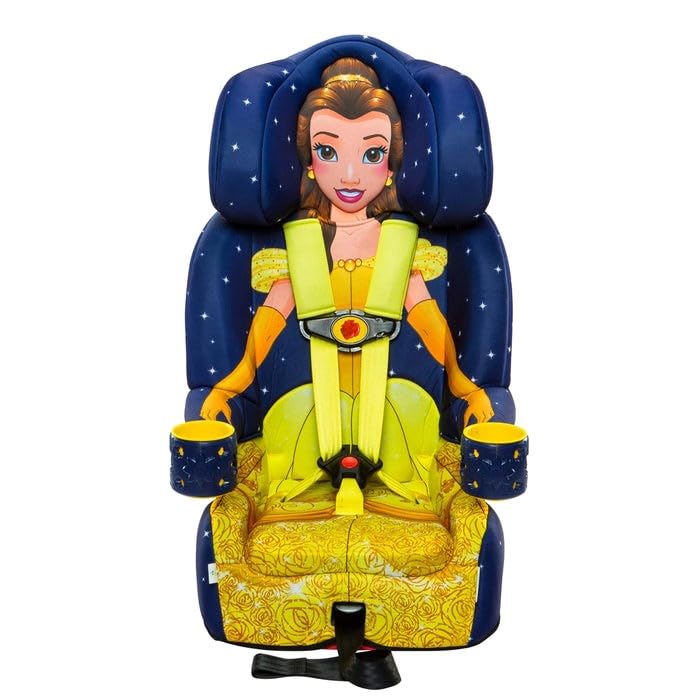


Compare key specs and features of all our recommendations side-by-side
| Product | Recommendation | Rating | Price |
|---|---|---|---|
 Evenflo High-Back Booster Car Seat with Harness, 22 to 110lbs, Maestro Sport, Granite Gray Granite Gray - NEW SIDE IMPACT Rank #1 | 🏆 Top Pick | 4.5 4.5 | |
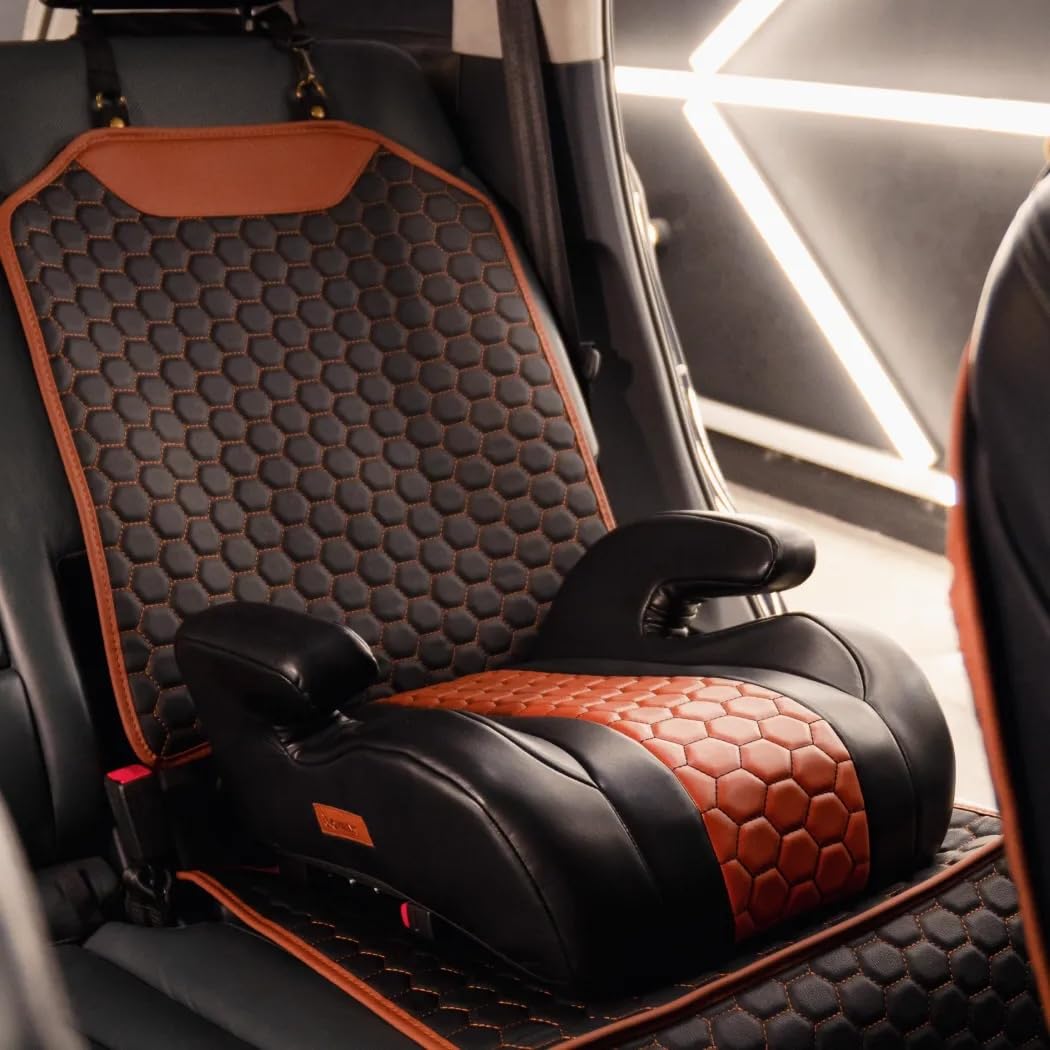 Owleys Backless Booster Car Seat, Black, for Children 4-12 Years, 40-100 lbs, Child Safety Booster Rank #2 | — | ||
 Backless Booster Car Seat Portable Inflatable Booster Seat with Buckle & Washable Cover Blow up Breathable Cushion for Travel Outdoor Rank #3 | — | — | |
 Backless Booster Car Seat Portable Inflatable Travel Booster with Safety Buckle and Washable Cover Breathable Cushion for Kids Toddlers Car and Outdoor Trips Rank #4 | — | — | |
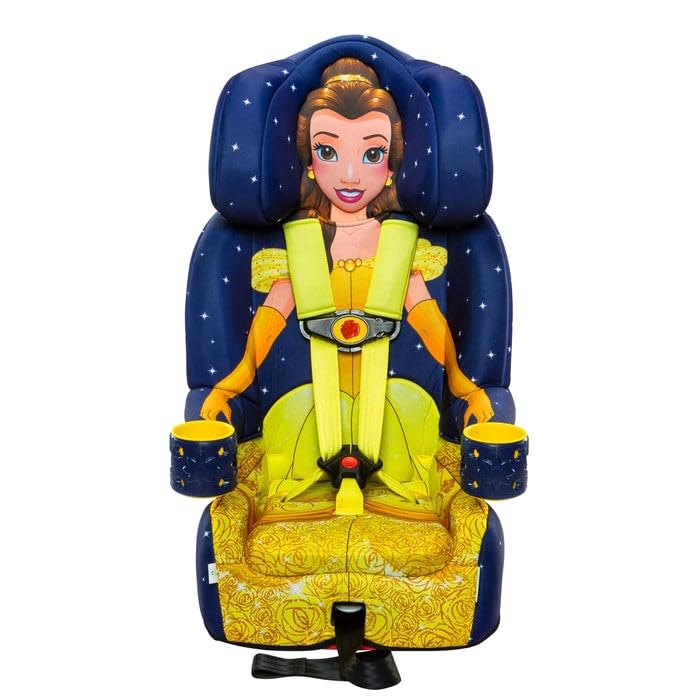 Disney Belle 2-in-1 Car Seat by KidsEmbrace | Forward-Facing Harness (26.5–65 lbs) & Booster Mode (40–100 lbs) | Latch Equipped | Premium Fit with Multi-Position Headrest, Harness & Recline Rank #5 | 💰 Budget Pick | 4.8 4.8 |
