Get the App
Better experience on mobile
We compared motor power, jar capacity, noise, and cleaning ease to find the perfect blender for every kitchen.
Blenders are one of the most-used countertop appliances in modern kitchens, but they are also the most prone to disappointment. A compact, cheap mixer might crush ice once, then fail on a bag of spinach; a high-end jar can struggle with small batches or prove too tall for the cabinet above your coffee maker. The best blender for your kitchen depends less on sticker price and more on what you blend and how often you clean it.
From 2-horsepower commercial-style units to 1,100-watt budget workhorses, we looked at seven top models currently on the market via specifications and user reviews from a range of trusted sources. Our selection spans everything from minimalist single-serve cups to 68-ounce batch blenders, covering needs from crunching ice to creating homemade nut milks.
When comparing, we consider three things above all: how smooth the blend ends up, how easy it is to get food in and out, and how loudly it screams while working. Motor wattage matters, but blade geometry, pitcher design, and jar material also change the result. And then there's the noise factor—some blenders sound like a 747 engine.
We've organized our picks by role: a best overall, a best budget, and a fleet of specific picks for focused use cases. No blender can be everything to everyone, so we've flagged the trade-offs of each model to help you match the right tool to your daily routine. If you're mainly blending fruit and yogurt, you can stop at a sub-$100 model; if you're making velvety soup every day, a premium investment is worthwhile.
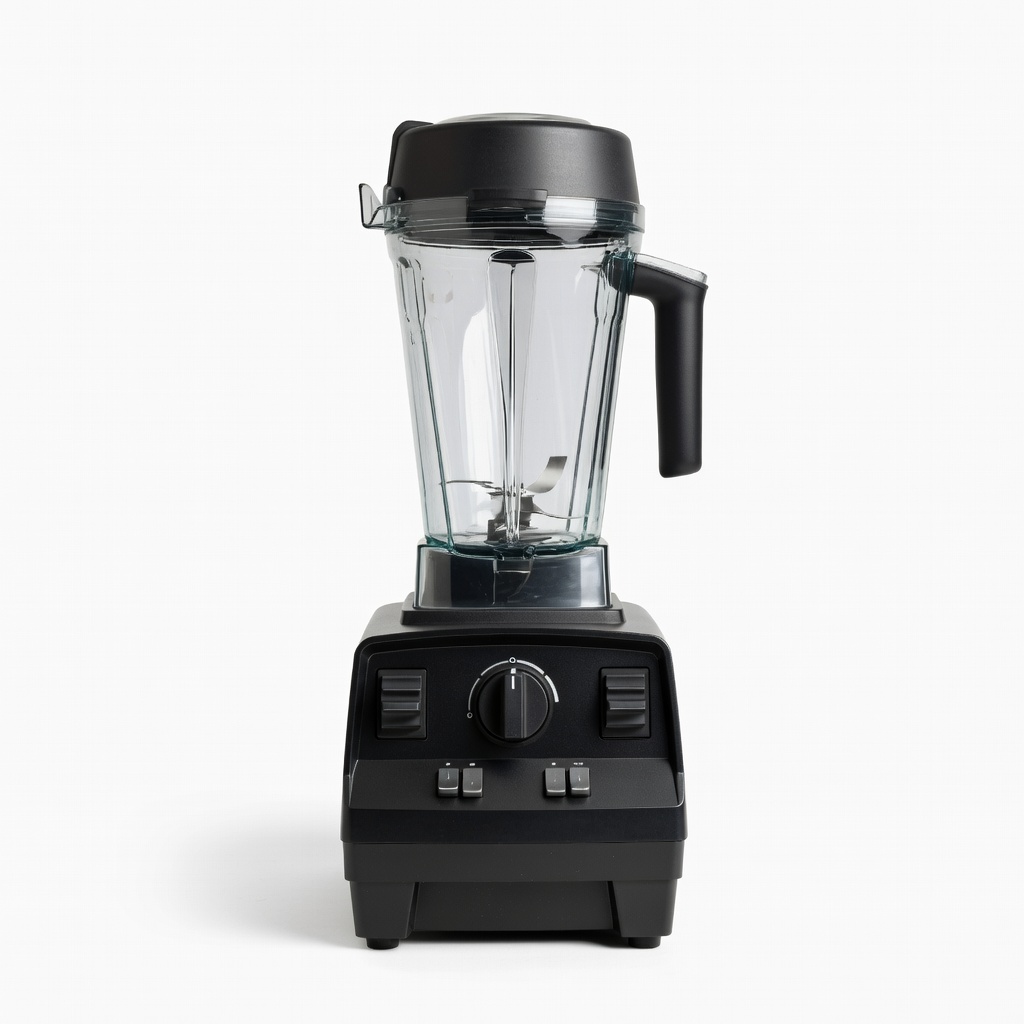
The Vitamix 5200 has been the benchmark for decades, with a powerful motor that pulverizes fibrous greens, hard roots, and frozen fruit into silky-smooth blends. Its simple but effective manual controls give you endless versatility, but the tall 64-ounce container can make it a tight fit under standard upper cabinets.
Main limitation: The tall pitcher can be difficult to store under cabinets, and the motor's noise level is not as low as some newer models.
Skip if: Shoppers with very limited counter space or those who want quiet blending for morning use.
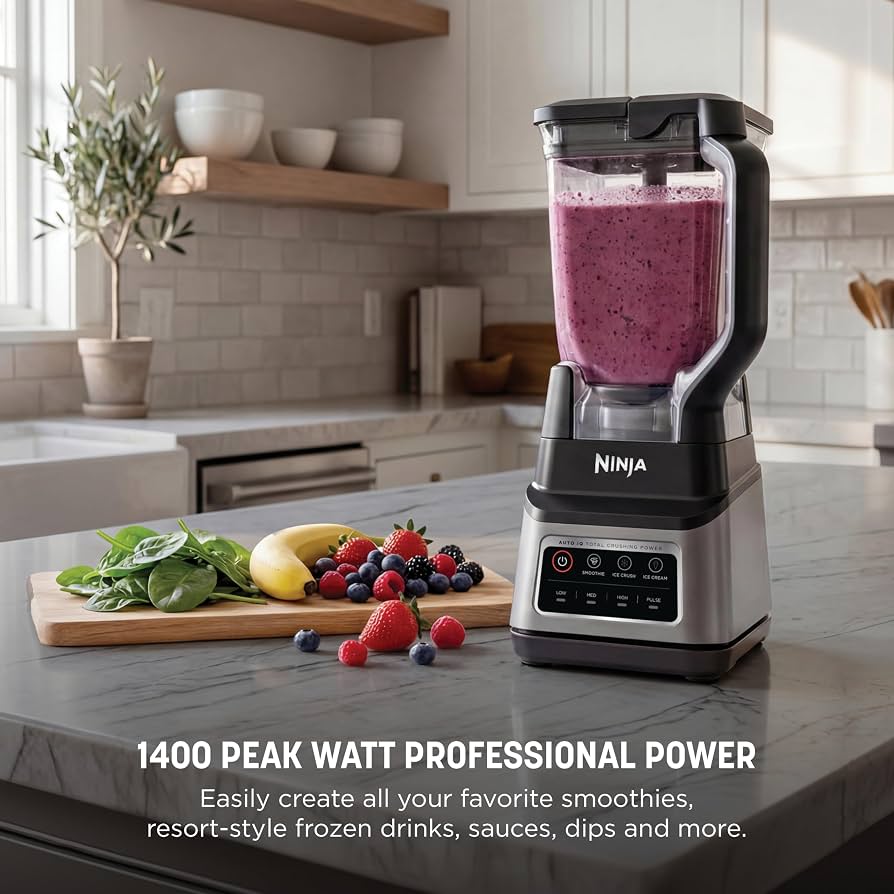
A genuine multitasker for under $150, the Ninja BN701 combines a 1,100-watt motor with a 72-ounce pitcher and single-serve cup. It crushes ice and frozen ingredients reliably, though the plastic jar can scratch and absorb odors over time.
Main limitation: The plastic pitcher is more prone to scratching and staining than glass or Tritan containers from premium brands.
Skip if: Buyers who need silky-smooth purees or very heavy-duty blending for dense batter or nut butters.
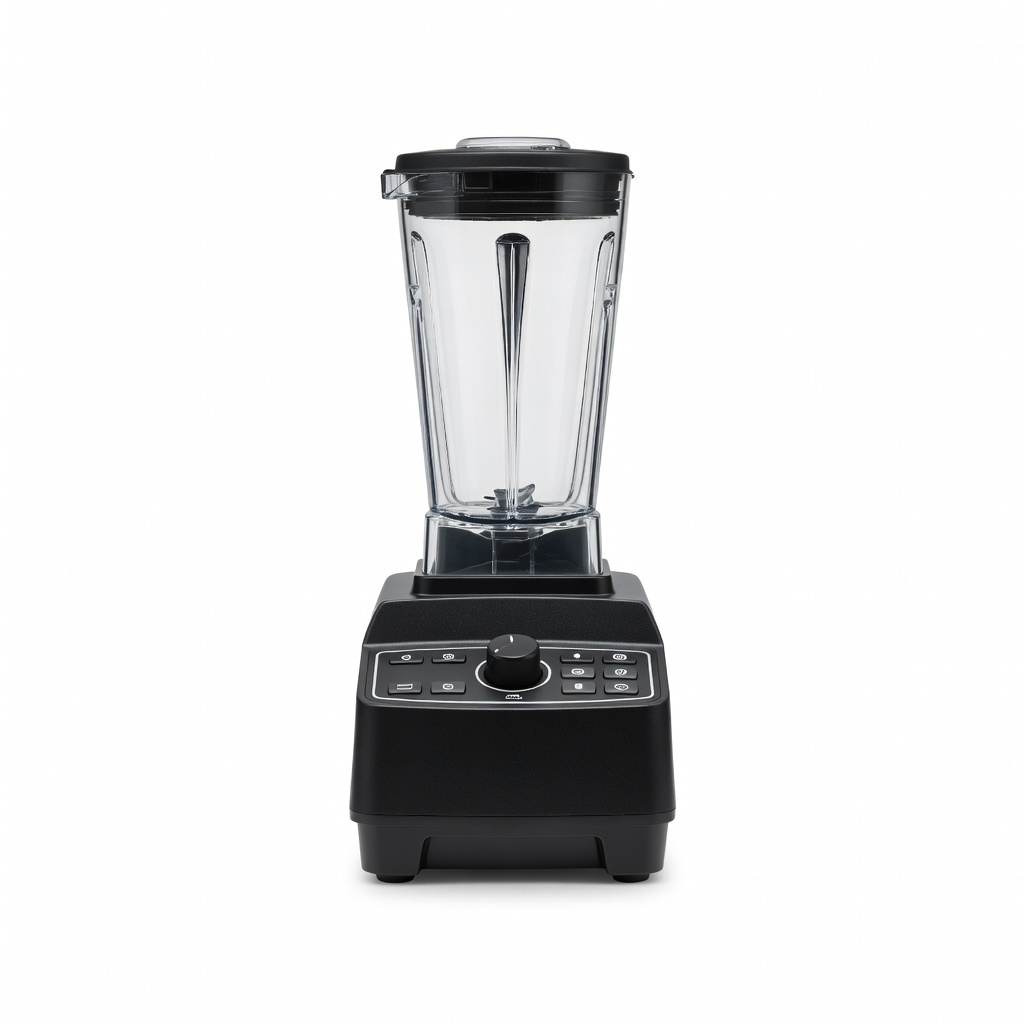
With a 1,560-watt motor and a jar that can handle credit cards (in controlled demos), the Blendtec Total Classic is one of the most powerful consumer blenders available. It powers through nut butter, hot soup, and ice quickly, but the rectangular jar and sealed lid take some getting used to.
Main limitation: The jar shape can make scraping out thick mixtures awkward, and the loud motor may not suit quiet mornings.
Skip if: Those who primarily blend single portions or have a tight budget.
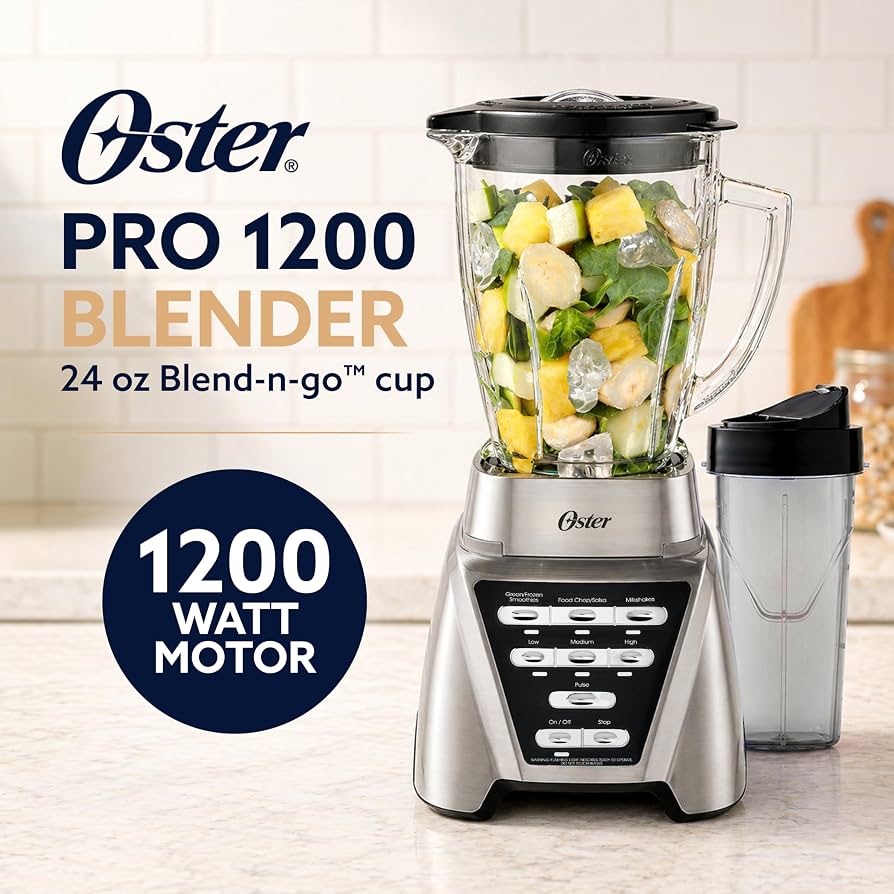
The Oster Pro 1200's stainless steel blade system and 1,200-watt motor are specifically designed for crushing ice and frozen ingredients. It chops through full trays without bogging down, but the controls are auto-run only, limiting manual speed adjustments.
Main limitation: Lacks manual speed control, so you cannot fine-tune the texture as you blend.
Skip if: Those who want precise variable-speed blending for pureeing soups or delicate sauces.
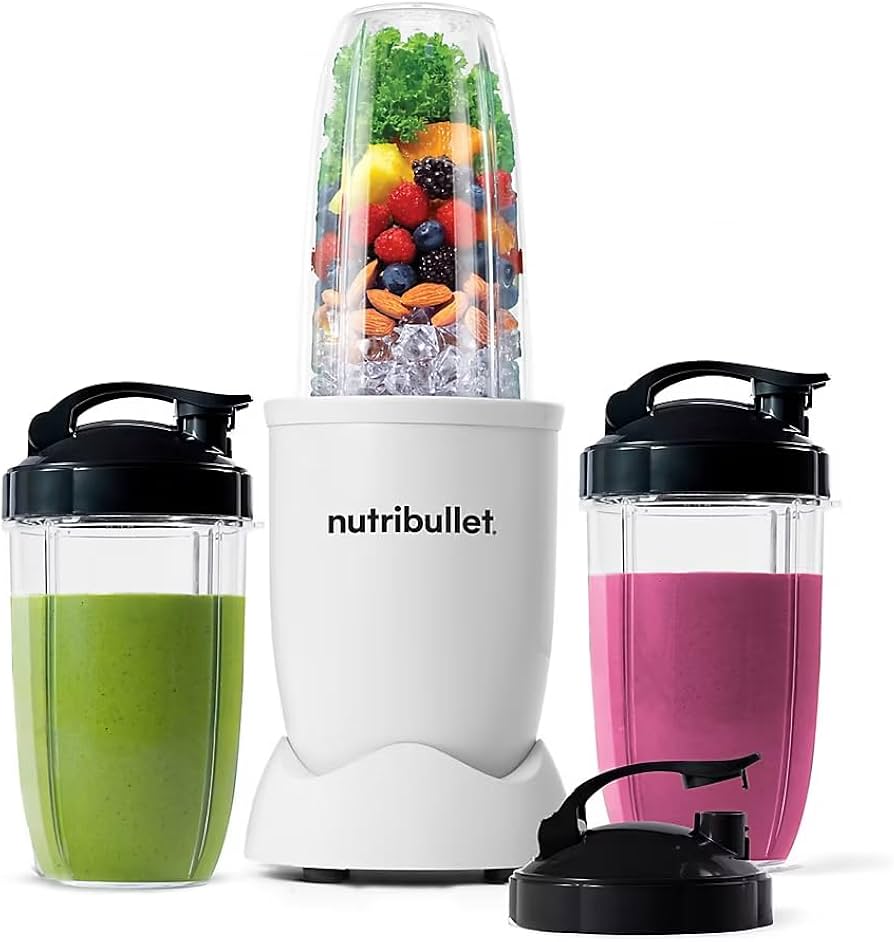
If you mainly blend for one, the NutriBullet Pro 900's 32-ounce cup and travel lid make it the simplest grab-and-go option. Its 900-watt motor handles soft and fibrous ingredients without issue, but the cup is not ideal for large batches or thick mixtures.
Main limitation: The tall cup is narrow, making spooning thick ingredients in and out cumbersome; also not for large batches.
Skip if: Households of multiple people or anyone who needs to blend for more than two servings at once.
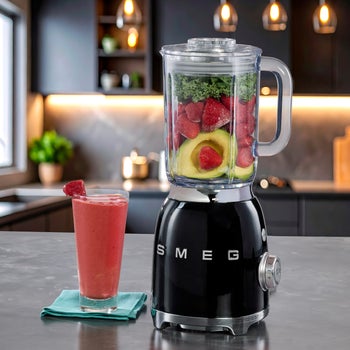
The Smeg Retro Blender turns an appliance into a statement piece, with candy-colored finishes and a polished die-cast aluminum body. Its 45-ounce glass jar and motor are solid for everyday blending, though the 800-watt motor is less powerful than premium models.
Main limitation: Performance is mid-tier for the price, and the base is heavy and larger than typical blenders.
Skip if: Performance-forward users who need serious horsepower for daily green smoothies.
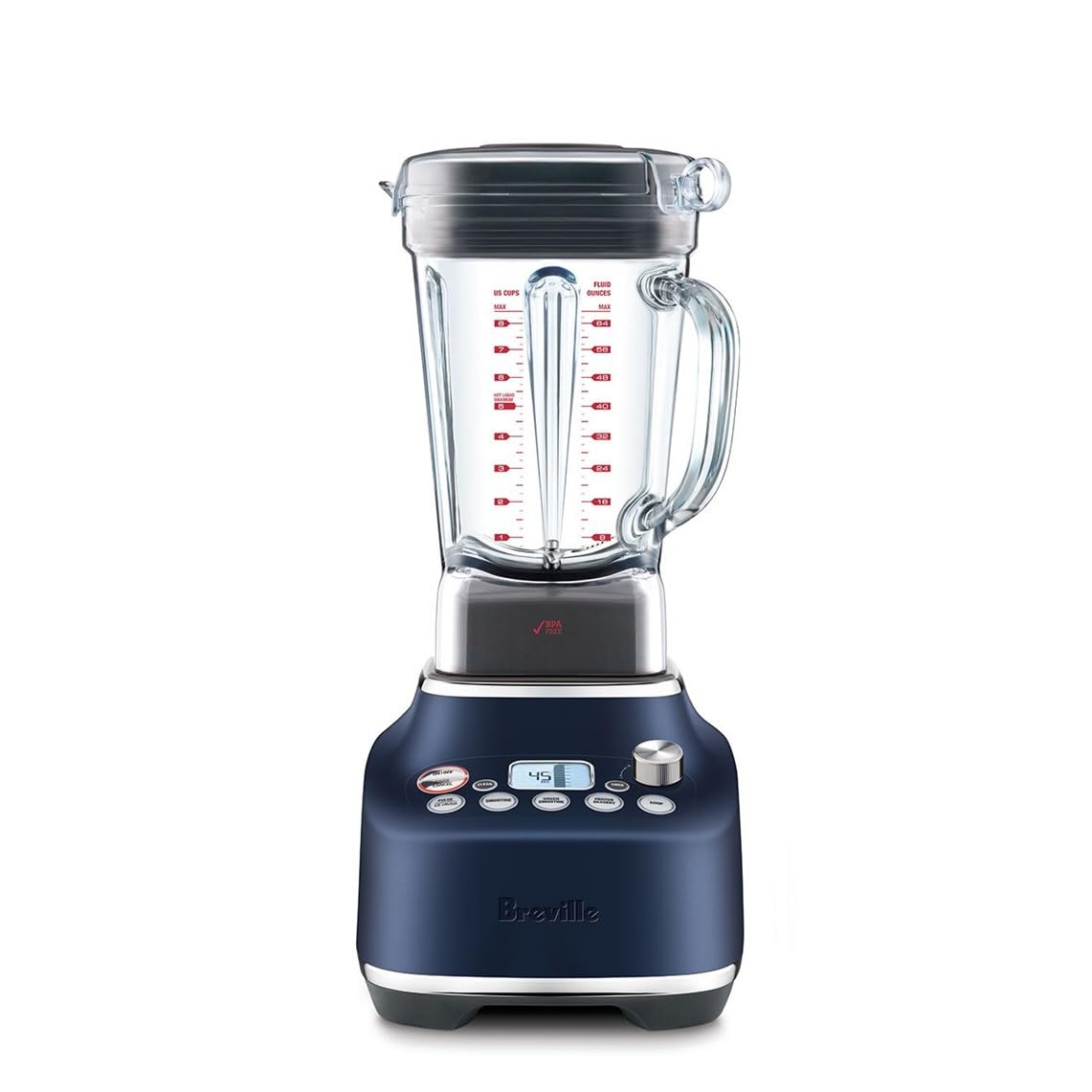
The Breville Super Q offers a 68-ounce capacity and 1,400-watt motor, making it the go-to for large family breakfasts or batch cooking. It produces unusually smooth blends and includes pre-set programs, but the price and footprint are substantial.
Main limitation: Considerably more expensive than most competitors, and its intuitive controls may not justify the jump for occasional blenders.
Skip if: Singles or couples who rarely blend for crowds.
Compare key specs and features of all our recommendations side-by-side
| Product | Recommendation | Rating | Price |
|---|---|---|---|
Vitamix 5200 Blender Rank #1 | 🏆 Top Pick | 9.2/10 | $430–$500 Check current price → |
Ninja Professional Plus Kitchen System BN701 Rank #2 | 💰 Budget Pick | 8.2/10 | $90–$130 Check current price → |
Blendtec Total Classic Original Blender Rank #3 | ⭐ Editor's Choice | 8.8/10 | $300–$380 Check current price → |
Oster Pro 1200 Blender with One-Touch Controls Rank #4 | — | 7.8/10 | $60–$100 Check current price → |
NutriBullet Pro 900 Series Blender Rank #5 | — | 7.6/10 | $70–$90 Check current price → |
Smeg Retro Blender 50's Style (SMF02) Rank #6 | — | 7.4/10 | $180–$220 Check current price → |
Breville Super Q Blender BBL920 Rank #7 | — | 8.4/10 | $480–$550 Check current price → |
Common questions buyers have about this category.
For basic fruit smoothies and protein shakes, a 600- to 900-watt motor is sufficient. To consistently crush ice, grind whole seeds, or make nut butters, look for at least 1,000 watts, ideally 1,200 watts or more. Remember that motor efficiency, blade shape, and pitcher design can sometimes do more for performance than raw wattage.
High-speed blenders typically run at faster RPMs (20,000+ vs. 12,000-15,000) and have larger, sturdier motors. They create the powerful vortex needed to push frozen fruit and fibrous vegetables down into the blades, producing a smoother result with less need for stopping and stirring. Standard blenders work fine for soft ingredients, but they may leave chunks in green smoothies or coarse ice.
Yes, many premium blenders heat soup through friction: the motor spins so fast that the soup becomes hot enough to steam in about 6-8 minutes. Budget blenders can't do this without a separate kettle; you'll need to heat soup on a stove first, then blend it. Check whether the container is rated for hot liquids if you plan to blend just-prepared soup.
Once every use, fill the jar halfway with warm water, add a drop of dish soap, put the lid on, and run the blender on high for 30 seconds to an hour (depending on the machine). Rinse thoroughly. For stuck-on residue, let the same warm soapy mixture sit for 15 minutes before the cycle. Avoid submerging the motor base; only wash the jar and lid by hand or on the top rack of the dishwasher if marked as dishwasher-safe.
If you blend smoothies or soups nearly every day, yes: higher-end motors and blades maintain performance for years, and they can handle thicker, heavier mixtures without straining. However, a budget blender will do fine for occasional use. Consider the total cost of ownership—a $200 blender that lasts a decade ends up cheaper than replacing a $60 one every two years.
Most blenders can handle a cup of ice once or twice, but not all can continuously process a full tray without dulling the blade or overheating the motor. If you frequently make frozen cocktails or smoothies with lots of ice, purchase a model with at least 1,000 watts and either a 'crush ice' setting or a robust stainless-steel blade. Check forums for user reports on ice performance before buying.
A single-serve blender like the NutriBullet Pro 900 is convenient because it uses the same cup as the blending jar—you add ingredients, blend, and take the cup with you. The catch is capacity: most single-serve cups hold 24 to 32 ounces, so they’re fine for one person, but not for multiple smoothies at once. If you often have batches, look for a model that offers both a large pitcher and a single-serve cup.
Products we evaluated but did not recommend — and why.
