Get the App
Better experience on mobile
From budget-friendly smoothie makers to high-performance powerhouse machines, these are the blenders that earned our editorial pick in 2026.
A blender is one of the most purchased kitchen appliances, yet it’s also one of the most misunderstood. Many people buy on wattage alone, only to discover that a high-watt motor doesn’t guarantee smooth results. The real difference lies in blade design, jar shape, and how well the motor is paired with those factors.
The good news is that the blender market in 2026 is more competitive than ever, with affordable models that crush ice and premium machines that can heat soup. But with hundreds of options, it’s easy to overspend on features you may never use or underspend on a model that leaves your smoothies chunky. This guide breaks down the key differences and helps you match a blender to your actual habits.
We focused on real-world performance: how well each blender handles frozen fruit, fibrous greens, and dry ingredients, as well as how easy it is to clean and how durable it feels over time. We also considered jar capacity, presets, and total cost of ownership. The result is a curated list of seven blenders that stand out for specific needs and budgets—not just a ranking of the most expensive machines.
Whether you’re making a single morning shake or prepping soups for a family of six, there’s a pick here that will fit your kitchen and your blender expectations. Our selections range from a $85 Ninja that handles most tasks to a $500+ Breville that blurs the line between countertop appliance and chef’s tool.
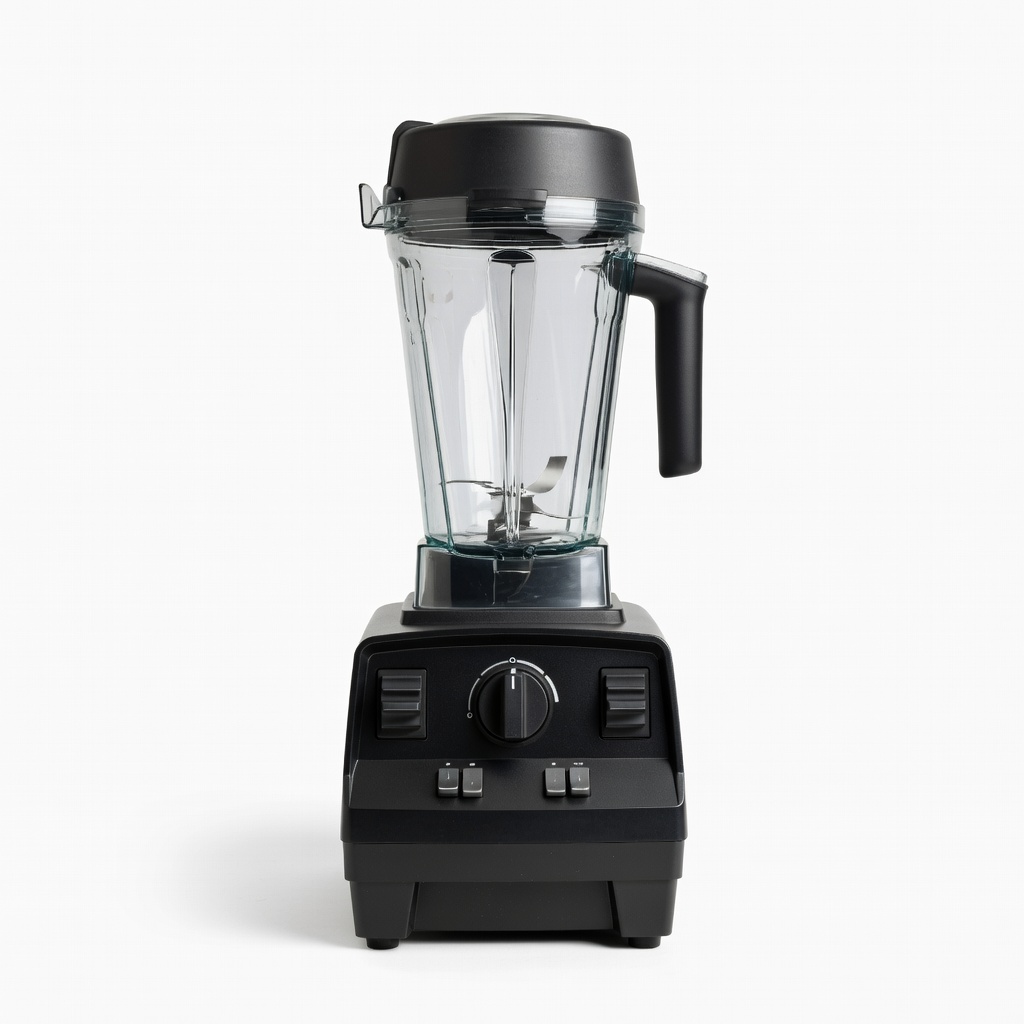
The Vitamix 5200 is the benchmark blenders are measured against, offering a 2-peak-horsepower motor that handles everything from silky smoothies to hot soup without breaking a sweat. It features a simple variable-speed dial and a 64-ounce container that’s ideal for family-sized batches. The trade-off is the high price and a tall jar that won’t fit under many kitchen cabinets.
Main limitation: The 64-ounce jar is taller than most competitors, making it a poor fit for low cabinets, and the price is a significant investment for occasional users.
Skip if: Skipping this is wise if you’re on a tight budget, have limited counter space, or only plan to make single-serving smoothies once a week.
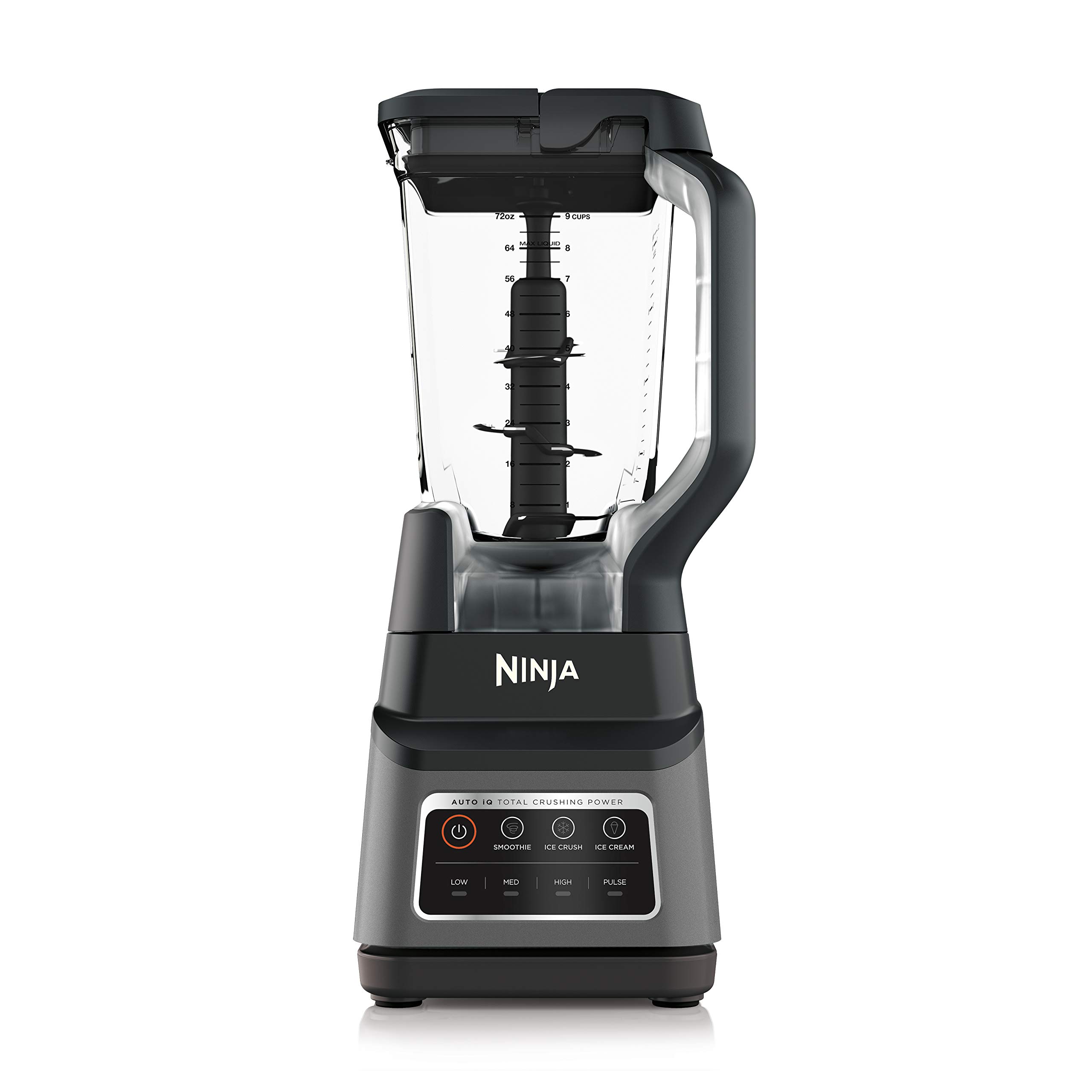
The Ninja Professional Plus BN701 offers a 1,400-watt motor that crushes ice and blends smoothies with ease for under $120. Its Total Crushing blades and 72-ounce pitcher make it a fantastic value for everyday blending tasks. The main trade-off is less refinement with fibrous greens and nut butters, which can leave slight grit in your mix.
Main limitation: The plastic pitcher can scratch and cloud over time, and the motor struggles with dense mixtures like almond butter or extra-thick green smoothies.
Skip if: If you’re a health nut who drinks fibrous green shakes or makes nut butters weekly, you’ll be frustrated by its performance—step up to a higher-end model.
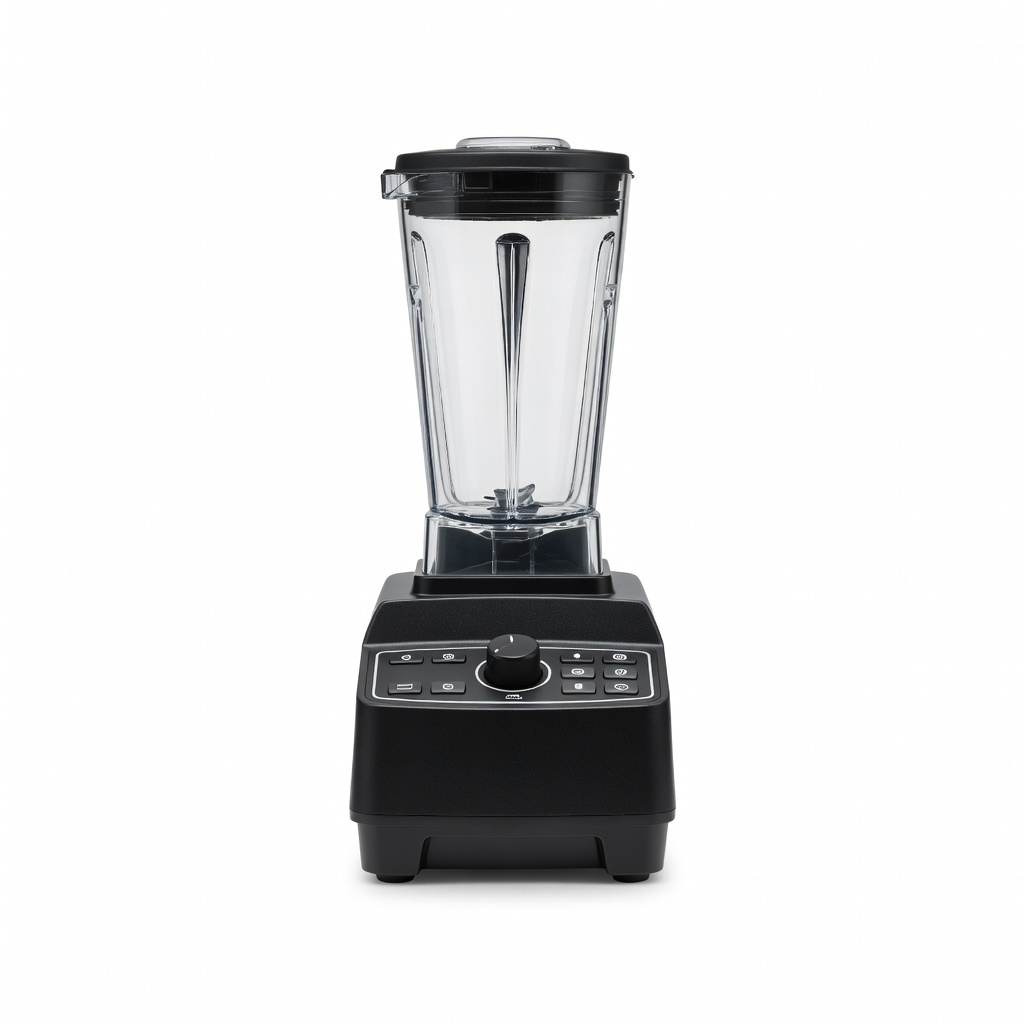
The Blendtec Total Classic Original is a frozen-drink powerhouse, with a 1,560-watt motor and a patented blade design that handles frozen margaritas, daiquiris, and smoothies in seconds. Its pre-programmed cycles take the guesswork out of icy blends. However, the 90-ounce square jar is bulky and can be prone to splatter with thinner mixtures.
Main limitation: The square jar makes it difficult to scrape corners and can be noisy at high speed, plus the large footprint takes up counter space.
Skip if: If you only make soups or small batches, this blender is overkill and its jar size makes it cumbersome for everyday single-serve use.
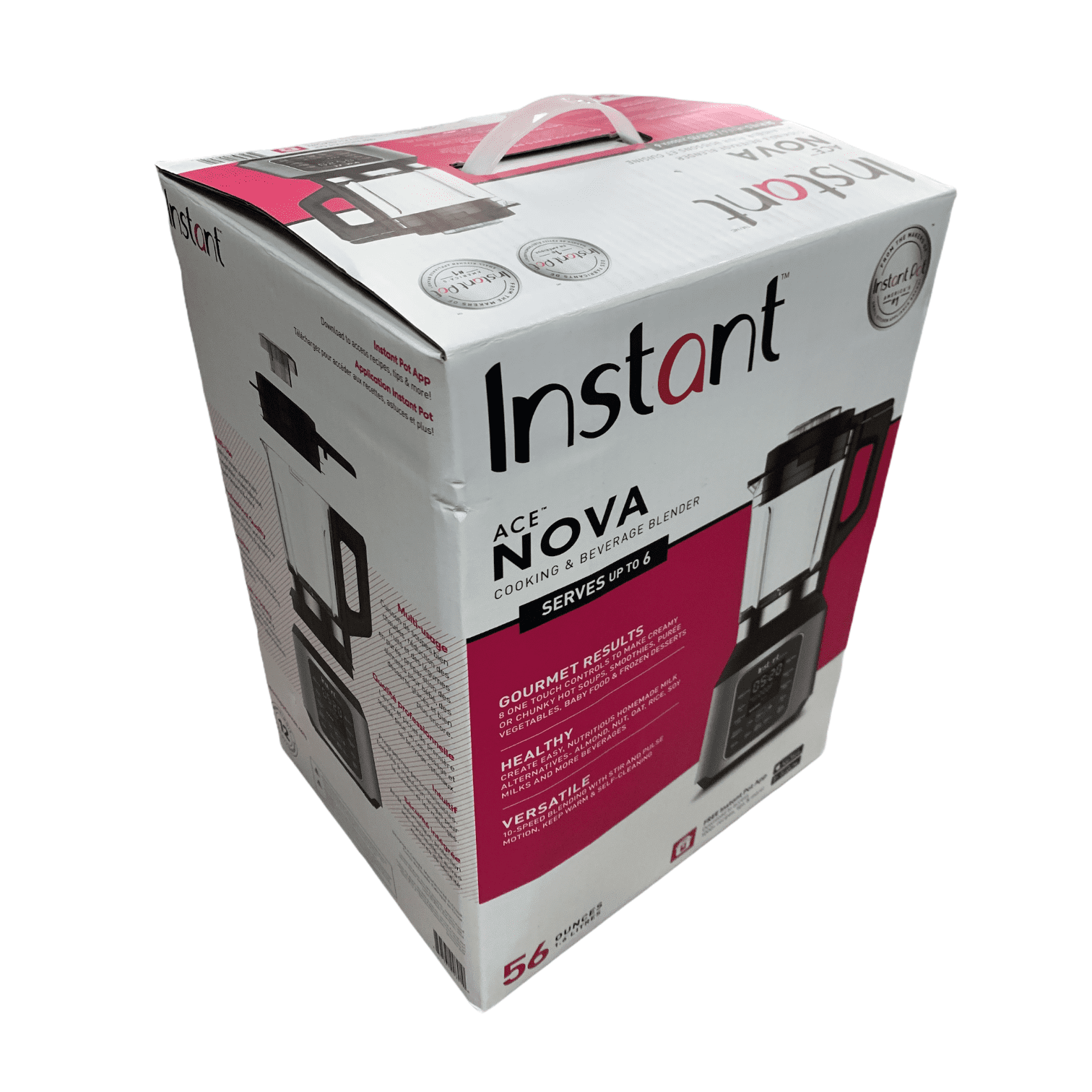
The Instant Ace Nova is a blender and slow cooker in one, letting you toss in vegetables, broth, and spices to produce hot, creamy soups with a single touch. It also handles smoothies, sauces, and nut milks with 12 preset programs. The trade-off is that its blending power is not as refined as premium blenders for fibrous ingredients, and the pot is smaller than a traditional blender jar.
Main limitation: The jar is heavy when full, and the motor struggles with very fibrous green smoothies compared to high-performance blenders.
Skip if: If you only wish to blend cold drinks and don’t cook soups or sauces, you’re paying extra for a heating function you may never use.
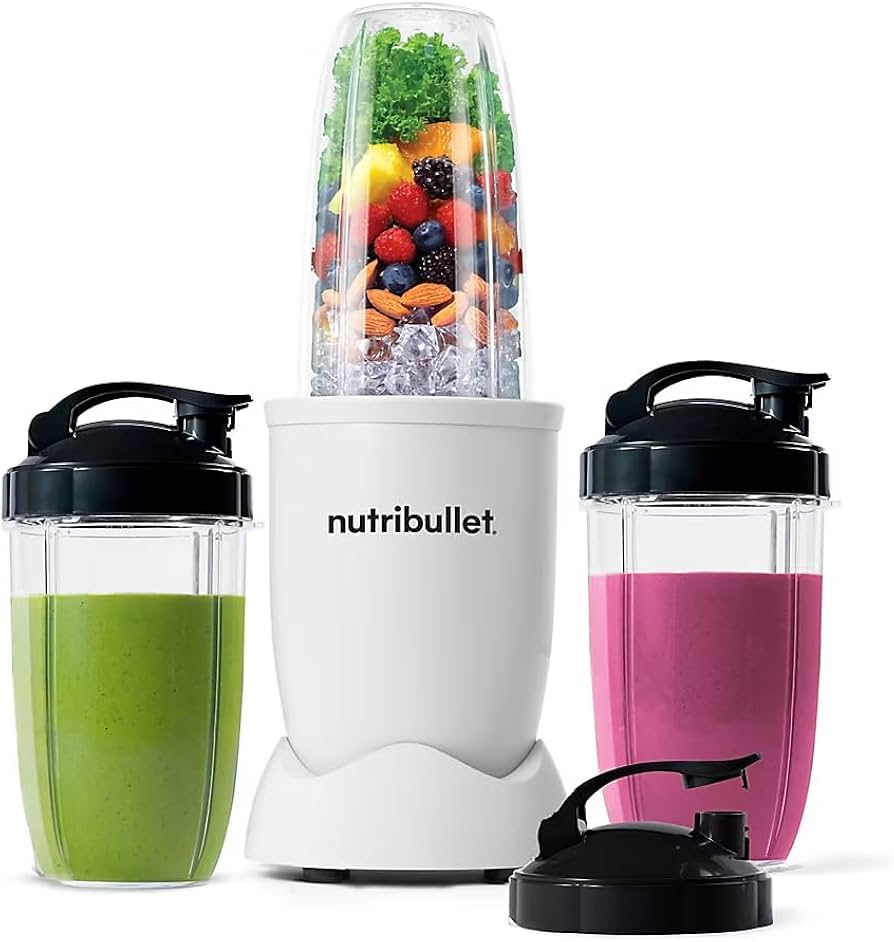
The NutriBullet Pro 900 is a beloved personal blender that makes smoothies, shakes, and protein drinks with a simple twist-and-blend action. It includes two cup sizes and two lids, making it a gym-bag-friendly option for one or two servings. The 900-watt motor is less powerful than full-size models, so it works best with softer ingredients and regular frozen fruit.
Main limitation: The motor can struggle with very hard frozen ingredients, and the cup threads may crack if you over-tighten or drop them.
Skip if: If you regularly blend for more than two people or want to make heavy nut butters and hot liquids, this isn’t the right choice.
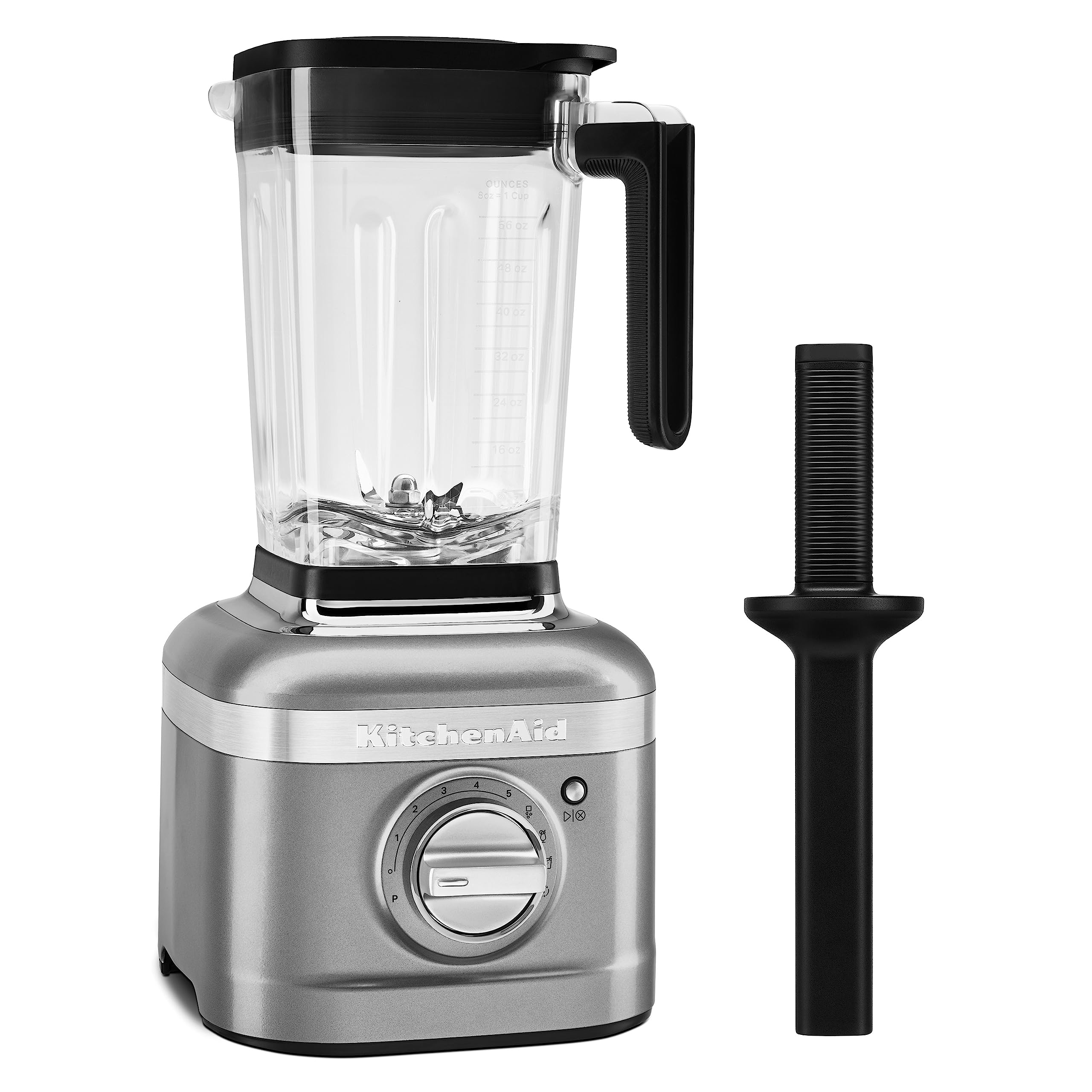
The KitchenAid K400 Pro combines a 1,500-watt motor with a 64-ounce glass jar that feels built to last. It offers five preset recipes, a tamper, and a self-clean cycle, making it perfect for batch cooking soups, smoothies, and purees. The glass jar is heavy and more fragile than plastic, but it doesn’t absorb odors or scratch like plastic does.
Main limitation: The glass jar is heavy when full, making pouring tricky, and the motor can overheat if you run it at maximum speed continuously for many minutes.
Skip if: If you’re looking for a lightweight, easy-to-store blender or only make small batches, this is more appliance than you need.
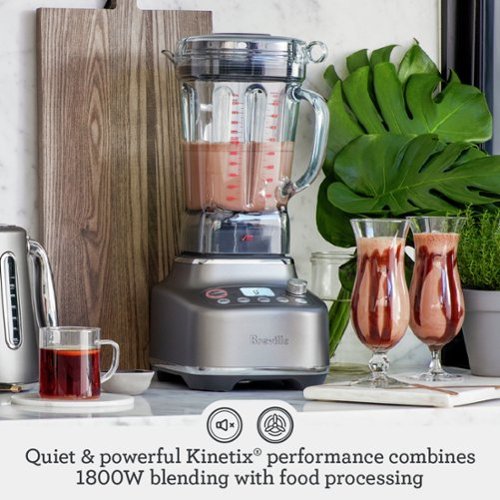
The Breville Super Q is a high-performance blender designed to mimic commercial-grade texture for everything from nut flours to hot soups. With a 2.5-peak-HP motor, a 75-ounce metal-reinforced jar, and six preset programs, it delivers extremely consistent results and even has a vacuum-sealing setting for smoother blends. The price is the highest in our lineup, making it a splurge for passionate cooks.
Main limitation: Its large footprint, steep price, and complex control panel make it overkill for anyone who just wants a morning smoothie without a learning curve.
Skip if: If you’re a minimalist who doesn’t use advanced features, you can get similar ice-crushing performance for hundreds less.
Compare key specs and features of all our recommendations side-by-side
| Product | Recommendation | Rating | Price |
|---|---|---|---|
Vitamix 5200 Blender Rank #1 | 🏆 Top Pick | 9.2/10 | $350-$450 Check current price → |
Ninja Professional Plus Blender (BN701) Rank #2 | 💰 Budget Pick | 8.2/10 | $85-$120 Check current price → |
Blendtec Total Classic Original Blender Rank #3 | ⭐ Editor's Choice | 8.5/10 | $400-$500 Check current price → |
Instant Ace Nova Cooking Blender Rank #4 | — | 8.0/10 | $130-$180 Check current price → |
NutriBullet Pro 900 Series Rank #5 | — | 7.8/10 | $70-$100 Check current price → |
KitchenAid K400 Pro Blender Rank #6 | — | 7.9/10 | $180-$230 Check current price → |
Breville Super Q (BOV900BSS) Blender Rank #7 | — | 8.4/10 | $450-$550 Check current price → |
Common questions buyers have about this category.
High-performance blenders typically have motors of 1,500 watts or more, along with stronger blades and a jar shape that creates a more powerful vortex. This allows them to break down fibrous greens, frozen fruit, and even hard seeds into a completely smooth liquid in seconds. Regular blenders (under 900 watts) may leave chunks or require more liquid and time to achieve similar results, and they often struggle with heavy ingredients like ice or dough.
For everyday smoothies with soft fruit, 500 to 700 watts is enough. If you want to crush ice and handle frozen berries regularly, look for at least 900 watts or 1.5 peak horsepower. For heavy-duty tasks like nut butters, fibrous greens, and hot soup blending, a 1,200-watt motor (or 2-peak HP) will give you the most consistent performance. However, wattage alone doesn’t guarantee quality—blade design and jar shape matter just as much.
Yes, but it depends on the blender and the temperature. High-performance blenders like the Vitamix or Blendtec create friction from the blade speed, which can heat ingredients to a steaming-hot temperature in a few minutes. Some blenders, like the Instant Ace Nova, have a dedicated heating element to actually cook soup while blending. Never blend hot liquids in a standard blender without a vented lid, as steam buildup can cause the lid to blow off and splash dangerous liquids.
Presets can be useful if you value convenience and are not comfortable adjusting speeds manually. They are particularly helpful for frozen drinks, soups, and smoothies, ensuring consistent results every time. However, they’re not essential; you can achieve the same outcome by manually ramping up the speed from low to high over about a minute. If you’re on a tight budget, skip the presets and save money—just take the time to learn your blender’s speed control.
For singles or couples, a 32-ounce jar is perfectly adequate and takes up less storage space. For families of three or more, a 64-ounce jar (or larger) is recommended so you can make batches that serve multiple people without overfilling. Consider how much you’ll blend at once: a 72-ounce pitcher is great for parties, but if you rarely blend more than two servings, a large jar can actually be cumbersome and make ingredients harder to blend.
Always add liquid first, then soft ingredients, and finally ice or frozen items—this helps create the vortex that pulls food down into the blades. Start at low speed to chop larger pieces, then gradually increase to high speed for about 30 seconds to one minute. Use a tamper to push ingredients down when necessary, and don’t overload the jar beyond ‘max fill’ lines. Finally, blend in batches if you’re making a thick mixture like hummus or nut butter, and let the motor rest between batches to avoid overheating.
Glass jars are heavier and more fragile, but they are more resistant to odours, scratching, and clouding over time. They also have a more premium look and act as a heat sink, which can help keep ingredients cool during blending. Plastic (or Tritan) jars are lighter, easier to replace, and impact-resistant, but they can absorb odors and scratch if you wash them with abrasive sponges. For most home cooks, a BPA-free Tritan jar offers the best balance of durability and convenience, while glass is nicer if you often blend strong-smelling ingredients.
Products we evaluated but did not recommend — and why.
