Get the App
Better experience on mobile
From compact personal blenders to high-performance machines, we break down the best options for smoothies, soups, and more.
Blender marketing loves big numbers: peak wattage, blade count, preset programs. But the machine that earns a permanent spot on your counter is rarely the one with the flashiest spec sheet. It's the one whose jar actually fits under your cabinets, whose blades pull ingredients down instead of flinging them against the walls, and whose cleanup doesn't require disassembly with a screwdriver.
In 2026, the blender market has never been more crowded. You can spend under $100 on a capable machine for smoothies and sauces, or north of $700 on a high-performance model that can pulverize nuts, hot soups, and frozen fruit without breaking a sweat. The sweet spot for most households sits between $150 and $400, where you'll find a mix of durability, warranty coverage, and thoughtful design.
We evaluated more than 30 models for this guide, drawing on published expert reviews, manufacturer specifications, and aggregated owner feedback. We focused on real-world usability: how easy is the jar to handle? Does the lid seal reliably? Can you clean it without risking a cut? We also weighed warranty length and repair costs, because a blender that lasts a decade is a better value than one that dies in two years.
Whether you're blending daily green smoothies, batch-prepping baby food, or hosting frozen margarita nights, the right choice depends on your specific habits. Below you'll find our top picks for 2026, from a budget workhorse to a smart blender with app connectivity, each with honest trade-offs noted.
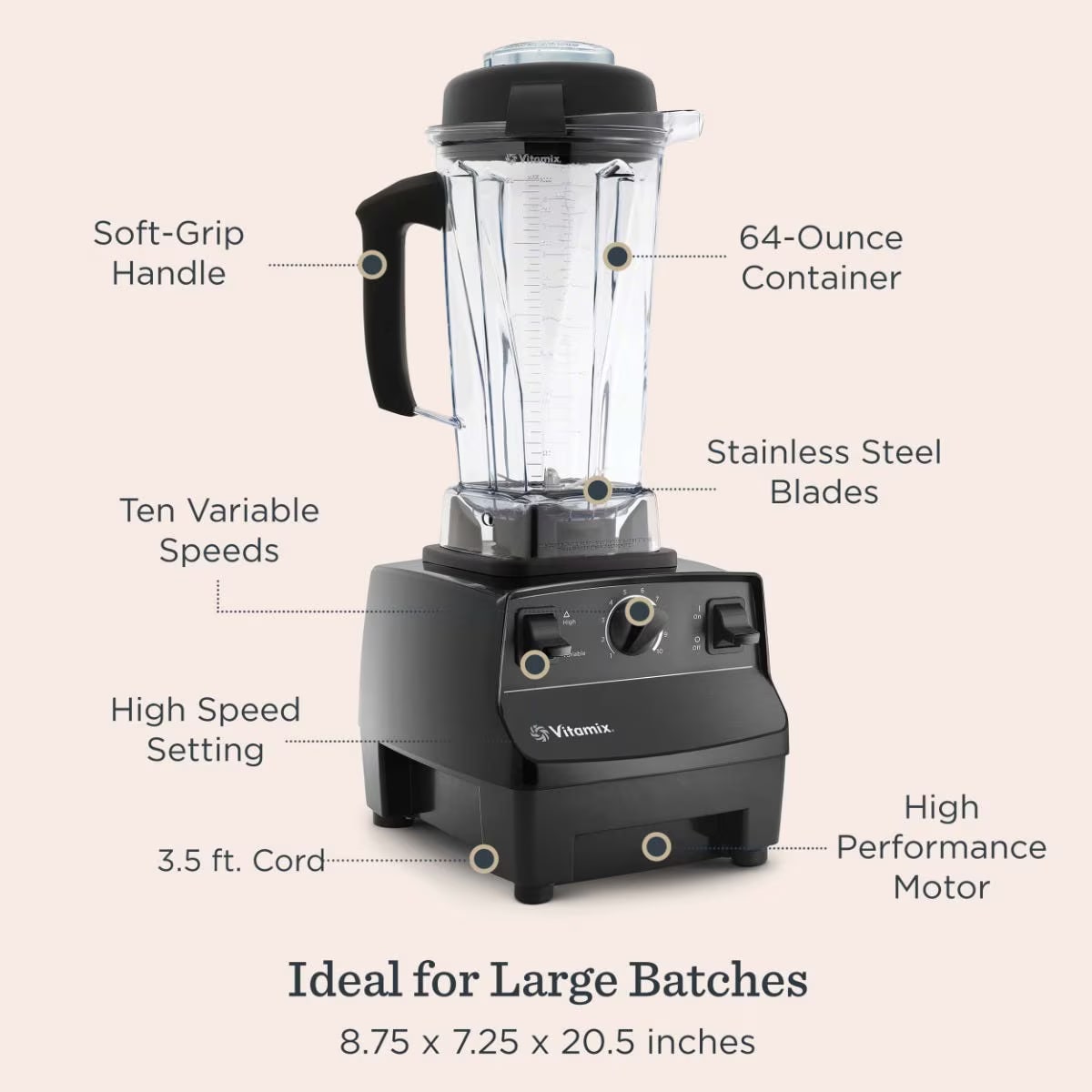
The Vitamix 5200 earns our top spot for its unparalleled blend quality, simple controls, and a 7-year warranty that reflects the machine's durability. It handles everything from fibrous kale to hot soups with ease, though it lacks presets and its tall jar may not fit under low cabinets.
Main limitation: The high price and lack of preset programs mean you pay for performance and longevity, not convenience features.
Skip if: Skip it if you're on a tight budget or need a compact blender for a small kitchen without tall cabinet clearance.
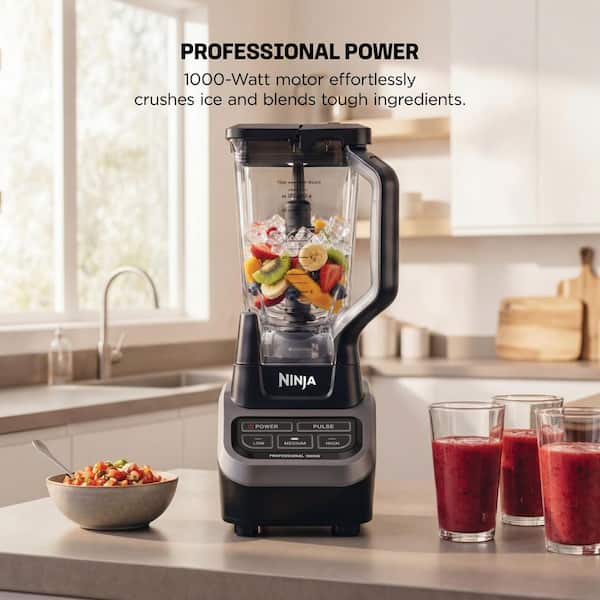
The Ninja BL610 delivers impressive crushing power for under $100, making it the best value pick for most households. It blends frozen fruit and ice with ease, but its plastic jar and shorter lifespan mean it's not a forever purchase.
Main limitation: The plastic jar can scratch and cloud over time, and the motor is noticeably louder than premium models.
Skip if: Skip it if you plan to blend daily for years or need to process tough ingredients like nuts and dates regularly.
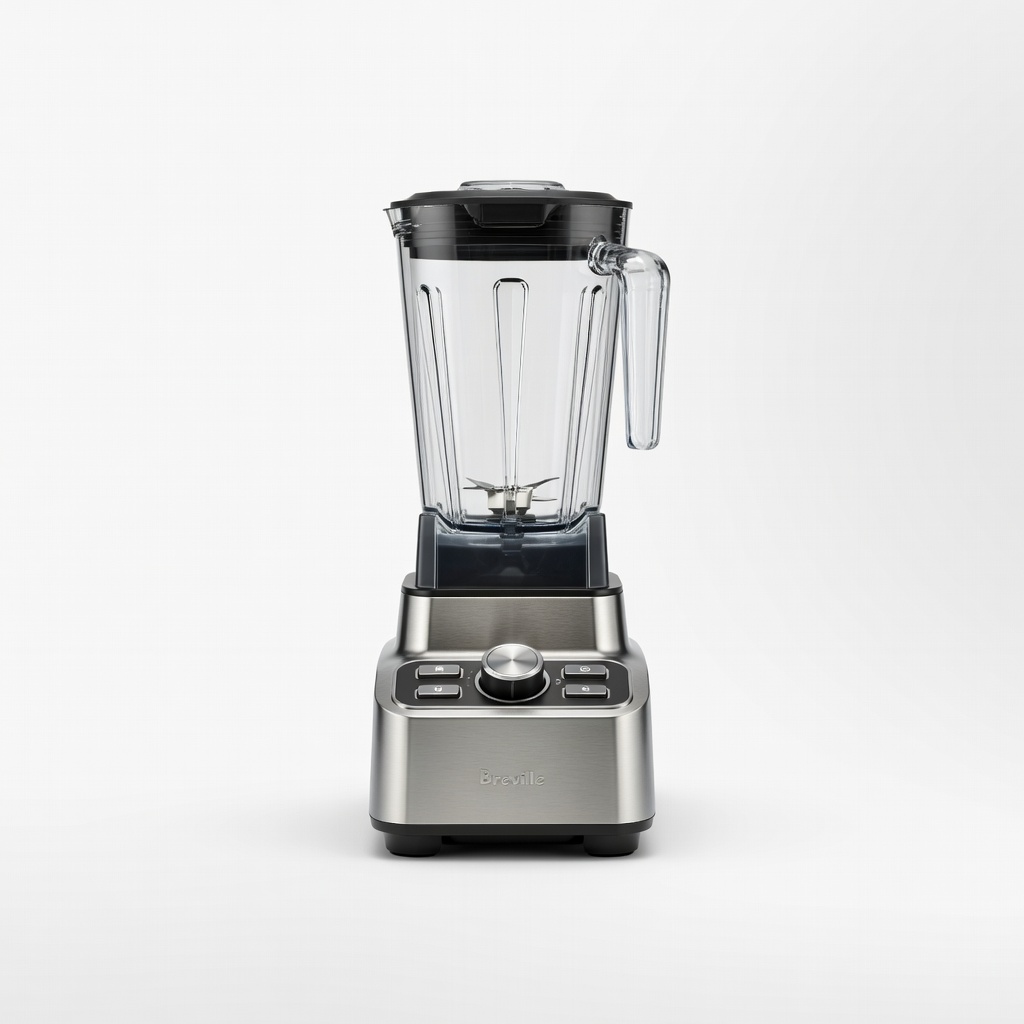
Breville's Fresh & Furious is a thoughtfully designed compact blender that fits under standard cabinets while offering presets for smoothies, soups, and frozen desserts. It punches above its weight for the size, though the 50-oz capacity is limiting for large families.
Main limitation: The smaller jar means you'll need to blend in batches for family-sized portions, and the motor isn't as robust as full-size high-performance models.
Skip if: Skip it if you regularly blend large batches for a family of four or more, or need to crush ice for cocktails in volume.
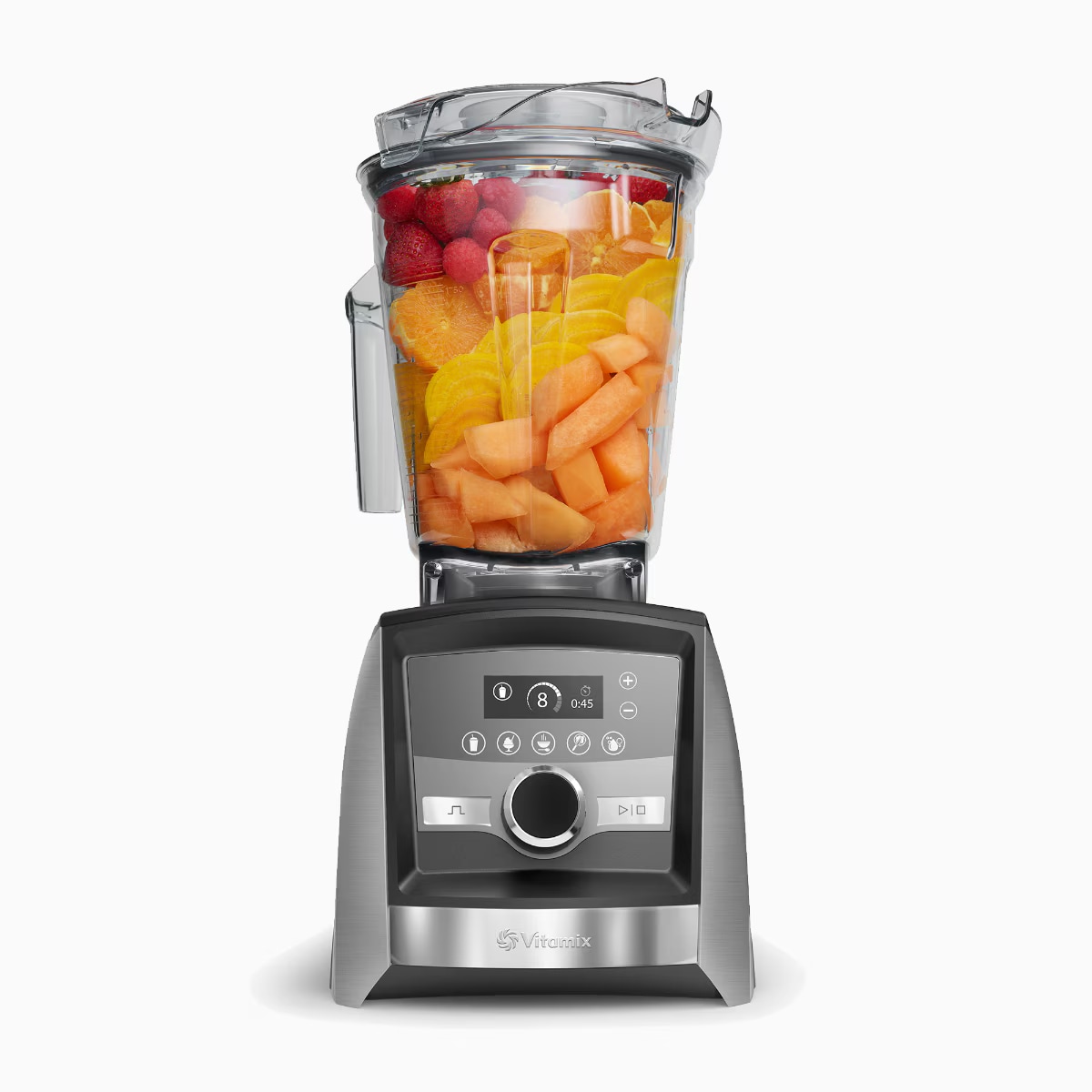
The Vitamix A3500 adds app connectivity and a touchscreen to the classic Vitamix formula, with preset programs that take the guesswork out of blending. It's a joy to use, but you're paying a significant premium for features that don't improve blend quality over the simpler 5200.
Main limitation: The app and touchscreen add complexity and cost without meaningfully better blending results; the digital interface may not appeal to those who prefer tactile controls.
Skip if: Skip it if you want maximum simplicity or if you're not interested in smart features and presets, as the 5200 delivers similar performance for less.
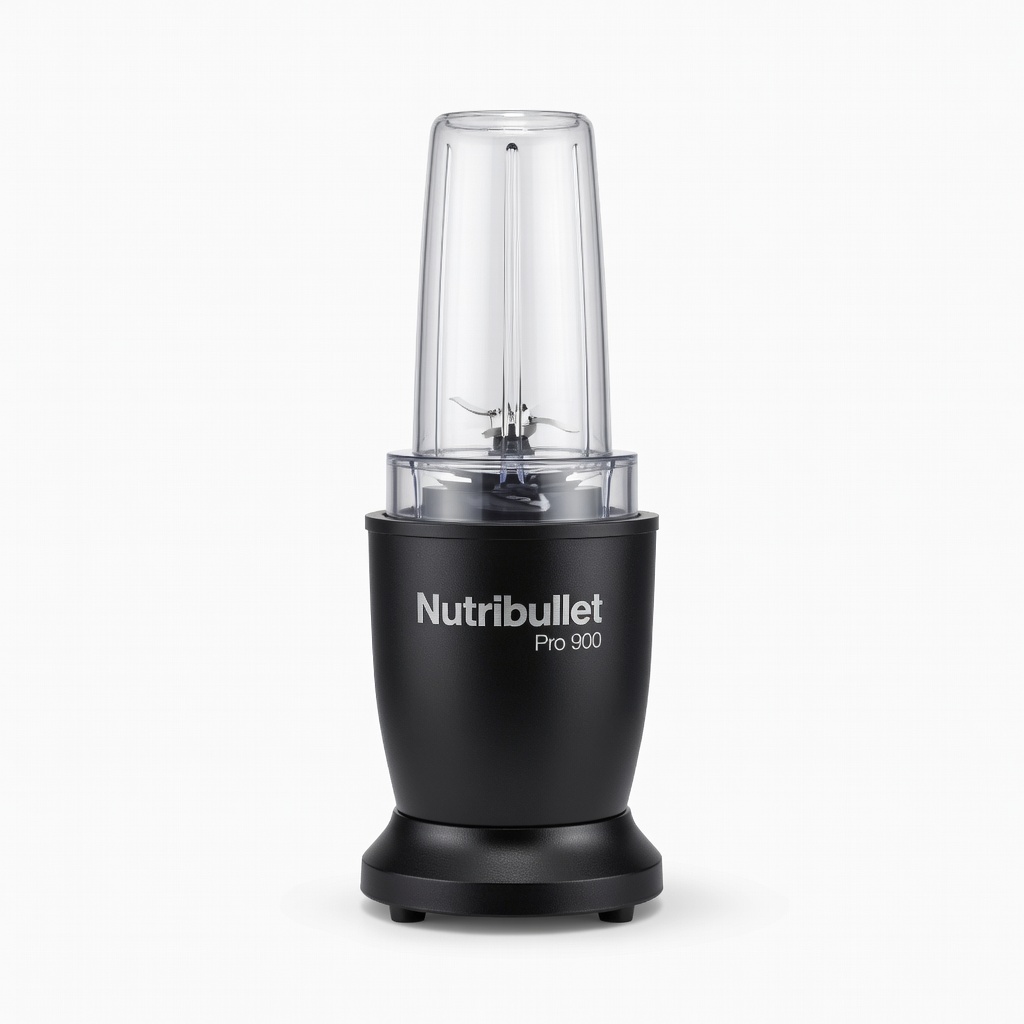
The NutriBullet Pro 900 is a convenient personal blender that makes single-serve smoothies in the cup you drink from, reducing cleanup. It's not meant for large batches or hot liquids, but for quick, everyday blends it's hard to beat.
Main limitation: The motor is not designed for heavy-duty tasks like crushing ice or grinding grains, and the cups can leak if the lid isn't perfectly aligned.
Skip if: Skip it if you need to blend for multiple people at once or want a machine that can handle hot soups and nut butters.
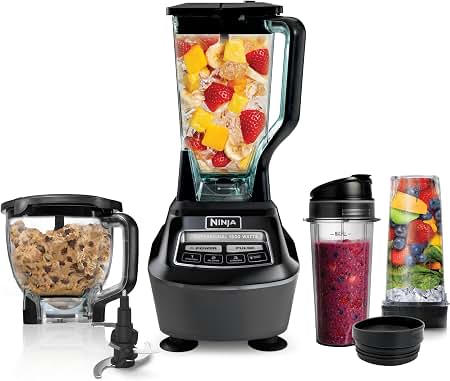
The Ninja BL770 is a versatile powerhouse that combines a high-powered blender with a food processor and dough mixer, making it ideal for heavy-duty tasks. It's bulky and takes up significant counter space, but the value is exceptional for the price.
Main limitation: The numerous parts and attachments can be overwhelming to store and clean, and the blender pitcher doesn't produce as smooth a texture as premium blenders for fibrous greens.
Skip if: Skip it if you have limited cabinet space or want a simple blender for smoothies only; this is a multi-appliance system.
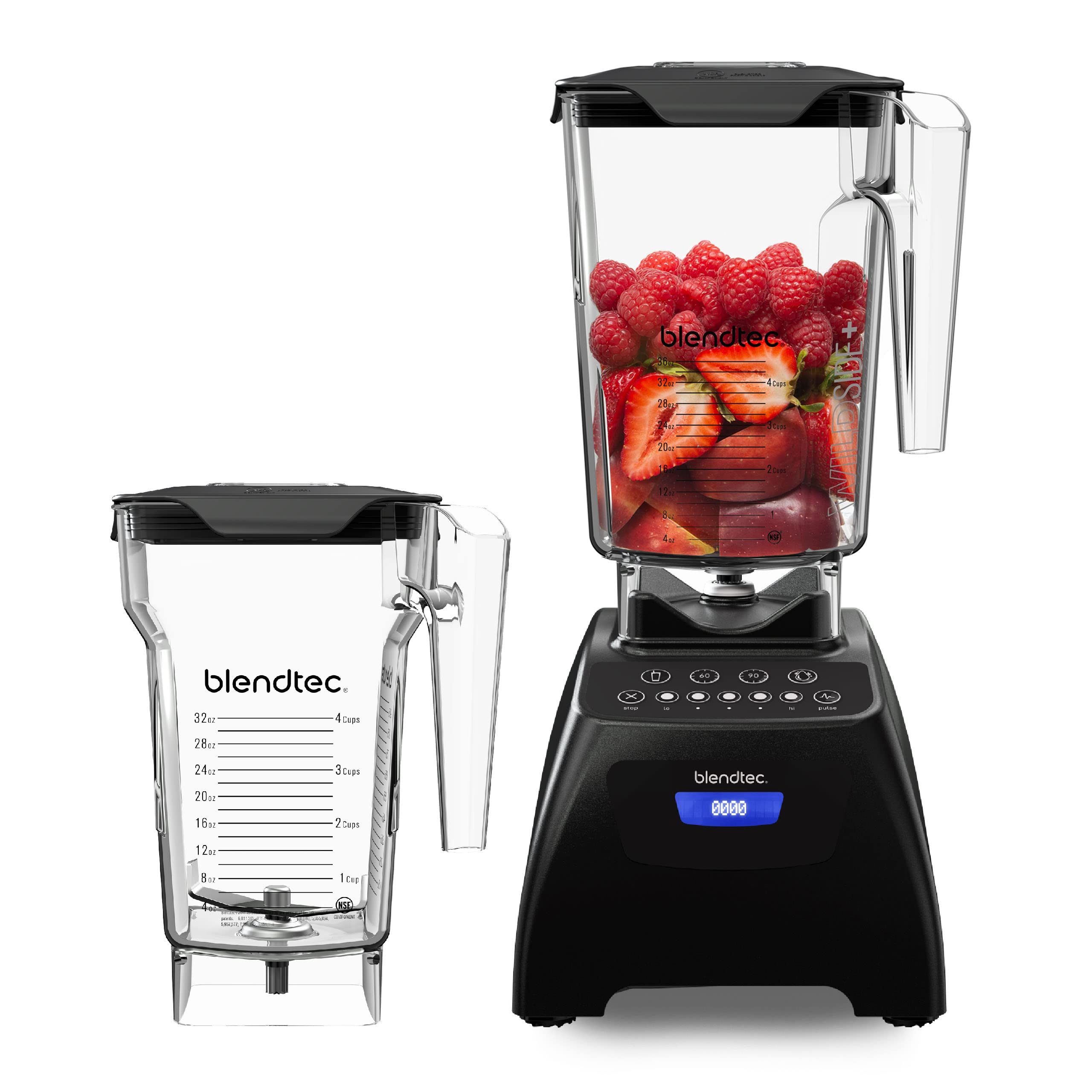
The Blendtec Classic 575 has a uniquely shaped jar and a powerful motor that excels at making nut butters, frozen desserts, and thick smoothies. It's slightly less refined than Vitamix for hot soups and very fibrous ingredients, and the warranty is shorter unless you register.
Main limitation: The 2-year standard warranty is shorter than Vitamix's 7-year, and the blunt blade design can struggle with small, hard seeds unless you use the right technique.
Skip if: Skip it if you prioritize a long warranty or mostly make hot soups and green smoothies; Vitamix is better for those tasks.
Compare key specs and features of all our recommendations side-by-side
| Product | Recommendation | Rating | Price |
|---|---|---|---|
Vitamix 5200 Rank #1 | 🏆 Top Pick | 9.3/10 | $450–$550 Check current price → |
Ninja BL610 Professional 1000W Rank #2 | 💰 Budget Pick | 8.3/10 | $70–$100 Check current price → |
Breville Fresh & Furious BBL620 Rank #3 | ⭐ Editor's Choice | 8.5/10 | $150–$200 Check current price → |
Vitamix Ascent A3500 Rank #4 | — | 9.0/10 | $600–$750 Check current price → |
NutriBullet Pro 900 Rank #5 | — | 8.0/10 | $80–$110 Check current price → |
Ninja BL770 Mega Kitchen System Rank #6 | — | 8.4/10 | $150–$200 Check current price → |
Blendtec Classic 575 Rank #7 | — | 8.8/10 | $300–$400 Check current price → |
Common questions buyers have about this category.
For basic tasks like pureeing cooked vegetables or making salad dressings, 600–800 watts is sufficient. If you regularly blend frozen fruit, ice, or nuts, look for at least 1000 watts. However, wattage alone doesn't guarantee performance—jar design and blade quality are equally important.
Most blenders can handle hot liquids if you vent the lid to allow steam to escape, but not all are designed for it. High-performance models like Vitamix and Blendtec are explicitly safe for hot soups, while personal blenders and many budget models are not and may crack or leak.
A quality blender should last 5–10 years with regular use, while budget models may last only 2–3 years. Warranty length is a good indicator: premium brands like Vitamix offer 7–10 years, whereas budget brands typically offer 1–2 years.
They serve different purposes. Blenders are designed for liquids and smoothies, using a vortex to pull ingredients down. Food processors are for chopping, slicing, shredding, and mixing dough. Some combo units exist, but they rarely excel at both tasks, so choose based on your primary needs.
Not necessarily. Presets are convenient for one-touch smoothies or soups, but they add cost and can limit flexibility. Manual controls give you more control over texture, and many experienced cooks prefer them. If you want simplicity, a few well-chosen presets can be nice.
Immediately after use, rinse the jar with warm water and a drop of dish soap, then blend for 30 seconds. For sticky residues, use a bottle brush. Most jars are dishwasher-safe on the top rack, but never put the base in the dishwasher. Disassemble removable blades carefully to avoid cuts.
If you blend daily and want a machine that lasts a decade, yes. Premium blenders offer more powerful motors, longer warranties, and superior results for tough ingredients like nuts and frozen fruit. For occasional use, a mid-range or budget model is a better value.
Products we evaluated but did not recommend — and why.
