Get the App
Better experience on mobile
From budget-friendly pitchers to commercial-grade workhorses, these are the blenders that actually earn their countertop space in 2026.
Blenders look like a commodity appliance until you try to crush kale into a smoothie and find a spinning blade full of leafy chunks. The real difference between a $50 blender and a $500 blender isn't just horsepower — it's blade geometry, jar design, and motor cooling under load. Most home cooks overestimate how much hot soup and ice crushing they'll actually do, which leads to buying more machine than they need.
We sifted through current published reviews, manufacturer specs, and verified owner feedback to find the seven blenders that earn a place on a countertop without excuses. Options here range from about $50 to $500, covering everything from occasional smoothies to dedicated green-juice daily drinkers. Each pick is honest about its trade-offs, whether that's noise, counter space, or a higher price tag.
The right blender for you depends on two questions: what will you actually blend, and how often? A personal smoothie blender can be more convenient for one-person households, while a full-size pitcher is essential for feeding a family. We also weighed jar material, tamper usefulness, cleaning ease, and warranty length — factors that often matter more than the spec-sheet maximum wattage.
Our top pick sits above the rest for overall performance, but we've also highlighted budget-friendly alternatives and niche specialists. Whether you want to make hot soup, crush ice, or whipping up daily smoothies, there's a blender here that fits your lifestyle without breaking the bank.
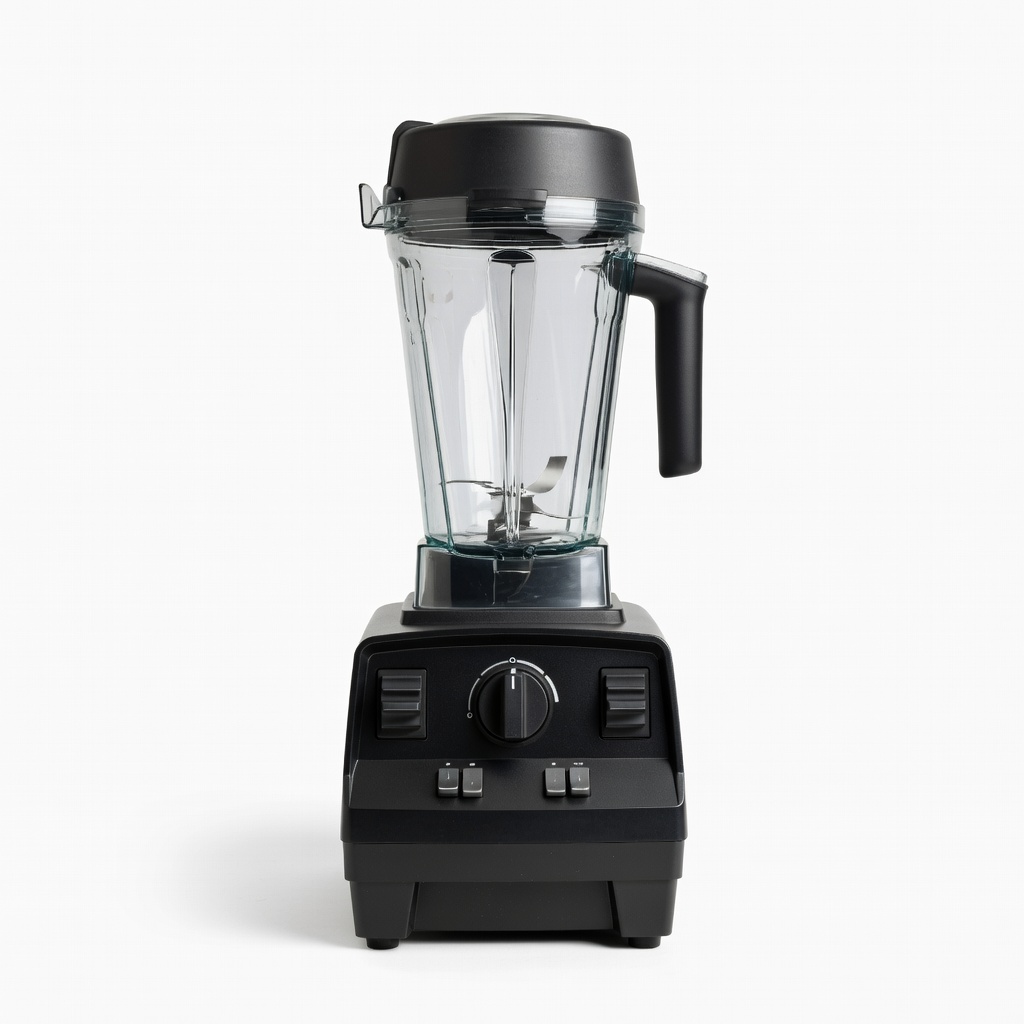
The Vitamix 5200 is the gold standard for smooth, consistent blending across every task, from smoothies to hot soups. Its 2-horsepower motor and stainless steel blades are backed by a 7-year warranty, and the 64-ounce container handles large batches with ease. The trade-off is a premium price and a tall, bulky footprint that dominates the countertop.
Main limitation: It's expensive and bulky, and the lack of preset programs means you'll need to learn the twist-and-pulse technique for perfect results.
Skip if: Budget-conscious buyers who rarely blend more than a daily single-serving smoothie should skip this unless they plan to use it heavily.
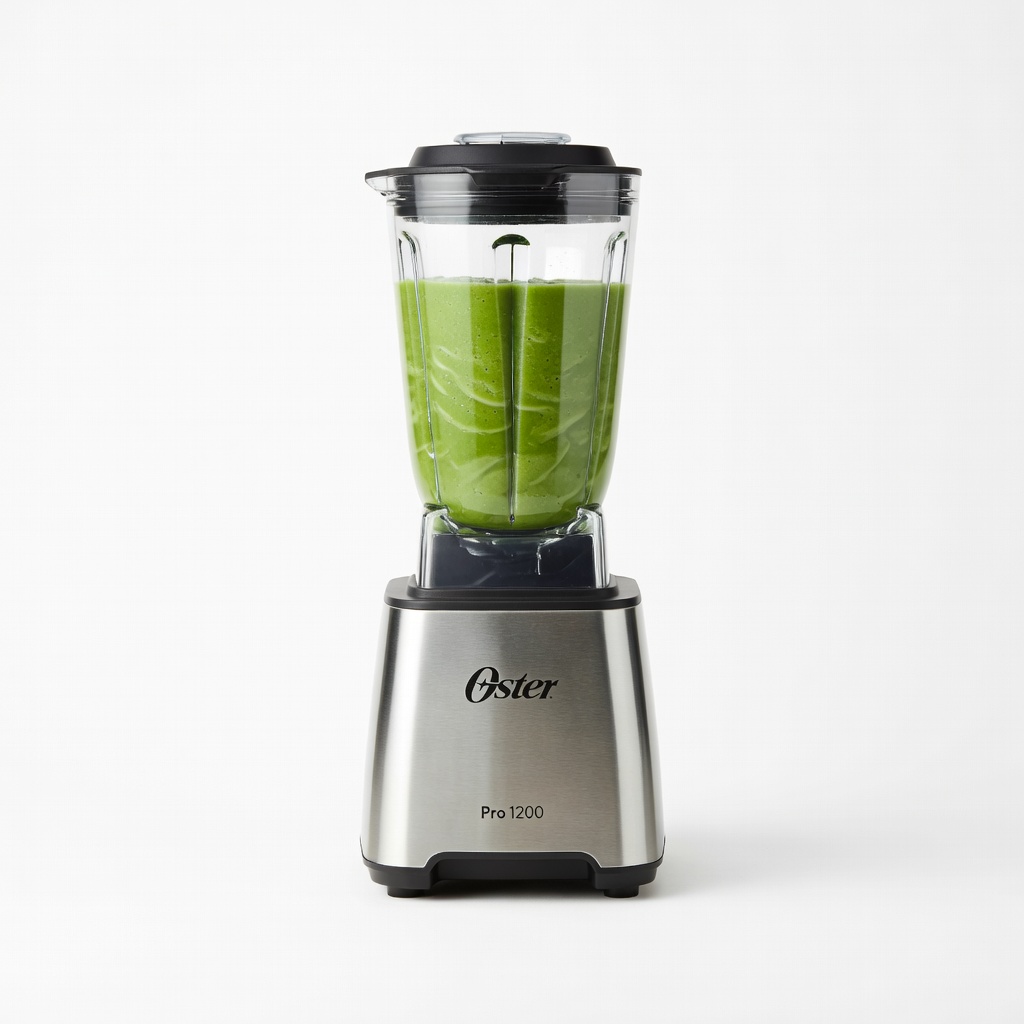
The Oster Pro 1200 delivers reliable mid-power blending for a fraction of the price of high-end machines. With a 1200-watt motor, a 6-cup glass jar, and a metal drive that won't wear out like plastic, it handles frozen fruit and ice with ease. The catch is that the blade design isn't as refined, so you may occasionally need to scrape the sides for thicker blends.
Main limitation: The included plastic tamper feels flimsy, and the motor is louder than higher-priced competitors during heavy loads.
Skip if: Smoothie purists who need perfectly creamy green blends every morning will be happier with a pricier unit.
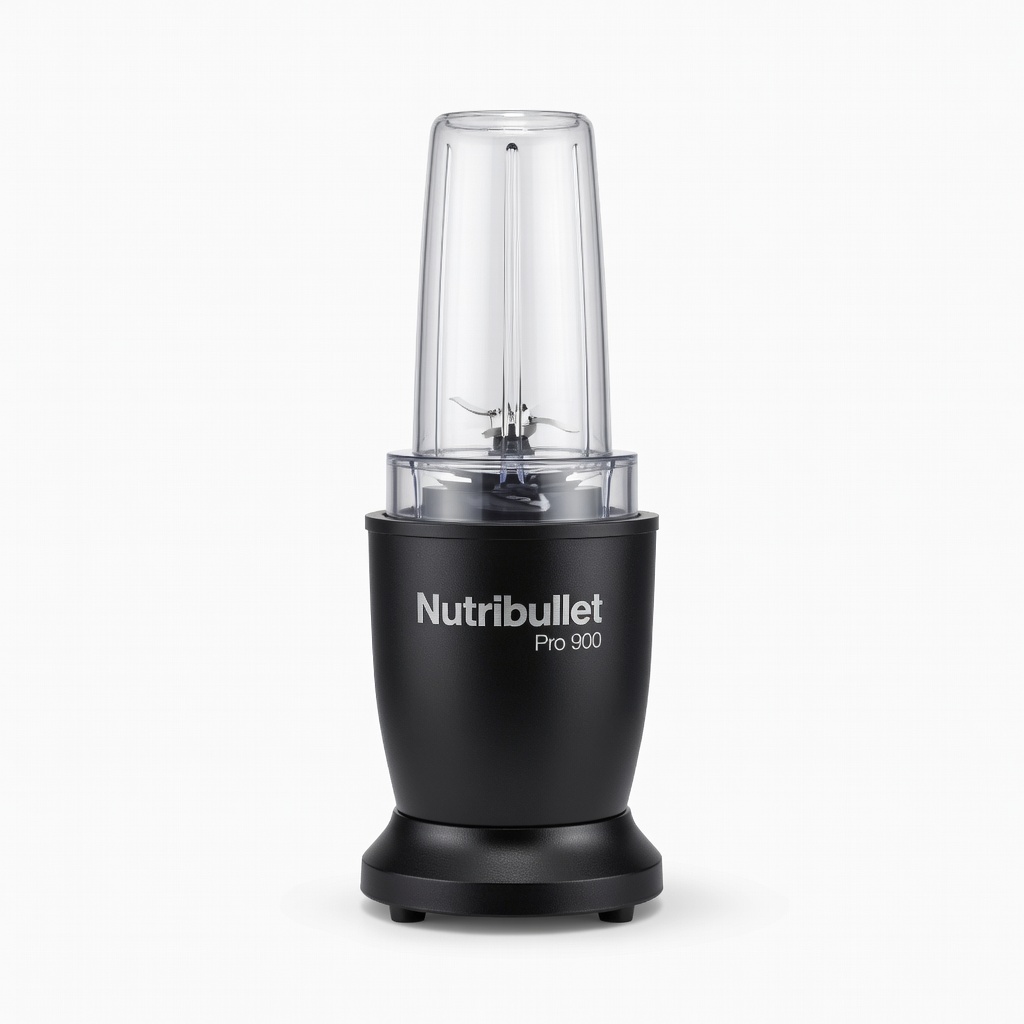
The NutriBullet Pro 900 is a no-fuss personal blender that excels at protein shakes and single-serving smoothies. Its 900-watt motor and 'cyclonic' blade design pulverize seeds and frozen fruit quickly, and the 32-ounce cup is perfect for a meal replacement. The trade-off is that it's only for single-serve portions — you can't make a pitcher of margaritas or blend hot soup in it.
Main limitation: The motor base is top-heavy, and the plastic cup can crack if dropped; there's no variable speed control, only on/off.
Skip if: Anyone who needs to blend for more than one person or wants a multi-use full-size appliance.
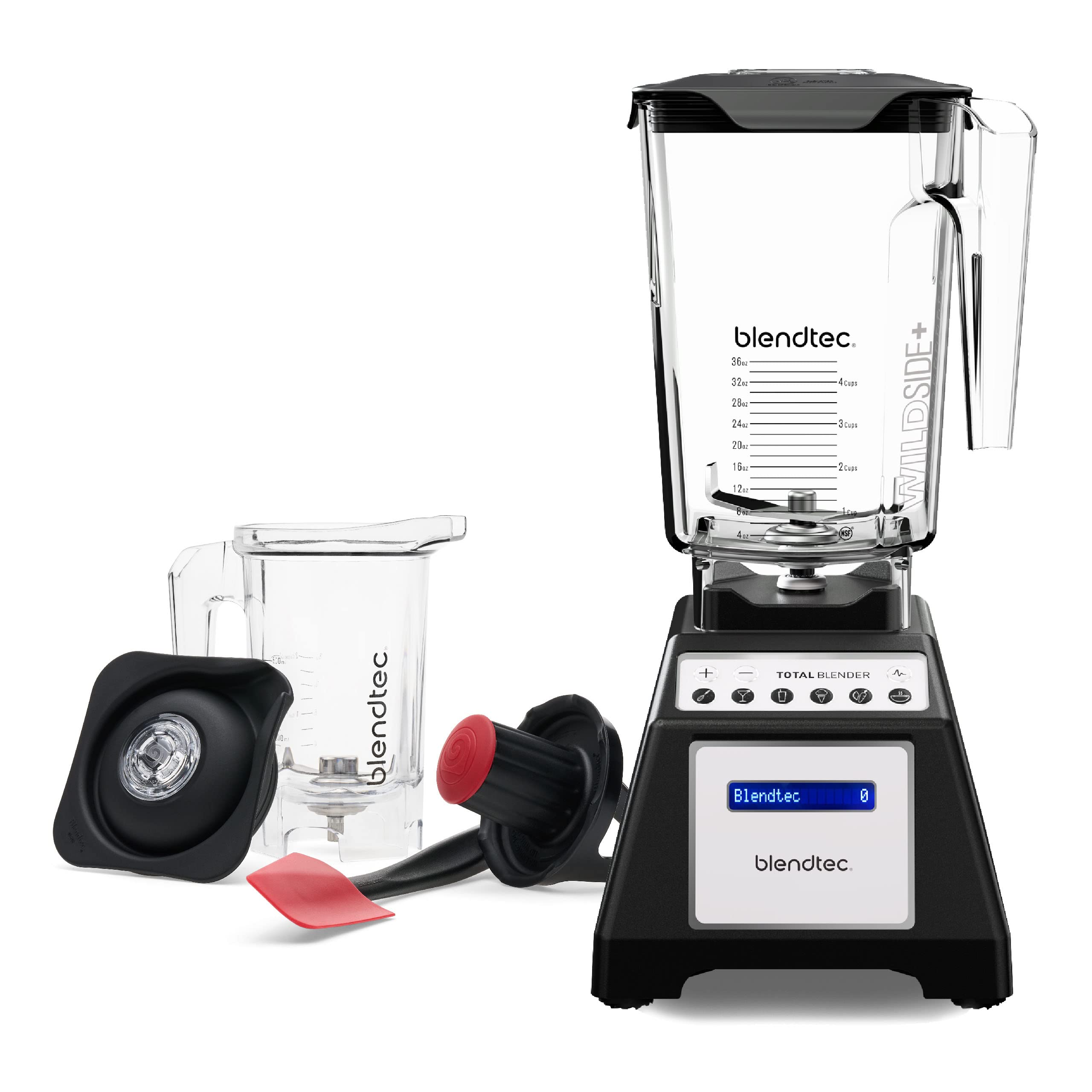
The Blendtec Total Classic is built like a tank, with a 3.8-horsepower motor (1560 watts) and a wide 90-ounce jar that can pulverize rocks — literally, in marketing videos. It features preprogrammed cycles for smoothies, ice cream, and soup, and its blunt stainless steel blades are safer than sharp ones. The major downside is noise: it's one of the loudest blenders we've encountered in this class.
Main limitation: The oversized jar doesn't work well for small quantities, and the motor is uncomfortably loud during longer runs.
Skip if: People with noise-sensitive households or anyone who primarily blends single-serving portions.
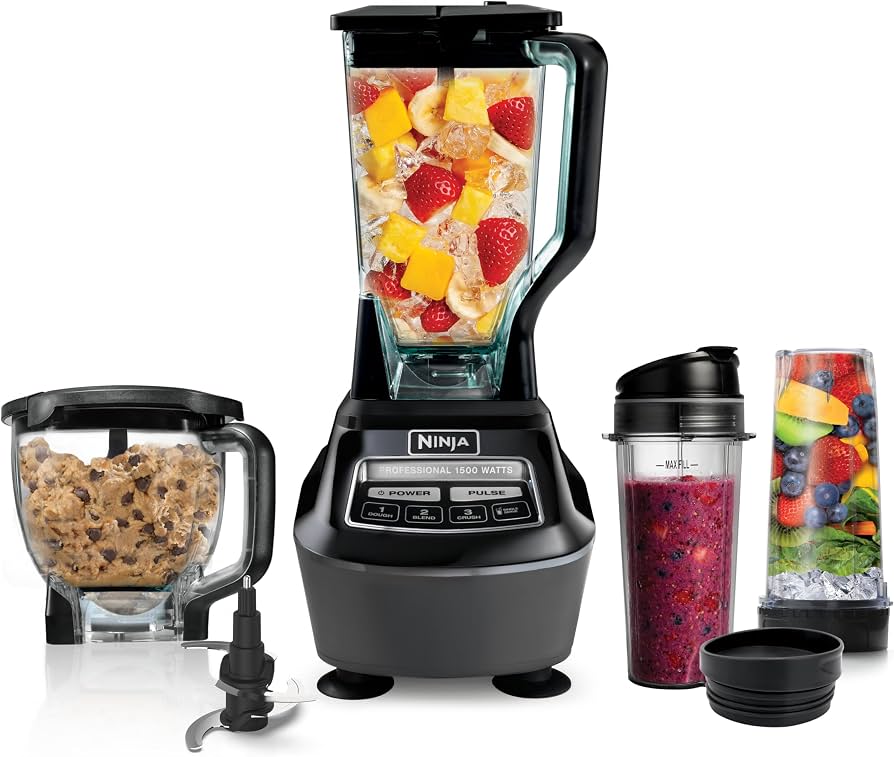
The Ninja Mega Kitchen System pairs a 1500-watt blender with a food processor bowl and two single-serve cups, making it an all-in-one solution for busy families. Its 72-ounce pitcher handles party-sized batches, while the 8-cup processor bowl chops, purees, and doughs. The trade-off is that the system has many parts to store and the Auto-iQ presets aren't always perfectly tuned for every recipe.
Main limitation: The multiple containers and blade assemblies take up cabinet space and require careful hand washing.
Skip if: Minimalists and smaller households that don't need a food processor attachment and will find the extra parts cumbersome.
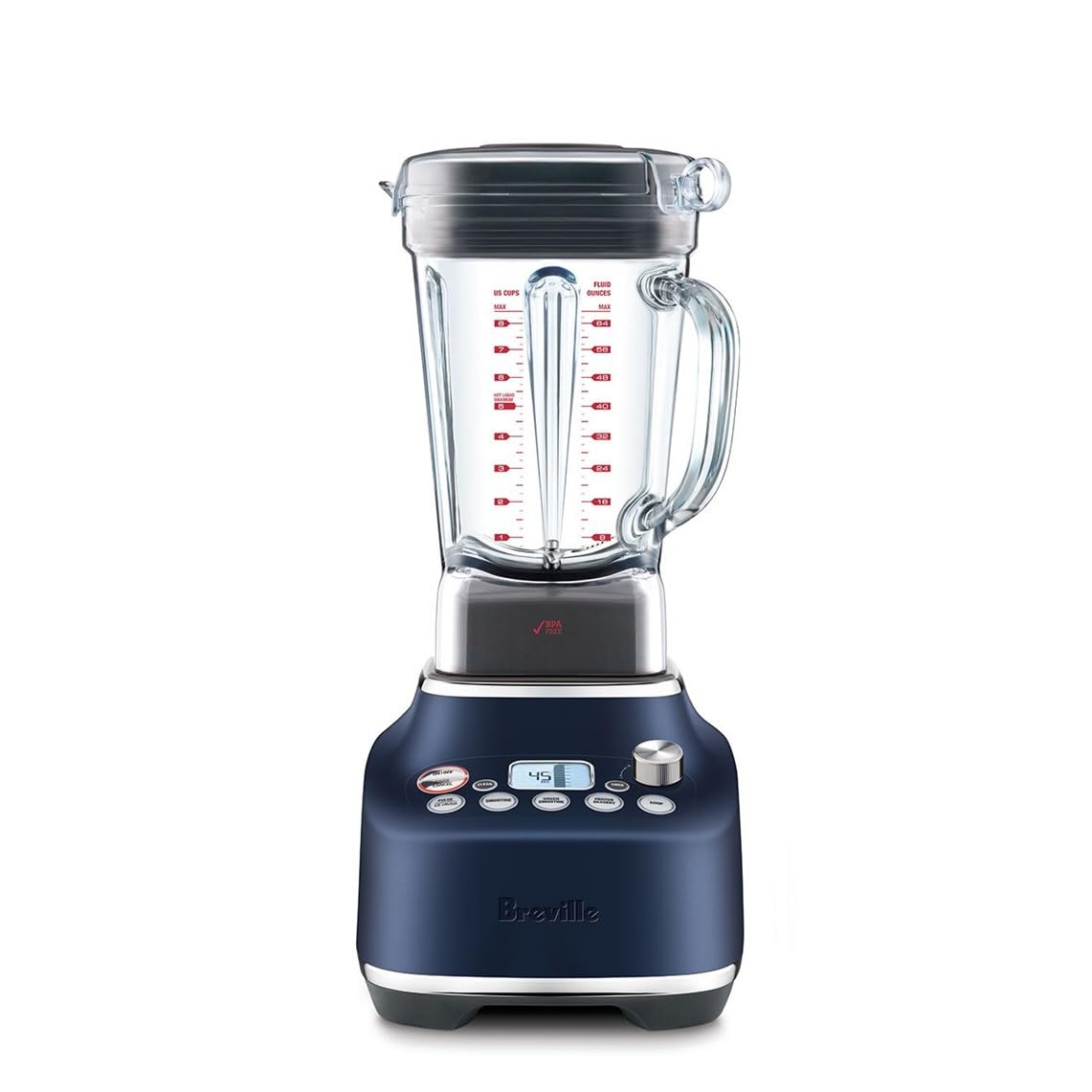
The Breville Super Q is a 1500-watt blender with five automatic programs, a noise-reduction enclosure, and an 68-ounce jar that's designed to handle both hot soup and high-volume frozen drinks. Its smart pre-programmed cycles are well-calibrated for soup, smoothie, and ice crush settings, and the LCD display makes it easy to monitor. The downside is its hefty price tag and the fact that it takes up considerable counter space.
Main limitation: The LCD screen and dial feel over-engineered for some home cooks, and the blender jar is too tall to fit under many standard upper cabinets.
Skip if: People who want a simple, no-frills blender and prefer not to pay for advanced controls and a noise-reduction shell.
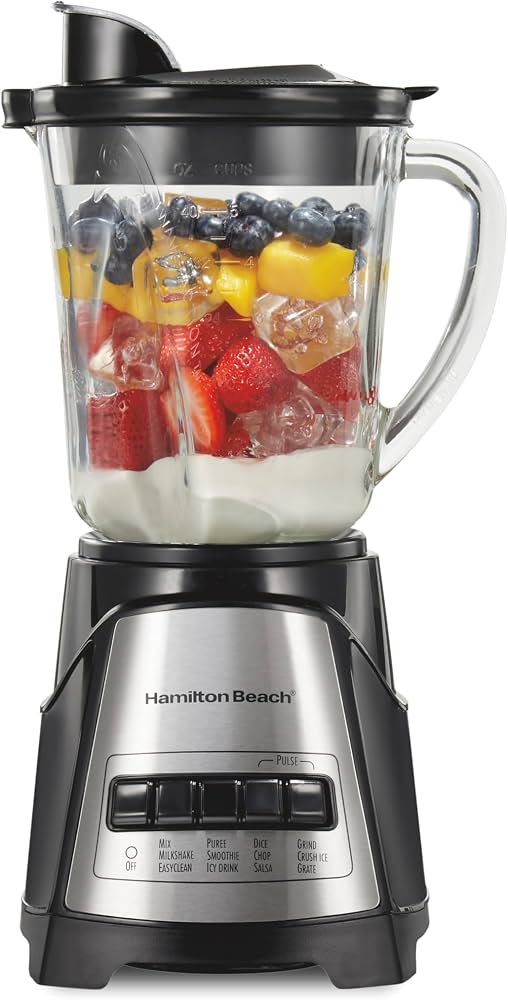
The Hamilton Beach Power Blender offers a simple, approachable way to start blending without a big leap in cost and complexity. Its 1000-watt motor and 44-ounce glass jar handle everyday smoothies and crushed ice, while the straightforward on/off and pulse buttons are easy for anyone to understand. The trade-off is less power than premium models, which means extra scraping or using the tamper for thicker blends.
Main limitation: The jar's narrow base makes thick ingredients like nut butter stick to the sides, and the motor struggles with frozen fruit if you add too much.
Skip if: Serious smoothie enthusiasts who need high-speed crushing power and are willing to pay for a more robust machine.
Compare key specs and features of all our recommendations side-by-side
| Product | Recommendation | Rating | Price |
|---|---|---|---|
Vitamix 5200 Blender Rank #1 | 🏆 Top Pick | 9.0/10 | $400–$500 Check current price → |
Oster Pro 1200 Blender Rank #2 | 💰 Budget Pick | 8.0/10 | $60–$80 Check current price → |
NutriBullet Pro 900 Rank #3 | ⭐ Editor's Choice | 7.8/10 | $70–$100 Check current price → |
Blendtec Total Classic Blender Rank #4 | — | 8.5/10 | $300–$350 Check current price → |
Ninja Mega Kitchen System BL770 Rank #5 | — | 8.3/10 | $180–$220 Check current price → |
Breville Super Q Blender BBL920 Rank #6 | — | 8.8/10 | $350–$400 Check current price → |
Hamilton Beach Power Blender (58148A) Rank #7 | — | 7.5/10 | $40–$55 Check current price → |
Common questions buyers have about this category.
For basic smoothies and soft fruits, 500 to 700 watts is usually enough. If you want to crush ice, grind seeds, or blend frozen ingredients, look for at least 1,000 watts (peak). For heavy-duty tasks like nut butters and hot soups, 1,500 watts or more provides a comfortable reserve and better longevity.
Not equally. Budget blenders can handle a couple of ice cubes if liquid is present, but they struggle with large quantities or dry frozen fruit. Look for a motor above 1,000 watts, and consider a model with a tamper or a pulse feature to keep ingredients moving. High-end blenders with dedicated ice-crushing cycles will produce snow-like consistency more reliably.
Glass jars are heavier and can chip or crack, but they don't scratch as easily and are less likely to absorb stains or odors. Plastic jars are lighter, unbreakable, and often easier to handle, but they can become cloudy and retain oily scents over time. Both are BPA-free in modern models; the choice usually comes down to durability versus convenience.
Yes, but only if the blender is rated for hot blending — usually a sealed, vented lid and a capacity limit below the maximum fill line. Most premium blenders can handle warm soup; some have specific soup programs. Never blend boiling liquids in a standard blender not rated for heat, as the pressure can blow the lid off and cause burns.
A full-size blender has a large pitcher (usually 40 to 90 ounces) and a powerful motor designed for big batches and varied tasks like crushing, pureeing, even kneading dough. A personal blender uses a single-serve cup that blends directly in the cup, ideal for one smoothie at a time and much easier to clean. Personal blenders typically have less power and smaller capacity, so they're not meant for heavy or large-quantity work.
Preset programs can be convenient and help you achieve consistent results for common tasks like smoothies or soups. However, they are not necessary — a manually controlled blender with variable speed and pulse can do everything if you're willing to learn the technique. If you value simplicity and one-touch operation, presets are worth the extra cost; otherwise, you can save money by choosing a manual model.
For frequent, heavy use, yes. Premium blenders generally have more powerful and better-cooled motors, sturdier jars, longer warranties, and superior blending consistency. If you only blend occasionally and mostly soft ingredients, a budget model may suffice. The biggest difference shows up in ice crushing, frozen smoothies, and long-term reliability — not in the first few weeks.
Products we evaluated but did not recommend — and why.
