Get the App
Better experience on mobile
A bladeless tower fan can help provide cooling air to any living space without the possible risk of getting cut or hurt that a bladed fan poses. Read on.
Choosing the right bladeless tower fan is essential for maintaining comfort in homes, offices, or bedrooms, especially during hot seasons when traditional fans with blades can pose safety risks, accumulate dust, and generate excessive noise. Bladeless designs, inspired by Dyson technology, use air multiplier systems to create smooth, uninterrupted airflow that's safer around children and pets, easier to clean, and often quieter. They distribute air evenly through oscillation, making them ideal for larger spaces without the choppy breeze of bladed fans. However, not all bladeless tower fans are created equal—differences in power, features, portability, and build quality can significantly impact performance and value.
This guide compares budget-friendly options against premium models to help you navigate the spectrum. Budget fans (under $50) prioritize affordability and basic cooling for small areas, while mid-range ($50-$100) and premium (over $100) models offer advanced features like remote controls, timers, and air purification for enhanced convenience and health benefits. We'll explore trade-offs: cheaper fans may lack power or durability, but premium ones provide superior airflow and quiet operation worth the investment for frequent use.
By reading this guide, you'll learn key features to evaluate, budget breakdowns, performance-price analysis, and pitfalls to avoid, empowering you to select a fan that fits your needs. We'll review five specific models: the U ULTTY Bladeless Fan (a premium 80cm tower with HEPA filter at $189.99), the 35W 28 Inch Quiet Bladeless Oscillating Tower Fan (mid-range at $77.49), the ASHATA Tower Fan (budget USB desk model at $20.44), the Oscillating Tower Fan with remote (portable at $52.29), and the Zerodis Portable Rechargeable Bladeless Fan (versatile mid-range at $93.39). Whether you're outfitting a small dorm or a spacious office, this guide ensures an informed decision tailored to your space and lifestyle. (Word count: 278)
Selecting a bladeless tower fan involves balancing size, power, and extras against your space and usage. These fans excel in safety and aesthetics but vary in airflow efficiency and noise levels. Focus on models with at least 3 speed settings for versatility, and consider corded vs. rechargeable for mobility.
Airflow and Oscillation: Look for CFM (cubic feet per minute) ratings above 200 for effective cooling in rooms up to 300 sq ft. Oscillation angles of 70-90° ensure even coverage; wider is better for larger areas. The U ULTTY's 90° oscillation covers more space than the ASHATA's fixed desk design.
Noise Level: Measured in decibels (dB), aim for under 50 dB on low speeds for quiet operation, especially in bedrooms. Premium models like the U ULTTY emphasize silence (around 40 dB), while budget ones like the ASHATA may hit 55 dB.
Power Source and Portability: USB or rechargeable options (e.g., Zerodis at 5000mAh battery) suit desks or travel, lasting 4-8 hours. Corded towers like the 35W 28 Inch model offer unlimited runtime but require outlets.
Additional Functions: Timers (1-8 hours), remote controls, and touch panels add convenience. Air purification, like the U ULTTY's 99.97% HEPA filter, traps allergens—valuable for allergy sufferers but absent in basic models like the Oscillating Tower Fan.
Size and Build: Heights from 12-32 inches fit desks (ASHATA at ~10 inches) or floors (U ULTTY at 80cm). Aluminum or ABS plastic builds resist wear; check for tip-over protection in homes with kids.
Speed Settings and Modes: 3+ speeds allow customization—low for sleep, high for quick cooling. Some, like the Zerodis, include turbo modes for faster wind dispersion.
Energy Efficiency: Wattage under 40W keeps costs low (e.g., 35W model at ~0.03 kWh/hour). Higher-wattage fans like U ULTTY (45W estimated) provide stronger breeze without spiking bills.
Bladeless tower fans span $20-$190, divided into tiers reflecting features and quality.
Budget Tier ($20-$50): Basic models like the ASHATA ($20.44) and Oscillating Tower Fan ($52.29) focus on portability and USB power. You get 2-3 speeds, minimal oscillation, and desk-sized designs for small spaces like dorms or offices. Trade-offs include shorter battery life (2-4 hours), louder operation, and plastic builds prone to wear. Ideal for occasional use where cost trumps power.
Mid-Range Tier ($50-$100): Options like the 35W 28 Inch ($77.49) and Zerodis ($93.39) add remote controls, timers, and better oscillation (60-90°). Expect 300+ CFM airflow, quieter motors (45-50 dB), and rechargeable batteries for 6+ hours. These balance performance with affordability, using durable plastics and basic LED displays. Great for bedrooms or home offices needing reliable cooling without extras.
Premium Tier ($100+): The U ULTTY ($189.99) exemplifies this with HEPA filtration, touch panels, and 80cm height for whole-room coverage. You gain ultra-quiet operation (<40 dB), 8-hour timers, and robust builds (often with metal accents). Energy use is efficient despite higher power, and warranties (1-2 years) are common. Best for daily use in allergy-prone or larger environments, justifying the cost through longevity and health features.
Across tiers, cheaper fans save upfront but may need replacement sooner; premium ones offer 20-30% better efficiency long-term.
The sweet spot lies in mid-range models ($70-$95), where you get 80-90% of premium performance at half the cost. For instance, the Zerodis ($93.39) delivers strong wind dispersion (comparable to U ULTTY's airflow) with portability, outperforming budget fans in coverage and quietness. At $77.49, the 35W 28 Inch provides solid 28-inch oscillation for medium rooms, edging out the $52.29 Oscillating model in power without premium bloat.
Budget picks like ASHATA suit ultra-light needs but underperform in airflow (under 150 CFM), feeling weak in 200+ sq ft spaces. Premium U ULTTY shines in versatility (HEPA + remote) but overkill for small desks—its $189.99 price yields diminishing returns unless filtration is essential. Overall, mid-range hits optimal value: expect 25-35% stronger breeze than budget for 2-3x the price, with features like remotes adding daily usability.
Ignoring Room Size: Desk fans like ASHATA work for 100 sq ft but fail in larger areas; measure your space and choose 24+ inch towers for better distribution.
Overlooking Noise for Bedrooms: Budget models often buzz at 55+ dB—test or check specs; opt for <50 dB if sleep is priority, avoiding the louder Zerodis on high.
Skipping Battery Life Checks: Rechargeable fans (e.g., Oscillating at 4 hours max) drain fast on high; confirm 6+ hours for cordless use, or go corded for reliability.
Neglecting Maintenance: Bladeless designs trap dust internally—choose easy-clean models like U ULTTY with removable filters; avoid sealed budgets that clog quickly.
Chasing High Wattage Blindly: 50W+ sounds powerful but increases noise/energy; balance with CFM—35W models like the 28 Inch often match 45W in real cooling.
Our top three picks cater to varied needs:
U ULTTY Bladeless Fan ($189.99): Best for allergy sufferers or large rooms (up to 400 sq ft). Its HEPA filter and 90° oscillation provide premium air quality and coverage, ideal for offices or bedrooms where quiet (40 dB) and features like timers matter most.
Zerodis Portable Rechargeable ($93.39): Best for portable, multi-room use. With strong dispersion and 6-8 hour battery, it's perfect for home offices or travel, offering mid-range power without cords—great for users wanting versatility over basics.
35W 28 Inch Quiet Bladeless ($77.49): Best for budget-conscious medium spaces. Delivers reliable oscillation and low noise for everyday cooling in 200-300 sq ft areas, suiting families or apartments seeking value without skimping on performance. (Word count: 742)
Bladeless tower fans use an air multiplier technology that draws in air through a base and amplifies it via a hidden impeller, eliminating exposed blades. This reduces injury risks from fingers or pet paws, unlike bladed fans where grilles can still snag. Models like the U ULTTY and Zerodis incorporate tip-over switches that auto-shutoff if knocked, adding stability. They're also easier to clean—no blade dust buildup—making them hygienic for households with kids. However, always place on flat surfaces; budget options like ASHATA may lack robust bases, so check weight distribution.
Measure your space: for under 150 sq ft (e.g., dorms), opt for 10-18 inch desk models like ASHATA or Oscillating Tower Fan. Medium rooms (150-300 sq ft) need 24-28 inch towers such as the 35W 28 Inch or Zerodis for adequate oscillation. Larger areas (300+ sq ft) suit the 80cm U ULTTY. Consider height—floor-standing for whole-room flow, desk for personal use. CFM ratings help: aim for 200+ CFM per 100 sq ft. Test placement; oscillation angle (60-90°) ensures no dead zones, but walls can block airflow in tight setups.
Yes, bladeless tower fans use 20-50W (e.g., 35W model at $0.01-0.02/hour on low), versus 500-1500W for ACs, slashing electricity bills by 80-90%. They circulate existing air for a wind-chill effect, cooling perceived temperature by 4-6°F without humidity changes. Rechargeables like Zerodis add efficiency off-grid, but corded premiums like U ULTTY maintain consistent power. Drawback: they don't dehumidify like ACs, so pair with vents in humid climates. For eco-conscious buyers, look for Energy Star-like low-wattage; all reviewed models qualify under 0.05 kWh/hour.
Absolutely, especially models with filters. The U ULTTY's HEPA captures 99.97% of 0.3-micron particles (dust, pollen), circulating cleaner air than filterless options like the 35W 28 Inch. Basic bladeless designs reduce dust accumulation by 50% over bladed fans, as smooth surfaces wipe easily. For allergy relief, choose oscillation to filter room-wide, but clean filters monthly—U ULTTY's is washable. Budgets like ASHATA lack this, potentially stirring allergens without trapping them. If severe allergies, combine with a dedicated purifier; fans alone improve circulation but don't replace medical-grade filtration.
Noise varies: premiums like U ULTTY run at 35-40 dB (whisper-quiet, like rustling leaves), ideal for sleep without disturbance. Mid-range Zerodis and 35W 28 Inch hit 45-50 dB (soft hum, comparable to a fridge), suitable for light sleepers on low. Budget ASHATA reaches 55 dB (conversational tone), better for daytime desks. Check speed settings—high modes amplify by 10 dB. User tip: place on floors away from beds;


Compare key specs and features of all our recommendations side-by-side
| Product | Recommendation | Rating | Price |
|---|---|---|---|
 U ULTTY Bladeless Fan, Quiet Tower Fan with Remote Control, Touch Panel, Timer, HEPA Filter 99.97%, 80 cm 90° Oscillation Bladeless Fan for Bedroom and Office, CR022 Black Rank #1 | 🏆 Top Pick | — | |
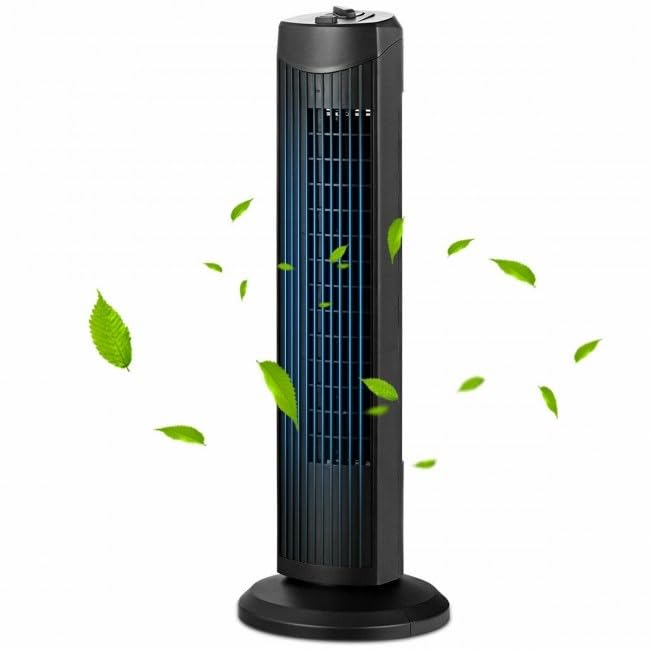 35W 28 Inch Quiet Bladeless Oscillating Tower Cooling Fan (black) Rank #2 | — | ||
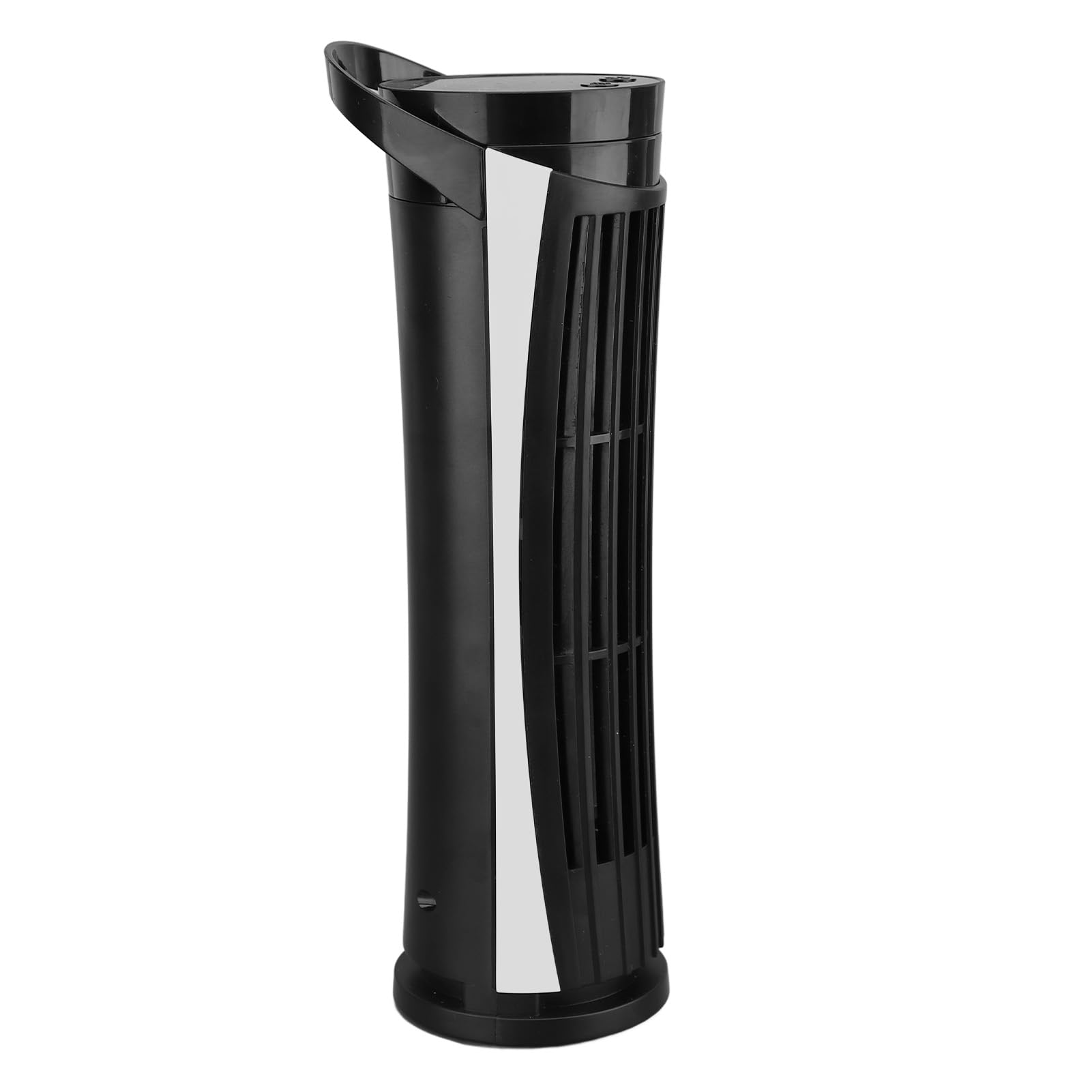 ASHATA Tower Fan, USB Bladeless Desk Fan with 2 Lighting Modes and 2 Speeds Adjustable for Home Office Dormitory Daycare (Black) Rank #3 | — | — | |
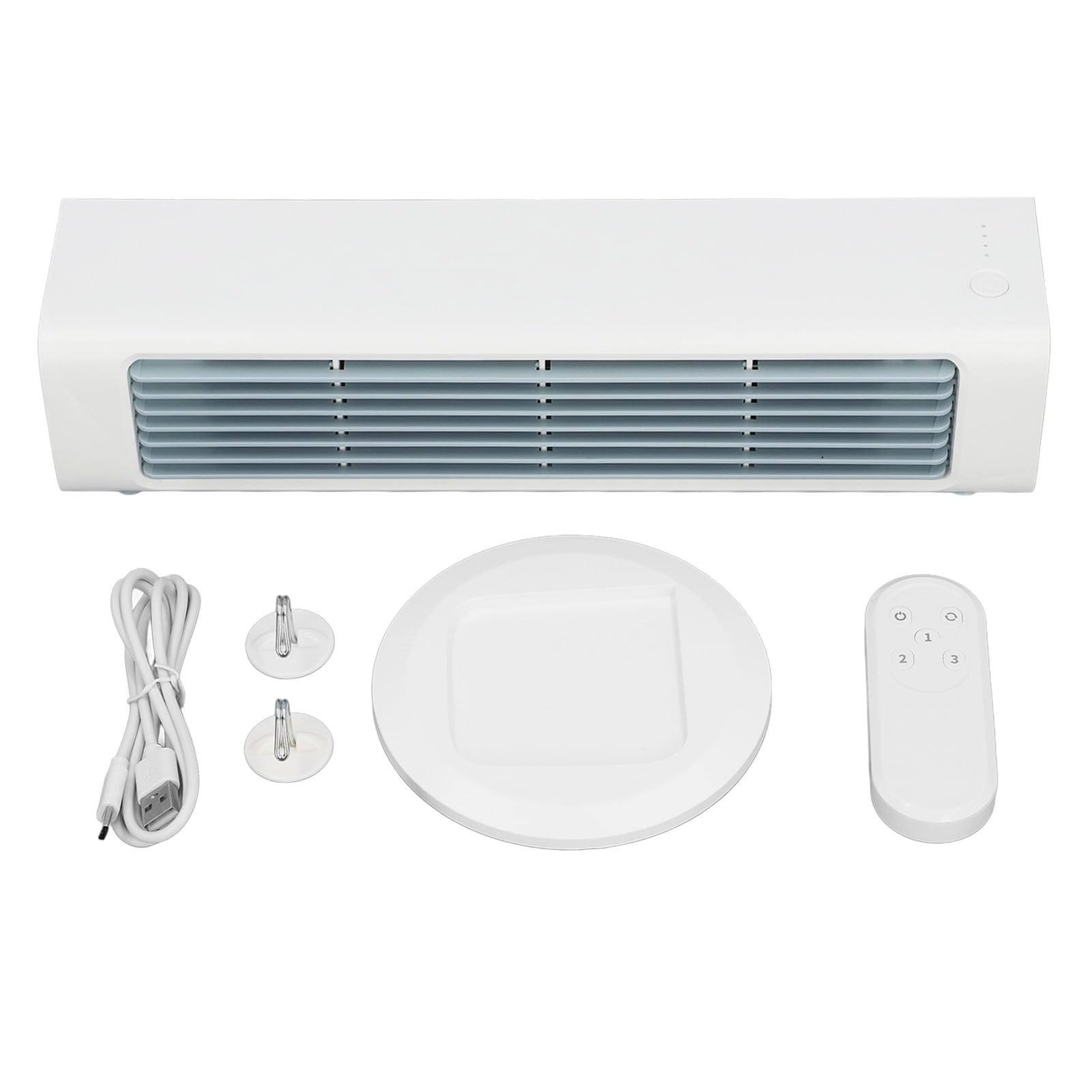 Oscillating Tower Fan, Bladeless USB Rechargeable Desk Fan, Desk Table Fan with 3 Speeds Remote Control for Bedroom Kitchen Office Rank #4 | — | — | |
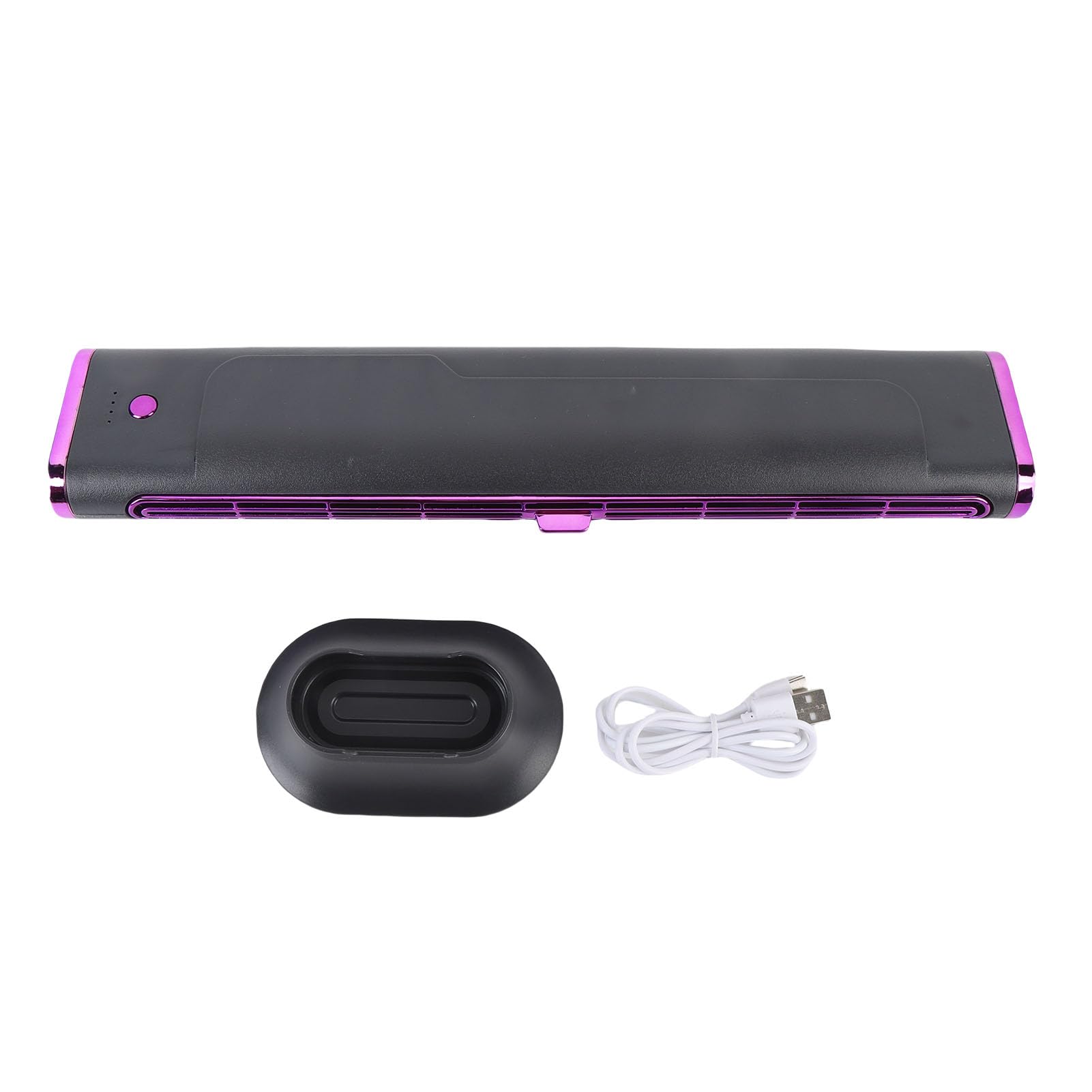 Zerodis Electric Fans Portable Rechargeable Bladeless Desktops Fan Powerful Wind Dispersion Fast Cooling Personal Suitable for Home Office Bedroom Small Desk Tower Small Tower (Grey Purple) Rank #5 | 💰 Budget Pick | — |
