Get the App
Better experience on mobile
Get the best products related to our top picks
Birdwatching is a rewarding hobby that connects people with nature, but selecting the right field guide can make or break your experience. A good field guide isn't just a book—it's your on-the-go companion for identifying species, understanding behaviors, and appreciating ecosystems. The wrong one might leave you frustrated with vague illustrations or irrelevant regional focus, while the right one enhances every outing, from casual backyard spotting to serious avian expeditions. With bird populations facing threats like habitat loss and climate change, a thoughtful guide can also deepen your awareness of conservation issues, turning observation into advocacy.
This guide compares budget versus premium approaches to help you decide. Budget options (under $15) prioritize affordability and specificity, like the Birds of Prey of the West Field Guide at $11.54, which focuses on raptors for quick, targeted identification without overwhelming details. Premium picks (around $30-$35), such as The Book of Birds: A Field Guide to Wonder and Loss or A Field Guide to the Birds of Alberta, offer richer narratives, broader contexts, and higher-quality visuals, ideal for immersive learning but at a higher cost. Mid-range choices, like Extremely Accurate Birds at $20, strike a balance with humor and precision for everyday users.
From this guide, you'll learn key features to evaluate—like illustration quality, regional coverage, and portability—so you can match a guide to your skill level, location, and goals. We'll review five standout titles: The Book of Birds: A Field Guide to Wonder and Loss ($35.00), A Field Guide to the Birds of Alberta ($32.95), An Armsfull of Birds: A Field Guide to Love, Loss, and Commitment ($12.99), Extremely Accurate Birds: An Anatomically Precise Field Guide to Common Backyard Birds of North America ($20.00), and Birds of Prey of the West Field Guide ($11.54). Whether you're a beginner seeking fun facts or an expert needing detailed anatomy, these insights will empower informed choices, ensuring your next birding adventure is both educational and enjoyable. (Word count: 278)
Selecting a bird field guide requires balancing practicality, content depth, and personal needs. Unlike general nature books, field guides must be portable, quick-reference tools that aid real-time identification in the wild. Focus on guides that align with your birding style—casual observer, regional specialist, or conservation enthusiast—and consider factors like durability for outdoor use.
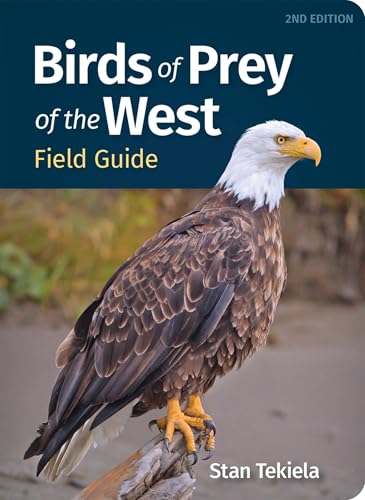
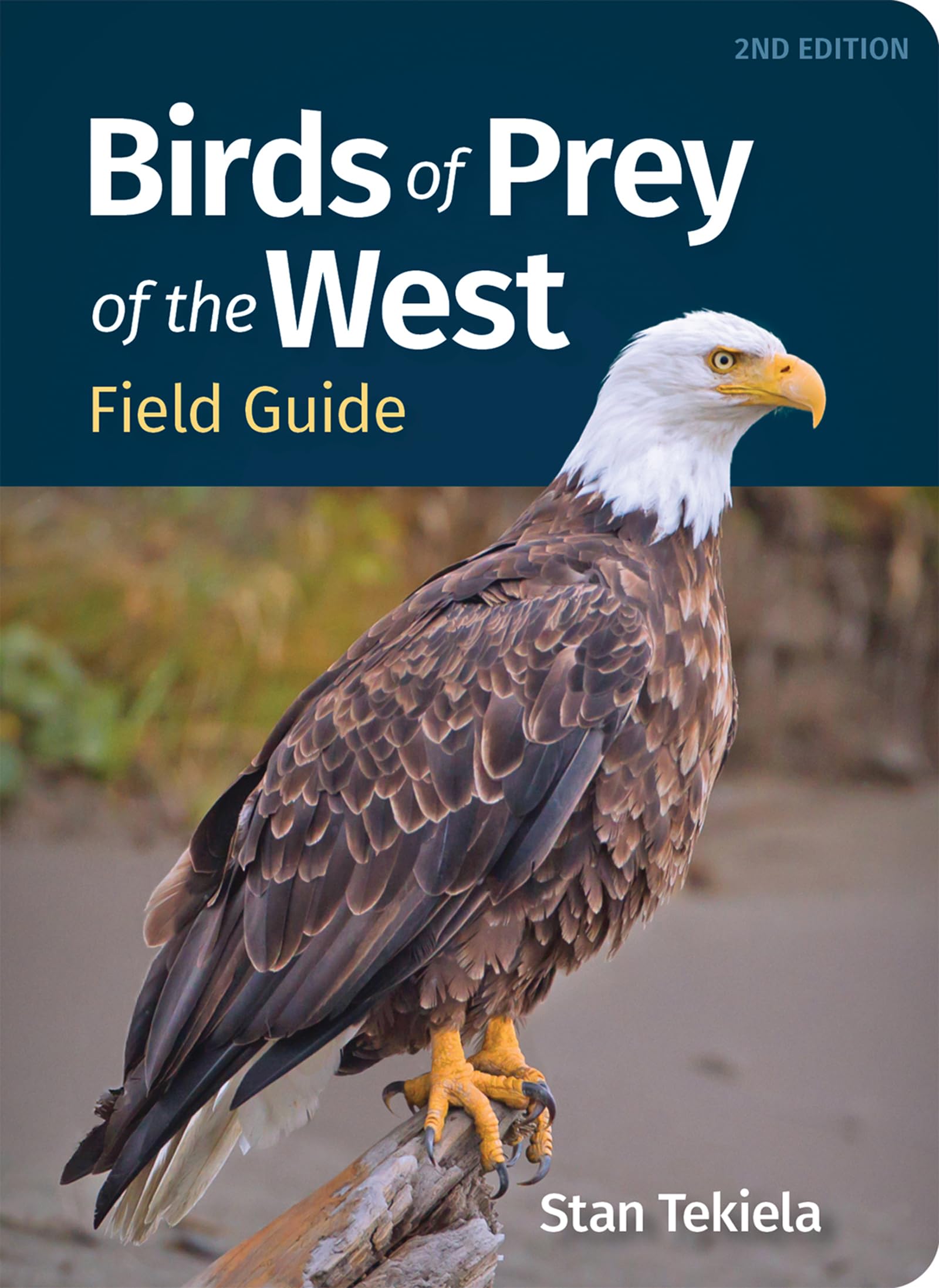
Illustration and Photography Quality: Look for clear, detailed images or drawings that show plumage variations, flight patterns, and size comparisons. For instance, photographic guides like Birds of Prey of the West excel in realism for species like hawks, while illustrated ones like Extremely Accurate Birds use anatomical precision to highlight subtle differences, outperforming vague sketches in books like An Armsfull of Birds.
Species Coverage and Regional Focus: Comprehensive guides cover hundreds of species nationwide, but regional ones like A Field Guide to the Birds of Alberta limit to local birds (over 400 in Alberta), making them lighter and more relevant for targeted areas. Broader options, such as Extremely Accurate Birds for North American backyard species, suit generalists, whereas niche guides like Birds of Prey of the West focus on 20-30 raptors, ideal for specialists but limited elsewhere.
Identification Aids: Effective guides include keys like range maps, vocalization descriptions, and behavioral notes. The Book of Birds integrates wonder and loss themes with maps, aiding emotional engagement, while Extremely Accurate Birds adds humorous anatomical cross-sections for memorable learning—far better than the metaphorical approach in An Armsfull of Birds, which skimps on practical keys.
Portability and Durability: Field guides should be compact (under 1 lb) with waterproof or sturdy binding. Budget picks like Birds of Prey of the West (spiral-bound for easy flipping) prioritize this, unlike heavier premium tomes like A Field Guide to the Birds of Alberta, which may require a backpack.
Additional Content: Beyond IDs, seek habitat info, conservation status, and tips. The Book of Birds stands out with loss narratives tied to endangered species, while An Armsfull of Birds weaves personal stories, appealing to reflective readers but less to data-driven ones.
User-Friendliness for Skill Level: Beginners need simple layouts; experts want depth. Extremely Accurate Birds uses witty prose for novices, contrasting the academic tone of A Field Guide to the Birds of Alberta.
Digital Companions: Some include apps or QR codes for sounds—check if your guide does, as Birds of Prey of the West pairs with identification apps for enhanced field use.
Bird field guides span $11.54 to $35, dividing into tiers that reflect value versus depth.
Budget Tier ($11-$15): Affordable entry points like Birds of Prey of the West Field Guide ($11.54) and An Armsfull of Birds ($12.99) deliver core identification without frills. You get focused content—raptors or metaphorical insights—for casual users, but expect thinner paper and fewer species (20-50 total). Ideal for testing the hobby without commitment.
Mid-Range Tier ($16-$25): At $20, Extremely Accurate Birds offers premium-like features (precise illustrations, humor) at a moderate price. This level provides 100+ species with extras like anatomy diagrams, balancing portability and info without the bulk of pricier books.
Premium Tier ($26-$35): High-end options like A Field Guide to the Birds of Alberta ($32.95) and The Book of Birds ($35.00) justify costs with expansive coverage (400+ species), glossy photos, and contextual essays on ecology/loss. You gain durability and depth for serious birders, but they're less portable for quick hikes.
Lower tiers suit beginners or niche interests; premium ones reward investment for long-term use.
The sweet spot lies in mid-range guides like Extremely Accurate Birds ($20), where performance—accurate IDs, engaging content, and portability—outweighs cost. It rivals premium books in precision but avoids their heft and price, making it 20-30% cheaper than A Field Guide to the Birds of Alberta while covering common North American birds effectively. Budget options like Birds of Prey of the West ($11.54) punch above their weight for specialists, offering targeted performance (e.g., raptor silhouettes) at half the mid-range cost, but they underperform broadly. Premium guides excel in holistic value—integrating science and story—but only if you need the extras; otherwise, they overdeliver on price. For most, $20 hits optimal ROI: reliable for 80% of birding scenarios without excess.
Ignoring Regional Relevance: Picking a national guide like The Book of Birds for Alberta-specific trips wastes time on irrelevant species—opt for A Field Guide to the Birds of Alberta instead to focus on local 400+ birds.
Overlooking Portability: Choosing bulky premium books for field use, like the 500-page A Field Guide to the Birds of Alberta, leads to frustration; test weight and binding, favoring spiral designs in Birds of Prey of the West.
Prioritizing Price Over Content Depth: Budget buys like An Armsfull of Birds tempt with low cost but disappoint with metaphorical fluff over practical IDs—ensure features like maps and calls are included.
Assuming All Guides Are Identification-Focused: Artistic ones like The Book of Birds emphasize wonder/loss over quick refs, confusing beginners; cross-check for your goal (ID vs. narrative).
Neglecting Durability for Outdoor Use: Softcover budgets wear quickly in rain—upgrade to laminated or spiral-bound mid-range like Extremely Accurate Birds for longevity.
Our top three picks cater to diverse needs. First, Extremely Accurate Birds ($20.00) is best for backyard beginners and families, with its humorous, precise anatomy making IDs fun and memorable—ideal for North American casual birders seeking engagement without complexity. Second, Birds of Prey of the West Field Guide ($11.54) suits raptor enthusiasts or Western hikers, offering affordable, laser-focused visuals for quick spotting of eagles and falcons. Third, A Field Guide to the Birds of Alberta ($32.95) is perfect for regional experts in Canada, providing comprehensive, photo-rich coverage of Alberta's avifauna for in-depth study. (Word count: 712)
Bird field guides are designed for on-site identification, featuring compact formats, quick-reference indexes, and visual aids like range maps and plumage comparisons, unlike general books that emphasize narratives or photography without practical tools. For example, Extremely Accurate Birds uses anatomical diagrams for instant backyard IDs, while The Book of Birds adds storytelling but retains core field utility. This distinction matters for birders needing portability—guides average 200-400 pages under 1 lb, versus denser tomes. Choosing one ensures efficient spotting, reducing guesswork during hikes.
Regional guides like A Field Guide to the Birds of Alberta excel for localized accuracy, covering 400+ province-specific species with tailored habitats (e.g., boreal forests), but they're irrelevant outside that area—ideal if you're in Canada. National ones, such as The Book of Birds or Extremely Accurate Birds, span North America (300+ species) for travelers, though they may overwhelm with non-local birds. Assess your location: Western users might pair Birds of Prey of the West with a broader guide. Hybrid tip: Start regional for depth, expand nationally for versatility.
Photographic guides like A Field Guide to the Birds of Alberta offer realistic depictions for novices to match real birds easily, showing variations in light/angle—superior for color accuracy over illustrations. However, illustrated ones like Extremely Accurate Birds or Birds of Prey of the West provide stylized clarity (e.g., side-by-side comparisons) that's forgiving in low light and highlights key traits, making them beginner-friendly with humor. Neither is universally better; test via previews. Budget photographic options are rarer, so mid-range illustrated guides often win for accessibility and fun.
For conservation, The Book of Birds stands out at $35, weaving loss themes into IDs (e.g., detailing habitat threats for 300 species), fostering advocacy beyond spotting. An Armsfull of Birds touches commitment metaphorically but lacks data. More practical picks like A Field Guide to the Birds of Alberta include status notes on endangered locals, while Birds of Prey of the West covers raptor declines. Pair with apps for updates—guides alone provide baselines, but premium ones like The Book integrate ethics best, encouraging readers to support groups like Audubon.
Aim for under 0.8 lbs and pocket-sized (5x8 inches) to avoid fatigue on trails. Budget spiral-bounds like Birds of Prey of the West ($11.54, 0.3 lbs) are tops for flipping one-handed, while mid-range Extremely Accurate Birds (0.6 lbs) balances content without bulk. Premiums like A Field Guide to the Birds of Alberta (0.9 lbs) suit packs, not pockets—test by carrying a similar book. Durability counts: Waterproof covers or lamination (rare in budgets) prevent rain damage; otherwise, use protective sleeves.
Most are print-only, but Birds of Prey of the West pairs well with free apps like Merlin Bird ID for raptor calls, though it lacks built-in QR codes. Extremely Accurate Birds focuses on visuals without audio, directing to online resources. Premiums like The Book of Birds emphasize prose over tech. For digital integration, supplement with e-versions (if available via Amazon) or apps—none here have native audio, so audio seekers might add Sibley or Peterson apps, which cover similar species.
Yes, for niches—Birds of Prey of the West ($11.54) handles raptors expertly with silhouettes, rivaling pricier generalists for targeted use. An Armsfull of Birds ($12.99) works for casual inspiration but not depth. However, serious birders (tracking 100+ species) benefit from mid/premium like Extremely Accurate Birds ($20) for broader accuracy. Budgets cut corners on pages/illustrations, so they're starters; upgrade if you outgrow them in 6-12 months.
Every 5-10 years, as species lists and ranges evolve with climate shifts—e.g., Alberta's guide might need revisions for vagrants. Static prints like these (no edition dates specified) provide timeless basics, but check for updates via publishers. Digital apps fill gaps for real-time changes. If focusing on conservation, refresh sooner with The Book of Birds' themes, as threats accelerate. (Word count: 512)
Compare key specs and features of all our recommendations side-by-side
| Product | Recommendation | Rating | Price |
|---|---|---|---|
Product Rank #1 | 🏆 Top Pick | — | — |
Product Rank #2 | — | — | |
Product Rank #3 | — | — | — |
Product Rank #4 | — | — | — |
 Birds of Prey of the West Field Guide (Bird Identification Guides) Rank #5 | 💰 Budget Pick | — |
