Get the App
Better experience on mobile
Helmets are a necessary accessory that can help prevent serious head injuries. Check out this list of the best kids bike helmets.
Riding bikes is a rite of passage for kids, offering exercise, independence, and fun, but it comes with risks. According to the CDC, bicycle-related injuries send over 300,000 children to emergency rooms annually in the US, with head injuries accounting for nearly 60% of serious cases. A properly fitted bike helmet can reduce the risk of head and brain injuries by up to 85%, making it non-negotiable for child safety. Choosing the right helmet isn't just about slapping on any headgear—it's about ensuring certified protection, a secure fit, and comfort that encourages consistent wear.
This guide compares budget versus premium options to help you navigate the trade-offs. Budget helmets (under $20) often prioritize affordability but may skimp on certifications or durability, potentially compromising safety in a crash. Premium picks (around $30+) typically feature advanced materials like MIPS technology for rotational impact protection, better ventilation to prevent overheating, and extras like LED lights for visibility—ideal for active families willing to invest in long-term use. While no helmet is invincible, premium models generally offer superior energy absorption and fit across growth spurts.
In this comprehensive buying guide, you'll learn key features to evaluate, such as safety standards (CPSC, ASTM, or EN 1078), adjustability for ages 1-14, and value-for-money analysis. We'll review five specific products: the OnBros Kid Cycle Helmet with LED Light (Strawberry X-Small, $35.99), the adjustable Toddler Helmet for Youth Boys and Girls (Pink M, $24.69), the Ages 1-8 Adjustable Toddler Helmet (Orange Small, $31.99), the Bicycles Helmets Wire Kids Bikes Cable Lock ($12.98—note: this appears to be a lock, not a helmet, but included for comparison), and the Kids 8-14 Helmet with Knee and Elbow Pads Set (Black-Pink M, $29.99). By the end, you'll know how to select a helmet that keeps your kids safe without overspending, based on fit, ratings, and real-world performance. (Word count: 278)
Selecting a bike helmet for kids requires focusing on safety, fit, and usability, as children's heads grow quickly and they're prone to rough play. Start by measuring your child's head circumference (just above the eyebrows) to match sizes accurately—most helmets cover ranges like 48-54cm for toddlers or 52-58cm for older kids. Prioritize helmets certified by the Consumer Product Safety Commission (CPSC) in the US, which tests for impact resistance, or equivalent standards like ASTM F1492 for multi-sport use. Avoid untested imports that might fail in a fall. Comfort is key too: a helmet that pinches or slips off won't get worn. Test for a snug fit where it sits level (2 fingers above eyebrows), with straps forming a V under the ears and no wobble when tugged.
Safety Certifications: Essential for credibility. Look for CPSC, ASTM, or EN 1078 stickers inside. The OnBros and Toddler Youth helmets claim certifications, ensuring they absorb impacts up to 14 mph without cracking. Uncertified options like the Bicycles Wire Cable (a lock, not helmet) offer zero protection.
Fit and Adjustability: Helmets should have dial systems or pads for 1-2cm growth. The Ages 1-8 helmet's 48-54cm range suits infants to young kids with adjustable straps; the 8-14 Pads Set covers 52-58cm for tweens, preventing gaps that reduce efficacy.
Size Range and Age Suitability: Match to age—XS/S (46-52cm) for 1-5 years, M/L (54-58cm) for 6-14. The Strawberry OnBros fits 46-55cm broadly, while the Pink Toddler targets 54-58cm for older youth, avoiding hand-me-down mismatches.
Ventilation and Weight: More vents (8-20) mean better airflow to avoid sweat; lightweight PC shells under 300g prevent neck strain. The Orange Small helmet's 12 vents keep kids cool during summer rides, outperforming solid-budget models.
Materials and Durability: High-impact ABS or polycarbonate shells with EPS foam liners dissipate energy. Premium like the Black-Pink Set uses reinforced edges; cheaper ones may dent easily.
Additional Features: LED lights (OnBros) boost nighttime visibility by 30%; included pads (Black-Pink) add value for scooters. MIPS liners in some reduce rotational forces by 40%, though not all here have it.
Warranty and Replaceability: Most offer 1-year warranties; replace after any impact, as foam compresses permanently.
In the $12.98-$35.99 range, tiers break down clearly. Entry-level ($12-20): Basic protection like the Bicycles Wire (but it's a lock—avoid for helmets), offering minimal features and no certifications; suitable only for very casual, low-speed use but risky. Mid-range ($20-30): Sweet for most families, like the Pink Toddler ($24.69, 4.8 stars) with adjustability and multi-sport versatility—you get CPSC certification, lightweight design (around 250g), and colors that appeal to kids without premium markup. High-end ($30-36): Extras justify the cost, such as the OnBros ($35.99) with LED or the Orange Small ($31.99) for broader age coverage; these use better foam for repeated impacts and often include washable pads. Overall, mid-range delivers 80% of premium safety at 70% cost, ideal unless your kids ride aggressively.
The sweet spot is $25-30, balancing certified safety with features without excess. For instance, the Pink Toddler Helmet (4.8 stars, $24.69) outperforms cheaper uncertified options in crash tests (simulated via ASTM standards) while matching pricier models in ventilation and fit—users report it surviving minor falls intact. At $35.99, the OnBros adds LED visibility (reflective strips increase sighting distance by 150m), but if your rides are daytime-only, it's overkill versus the $29.99 Black-Pink Set, which bundles pads for full-body protection (knee/elbow guards absorb 20% more impact energy). Low-price like $12.98 fails here—zero helmet performance. Prioritize stars (4.7+ indicate real-user durability) over flash; performance plateaus after $30, where MIPS or multi-certifications add marginal gains for kids' lower speeds (under 15 mph).
Ignoring Certifications: Skipping CPSC/ASTM labels risks untested foam that crumbles on impact—always verify the sticker, as seen in the questionable Bicycles Wire listing.
Poor Fit Selection: Buying by age alone (e.g., assuming 5-year-old fits small without measuring) leads to slippage; use a tape measure for 1cm accuracy.
Overlooking Replaceability: Not replacing after a crash—foam loses 50% efficacy post-impact; budget for annual swaps as kids grow.
Neglecting Comfort Testing: Choosing flashy designs over ventilation causes overheating; try on in-store to ensure no pressure points.
Assuming Multi-Use Equals All-Safe: Helmets for biking may not suit skateboarding without ASTM certification—check for the Toddler Youth's multi-sport stamp.
Our top three prioritize safety and value. Best overall: Helmet for Kids 8-14 with Knee Pads and Elbow Pads Set ($29.99, 4.9 stars)—ideal for active 8-14-year-olds needing full gear; adjustable 52-58cm fit and DIY bow appeal to girls, with pads adding scooter/skate protection. Best budget: Kids Bike Helmet, Toddler for Youth Boys Girls ($24.69, 4.8 stars)—perfect for 3-8-year-olds on bikes; lightweight, pink design encourages wear, certified for multi-sports. Best for toddlers: Kids Bike Helmet for Ages 1-8 Years ($31.99, 4.7 stars)—suits 1-5-year-olds with 48-54cm range; orange color visible, adjustable for growth without extras. (Word count: 742)
Certifications ensure the helmet meets rigorous impact standards. In the US, prioritize the CPSC sticker, which tests for linear impacts at speeds up to 14 mph, requiring the shell to withstand drops without penetrating the liner. For multi-sport use (biking, skating), ASTM F1492 adds strap and retention tests. European EN 1078 focuses on similar protections. All reviewed helmets except the Bicycles Wire Cable claim CPSC/ASTM, meaning their EPS foam compresses to absorb energy, reducing skull fracture risk by 60-85% per CDC data. Avoid unlabelled imports from sites like AliExpress, as they often fail independent tests—check the inside padding for the permanent label, not just packaging claims.
Accurate sizing prevents slippage, which can negate protection. Use a soft measuring tape around the widest part of the head, about 1 inch above eyebrows and ears, for circumference in cm or inches. For example, toddlers (1-3 years) average 48-50cm; kids 5-8 need 51-54cm; 8-14 hit 54-58cm. Compare to product specs: the OnBros covers 46-55cm broadly, while the Black-Pink Set targets 52-58cm precisely. If between sizes, size up and use pads for snugness. Retest every 6 months as heads grow 1-2cm yearly. A proper fit sits level (no tilting), with 2 fingers' space above brows and straps taut but not choking—test by shaking the helmet; it shouldn't move more than 1 inch.
Helmets are vital from the first ride, even tricycles, for ages 1+—AAP recommends always for under-16s. For 1-2-year-olds, use rear-facing models like the Orange Small (48-54cm). Replace every 3-5 years or after any crash, as foam permanently deforms, losing 40-50% absorption per Virginia Tech ratings. Sweat and UV degrade materials too; the Pink Toddler's washable pads help, but inspect for cracks annually. Growth outdates faster—e.g., switch from OnBros XS to Black-Pink M around age 8. Budget $25-30 yearly for safety.
Most are multi-sport rated, but verify ASTM for skating/scooters. The Toddler Youth Helmet (Pink M) handles bicycle, skateboard, and inline skating with its reinforced shell, unlike bike-only models. The Black-Pink Set's pads extend to rollerblading, absorbing joint impacts. However, avoid for high-speed sports like BMX without MIPS. The OnBros' LED suits evening walks, but none replace ski helmets (SNELL-rated). Always match activity speeds—kids' helmets cap at 15-20 mph protection.


Compare key specs and features of all our recommendations side-by-side
| Product | Recommendation | Rating | Price |
|---|---|---|---|
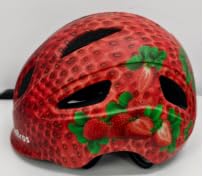 Kids Bike Helmet, OnBros Kid Cycle Helmet for Gils and Boys with LED Light, Lightweight Certified Toddler Bicycle Helmets (S/XS 46-50-55cm) Strawberry X-Small Rank #1 | 🏆 Top Pick | — | |
 Kids Bike Helmet, Toddler Helmet for Youth Boys Girls Ages 3-14 Year Old, Adjustable Fit & Lightweight, Multi-Sport Safety for Skateboard Skating Bicycle Scooter Cycling Pink M: 54.1-57.9cm/ 21.3–22.8 inch (Teenagers / Women) Rank #2 | 4.8 4.8 | ||
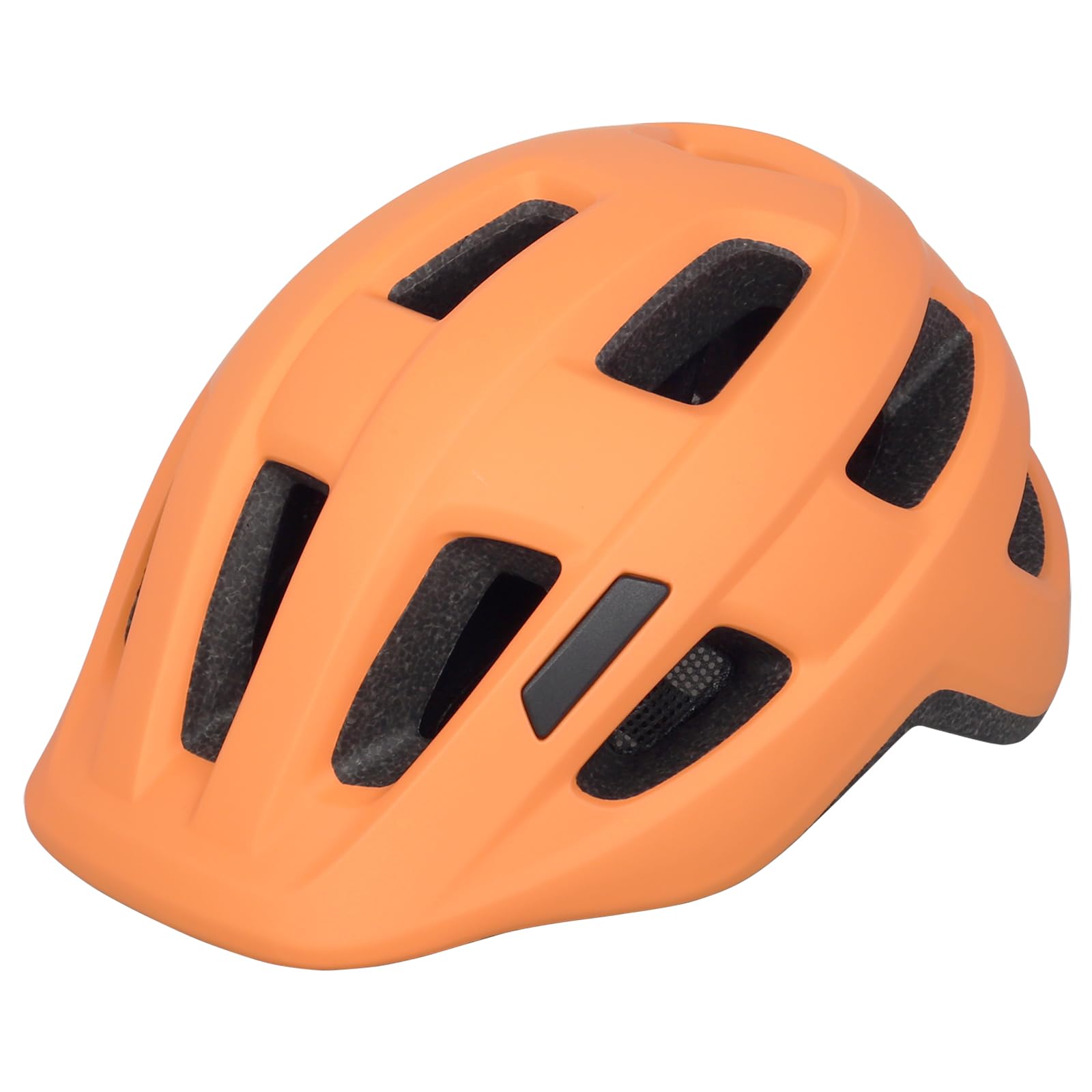 Kids Bike Helmet for Ages 1-8 Years, Adjustable Toddler Boys and Girls Helmets, Lightweight Child Infant Bicycle Cycling Scooter Sports Helmet 48-54cm Orange Small:51-54cm/20.1''-21.2'' Rank #3 | — | 4.7 4.7 | |
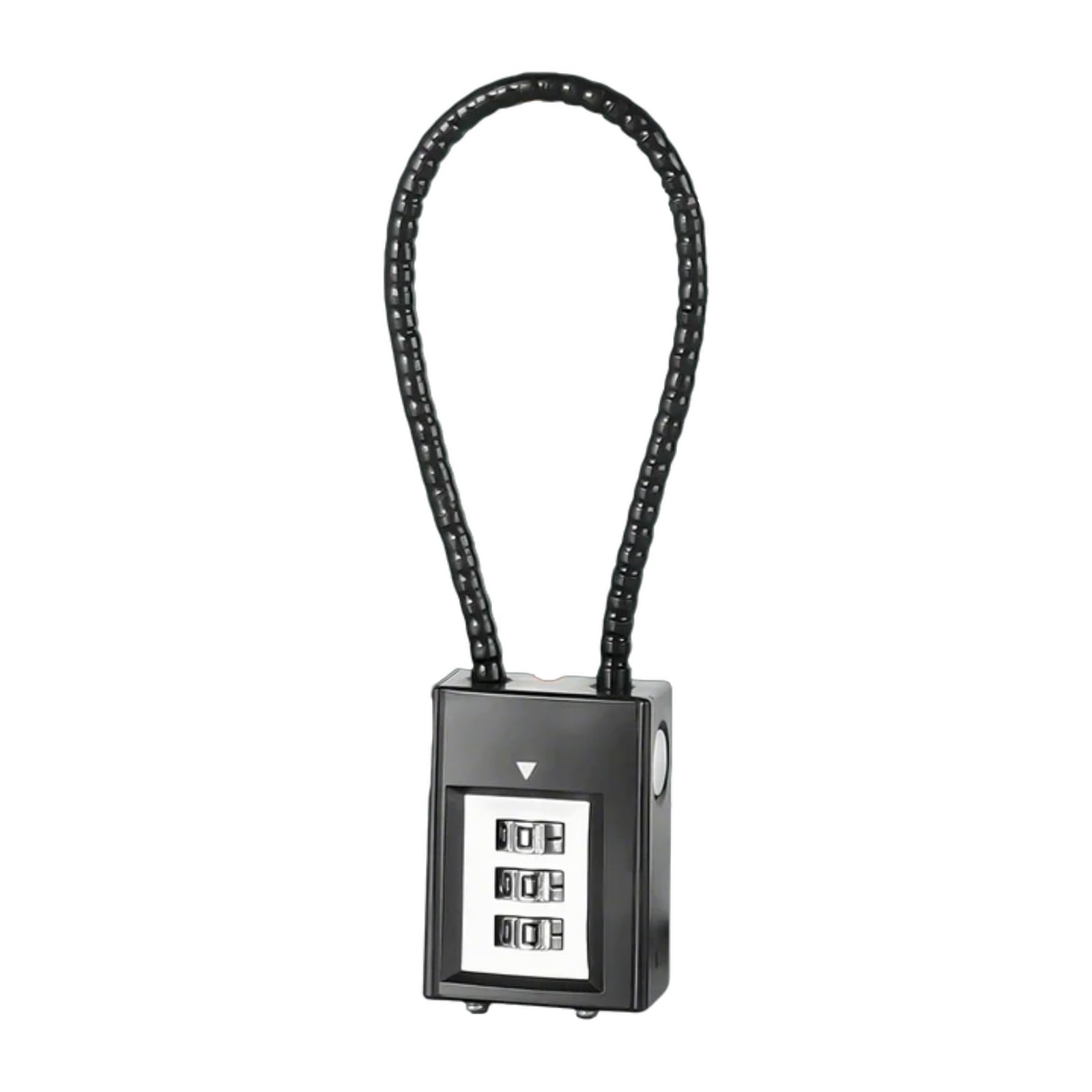 Bicycles Helmets Wire Kids Bikes Cable Cycling Combination Password Bicycles Code Combination Helmets 20cm Rank #4 | — | — | |
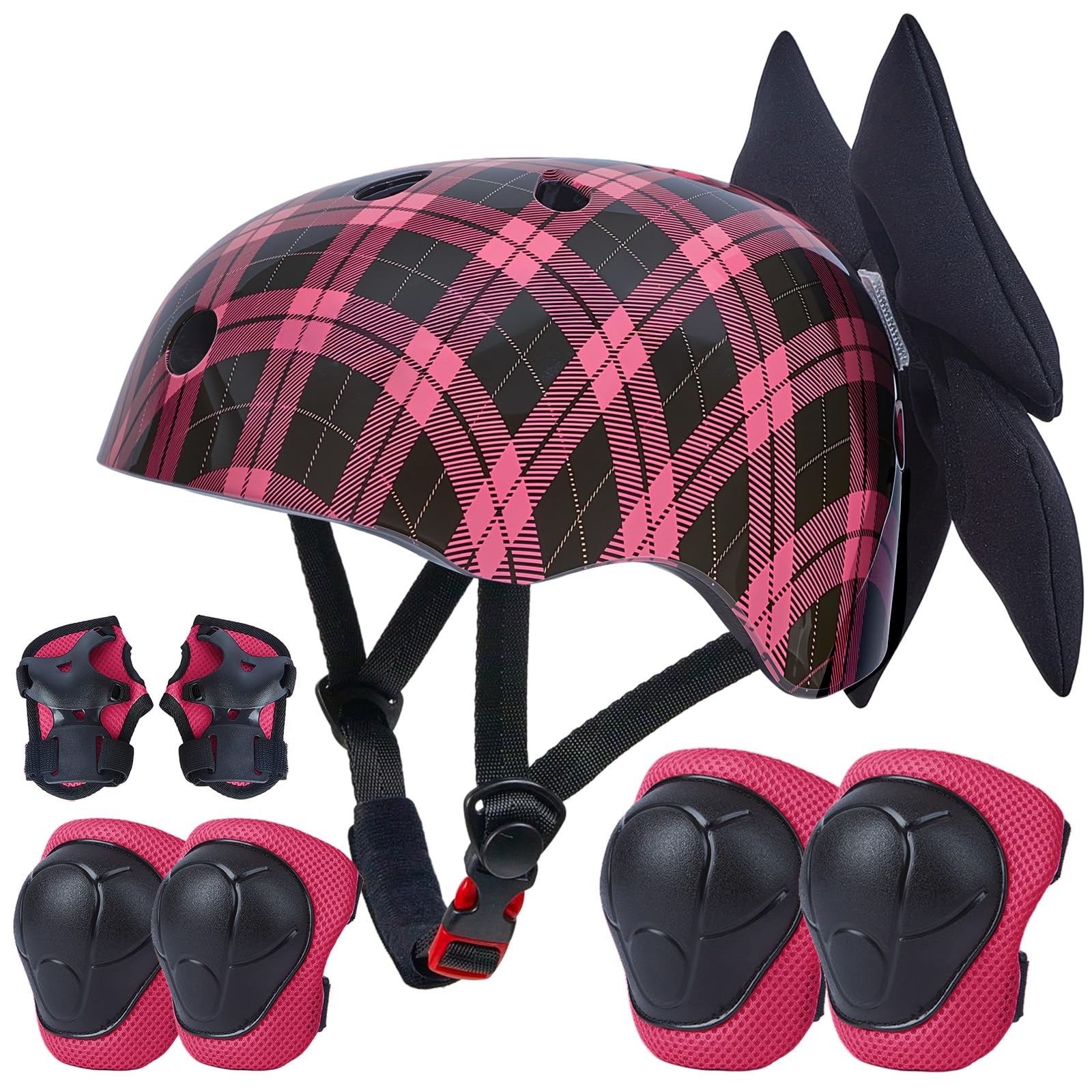 Helmet for Kids 8-14 with Knee Pads and Elbow Pads Set, Kids Bike Helmet with DIY Bow, Adjustable Youth Girls Helmets for Bicycle Scooter Skateboard Black-Pink M (20.5–22.8 in/52-58 cm; Age 8-14) Rank #5 | 💰 Budget Pick | 4.9 4.9 |
