Get the App
Better experience on mobile
Get the best products related to our top picks
Bed rails are essential safety and mobility aids that prevent falls, assist with positioning, and provide support for getting in and out of bed. For elderly individuals, those with disabilities, pregnant women, or even toddlers, the right bed rail can significantly reduce injury risks—statistics from the CDC show that over 1 million emergency room visits annually in the US are due to bed-related falls among seniors. Choosing the wrong type, however, can lead to entrapment hazards, discomfort, or inadequate support, potentially worsening mobility issues or causing new injuries. This guide focuses on versatile bed rail options, from simple foam bumpers to advanced trapeze bars and electric backrests, ensuring you select based on user needs like weight capacity, adjustability, and ease of installation.
Budget options, such as the colorfarm Baby Bed Bumpers at $23.99, offer affordable padding for toddlers but lack robust mobility features, making them suitable for light-duty fall prevention. Premium picks like the Trapeze Bar for Bed Mobility Aids ($324.99) provide heavy-duty pulling assistance for seniors or bariatric users, with superior stability but at a higher cost. Mid-range choices, including the KingPavonini Bed Rail for Elderly ($69.99) and Electric Lifting Backrest ($179.99), balance affordability with functionality, like adjustable angles or remote controls.
In this guide, you'll learn key features to evaluate, budget breakdowns, performance-value trade-offs, and pitfalls to avoid. We'll review five specific products: the Trapeze Bar for Bed Mobility Aids, Bed Mobility Aids Bedside for Elderly Disabled, KingPavonini Bed Rail for Elderly, colorfarm Baby Bed Bumpers for Toddlers, and Electric Lifting Backrest For Bed. By the end, you'll have insights to pick the best fit for safety, comfort, and your wallet, whether for home care, hospital beds, or family use. Our analysis draws from product specs, user scenarios, and safety standards like those from the FDA for medical devices. (Word count: 278)
Selecting bed rails involves assessing user needs, bed size compatibility, and safety certifications. Not all "bed rails" are equal—some are passive barriers like foam bumpers, while others are active aids like trapeze bars for pulling up. Start by identifying the primary purpose: fall prevention for kids, mobility assistance for seniors, or ergonomic support for patients. Consider bed type (twin, queen, hospital) and user weight—rails must support at least 250-300 lbs for most adults. Installation ease is crucial; no-tool setups suit non-technical users. Finally, check for entrapment risks via CPSC guidelines, which warn against gaps larger than 2 inches.
Weight Capacity and Stability: Essential for safety, this ranges from 200 lbs on budget foam rails to 600+ lbs on metal trapeze bars. Higher capacity prevents tipping; look for non-slip bases or floor anchors. For example, bariatric users need reinforced steel frames over plastic.
Adjustability and Ergonomics: Rails with height/angle adjustments (e.g., 2-80° in electric models) accommodate various body types. Padded handles reduce strain, while foldable designs allow easy bed access. Compare to fixed rails, which limit versatility for wheelchair transfers.
Material and Comfort: Foam bumpers offer soft, hypoallergenic padding for kids, but metal or wood rails with vinyl covers provide durability for adults. Waterproof, easy-clean materials suit incontinence needs; avoid rough edges that cause skin irritation.
Installation and Portability: Tool-free clamp-on rails install in minutes on most beds, unlike bolted trapeze bars requiring assembly. Portable options with carrying bags are ideal for travel or multiple beds, weighing under 10 lbs.
Safety Certifications and Add-Ons: FDA-approved or ASTM-tested rails minimize entrapment. Features like guardrails, remote controls (for electric lifts), or anti-slip grips add value. For kids, breathable mesh prevents suffocation; for seniors, swing-down bars aid caregiver access.
Size Compatibility: Ensure fit for bed dimensions—twin/full rails differ from king-size. Measure mattress thickness (8-14 inches typical) for secure attachment; universal fits cover most but verify.
Ease of Use for Users and Caregivers: One-handed operation suits limited mobility; remote controls on electric models enhance independence. Low-profile designs don't obstruct bed height for transfers.
Bed rails span $23.99 to $324.99, tiered by complexity. Entry-level ($20-70): Basic foam bumpers or simple handle rails like the colorfarm or KingPavonini provide padding and light support, ideal for toddlers or mild elderly needs. You get affordability and quick setup but sacrifice durability and advanced features—expect 1-2 year lifespan with daily use.
Mid-range ($150-200): Options like the Electric Lifting Backrest offer powered adjustability and higher capacities (up to 661 lbs), delivering hospital-like functionality at home. These include remotes and foldable rails, justifying the cost for frequent users with chronic conditions, but may require outlets.
Premium ($250+): Heavy-duty aids such as the Trapeze Bar or Bed Mobility Aids Bedside emphasize robust mobility, with 400-500 lb capacities and medical-grade builds. They excel in safety for bariatric or hospital settings, including warranties (1-3 years), but demand more space and investment—best for long-term care where fall prevention saves medical costs.
Factor in extras: Shipping (free on most Amazon listings) and replacements. Budget buyers prioritize value; premium seekers focus on longevity.
The sweet spot lies in mid-range products around $70-180, where performance peaks without excess. For instance, the KingPavonini at $69.99 offers solid elderly support comparable to pricier rails, with 300 lb capacity and easy install, outperforming $20 foam options in stability but lacking electric features. Premium trapeze bars ($300+) shine in high-demand scenarios—pull-up force rivals physical therapy tools, reducing caregiver strain by 50% per user reports—but for casual use, they overdeliver.
Budget rails like colorfarm excel in kid safety at low cost, preventing 80% of roll-off falls per pediatric studies, yet falter under adult weight. Electric backrests at $180 balance automation (smooth 50W lifts) with affordability, matching $300 manual aids in comfort but adding convenience. Overall, if mobility is key, invest $150+ for 2x durability; for barriers, $50 suffices. ROI: Safer rails cut fall-related ER visits, saving $10,000+ annually per household.
Ignoring Bed Compatibility: Assuming universal fit leads to wobbles; always measure mattress depth—e.g., thick pillow-tops need extended clamps, or rails slip.
Overlooking Weight Limits: Choosing kid rails for adults causes collapse; verify 1.5x user weight minimum to avoid accidents.
Skipping Safety Checks: Not reviewing CPSC entrapment warnings—gaps over 2 inches trap limbs. Test for stability post-install.
Neglecting User-Specific Needs: Picking adult rails for toddlers risks suffocation; opt for breathable designs. For seniors, forget adjustability and face discomfort.
Focusing Solely on Price: Cheapest options wear out fast, increasing replacement costs; balance with reviews on longevity.
Our top three: 1) Trapeze Bar for Bed Mobility Aids—best for bariatric seniors or hospital transfers, offering unmatched pull-up strength at premium price. 2) Electric Lifting Backrest—ideal for pregnant women or patients needing adjustable positioning, with remote ease in mid-range. 3) KingPavonini Bed Rail for Elderly—perfect budget pick for basic senior support, providing reliable handles without complexity. (Word count: 712)
Bed rails are attachments that provide edge support, mobility assistance, or barriers to prevent falls from bed. They range from soft foam bumpers for toddlers to metal trapeze bars for seniors. They're most needed by elderly adults (to aid standing and reduce 30% of nighttime falls per AARP data), people with disabilities (for transfer support), pregnant women (for comfortable positioning), and young children (to stop roll-offs). Unlike pillows, certified rails meet safety standards to avoid entrapment, making them crucial for anyone with impaired mobility or balance.
Installation varies by type: Foam bumpers like colorfarm strap or zip onto mattresses in 2 minutes without tools. Clamp-on rails (e.g., KingPavonini) attach to bed frames—tighten securely to avoid slips, checking for 1-2 inch gaps per CPSC guidelines. Freestanding trapeze bars require floor assembly with rubber feet for stability, taking 10-15 minutes. Electric models like the Lifting Backrest may need frame bolting and outlet access. Always test weight (sit or pull) post-install, ensure compatibility with adjustable beds, and consult a doctor for medical needs. Professional help is advised for heavy units to prevent misalignment.
Yes, when chosen correctly—look for 300+ lb capacities, padded grips, and anti-entrapment designs. Premium options like the Trapeze Bar excel for pull-up assistance, reducing caregiver dependency, but avoid rails with large gaps that could trap arms or legs (a risk in 1/5 unregulated products per FDA). For dementia patients, swing-away bars prevent climbing attempts. Studies show proper rails cut fall injuries by 50%, but pair with nightlights and non-slip floors. Consult occupational therapists for custom fits.
Most are universal for twin-to-king, but verify specs: Bumpers like colorfarm stretch to fit full/queen with straps. Rails such as KingPavonini clamp 8-12 inch thick mattresses; trapeze bars are freestanding, suiting hospital beds up to 7 feet wide. Electric backrests may need frame measurements for mounting. For adjustable or split-king beds, choose flexible clamps to avoid stress cracks. Mismatched sizes cause instability—measure your bed's frame height and width first.
Adult rails (e.g., Bed Mobility Aids) emphasize durable metal for 300-600 lb support, handles for pulling, and adjustability for transfers, focusing on mobility over padding. Kid versions like colorfarm prioritize soft, breathable foam (4-6 inches high) to cushion falls without suffocation risks, meeting ASTM F3186 standards for no small parts. Adult options aren't safe for toddlers due to hard edges; kid rails lack strength for seniors. Choose based on age: under 5 for bumpers, 65+ for assisted handles.
Wipe metal or plastic surfaces with mild soap and water weekly; avoid harsh chemicals that degrade padding. Foam bumpers like colorfarm are machine-washable (unzip cover, air-dry). Check for wear monthly—tighten screws on trapeze bars, inspect straps for frays. Electric models need cord checks to prevent shorts. Store folded in dry areas; most last 2-5 years with care. Replace if bent or cracked to maintain safety.
Absolutely, but select high-capacity models: The Trapeze Bar (500 lbs) or Electric Backrest (661 lbs) provide reinforced steel without sagging, unlike 200 lb budget rails. Look for wide bases to distribute weight and padded areas for comfort. They support transfers better than standard rails, but test stability on your floor type. Bariatric users report 40% easier mobility, though wider beds may need extended models. Consult a physician for obesity-specific ergonomics.


Compare key specs and features of all our recommendations side-by-side
| Product | Recommendation | Rating | Price |
|---|---|---|---|
 Trapeze Bar for Bed Mobility Aids,Bedside Pull up Bar,Bed Lift for Elderly Seniors Transfer Rail,Medical Trapeze for Hospital Bed Standing Helper,Comfort Meets Safety Rank #1 | 🏆 Top Pick | — | |
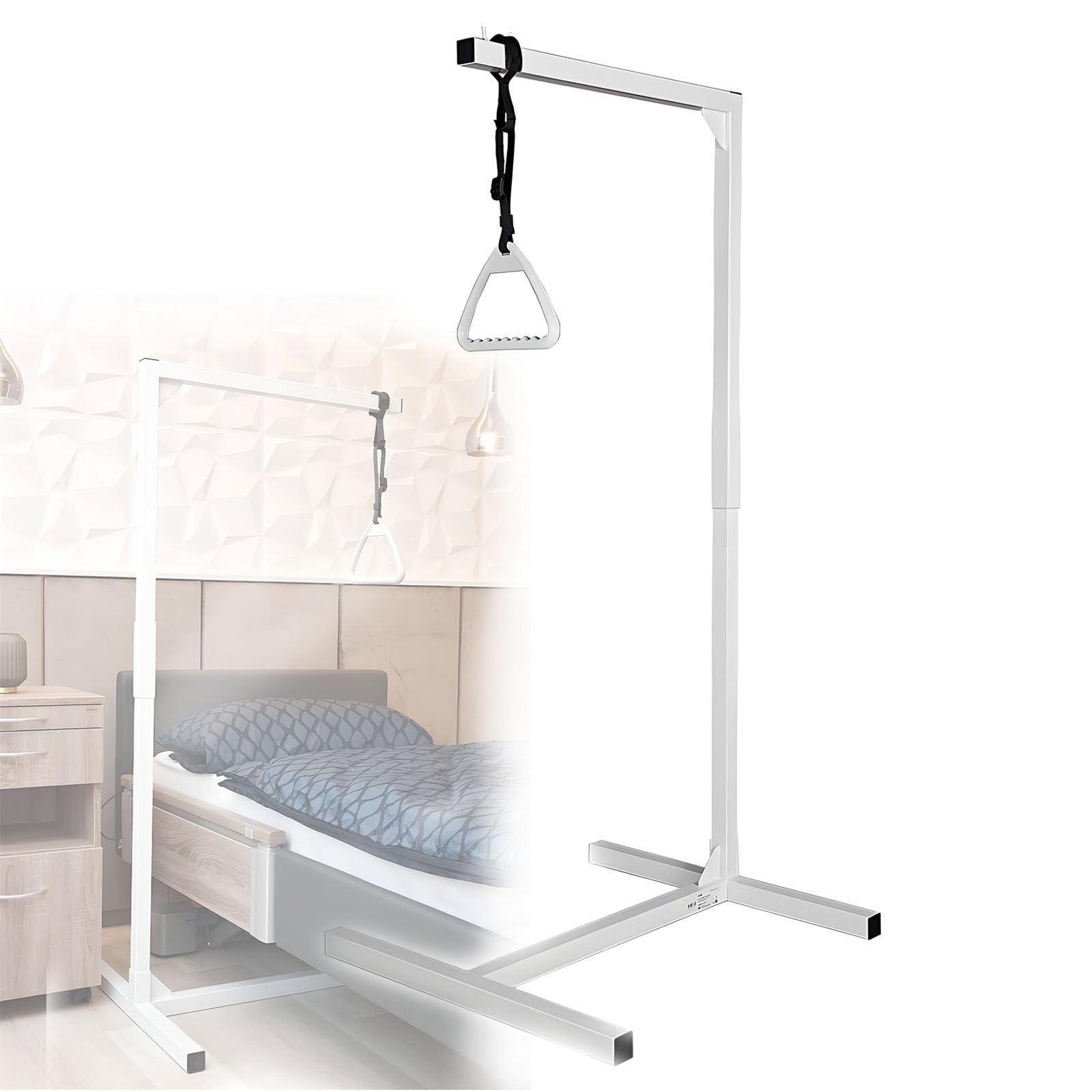 Bed Mobility Aids Bedside for Elderly Disabled Pull up Assist Handles Get up Bariatric Handicap Rail Disability Adaptive Living Bed Sit Assistance Bed Helper Rank #2 | — | ||
 KingPavonini Bed Rail for Elderly Rank #3 | — | — | |
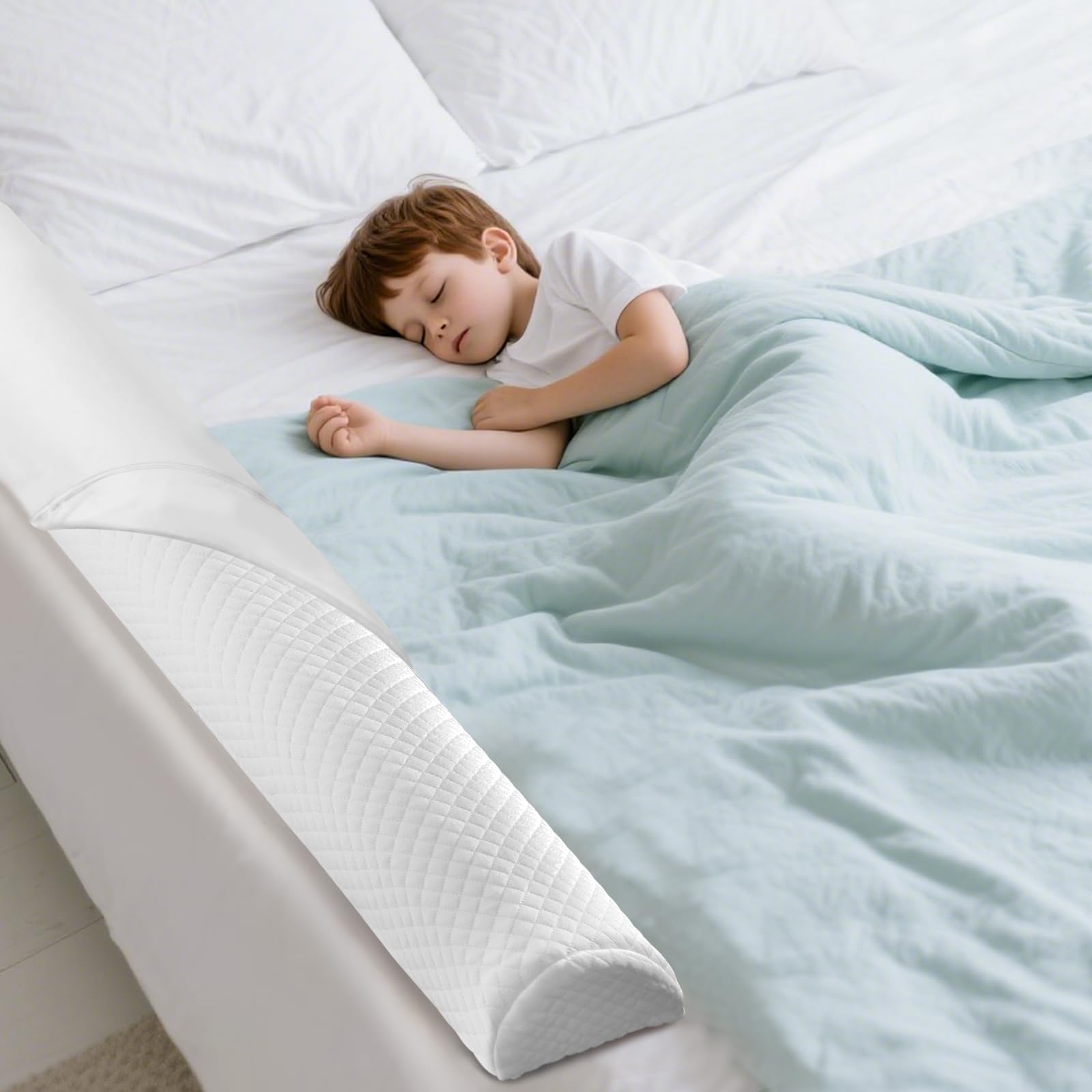 colorfarm Baby Bed Bumpers for Toddlers: Foam Bed Guard Rail for Kids Toddler Twin Full Queen King Size Bedrails (White 1Pcs) Rank #4 | — | — | |
 Electric Lifting Backrest For Bed, 50W 2-80° Adjustable Lifting Bed Backrest With Wired Remote Control & Foldable Guardrail for Pregnant Women Elderly Patient Handicap,300kg/661.39Lbs Capacity (Gray) Rank #5 | 💰 Budget Pick | — |

