Get the App
Better experience on mobile
Seven backpacks for commuting, carry-on travel, hiking, tech gear, and tight budgets — ranked by real-world usability and value.
Most backpack purchases fail for a boring reason: the bag fits the commute you imagine, not the one you actually have. A 30-liter pack sounds versatile until you're squeezing onto a crowded bus with it every morning. A minimalist 15-liter pack looks clean until you need to carry a lunch, a laptop, and a rain jacket on the same day.
The backpack market also makes comparison harder than it should be. Liter capacities are not standardized, laptop sleeve dimensions are often listed as 'fits most 15-inch laptops' without explaining the actual opening, and 'water-resistant' can mean anything from a light DWR coating to a fully waterproof roll-top. What matters more than any single spec is how the bag carries weight, protects your electronics, and matches your daily routine.
For this guide, we evaluated more than 40 backpacks using manufacturer specifications, published expert reviews, verified buyer feedback, and current retail pricing. We prioritized comfort, durable materials, laptop protection, organization, and value across budget, midrange, and premium tiers. You will find options here for students, commuters, one-bag travelers, day hikers, and tech-heavy users — along with honest trade-offs for each.
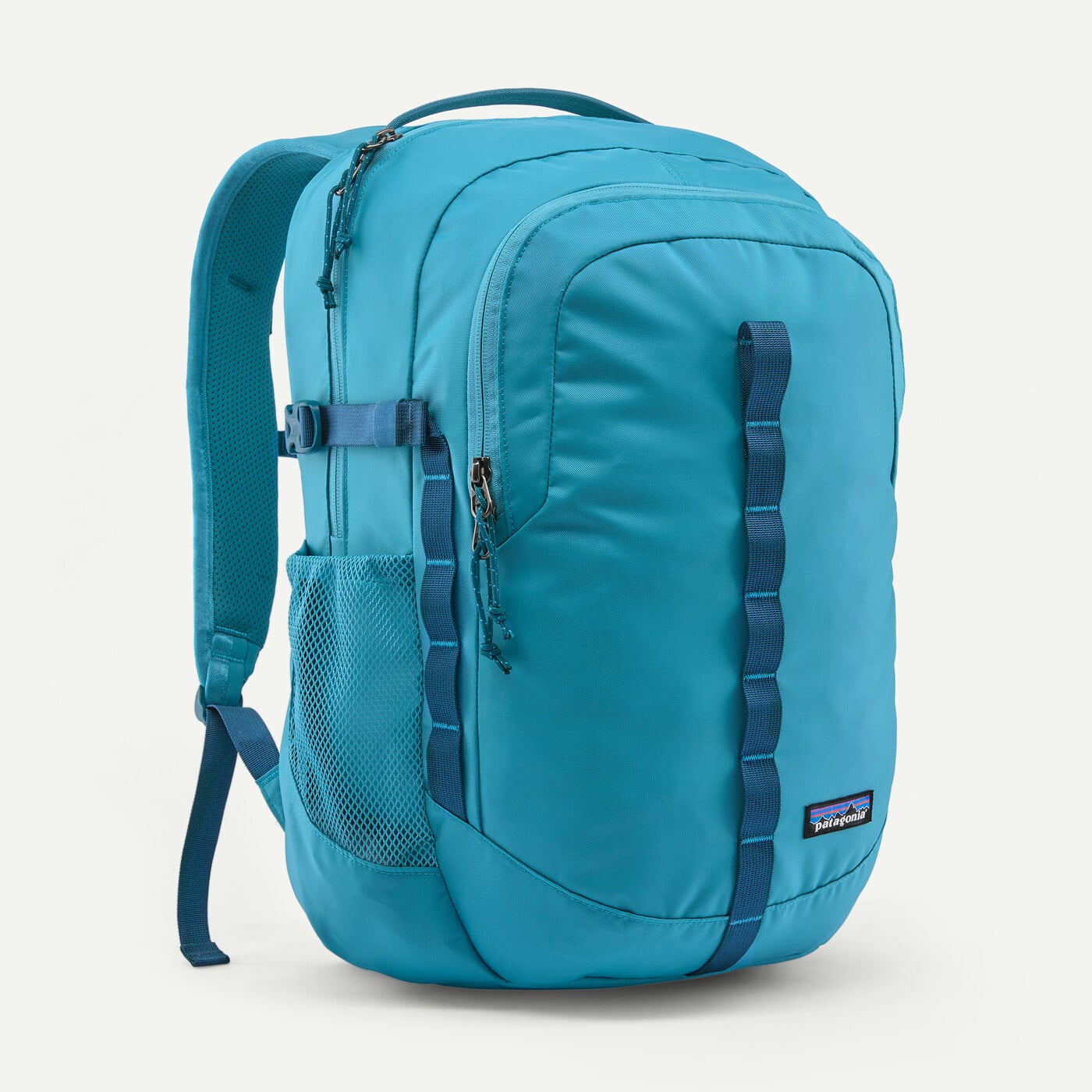
The Refugio 26L hits the everyday-carry sweet spot with a comfortable suspended laptop sleeve, recycled fabric, and enough organization for work or a day out. It is not a technical hiking pack or a one-bag travel solution, so buyers who need load-bearing hip belts should look elsewhere.
Main limitation: The padded laptop sleeve is suspended for protection, but the bag lacks a true hip belt for heavy loads.
Skip if: Skip it if you regularly carry more than 20 pounds or need a hip belt for long hikes.
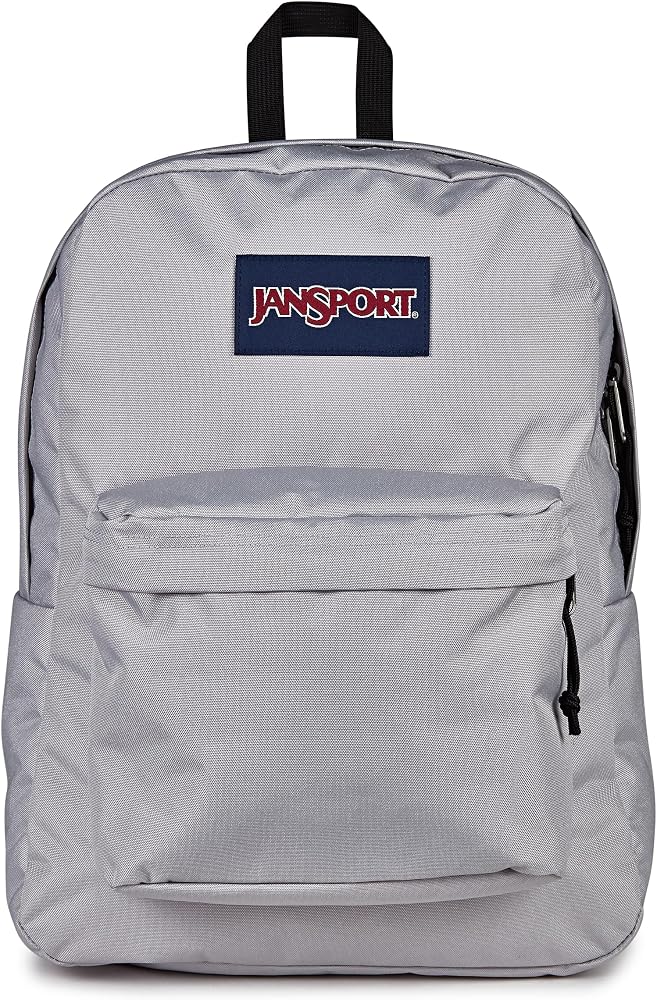
The SuperBreak One remains the default budget backpack because it is light, durable enough for books and gym clothes, and often available for under $40. The trade-off is minimal padding and no dedicated laptop compartment.
Main limitation: There is no padded laptop sleeve, so electronics need a separate case.
Skip if: Skip it if you carry a laptop daily or want structured organization.
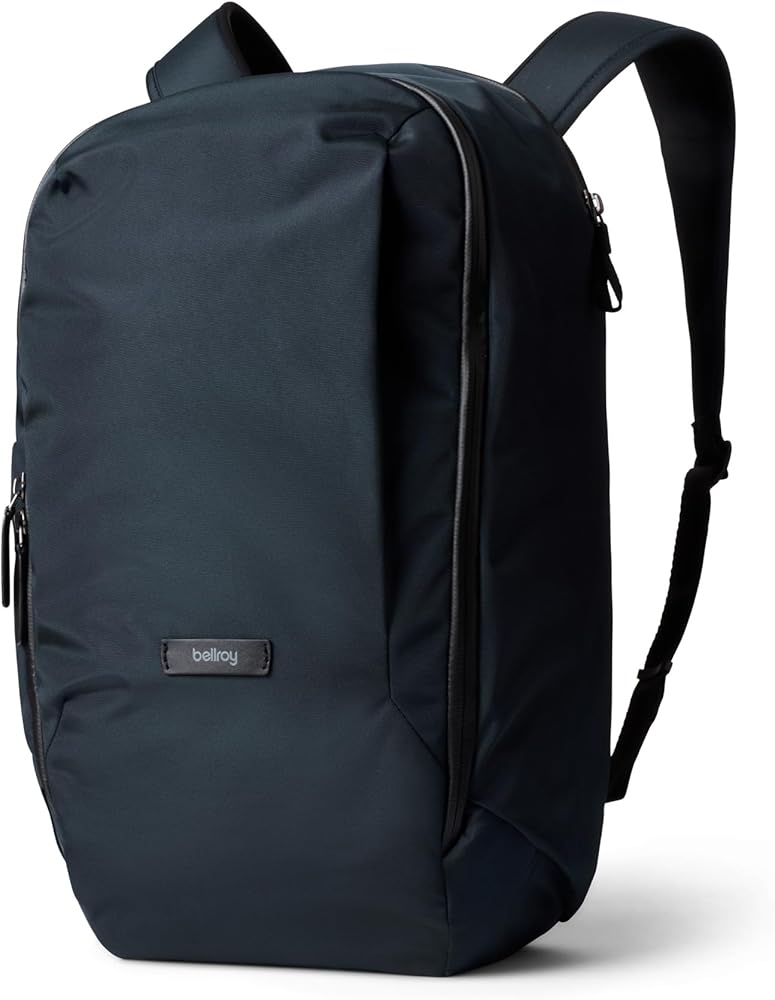
The Transit Workpack 20L is built for the office-to-gym-to-cafe routine, with a padded laptop sleeve, quick-access pockets, and a clean profile that looks at home in meetings. The main trade-off is a premium price and a capacity that is tight for overnight travel.
Main limitation: At 20 liters, it fills up quickly if you need to pack shoes, a lunch, and a change of clothes.
Skip if: Skip it if you need a large travel pack or routinely carry bulky gear.
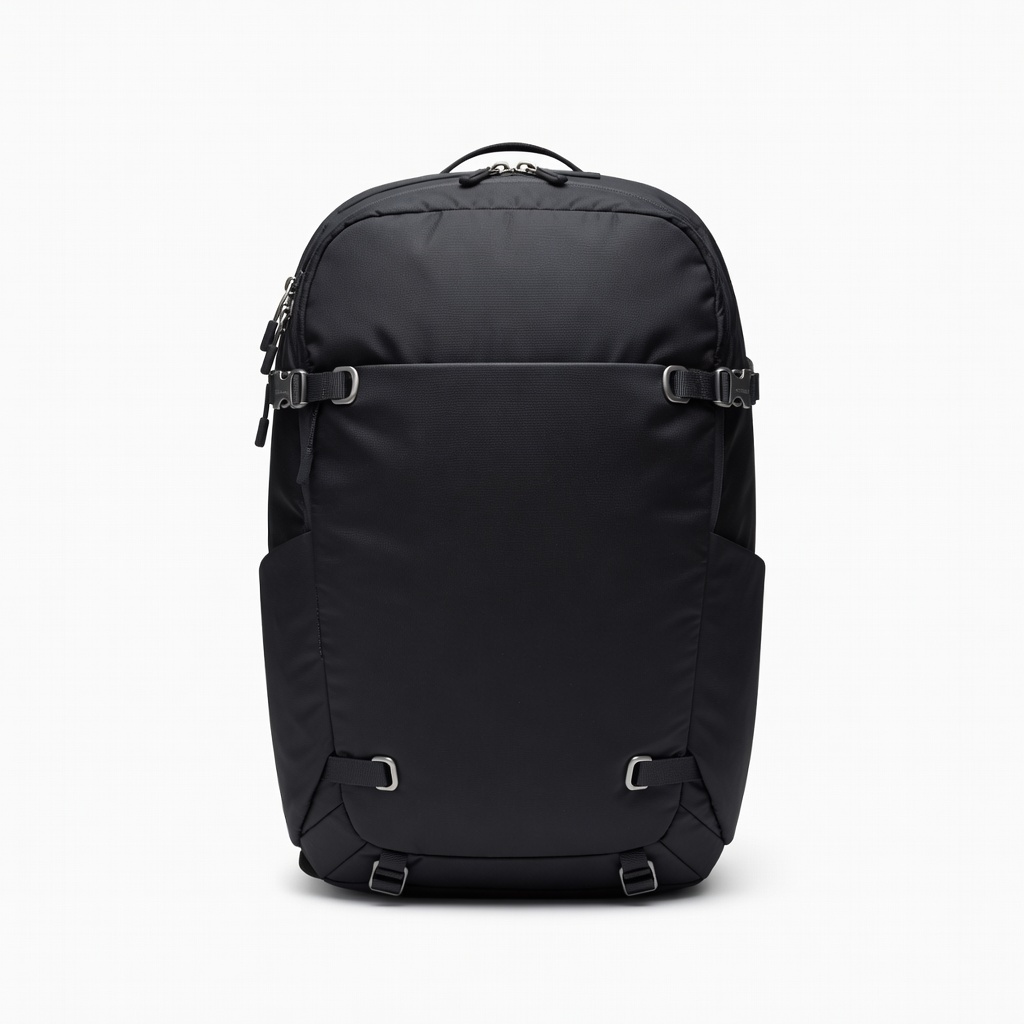
The Travel Backpack 45L adapts from carry-on to weekender with expandable capacity, clamshell access, and a harness that stows away. The main drawbacks are its weight and price, which are hard to justify if you only need a daily commuter.
Main limitation: It weighs over 4 pounds empty and costs significantly more than most travel backpacks.
Skip if: Skip it if you want a lightweight everyday bag or are on a tight budget.
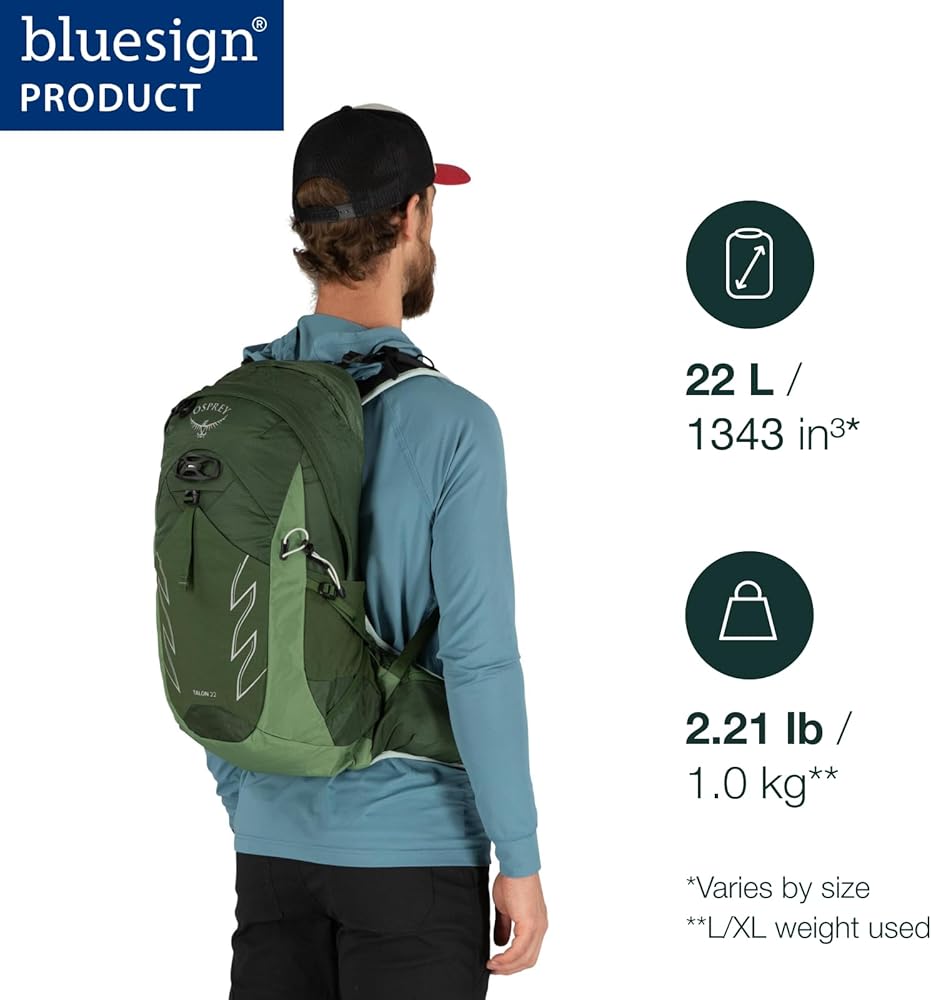
The Talon 22 is a Goldilocks daypack for trails, with a breathable back panel, a hip belt that actually transfers weight, and enough room for layers, water, and snacks. It is not styled for the office, and the trampoline back reduces internal space.
Main limitation: The suspended mesh back panel eats into capacity and makes the pack feel smaller than 22 liters.
Skip if: Skip it if you need a laptop-friendly commuter or a sleek urban backpack.
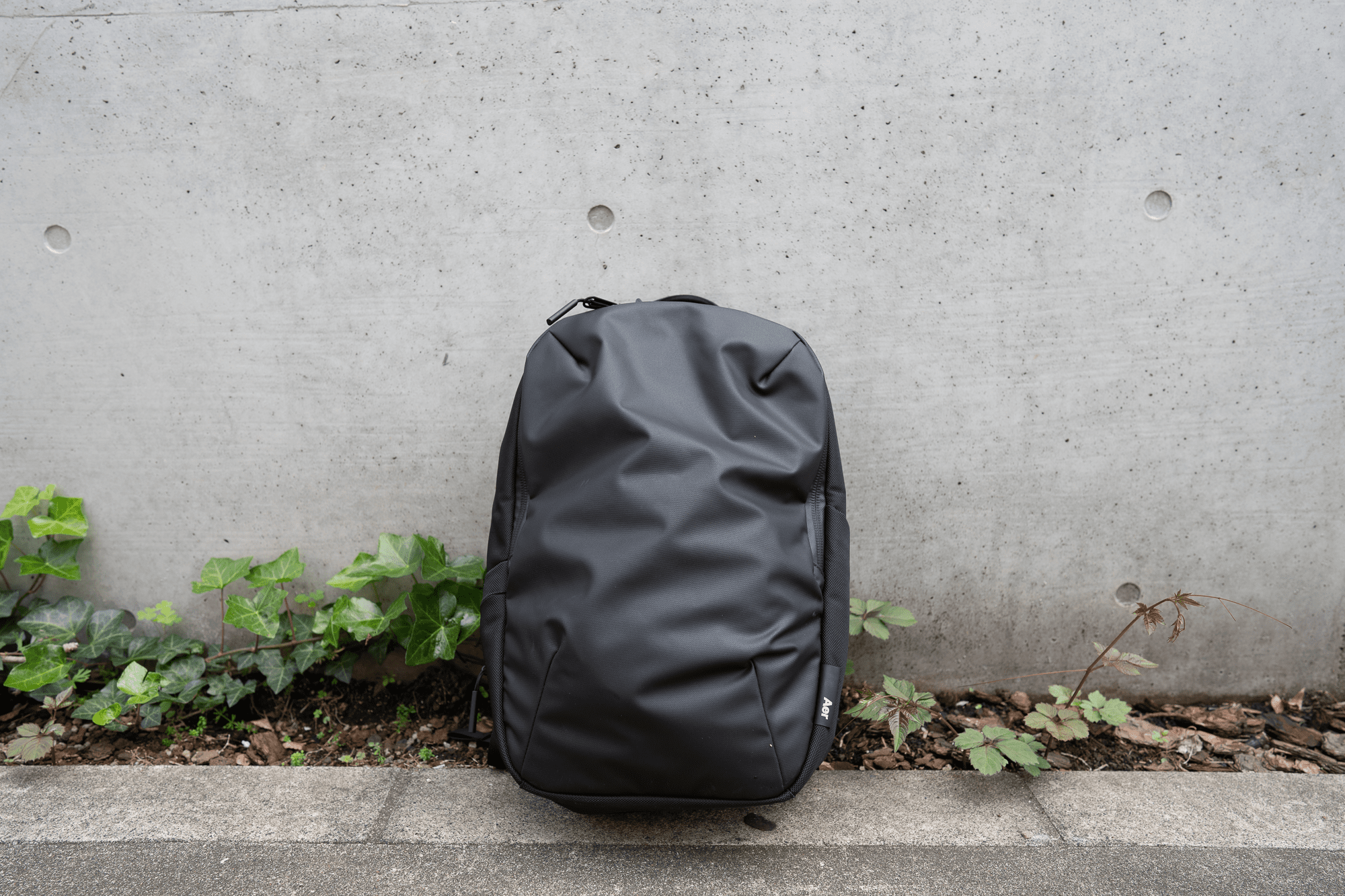
The Aer Tech Pack 2 organizes cables, chargers, drives, and a laptop better than almost any bag in its class, with a structured body that stands up on its own. The trade-off is a boxy shape and a premium price for a 20-liter pack.
Main limitation: It is heavy and rigid compared to softer commuter backpacks, so it may feel bulky on crowded transit.
Skip if: Skip it if you prefer a lightweight, packable bag for casual use.
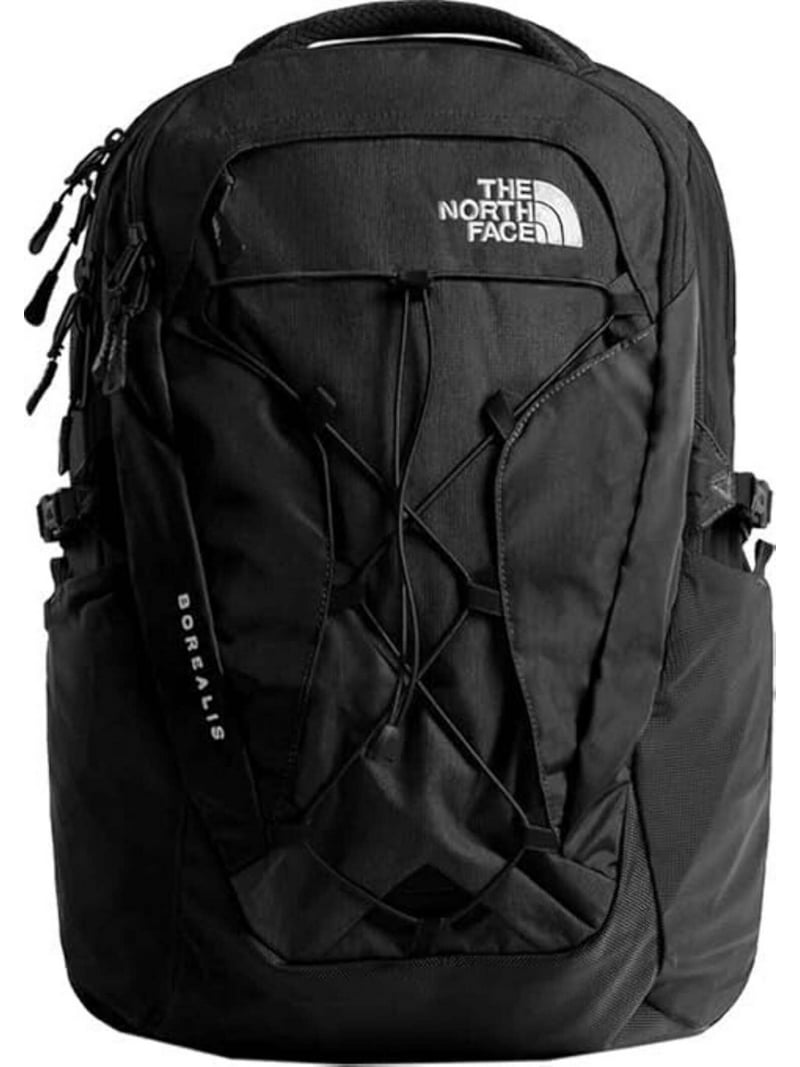
The Borealis is a campus workhorse with a padded laptop sleeve, bungee compression, and enough pockets for books, chargers, and a water bottle. It is bulkier and heavier than minimalist daypacks, which can be a drawback on crowded buses.
Main limitation: The bulky profile and many straps make it feel overbuilt for light daily use.
Skip if: Skip it if you want a streamlined bag for professional settings.
Compare key specs and features of all our recommendations side-by-side
| Product | Recommendation | Rating | Price |
|---|---|---|---|
Patagonia Refugio Daypack 26L Rank #1 | 🏆 Top Pick | 9.0/10 | $99–$119 Check current price → |
JanSport SuperBreak One Backpack Rank #2 | 💰 Budget Pick | 8.0/10 | $30–$45 Check current price → |
Bellroy Transit Workpack 20L Rank #3 | ⭐ Editor's Choice | 8.9/10 | $219–$249 Check current price → |
Peak Design Travel Backpack 45L Rank #4 | — | 8.7/10 | $299–$339 Check current price → |
Osprey Talon 22 Rank #5 | — | 8.6/10 | $140–$170 Check current price → |
Aer Tech Pack 2 Rank #6 | — | 8.5/10 | $199–$229 Check current price → |
The North Face Borealis Backpack Rank #7 | — | 8.3/10 | $99–$119 Check current price → |
Common questions buyers have about this category.
For most commuters, 18–24 liters is the practical range. That holds a laptop, charger, notebook, water bottle, and a light jacket without becoming unwieldy on public transit. If you also carry gym clothes or groceries, look at 24–28 liters.
Prioritize a suspended laptop sleeve that fits your exact laptop dimensions, not just a vague screen-size range. A false bottom, water-resistant zippers, and a separate tablet pocket add protection. Also check that the bag stands up on its own or has a structured back panel so the laptop does not slam against the floor.
Premium backpacks often use more durable fabrics, better zippers, and more comfortable harness systems, which can justify the cost for daily use over several years. However, a $200 bag is not automatically better than a $100 bag for light use. Match the price to how often you carry weight and how much protection your gear needs.
Empty all pockets, remove loose debris, and wipe the inside with a damp cloth and mild soap. For stains on the outside, use a soft brush and lukewarm water, then air-dry away from direct heat. Avoid washing machines unless the manufacturer explicitly allows it, because agitation can damage coatings and zippers.
Most airlines allow a carry-on around 22 x 14 x 9 inches, which typically corresponds to a 35–45 liter travel backpack. Personal-item bags are usually smaller, around 18 x 14 x 8 inches. Always check your specific airline's dimensions, because budget carriers often have stricter limits.
No. Water-resistant bags use coatings or fabrics that repel light rain, but seams and zippers can still let water in during heavy storms. Waterproof backpacks use sealed seams, waterproof zippers, or roll-top closures, and they often cost more and feel less breathable.
Clamshell bags open flat like a suitcase, making them easier to pack and unpack for travel. Top-loading bags are usually lighter and simpler for daily carry, but reaching items at the bottom can be a hassle. If you travel often, clamshell is worth the extra structure; for commuting, top-loading is usually fine.
Products we evaluated but did not recommend — and why.
