Get the App
Better experience on mobile
Ranked by value, versatility, and real-world feedback, these are the backpacks that earned their place in our 2026 guide.
Few pieces of gear are more personal than a backpack. It's the one thing you carry through airport security, morning commutes, and weekend trails, and the best option for one person can be a terrible fit for another. This guide focuses on the choices that matter—not just capacity and price, but how a bag sits on your back, how quickly you can reach your laptop, and whether it can handle a surprise downpour. Based on published expert reviews, manufacturer specifications, and aggregated buyer feedback, we've ranked seven backpacks that consistently satisfy the people who buy them.
Backpacks have splintered into two broad families: technical packs built for the trail and organized urban packs built for laptops and gym kits. The good news is that the gap between these worlds is closing. Many of the models below breathe well enough for a hike while still offering a padded laptop sleeve and zippered organization. The hard part is matching the size and harness to your body type—a 40L travel bag on a petite frame is worse than a 25L bag with a proper hip belt.
For this list, we looked at current models across price points from around $50 to over $200. We considered construction quality, comfort, organization, weight, and how well each bag translates across daily life. The final picks include a budget school bag, a carry-on weekender, a sleek commuter bag, and dedicated hiking and gym options. If you only read one thing, let it be this: the most important feature isn't the brand name—it's how the harness fits your torso.
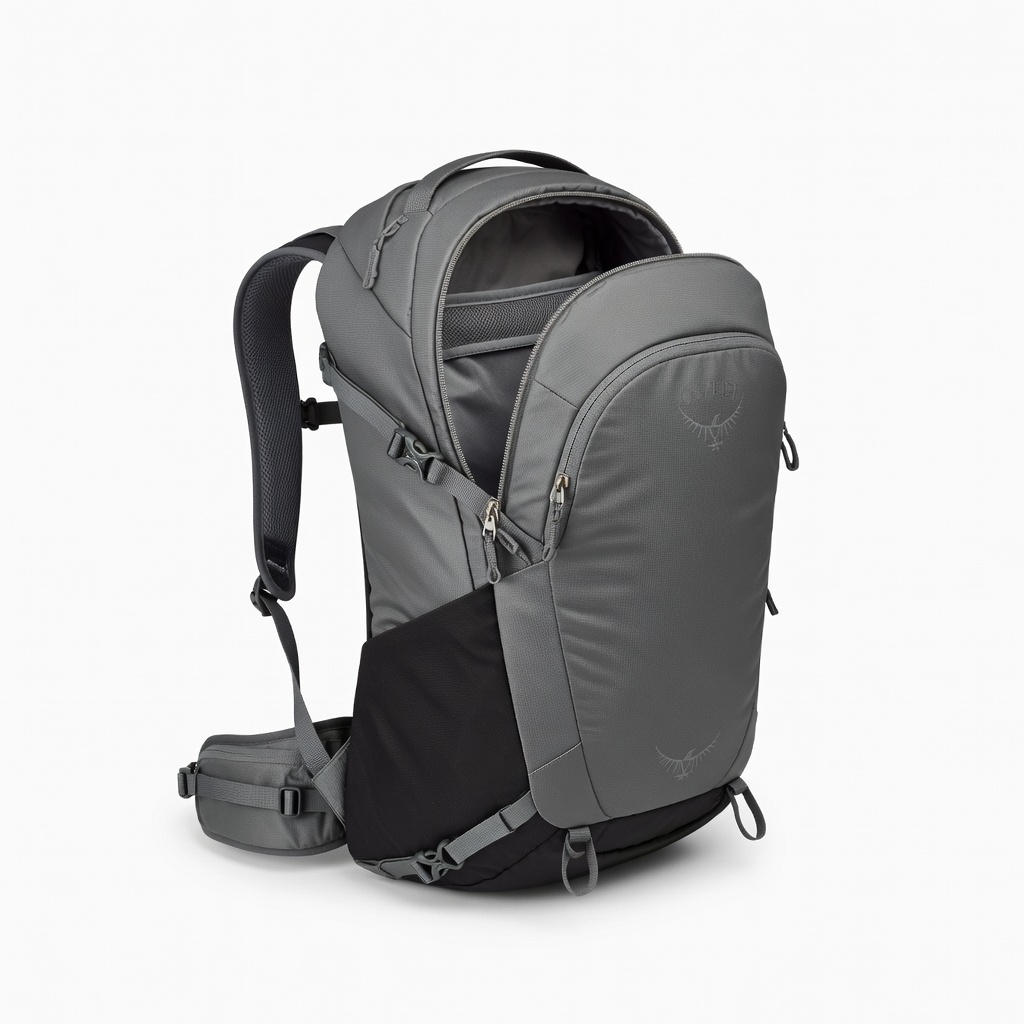
A trusted travel backpack with carry-on dimensions, a comfortable harness, and a clamshell opening that makes packing a breeze. Its only notable omissions are a water bottle pocket and the 40L capacity feels more like a suitcase than a daily commuter.
Main limitation: No external water bottle pocket and the 40L volume is too bulky for quick everyday trips.
Skip if: If you only need a compact daily carry or want quick-access side pockets, this is more backpack than you need.
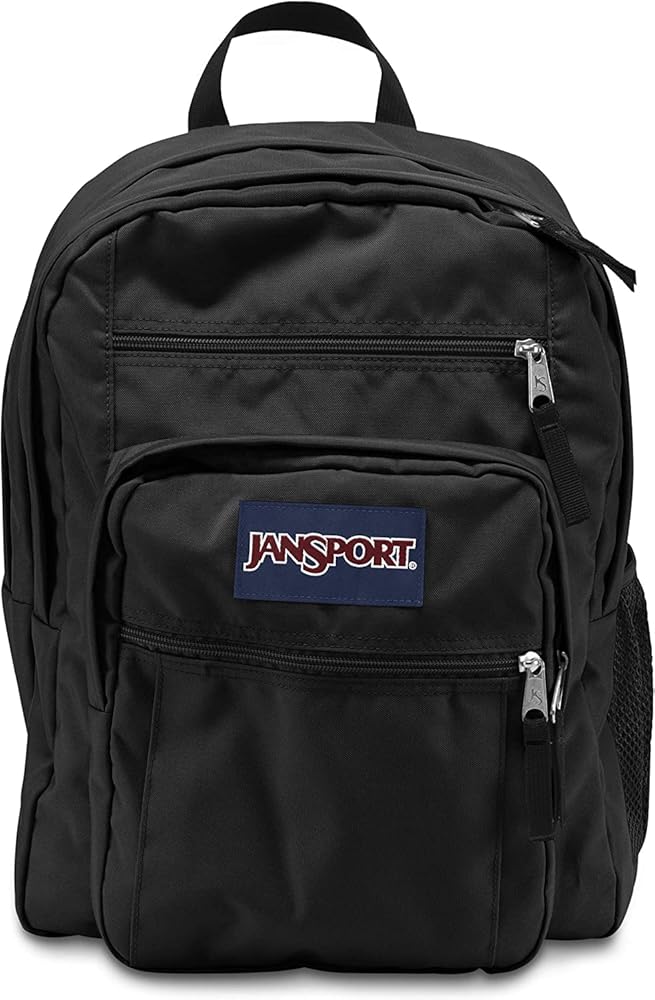
A classic school backpack that has remained popular because it's affordable, durable, and backed by a 25-year warranty. The padded laptop sleeve and multiple pockets handle the basics, but you won't get premium materials or structured ergonomic support.
Main limitation: Thin straps and limited organization means it's not suited for heavy loads or all-day hiking.
Skip if: If you consistently carry a heavy laptop or need a bag that doubles as a hiking pack, look elsewhere.
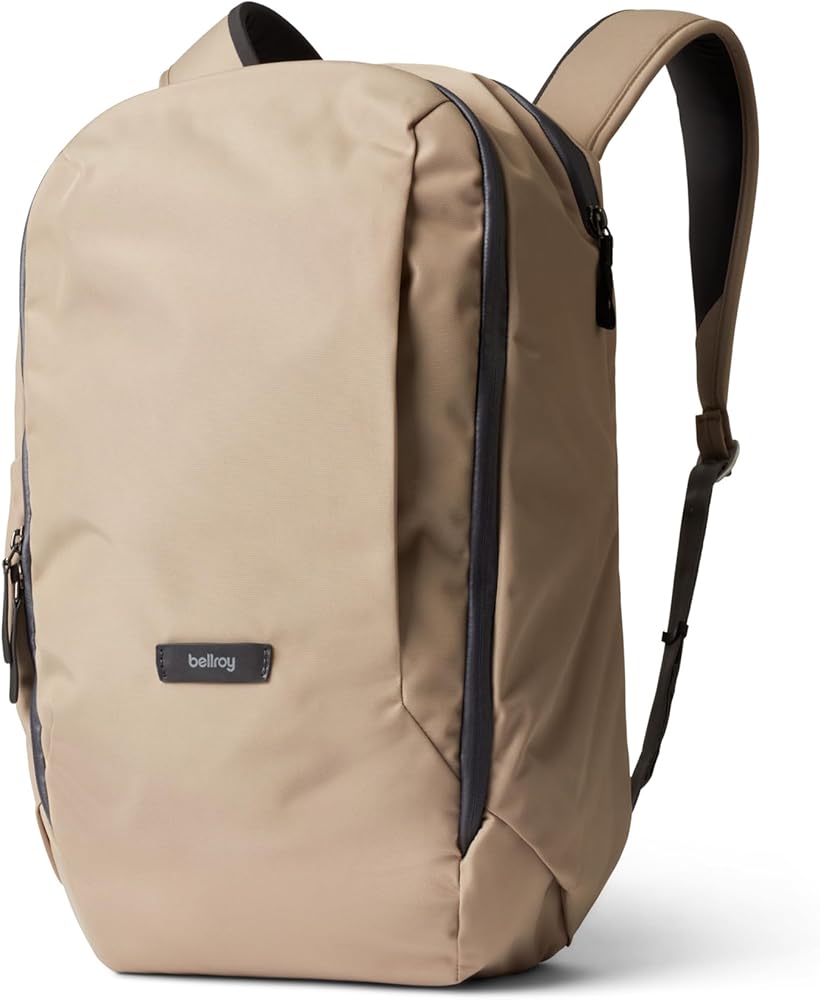
Sleek, structured, and loaded with smart pockets, the Transit Workpack is designed for daily office commutes and modern urban carry. The main trade-off is price—and the 20L capacity fills quickly if you also pack gym clothes.
Main limitation: Expensive for the size, and the main compartment runs small once you start adding bulky accessories.
Skip if: If you need a single bag for travel and gym use, the lack of a shoe pocket may disappoint.
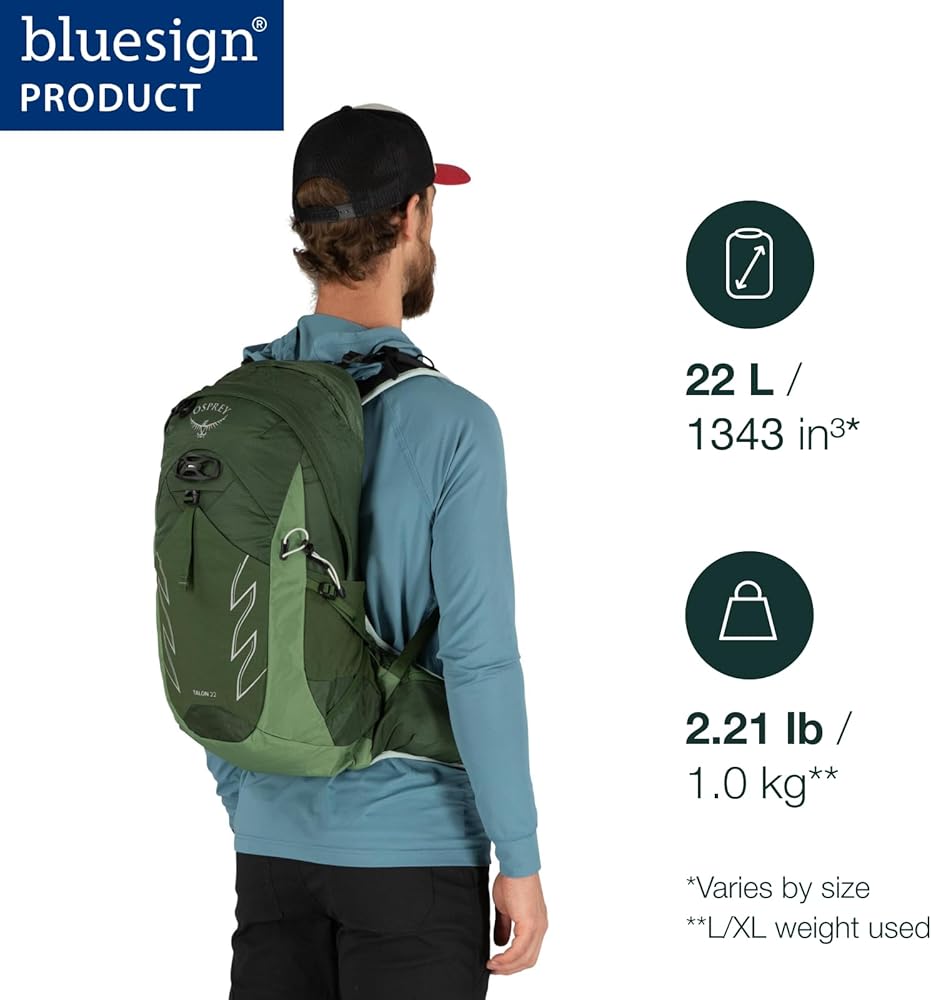
A proper hiking daypack with a ventilated suspension, trekking-pole attachments, and a hip belt that transfers load away from your shoulders. There's no laptop sleeve, so keep this one for the trail.
Main limitation: Not designed for urban or work use—no dedicated laptop protection and very little internal organization.
Skip if: If you want a do-everything bag that works both on the trail and in the office, choose a hybrid instead.
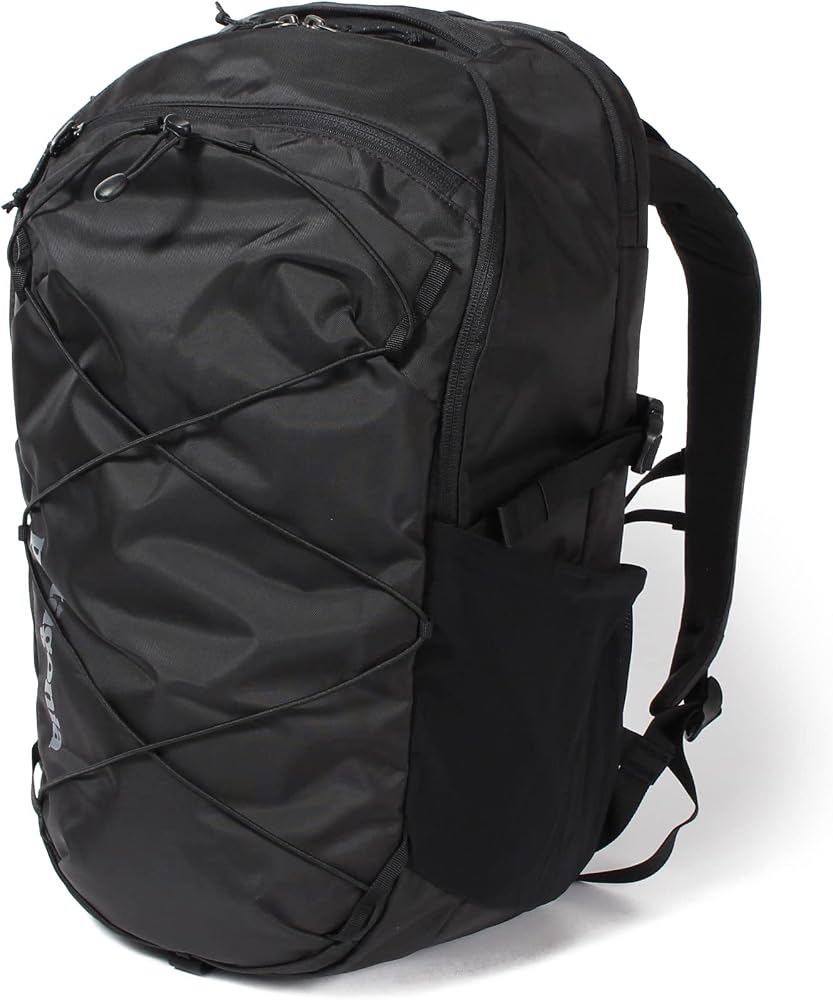
Made with recycled materials and a simple, comfortable design, the Refugio looks at home on a trail or in a coffee shop. It lacks the advanced suspension of a dedicated hiking pack and the structured pockets of a tech-focused bag.
Main limitation: Padding is minimal and there aren't enough small pockets for detailed daily organization.
Skip if: If you need a rigid, form-fitting harness or a fully padded laptop compartment, this isn't your bag.
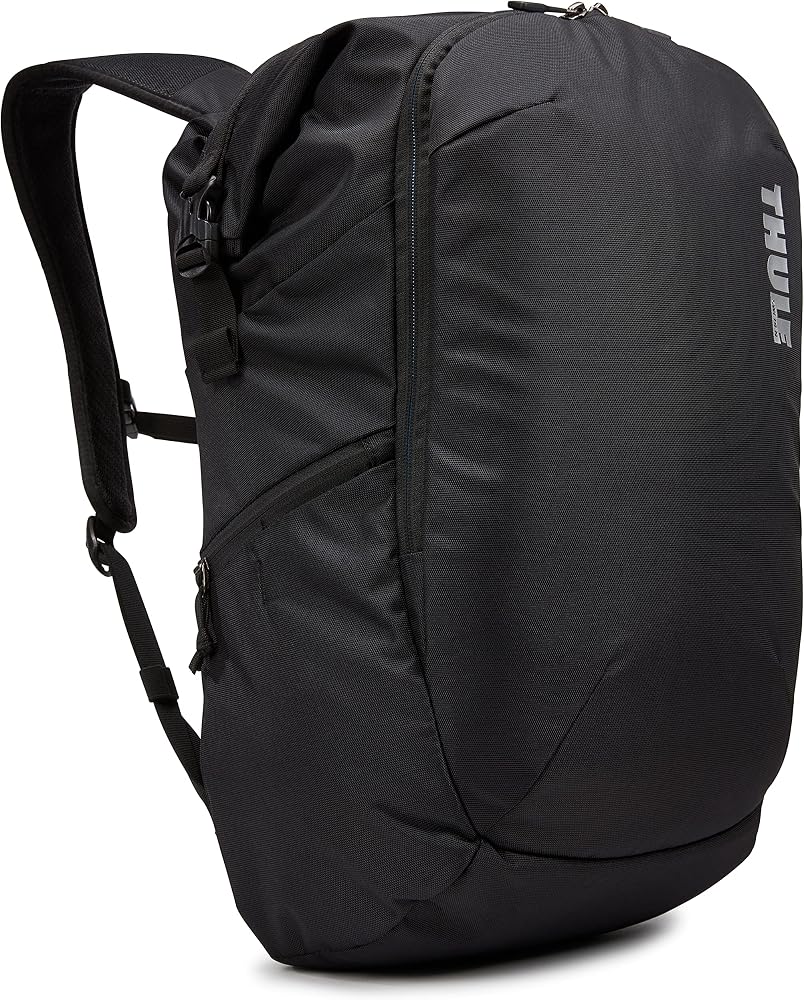
With a dedicated shoe compartment, a separate laundry pocket, and a padded tech zone, the Subterra 34L lets you carry work clothes and gym gear together. The bulky, rectangular build isn't ideal for tight subway crowds.
Main limitation: Heavier and more structured than most everyday backpacks, which can feel cumbersome during quick trips.
Skip if: If you're a minimalist packer or want a lightweight bag for light loads, this will feel like overkill.
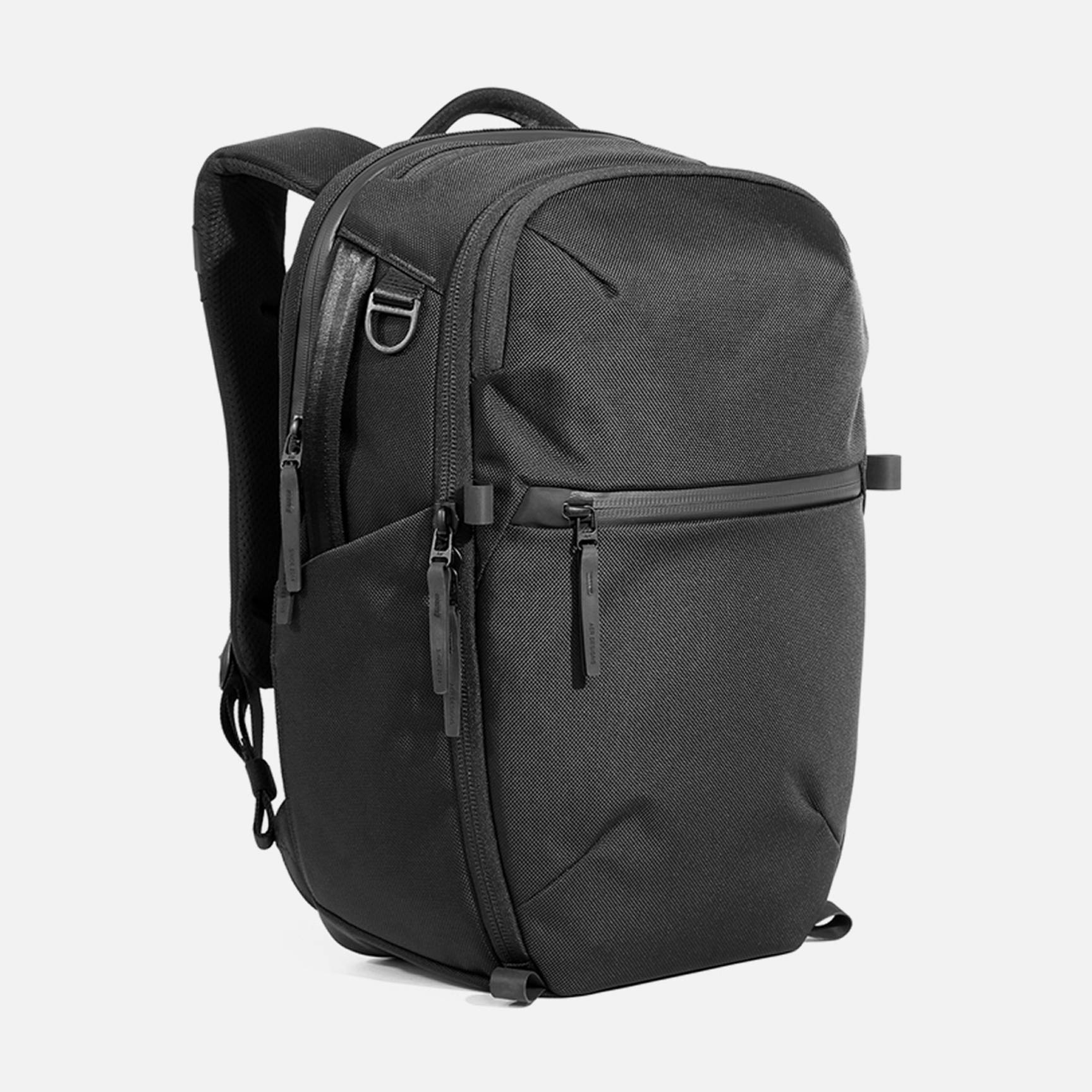
Purpose-built for carrying laptops, chargers, and camera gear, the City Pack Pro's 24L main compartment and multiple fleece-lined pockets keep expensive tech protected and accessible. It's a premium option, and the dense padding makes the bag noticeably heavy.
Main limitation: At over 3 pounds, it adds noticeable weight to your daily carry, and the price is steep for casual users.
Skip if: If you only carry a few items and don't need armored compartments, this is more bag than you need.
Compare key specs and features of all our recommendations side-by-side
| Product | Recommendation | Rating | Price |
|---|---|---|---|
Osprey Farpoint 40 Rank #1 | 🏆 Top Pick | 9.0/10 | $180–$200 Check current price → |
Jansport Big Student Backpack Rank #2 | 💰 Budget Pick | 8.0/10 | $40–$50 Check current price → |
Bellroy Transit Workpack Rank #3 | ⭐ Editor's Choice | 8.5/10 | $199–$219 Check current price → |
Osprey Talon 22 Rank #4 | — | 8.7/10 | $120–$140 Check current price → |
Patagonia Refugio 30L Rank #5 | — | 8.2/10 | $120–$130 Check current price → |
Thule Subterra 34L Rank #6 | — | 8.0/10 | $170–$200 Check current price → |
Aer City Pack Pro Rank #7 | — | 8.6/10 | $189–$209 Check current price → |
Common questions buyers have about this category.
For work, school, or city commuting, 15–25 liters is the sweet spot—enough for a laptop, book, lunch, and light extras without becoming a burden. If you travel frequently or pack gym gear, consider 25–35 liters, and for carry-on-only travel aim for 40 liters or less to meet most airline restrictions.
A hip belt transfers weight from your shoulders to your pelvis, which is essential for heavy loads, long treks, or uneven terrain. For everyday urban use, a simple sternum strap or a lightweight hip belt can still help stabilize the pack and reduce shoulder strain—especially if you bike or walk a lot.
Often yes, if you carry daily and value durability, comfort, and warranty. Premium backpacks use better zippers, fabrics, and foam, and they tend to last several years longer than budget options. That said, mid-priced packs like the Osprey Daylite Plus or JanSport Big Student offer excellent value if your needs are simple.
For commuting, walking, or biking, an external water bottle pocket is a huge convenience—you can grab your bottle without unzipping anything. Hiking packs often have stretch side pockets, but some travel backpacks, like the Osprey Farpoint 40, omit them for a cleaner look, which can be a deal-breaker for users who drink water frequently.
A laptop sleeve is a padded pocket inside the main opening, while a dedicated compartment is a separate zippered, often lightly padded area that doesn't touch your books or clothes. Purpose-built compartments make it easier to access your computer without unloading the whole bag and save a little space since they use shared walls.
Yes—if you expect to carry the bag daily for years. Brands like Osprey, JanSport, and Patagonia have strong repair or replacement policies that can save you money in the long run. Make sure you understand the warranty terms before you buy, but a generous policy is a good sign that a manufacturer stands behind its construction.
Products we evaluated but did not recommend — and why.
