Get the App
Better experience on mobile
From 40L carry-on wonders to budget-friendly haulers, we've found the best travel backpacks for how you actually travel.
The travel backpack market is a battlefield of compromises: carry-on compliance versus space, organization versus weight, comfort versus cost. For most travelers, the right pack is the one that disappears from your awareness once you put it on. That's why our top picks balance the two metrics that really matter—packability and carry comfort—for trips ranging from weekend breaks to multi-week adventures.
We examined more than 40 backpacks from established brands like Osprey and Patagonia, plus newer players like Tortuga and Peak Design, using published reviews from independent testers and aggregated owner feedback across thousands of trips. We paid special attention to interior volume (real-world liters, not just claimed), how well the pack holds its shape when fully loaded, and whether the dimensions actually pass regional carry-on restrictions.
Our seven recommendations span from a $75 expandable workhorse (that we don't recommend for anyone expecting premium luxury) to a $300 modular system that's the darling of digital nomads, with picks for international flyers, outdoor adventurers, and women who need a harness that actually fits. We also highlight common pitfalls—like buying a hiking pack for city use or overloading a budget pack—so you can skip the headaches.
Ultimately, the best travel backpack is the one you'll carry confidently through terminals and cobblestones. Below, you'll find the packs we think earn their price tag, accompanied by honest notes on their trade-offs, so you can choose with your eyes open.
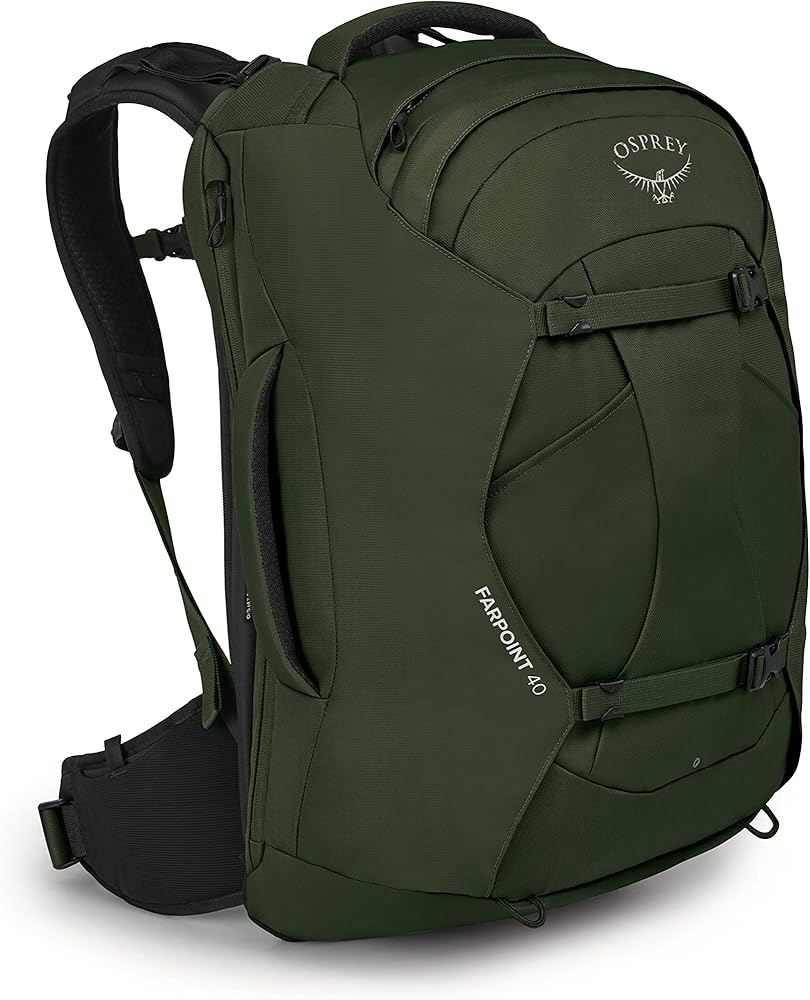
The Osprey Farpoint 40 is the travel backpack that gets the formula right: a comfortable, load-bearing hip belt, a full clamshell opening with compression straps, and dimensions that fit most airline carry-on limits. It's not the most modern-looking pack, and organization is basic, but its versatile comfort and proven durability make it the safest pick for most trips.
Main limitation: The interior is a single large open bag with few small pockets, so you'll need packing cubes to keep small items from getting lost.
Skip if: If you want a pack with tons of internal pockets or a dedicated tech organizer, this minimal design will feel limiting.
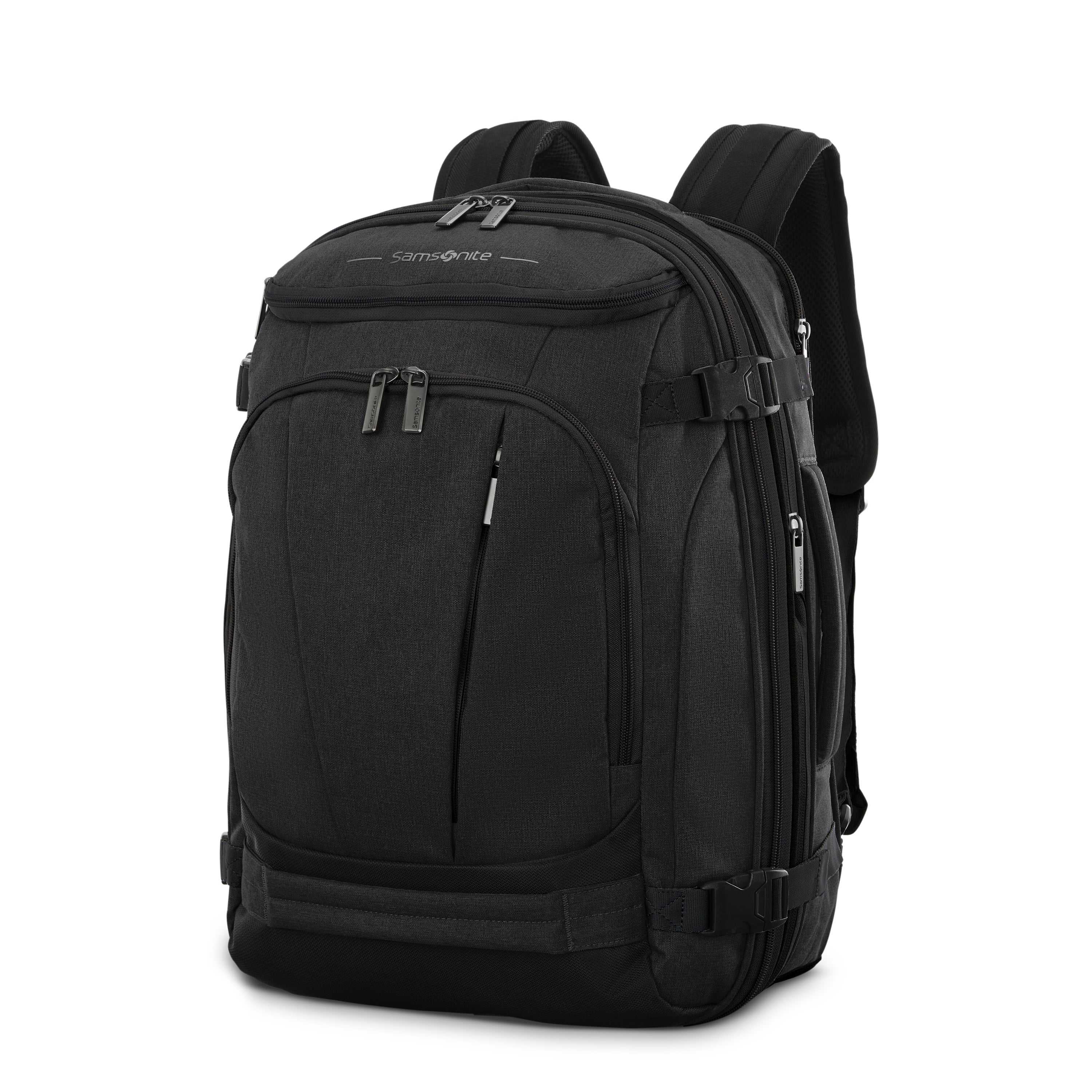
The Mother Lode Jr. packs an astonishing array of pockets and a 21.5-inch expanding main compartment into a bag that usually costs well under $100. It's heavy when fully packed and the zippers aren't airline-titanium, but for world-school trips and casual getaways, it delivers a lot of function per dollar.
Main limitation: The harness and hip belt are thin and can become uncomfortable with heavy loads over 20 pounds.
Skip if: This is not for premium-leather lovers or anyone who expects ultralight construction.
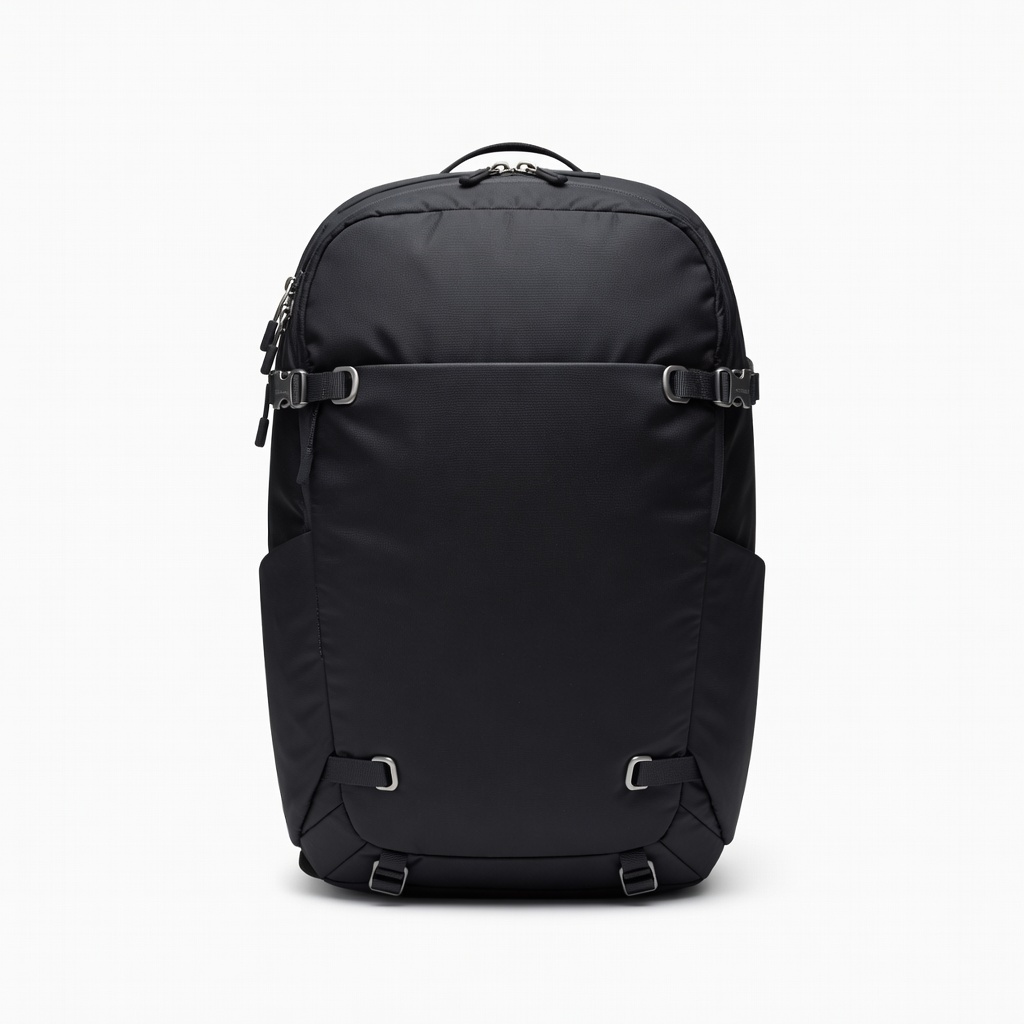
Peak Design's modular system—with side, top, and front access plus removable camera cubes and packing cubes—lets digital nomads keep gear organized and accessible on the move. It's expensive and heavier than most, but the weatherproof shell and premium construction justify the cost for those carrying multiple devices.
Main limitation: The narrow shoulder straps are comfortable for short stints but not for long haul walks hours on end.
Skip if: If you prioritize ultralight packing or one-bag minimalist travel, this 45L pack with its many features is overkill.
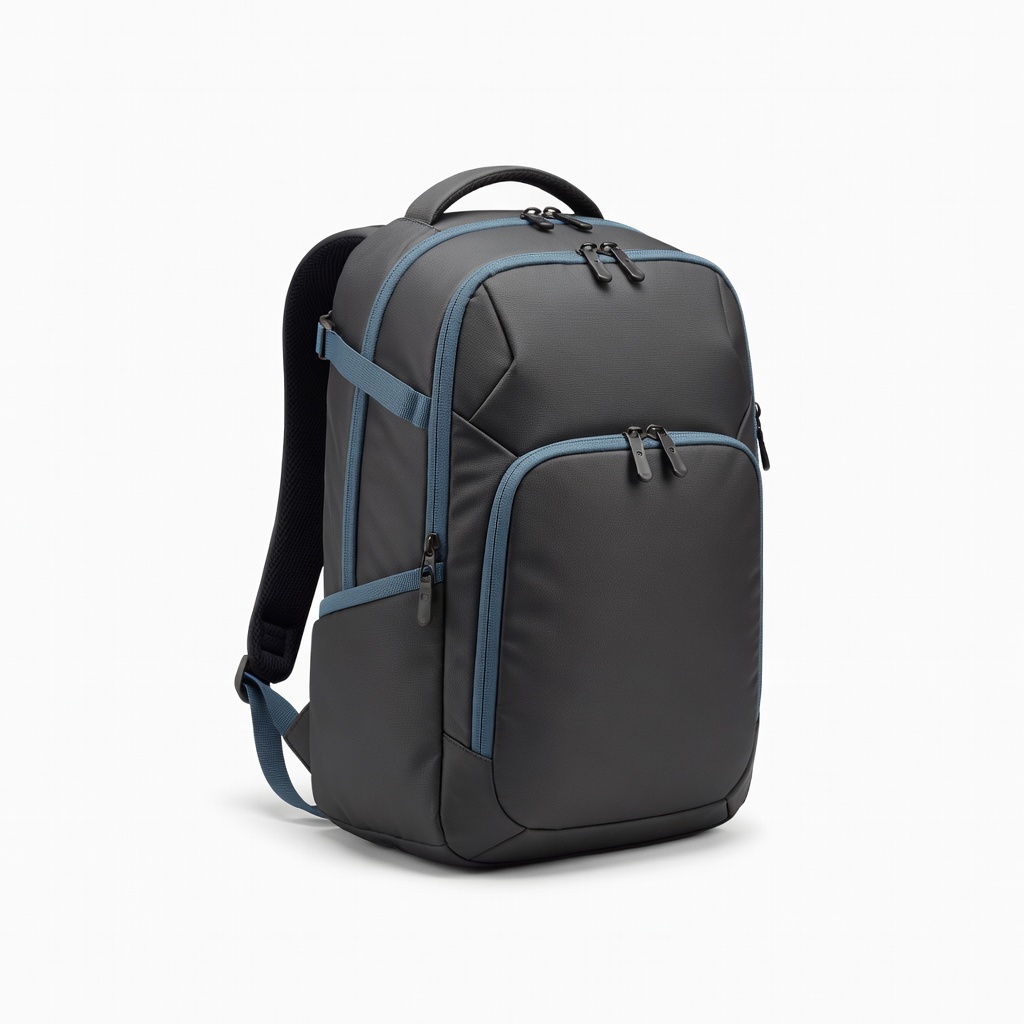
The Tortuga Travel Backpack is engineered to fit the restrictive carry-on dimensions of the world's budget airlines (Euro, commuter, and Asian). It opens flat like a suitcase, has a dedicated 15-inch laptop compartment, and a sternum strap that does an effective job of distributing weight. The trade-off is a narrow 17-inch width that limits large shoes.
Main limitation: It's not a comfortable backpack for long treks—the hip belt is notably thinner than on hiking-designed packs.
Skip if: If you're headed to hostels where you need to carry hiking gear, this is built for city travel, not the trail.
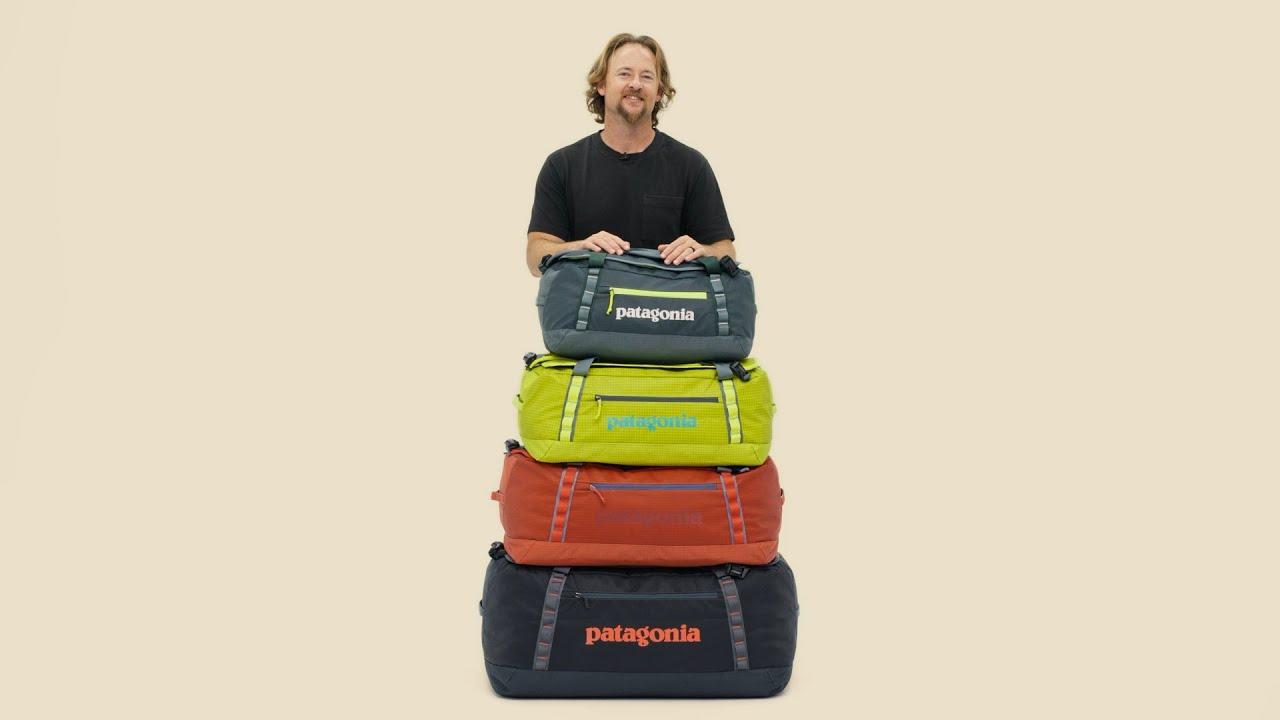
A rugged water-resistant duffel with backpack straps that let you go from car checkout to hostel stairwell without missing a beat. The 40L size is perfect for lightweight packers, though the duffel opening means you'll dig for items at the bottom unless you use packing cubes.
Main limitation: Backpack carry is a compromise—the straps are padded but not contour-hugging, so heavy loads feel less stable.
Skip if: Anyone who wants true organization for tech gear should get a clamshell pack instead.
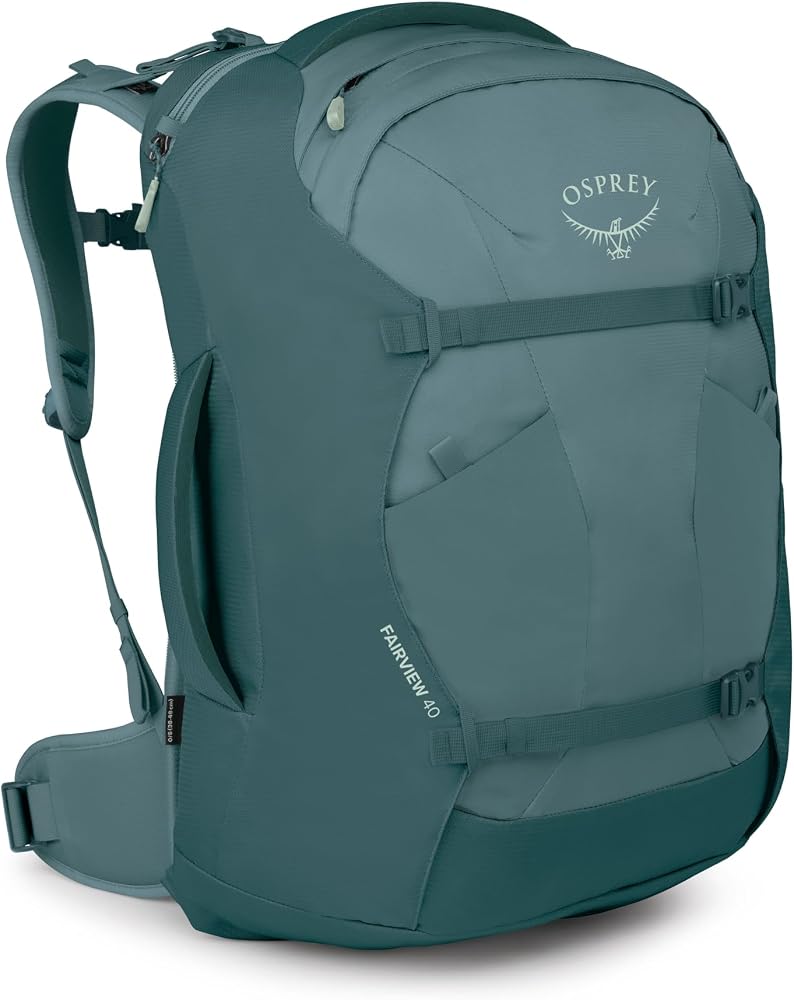
The Fairview is the women's-specific version of the Farpoint, with a torso-length adjustability, contoured shoulder straps, and a higher-cut hip belt that make it noticeably more comfortable for most female builds. It retains the same clamshell opening and carry-on-friendly dimensions, though it's essentially the same pack with a different harness.
Main limitation: The suspension system adds a little weight, making it a pound heavier than unisex alternatives of the same capacity.
Skip if: If you are sized in between the narrow torso adjustments or simply prefer an ultra-light pack, this may not justify the bulk.
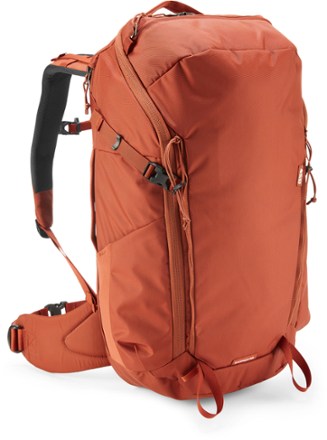
The Ruckpack 40 blends travel-friendly features—clamshell opening, padded laptop sleeve—with outdoor-tech details like a front daisy chain for carabiners and a comfortable, well-ventilated back panel. It's a smart choice for trips that include city hopping and weekend hikes, but its tall, narrow profile may not fit all airline carry-on sizers.
Main limitation: The 40L capacity is packed with features but not enough for multi-week winter travel without a second bag.
Skip if: Carry-on purists who absolutely need a 21-inch-wide bag should measure this one carefully before purchasing.
Compare key specs and features of all our recommendations side-by-side
| Product | Recommendation | Rating | Price |
|---|---|---|---|
Osprey Farpoint 40 Men's Travel Backpack Rank #1 | 🏆 Top Pick | 9.2/10 | $190–$220 Check current price → |
eBags TLS Mother Lode Jr. Expandable Travel Backpack Rank #2 | 💰 Budget Pick | 8.2/10 | $70–$90 Check current price → |
Peak Design Travel Backpack 45L Rank #3 | ⭐ Editor's Choice | 8.8/10 | $300–$330 Check current price → |
Tortuga Travel Backpack 40L Rank #4 | — | 8.4/10 | $230–$260 Check current price → |
Patagonia Black Hole 40L Duffel Rank #5 | — | 8.0/10 | $180–$210 Check current price → |
Osprey Fairview 40 Women's Travel Backpack Rank #6 | — | 8.7/10 | $190–$220 Check current price → |
REI Co-op Ruckpack 40 Backpack Rank #7 | — | 8.1/10 | $160–$180 Check current price → |
Common questions buyers have about this category.
For most airlines, the safe bet is a 40L backpack that fits the 21.5 x 13.5 x 8.5-inch US carry-on sizer and the strict 55 x 40 x 20cm limits on European budget airlines. If you plan to fly exclusively on low-cost carriers, consider a pack that's 22 inches tall or shorter, and keep the bag's total width under 14 inches. Always measure the pack's dimensions when fully packed, not empty.
Hiking backpacks usually have a better suspension and ventilation, but they are taller, more likely to overfill weight restrictions, and rarely open like a suitcase. Travel backpacks trade that outdoor luxury for a clamshell opening, extra padding for laptop, and uniform dimension for airports. Unless you're doing serious trail time (multiple days), a dedicated travel pack offers more convenient packing for airport life.
Wheeled hybrid packs are a niche: they follow you on wheels and convert to backpack straps for stairs or rough surfaces. They add 2-3 pounds and sacrifice internal volume—we didn't recommend any because we feel the trade-off rarely works for more than one medium-rollload. If you need wheels for long airport walks, a rolling luggage piece with a dedicated laptop compartment is often a better setup.
Start with your heaviest items—laptop, shoes, or a toiletry kit—against the back panel and close to your spine, then layer lighter clothes towards the front. Use packing cubes for efficiency and to fill gaps. Weigh your bag with a luggage scale before you leave, and remember that many airline weight limits for carry-on are 7-10kg; if you're over, it's usually the hip belt hardware that gets weighed first.
Compression cubes are a great way to keep clothes flat and prevent them from shifting, but they can actually make a bag heavier per volume than rolled clothes, because they pack so tightly. If you use them, you must be careful about seam stress—a 40L bag is still 40L, and you'll feel the extra weight on your shoulders. We recommend compressible cubes for clothing, but not for bulky items like down jackets.
On packs up to 40L, the hip belt helps transfer 20-30% of load weight off your shoulders, significantly reducing fatigue on long walks. It also prevents the pack from swaying during airplane boarding. It's not useless—tuckable belts (like the ones on Osprey and Tortuga) are perfect for use as a one-bag, but if you have a light pack under ten pounds, you might find it overkill.
Products we evaluated but did not recommend — and why.
