Get the App
Better experience on mobile
From budget-friendly classics to tech-packed haulers, these 8 backpacks balance comfort, durability, and organization for the 2026 school year.
The best school backpack isn't the one with the most pockets—it's the one that fits your child's actual daily load. Backpacks for 2026 have evolved beyond fabric and zippers; they now integrate anti-theft features, sustainable materials, and ergonomic suspension systems. But with so many options, it's easy to overpay for features you don't need or underinvest in essentials like spine support and weather resistance. This guide cuts through the hype by focusing on what matters most: real-world capacity, build quality, and value. We've combed through published expert reviews, manufacturer specs, and thousands of verified buyer feedback to find backpacks that genuinely perform across different grade levels and lifestyles.
A good backpack should fit the person, not the other way around. For younger students, a smaller 15–20 liter bag prevents overload and muscle strain. High schoolers and college students often need 25+ liters, a padded laptop sleeve, and dedicated organizers for chargers and water bottles. We also looked at how each bag holds up over time—maintenance is where cheap backpacks fail within a semester. Our selections range from a $40 JanSport that survives years of abuse to a $200 Nomatic designed for dual-wielding laptops and drones.
What surprised us most in our research is that the most expensive options aren't always the best. The Osprey Nebula 32, our top pick, beats luxury brands on comfort and organization at half the price. Meanwhile, a niche pick like the Patagonia Refugio wins for eco-conscious students, and the SwissGear Scansmart stands out for its anti-theft protections, a growing concern on crowded campuses. Each backpack below was chosen for a specific use case, ensuring there's a deserving recommendation no matter your needs.
Below, you'll find our top 8 picks, a comparison of honorable mentions, and a buying guide that answers the most common backpack questions. Whether your student commutes by bike, hauls heavy textbooks, or just needs a stylish bag for a binders-and-lunchbox day, we've got you covered.
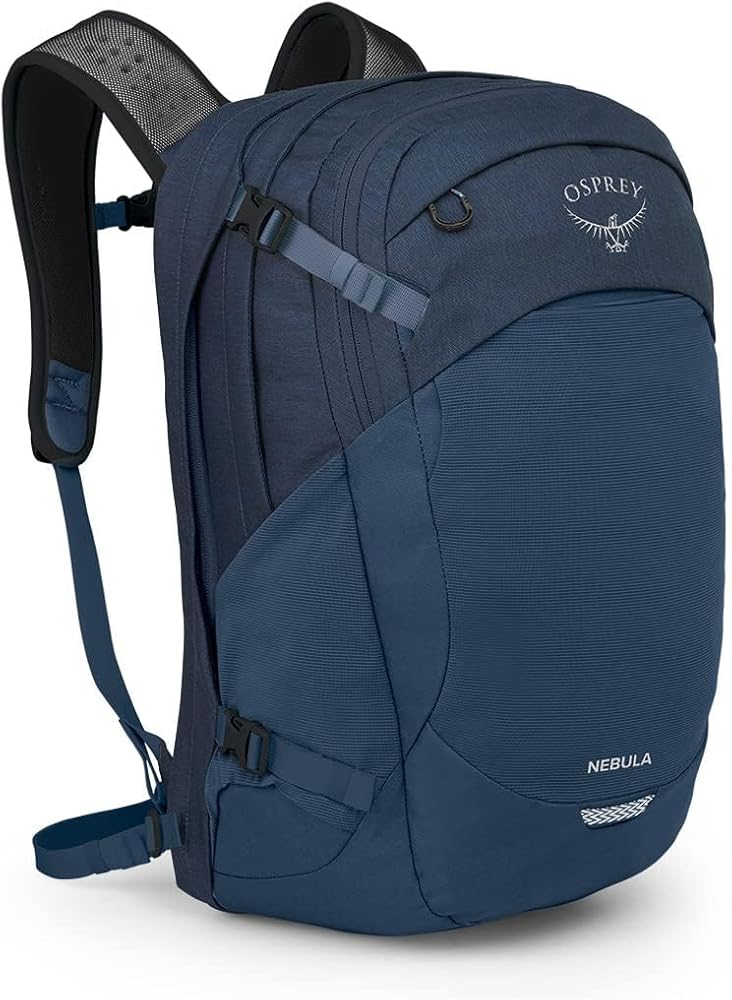
The Osprey Nebula 32 is the perfect balanced backpack for students who live out of their bag. It offers a 32-liter main compartment, a dedicated 15-inch laptop sleeve, and a separate organizer panel that keeps cables, pens, and sunglasses from turning into a black hole. The AirScape back panel and sternum strap make heavy textbook loads feel lighter. Trade-off: The large capacity may be overkill for students carrying just a notebook; it's priced at the high end of mid-range.
Main limitation: The zippers are a bit stiff when the bag is new, and the water bottle pockets are too tight for extra-wide thermoses.
Skip if: Students who prefer an ultra-light, minimal carry for just a laptop and few loose papers might find this size and weight excessive.
A true icon, the JanSport Right Pack has been a schoolyard staple for decades because it simply works. It's made with durable 600-denier fabric, has a padded 15-inch laptop sleeve, and a roomy main compartment that fits a full load of binders. The front utility pocket keeps electronics organized. Its biggest trade-off is a lack of lumbar support—heavy loads will strain your shoulders on long walks.
Main limitation: Thin shoulder straps can dig in when carrying heavy textbooks, and there are no side water bottle pockets.
Skip if: Students who regularly carry more than 20 pounds of books or walk more than 20 minutes to campus should look for a suspension system.
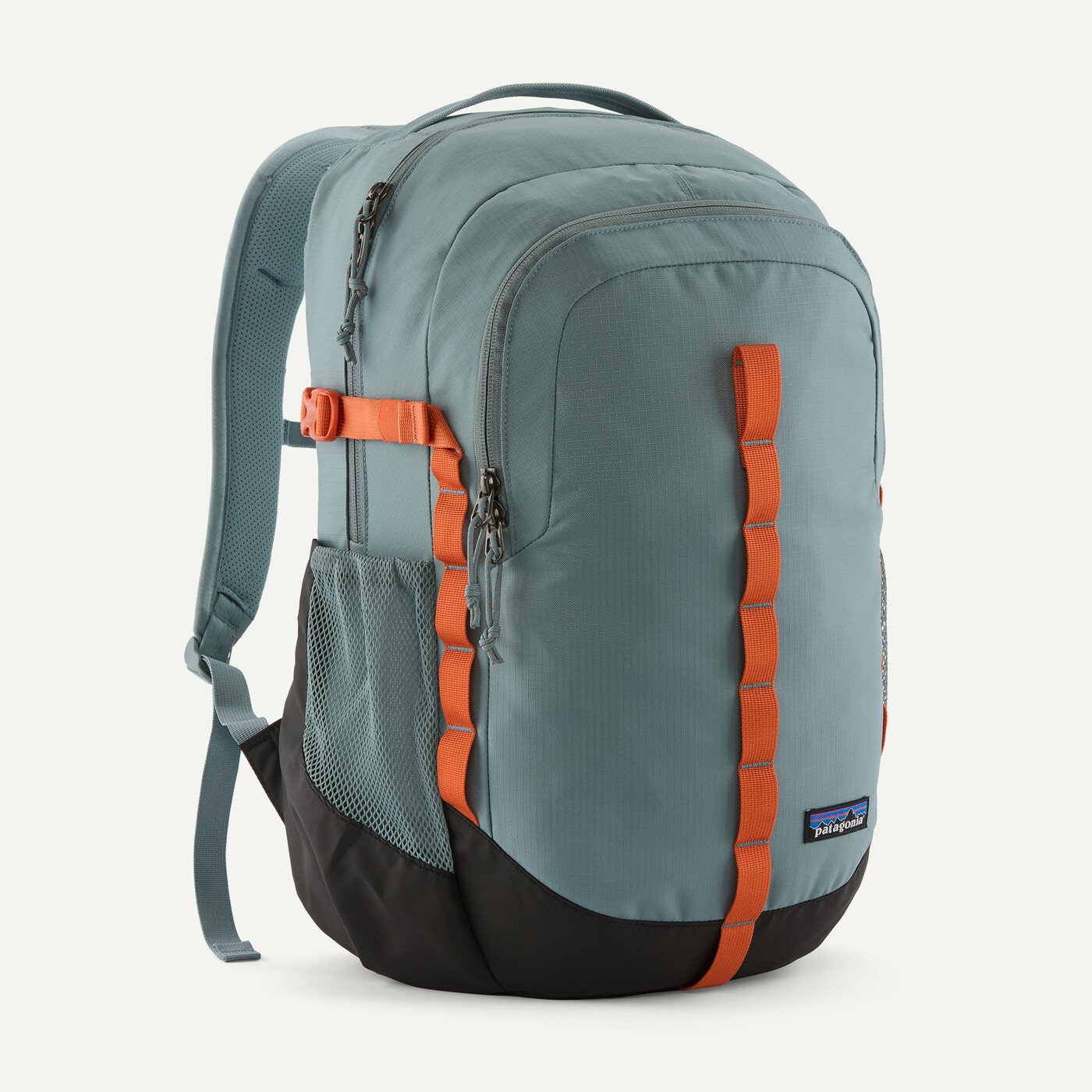
The Patagonia Refugio 26L is made from 85% recycled polyester (including fishing nets and plastic bottles), so you can carry your books with a lighter carbon footprint. It holds a 15-inch laptop in a padded sleeve, has a dedicated tablet pocket, and includes a reflective safety connection in case you bike at dawn. The 26L size is large enough for a day's work, but the fabric isn't as water-resistant as some competitors—your books could get damp in a downpour.
Main limitation: Lack of a waterproof lining; you'll need a rain cover or dry sack for heavy rain.
Skip if: Students who need a fully weatherproof bag for rainy climates might pair this with a cover, but others can pass.
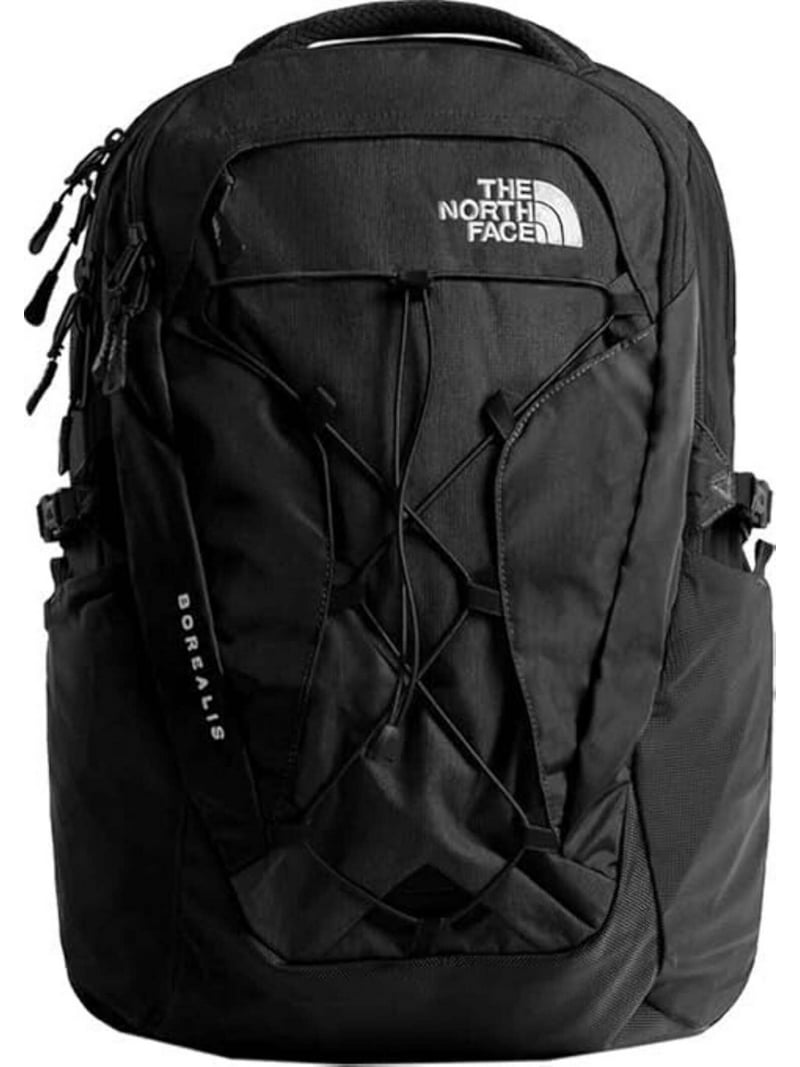
The North Face Borealis is a rugged workhorse with a fleece-lined laptop sleeve, a bungee compression system, and a water-resistant coated base that shrugs off rain and slush. Its FlexVent suspension system features a breathable back panel and shoulder straps designed for heavy loads, making it a favorite among commuters who bike or walk in variable weather. The trade-off is that the external bungee cords can snag on branches, and it lacks a built-in rain flap.
Main limitation: The bungee cord system is more about compression than organization and can become a snagging hazard in crowded spaces.
Skip if: Someone who wants a tidy, sleek profile for office-to-class transitions may find the external cords add too much visual bulk.
If you're carrying a pricey laptop or just want peace of mind in crowded lecture halls, the SwissGear 1900 Scansmart packs serious security. It has a lockable zipper that hides behind the back panel, a USB port for a power bank, and RFID-blocking pockets to prevent card scanning. The padded compartment fits a 15.6-inch laptop, and the 20L main compartment is supported by multi-layered mesh straps. The downside is that it's heavy—at nearly 2.5 pounds, it adds to your load before you even put in a textbook.
Main limitation: The backpack weighs 2.5 pounds empty, making it one of the heaviest options we considered.
Skip if: Students prioritizing lightweight carry for long walks will feel the heft; it's better for short, secure commutes.
The Nomatic 14L backpack is a compact tech vault for digital creatives and engineering students who carry multiple devices. It features a 13-inch laptop sleeve, a dedicated tablet pocket, a magnetic strap closure system, and an expanding gusset that increases capacity from 14L to 21L when you need extra space. The exterior is water-resistant and abrasion-proof. The trade-off is that 14L is tight for traditional textbooks; it can expand, but the overall volume is still less than most school bags.
Main limitation: At $200 for a 14L bag, it's expensive and may not fit a full day of binders and notebooks.
Skip if: If you're primarily carrying paper, printouts, and medical textbooks, this isn't for you—it's built for laptops, cameras, and drones.
The Fjällräven Kånken is the minimalist's choice—a simple, water-resistant tote with a 16L capacity and hand-sewn handles. Its iconic Scandinavian design never goes out of style, and it's incredibly lightweight at just 18 ounces. But it lacks a dedicated laptop sleeve (only a flat inner pad for a 13-inch MacBook), and shoulder straps are unpadded, making it unsuitable for heavy loads. The thin straps are a real drawback for a full day of classes.
Main limitation: No padded shoulder straps and no water bottle pocket; this is a bag for light loads, not gym-and-library days.
Skip if: If you regularly carry more than 5–6 kg or need a pocket for a water bottle, this bag isn't functional enough.
Designed for the student-athlete, the Under Armour Storm Hustle 3.0 combines a vast 29L capacity with UA Storm technology for water resistance. It has a ventilated, vented back panel to reduce sweat on the way to practice, a soft-lined laptop sleeve, and multiple side pockets for shoes or a ball. The key trade-off is that the lower zipper design isn't the most secure against theft, and the bag can feel bulky when it's only half-filled.
Main limitation: The unstructured main compartment can sag when under-filled, and the shoe pocket sits at the bottom, limiting floor space.
Skip if: If you prefer a structured, always-stays-sleek bag for school, this athletic pack's deportment might not meet your style.
Compare key specs and features of all our recommendations side-by-side
| Product | Recommendation | Rating | Price |
|---|---|---|---|
Osprey Nebula 32 Rank #1 | 🏆 Top Pick | 9.0/10 | $130–$160 Check current price → |
JanSport Right Pack Backpack Rank #2 | 💰 Budget Pick | 8.0/10 | $35–$50 Check current price → |
Patagonia Refugio 26L Backpack Rank #3 | ⭐ Editor's Choice | 8.2/10 | $110–$140 Check current price → |
The North Face Borealis Backpack Rank #4 | — | 8.5/10 | $80–$110 Check current price → |
SwissGear 1900 Scansmart Backpack Rank #5 | — | 7.5/10 | $40–$60 Check current price → |
Nomatic 14L Backpack Rank #6 | — | 8.0/10 | $180–$220 Check current price → |
Fjällräven Kånken Classic Backpack Rank #7 | — | 7.4/10 | $70–$90 Check current price → |
Under Armour Storm Hustle 3.0 Backpack Rank #8 | — | 7.8/10 | $34–$48 Check current price → |
Common questions buyers have about this category.
Measure the height and width of your torso and look for a backpack whose back panel matches your torso length. For school, capacity depends on your daily load: 15-20L for elementary, 20-25L for middle school, and 25-30L for high school/college. A good rule is that the backpack should sit 2 inches above your waist and end at your shoulders.
Yes, a padded and suspended laptop sleeve is critical if you carry a computer. Without proper padding, the laptop absorbs shock from impacts, which can damage the hard drive or screen. Look for a sleeve that fits your laptop snugly and is raised off the bottom of the bag—this adds $10-$20 to the price but saves you a $200 repair.
Start by emptying all pockets and shaking out debris. For most backpacks, use a soft brush to remove loose dirt, then spot-clean with a mild soap and warm water. Avoid throwing it in the washing machine unless the label says it's machine-washable—this can damage the fabric and zippers. Let it air dry completely before storing.
Rolling backpacks reduce strain on your back, but they're impractical for stairs, buses, or lockers, and they only work on smooth surfaces. For students with heavy loads over long distances, a rolling pack can be a good option, but many schools have narrow hallways and no elevators. If you choose rolling, look for a model with a strong telescopic handle and wide wheels.
A quality backpack should last 2-4 years under daily school use. JanSport offers a lifetime warranty, and Osprey does as well for their backpacks. Cheaper backpacks (under $30) often show worn straps and broken zippers within a single school year. Investing $40-$80 will usually get you through high school.
For heavy loads, look for a backpack with padded, S-shaped shoulder straps and a waist or sternum strap to distribute weight. A rigid back panel with air channels (like the FlexVent on North Face) also helps. Avoid simple straps on a flimsy pack—they concentrate pressure and can cause pain or poor posture.
Yes, many hiking backpacks work well for classes, but make sure they have a padded laptop sleeve or that your laptop fits in a separate padded case inside. Outdoor backpacks like the Osprey Nebula or Patagonia Refugio are designed for all-day carry and are often more comfortable than school-specific bags, but they may look too sporty for formal settings.
Products we evaluated but did not recommend — and why.
