Get the App
Better experience on mobile
Get the best products related to our top picks
Choosing the right baby walker is crucial for supporting your child's early motor development while ensuring their safety and enjoyment during those first wobbly steps. Baby walkers aren't just toys; they're tools that encourage balance, coordination, and confidence as infants transition from sitting to standing and walking, typically between 6 and 24 months. However, not all walkers are created equal—some prioritize entertainment with lights and sounds, others focus on durability and adjustability, and a few emphasize natural, Montessori-style learning. The wrong choice can lead to frustration, safety risks like tipping, or even hinder natural gait development if the design forces improper posture.
In this guide, we'll compare budget-friendly options under $20, mid-range walkers around $40-90 that balance features and affordability, and premium picks exceeding $100, which often include specialized materials or advanced functionality. Budget walkers, like the Toyvian Educational Wooden Pull Along Cart or Uonlytech Push Walker, offer basic support at a low cost but may lack versatility. Premium ones, such as the SALOMON SLEEPWALKER GROM 2025, provide superior build quality and longevity, though they come at a higher price. We'll weigh these against each other to highlight value.
Readers will learn key features to evaluate, such as stability, adjustability, and safety certifications; budget breakdowns to match your needs; common pitfalls to sidestep; and detailed reviews of five standout products. We'll cover the Baby Walker 3 in 1 Push Walker (Pink, $41.99), SALOMON SLEEPWALKER GROM 2025 ($167.97), Baby Walker with Wheels 4-in-1 ($89.99), Uonlytech Push Walker with Cartoon Eagle Pattern ($14.76), and Toyvian Educational Wooden Pull Along Cart ($11.40). By the end, you'll have the insights to select a walker that fits your baby's age, your home space, and your wallet, promoting safe, fun milestones without unnecessary risks. (Word count: 278)
Selecting a baby walker involves balancing safety, developmental benefits, and practicality. Start by assessing your baby's age and stage—walkers for 6-12 months should emphasize sitting-to-standing transitions, while those for 12-24 months focus on pushing and pulling for independent walking. Consider your home environment: apartment dwellers might prefer foldable models, while larger spaces suit activity centers. Always prioritize walkers that meet ASTM or EN safety standards to prevent accidents like falls or pinches.
Stability and Base Design: Look for wide, non-slip bases to prevent tipping. Four-wheel models like the Baby Walker with Wheels 4-in-1 offer better maneuverability than three-wheel ones, but ensure brakes or locking wheels for stationary play. The Toyvian Wooden Pull Along Cart excels in low-center-of-gravity stability for pull-along use.
Adjustable Height: Essential for growing babies, this feature accommodates 6-24 months. The Baby Walker 3 in 1 Push Walker has three height settings, growing with your child from sitting to walking, unlike fixed-height budget options like the Uonlytech Push Walker.
Entertainment and Sensory Elements: Music, lights, and toys keep babies engaged. The 4-in-1 model includes melodies and glowing wheels, boosting cognitive stimulation, while simpler wooden walkers like Toyvian promote tactile, screen-free learning.
Material and Durability: Plastic walkers are lightweight and affordable but prone to cracking; wooden ones, like Toyvian, are eco-friendly and sturdy but heavier. Premium options like SALOMON SLEEPWALKER GROM 2025 use high-grade synthetics for weather resistance, ideal for outdoor or rugged use.
Versatility and Multi-Use: Seek 3-in-1 or 4-in-1 designs that convert from walker to activity table or ride-on. The Baby Walker 3 in 1 shifts modes seamlessly, extending value beyond walking, compared to single-function pushers like Uonlytech.
Safety Certifications and Weight Limits: Verify JPMA or ASTM approval. Most handle 20-30 lbs, but check for harnesses in sit-in styles (though experts recommend push walkers over sit-in for natural development). The SALOMON model supports higher weights for active toddlers.
Portability and Storage: Foldable frames, like in the 4-in-1 walker, save space. Weigh portability—under 10 lbs for easy transport versus bulkier wooden carts.
Baby walkers span $11.40 to $167.97, falling into three tiers. Entry-level ($10-20) includes basics like the Toyvian Cart ($11.40) and Uonlytech Walker ($14.76), offering simple push or pull mechanics with minimal features—great for testing the waters or tight budgets, but they lack adjustability and may not last beyond early stages. Mid-range ($40-90) hits the value sweet spot with the Baby Walker 3 in 1 ($41.99) and 4-in-1 ($89.99), delivering multi-functions, entertainment, and durability for everyday use without breaking the bank. Premium ($100+) like the SALOMON SLEEPWALKER GROM 2025 ($167.97) invests in superior materials and specialized designs, such as all-terrain capability, justifying the cost for parents seeking longevity or outdoor versatility. At each level, factor in longevity: cheap walkers might need replacing sooner, while pricier ones offer better ROI through extended use.
The sweet spot lies in mid-range options, where performance peaks relative to cost. For $40-90, you get adjustable, feature-rich walkers like the 3 in 1 model, scoring 4.4 stars for smooth transitions and safety, outperforming budget picks in versatility without the premium markup. Budget walkers under $20 provide 80% of basic functionality at 20% of the price but falter in durability—e.g., plastic may warp after months. Premiums like SALOMON shine in niche performance (e.g., robust build for active play) but overkill for indoor use, where added cost doesn't proportionally enhance core walking support. Analyze ROI: if your baby is 12+ months and outdoorsy, splurge; otherwise, mid-tier delivers 90% of benefits for half the premium price.
Overlooking Safety Standards: Skipping ASTM-certified models risks instability; always verify to avoid tip-overs, as seen in untested cheap imports.
Ignoring Age Appropriateness: Using sit-in walkers past 10 months can delay natural walking; opt for push styles like the 3 in 1 for better posture development.
Neglecting Home Fit: Bulky walkers in small spaces cause frustration—choose foldable like the 4-in-1 to prevent accidents.
Prioritizing Flash Over Function: Lights and sounds are fun, but base stability trumps them; budget toys like Uonlytech might distract from core support.
Assuming Cheaper is Always Better: Low-cost options like Toyvian work for basics but lack growth features, leading to multiple purchases.
Our top pick is the Baby Walker with Wheels 4-in-1 ($89.99), best for versatile, feature-packed use in homes with 6-24 month olds needing entertainment and adjustability. Second is the Baby Walker 3 in 1 Push Walker ($41.99), ideal for budget-conscious parents of 12-month walkers wanting multi-mode value. Third, the Toyvian Educational Wooden Pull Along Cart ($11.40) suits eco-focused families seeking simple, Montessori-style motor skill aid for early learners. (Word count: 712)
Baby walkers can be safe if chosen correctly, but the American Academy of Pediatrics advises against traditional sit-in wheeled walkers due to risks like stair falls or delayed crawling. Push walkers, like the 3-in-1 or 4-in-1 models reviewed, are safer alternatives, promoting upright posture and balance without harnesses that can cause toe-walking. Always supervise use, ensure a clear space free of hazards, and select ASTM-certified options with stable bases. For instance, the Toyvian cart's low design minimizes tipping. Limit sessions to 15-20 minutes to avoid over-reliance, focusing on natural milestones—walkers aid confidence but shouldn't replace tummy time.
Most babies benefit from 6-24 months, starting with sit-to-stand for 6-9 months (e.g., 3-in-1 walker) and progressing to push styles for 12+ months. Introduce when your baby can sit unsupported and shows interest in pulling up. The 4-in-1's adjustable heights suit this range broadly. Avoid before 6 months to prevent strain; consult your pediatrician if developmental delays exist. Premium like SALOMON suits active 18-24 month olds for terrain exploration, while budgets like Uonlytech work for quick 9-12 month trials.
Push walkers (e.g., Uonlytech or 3-in-1) offer hands-free support for independent steps, ideal for building confidence on varied floors with wheels. Pull-alongs like Toyvian encourage reaching and coordination via trailing, better for Montessori methods and smaller spaces without wheels' speed risks. If your home has carpets, pull-alongs provide better traction; for hardwood, push with brakes like the 4-in-1 prevents slips. Budgets favor pull for simplicity, premiums like SALOMON blend push with rugged pulls.
Not all, but many mid-range do— the 4-in-1 folds flat to 5 inches, perfect for apartments, while the 3-in-1 partially collapses. Budget wooden like Toyvian doesn't fold but stores upright easily at 11.40 price. Premium SALOMON is bulkier for outdoor focus. Measure your space: aim for under 10 lbs and compact designs to avoid clutter. Non-foldables suit dedicated play areas.
A 3-in-1 like the pink $41.99 model offers sit, stand, and push modes for basic transitions, great for 12 months without extras. The 4-in-1 ($89.99) adds activity table conversion, plus music/lights for engagement, justifying the higher cost for 6-24 months. Both adjust heights, but 4-in-1's brakes and tray enhance versatility over 3-in-1's simplicity. Choose 3-in-1 for budgets, 4-in-1 for all-day utility.
Wooden like Toyvian ($11.40) are eco-friendly, splinter-free with natural grip, promoting sensory learning without batteries—superior for Montessori over plastic's flashiness. Plastic (e.g., 3-in-1 or 4-in-1) is lighter, cheaper to produce features like wheels, and easier to clean but may crack. Both safe


Compare key specs and features of all our recommendations side-by-side
| Product | Recommendation | Rating | Price |
|---|---|---|---|
 Baby Walker, 3 in 1 Push Walker for Baby Girls Boys, Baby Walking Toy for 1 Year Old Learning to Walk, Sit to Stand Baby Walker Push Toy for Girl 12 Months, Pink Rank #1 | 🏆 Top Pick | 4.4 4.4 | |
 SALOMON SLEEPWALKER GROM 2025 Rank #2 | — | ||
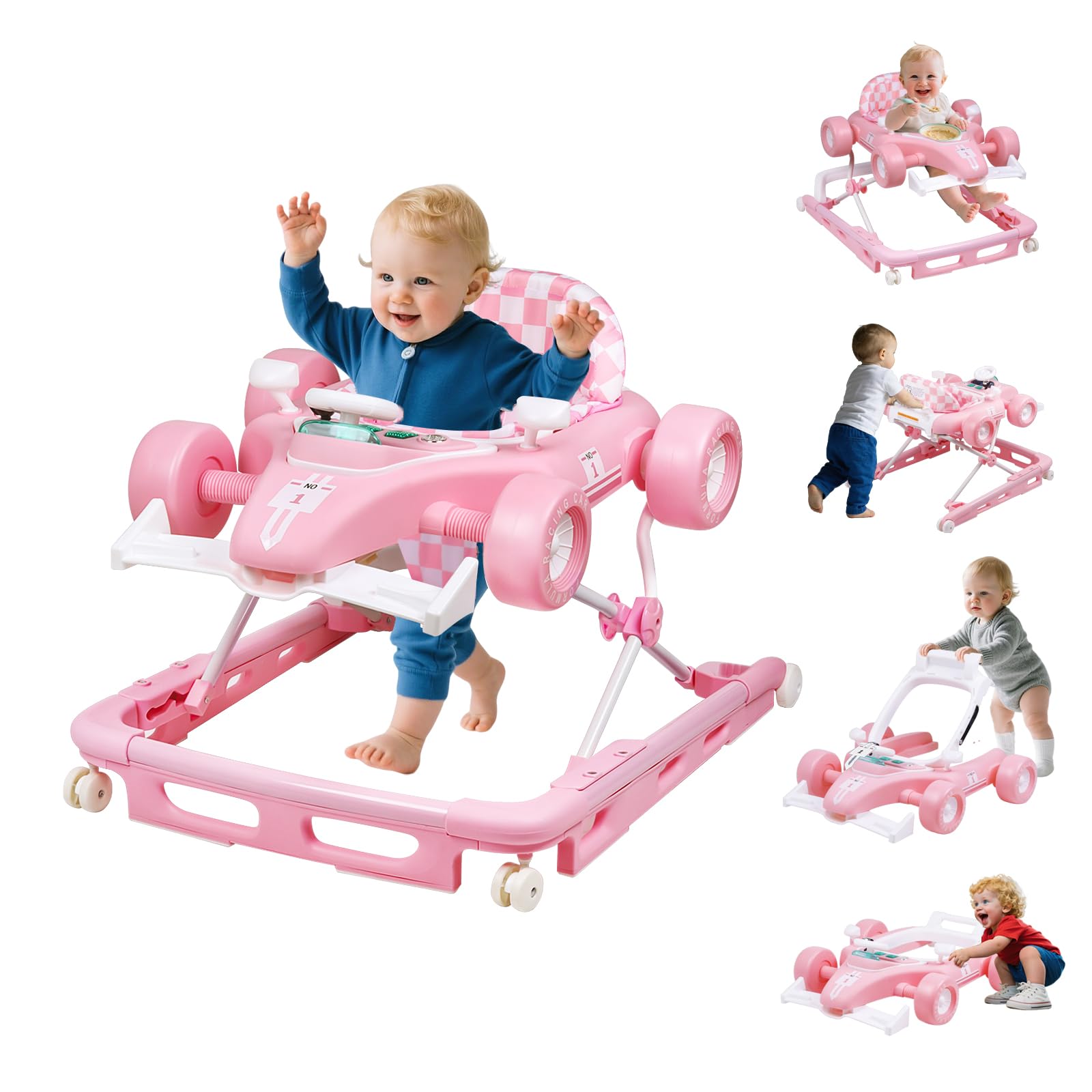 Baby Walker with Wheels, 4-in-1 Baby Walker for Boys Girls Foldable Activity Walker with Adjustable Height Toddler Infant Walker with Music and Lights Walker for Baby 6-24 Months, Pink Rank #3 | — | 4.6 4.6 | |
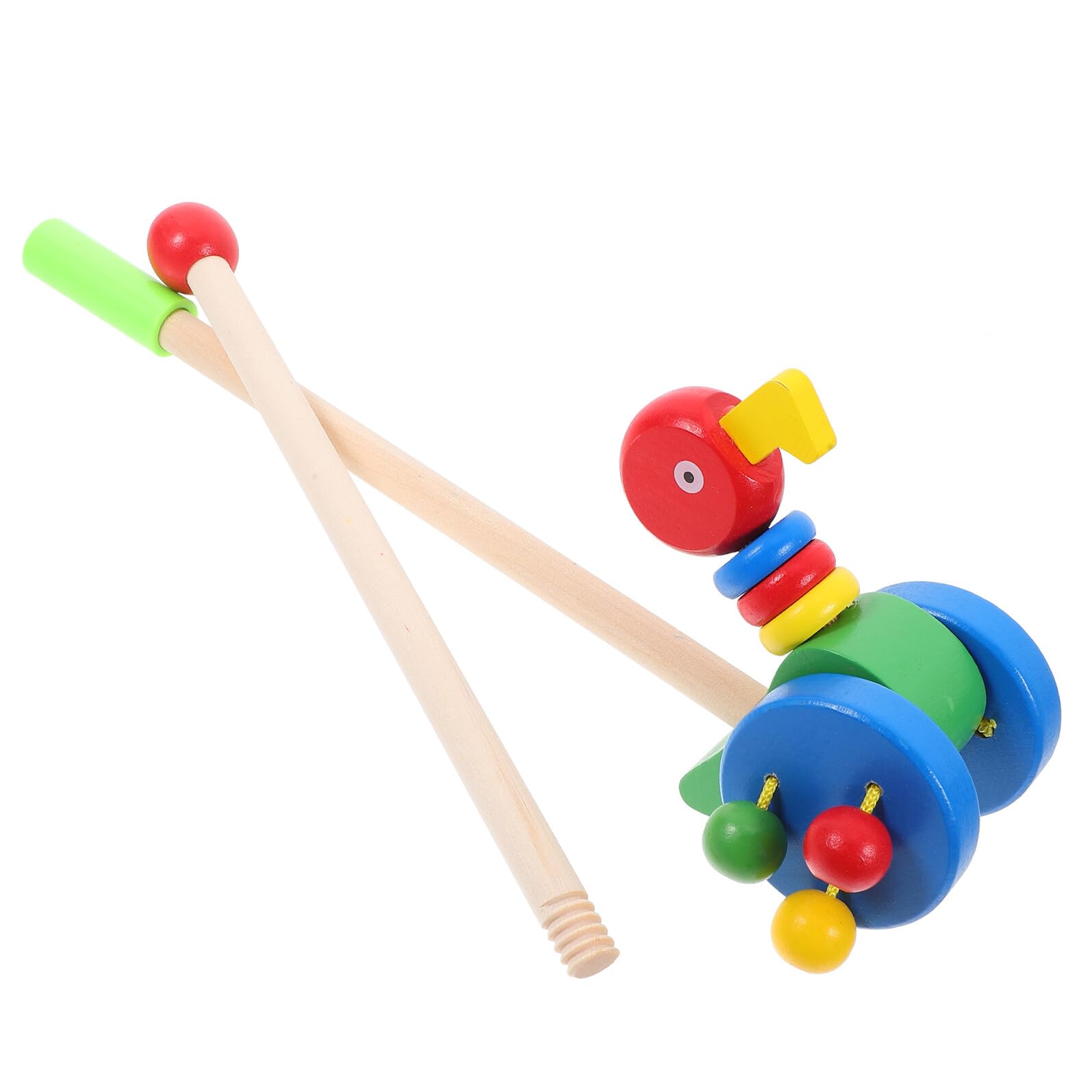 Uonlytech Push Walker with Cartoon Eagle Pattern Walking Aid for Safe Walker Gift for Shower and Birthday Rank #4 | — | — | |
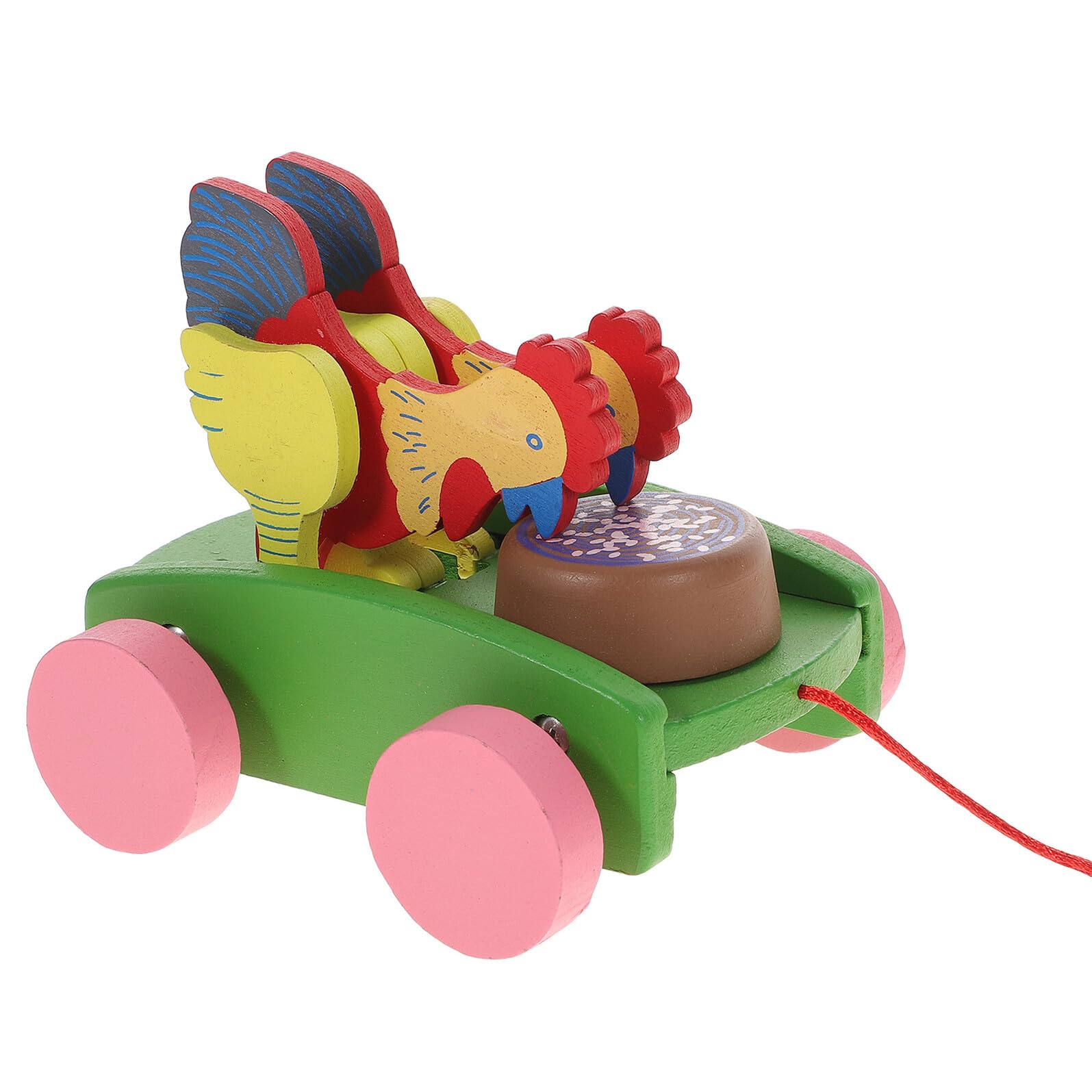 Toyvian Educational Wooden Pull Along Cart for Animal Shape Walker for Motor Skill Development Smooth Surface Non-Toxic Traction for Learning to Walk Sturdy Montessori Early Random Color Rank #5 | 💰 Budget Pick | — |
