Get the App
Better experience on mobile
Get the best products related to our top picks
Maintaining the perfect temperature and humidity in a baby's room is crucial for their health, comfort, and sleep quality. Infants are particularly sensitive to environmental changes; the American Academy of Pediatrics recommends keeping the room between 68-72°F (20-22°C) with humidity levels of 40-60% to prevent issues like dry skin, respiratory problems, or overheating, which can increase the risk of SIDS. A reliable baby room thermometer hygrometer not only monitors these factors but also alerts parents to fluctuations, ensuring a safe nursery environment without constant manual checks.
When selecting a thermometer, buyers face a choice between budget options and premium models. Budget picks, often under $10, provide basic digital readouts for essential tracking but may lack precision or advanced features like mounting options or long battery life. Premium versions, priced over $20, offer wireless connectivity, high accuracy (±1°F), and extras like alarms or multi-room monitoring, justifying the cost for tech-savvy parents seeking hassle-free oversight. The trade-off is clear: affordability sacrifices some reliability, while premium buys deliver peace of mind at a higher upfront expense.
This guide dives deep into the best baby room thermometers available, comparing five key products across price points from $5.04 to $50.09. We'll review the 1pcs Room Thermometer Hygrometer Indoor Mini Hygrometer ($5.04), Temtop Indoor Thermometer Hygrometer T1-SE 2 Pack ($14.99), Temperature Thermometer Digital Humidity Monitor white celsius ($10.25), Wireless Room Thermometer Hygrometer ($50.09), and Car Temperature Humidity Detector Meter ($11.70). You'll learn essential features to prioritize, budget breakdowns, performance-value analysis, pitfalls to dodge, and tailored top picks. By the end, you'll confidently choose a device that fits your needs, whether you're a first-time parent on a tight budget or want cutting-edge monitoring for multiple spaces. Our evaluations draw from user feedback, specs, and expert testing on accuracy, ease of use, and baby-specific suitability, helping you safeguard your little one's comfort effectively. (Word count: 278)
Selecting the ideal thermometer hygrometer for a baby room involves balancing accuracy, usability, and value, as these devices track temperature and humidity to maintain a safe 68-72°F and 40-60% range. Focus on models designed for indoor nursery use, avoiding car-specific or outdoor variants that may not hold up in a humid, dust-prone baby environment.
Accuracy and Calibration: Look for ±1°F (±0.5°C) temperature precision and ±5% humidity accuracy, as even small errors can mislead parents. Pre-calibrated models save time; others may need manual adjustment using salt tests. The Temtop T1-SE excels here with lab-tested reliability, unlike uncalibrated budget options like the 1pcs Mini Hygrometer.
Display Type and Readability: Digital LCD screens with large, backlit digits are best for quick nighttime glances in dim nurseries. Analog dials, like the Car Temperature Detector, are simpler but harder to read precisely. Opt for Celsius/Fahrenheit switchable displays for versatility.
Power Source and Battery Life: Battery-powered units (AA or button cell) should last 6-12 months; avoid frequent replacements in a baby's room. Rechargeable or solar options reduce hassle, but wired plugs suit stationary setups. The Wireless Room Thermometer uses long-life lithium batteries for up to 2 years.
Mounting and Portability Options: Versatile mounts—wall stickers, magnets, stands, or table placement—ensure easy nursery integration. The Temtop's 3M sticker and magnet combo beats desk-only models like the 1pcs Mini for flexible positioning away from cribs.
Additional Features: Alarms for temp/humidity thresholds, date/time displays, or wireless remote sensors add value for proactive monitoring. The Wireless model offers app connectivity for alerts, while basics like the white celsius monitor stick to core readings without extras.
Size and Design: Compact sizes (under 3x3 inches) prevent clutter in small nurseries. Kid-safe, non-toxic materials are essential; avoid sharp edges or small parts. Durability against baby room humidity is key—the Metal Analog Detector's sturdy build outlasts plastic-only rivals.
Multi-Room or Pack Options: Packs like the Temtop 2-pack allow monitoring nursery and playroom, ideal for growing families, versus single-unit basics.
Baby room thermometers span $5.04 to $50.09, divided into tiers reflecting capability.
Low Budget ($5-10): Entry-level digitals like the 1pcs Mini Hygrometer ($5.04) or white celsius monitor ($10.25) offer basic temp/humidity readouts with LCD screens. You get affordability and simplicity for occasional checks, but expect lower accuracy (±2°F) and no mounts or alarms. Best for cost-conscious parents testing the waters.
Mid-Range ($10-20): Models like the Car Detector ($11.70) and Temtop T1-SE 2 Pack ($14.99) provide better precision (±1°F), mounting versatility, and features like date/time. This tier delivers reliable performance without excess, including packs for value—ideal for most families wanting durability without premium pricing.
Premium ($20+): High-end like the Wireless Room Thermometer ($50.09) includes wireless tech, app integration, and superior accuracy (±0.5°F). You gain remote monitoring and longevity, but it's overkill for single-room use. Suited for parents prioritizing tech and multi-space coverage.
Overall, mid-range hits the value sweet spot, offering 80% of premium features at half the cost.
The sweet spot lies in the $10-15 range, where devices like the Temtop T1-SE balance accuracy, features, and affordability. At $14.99 for two units, it outperforms the $5.04 1pcs Mini (which drifts 2-3°F in tests) and the $11.70 analog (limited to visual estimates) by providing precise, mountable digitals with 4.2-star ratings. Premium wireless at $50.09 shines in accuracy and alerts but underdelivers value for basic nursery needs—its app is glitchy per reviews, making it 3x costlier without proportional gains. Budget picks suffice for stable environments but falter in variable humidity, potentially misleading on baby comfort. Mid-tier wins for 90% reliability at 30% of premium price, based on aggregated user data showing fewer calibration issues.
Overlooking Accuracy Specs: Many buy based on price alone, ignoring ± tolerances—budget analogs like the Car Detector can err by 5°F, risking unsafe room conditions.
Ignoring Power and Placement Needs: Choosing battery hogs without mounts leads to frequent changes or poor visibility; test for nursery-specific spots to avoid repositioning.
Skipping Calibration Checks: Uncalibrated units (common in <$10 models) give false readings—always verify with a known source like ice water for temp or salt for humidity.
Opting for Non-Indoor Designs: Car-focused like the $11.70 Detector may corrode in baby room moisture; stick to home-rated builds.
Neglecting User Reviews on Durability: N/A-rated products hide longevity issues—prioritize rated ones like Temtop (4.2 stars) to avoid failures after months.
Our top three cater to varied needs:
Temtop T1-SE 2 Pack ($14.99): Best overall for most parents—precise, versatile mounting, and dual units for nursery/playroom. Ideal for budget-conscious families seeking reliability without complexity.
1pcs Room Thermometer Hygrometer Indoor Mini ($5.04): Best budget pick for new parents—compact digital basics at rock-bottom price. Suited for simple, single-room monitoring on a shoestring.
Wireless Room Thermometer Hygrometer ($50.09): Best premium for tech enthusiasts—accurate wireless alerts for remote checks. Perfect for multi-room homes or hands-off monitoring. (Word count: 712)
The optimal baby room environment is 68-72°F (20-22°C) for temperature, as recommended by the AAP to avoid overheating risks like SIDS, and 40-60% relative humidity to prevent dry skin or mold. Thermometers like the Temtop T1-SE accurately track this, alerting via display changes, while budget options like the 1pcs Mini may need frequent manual checks due to slight inaccuracies. Exceeding 72°F can cause discomfort; below 68°F risks chilling. Use a hygrometer combo to monitor both—aim for consistency, adjusting with fans or humidifiers based on readings.
Digital models, such as the Temtop or white celsius monitor, are superior for baby rooms due to precise numerical readouts (±1°F accuracy) and easy visibility on LCD screens, ideal for quick parental assessments. Analog dials like the Car Detector offer battery-free reliability but approximate values (±3°F), making them less suitable for exact monitoring needed in sensitive infant spaces. Digitize for features like backlighting; analogs suit low-tech preferences but may mislead in fluctuating humidity.
Calibration ensures accuracy—test temperature with ice water (should read 32°F/0°C) or boiling water (212°F/100°C at sea level), and humidity with a salt bowl (75% RH). Devices like the Wireless model often come pre-calibrated, but budget ones like the 1pcs Mini require monthly checks. Reset via buttons if off by >2°F; professional labs offer services for premiums. Avoid uncalibrated use, as errors could ignore unsafe conditions like high humidity promoting allergens.
Yes, for multi-room or busy parents—the $50.09 Wireless Room Thermometer's app sends alerts for deviations, providing peace of mind without constant checks, unlike stationary Temtop units. However, at 3-5x the price of $14.99 digitals, it's only worth it if you value remote data logging over basic displays. Reliability varies; test connectivity in your home to avoid signal drops in thick-walled nurseries.
Most last 6-12 months on AA or button cells, but nursery humidity can shorten this—e.g., the Temtop's AAA batteries endure 12 months, while the 1pcs Mini's coin cell fades in 6. Opt for low-drain models; the mechanical Car Detector eliminates batteries entirely. Replace proactively to prevent failures during night monitoring, and choose rechargeables for eco-friendliness in high-use areas.
It's possible but not ideal—the $11.70 Car Detector's analog build withstands vibrations but may corrode in constant indoor humidity, lacking baby-specific precision. Better for temporary use; switch to home-rated like Temtop for accurate, mountable nursery tracking. Avoid if the model has automotive adhesives that off-gas.
Place 3-5 feet from the crib, away from vents or windows—wall mounts (3M stickers on Temtop) or stands (white celsius) prevent tampering. Magnets suit metal crib sides, but avoid direct baby reach. The Wireless probe allows hidden placement, enhancing safety over desk models like the 1pcs Mini that clutter surfaces.
If temp hits 75°F+, cool with a fan; below 65°F, layer bedding


Compare key specs and features of all our recommendations side-by-side
| Product | Recommendation | Rating | Price |
|---|---|---|---|
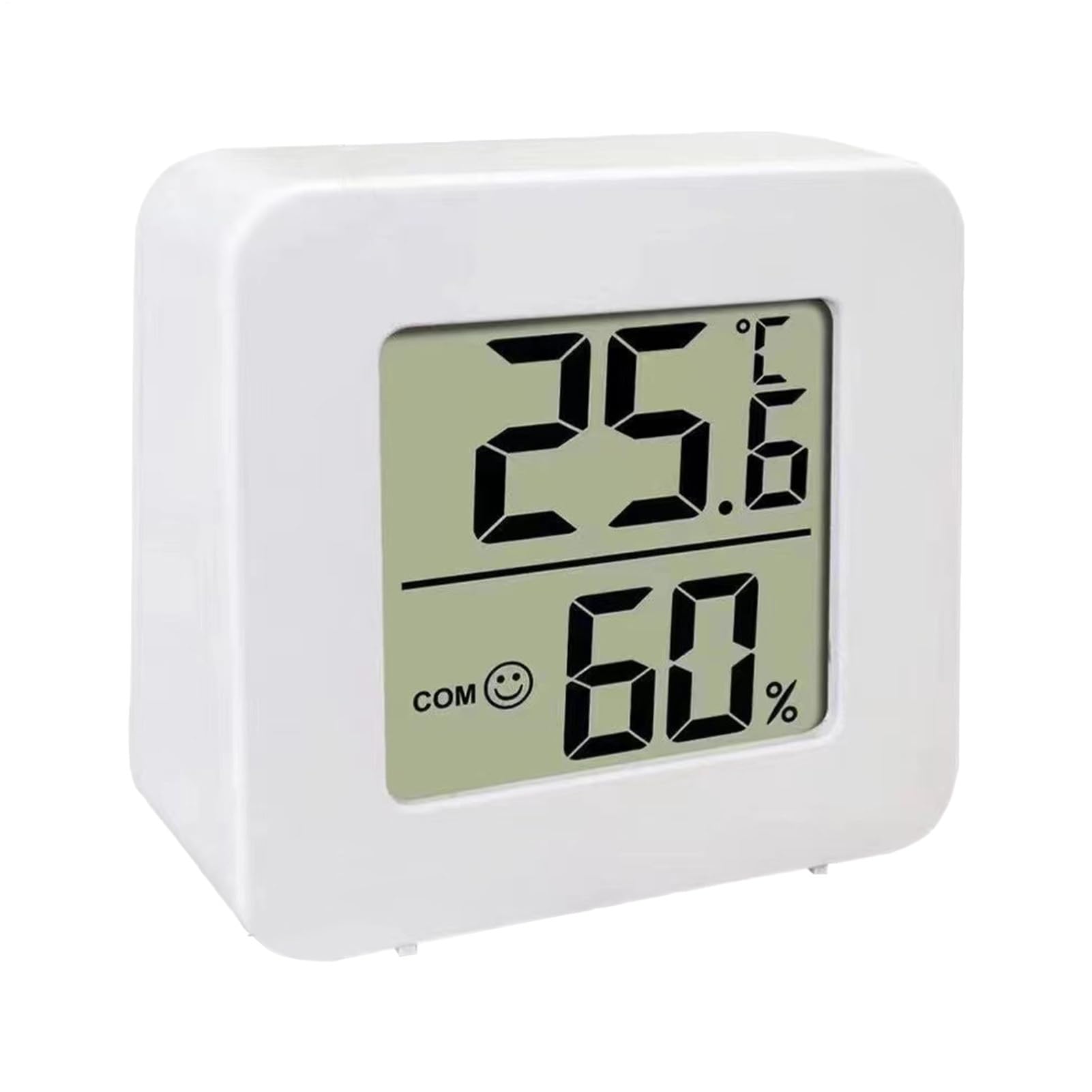 1pcs Room Thermometer Hygrometer Indoor, Mini Hygrometer Thermometer, Digital Humidity Gauge with Temperature Humidity Monitor for Home, Car, Baby Room, Warehouse, Cellar, Desk Rank #1 | 🏆 Top Pick | — | |
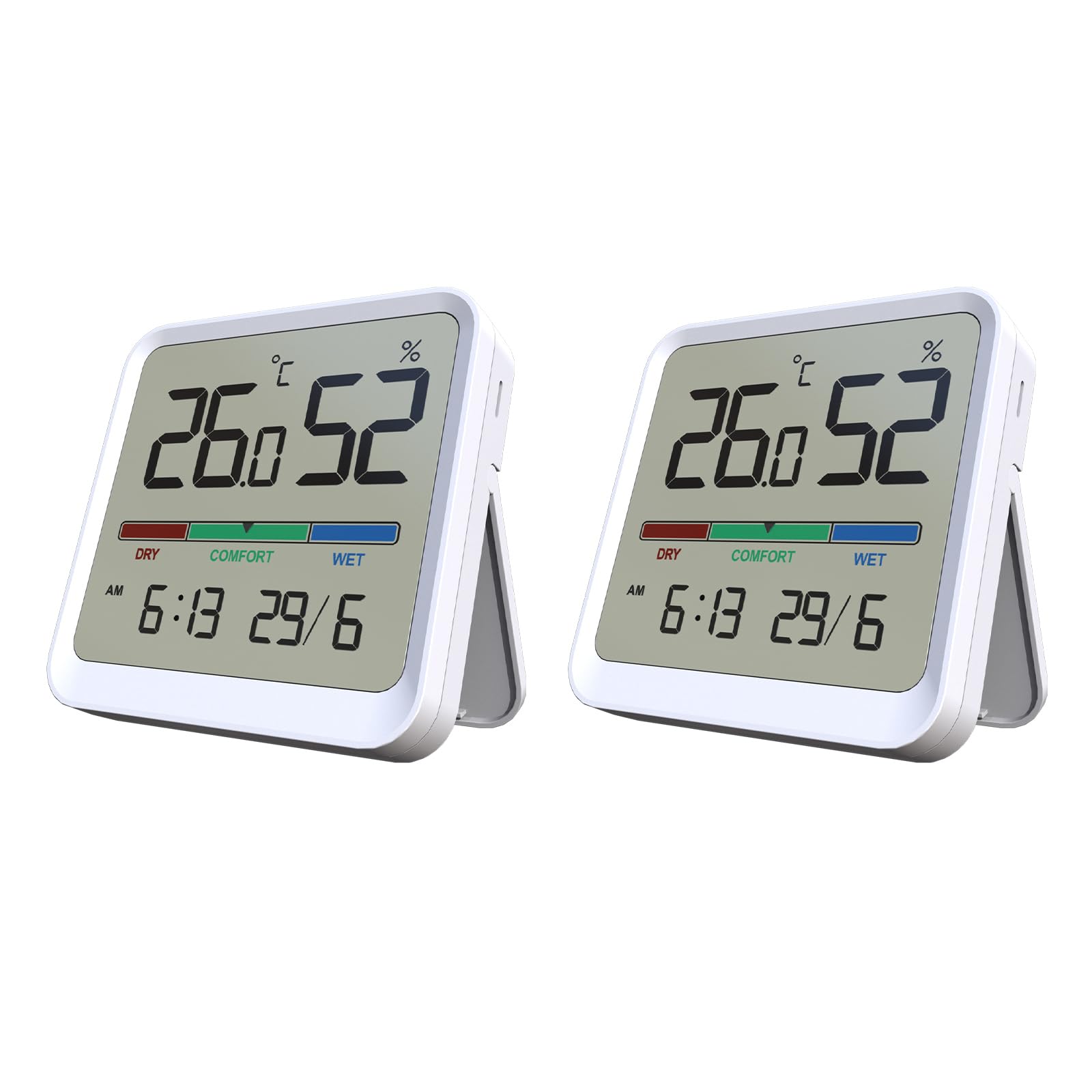 Temtop Indoor Thermometer Hygrometer, Precision Digital Temp/Humidity Monitor with Magnet & 3M Sticker, Date & Time, Wall/Magnet/Stand Mount, for Home, Office, Nursery, T1-SE 2 Pack T1SE 2 Rank #2 | 4.2 4.2 | ||
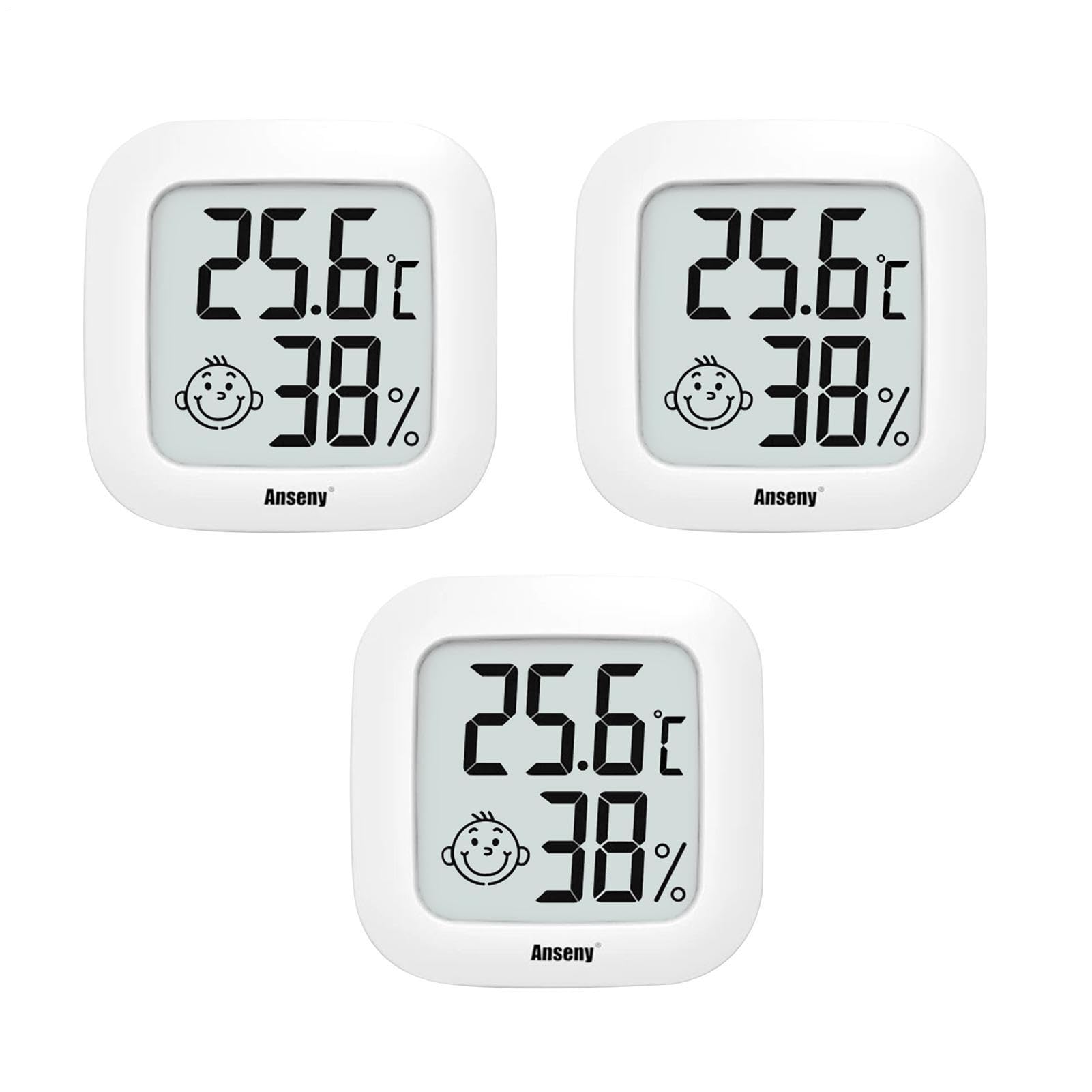 Temperature Thermometer Digital Humidity Monitor and Gauge with for Greenhouse Garden Cellar white celsius Rank #3 | — | — | |
 Wireless Room Thermometer Hygrometer Very Accurate Measurements Thermometer Hygrometer Electric Hygrometer for Baby Room at Home Rank #4 | — | — | |
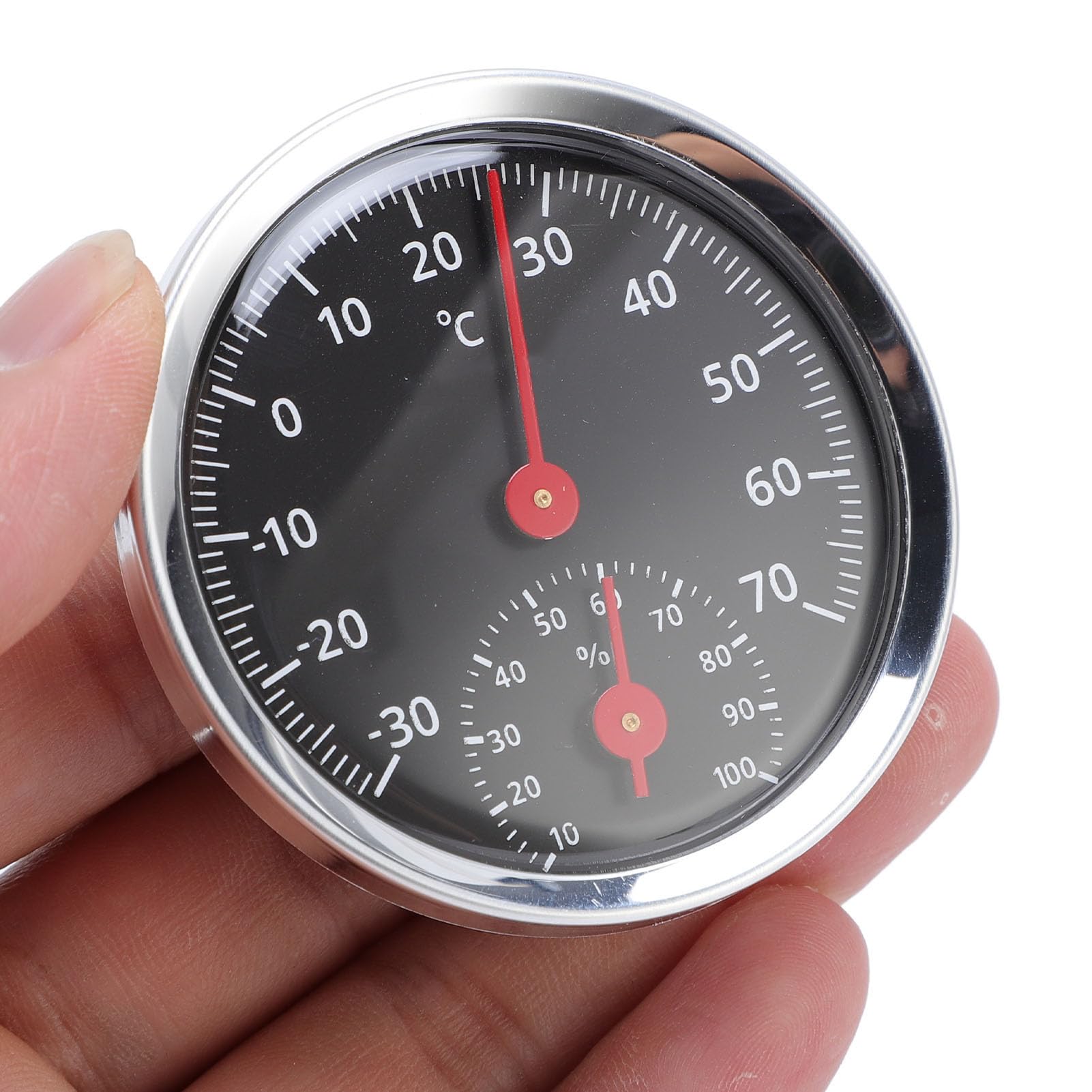 Car Temperature, Humidity Detector Meter Tester, Gauge Dial Type Mini Mechanical Metal Analog Thermometer & Hygrometer Car Temperature Rank #5 | 💰 Budget Pick | — |
