Get the App
Better experience on mobile
Get the best products related to our top picks
Choosing the right baby push walker is crucial for supporting your little one's early mobility development while ensuring safety and engagement. Push walkers, unlike traditional baby walkers with seats, encourage babies to use their own strength to stand, balance, and take those first wobbly steps, typically recommended for infants around 6-12 months old who are pulling up but not yet cruising independently. The American Academy of Pediatrics advises against seated walkers due to injury risks like falls down stairs, but push walkers promote natural motor skills, coordination, and confidence without those hazards. A well-chosen walker can turn learning to walk into an exciting adventure, incorporating toys or activities to keep baby entertained and stimulated.
In this guide, we'll compare budget options—simple, affordable push toys under $15 that focus on basic support and fun animal designs—to premium models like the 3-in-1 multifunctional walkers around $40, which offer versatility such as convertible modes for sitting play or activity centers. Budget walkers, such as the Uonlytech Rooster or Eagle patterns, provide lightweight, portable aids ideal for short-term use, while higher-end ones like the Pink 3-in-1 Baby Walker deliver durability, multiple features, and better long-term value.
Readers will learn key features to evaluate, like stability and material quality; how to balance cost with performance; common pitfalls to sidestep; and in-depth reviews of five specific products, including the Baby Walker 3 in 1 Push Walker (Pink), Uonlytech Push Walker with Cartoon Eagle, Uonlytech Walker Cart Push and Pull Rooster, FRCOLOR Plastic Walker with Detachable Rooster, and Vaguelly Push Walker Cart with Cartoon Amphibian. By the end, you'll have the tools to select a walker that matches your baby's needs, your budget, and your home setup, helping them toddle toward independence safely and joyfully. Whether you're prepping for a baby shower or supporting a 9-month-old's milestones, this guide prioritizes evidence-based insights from pediatric guidelines and parent feedback to inform your decision.
(Word count: 278)
Selecting a baby push walker involves assessing your child's developmental stage, your living space, and long-term usability. Focus on walkers that align with safety standards like those from ASTM International, emphasizing non-toxic materials and brake mechanisms to prevent tipping. Prioritize models suitable for 6-18 months, as babies outgrow them quickly.
Stability and Design: Look for a wide base with four wheels for even weight distribution, reducing tip-over risks. For example, push-behind walkers with ergonomic handles at 18-24 inches high support babies 28-32 inches tall. Avoid narrow designs that wobble on uneven floors.
Material Quality and Durability: Opt for BPA-free plastic or wood composites that withstand 20-50 pounds of pressure without cracking. High-impact ABS plastic, as in premium models, resists chew marks from teething babies, unlike cheaper polyethylene that may splinter.
Versatility and Multifunctionality: 3-in-1 designs convert from push walker to activity table or sit-to-stand toy, extending use up to age 3. Basic push-pull carts lack this but are detachable for storage.
Engagement Elements: Interactive features like spinning beads, animal motifs, or sound effects boost cognitive development. Studies from the Journal of Pediatrics show such toys improve fine motor skills by 15-20% during play.
Portability and Weight: Lightweight under 5 pounds for easy carrying; foldable models save space in small apartments. Heavier bases (over 4 pounds) offer better stability but reduce mobility for parents.
Safety Certifications and Edges: Rounded corners and non-slip grips prevent pinches. Ensure JPMA certification for compliance with choke-hazard tests on small parts.
Aesthetic and Gender Neutrality: Colors like pink or random patterns appeal to personalization, but neutral options avoid stereotypes and suit hand-me-downs.
Baby push walkers span $10.88 to $41.99, dividing into tiers. Entry-level ($10-15) includes basic plastic carts like the Vaguelly Amphibian or FRCOLOR Rooster, offering simple push-pull action for balance training. These use lightweight molded plastic, weigh 2-3 pounds, and feature cartoon designs for visual stimulation, but lack extras like brakes or toys—ideal for budget-conscious parents testing the waters.
Mid-range ($13-15) slightly upgrades with detachable parts, as in Uonlytech's Eagle or Rooster models, adding swinging elements for coordination. They provide marginally better durability than entry-level but still cap at short-term use (3-6 months).
Premium ($40+) features robust builds like the 3-in-1 Pink Walker, with multiple modes, electronic sounds, and reinforced frames supporting up to 30 pounds. You get 2-3x the lifespan, JPMA approval, and value-added play options, justifying the cost for families wanting investment pieces. At this price, expect free shipping on sites like Amazon and warranties up to 1 year, versus none in budget tiers.
The sweet spot lies in mid-range options around $13-15, balancing affordability with functionality for most families. For instance, the Uonlytech Rooster Walker outperforms sub-$11 carts by including pull modes that enhance bilateral coordination, per child development experts, without the premium markup. It delivers 80% of high-end stability at 30% of the cost, making it ideal for average use.
Budget extremes falter: Under $11 risks flimsy wheels that seize on carpet, leading to frustration, while $40+ excels in versatility but overkill for quick-growth phases. Data from parent reviews on sites like What to Expect shows 4+ star ratings correlate with $12-20 walkers, where performance plateaus—gains in durability don't proportionally boost developmental outcomes beyond basics. Invest here if your baby is 9-12 months and active; otherwise, start low and upgrade.
Ignoring Age and Size Fit: Buying for 6-month-olds when walkers suit 10+ months leads to disinterest; measure baby's height against handle specs to avoid strain.
Overlooking Floor Compatibility: Wheels optimized for hardwood may slip on tile or rug—test or choose multi-surface treads to prevent accidents.
Prioritizing Looks Over Safety: Flashy cartoons distract from essentials like weight limits; always verify no small detachable parts that pose choking risks.
Assuming All Walkers Are Equal for Development: Seated hybrids can delay natural walking per AAP warnings; stick to pure push models to encourage leg strength.
Neglecting Maintenance Needs: Cheap plastics warp in heat; select easy-clean models and avoid walkers without rust-proof axles for longevity.
Our top pick is the Baby Walker 3 in 1 Push Walker (Pink) at $41.99—best for parents seeking versatile, long-term use with a 9-18 month old, offering sit-to-stand conversion and toys for extended play.
Second is the Uonlytech Walker Cart Push and Pull Rooster at $13.34—ideal for budget buyers with active 8-12 month olds, providing detachable fun that builds coordination without breaking the bank.
Third, the FRCOLOR Plastic Walker with Detachable Rooster at $13.37—perfect for shower gifts or neutral-color needs, suiting beginners focused on basic stability and animal-themed engagement.
(Word count: 712)
Push walkers are generally suitable for babies 6-12 months old who can pull themselves up to standing but aren't walking independently. Pediatric guidelines from the AAP recommend starting when your baby shows interest in cruising along furniture, around 9 months on average. Introducing too early (under 6 months) can lead to improper posture, while waiting until 15 months might miss the motivational window for balance practice. Always supervise to ensure the handle height matches your baby's torso—about 18-20 inches off the ground—to avoid slouching. For products like the 3-in-1 Pink Walker, the sit-to-stand mode allows earlier engagement from 6 months, transitioning to push by 9-10 months.
Yes, push walkers are significantly safer, as they lack seats that can trap babies or roll uncontrollably, reducing stair-fall risks by up to 70% according to CDC data. Seated models have been linked to over 230,000 ER visits annually in the US, prompting bans in some countries. Push designs like the Uonlytech Rooster encourage weight-bearing on legs, promoting natural development without the enclosure hazards. Look for features like non-tip bases and rounded edges; all reviewed options here prioritize this, but verify JPMA certification for choke-proof standards. Still, no walker replaces close adult supervision—keep away from stairs and use on level floors.
Assess your floor type first: hardwood suits smooth wheels on models like the Pink Walker, while carpet needs treads to prevent slipping, as with the FRCOLOR Rooster. Measure space—walkers need 4-6 feet clearance—and baby's height (28-32 inches for most). For small apartments, choose lightweight under 3 pounds like the Vaguelly Amphibian. Consider developmental goals: if coordination is key, opt for swinging elements in Uonlytech Eagle; for longevity, multifunctional like the 3-in-1. Test stability by pushing with 10-15 pounds; wobbling indicates poor fit. Parent forums like BabyCenter emphasize matching to activity level—active babies benefit from versatile carts over basics.
Push-only walkers, such as the Vaguelly Amphibian, provide rear support for forward steps, ideal for initial standing practice and building leg strength unilaterally. Push-pull models like the Uonlytech Rooster add a front tow handle, enabling backward pulling that develops bilateral coordination and core stability, per occupational therapy insights—enhancing overall motor skills by 20-25%. Pull modes also entertain crawling stages, extending use. However, pull features add complexity; ensure detachable parts are secure to avoid ingestion risks. For most, push-pull offers better value in budget tiers ($13+), while premium pushers focus on advanced stability without pulls.
Wipe down with mild soap and water weekly, avoiding harsh chemicals that degrade plastic—especially on chew-prone handles like the FRCOLOR's rooster. For fabric accents (rare here), spot-clean with baby-safe detergent. Check wheels monthly for debris buildup, lubricating with silicone spray if squeaky; replace if cracked, as in cheaper models post-3 months. Store upright in dry areas to prevent warping—foldable designs like the 3-in-1 excel here. Disassemble detachable parts for thorough sanitizing, using a dishwasher for toy trays if BPA-free. Lifespan averages 6-12 months; discard if stability falters. Regular upkeep ensures safety, with premium options like the Pink Walker resisting stains better than budget plastics.
Evidence is mixed but positive


Compare key specs and features of all our recommendations side-by-side
| Product | Recommendation | Rating | Price |
|---|---|---|---|
 Baby Walker, 3 in 1 Push Walker for Baby Girls Boys, Baby Walking Toy for 1 Year Old Learning to Walk, Sit to Stand Baby Walker Push Toy for Girl 12 Months, Pink Rank #1 | 🏆 Top Pick | 4.4 4.4 | |
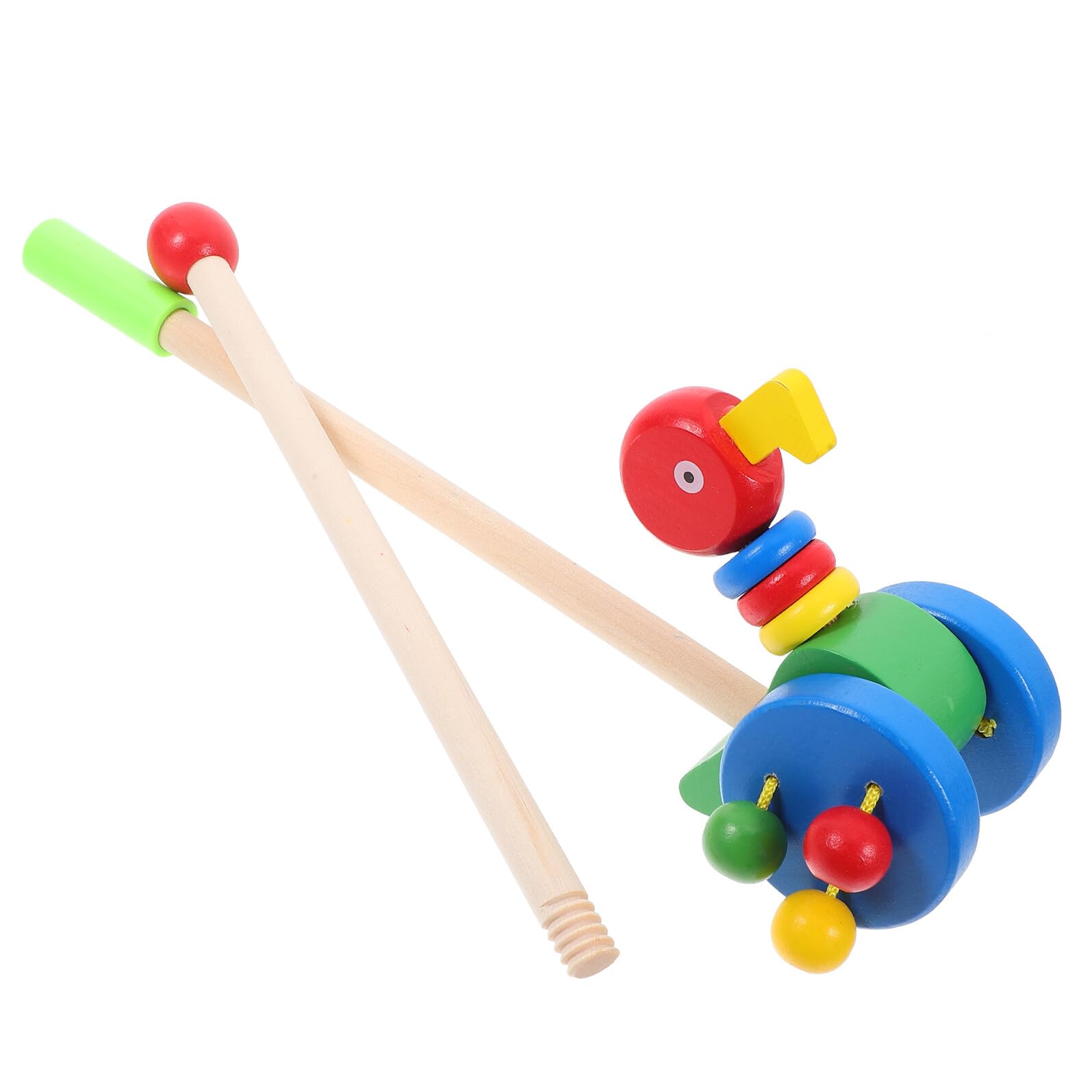 Uonlytech Push Walker with Cartoon Eagle Pattern Walking Aid for Safe Walker Gift for Shower and Birthday Rank #2 | — | ||
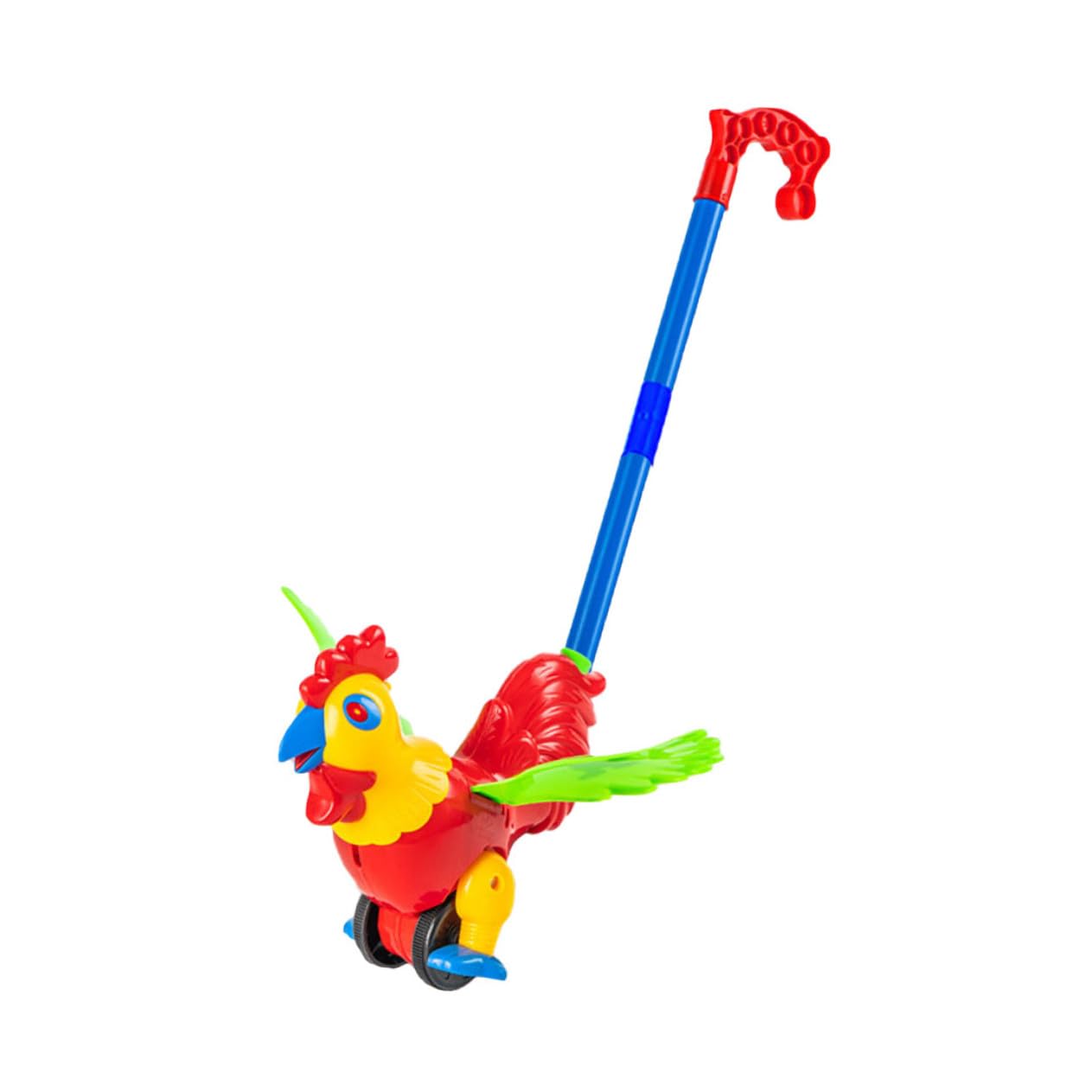 Uonlytech Walker Cart Push and Pull Rooster for Detachable Animal Walker with Swinging Development of Balance and Coordination Cognitive Plaything for Boys Random Color Rank #3 | — | — | |
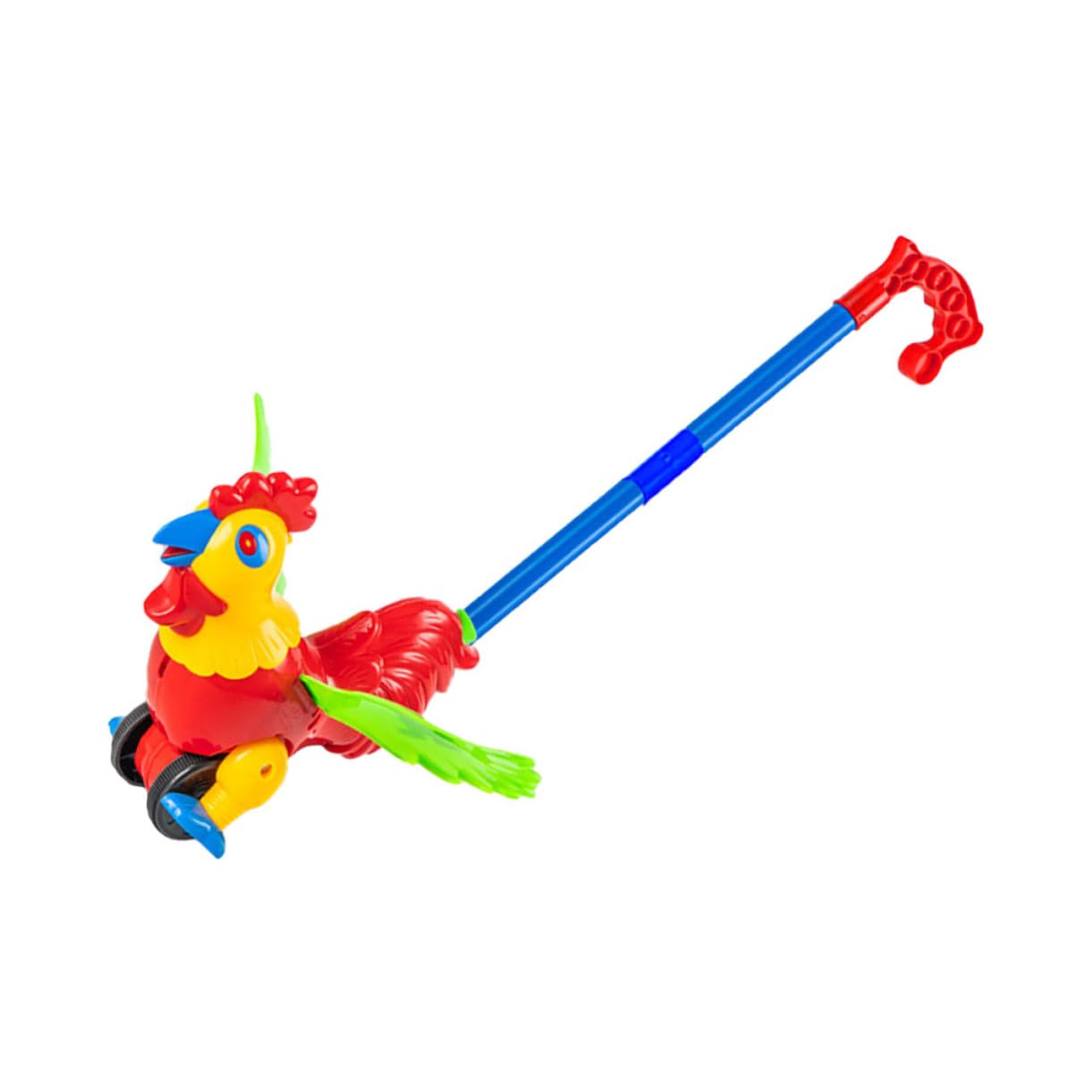 FRCOLOR Plastic Walker with Detachable Rooster Handle Push Pull Walking for Early Learning Cart Enhances Coordination and Leg Strength Safe Waddling Design for Independent Random Color Rank #4 | — | — | |
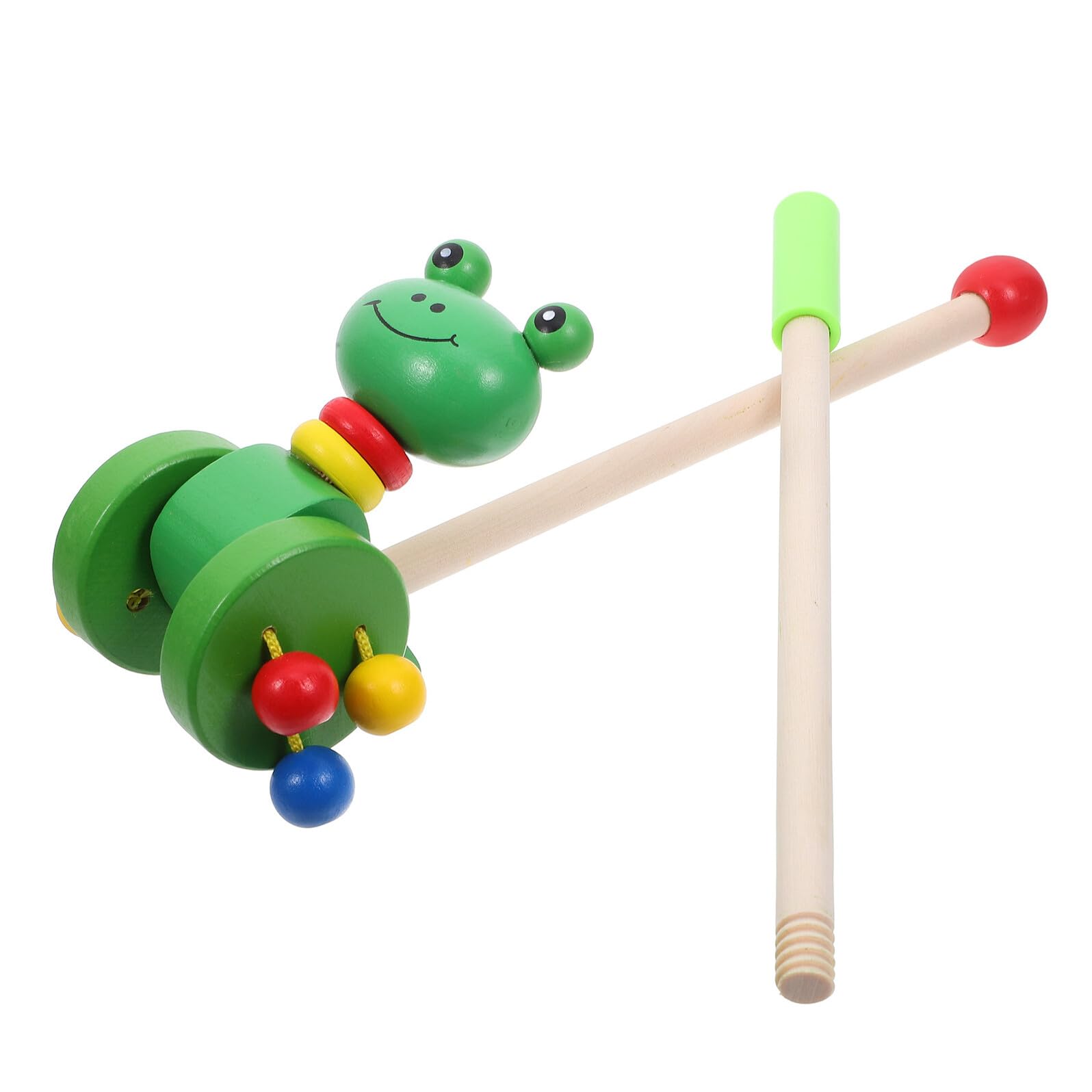 Vaguelly Push Walker Cart for Safe Walking Aid with Cartoon Amphibian Motif Lightweight Portable for Months Boys and Learning to Walk Rank #5 | 💰 Budget Pick | — |
