Get the App
Better experience on mobile
Get the best products related to our top picks
Choosing the right baby lounger is crucial for new parents seeking a safe, comfortable space for their newborns and infants to relax, play, or nap outside of the crib or bassinet. These portable cushions provide essential support for tiny heads, necks, and spines during tummy time, lounging, or supervised floor activities, promoting healthy development while giving caregivers a break. Unlike rigid seats or swings, loungers mimic the womb's coziness with soft, ergonomic designs that reduce the risk of flat head syndrome and encourage motor skills. However, not all loungers are created equal—safety standards like ASTM certification, breathable materials to prevent overheating, and non-toxic fillings are non-negotiable to avoid suffocation hazards or allergies.
This guide compares budget-friendly options under $30 with mid-range portables around $40-50 and premium covers nearing $70, highlighting trade-offs in durability, versatility, and features. Budget picks offer basic support at a low cost but may lack adjustability or longevity, while premium models provide reversible fabrics, better airflow, and multi-use functionality like car seat inserts, justifying the extra spend for frequent travelers or eco-conscious families. Readers will learn key features to prioritize, such as material quality and portability; how to balance cost with performance; common pitfalls like overlooking weight limits; and detailed reviews of five standout products.
We'll dive into the Baby Nest Baby Lounger Cover (Beige) at $69.99, a reversible cotton essential; the Newborn Lounger Cover & Infant Car Seat Insert (Pink Butterfly) for $38.59, blending lounger and car seat support; the Portable Baby Lounger & Tummy Time (Leaf) at $45.99, with its zip-up bag for on-the-go use; its Crocodile counterpart at the same price; and the budget-friendly Pink version at $29.99. By the end, you'll confidently select a lounger that fits your lifestyle, baby's needs, and wallet, ensuring hours of safe, joyful bonding. (Word count: 278)
Selecting a baby lounger involves evaluating safety, comfort, and practicality for your infant's early months. Focus on products certified for newborn use (0-6 months typically), with firm yet cushioned edges to support without restricting movement. Prioritize loungers that are easy to integrate into daily routines, like tummy time or travel, while adhering to guidelines from the American Academy of Pediatrics: always supervise use and never leave baby unattended.
Material and Breathability: Look for 100% cotton or organic fabrics that are hypoallergenic and machine-washable to handle spit-up and drool. Breathable meshes prevent overheating, crucial in warm climates—e.g., the Baby Nest's reversible cotton excels here, unlike synthetic blends in cheaper models that can trap heat.
Adjustability and Support: Ergonomic designs with adjustable sides or removable inserts provide customizable cradling for growing babies. Premium options like the Baby Nest offer womb-like nesting, while portables like the Leaf-patterned lounger include tummy time props for better head and neck alignment compared to flat cushions.
Portability and Storage: Zip-up carry bags or lightweight builds (under 2 lbs) make loungers ideal for travel. The Portable Baby Lounger series shines with included bags, folding compactly into diaper bags, whereas bulkier covers like the Pink Butterfly may require separate packing.
Versatility: Multi-functionality, such as doubling as a car seat insert or play mat, adds value. The Newborn Lounger Cover integrates seamlessly with car seats, offering head support that basic loungers like the Pink version lack, reducing the need for multiple purchases.
Safety Certifications and Limits: Ensure ASTM or CPSIA compliance, with weight limits up to 25 lbs and no loose strings or small parts. Avoid inclines over 10 degrees to prevent rolling; the Beige Baby Nest's firm base outperforms softer budget alternatives in stability tests.
Design and Aesthetics: Patterns like butterflies or animals appeal to nurseries, but neutral tones (e.g., Beige or Leaf) offer longevity. Reversible covers extend usability without fading, a step up from single-sided prints that show wear faster.
Ease of Cleaning: Removable, zip-off covers simplify maintenance. High-end models like the Baby Nest machine-wash fully, while some portables require spot-cleaning, leading to quicker odor buildup.
Baby loungers span $29.99 to $69.99, dividing into tiers that reflect quality and features. At the entry level ($29.99-$38.59), like the Pink Portable or Pink Butterfly Cover, you get basic foam cushions with simple prints—affordable for occasional use but often with thinner padding (1-2 inches) and non-reversible fabrics that pill after washes. These suit budget-conscious parents testing the waters, providing core support without extras, though durability may wane by 4 months.
Mid-range ($45.99) options, such as the Leaf or Crocodile Portables, strike a balance with included carry bags, denser filling for better contouring, and multi-pattern choices. They offer more versatility for tummy time and travel, lasting 6-9 months with proper care, ideal for active families.
Premium ($69.99), exemplified by the Beige Baby Nest, delivers adjustable, breathable cotton with reversible sides and car seat compatibility. You pay for longevity (up to 12 months), superior airflow via mesh layers, and eco-friendly materials, making it worthwhile for daily reliance or gifting. Overall, allocate based on usage: under $40 for basics, $40+ for frequent portability.
The sweet spot lies in the $40-50 range, where performance peaks without premium markups. Mid-tier portables like the Leaf or Crocodile models deliver 80-90% of high-end features—portable bags, solid support, and easy cleaning—at 65% of the Beige Baby Nest's cost. They handle daily tummy time and lounging effectively, with user feedback praising stability over budget picks that flatten quickly.
Budget options under $40, like the Pink Portable, perform adequately for short sessions but compromise on thickness and versatility, often needing supplements like extra pillows. The $69.99 premium tier justifies its price for intensive use, with reversible designs and better breathability reducing replacement needs by 30-50%. If your baby lounges 2+ hours daily or travels often, invest mid-to-high; for sporadic play, budget suffices without sacrificing core safety.
Ignoring Safety Standards: Skipping ASTM-certified products risks unregulated materials; always verify labels, as uncertified imports (common in sub-$30 deals) may contain phthalates.
Overlooking Size and Age Fit: Many loungers suit 0-6 months (up to 20-25 lbs), but buying oversized for "future-proofing" leads to loose fits that allow rolling—stick to newborn-specific like the Beige Nest.
Neglecting Supervised Use: Treating loungers as sleep aids invites SIDS risks; the AAP warns against unsupervised naps, a mistake amplified in softer budget models without firm edges.
Choosing Non-Breathable Fabrics: Synthetic covers in low-end picks like the Pink Butterfly can cause sweating; opt for cotton to maintain safe temps, especially in humid areas.
Forgetting Cleaning Needs: Non-removable covers (in some portables) harbor bacteria—avoid by selecting zip-off designs, preventing allergic reactions from residue buildup.
Our top three picks cater to diverse needs. The Baby Nest Baby Lounger Cover (Beige, $69.99) is best for premium-seeking parents wanting versatile, long-lasting support with reversible breathability—ideal for daily home use. The Portable Baby Lounger & Tummy Time (Leaf, $45.99) suits on-the-go families, offering portable tummy time aids at a value price, outperforming budgets in durability. For tight budgets, the Portable Baby Lounger & Tummy Time (Pink, $29.99) is perfect for first-time buyers needing basic, cute lounging without frills—great for short sessions. (Word count: 712)
A baby lounger is a soft, portable cushion designed to cradle newborns and infants (typically 0-6 months) in a semi-reclined position for supervised lounging, tummy time, or play. Unlike rigid baby seats or bouncers that rock or vibrate, loungers provide passive, womb-like support without mechanical features, focusing on ergonomic comfort to aid head and neck development. Bassinets, by contrast, are sleep-specific with higher sides and flat bases for overnight use. Loungers like the Portable Baby Lounger series emphasize portability for floor or travel setups, but always follow AAP guidelines: use only on firm, flat surfaces and never for unsupervised sleep to avoid suffocation risks. This distinction matters for safety—loungers aren't substitutes for certified sleep products.
Yes, when used correctly, baby loungers are safe for newborns, offering gentle support that reduces pressure on developing skulls and promotes bonding. Key safety features include firm exteriors to prevent sinking, breathable fabrics to avoid overheating, and weight limits (usually 15-25 lbs). Look for ASTM F2906 or CPSIA certifications, ensuring no harmful chemicals like phthalates or lead. Products like the Baby Nest Baby Lounger Cover meet these with its cotton construction, while uncertified imports (common under $30) may not. Always supervise closely, position baby centered, and avoid adding blankets or toys inside. The CPSC has recalled non-compliant loungers for suffocation hazards, so verify labels—safer options like the Beige model have high ratings partly due to robust testing.
Most baby loungers are suitable from birth to 6 months or until baby can sit unassisted, with weight caps of 18-25 lbs to ensure stability. For instance, the Portable Baby Lounger & Tummy Time series handles up to 20 lbs for newborns to early toddlers, transitioning well to tummy time around 3 months. Premium picks like the Beige Baby Nest extend to 25 lbs with adjustable sides, accommodating growth better than budget models that max at 18 lbs and flatten sooner. Exceeding limits risks tipping or inadequate support, so measure your baby's progress monthly. Consult pediatricians for preemies, as some loungers offer newborn inserts for extra cradling.
Regular cleaning is essential to combat spit-up, drool, and allergens—most loungers have removable, machine-washable covers on gentle cycles with mild detergent. The Baby Nest's reversible cotton dries quickly and resists stains, outperforming spot-clean-only portables like the Leaf pattern, which require wiping foam with damp cloths and air-drying fully (24-48 hours). Vacuum removable parts weekly and wash covers bi-weekly; avoid bleach to preserve fabrics. For hypoallergenic care, choose organic options to minimize dust mites. Storage tip: Keep in a dry, ventilated area when not in use to prevent mold, extending lifespan—budget picks like the Pink version may harbor odors faster without full washability.
Absolutely, many loungers are travel-friendly due to lightweight designs (1-3 lbs) and compact folding. Models with zip-up bags, like the Portable Baby Lounger in Crocodile or Pink, pack into diaper bags for flights or visits, unlike bulkier covers such as the Pink Butterfly that need separate carrying. Prioritize under 2 lbs with non-bulky foam for airplane compliance. They provide a familiar spot in new environments, reducing fussiness, but check airline size limits (under 22x14x9 inches packed). For car trips


Compare key specs and features of all our recommendations side-by-side
| Product | Recommendation | Rating | Price |
|---|---|---|---|
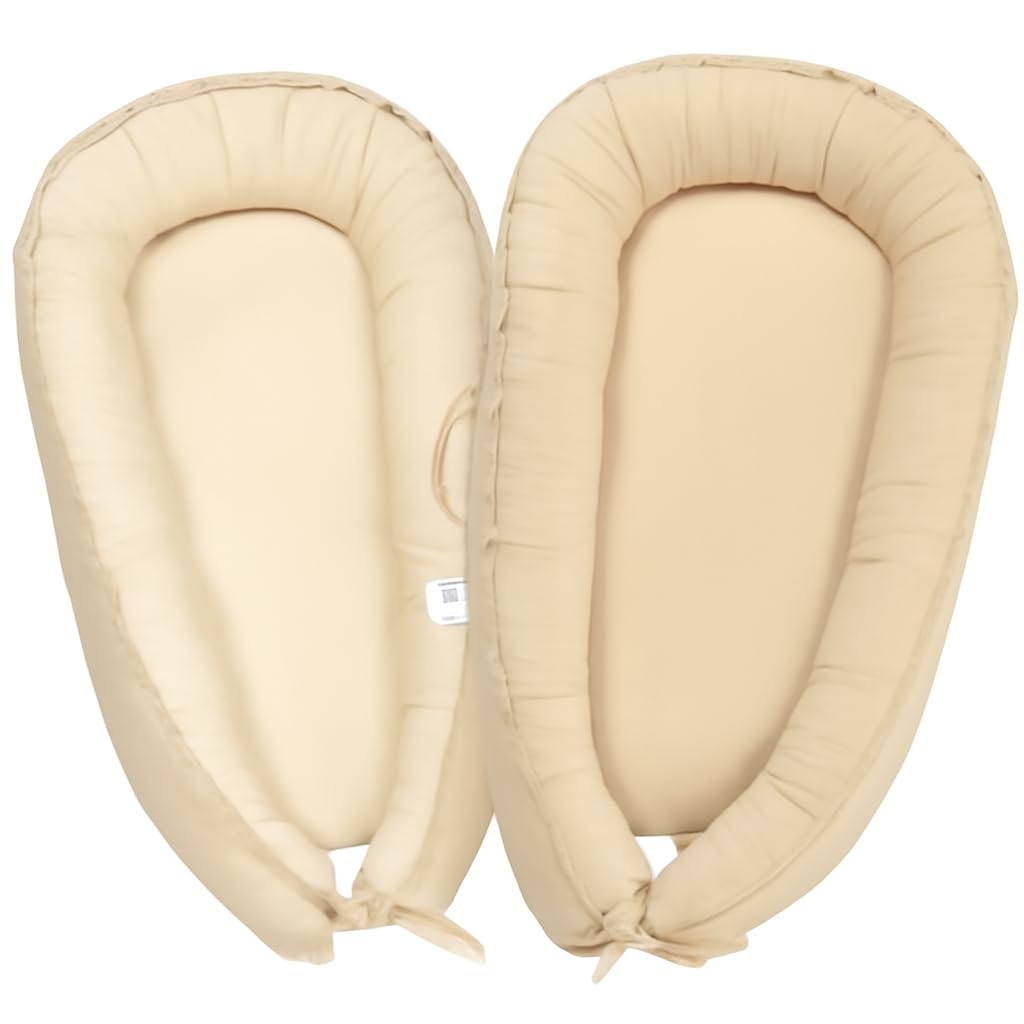 Baby Nest, Baby Lounger Cover for Baby, Reversible & Breathable Cotton, Adjustable Baby Floor Seat for Tummy Time, Portable Infant Lounger, Newborn Essentials for Baby (Beige) Rank #1 | 🏆 Top Pick | 4.8 4.8 | |
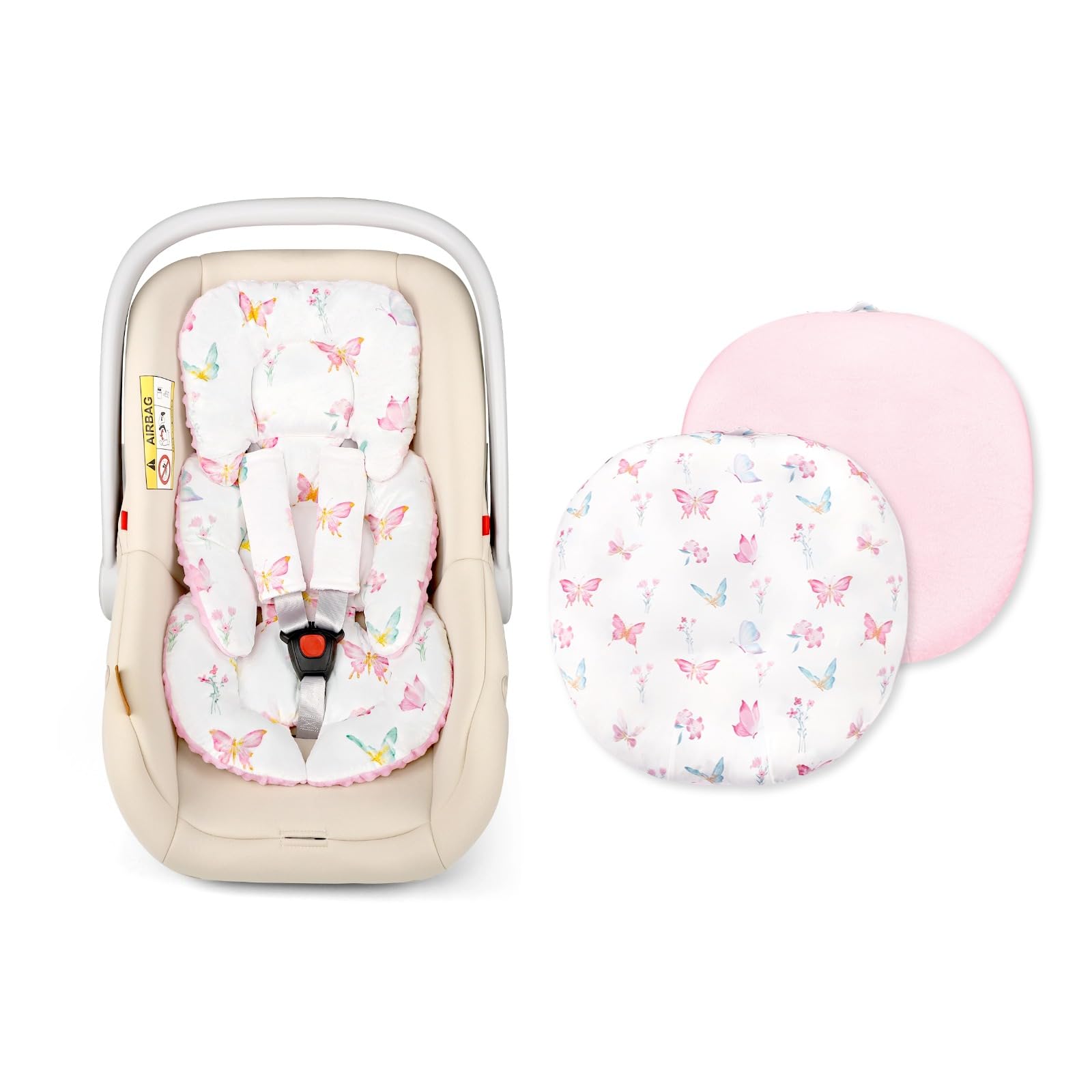 Newborn Lounger Cover & Infant Car Seat Insert, Baby Lounger Cover & Carseat Head Support for Girls Boys, Soft Slipcover & Baby Car Seat Cushion Fits Newborn Lounger, Pink Butterfly Rank #2 | — | ||
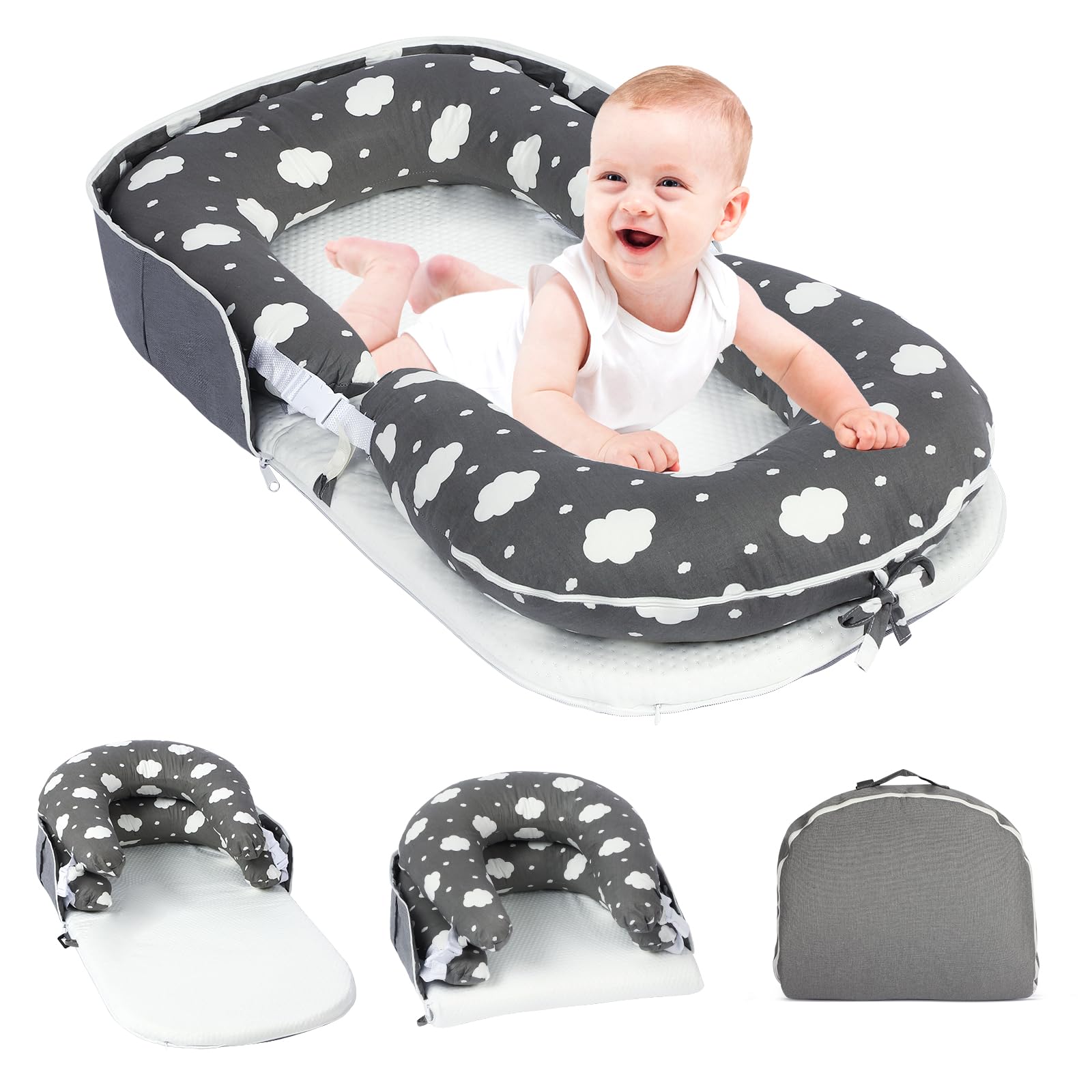 Portable Baby Lounger & Tummy Time with Zip-Up Carry Bag, Infant Support Cushion for Newborns to Toddlers (Leaf) Rank #3 | — | — |
