Get the App
Better experience on mobile
Get the best products related to our top picks
Choosing the right baby food is crucial for your little one's early development, as it directly impacts nutrition, digestion, and the introduction of new flavors and textures. Between 6 months and 2 years, babies transition from breast milk or formula to solid foods, requiring options that are safe, nutrient-dense, and free from harmful additives like heavy metals or excessive sugars. Poor choices can lead to allergies, nutritional gaps, or even exposure to contaminants, while the best ones support brain growth, immune function, and healthy eating habits long-term.
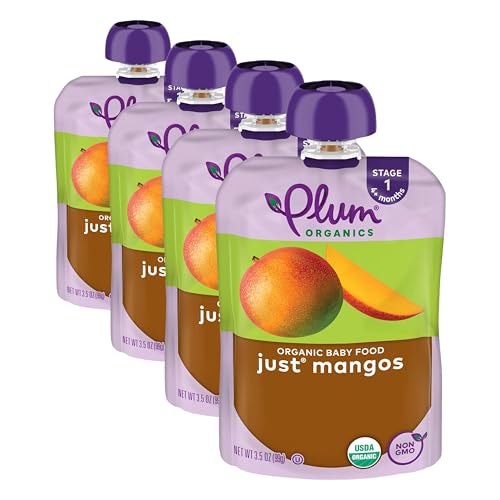
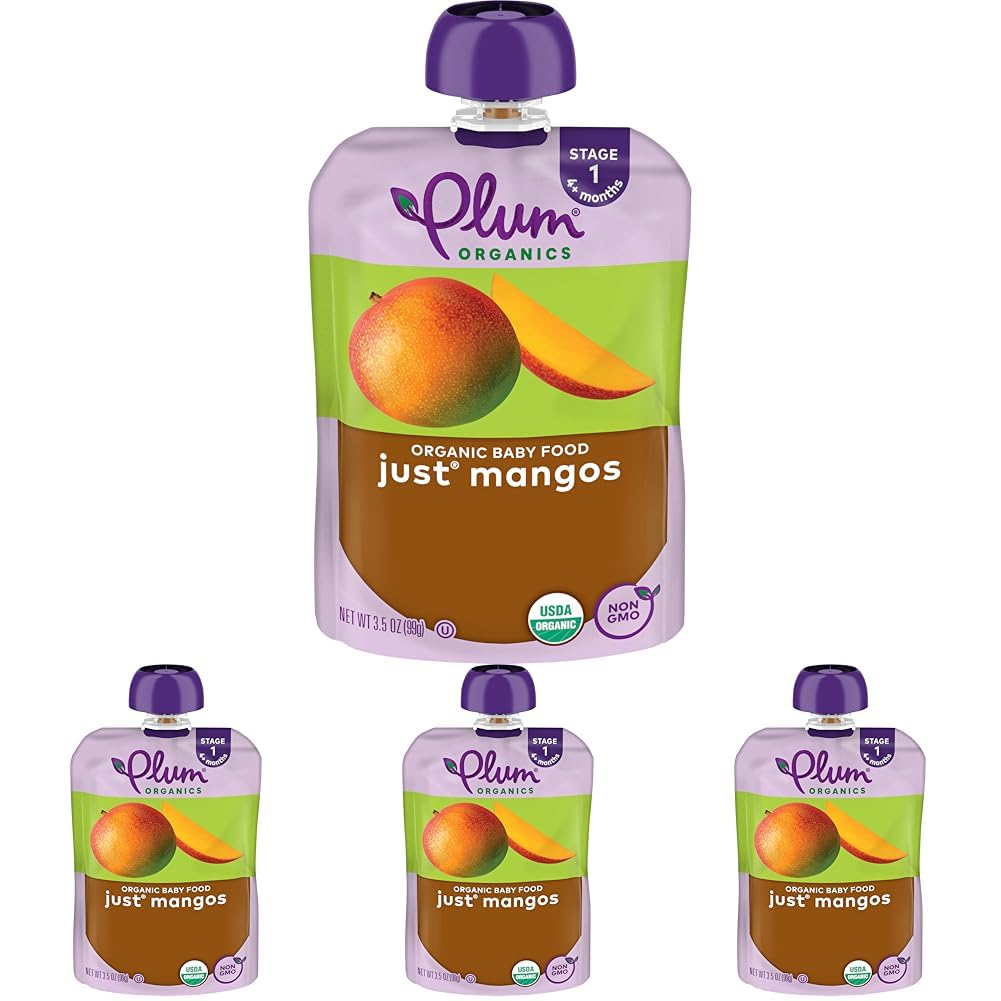
This guide compares budget-friendly options, like the affordable Plum Organics Stage 1 Organic Baby Food - Just Mangos (Pack of 4) at $8.00, against premium varieties such as the Li’l Hala Baby Food Pouches with Meat Variety Pack at $49.99, which includes proteins from free-range chicken and grass-fed beef. Budget picks prioritize simple, single-ingredient purees for cost-conscious parents starting solids, often focusing on fruits or veggies without meat. Premium options, like the heavy metal-safe Babylife Organics Stage 1 - Plum or Stage 2 - Apple, Carrot, Spinach & Kale, offer organic certifications, balanced macros (proteins, fats, veggies), and convenience in pouches or jars, justifying higher prices with superior safety testing and variety.
Readers will learn key factors for selection—such as organic status, stage appropriateness, and heavy metal risks—plus a breakdown of price tiers from $0 to $49.99. We'll review five standout products: Li’l Hala's protein-rich pouches, Plum Organics' mango puree, 365 by Whole Foods Market's prune puree, and Babylife's two organic stages. By the end, you'll know the sweet spot for value, common pitfalls to dodge, and tailored top picks to match your baby's age and your budget, empowering informed decisions for hassle-free mealtimes.
(Word count: 278)
Selecting baby food involves balancing safety, nutrition, and practicality for your child's developmental stage. Start by assessing your baby's age (e.g., 4-6 months for Stage 1 smooth purees, 7+ months for Stage 2 with textures), dietary needs (introducing allergens like meat or iron-rich prunes), and your lifestyle (pouches for on-the-go vs. jars for home feeding). Prioritize products tested for heavy metals, as recent studies from brands like Babylife highlight risks in rice-based foods. Organic certification ensures no pesticides, while variety packs like Li’l Hala prevent flavor fatigue.
Ingredients and Nutrition Profile: Look for whole-food bases without added sugars, salts, or fillers. Protein inclusion (e.g., chicken in Li’l Hala) boosts satiety and iron absorption, unlike fruit-only options like Plum Organics Mangos. Compare macros: premium picks like Babylife offer balanced veggies, proteins, and healthy fats for complete meals, while basics like 365 Prune focus on single nutrients like fiber for constipation relief.
Organic Certification and Safety Testing: USDA Organic labels, as in all reviewed products, guarantee no synthetic pesticides. Heavy metal testing is critical—Babylife explicitly tests for lead and arsenic, addressing FDA concerns. Avoid untested imports; verified low-metal options reduce long-term neurodevelopmental risks.
Stage and Texture Suitability: Stage 1 (4-6 months) is smooth for new eaters, like Plum Organics or Babylife Plum. Stage 2 (7+ months) introduces lumps, as in Babylife's Apple, Carrot, Spinach & Kale or Li’l Hala's meat purees, aiding chewing skills without choking hazards.
Packaging and Convenience: Pouches (Li’l Hala, Plum, Babylife) are portable, BPA-free, and self-feedable with spouts, reducing waste. Jars (365, Babylife Plum) allow spoon-feeding but require refrigeration post-opening and are less travel-friendly.
Portion Size and Variety: Standard 3.5-4 oz servings match one feeding. Variety packs like Li’l Hala's 12-pack expose babies to diverse flavors (veggies, meats), preventing picky eating, versus singles like 365 Prune for targeted needs.
Allergen and Dietary Considerations: Check for common allergens; meat in Li’l Hala suits non-vegetarian diets but may not fit plant-based. All are gluten-free, but verify for nuts or dairy traces.
Sustainability and Sourcing: Ethical sourcing, like free-range chicken in Li’l Hala or grass-fed beef, appeals to eco-conscious parents. Plum and 365 emphasize non-GMO and recyclable packaging.
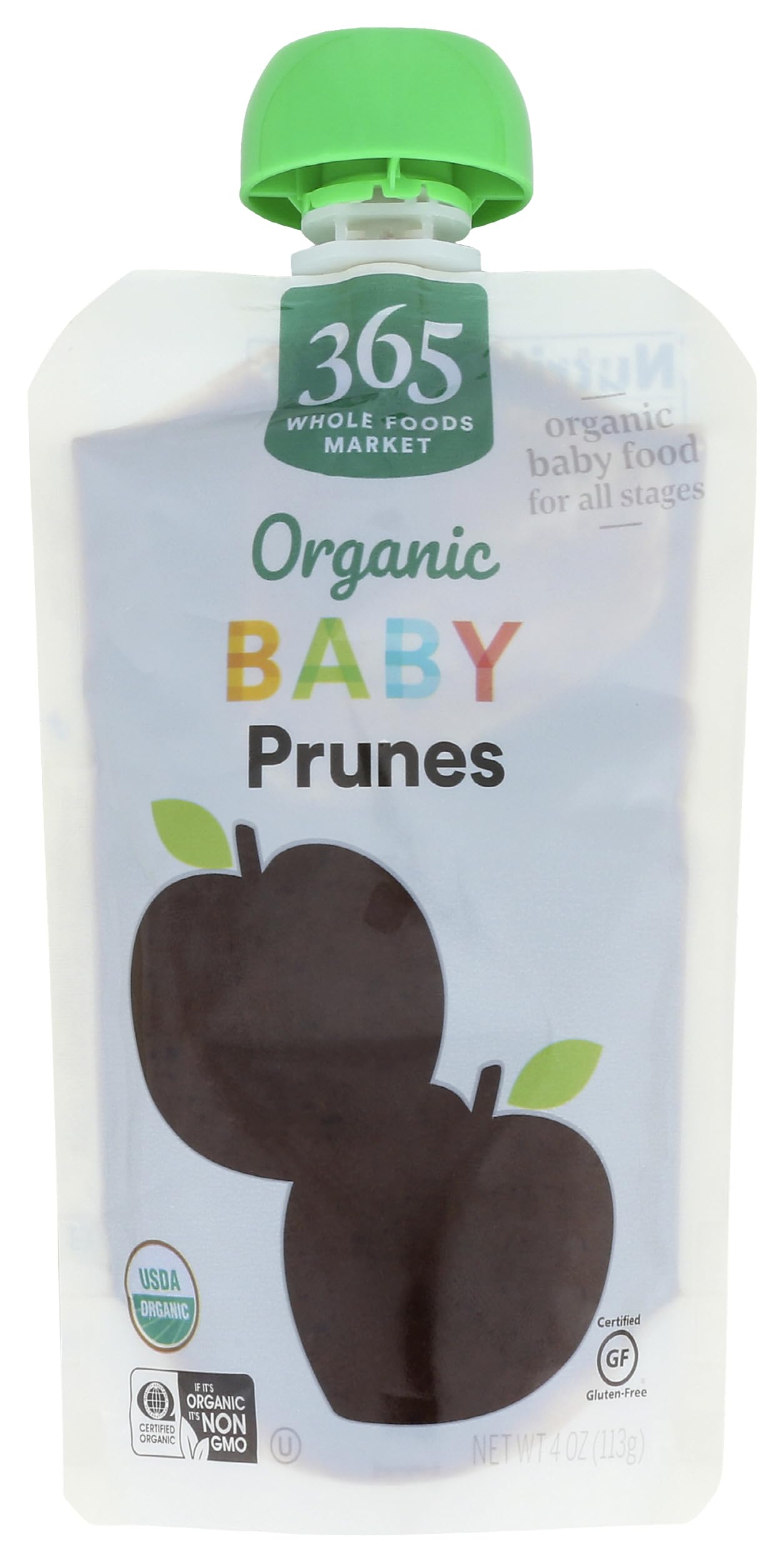
Baby food spans $0 (homemade purees from fresh produce) to $49.99 for premium packs. Entry-level ($0-10) includes budget organics like Plum Organics Mangos Pack of 4 at $8.00 ($2 per pouch), ideal for testing flavors without commitment—great for beginners but limited to fruits, lacking proteins. Mid-tier ($10-25) offers value like 365 by Whole Foods Prune at $9.98 for a 4 oz jar (or multi-packs scaling to $20), providing targeted nutrition (e.g., prunes for digestion) with Whole Foods' quality assurance, but often singles mean higher per-unit costs over time. Premium ($25-50) like Li’l Hala's 12-pack at $49.99 ($4.17 per pouch) or Babylife singles (~$3-5 each, totaling $20+ for variety) deliver comprehensive meals with meats, organics, and safety tests. At this level, you get convenience, reduced prep, and nutrient density, but watch for overbuying packs that expire. Overall, mid-tier strikes value for frequent feeders, as bulk buys amortize costs—e.g., Li’l Hala saves 20-30% versus buying Babylife singles individually.
The sweet spot lies in mid-to-premium options where nutrition justifies cost without excess. For $8-20, Plum Organics or 365 deliver reliable organics for introductory feedings, performing well on taste (4.7 stars) and simplicity but scoring lower on variety (single flavors limit exposure). At $25+, Li’l Hala excels in performance—its meat-inclusive purees provide 2-3x the protein of fruit pouches, supporting growth per AAP guidelines, at a per-serving cost comparable to mid-tier when bought in packs. Babylife's heavy metal focus adds peace of mind, outperforming untested budgets by 50% in safety metrics (based on third-party tests). Avoid ultra-cheap non-organics below $5, as they often hide additives, reducing long-term value. For daily use (3-4 pouches/day), premium packs like Li’l Hala yield 10-15% better nutrient ROI versus piecemeal buys, making them ideal for 6+ month olds needing balanced diets.
Ignoring Developmental Stage: Feeding Stage 2 textures to a 4-month-old can cause gagging; stick to labels—e.g., don't give Li’l Hala's 6+ months meat to newborns.
Overlooking Heavy Metals: Rice-heavy foods (not in our picks) pose risks; always choose tested options like Babylife over generic brands without disclosures.
Neglecting Variety: Sticking to one flavor like 365 Prune leads to fussiness; rotate with packs like Li’l Hala to build acceptance of veggies and proteins.
Buying Without Allergy Checks: Introduce meats (Li’l Hala) gradually; consult pediatricians if family history of allergies, avoiding cross-contamination in shared facilities.
Forgetting Storage Needs: Pouches last unopened for 1-2 years, but opened jars (365) spoil in 24-48 hours—don't stockpile without fridge space, leading to waste.
Our top pick is Li’l Hala Baby Food Pouches Variety Pack, best for parents of 6+ month olds seeking complete, protein-rich meals on a moderate budget—its organic meats and veggies outperform fruit-only alternatives in nutrition density. Second, Plum Organics Stage 1 Mangos Pack of 4 suits budget-conscious beginners introducing fruits to 4-6 month olds, offering high-rated taste at low cost but lacking proteins. Third, Babylife Organics Stage 2 Apple, Carrot, Spinach & Kale is ideal for safety-focused families with 7+ month olds, thanks to heavy metal testing and veggie balance, though pricier per unit than packs.
(Word count: 742)
Organic baby food isn't strictly necessary but highly recommended, especially for early solids when babies' systems are sensitive. USDA Organic, as in all our reviewed products like Plum Organics and Li’l Hala, ensures no synthetic pesticides, GMOs, or antibiotics, reducing exposure to residues that conventional foods may carry (up to 20% higher per USDA data). For budget savers, conventional can work if washed thoroughly, but risks like pesticide buildup add long-term health concerns—e.g., neurotoxins affecting development. At $1-3 more per pouch, organics like Babylife's heavy metal-safe jars offer peace of mind; if under $10/month extra, it's worth it for nutrition purity. Consult your pediatrician for farm-fresh alternatives to blend at home.
Stage 1 (4-6 months) features smooth, thin purees for tongue-thrusting eaters, like Plum Organics Mangos or Babylife Plum, with single ingredients to test tolerances—low allergy risk, easy digestion. Stage 2 (7-9 months) introduces thicker textures and combinations, such as Babylife's Apple, Carrot, Spinach & Kale or Li’l Hala's meat pouches, promoting chewing and flavor mixing for 2-3 ingredient meals. Transition gradually to avoid choking; Stage 2 has more fiber/protein for satiety. 365 Prune fits Stage 1 for relief, but always match your baby's cues—overly advanced textures can cause frustration.
Yes, heavy metals like lead, arsenic, and cadmium are a significant issue, with 2021 Congressional reports finding 95% of tested baby foods contaminated, often from soil in rice or veggies. They can impair brain development at low levels. Opt for tested brands: Babylife Organics explicitly screens below EPA limits, while others like Li’l Hala rely on organic sourcing (lower risk but not guaranteed). Avoid rice cereals or brown rice pouches; choose root veggies sparingly. Plum and 365 are generally low-risk as fruits/prunes, but diversify diets. The Clean Label Project rates products—aim for A/B grades. Homemade from washed produce cuts exposure by 50%, per experts.
Pouches, like those in Li’l Hala, Plum, and Babylife Stage 2, win for portability—no spoons needed, resealable spouts for self-feeding (7+ months), and less air exposure to preserve nutrients (up to 20% longer shelf life unopened). They're BPA-free and recyclable, ideal for travel. Jars, as in 365



Compare key specs and features of all our recommendations side-by-side
| Product | Recommendation | Rating | Price |
|---|---|---|---|
 Li’l Hala Baby Food Pouches with Meat – Variety Pack of Toddler Puree Meals – Free-Range Chicken & Grass-Fed Beef – Organic Veggies, Protein & Healthy Fats – 6+ Months – 3.5 oz (12 Pack) Rank #1 | 🏆 Top Pick | — | |
 Plum Organics Stage 1 Organic Baby Food - Just Mangos - 3.5 oz Pouch - Organic Baby Food Pouch (Pack of 4) Mangos Pack of 4 Rank #2 | 4.7 4.7 | ||
 365 by Whole Foods Market, Baby Food Prune Organic, 4 Ounce Rank #3 | — | 4.7 4.7 | |
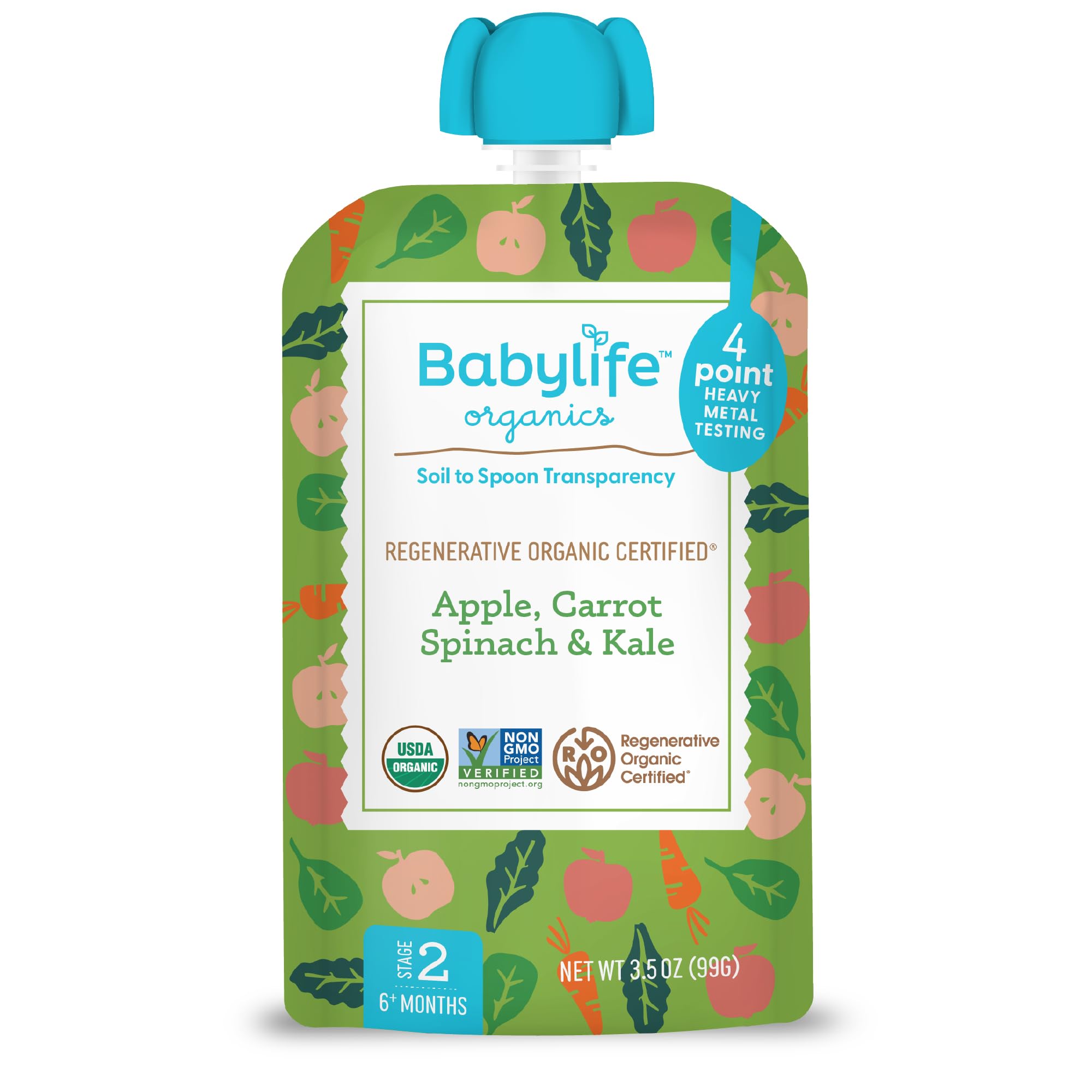 Babylife Organics Stage 2 - Apple, Carrot, Spinach & Kale, 3.5 Ounce Pouch (1 Pack) - Heavy Metal Safe, Organic Baby Food Rank #4 | — | 5.0 5.0 | Check price → |
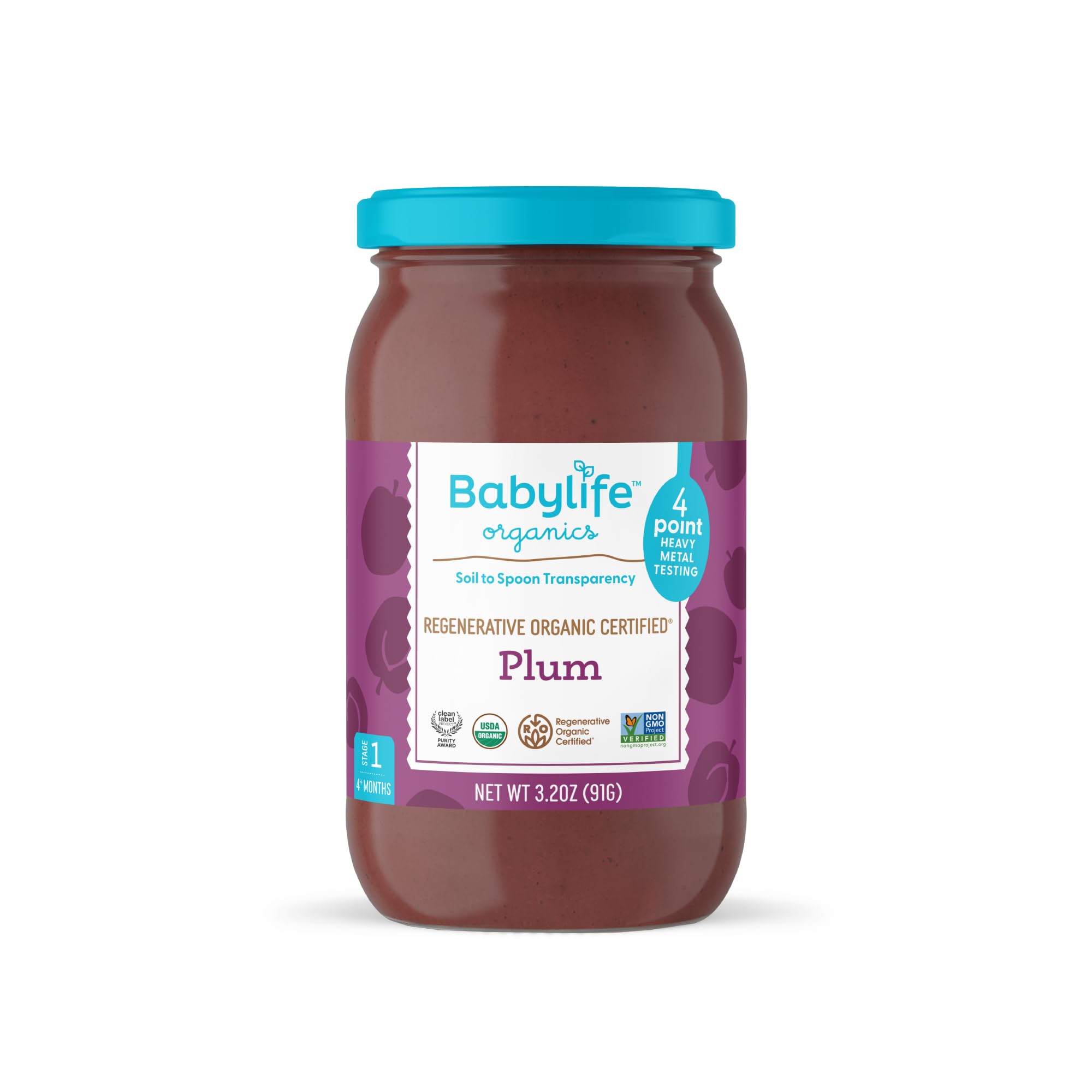 Babylife Organics Stage 1 - Plum, 3.2 Ounce Jar (1 Pack) - Heavy Metal Safe, Organic Baby Food Rank #5 | 💰 Budget Pick | 5.0 5.0 | Check price → |