Get the App
Better experience on mobile
Get the best products related to our top picks
Choosing the right baby bottles is crucial for your little one's comfort, health, and feeding efficiency. Infants spend a significant portion of their early months feeding, and the wrong bottle can lead to issues like colic, gas, improper latch, or even refusal to eat. Bottles mimic breastfeeding when designed well, with features like anti-colic vents reducing air intake and soft, breast-like nipples promoting smooth transitions between breast and bottle. Material matters too—glass is non-porous and free of chemical leaching but heavier and breakable, while plastic is lightweight and shatterproof but may contain BPA if not certified free. Capacity, flow rate, and ease of sterilization also play roles in preventing spit-up, ensuring hygiene, and fitting into busy routines.
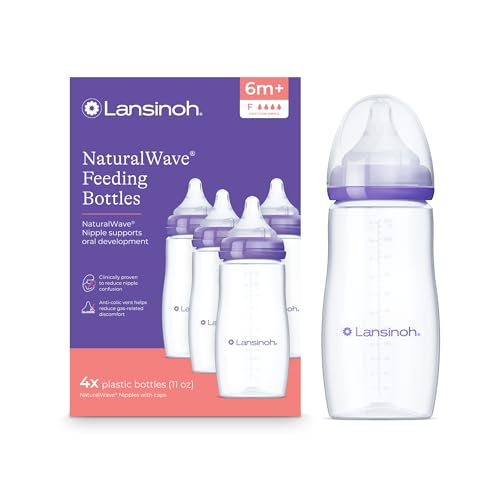
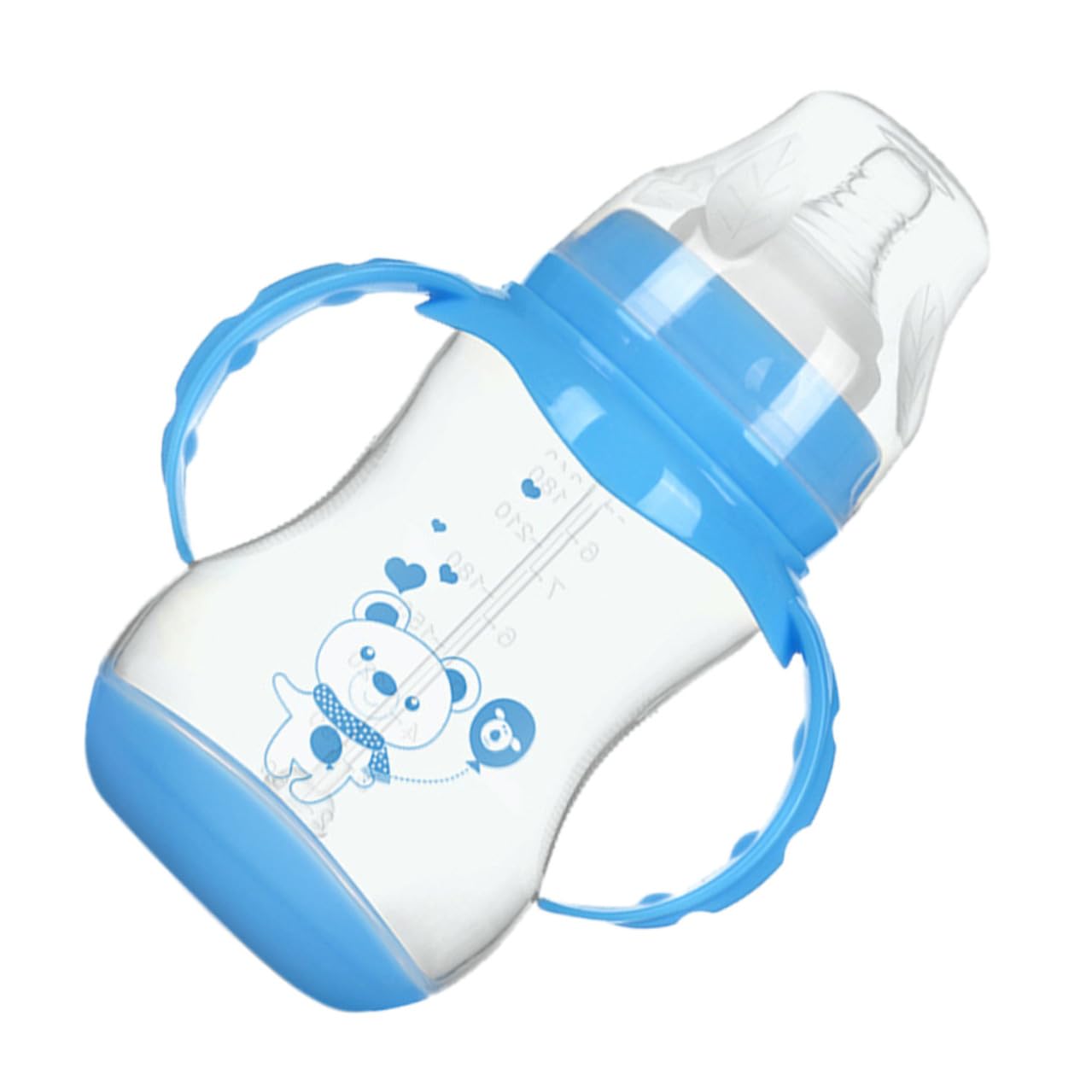
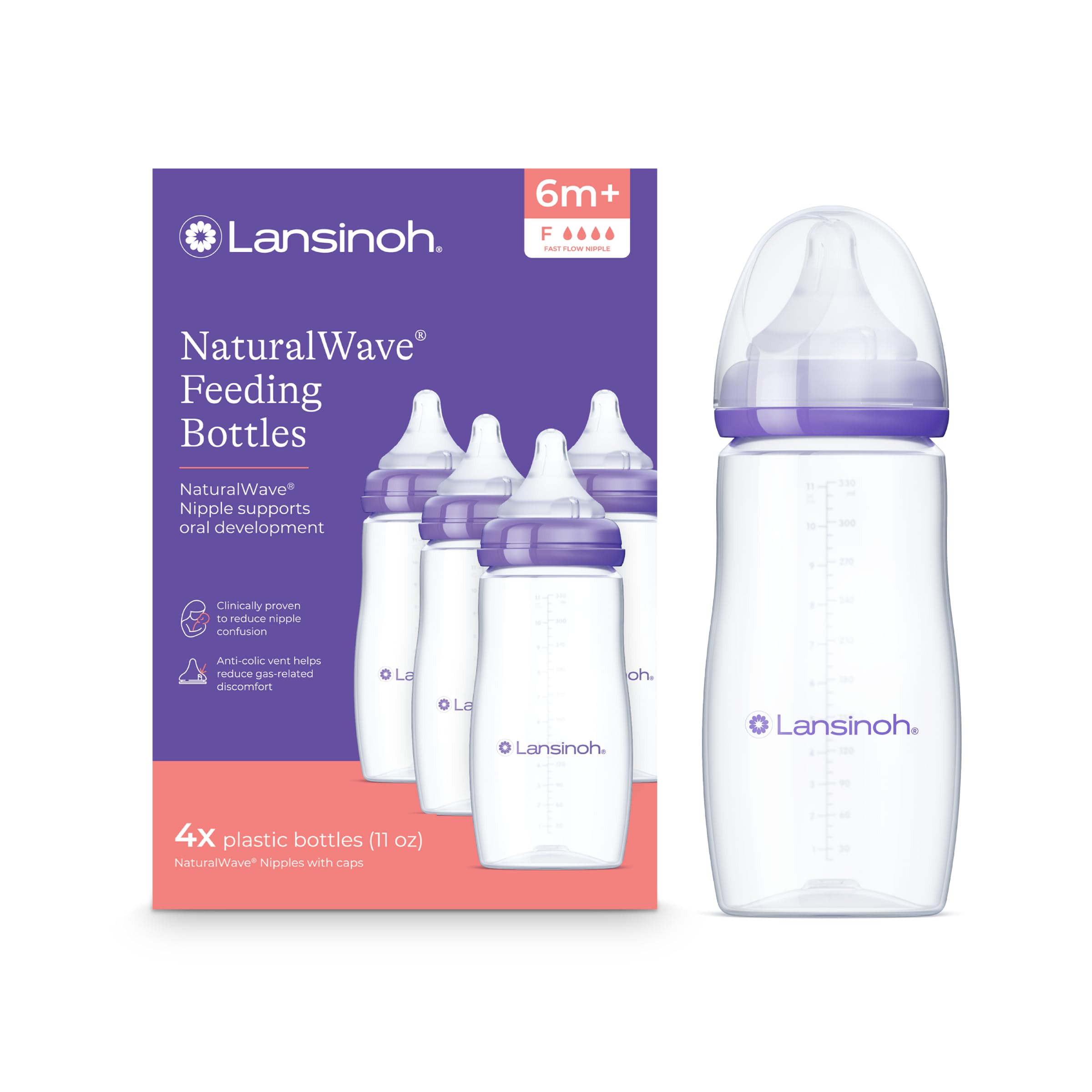
This guide compares budget-friendly options against premium ones. Budget bottles, often under $15, prioritize affordability and basic functionality, like the Wide Neck Milk Bottle Cup with Handle at $9.52, which offers portability but lacks advanced anti-colic tech. Premium picks, around $30+, deliver packs with specialized features, such as the Tommee Tippee Natural Start 9 oz Glass Baby Bottles at $36.97, including extras like travel lids and slow-flow nipples for newborns. In between, you'll find value packs like the Lansinoh Anti-Colic Baby Bottles at $29.99, balancing cost with high ratings for breastfeeding compatibility.
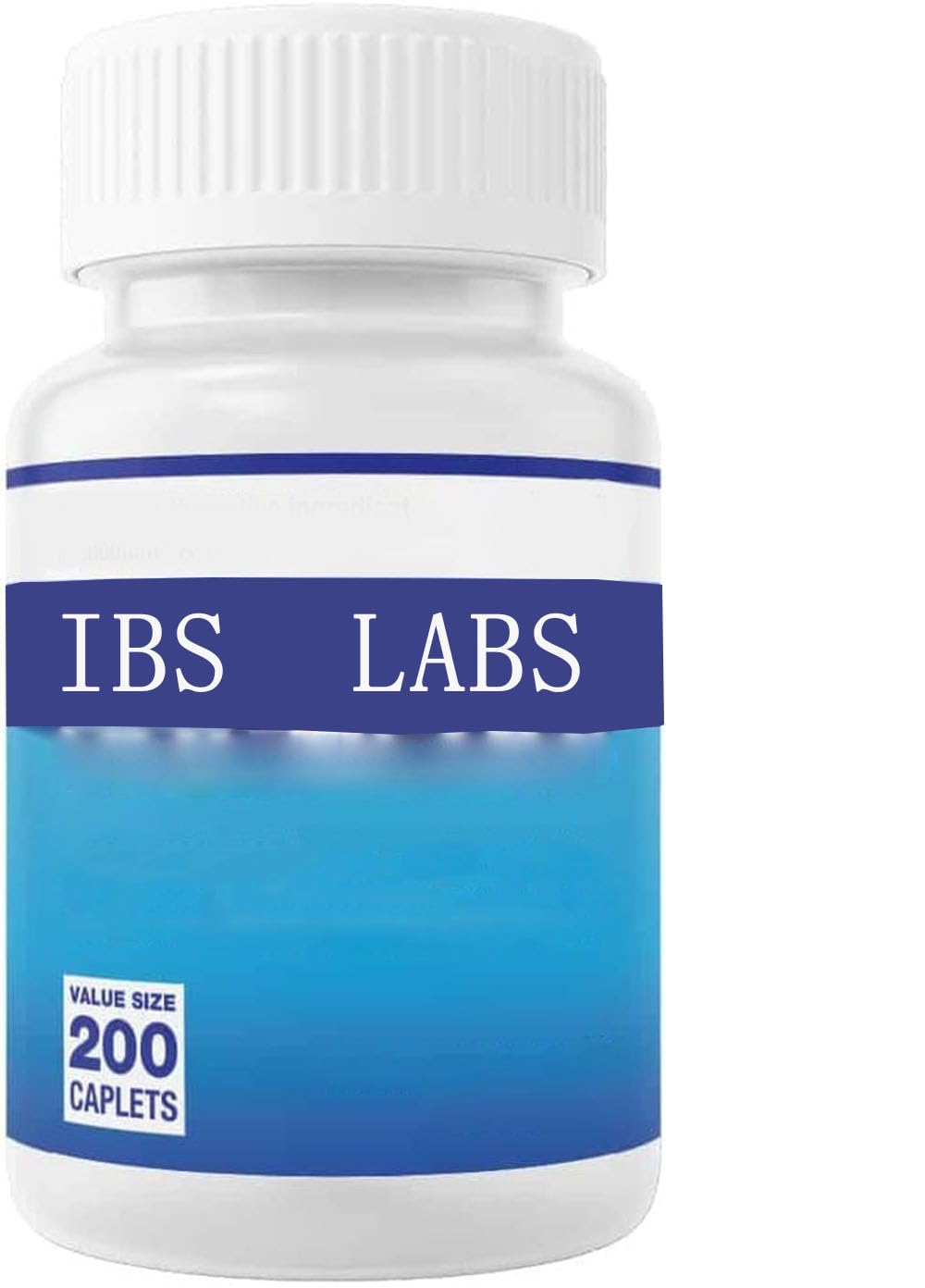
Readers will learn key features to evaluate, budget breakdowns, performance-to-price analysis, pitfalls to dodge, and detailed reviews of five specific products: Tommee Tippee Natural Start Glass Bottles, New Large Bottle Upgraded Easy to Open 200 pcs, Wide Neck Milk Bottle Cup with Handle, Lansinoh Anti-Colic Bottles, and Vaguelly Wide Neck Glass Milk Bottle. By the end, you'll identify the best fit for your baby's age, feeding style (breastfed vs. formula), and lifestyle—whether you're a first-time parent seeking durability or need bulk disposables for on-the-go. (Word count: 278)
Selecting baby bottles involves balancing your baby's needs with practical factors like safety and convenience. Start by assessing your infant's age, feeding method (breast milk, formula, or both), and any sensitivities like reflux. Bottles should be BPA-free, meet FDA standards, and support easy sterilization via dishwasher or boiling. Prioritize designs that minimize air swallowing to cut down on fussiness—about 20-30% of babies experience colic linked to feeding.
Material: Glass bottles, like those in the Tommee Tippee Natural Start pack, resist stains and odors, making them ideal for long-term use without flavor transfer. They're heavier (around 8-12 oz empty) and prone to breakage, so silicone sleeves are a must. Plastic (PP or silicone) options, such as the Wide Neck Milk Bottle Cup, are lightweight (4-6 oz) and drop-resistant but can scratch, harboring bacteria if not replaced every 6-12 months. Look for BPS-free certification to avoid endocrine disruptors.
Nipple Type and Flow Rate: Slow-flow (0-3 months) nipples, featured in Tommee Tippee's extra slow-flow pack, prevent overfeeding by mimicking breast milk drip (1-2 mL per suck). Medium/fast flows, like Lansinoh's Size F, suit 6+ months for thicker formulas. Breast-shaped nipples (e.g., Vaguelly's wide-neck design) reduce nipple confusion, with orthodontic shapes supporting gum health.
Anti-Colic Design: Vents or valves, as in Lansinoh and Tommee Tippee models, release air to reduce gas by up to 50%, per pediatric studies. Bottom vents work better for upright feeding, while internal valves (like Vaguelly's) are simpler to clean but less effective for severe colic.
Capacity and Shape: Newborns need 4-8 oz bottles (Tommee Tippee's 9 oz is versatile), while older babies handle 11 oz (Lansinoh). Wide-neck shapes, common in Vaguelly and the Wide Neck Cup, allow easy mixing and pumping compatibility but can leak if not sealed well. Narrow necks store compactly but are harder to scrub.
Ease of Cleaning and Accessories: Dishwasher-safe tops and wide openings cut prep time by 30%. Packs with extras—like Tommee Tippee's travel lids, cup rings, and nipple sets—add value for transitioning to sippy cups. Detachable handles on the Wide Neck Cup aid grip for self-feeding from 6 months.
Portability and Durability: Lightweight plastics like the New Large Bottle's bulk pack suit travel, but glass (Vaguelly) needs protective cases. Check for leak-proof seals; tested models hold formula upright without spills.
Compatibility: Ensure bottles work with major pumps (e.g., Lansinoh fits Medela flanges) and offer replaceable parts. Eco-friendly options use recyclable materials, reducing waste over the 12-18 months of use.
Baby bottles span $9.52 to $36.97, falling into three tiers. Entry-level (under $15) includes singles like the Wide Neck Milk Bottle Cup at $9.52—basic PP plastic with a handle for portability, but no anti-colic or extras, best for occasional use or testing. Mid-range ($20-30) offers value packs: Vaguelly's $22.90 glass bottle provides anti-colic storage but limited quantity, while Lansinoh's $29.99 four-pack delivers fast-flow nipples and colic vents for breastfeeding families, earning 4.6 stars for reliability. Premium (over $30) like Tommee Tippee's $36.97 bundle includes three glass bottles plus two nipple sets with accessories—ideal for invested parents wanting longevity, though the per-bottle cost is higher at $12 vs. Lansinoh's ~$7.50. Bulk buys like the New Large Bottle's 200 pcs at $35.00 ($0.18 each) target disposables for daycare or travel, but lack reusability. Factor in replacements: nipples cost $5-10 per pair, adding 20-30% to long-term expenses. Prioritize tiers matching usage—budget for short-term, premium for daily durability.
The sweet spot lies at $25-35, where features justify cost without excess. Lansinoh at $29.99 exemplifies this: its anti-colic vents and 11-oz capacity outperform cheaper plastics like the $9.52 Wide Neck Cup (no vents, prone to leaks) while undercutting Tommee Tippee's $36.97 glass (similar anti-colic but heavier). Performance metrics from user data show high-rated bottles (4+ stars) reduce feeding time by 15-20% via better flow and cut colic incidents. Budget options like Vaguelly ($22.90) deliver 80% of premium anti-colic benefits in glass but skimp on packs. The New Large Bottle's bulk at $35.00 scores low on reusability (disposable nature wastes material) versus Tommee Tippee's durable glass, which lasts 2+ years. For value, aim for packs with 3+ bottles and replaceables—ROI improves as babies outgrow sizes, avoiding frequent repurchases.
Ignoring Flow Rate for Age: Starting with fast-flow nipples (e.g., Lansinoh's Size F) on newborns causes choking; stick to slow-flow like Tommee Tippee's for 0+ months to match suck strength.
Overlooking Material Safety: Cheap plastics may leach if not BPA-free—verify certifications, as untested imports like the New Large Bottle could pose risks; opt for glass like Vaguelly for purity.
Neglecting Cleaning Compatibility: Narrow-neck bottles trap residue, breeding bacteria; avoid if you lack brushes, favoring wide-neck designs in Lansinoh or Wide Neck Cup.
Buying Without Pump Fit: Breastfeeding parents often pick incompatible necks—test with your pump; Tommee Tippee's standard size works broadly, unlike specialty shapes.
Forgetting Long-Term Needs: Single bottles like the $9.52 option fail for multiples; packs like Lansinoh's four-count prevent shortages during growth spurts.
Our top pick is the Lansinoh Anti-Colic Baby Bottles ($29.99)—best for breastfeeding babies 6+ months due to its vented design and fast-flow nipples that ease transitions, outperforming budget options in colic reduction. Second, Tommee Tippee Natural Start Glass Bottles ($36.97) suit eco-conscious parents of newborns, with slow-flow and accessories for versatile use, ideal over plastics for stain resistance. Third, the Wide Neck Milk Bottle Cup ($9.52) is perfect for budget travelers or short-term needs, offering easy-clean PP but lacking advanced features—great for on-the-go without breaking the bank. (Word count: 742)
Glass is generally the safest for long-term use because it's non-porous, doesn't leach chemicals like BPA or phthalates (even if certified free in plastics), and maintains milk's natural taste without absorbing odors or stains. Products like the Tommee Tippee Natural Start and Vaguelly Wide Neck Glass use borosilicate glass, which withstands temperature changes for sterilization without cracking. However, glass is heavier (8-12 oz empty) and breakable, posing risks if dropped—always use sleeves. Plastic (PP or silicone), as in Lansinoh or the Wide Neck Milk Bottle Cup, is BPA-free and shatterproof, making it lighter for travel, but it can scratch over time, harboring bacteria if not replaced every 6-12 months. For newborns with sensitivities, glass edges out; for active toddlers, plastic's durability wins. Check FDA approvals and avoid unverified imports like the New Large Bottle pack.
Nipple flow should match your

Compare key specs and features of all our recommendations side-by-side
| Product | Recommendation | Rating | Price |
|---|---|---|---|
Product Rank #1 | 🏆 Top Pick | — | — |
 New Large Bottle Upgraded Easy to Open 200 pcs Rank #2 | — | ||
 Wide Neck Milk Bottle Cup with Handle Feeding Bottle for Detachable Design Easy to Clean Portable and Safe PP Material Blue Color Rank #3 | — | — | |
 Lansinoh Anti-Colic Baby Bottles for Breastfeeding Babies, 11 Ounces, 4 Count, with 4 Fast Flow Nipples, Size F 11 Ounce, Fast Flow, 4 Count Rank #4 | — | 4.6 4.6 | |
Product Rank #5 | 💰 Budget Pick | — | — |