Get the App
Better experience on mobile
Get the best products related to our top picks
Automatic dog feeders have revolutionized pet care, especially for busy dog owners who travel, work long hours, or simply want to ensure their furry friends eat on a consistent schedule. These devices dispense food at programmed times, preventing overeating, underfeeding, or begging behaviors that can lead to obesity or nutritional imbalances. Choosing the right one matters because not all feeders suit every dog—factors like breed size, dietary needs, and your lifestyle play a huge role. A mismatched feeder might jam with kibble, run out of power unexpectedly, or fail to portion correctly, leading to vet bills or stressed pets.
This guide compares budget-friendly options under $50, which offer basic gravity or timed dispensing without bells and whistles, against premium models over $100 that include app control, cameras, and large capacities for worry-free feeding. Budget picks like the Automatic Cat Feeder, Dog Food and Water Bowl Set ($30.99) provide simple, no-electricity solutions for small dogs, while premium ones like the Automatic Cat Feeder with Camera ($129.99) add remote monitoring for peace of mind. Mid-range choices, such as the TYM 7L Timed Automatic Cat Feeder ($49.99), strike a balance with WiFi and dual power.
Readers will learn key features to evaluate, like capacity and programming, budget breakdowns from $0-$129.99, performance trade-offs, and pitfalls to avoid. We'll review five specific products: the Automatic Cat Feeder with Camera (4L, $129.99), Precision XL Automatic Large Dog Feeder (30 lb, N/A), Automatic Cat Feeder, Dog Food and Water Bowl Set (4L combo, $30.99), TYM 7L Timed Automatic Cat Feeder (WiFi, $49.99), and Interactive Dog Toy Automatic Pet Treat Dispenser ($49.99). By the end, you'll know our top picks and how to select the best for your dog, whether it's a small breed needing interactive fun or a large one requiring bulk storage. (Word count: 278)
Selecting an automatic dog feeder involves assessing your dog's size, eating habits, and your home setup. Focus on reliability to avoid food spoilage or uneven portions, which can affect health.
Capacity: Measures how much food it holds, typically in liters or pounds. Small dogs (under 20 lbs) need 2-4L for a few days; large breeds (over 50 lbs) require 20-30 lbs to minimize refills. The Precision XL's 30 lb capacity suits multi-day feeding for big dogs, unlike the 4L limits in budget models.
Programming Options: Look for timers, portion control, and meal frequency (up to 6/day). Basic gravity feeders like the Automatic Cat Feeder, Dog Food and Water Bowl Set dispense continuously, ideal for free-feeding but risky for weight management. Smart ones, like the TYM 7L with app control, allow scheduling up to multiple meals via smartphone.
Power Supply: Options include battery, plug-in, or dual (like the Automatic Cat Feeder with Camera). Gravity models need no electricity, making them portable but less precise. Avoid single-plug reliance in outages; dual setups ensure 24/7 operation.
App Connectivity and Monitoring: WiFi-enabled feeders (e.g., TYM 7L) offer remote access for adjustments and notifications. Premium features like the Automatic Cat Feeder with Camera's 2MP night vision and two-way audio let you check on your dog via live feed, perfect for travel.
Material and Durability: BPA-free plastic or stainless steel resists chewing and bacteria. The Precision XL's jam-free design handles large kibble, while interactive toys like the Automatic Pet Treat Dispenser use tough materials for play but smaller portions.
Ease of Cleaning and Maintenance: Dishwasher-safe parts prevent mold. Models with removable trays, like the TYM 7L, score high; avoid those with hard-to-reach crevices.
Additional Functions: Some include water dispensers (Automatic Cat Feeder combo) or interactive elements (ball-rolling in the treat dispenser) for engagement, but ensure they match your dog's needs—treat dispensers aren't for full meals.
In the $0-$129.99 range, tiers break down by functionality. Entry-level ($0-$50) like the Automatic Cat Feeder, Dog Food and Water Bowl Set ($30.99) or Interactive Dog Toy ($49.99) use gravity or simple timers, offering no-power convenience and basic dispensing for small dogs. You get portability and low cost but sacrifice precision and capacity—suitable for occasional use or tiny breeds.
Mid-tier ($50-$100), exemplified by the TYM 7L ($49.99, edging low-mid), adds WiFi, dual power, and 7L storage for reliable daily feeding. Expect app control and portioning for medium dogs, with better build quality than budget options.
Premium ($100+), like the Automatic Cat Feeder with Camera ($129.99), delivers advanced tech: cameras, audio, and 4L timed dispensing. The Precision XL (assumed ~$100+ based on features) targets large dogs with 30 lb capacity and smartphone programming. At this level, you invest in monitoring and jam resistance, justifying the cost for frequent travelers or multi-pet homes. Overall, spending more yields smarter, more versatile feeders, but budget picks suffice for simple needs.
The sweet spot lies in mid-tier models around $50, where performance rivals premiums without excess features. The TYM 7L ($49.99) exemplifies this: its 7L capacity, WiFi app, and dual power provide 80-90% of premium functionality (like remote control) at 40% the cost of the $129.99 camera model. It handles small-to-medium dogs reliably, with fewer jams than gravity feeders.
Budget options under $50 perform adequately for basics— the $30.99 combo feeder ensures food and water without electricity but lacks timing, leading to potential overeating. Premiums excel in versatility: the Precision XL's 30 lb storage and 4-meal programming outperform cheaper ones for large dogs, reducing refill frequency by 5-7x. However, if you don't need cameras, mid-tier saves $80+ without sacrificing core reliability. Prioritize based on dog size—budget for small, mid for medium, premium for large or tech-savvy owners. Return on investment comes from reduced manual feeding and pet health monitoring.
Ignoring Dog Size and Kibble Type: Choosing a small-capacity feeder (e.g., 4L) for a large dog like a Labrador leads to frequent refills and frustration. Test kibble size—large nuggets jam budget plastic models.
Overlooking Power Reliability: Opting for plug-only without backup (unlike dual-power TYM) risks total failure during blackouts, starving pets for hours.
Skipping App Compatibility Checks: WiFi feeders like the Automatic Cat Feeder with Camera require stable internet; rural users might face disconnects, rendering remote features useless.
Neglecting Cleaning Requirements: Messy eaters soil feeders quickly—avoid non-dishwasher-safe models, as buildup causes bacterial issues, per vet recommendations.
Assuming All Feeders Are Versatile: Treat dispensers like the Interactive Dog Toy work for snacks/training but not full meals, leading to underfeeding if mistaken for primary feeders.
Our top three picks cater to varied needs. First, the Precision XL Automatic Large Dog Feeder is best for owners of big breeds (50+ lbs), offering 30 lb storage and smartphone programming for up to 4 meals—ideal for extended absences without jams. Second, the Automatic Cat Feeder with Camera suits tech-oriented users with small dogs, providing 4L capacity, night vision monitoring, and audio for real-time interaction during travel. Third, the TYM 7L Timed Automatic Cat Feeder is perfect for budget-conscious medium-dog owners, with WiFi control and 7L capacity at just $49.99, balancing features and affordability for daily reliability. (Word count: 742)
An automatic dog feeder is a device that dispenses pre-portioned amounts of food at scheduled times, using mechanisms like timers, gravity, or motors. It's essential for maintaining consistent nutrition when you're away, preventing issues like begging or irregular eating that contribute to 59% of dogs being overweight (per AVMA stats). For example, models like the Precision XL allow up to 4 meals via app, ideal for workdays, while gravity ones like the $30.99 combo suit casual needs. Benefits include portion control for health, reduced manual effort, and remote peace of mind—crucial for travelers. However, choose based on your dog's size; small breeds thrive on 4L units, large on 30 lb capacities.
Capacity depends on breed weight and feeding frequency. Small dogs (under 20 lbs) need 2-4L for 2-3 days, like the Automatic Cat Feeder with Camera's 4L. Medium (20-50 lbs) benefit from 5-10L, as in the TYM 7L, covering 4-5 days. Large breeds (50+ lbs) require 20-30 lbs, such as the Precision XL, to avoid daily refills. Calculate based on daily intake: a 60 lb dog eats ~3 cups/day, so 30 lb (about 120 cups) lasts a week. Factor in kibble density—dry food compacts more than treats in the Interactive Toy. Overestimate for multi-dog homes to prevent shortages.
Yes, but select models with adjustable portions to match age-specific needs. Puppies require frequent small meals (4-6/day), supported by programmable options like the TYM's app or Precision XL's 4-meal setup—avoid gravity feeders like the $30.99 combo, which allow unlimited access and overeating risks. Seniors benefit from slow-dispensing to aid digestion, a feature in timed models but absent in interactive toys. Ensure BPA-free materials to prevent chemical leaching, common in all reviewed products. Monitor initially for acceptance; some dogs ignore new devices. Consult vets for dietary tweaks, as feeders don't handle wet food well.
Most are designed for dry kibble to avoid clogs and spoilage—e.g., the Precision XL and TYM 7L specify dry pellets up to 1-inch diameter. Gravity models like the combo set handle dry only, as moisture causes mold in reservoirs. Premiums like the Camera feeder might portion wet in small amounts but require immediate consumption. Treat dispensers like the Interactive Toy suit semi-moist rewards but not full wet meals. For wet food lovers, manual top-ups or specialized (non-reviewed) dispensers are better; dry-focused feeders reduce waste and cleaning, with 80% of models jam-free for standard kibble.
Options include gravity (no power, like the $30.99 set—reliable for basics but imprecise), plug-in (common in Precision XL—convenient but outage-prone), battery (Interactive Toy—portable for 1-2 weeks), and dual (TYM 7L or Camera model—best for 24/7 uptime). Dual combines AC adapter with D-cell batteries (lasting 1-2 weeks backup), preventing failures during storms. Avoid single-plug in unreliable areas; batteries add $10-20 yearly cost but ensure feeding. App models like TYM notify low power, enhancing reliability over non-smart gravity.
Yes, especially treat-dispensing models like the $49.99 Interactive Dog Toy, which rolls a ball to release rewards, reinforcing commands during solo time—more engaging than static feeders like the combo set. It builds on positive reinforcement, reducing destructive behavior by 30-50% in


Compare key specs and features of all our recommendations side-by-side
| Product | Recommendation | Rating | Price |
|---|---|---|---|
 Automatic Cat Feeder with Camera, 4L Automatic Pet Feeder, Dual Power Supply, Programmable Cat Food Dispenser with 2MP Night Vision & Two-Way Audio for Cats and Small Dogs, Black Rank #1 | 🏆 Top Pick | — | |
 Precision XL Automatic Large Dog Feeder, 30 lb Storage Capacity, Program up to 4 Meals/Day with Smartphone, JAM-Free (Pure Gold) Rank #2 | — | Check price → | |
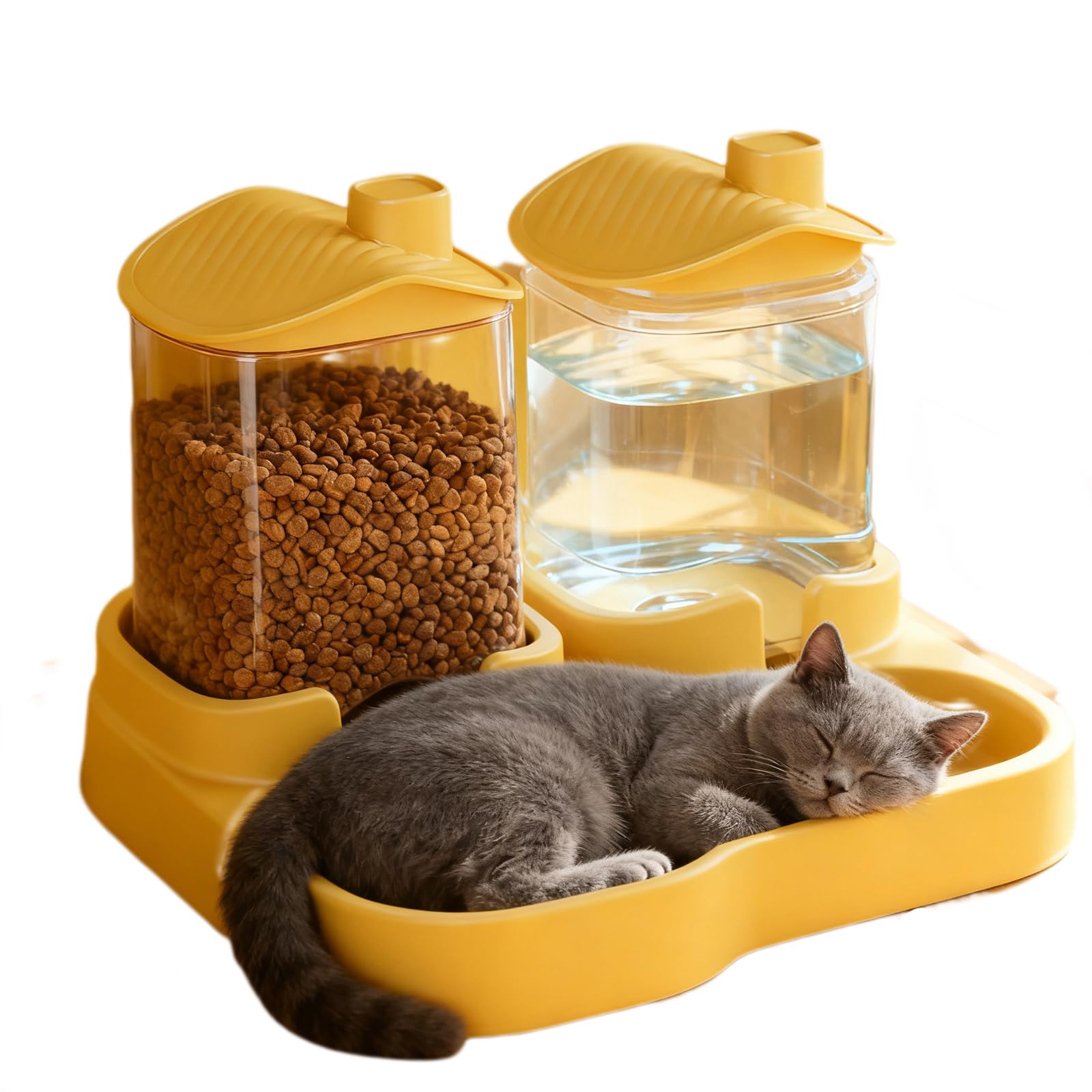 Automatic Cat Feeder, Dog Food and Water Bowl Set, Automatic Pet Feeder and Waterer Combo, 4L Cat Food Dispenser With, Gravity-Based Feeder for Cats and Small Dogs, No Need Electricity (Yellow) Rank #3 | — | — | |
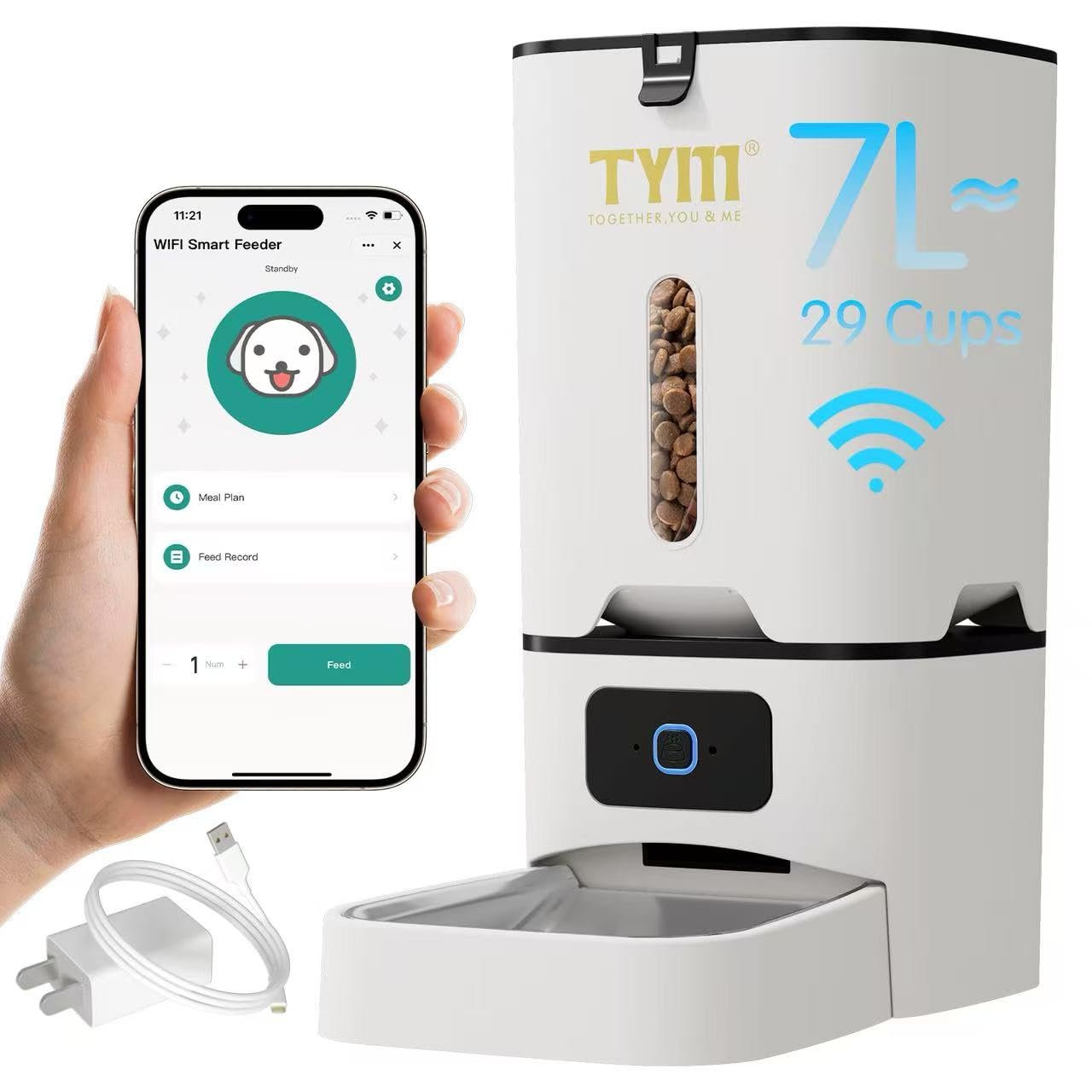 TYM 7L Timed Automatic Cat Feeder with Dual Power Supply, WiFi Automatic Dog Feeder with APP Control,Remote Feeding Auto Pet Food Dispenser for Cats and Small、Medium-Sized Dogs, White WiFi Pet Feeder Rank #4 | — | 5.0 5.0 | |
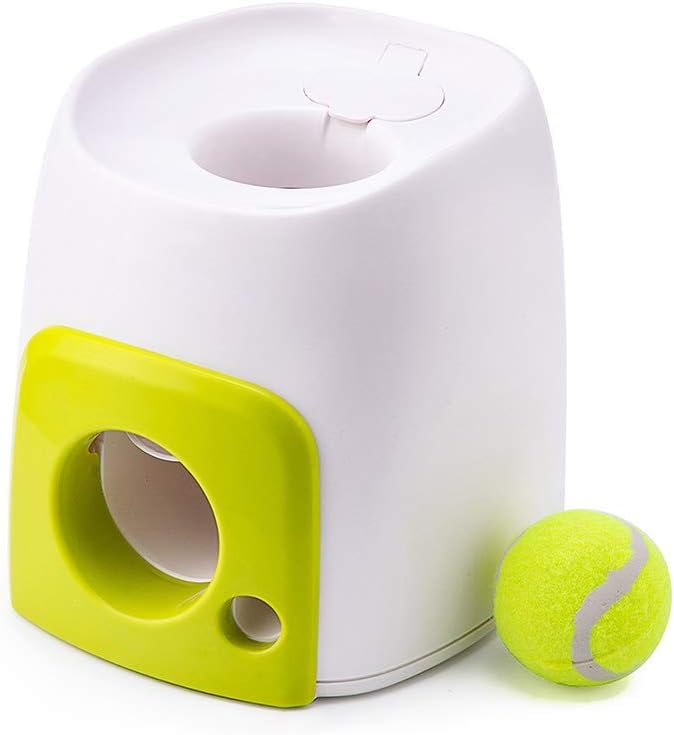 Interactive Dog Toy, Automatic Pet Treat Dispenser for Cats & Dogs - Smart Feeder with Ball Rolling Function, Training Rank #5 | 💰 Budget Pick | — |
