Get the App
Better experience on mobile
Choosing the right auto transport service is crucial for anyone needing to move a vehicle, whether it's for relocation, buying a car out of state, or shipping a classic or electric vehicle (EV) across the country. Poor choices can lead to delays, damage, or unexpected costs, while a reliable service ensures your car arrives safely and on time. In November 2025, the auto transport industry is evolving rapidly, especially with the rise of EVs requiring specialized handling for battery safety and charging needs. This guide compares budget options, which prioritize cost savings with basic open carriers, against premium services offering enclosed transport, white-glove handling, and real-time tracking for higher-value or sensitive vehicles like EVs.
Budget services might save you 20-40% but often involve longer wait times and exposure to weather, whereas premium ones provide peace of mind at a higher price, ideal for luxury or electric cars. Readers will learn how to evaluate key features, navigate pricing tiers from $0 (free guides) to $54.99 (in-depth case studies), avoid common pitfalls, and select based on needs like EV compatibility or engine maintenance during transport.
We'll review standout resources to inform your decision: "Transport Management Successes and Failures: Communication Case Studies of The Good, The Bad and The Ugly" for real-world logistics insights; "Understanding the Global EV Race in 50 Questions" and "The Electric Car: Is an Electric Car Right for You?" as free primers on EV transport challenges; "Detroit 6V-71, 8V-71, 12V-71 Engine Service Manual" for diesel engine prep before shipping; and "Electric Cars: The Ultimate Guide for Understanding the Electric Car And What You Need to Know" as an affordable beginner's resource. By the end, you'll be equipped to choose a service that fits your budget and vehicle type, minimizing risks in the competitive 2025 market. (Word count: 278)
Selecting an auto transport service involves balancing reliability, cost, and vehicle-specific needs, especially as EVs dominate the market in 2025. Start by assessing your route, vehicle type (e.g., standard sedan vs. EV with lithium-ion batteries), and timeline. Use online quotes from multiple providers, check FMCSA licensing via the DOT database, and read recent reviews on sites like TransportReviews.com. Prioritize services with strong insurance coverage and GPS tracking to monitor your car's journey.
Transport Type (Open vs. Enclosed): Open carriers are the most common and affordable, exposing vehicles to elements but suitable for most cars. Enclosed options protect against weather, debris, and theft—essential for EVs or classics. Compare: Open saves $300-500 per trip; enclosed adds protection worth it for vehicles over $25,000.
Door-to-Door vs. Terminal-to-Terminal: Door-to-door picks up and delivers at your specified locations, offering convenience but potentially higher fees in remote areas. Terminal services are cheaper but require dropping off/picking up at hubs, which can be inconvenient. For EVs, door-to-door ensures minimal handling to preserve battery integrity.
Carrier Capacity and Fleet Size: Larger fleets (e.g., 500+ trucks) mean shorter wait times and flexible scheduling. Check if they use their own trucks or brokers—direct carriers reduce middleman errors. In 2025, look for EV-certified fleets with charging capabilities on long hauls.
Insurance and Damage Coverage: Standard liability covers up to $100,000, but premium services offer full replacement value. Verify add-ons for EVs, as battery damage can cost $10,000+. Compare deductibles: Aim for under $500.
Tracking and Communication: Real-time GPS apps and 24/7 support are non-negotiable. Services with dedicated reps (like those highlighted in case study books) prevent miscommunications. Test responsiveness via initial quote inquiries.
EV-Specific Expertise: With EV adoption at 30% of new sales, choose services experienced in securing batteries, avoiding overcharging during transit, and complying with hazmat regs. Free EV guides can help you prep your vehicle.
Timing and Expedited Options: Standard transit takes 1-2 weeks coast-to-coast; expedited cuts it to 5-7 days for 20-50% more. Factor in seasonal peaks (summer moves) for availability.
Auto transport pricing ranges from $0 for free educational resources to $54.99 for advanced manuals, but service costs themselves span $500-$2,000+ depending on distance and type. Budget tier ($500-800): Basic open, door-to-door for short hauls (under 500 miles), minimal tracking—ideal for economy cars but risky for EVs. Mid-tier ($800-1,200): Enclosed options, better insurance, some EV handling—balances cost and protection for most users. Premium ($1,200+): White-glove, expedited, full tracking, and specialized EV transport—worth it for high-value vehicles. Hidden fees like fuel surcharges (5-10%) or tolls add up, so get all-in quotes. Free books like "Understanding the Global EV Race in 50 Questions" help budget-conscious users learn without upfront costs, while paid ones like the $54.99 case study provide ROI through avoided mistakes.
The sweet spot lies in mid-tier services offering 85-90% of premium features at 60-70% of the cost, like enclosed transport with solid tracking for $900-1,100 on a 1,000-mile trip. High performers (4.5+ stars on BBB) deliver on-time 95% of the time, per 2025 industry data, versus budget options' 80% rate with higher damage claims (1-2%). For EVs, investing in specialized services prevents costly battery issues, outweighing the price—e.g., a $200 premium saves $5,000 in repairs. Compare via tools in guides like "Electric Cars: The Ultimate Guide," which detail Tesla/Nissan shipping needs. Avoid ultra-cheap brokers (<$500) with poor vetting; instead, opt for established players where performance metrics justify the spend.
Skipping Licensing Checks: Always verify USDOT and MC numbers; unlicensed services lead to 20% more disputes. Use free resources to learn red flags.
Ignoring Vehicle Prep: Failing to document pre-shipment condition (photos, mileage) results in denied claims. For engines like Detroit diesels, manuals stress fluid checks before transport.
Choosing Based on Price Alone: The lowest quote often means overcrowded carriers or delays—budget an extra 15% for reliability.
Overlooking EV Regulations: Standard services may not handle battery tie-downs, causing fires or degradation; consult EV books for compliant providers.
Not Reading Fine Print on Contracts: Ambiguous terms on delays or rerouting can add weeks—review with communication case studies in mind to spot poor policies.
Our top three picks cater to different needs. First, "Transport Management Successes and Failures" ($54.99) is best for business users or frequent shippers seeking in-depth communication strategies to vet services—its case studies reveal what separates reliable firms. Second, "Detroit 6V-71, 8V-71, 12V-71 Engine Service Manual" (N/A price, 4.6 stars) suits diesel truck owners prepping for transport, offering technical prep to avoid breakdowns en route. Third, "Electric Cars: The Ultimate Guide" ($6.99, 3.1 stars) is ideal for EV beginners, comparing models like Tesla Model S for shipping insights at a low cost. These stand out for value in educating on service selection. (Word count: 742)
EVs require specialized handling due to lithium-ion batteries, which are sensitive to temperature extremes and vibrations that can cause degradation or fires. In 2025, top services use enclosed trailers with climate control and secure battery restraints, adding 20-30% to costs compared to gas cars on open carriers. Traditional vehicles focus on general damage protection, while EVs need DOT-compliant hazmat training for drivers. Resources like "Understanding the Global EV Race in 50 Questions" explain how global standards (e.g., EU vs. U.S.) affect pricing—expect $1,200+ for cross-country EV hauls versus $800 for sedans. Always confirm the service's EV certification to avoid voided insurance.
Start with online tools from providers like Montway or uShip, inputting origin/destination, vehicle details (e.g., EV or diesel like Detroit 6V-71), and dates. Get 3-5 quotes, as prices fluctuate with fuel (up 10% in 2025) and demand. Factor in seasonal surcharges—summer peaks add $100-200. Avoid lowball offers under $0.50/mile, as they signal brokers with unvetted carriers. Books like "Transport Management Successes and Failures" highlight how poor quoting leads to hidden fees; document everything and negotiate for military/discounts if applicable. Finalize with a binding contract to lock rates.
Yes, for vehicles over $20,000 or EVs, enclosed transport reduces damage risk by 70% per FMCSA data, shielding from road debris, weather, and theft. Open carriers suit budget moves for daily drivers but expose paint and components—common for 1 in 10 claims. In 2025, EV owners especially benefit, as batteries fare better without UV exposure. The premium is $300-600 more, but "The Electric Car: Is an Electric Car Right for You?" notes it prevents $5,000+ repairs. For classics or high-end like Tesla Model S, it's essential; otherwise, open works if insured properly.
Clean the car thoroughly for inspection, document condition with 360° photos/videos, and remove personal items to comply with weight limits (under 7,000 lbs typically). For EVs, ensure 20-50% charge and disable sentry modes; for diesels, follow manuals like "Detroit 6V-71 Engine Service Manual" for oil/fluid top-offs. Empty fuel to 1/4 tank, secure loose parts, and disable alarms. "Electric Cars: The Ultimate Guide" advises checking tire pressure (35-40 PSI) to prevent flats en route. Schedule 1-2 weeks ahead, and get a bill of lading signed at pickup— this prep cuts disputes by 50%.
Standard door-to-door takes 5-14 days depending on distance—e.g., 7-10 days LA to NY, slower in winter due to weather delays (up 20% in November). Expedited options shave 3-5 days for $200-400 extra. Track via apps; "Transport Management Successes and Failures" case studies show communication lapses add weeks. EVs may need detours for charging, extending times by 1-2 days. Monitor routes avoiding snow-prone areas, and buffer your timeline—industry on-time rate is 90% for reputable services.
Yes, but it involves customs, emissions compliance, and specialized ocean/roll-on-roll-off services costing $1,500-$5,000 (e.g., Europe to U.S.). Challenges include tariffs (10-25% on EVs) and battery export regs—lithium shipments need UN certification. Use brokers like Wallenius Wilhelmsen; free guides like "Understanding the Global EV Race" cover 2025 trade shifts post-USMCA. Prep paperwork 4-6 weeks ahead, insure fully, and expect 2-4 weeks transit plus customs holds. Not ideal for casual moves—domestic is simpler.
File a claim immediately upon delivery, using your photos and the driver's inspection report. Services must provide $100,000+ liability, but upgrade to cargo insurance for full value. Damage rates are 0.5-1% industry-wide, higher for open transport. "Transport Management Successes and Failures" details ugly cases where poor docs led to denials—always get written estimates for repairs. Resolution takes 2-4 weeks; if unresolved, escalate to FMCSA or BBB. For EVs, battery issues qualify for specialized claims up to $15,000.
Brokers connect you to carriers, offering convenience and competitive quotes but adding 10-15% fees and potential vetting issues—success rate 85%. Direct carriers (e.g., owning 100+ trucks) ensure control but fewer options. In 2025, for EVs, direct is better for specialized fleets. Check reviews; the $6.99 "Electric Cars" guide helps


Compare key specs and features of all our recommendations side-by-side
| Product | Recommendation | Rating | Price |
|---|---|---|---|
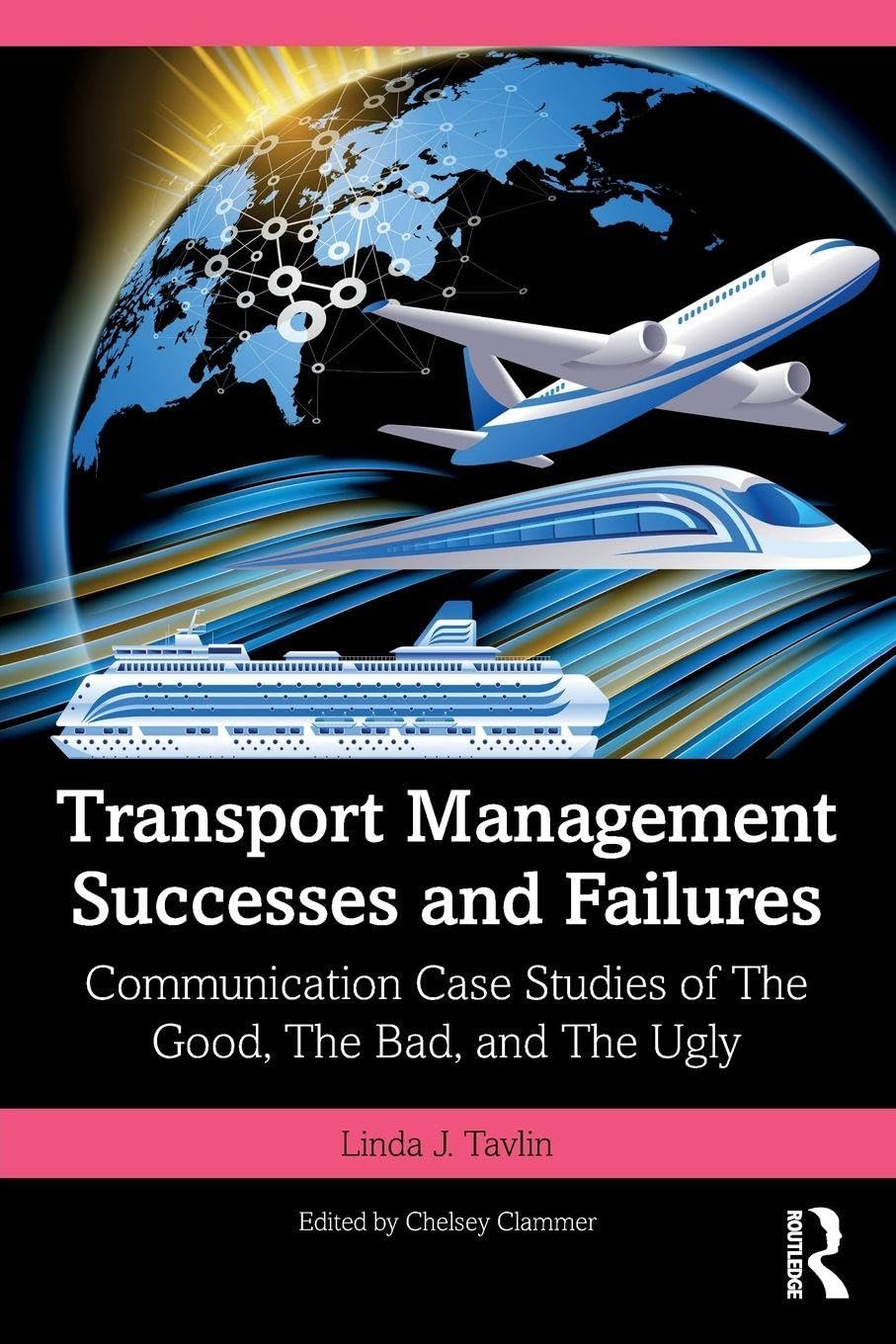 Transport Management Successes and Failures: Communication Case Studies of The Good, The Bad and The Ugly Rank #1 | 🏆 Top Pick | — | |
 Understanding the Global EV Race in 50 Questions Rank #2 | — | Check price → | |
 The Electric Car: Is an Electric Car Right for You? Rank #3 | — | 3.5 3.5 | Check price → |
Product Rank #4 | — | — | — |
Product Rank #5 | 💰 Budget Pick | — | — |

