Get the App
Better experience on mobile
Our top picks for every budget and use case, based on specs, expert reviews, and user feedback.
The Android phone market in 2026 is defined not by one breakthrough feature, but by the maturity of AI integration and the widening gap between budget and premium experiences. The best phone for you depends less on raw specs and more on how you actually use it—whether you're a mobile gamer, a photography enthusiast, or someone who just wants a reliable device that lasts for years.
With major brands iterating on familiar designs, the real differentiators are software support, battery efficiency, and camera consistency. Samsung and Google continue to lead in update commitments, while OnePlus and Asus push performance boundaries. Meanwhile, budget options have never been better, offering 90% of the flagship experience for a third of the price.
In this guide, we've curated eight standout Android phones for 2026, spanning from sub-$500 budget picks to $1,500 ultra-premium flagships. Our selections are based on manufacturer specifications, published expert reviews, and aggregated user feedback from previous generations. We prioritized factors like camera quality, battery life, software longevity, and overall value for general consumers.
Whether you're upgrading from a three-year-old device or switching from iOS, you'll find a recommendation that fits your needs and budget. Let's dive in.
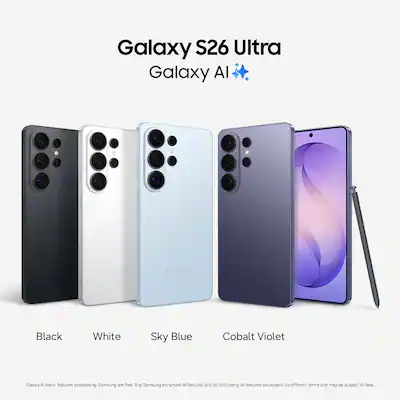
The Galaxy S26 Ultra remains the most complete Android package, offering a versatile quad-camera system, built-in S Pen, and Samsung's unrivaled software update commitment. However, its high price and large size make it less ideal for budget-conscious or small-hand users.
Main limitation: Expensive, and the 6.9-inch form factor is unwieldy for one-handed use.
Skip if: Those who prefer compact phones or don't need the S Pen and extra zoom capabilities.
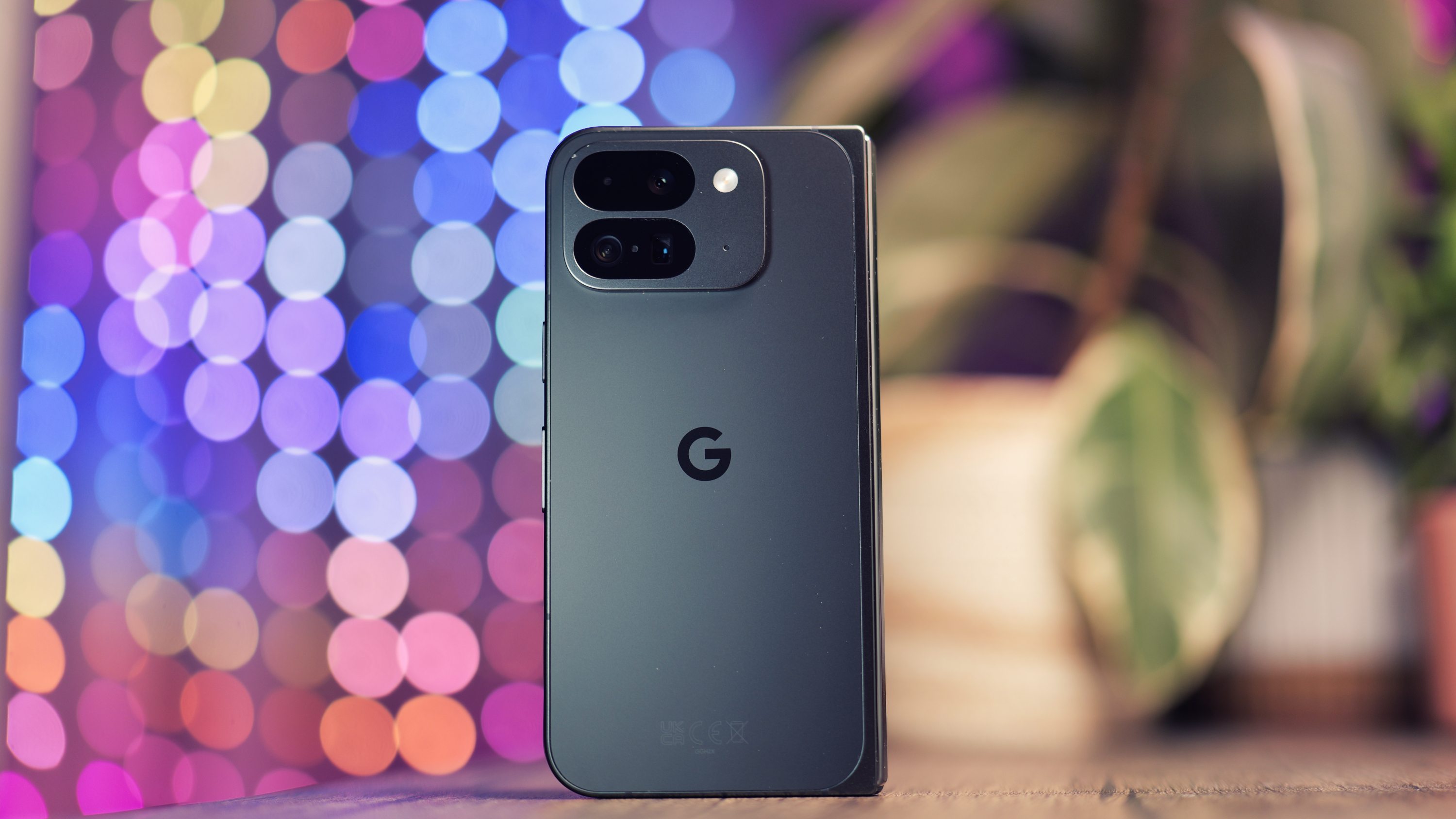
The Pixel 11a delivers Google's signature computational photography and clean Android experience at a mid-range price. It compromises on raw performance and build materials, but for most daily tasks it's a fantastic value.
Main limitation: Plastic build and mid-tier processor struggle with heavy gaming.
Skip if: Gamers or users who need the absolute best performance for video editing.
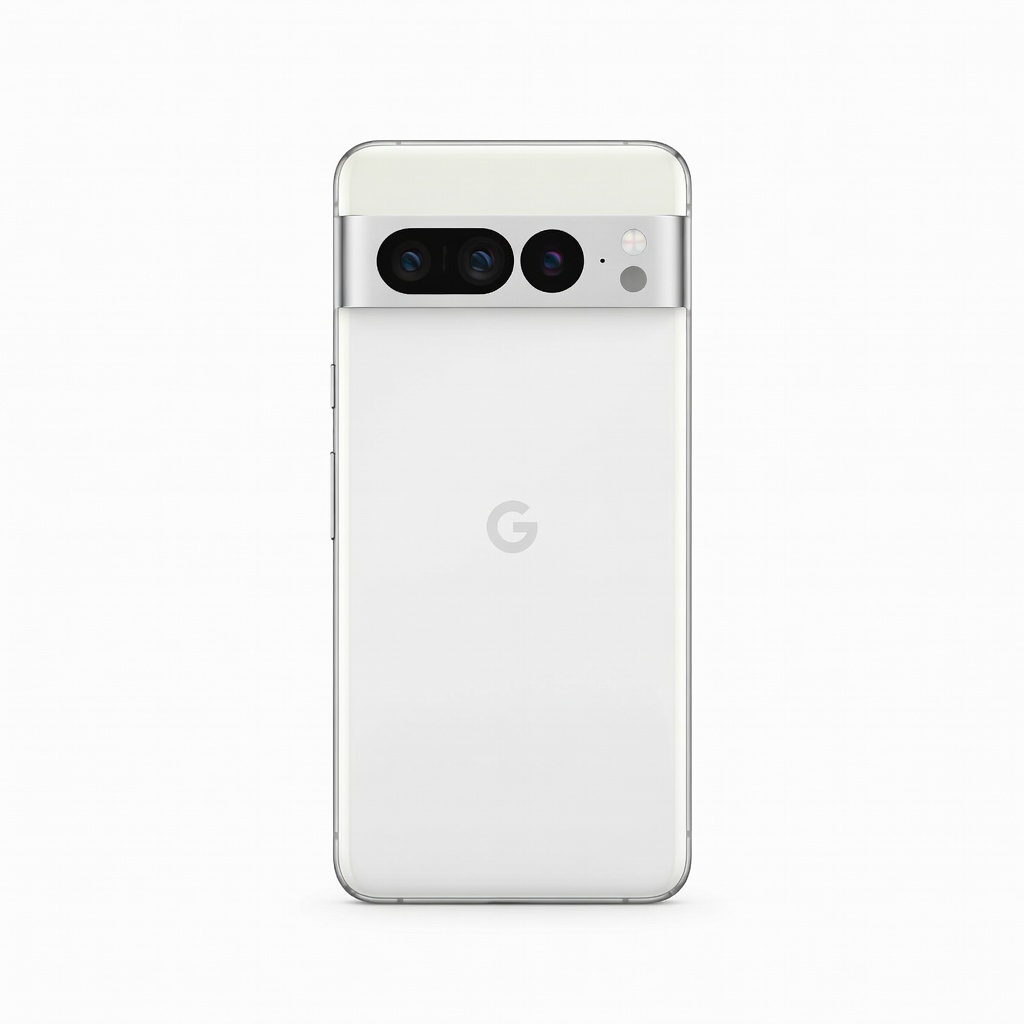
The Pixel 11 Pro sets the benchmark for still photography and AI-powered editing, with a refined design and excellent software support. Its Tensor chip prioritizes AI over raw speed, so it's not the best for hardcore gaming.
Main limitation: Tensor G5 can run hot and throttle under sustained load.
Skip if: Mobile gamers who need consistently high frame rates.
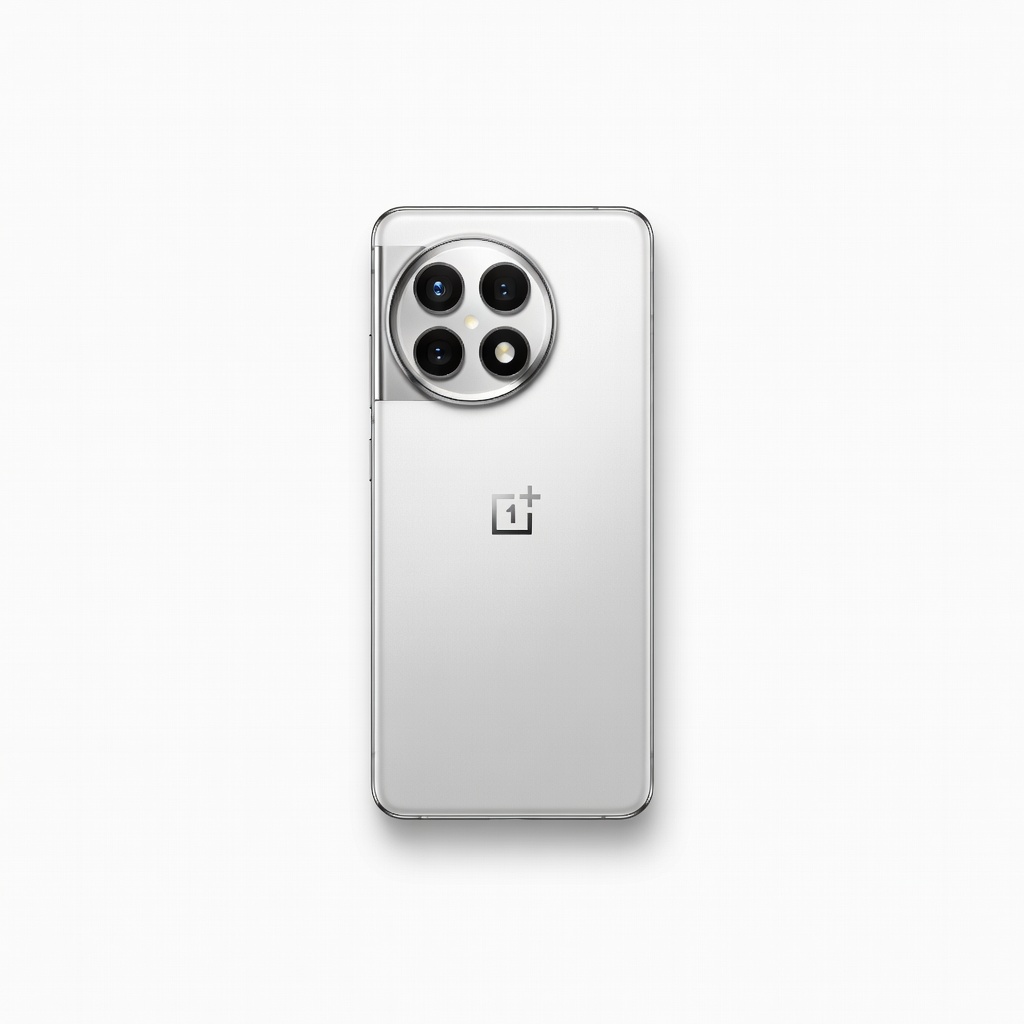
The OnePlus 13 offers flagship-grade performance, a stunning display, and blazing-fast charging for hundreds less than typical premium phones. Its camera system is excellent but not quite class-leading, and the software has some bloatware.
Main limitation: No millimeter-wave 5G support on some models and limited carrier availability.
Skip if: Those who want the absolute best camera or are tied to a carrier that doesn't support it well.
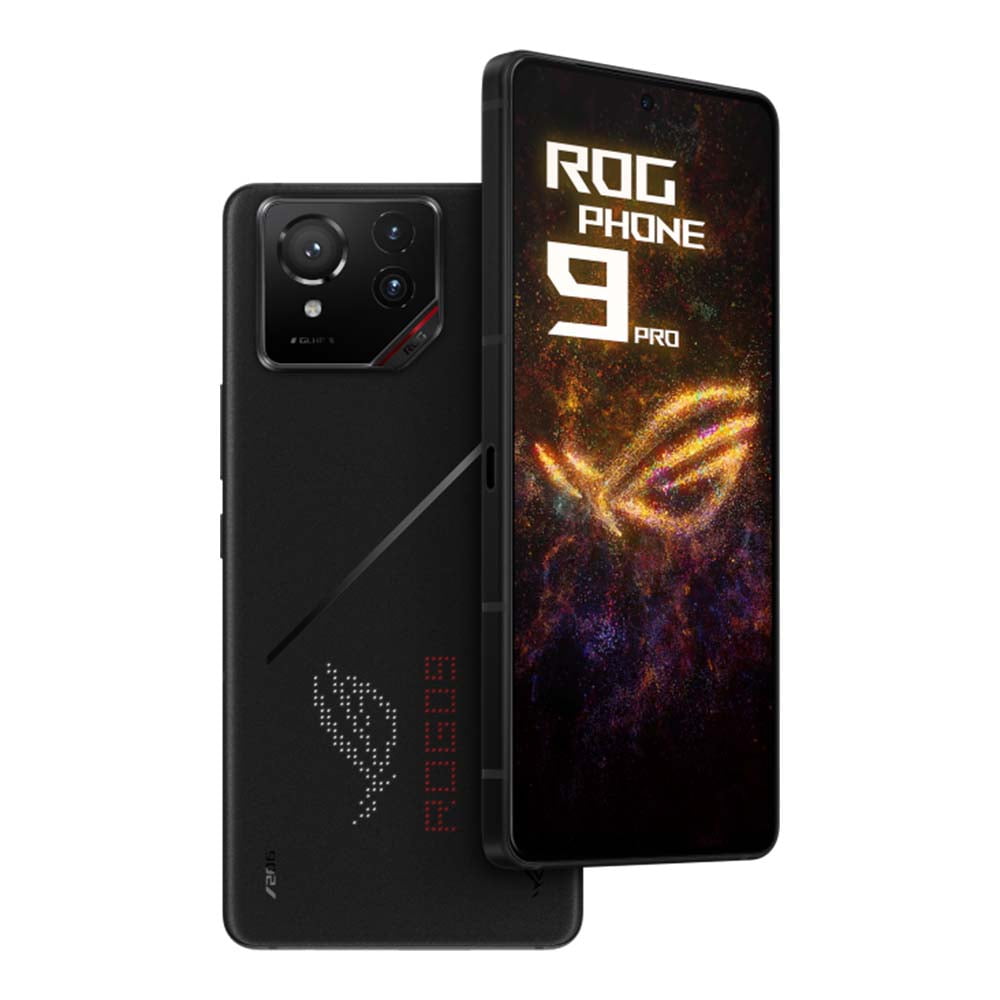
The ROG Phone 9 is a gaming powerhouse with a 165Hz display, shoulder triggers, and a massive battery, plus active cooling for sustained performance. It's bulky and its camera is merely average, so it's overkill for non-gamers.
Main limitation: Heavy and thick design, and the gaming-centric software may feel cluttered.
Skip if: Anyone who prioritizes pocketability or top-tier camera quality.
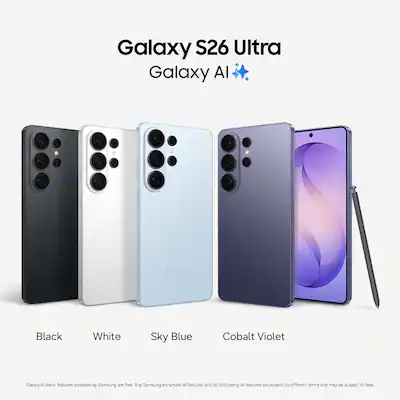
The Galaxy S26 packs flagship specs into a compact, one-hand-friendly frame, with a vibrant display and long software support. Battery life is good but not outstanding, and charging speeds lag behind rivals.
Main limitation: 25W charging is slow compared to competitors.
Skip if: Users who need multi-day battery life or the fastest charging.
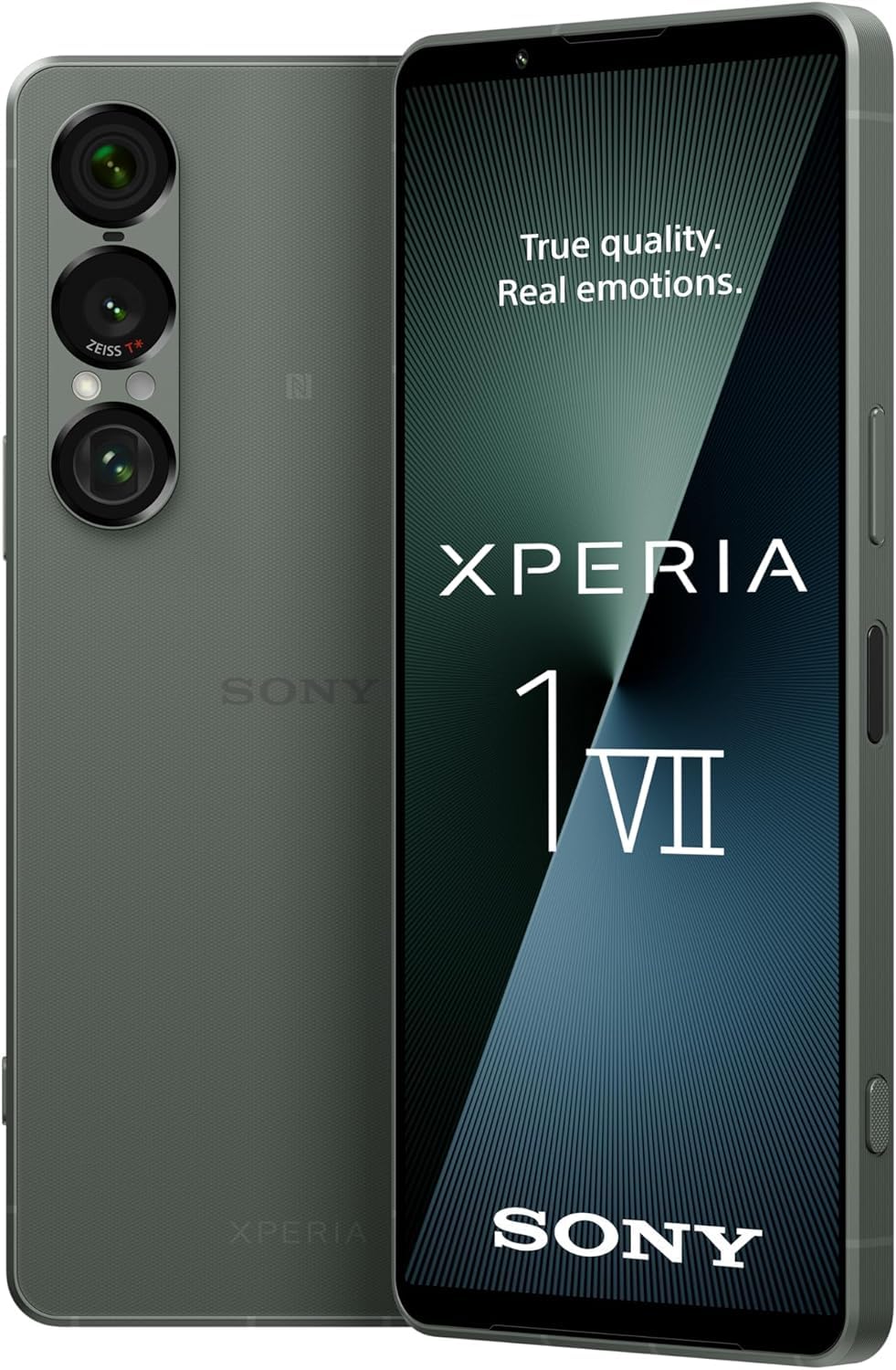
The Xperia 1 VII offers professional-grade video and audio features, a 4K display, and a headphone jack, making it a dream for creators. It's expensive and the camera's auto mode isn't as foolproof as rivals.
Main limitation: Very high price and limited availability in some regions.
Skip if: Casual users who want a simple point-and-shoot camera experience.
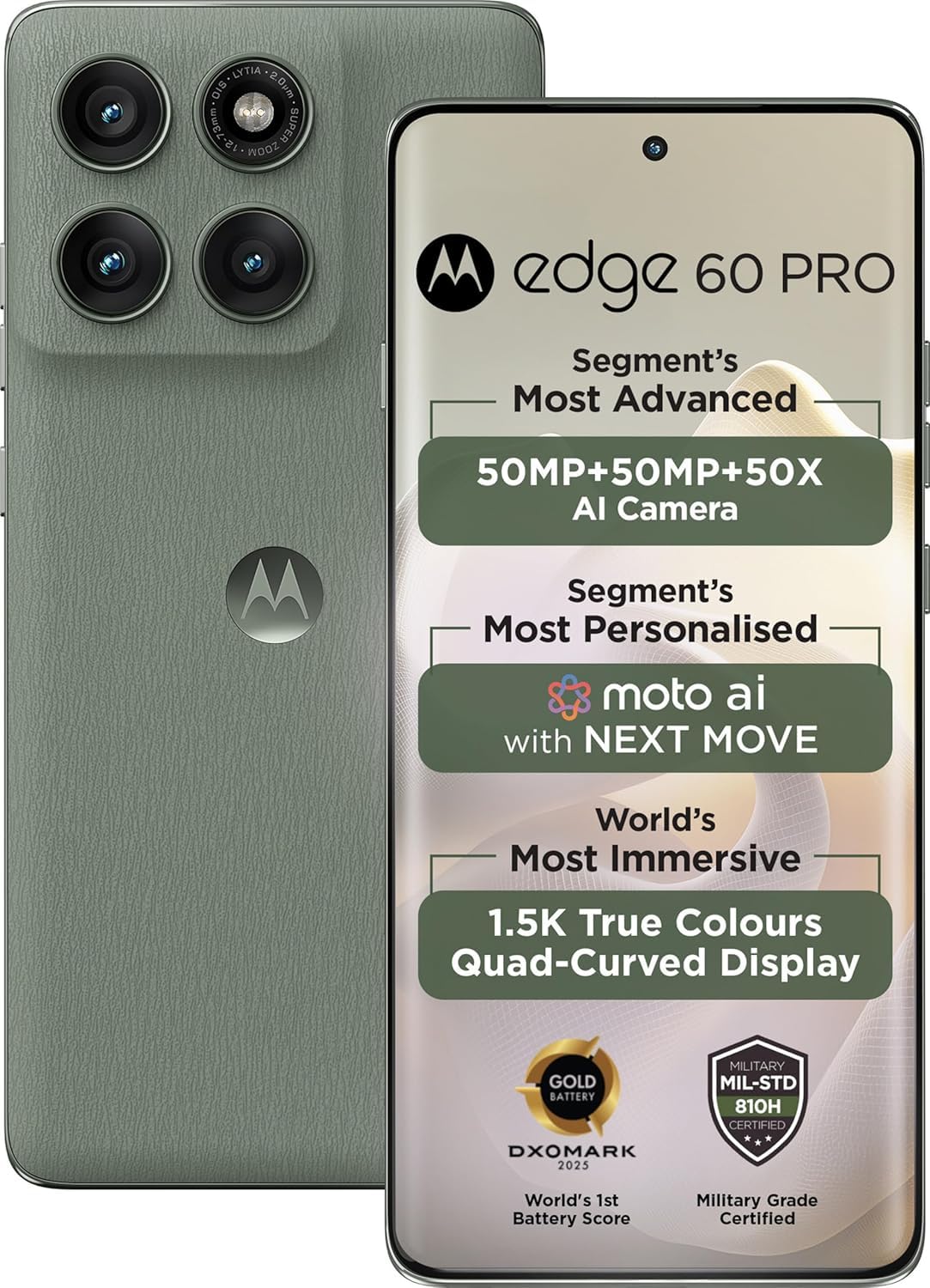
The Edge 60 Pro delivers exceptional battery life, a clean near-stock Android experience, and a curved display at a mid-range price. Its processor is modest and update support is shorter than Samsung or Google.
Main limitation: Only 3 years of OS updates and average low-light camera performance.
Skip if: Those who want the longest software support or top-tier gaming performance.
Compare key specs and features of all our recommendations side-by-side
| Product | Recommendation | Rating | Price |
|---|---|---|---|
Samsung Galaxy S26 Ultra Rank #1 | 🏆 Top Pick | 9.3/10 | $1,299–$1,499 Check current price → |
Google Pixel 11a Rank #2 | 💰 Budget Pick | 8.5/10 | $499–$549 Check current price → |
Google Pixel 11 Pro Rank #3 | ⭐ Editor's Choice | 9.1/10 | $999–$1,099 Check current price → |
OnePlus 13 Rank #4 | — | 8.8/10 | $899–$949 Check current price → |
Asus ROG Phone 9 Rank #5 | — | 8.6/10 | $1,099–$1,199 Check current price → |
Samsung Galaxy S26 Rank #6 | — | 8.7/10 | $799–$849 Check current price → |
Sony Xperia 1 VII Rank #7 | — | 8.4/10 | $1,399–$1,499 Check current price → |
Motorola Edge 60 Pro Rank #8 | — | 8.0/10 | $599–$649 Check current price → |
Common questions buyers have about this category.
You can get an excellent experience for around $500–$600, which buys you a phone like the Google Pixel 11a with flagship-level camera software and long update support. Spending $800–$1,000 gets you a compact flagship or a value flagship like the OnePlus 13. Above $1,200, you're paying for specialized features like the S Pen or pro-grade video tools.
The Google Pixel 11 Pro consistently ranks at the top for still photography, thanks to its Tensor G5 chip and advanced AI processing. The Samsung Galaxy S26 Ultra offers more versatile zoom range, while the Sony Xperia 1 VII is best for manual video control. The 'best' depends on whether you prioritize point-and-shoot simplicity or manual creativity.
Samsung and Google now promise up to seven years of OS and security updates on their flagship and select mid-range phones. OnePlus offers four to five years, while Motorola typically provides three years of OS updates and four years of security patches. Always check the specific model's update policy before buying.
Absolutely. Phones under $500 in 2026 can handle social media, streaming, and even moderate gaming without issue. The main compromises are in build quality, low-light camera performance, and sometimes update longevity. If you're a heavy gamer or professional photographer, you'll want to step up to a flagship.
The Asus ROG Phone 9 is the top choice for mobile gamers, with its 165Hz display, shoulder triggers, and active cooling. The OnePlus 13 and Samsung Galaxy S26 Ultra also deliver excellent gaming performance but lack the dedicated gaming features. If you play competitively, the ROG Phone's sustained performance is unmatched.
Yes, 5G is now standard even on budget phones, and coverage has expanded significantly. However, the type of 5G matters: mmWave offers blazing speeds but limited range, while sub-6GHz is more widespread. Most people will be fine with sub-6GHz, but if you're in a dense urban area, mmWave support can be a bonus.
Foldables like the Samsung Galaxy Z Fold 7 offer a tablet-like experience in a pocketable form, but they cost more and are less durable than traditional slabs. If you multitask heavily or want a larger screen, a foldable can be worth it. For most general consumers, a standard flagship or mid-range phone is more practical and reliable.
Products we evaluated but did not recommend — and why.
