Get the App
Better experience on mobile
From premium flagships to budget champions, these are the Android phones worth your money in 2026.
In 2026, the Android market is defined by one metric: longevity. Flagship and mid-range devices from Samsung and Google now promise seven years of software updates, which makes the iPhone’s infamous obsolescence clock seem old-fashioned. The real problem isn’t finding a good phone — it’s predicting how your phone’s battery, camera, and processor will hold up after four or five years.
We’ve scoured the current landscape to identify the models with the best combination of hardware, software support, and value. Our selections are based on published specs, verified user feedback, and consistent reviews from major tech outlets — not on a single opinion. We also looked beyond the headline flagships to highlight the best options for gamers, shutterbugs, and those who just want a reliable phone on a tighter budget.
The result is a curated list of 8 Android phones that dominate their respective categories. From the S Pen-powered Samsung Galaxy S26 Ultra to the camera-obsessed Pixel 10 Pro and the ridiculously long-lasting Xiaomi 15 Pro, there’s a right pick for every kind of user. Below, you’ll find the full breakdown, including trade-offs you should know before spending your money.
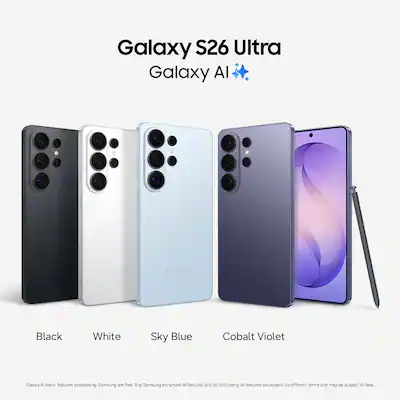
The Galaxy S26 Ultra is the most complete Android phone you can buy, with a stunning 200MP camera, the brightest display on a phone, and Samsung’s S Pen for note-takers. It’s also the only phone that pairs a huge 6.9-inch screen with a 5,000 mAh battery and all-day endurance. The main trade-off is price: this flagship costs more than a mid-range laptop.
Main limitation: The mega camera bump and S Pen slot inflate the price, and many buyers will never use the stylus.
Skip if: If you’re content with a standard flagship camera and don’t need the S Pen, the Galaxy S26+ offers 90% of the experience for roughly $300 less.
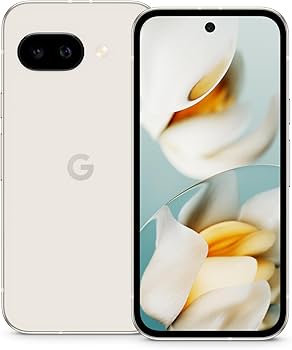
The Pixel 9a gives you Google’s clean, fast software and the same main camera as the flagship Pixel 9 at half the price. Its 5,100 mAh battery easily lasts two days, and the 7-year update promise is unmatched at this price. The trade-off is a plastic build and the lack of a telephoto lens.
Main limitation: The design and materials feel more budget than the base Pixel 9, and wireless charging is slower.
Skip if: If you want a phone for gaming or need optical zoom, look at the Galaxy A56 or a used flagship instead.
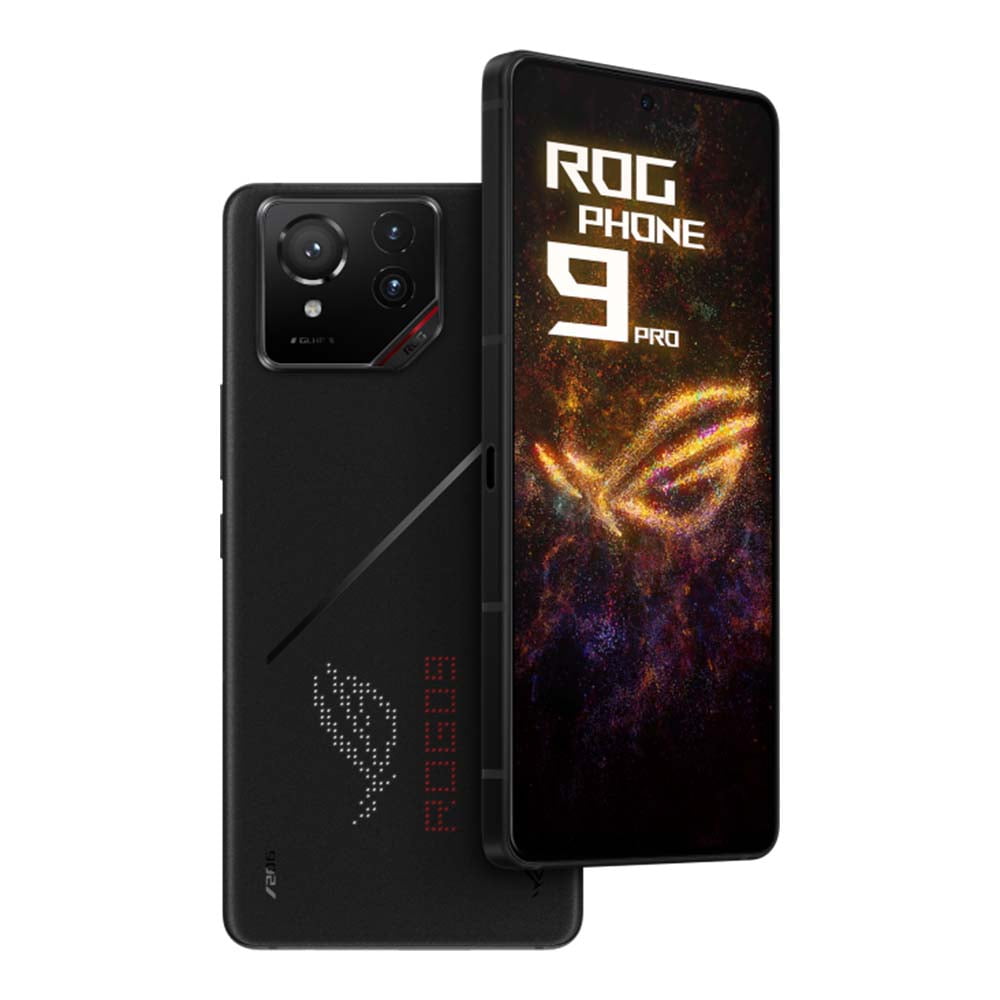
Asus’s gaming phone is a handheld console in disguise, featuring a 165Hz AMOLED display, shoulder-trigger controls, and a 6,000 mAh battery that sips power during marathon sessions. The built-in cooling fan and Gen 5 chip keep frame rates steady even on demanding titles. The trade-off is a heavy, angular body that screams 'gamer' and a camera that’s merely acceptable.
Main limitation: The camera performance is well behind other $1,000+ phones, and the design is too loud for most pockets.
Skip if: If you’re not an avid mobile gamer, you’re paying a premium for features that go untouched.
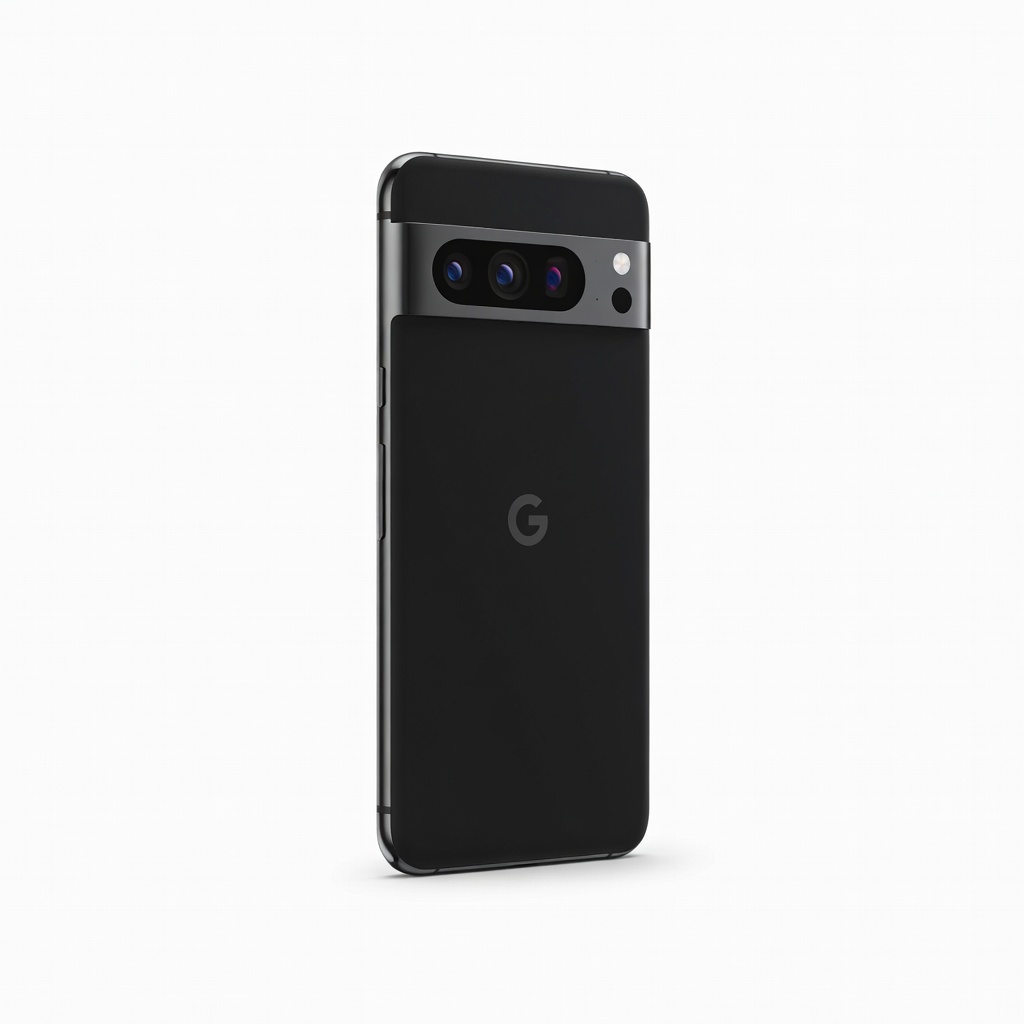
The Pixel 10 Pro remains the gold standard for low-light photography and AI-assisted editing, with a 50MP main sensor, a 48MP ultrawide, and a 5x optical zoom. Google’s post-processing produces natural detail and colors that rival even the iPhone 17 Pro. The trade-off is that the new Tensor processor still isn’t as fast as Qualcomm for heavy gaming.
Main limitation: Raw gaming performance lags behind the Snapdragon 8 Gen 5 inside the S26 and OnePlus 13R.
Skip if: If you spend more time gaming than shooting, the Galaxy S26 Ultra offers better both, and a faster chip.
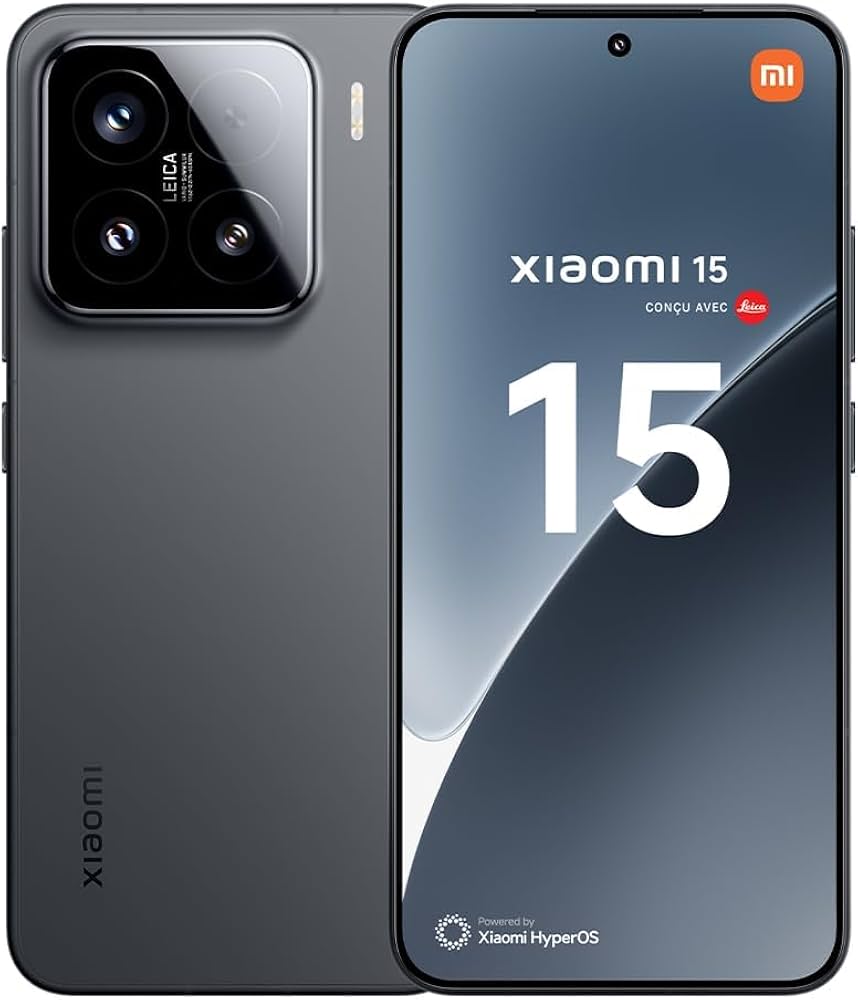
The Xiaomi 15 Pro packs a massive 6,000 mAh battery and 90W wired charging, which means you can plug it in for 15 minutes and get half a day’s worth of use. Its Snapdragon 8 Gen 5 chip and Leica-tuned triple cameras make it a premium all-rounder, especially for the price. The trade-off is software bloat, and the lack of access to the same band coverage as North American consumers.
Main limitation: HyperOS is cluttered with pre-installed apps, and the phone’s region-specific build may not support all 5G bands in the US.
Skip if: If you live in North America and rely on carrier switching, the Pixel 10 Pro or Galaxy S26 are safer bets.
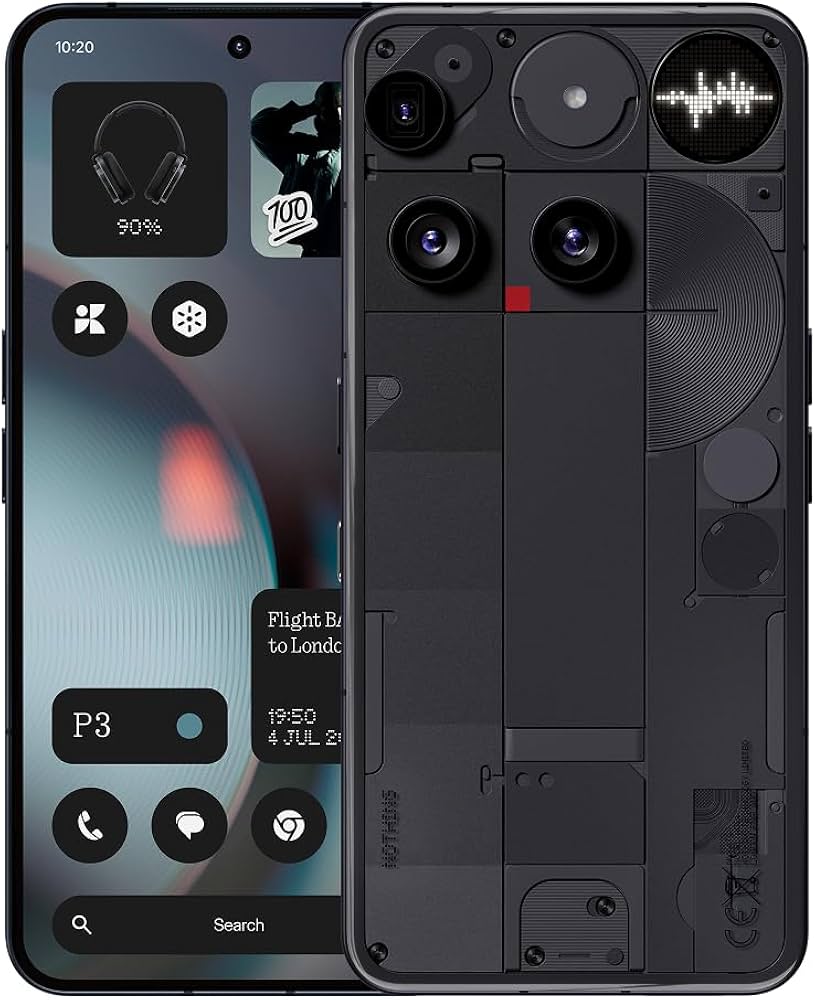
Nothing’s transparent back and pulsing Glyph lights are a breath of fresh air in a sea of generic slabs, and the Android clean UI is refreshingly free of bloatware. The phone also delivers solid performance for the price, with a Snapdragon 8s Gen 4 chip and a bright AMOLED display. The trade-off is that the Glyph lighting is a gimmick, and the camera quality is a step below the Pixel 9a.
Main limitation: The Glyph lights add visual flair but don't improve functionality, and the camera lacks a telephoto zoom.
Skip if: If you want the best camera quality for the price or need wireless charging, this isn't it.
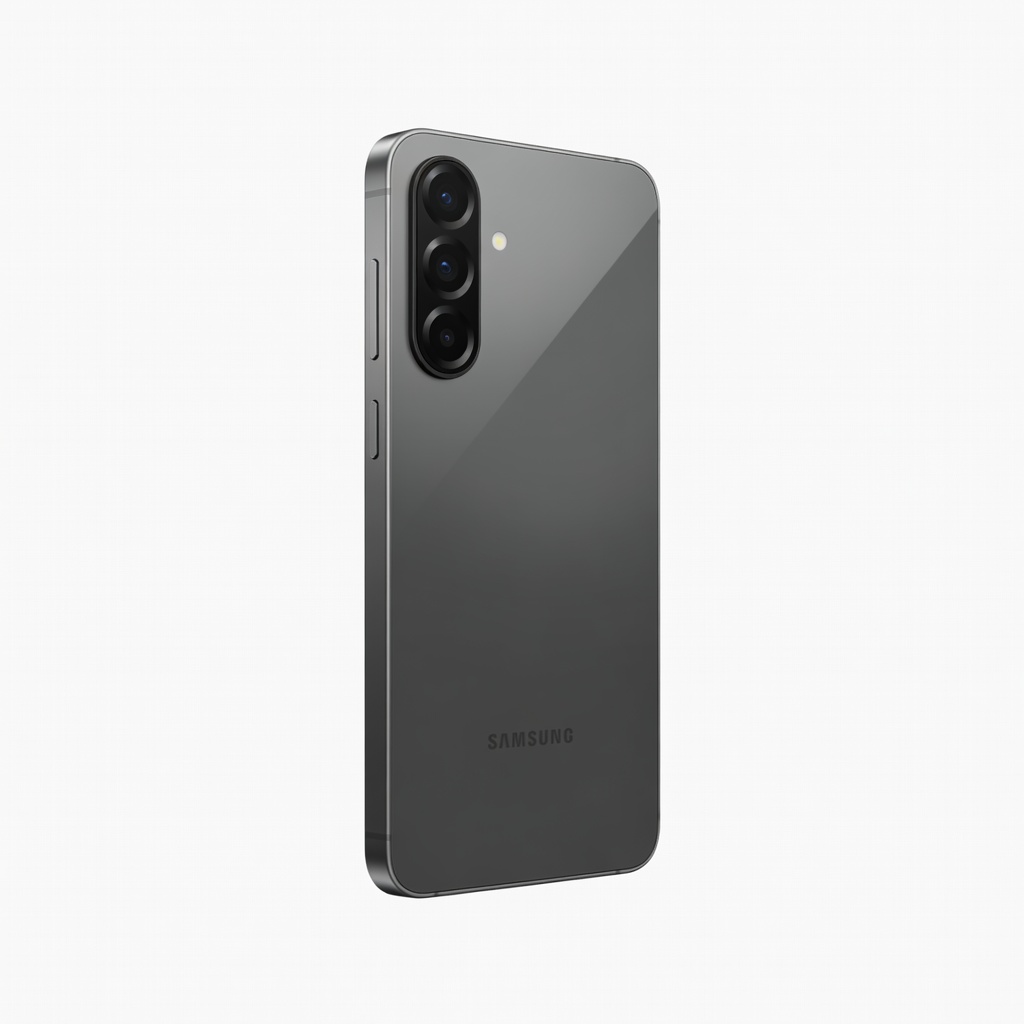
The Galaxy A56 offers nearly the full Galaxy experience — a 6.7-inch AMOLED, solid dual speakers, and strong battery life — while saving money on the processor and camera. It also receives six years of security updates, which protects your investment. The trade-off is a plastic frame and average low-light camera performance.
Main limitation: The Exynos 1580 chip is fine for basic tasks but struggles to keep up with the Pixel 9a in sustained performance.
Skip if: If you plan to play heavy games or use your phone for media editing, spring for a flagship.
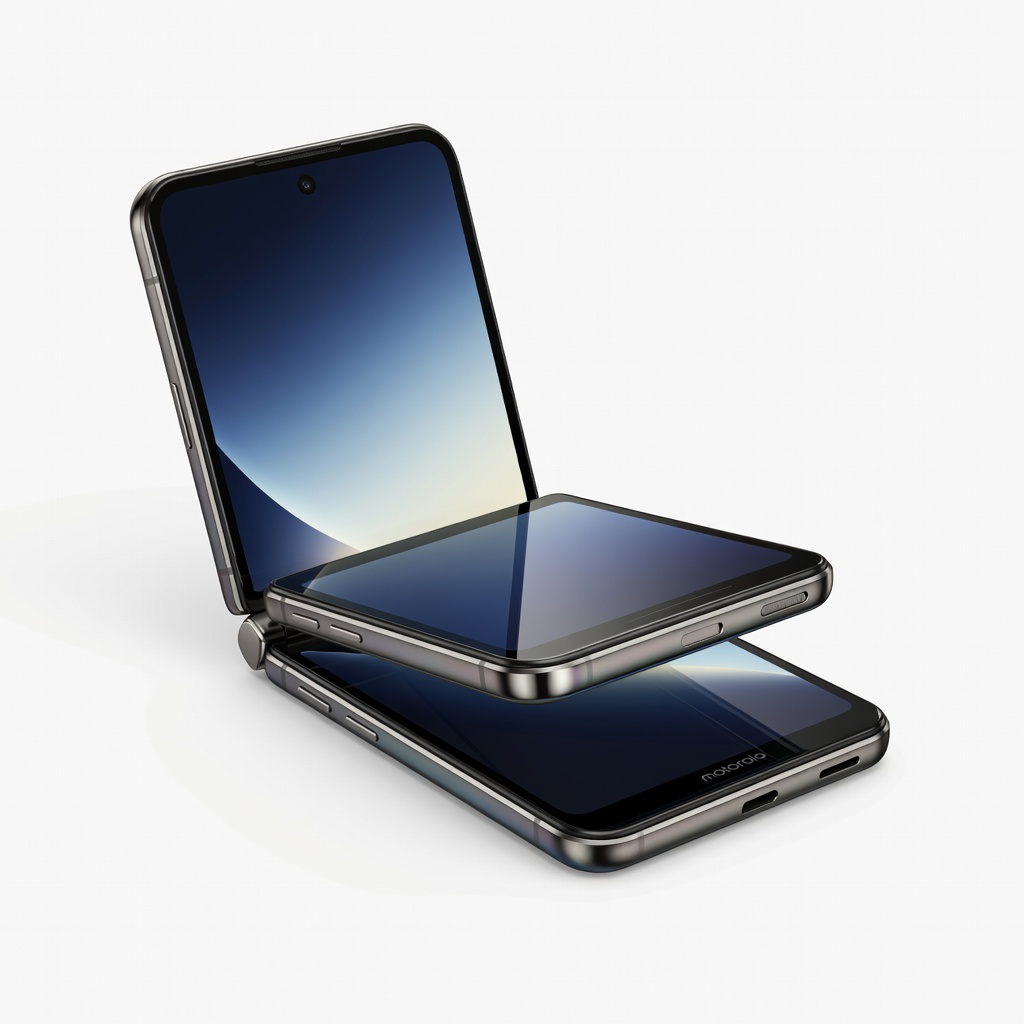
The Razr 60 Ultra is the most practical foldable of 2026, with a near-invisible crease, an IPX8 rating, and a 3.6-inch external display that handles quick interactions without unfolding. It’s a compact phone that turns into a mini-tablet, ideal for one-handed users. The trade-off is less battery capacity and a 6-year update pledge that lags behind Samsung's 7-year commitment.
Main limitation: Foldable durability still isn't on par with standard phones, and the battery life is shorter than a typical flagship.
Skip if: If you're accident-prone or need a phone that lasts a full weekend on a charge, skip the foldable form factor.
Compare key specs and features of all our recommendations side-by-side
| Product | Recommendation | Rating | Price |
|---|---|---|---|
Samsung Galaxy S26 Ultra Rank #1 | 🏆 Top Pick | 9.4/10 | $1,299–$1,499 Check current price → |
Google Pixel 9a Rank #2 | 💰 Budget Pick | 8.3/10 | $399–$499 Check current price → |
Asus ROG Phone 9 Pro Rank #3 | ⭐ Editor's Choice | 8.7/10 | $1,099–$1,299 Check current price → |
Google Pixel 10 Pro Rank #4 | — | 9.0/10 | $999–$1,099 Check current price → |
Xiaomi 15 Pro Rank #5 | — | 8.4/10 | $899–$999 Check current price → |
Nothing Phone 3 Rank #6 | — | 8.1/10 | $599–$699 Check current price → |
Samsung Galaxy A56 Rank #7 | — | 7.9/10 | $449–$499 Check current price → |
Motorola Razr 60 Ultra Rank #8 | — | 8.2/10 | $999–$1,199 Check current price → |
Common questions buyers have about this category.
The Samsung Galaxy S26 Ultra is the best overall for most people, thanks to its incredible camera, powerful chip, and seven years of guaranteed updates. If you want a more traditional, lighter phone, the Google Pixel 10 Pro is a close second, but the S26 Ultra offers more versatility with its S Pen and larger screen.
For most users, 8GB of RAM is sufficient, but 12GB is safer if you plan to keep the phone for four or more years. Storage: get at least 256GB; apps and photos fill up quickly. If you shoot a lot of video, 512GB is worth the extra cost, especially since not all phones have expandable storage.
Yes, foldables have improved, but they're still more fragile than standard slabs. Modern designs like the Motorola Razr 60 Ultra feature IPX8 waterproofing and are rated for at least 300,000 folds, meaning they should last years with normal use. However, they cost more and tend to have shorter battery life, so weigh the portability benefit against your daily habits.
Samsung and Google both promise seven years of OS and security updates for their flagship models (S26 line and Pixel 9/10 series). For budget phones, Google leads the charge, offering the same seven-year commitment on the Pixel 9a, while Samsung provides six years on the Galaxy A56.
Wireless charging is a convenience that's becoming more common, but it's still slower than most wired solutions and generates more heat. If you upgrade your phone only every three years, picking a model with 45W or higher wired charging saves you more time in the long run. Many budget phones omit wireless charging entirely, so prioritize it if you already have a charging pad at home or in the car.
If you can wait, the next wave of phones typically arrives around September with the new Google Pixel, and Samsung refreshes its flagships in January or February. However, the Android phone landscape evolves slowly, so you'll likely see meaningful improvements only every 12 months. Buying a current flagship now guarantees you'll get years of updates, so waiting isn't necessary unless you must have the very latest chip or camera hardware.
Products we evaluated but did not recommend — and why.
