Get the App
Better experience on mobile
We analyzed specs, expert reviews, and buyer feedback to rank the best Android phones for every type of user.
The most important feature of an Android phone in 2026 is no longer the camera sensor or the refresh rate—it’s the promise of software updates. With Samsung and Google now promising seven years of OS updates, buying a phone is more of an investment than ever. But that’s only one piece of the puzzle: battery longevity, repairability, and update consistency are becoming as critical as raw specs.
The Android market is sprawling, from budget masters like the Moto G Power to foldable behemoths like the Galaxy Z Fold 6. In between, there are photography-focused Pixels, gaming-tuned ROG Phones, and compact flagships that still fit in a hand. With so many options, it’s easy to fall for a spec sheet and ignore the daily experience—so our picks focus on phones that balance their strengths and trade-offs in real-world use.
We analyzed published expert reviews from outlets like GSMArena, Android Police, and DisplayMate, tapped manufacturer specifications, and aggregated buyer feedback from retailers to compare performance, camera quality, battery life, and price. We also looked at update policies and build reliability. The result is a list that spans every price tier and use case, from a $200 phone that lasts two days to a $1,800 foldable that replaces a tablet.
Choosing the right Android phone means being honest about your needs. A photographer may need the Pixel 9 Pro's AI tools, while a gamer will get more out of the ROG Phone 8 Pro's shoulder triggers. And if you're on a tight budget, the Pixel 8a gives you flagship camera quality without the flagship price. Read on to find the phone that fits your life—and your wallet.

The Galaxy S25 Ultra combines the most capable camera system on Android with a refined S Pen and a huge, glorious display. Its Snapdragon 8 Elite processor handles anything you throw at it. The trade-off is a hefty price and a big, heavy body that isn’t for everyone.
Main limitation: The S25 Ultra is expensive, and its large size can be unwieldy for one-handed use.
Skip if: If you want a more pocketable or budget-friendly phone, the S25 Ultra is overkill.
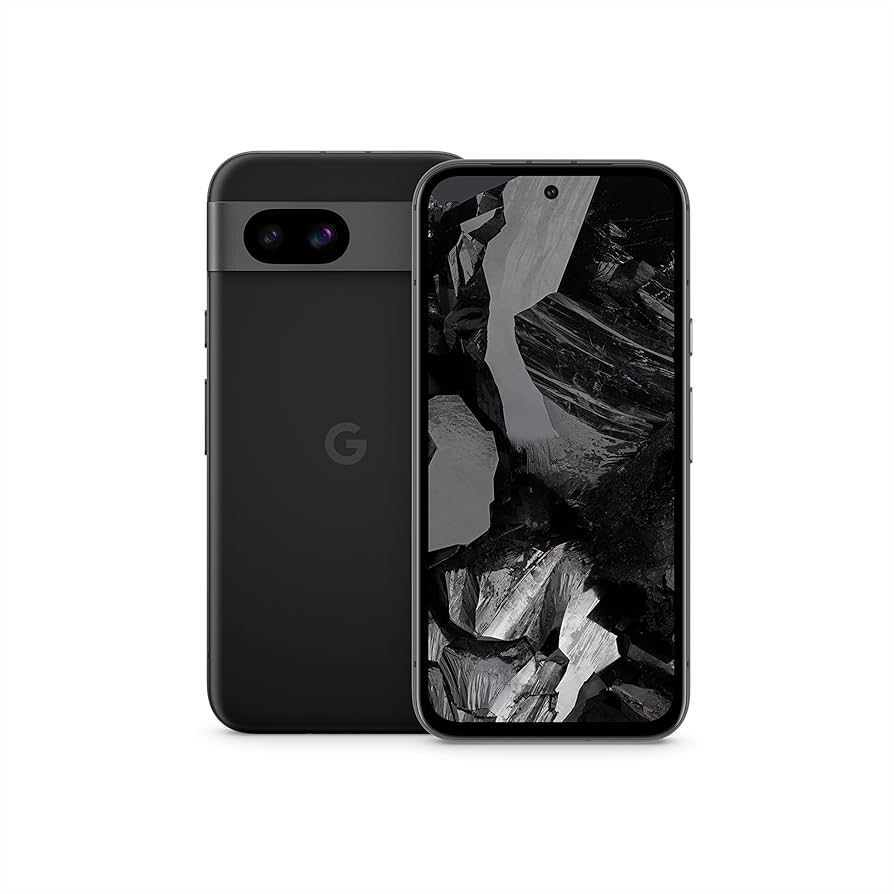
The Pixel 8a delivers flagship-grade cameras and clean Android software at a mid-range price. It also gets seven years of OS updates, a rarity at this price. Just don't expect fast charging or exceptional gaming performance.
Main limitation: Charging is slow, and the 120Hz display is omitted for 90Hz.
Skip if: If you're a heavy gamer or need wireless charging, the Pixel 8a falls short.

With its suite of AI-powered editing tools and class-leading computational photography, the Pixel 9 Pro remains the easiest phone to point and shoot. The camera hardware is also more versatile than before, but Tensor G4 lags behind rivals on raw performance.
Main limitation: The Tensor G4 chip still trails Qualcomm's flagship silicon for heavy gaming.
Skip if: If you prioritize raw power over camera smarts, a Snapdragon-equipped phone is better.
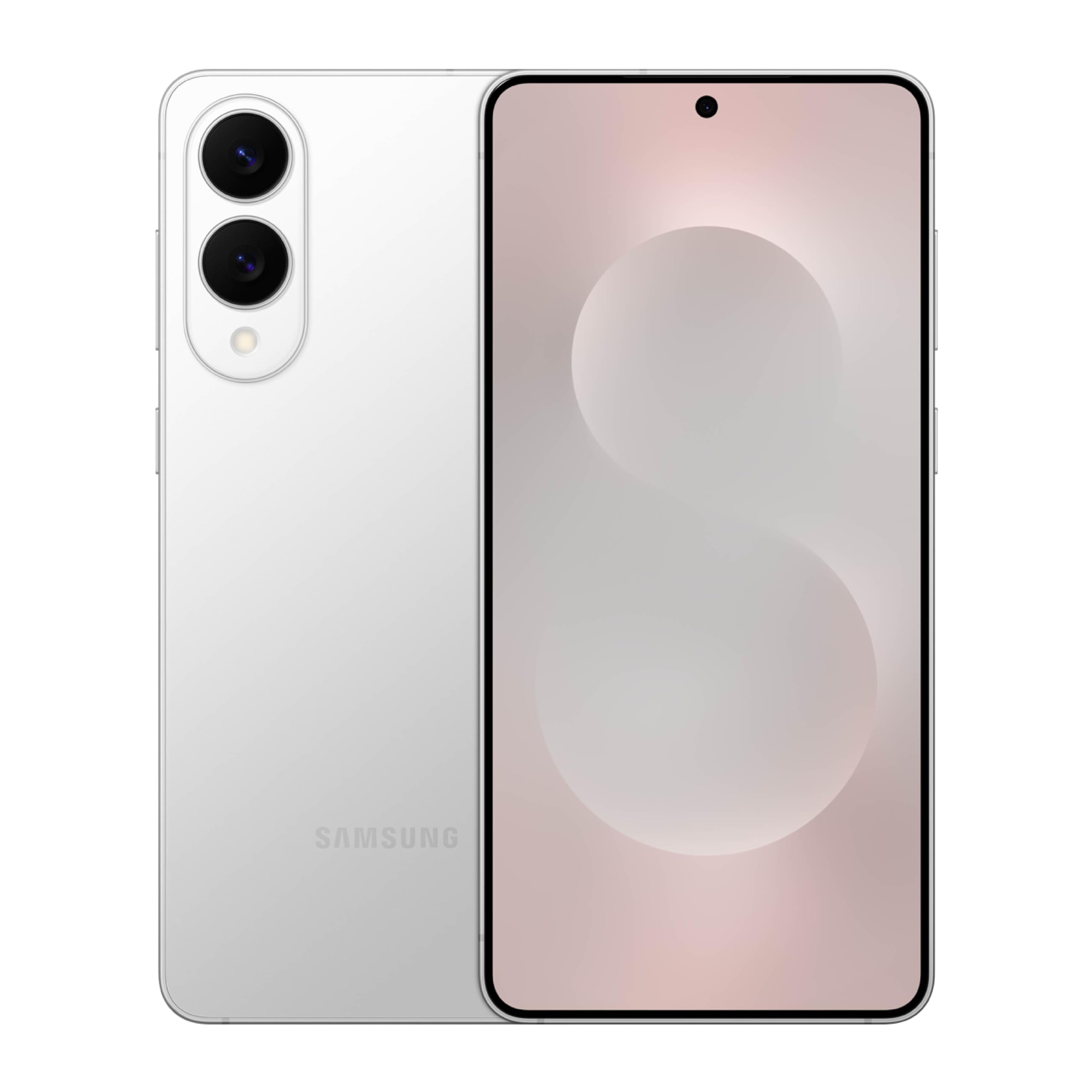
The Galaxy S25 is one of the few true compact flagships, packing a Snapdragon 8 Elite and a great display in a 147g body. It’s easier to use one-handed without sacrificing performance. However, the battery life is only average and the ultra-wide camera is unchanged from last year.
Main limitation: Battery life is mediocre, and the base model retains 128GB storage.
Skip if: If you want a big screen for media consumption, the S25 is too small.
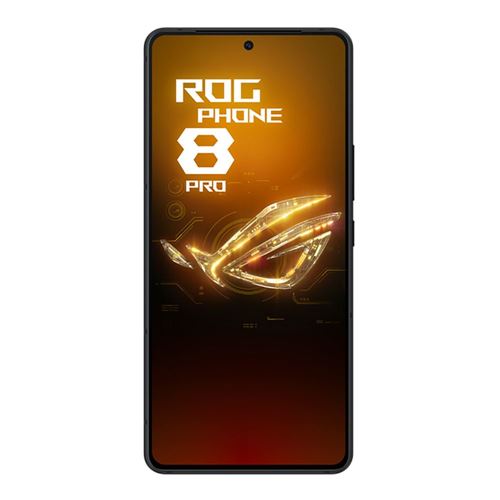
Asus ROG Phone 8 Pro still sets the standard for mobile gaming, with shoulder triggers, a 165Hz OLED, and the best heat dissipation in the business. It offers massive power, but the design is loud and the camera is merely usable.
Main limitation: The camera quality is average for the price, and the phone is bulky.
Skip if: If you're not a serious gamer, you’ll pay a premium for features you’ll never use.
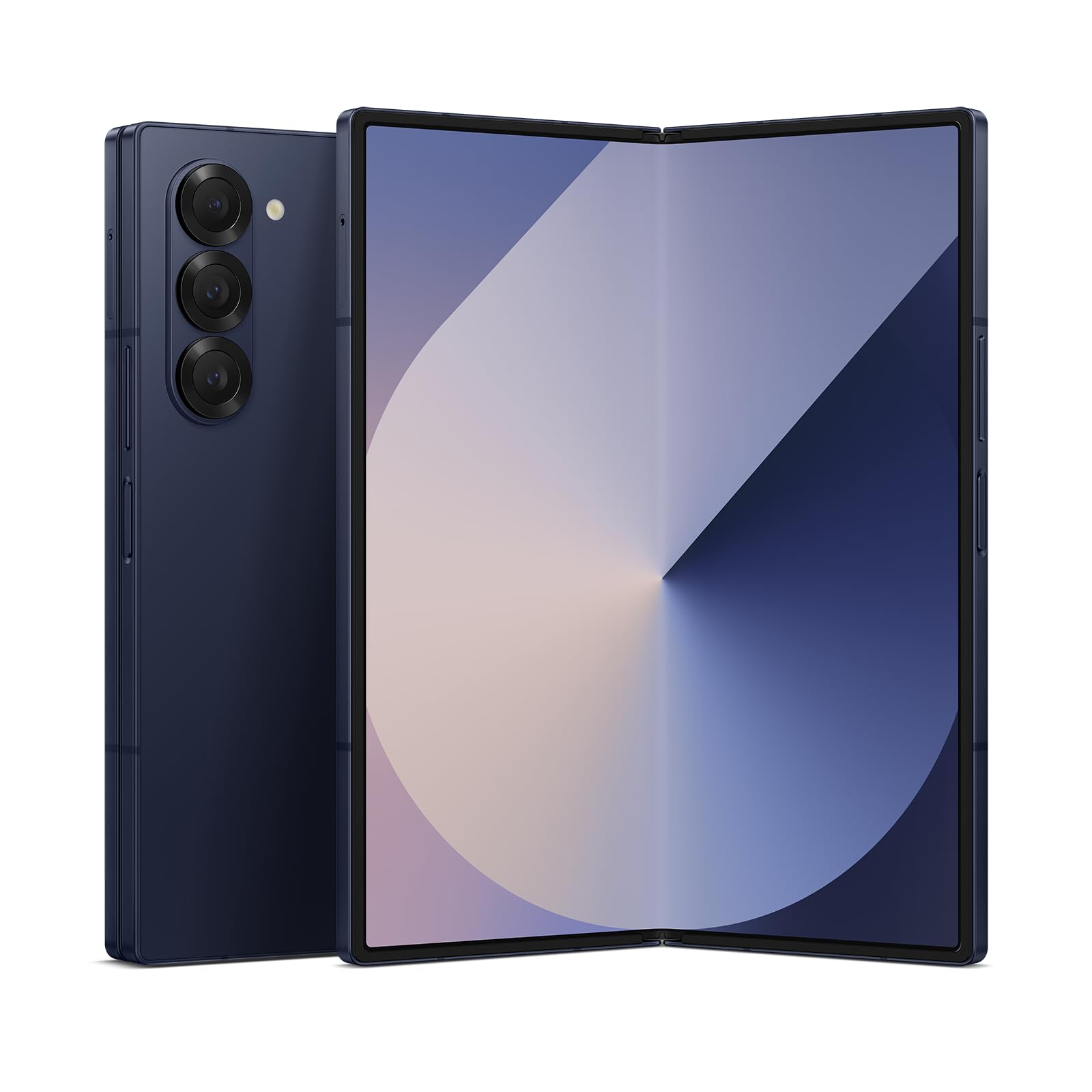
The Galaxy Z Fold 6 is the best foldable for productivity, with a large internal display that’s now lighter and thinner than before. The software makes multi-window use a joy, but the durability of foldables still requires more care than a normal phone.
Main limitation: Crease is still visible, and the outer display is very tall and narrow.
Skip if: If you want the best camera on a phone, a traditional flagship is a better choice.
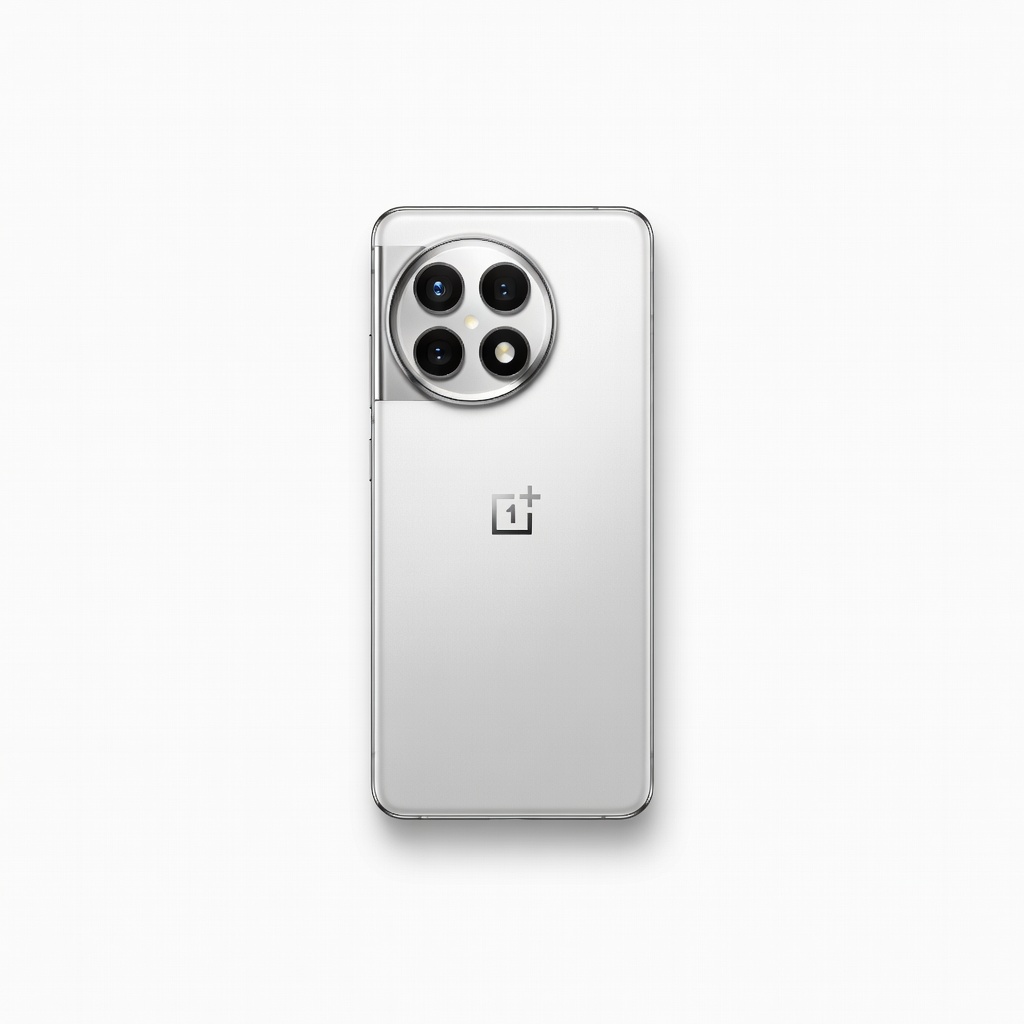
The OnePlus 13 offers some of the fastest wired charging available in the US at 100W, refilling the 6,000mAh battery in about 35 minutes. It also brings an excellent display and solid cameras. However, wireless charging is slower than competitors and software updates could lag Samsung.
Main limitation: Wireless charging is slower, and its carrier support is narrower than Samsung's.
Skip if: If you prefer frequent updates or need Verizon support, carefully check compatibility.
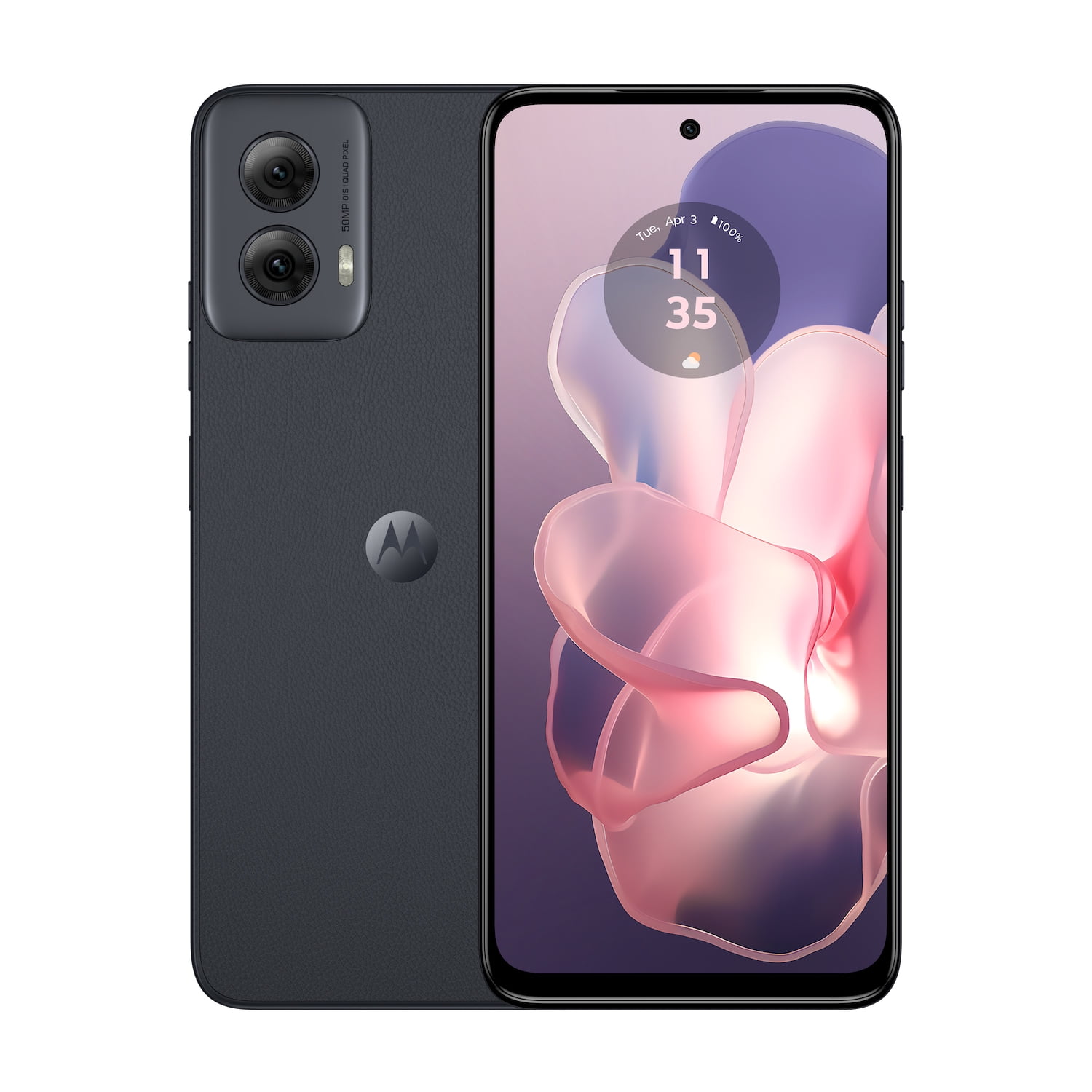
The Moto G Power 5G (2024) isn’t fast or pretty, but its 5,000mAh battery can genuinely last two days on a charge, even with moderate use. It also keeps a headphone jack and expandable storage, which are increasingly rare. Just don't expect to be blown away by its performance or camera.
Main limitation: The screen is only 120Hz LCD, and the chipset is sluggish for multitasking.
Skip if: If you need quick charging or a smooth gaming experience, this phone isn’t for you.
Compare key specs and features of all our recommendations side-by-side
| Product | Recommendation | Rating | Price |
|---|---|---|---|
 Samsung Galaxy S25 Ultra Rank #1 | 🏆 Top Pick | 4.5 4.5 | $1,100–$1,300 Check current price → |
Google Pixel 8a Rank #2 | 💰 Budget Pick | 8.0/10 | $399–$450 Check current price → |
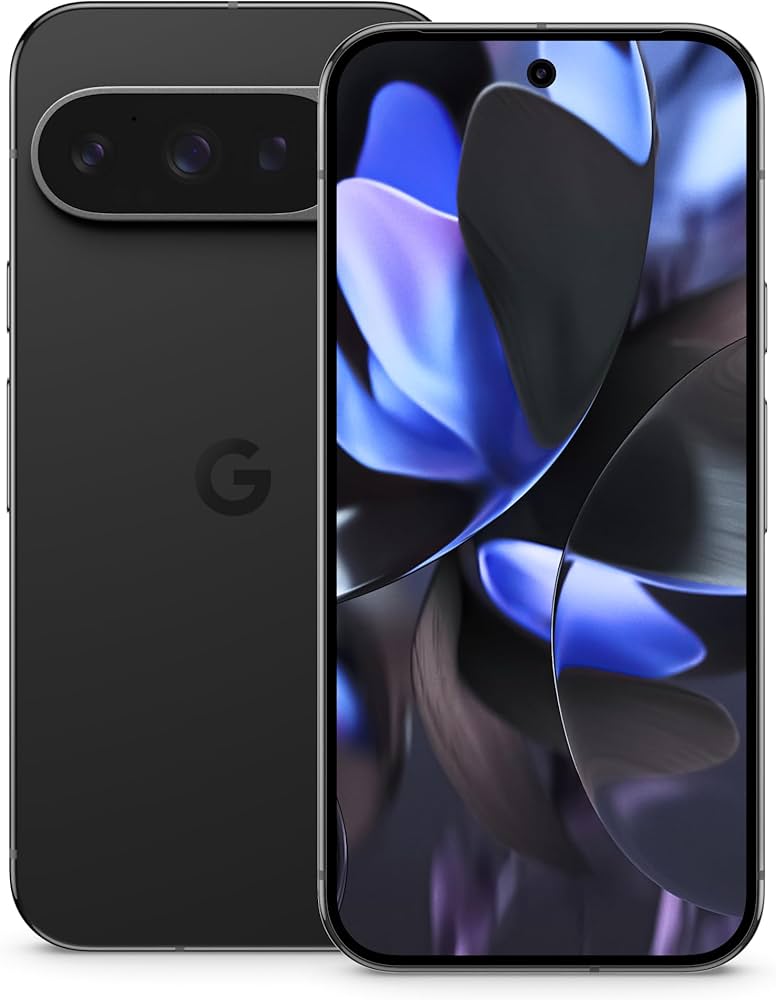 Google Pixel 9 Pro Rank #3 | ⭐ Editor's Choice | 4.3 4.3 | $999–$1,099 Check current price → |
Samsung Galaxy S25 Rank #4 | — | 8.2/10 | $700–$800 Check current price → |
Asus ROG Phone 8 Pro Rank #5 | — | 8.5/10 | $1,199–$1,249 Check current price → |
Samsung Galaxy Z Fold 6 Rank #6 | — | 8.3/10 | $1,700–$1,900 Check current price → |
OnePlus 13 Rank #7 | — | 8.2/10 | $800–$900 Check current price → |
Moto G Power 5G (2024) Rank #8 | — | 7.5/10 | $199–$249 Check current price → |
Common questions buyers have about this category.
The Google Pixel 8a offers the best balance of price, performance, and software updates, making it the overall best budget pick. If you can spend more, the base Galaxy S25 gives you flagship performance in a compact body, but the Pixel 8a delivers 90% of the experience for half the price.
Flagships from Samsung and Google now promise seven years of OS update and security patches, which is a big shift from just a few years ago. Mid-range phones often get three to five years, so check the manufacturer's policy before buying if you intend to keep the phone long-term.
If you're not in a hurry, it's often worth waiting for the next Galaxy or Pixel release to get discount on the current model. However, if you need a phone now, the S25 series remains excellent and will continue to receive updates for years.
Qualcomm's Snapdragon 8 Elite is faster and more efficient in heavy games, while Google's Tensor is designed for AI features and photography. For most users, both are fast enough for daily tasks, but the Snapdragon is the better choice for gamers and those who want maximum power.
Foldables like the Galaxy Z Fold 6 have become more durable and usable, but they are still expensive and heavier than standard flagships. They're only worth the investment if you'll actually take advantage of the multitasking features and the larger screen for productivity, media, or note-taking.
The Asus ROG Phone 8 Pro is a premium gaming phone with a high-end audio DAC and a 3.5mm jack. On a budget, the Moto G Power 5G (2024) also includes a headphone jack, as do Sony's Xperia phones, but they are harder to find in some regions.
If you shoot lots of photos and videos, 128GB will fill up quickly—especially if you use high-resolution modes. We recommend at least 256GB for most people, especially if the phone lacks expandable storage. Many flagships now start at 256GB, so it’s worth checking the base model's capacity.
Products we evaluated but did not recommend — and why.
