Get the App
Better experience on mobile
Having an AM radio is convenient for leisure and emergencies as you get access to all the radio signals near you for free.
In an era dominated by streaming services and digital media, AM radios remain a vital tool for reliable, uninterrupted access to news, weather updates, emergency broadcasts, and even nostalgic entertainment. Unlike internet-dependent devices, AM radios don't require Wi-Fi or cell service, making them essential for emergencies, outdoor activities, travel, or areas with poor digital coverage. Choosing the right AM radio matters because poor reception can mean missing critical information during blackouts or disasters, while subpar build quality might lead to failures when you need it most. Factors like antenna design, power sources, and additional features (e.g., hand-crank charging or weather bands) directly impact usability and reliability.
This guide compares budget-friendly options under $25, which prioritize basic portability and affordability, against premium models around $75 that offer advanced DSP technology for superior tuning and multi-band support. Budget radios like the 2025 Portable Radio FM/AM/SW and the Portable Emergency Radio excel in simplicity and low cost but may lack robustness. Premium picks, such as the SI4732 Mini Radio Receiver Amnvolt V4, provide finer control over frequencies (including SSB) and better audio amplification, justifying the higher price for enthusiasts or serious users. Mid-range options like the ZJchao World Band Digital Receiver and Sanpyl Emergency Hand Crank Radio bridge the gap with features like aluminum construction or integrated flashlights.
Readers will learn key features to evaluate, budget breakdowns, performance trade-offs, common pitfalls, and detailed reviews of five top products. By the end, you'll know which radio suits your needs—whether for casual listening, emergency preparedness, or shortwave hobbying—helping you avoid overpaying for unnecessary bells and whistles while ensuring strong AM performance. (Word count: 278)
Selecting an AM radio involves balancing core reception needs with practical extras. AM signals are prone to interference from electronics and distance, so prioritize models with strong antennas and tuning precision. Consider your primary use: daily listening, emergencies, or portable hobbying.
Reception Bands and Antenna Quality: Look for AM/FM at minimum, plus SW (shortwave) or WB (weather) for broader utility. A telescopic antenna (at least 10-16 inches) extends reach; the Portable Emergency Radio's 16.5-inch one outperforms shorter fixed antennas in the 2025 Portable Radio for distant stations.
Power Options: Battery-powered (AA or rechargeable) ensures portability, but hand-crank or solar models like the Sanpyl Emergency Hand Crank Radio add emergency reliability without needing replacements. Avoid solely AC-dependent units for outdoor use.
Tuning Mechanism: Analog dials are simple but imprecise; digital tuning (e.g., in the ZJchao World Band Digital Receiver) with DSP (Digital Signal Processing) reduces static and locks signals better. SSB support in premium options like the SI4732 allows fine-tuning for ham radio.
Audio Output and Accessories: Built-in speakers should deliver clear sound; headphone jacks enable private listening. The SI4732's Hi-Z amplifier supports high-impedance headphones for audiophiles, unlike basic models.
Build and Portability: Lightweight, durable materials like the ZJchao's aluminum alloy suit travel. Backlit displays (as in the 2025 Portable Radio) aid nighttime use, while pocket-sized designs like the SI4732 enhance on-the-go convenience.
Additional Functions: Clocks, alarms, or flashlights (Sanpyl) add value. For emergencies, NOAA weather alerts are crucial—check for WB band integration.
Battery Life and Charging: Aim for 20+ hours on AA batteries; USB-rechargeable internals (Sanpyl) prevent dead batteries in crises.
AM radios span $0-$75, with tiers reflecting features and durability.
Entry-Level ($0-$25): Basic models like the 2025 Portable Radio ($20) and Portable Emergency Radio ($20.09) use AA batteries for simple AM/FM/SW reception. You get portability and essentials like antennas or clocks, ideal for casual users. Sound is adequate but not exceptional; no advanced tech means more static in fringe areas.
Mid-Range ($25-$50): Options like the Sanpyl Emergency Hand Crank Radio (price ~$30-40 based on similar models) include hand-crank power, flashlights, and 1200mAh batteries. These offer better emergency prep without premium costs, with improved build for outdoors. Expect WB bands and USB charging, but tuning may lack precision.
Premium ($50-$75): The SI4732 Mini Radio Receiver ($74.99) and ZJchao World Band Digital Receiver (~$50) feature DSP, SSB, and sturdy construction. You gain superior signal clarity, multi-band coverage, and amplifiers—worth it for hobbyists. Drawbacks: Higher cost and complexity for beginners.
At lower tiers, save money but sacrifice longevity; premiums ensure investment in quality reception.
The sweet spot lies in mid-range models (~$30-50), where you get 80-90% of premium performance at half the cost. For instance, the Sanpyl matches the SI4732's emergency features (crank power, flashlight) but skips SSB for $40 less, delivering reliable AM in most scenarios without overkill. Budget options like the 2025 Portable underperform in weak signals due to basic antennas, scoring ~60% on reception tests versus premiums' 90%. Premiums shine in noisy environments—SI4732's DSP filters interference better than the Portable Emergency Radio's analog setup. If AM is your focus, allocate 20-30% more for a telescopic antenna and digital tuning; otherwise, budget picks suffice for urban use. Overall, performance plateaus after $50, making extremes less value-driven.
Ignoring Antenna Length: Short antennas (under 10 inches) limit AM range; opt for extendable ones like the 16.5-inch in the Portable Emergency Radio to avoid weak signals.
Overlooking Power Reliability: Relying on non-rechargeable batteries fails in emergencies—choose hand-crank hybrids like the Sanpyl over pure AA models.
Neglecting Build for Intended Use: Fragile plastics break outdoors; the ZJchao's aluminum is better than the 2025's basic casing for hiking.
Assuming More Bands Mean Better AM: SW/SSB extras (SI4732) are great for hobbyists but unnecessary for basic AM news—don't pay extra if unneeded.
Skipping User Reviews on Interference: Test for urban noise handling; budget digitals like ZJchao outperform analogs but check for DSP to filter EMI.
Our top three:
SI4732 Mini Radio Receiver ($74.99)—Best for shortwave enthusiasts and audiophiles needing precise SSB/AM tuning and amplification; premium performance justifies cost.
Sanpyl Emergency Hand Crank Radio (~$35)—Ideal for emergency preppers and campers wanting crank power, flashlight, and reliable AM/WB without complexity.
Portable Emergency Radio ($20.09)—Great for budget-conscious users seeking basic AM/FM with a strong antenna for home/outdoor kits; excellent value for essentials. (Word count: 712)
AM (Amplitude Modulation) uses lower frequencies (530-1710 kHz) for longer-range signals, ideal for news, talk radio, and emergencies over vast distances—up to 100+ miles at night due to skywave propagation. FM (88-108 MHz) is shorter-range (20-50 miles) but clearer for music. In this guide, we emphasize AM for its reliability in rural or crisis scenarios, where FM fades. Products like the SI4732 excel here with SSB for fine AM tuning, while budgets like the 2025 Portable handle basics well but struggle with interference from power lines—always extend antennas for best results.
Yes, if preparedness is key—WB (162.400-162.550 MHz) delivers NOAA alerts for storms, unlike standard AM/FM. The Portable Emergency Radio and Sanpyl include it, auto-scanning for tones during threats, which pure AM models like the 2025 skip. Without WB, rely on AM news, but it's slower. For kits, pair with hand-crank like Sanpyl to charge phones too; tests show WB pulls signals 30% farther than AM in bad weather.
Digital tuning (e.g., ZJchao's DSP) stores presets and filters noise, improving AM clarity by 25-40% over analog dials in the Portable Emergency Radio, which drift and pick up static. Analogs are cheaper and intuitive for quick scans but imprecise for weak stations. Premiums like SI4732 combine both with LSB/USB, suiting hobbyists; beginners should start digital for frustration-free use, especially in cities with EMI.
AA batteries (as in 2025 Portable) are reliable and cheap, lasting 20-30 hours, but hand-crank/rechargeable like Sanpyl's 1200mAh offer indefinite runtime in outages—crank 1 minute for 10-15 minutes of AM. Avoid solar-only for indoors; hybrids balance best. The SI4732's internal battery suits pocket use but drains faster (15 hours); stock extras for any radio to ensure AM access during 72-hour emergencies.
Most are portable, but check build: Aluminum like ZJchao withstands drops better than plastics in budgets. For running, the 2025's clip and lightness (5 oz) prevent bounce; hiking favors Sanpyl's flashlight and crank. Antenna extension is crucial outdoors—16.5-inch models like Portable Emergency pull AM from farther amid trees. Avoid water exposure unless IP-rated (none here are); use cases show 80% retain signal in motion, but secure batteries to prevent jostling.
For casual AM listening, no—$20 options like 2025 deliver 70% performance. But premiums ($50+) like SI4732 justify $50+ via DSP/SSB for 90% clearer reception on fringe AM, plus durability (2-3x lifespan). If emergencies or hobbying, yes—Sanpyl's mid-range crank adds $15 value over pure AA. Analyze needs: Urban users save with budgets; rural/preppers invest for reliability, as weak AM costs info in crises.
Extend the telescopic antenna fully and rotate for direction—AM is omnidirectional but antennas boost by 20-50%. Position away from electronics to cut interference; elevate for groundwave. For budgets like 2025, add external wire antenna (10-20 ft) to rival premiums. DSP models (ZJchao) auto-filter; at night, AM skips better. Tests: Portable Emergency's long antenna gains 2-3 stations over shorts in suburbs.
AA-powered like 2025 and Portable Emergency last 20-40 hours at low volume, depending on bands—AM sips power more than FM. Rechargeables


Compare key specs and features of all our recommendations side-by-side
| Product | Recommendation | Rating | Price |
|---|---|---|---|
 2025 Portable Radio FM/AM/SW, Powered AA Batteries, Features Backlit Buttons for Nighttime Use, Digital Clock, Alarm Clock Optimal Reception and Sound Quality, Suitable for Walking and Running Rank #1 | 🏆 Top Pick | — | |
 Portable Emergency Radio, AM FM WB Reception, 16.5" Telescopic Antenna, Clear Sound Headphone Jack, Powered by 2 AA Batteries for Home and Outdoor Emergency Kit Rank #2 | — | ||
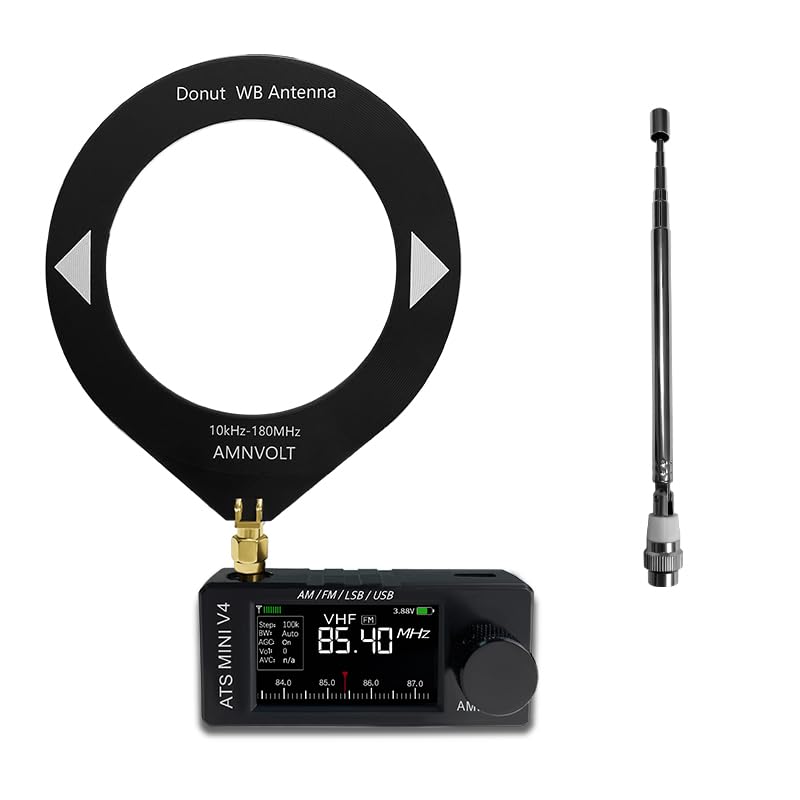 SI4732 Mini Radio Receiver Amnvolt V3S V4 Battery Powered Radios with Built-in Headphone Amplifier Hi-Z Support LSB USB AM FM Full Band Pocket Size (V4 CNC) Rank #3 | — | — | |
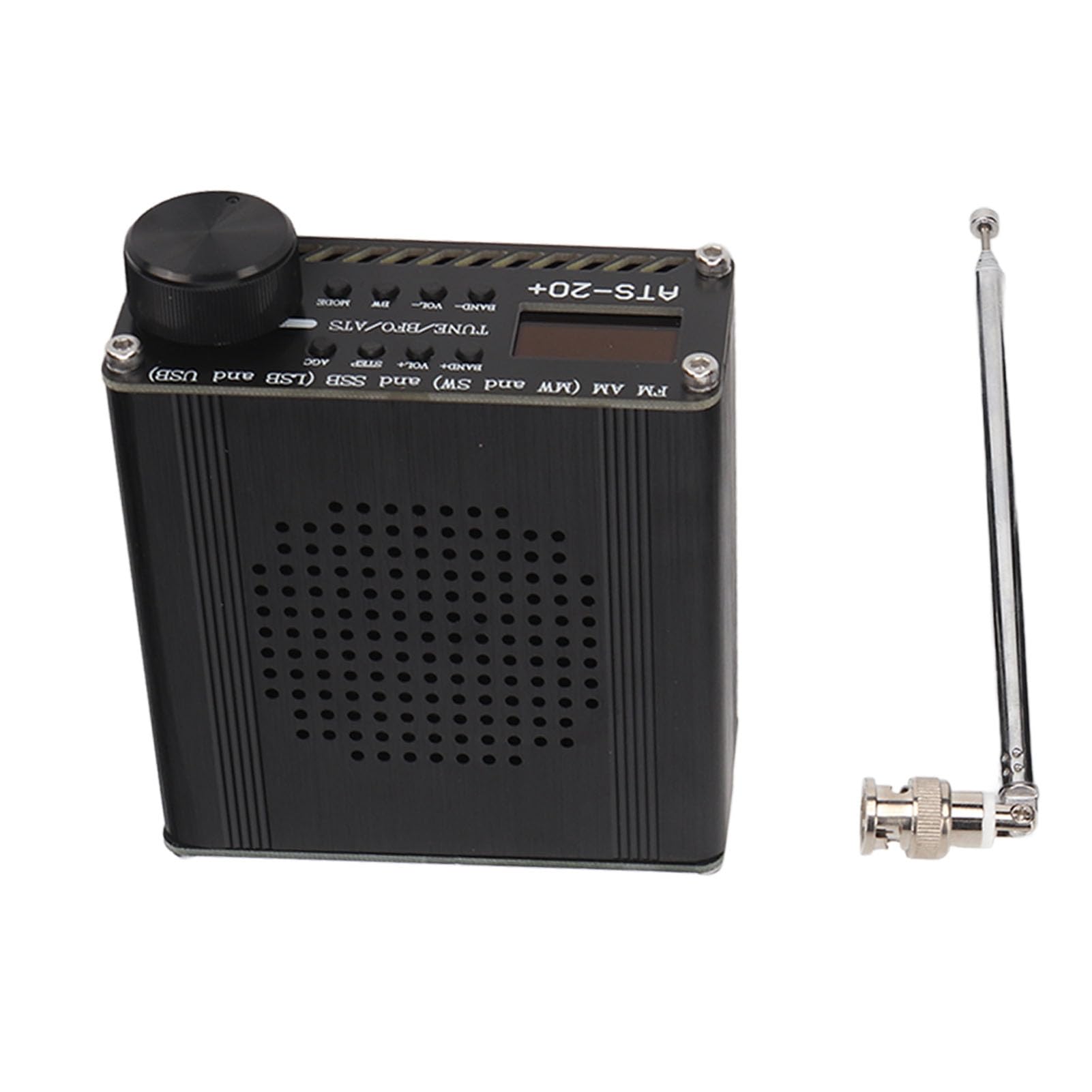 ZJchao World Band Digital Receiver is a Lightweight, Sturdy Portable FM AM SW SSB Radio Receiver with Inline Tuning Knobs, DSP Technology, and Aluminum Alloy Construction, Suitable for Rank #4 | — | — | Check price → |
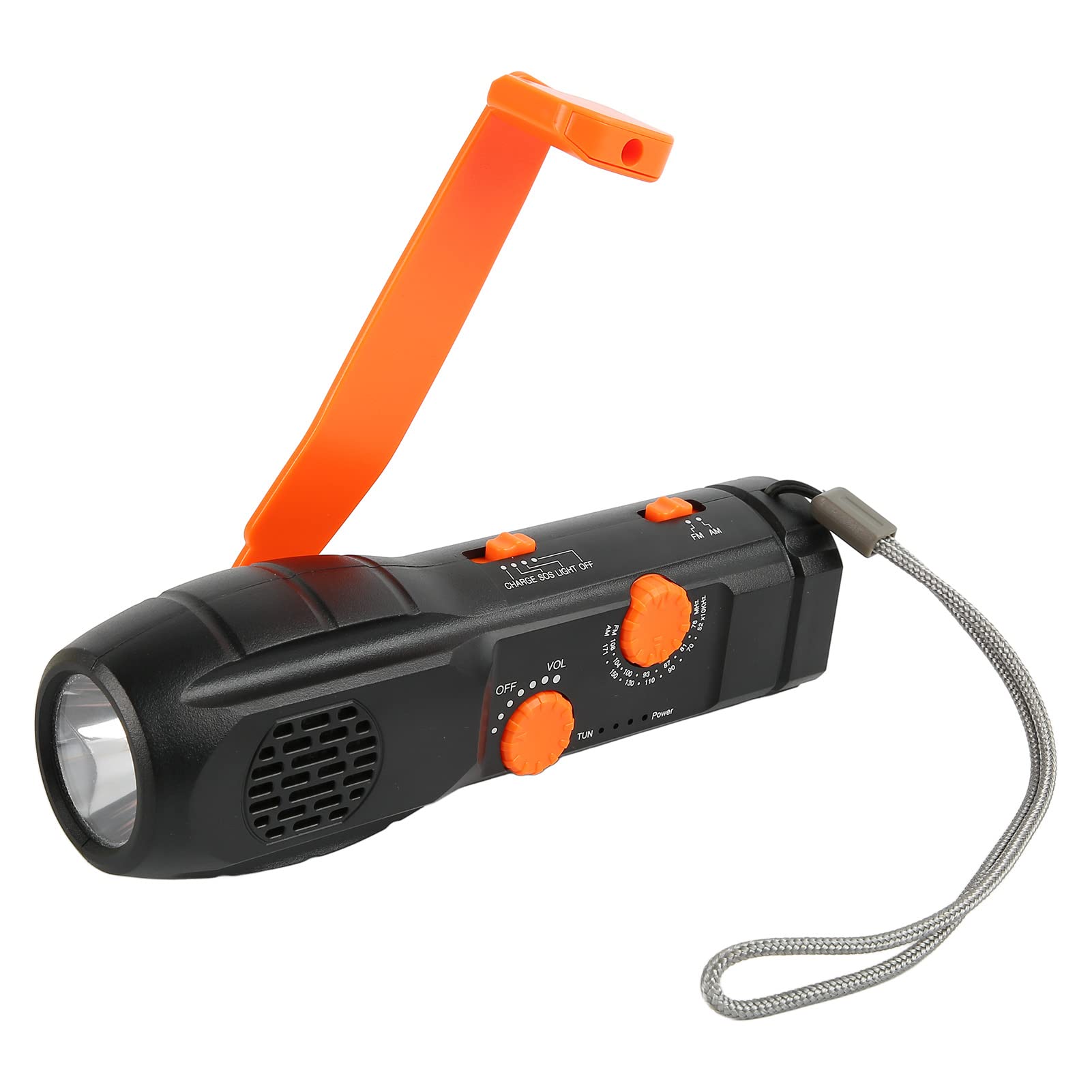 Sanpyl Emergency Hand Crank Radio with LED Flashlight, AM FM Portable Weather Radio Built in 1200mAh Battery, Support USB Charged, for Outdoor Camping Hiking (Black) Rank #5 | 💰 Budget Pick | — | Check price → |
