Get the App
Better experience on mobile
From budget-friendly bedroom purifiers to medical-grade whole-home units, these are the air purifiers worth buying in 2026.
Air purifiers are one of those products that people buy for the wrong reasons. They expect a HEPA filter to magically clear every particle in the room, but the real metric is CADR (Clean Air Delivery Rate) – not just whether the filter claims to be HEPA. In fact, many compact purifiers with 'true HEPA' filters move so little air that they'd take hours to clean a living room. Understanding this before you shop is the key to spending happy money instead of wasted money. The good news is that a properly sized purifier genuinely pays off: it can lower indoor particulate levels, reduce allergy symptoms, and even cut down on lingering odors from cooking or pets. Given that indoor air is often two to five times more polluted than outdoor air, a good purifier is not a luxury – it's a practical health upgrade for most homes. The market is crowded with gimmicks like ionization or glowing lights, but the real workhorses are those with solid filtration, honest coverage numbers, and sensible long-term filter costs. In this guide, we break down the top options by examining their specs and how they perform in real homes, covering everything from a $90 bedside purifier to a $800 medical-grade tower. Whether you're aiming to battle pet dander, dust, wildfire smoke, or just want cleaner air in your bedroom, there's a reliable pick here for you. We focused on CADR relative to room size, filter replacement frequency and cost, noise at various speeds, and smart controls that matter – not just marketing buzzwords. By the end, you'll know exactly which purifier fits your space, your lifestyle, and your budget.
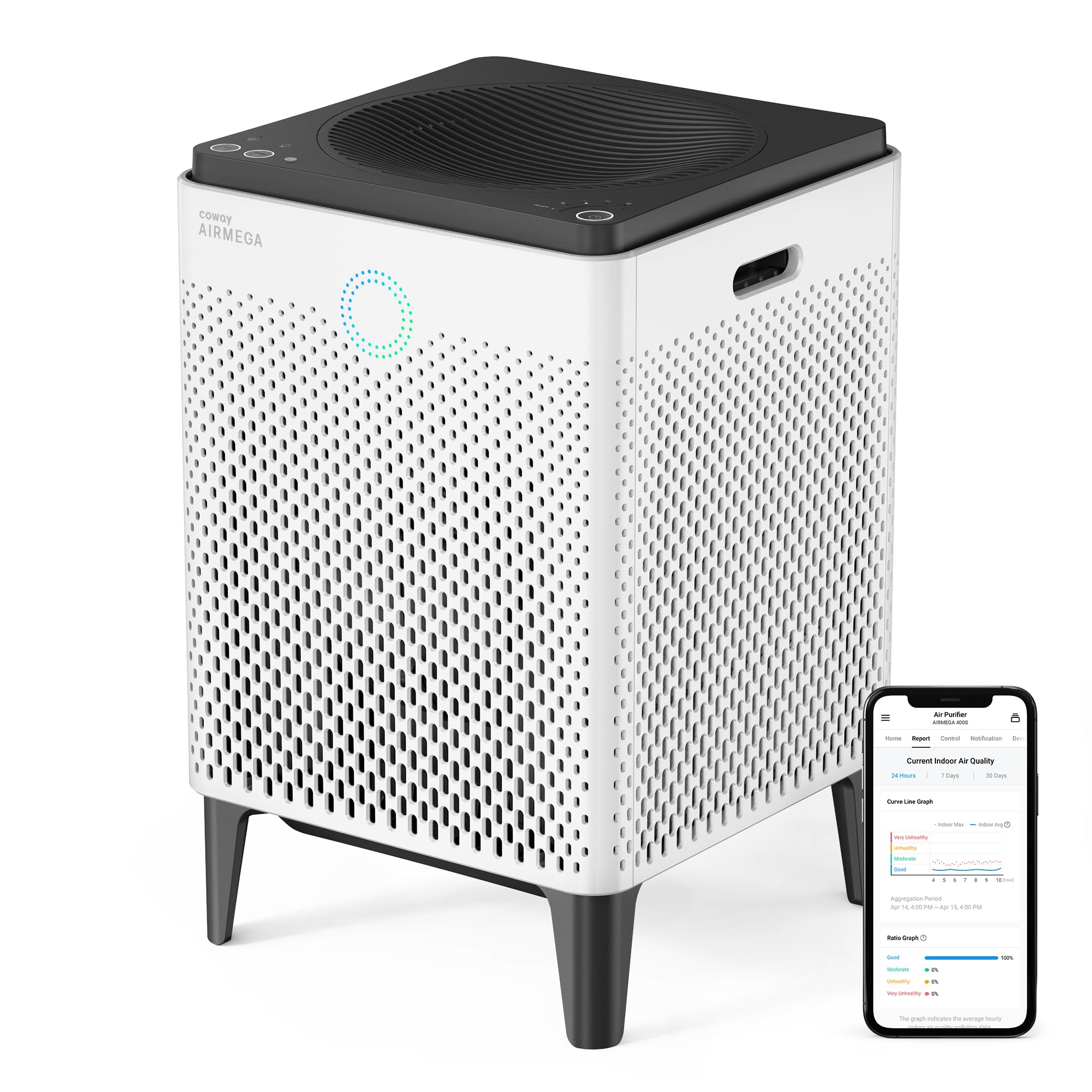
The Coway Airmega 400S is a powerhouse for large rooms, delivering an outstanding 1,560 sq ft coverage and dual-intake true HEPA filtration. Its smart features—including real-time air quality monitoring, auto mode, and Wi-Fi—make it a set-and-forget solution. The trade-off is the upfront cost and filter replacements, which add up over the year.
Main limitation: Replacement filters cost around $80–$100 per set, and the unit’s size makes it tough to tuck away discreetly.
Skip if: If you need to purify just a single bedroom or small office, the 400S is overkill—look for a smaller, cheaper model instead.
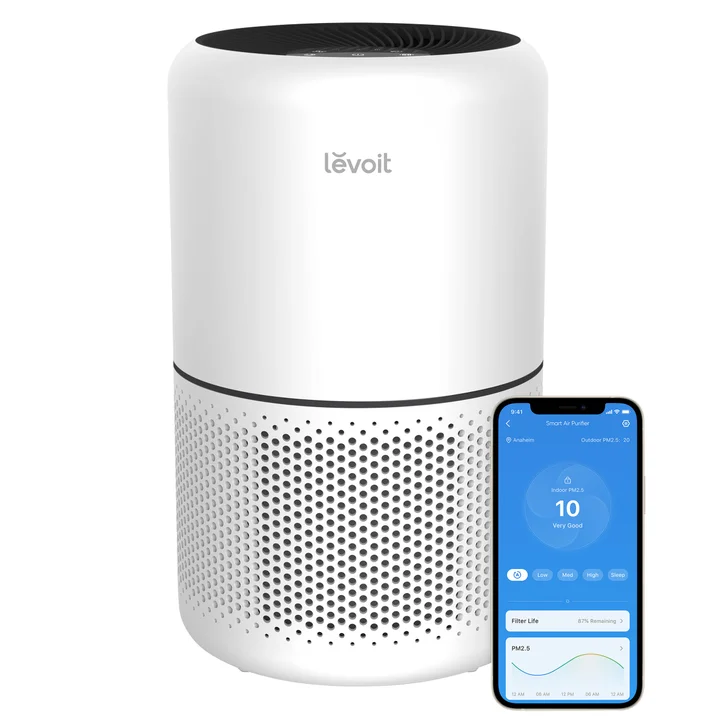
For under $100, the Levoit Core 300S is a surprisingly capable compact purifier, covering up to 219 sq ft with a whisper-quiet fan and a true HEPA filter. It still gives you Wi-Fi controls, scheduling, and real-time air quality feedback via the VeSync app. The small size means you’ll need to run it continuously to keep up with heavy pollutants.
Main limitation: The small filter needs to be replaced every 6 months, and the modest CADR is not suited to large rooms.
Skip if: Skip if you have a huge living room or severe allergies; you’ll need a stronger unit with a larger filter.
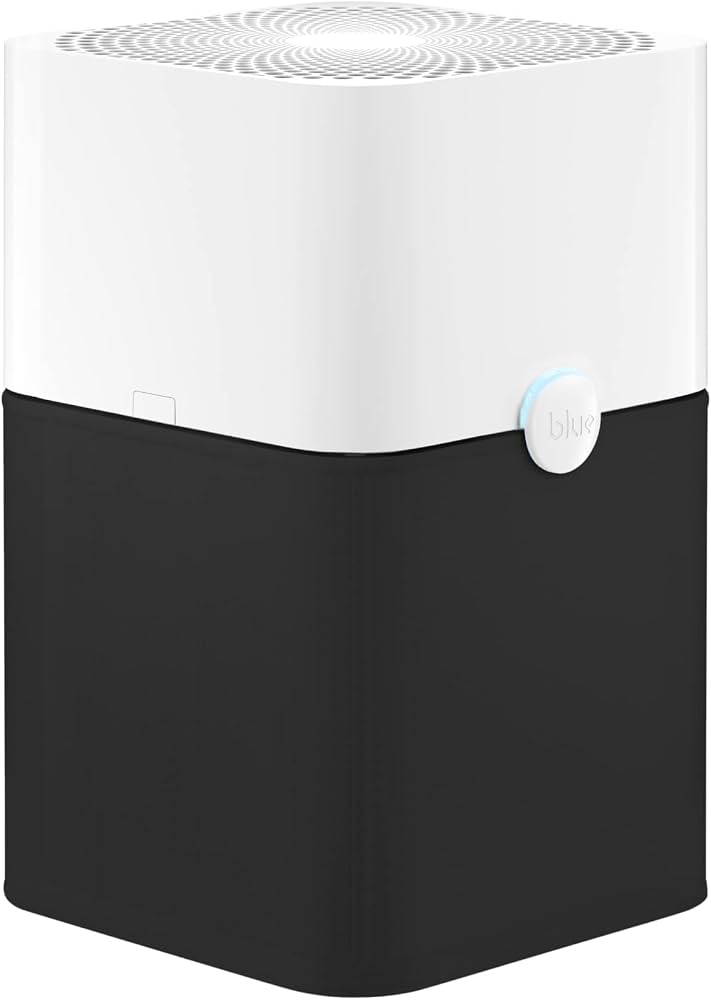
The Blue Pure 211+ Auto is a champion at cleaning large rooms, with a CADR of 350 CFM and a 540 sq ft coverage. Its washable pre-filter traps pet hair and dust, while the mechanical filter handles allergens and odors. The auto mode reacts to sensors, and the low energy consumption is a plus. On the downside, it doesn't have a particulate display, and some users report the ionizer isn't easily toggled.
Main limitation: The ionizer cannot be turned off in the Auto model, which may bother users who prefer pure mechanical filtration.
Skip if: If you want fine-grained data on airborne particles or need a whisper-quiet purifier for a bedroom, look elsewhere.
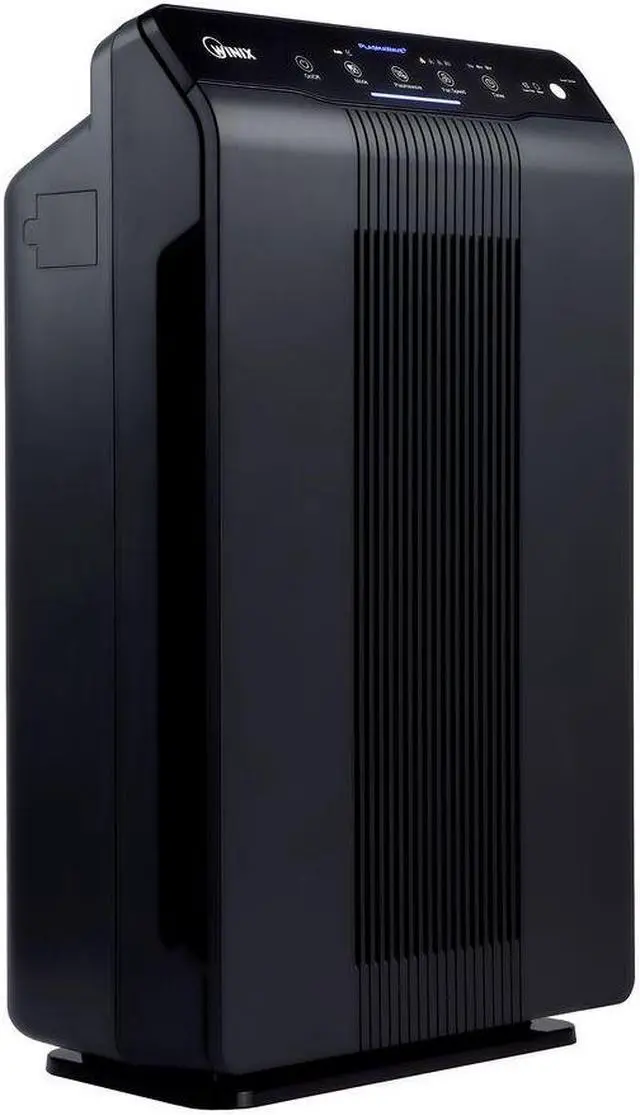
The Winix 5500-2 is a long-time favorite for pet households because its washable pre-filter catches hair, while the internal activated carbon filter (AOC) neutralizes odors and the PlasmaWave helps break down bacteria and viruses. It covers 360 sq ft, making it versatile for medium rooms. The trade-off is that PlasmaWave may produce a negligible amount of ozone, which the brand states meets UL safety standards, but still, some users prefer to turn it off.
Main limitation: PlasmaWave is always on in default settings, and the fan can get noisy at higher speeds.
Skip if: If you are extremely sensitive to even trace ozone, look for a purely mechanical purifier like the Blueair series.
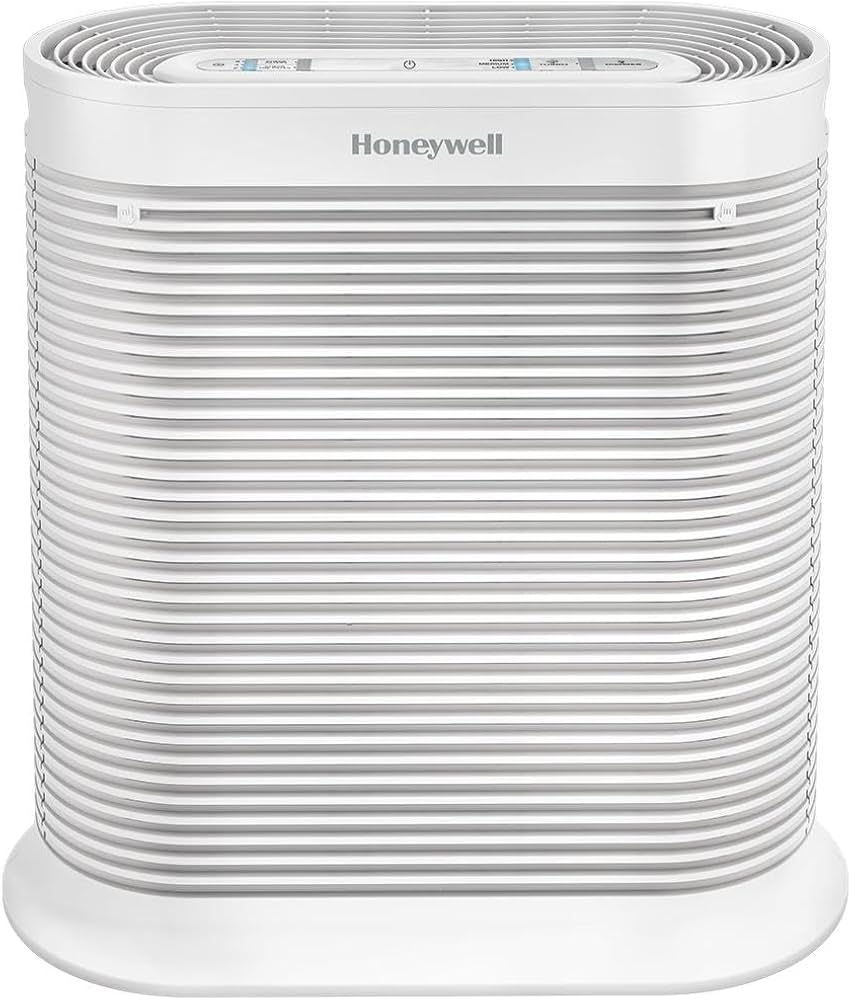
The Honeywell HPA300 packs a 300 CADR and a true HEPA filter with a charcoal pre-filter, making it a dependable workhorse for large rooms and heavy allergy seasons. It has a straightforward mechanical design with three cleaning levels and a 4-hour auto-shutoff timer. It’s louder than many competitors on high, and its non-washable pre-filter needs replacing more often.
Main limitation: No auto mode, no smart features, and the high fan setting is quite loud for living rooms.
Skip if: If you want a smart purifier with app integration or a quiet night mode, this is not the one.
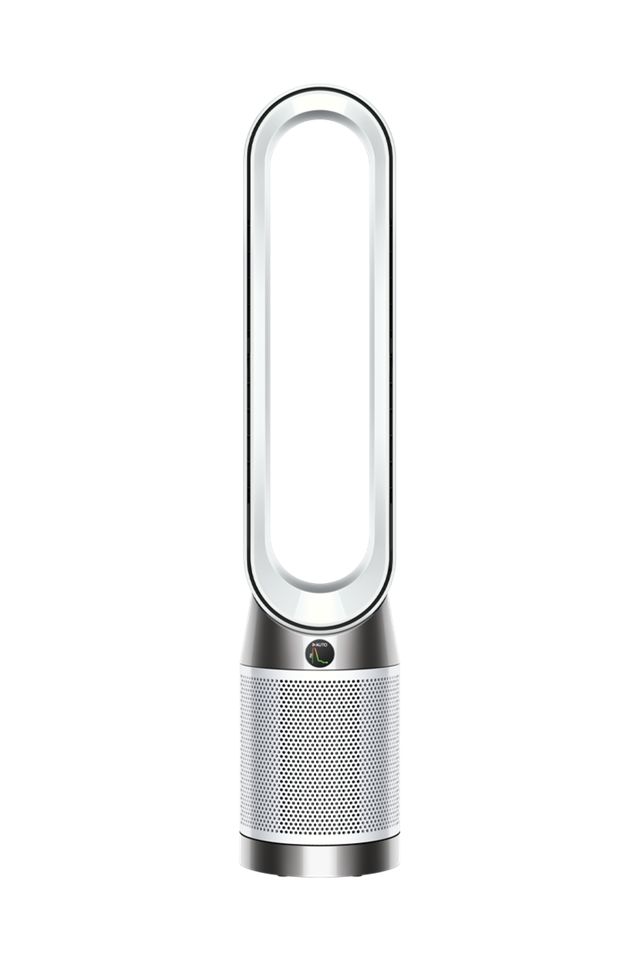
If you’re short on space and need both cooling and purifying, the Dyson Purifier Cool Gen1 combines a powerful Air Multiplier fan with a sealed HEPA filtration system. It automatically detects pollution and reports real-time air quality to your phone. The main trade-offs are the high price, premium filter replacements, and the fact that it’s not as powerful as dedicated purifiers at lower price points.
Main limitation: The replacement filter costs around $70–$80 and may need replacing every 6–12 months, adding to the long-term ownership cost.
Skip if: If you already have a ceiling fan and just need air purification, you can buy a dedicated purifier for half the price.
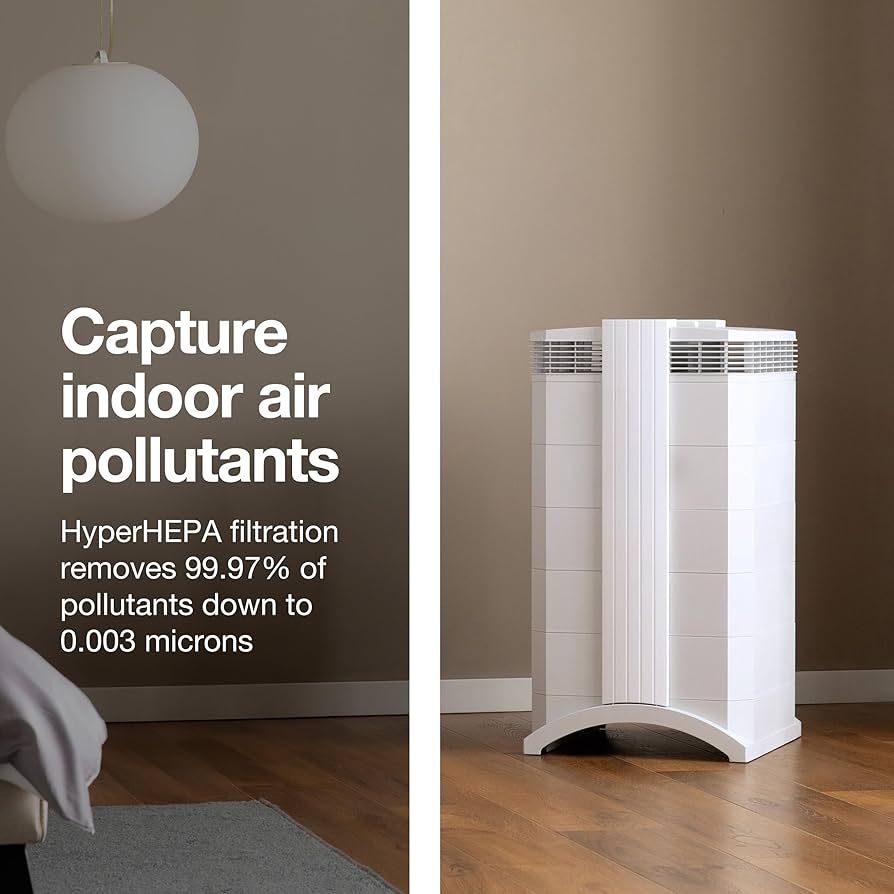
The IQAir HealthPro Plus is the purifier to choose when allergies, asthma, or chemical sensitivities target the smallest particles. It uses HyperHEPA filter media that captures 99.5% of particles down to 0.003 microns, plus a large carbon filter for VOCs and odors. Its CADR is modest, but the real strength is the filter quality. The cost of the unit and its five-stage filter system is substantial, and it’s heavy.
Main limitation: It’s expensive to buy and to maintain: replacement filters can cost $200 per year, and the unit is heavy (about 35 lbs).
Skip if: If you just want to filter common dust in a bedroom, this is overkill—a simpler purifier with ACH will do.
Compare key specs and features of all our recommendations side-by-side
| Product | Recommendation | Rating | Price |
|---|---|---|---|
Coway Airmega 400S Smart Air Purifier Rank #1 | 🏆 Top Pick | 9.2/10 | $450–$550 Check current price → |
Levoit Core 300S Smart True HEPA Air Purifier Rank #2 | 💰 Budget Pick | 8.8/10 | $80–$100 Check current price → |
Blueair Blue Pure 211+ Auto Air Purifier Rank #3 | ⭐ Editor's Choice | 8.7/10 | $300–$350 Check current price → |
Winix 5500-2 Air Purifier with True HEPA, PlasmaWave, and AOC Carbon Filter Rank #4 | — | 8.2/10 | $150–$170 Check current price → |
Honeywell HPA300 True HEPA Allergen Remover Rank #5 | — | 8.0/10 | $230–$280 Check current price → |
Dyson Purifier Cool Gen1 TP10 Air Purifier Fan Rank #6 | — | 7.8/10 | $350–$450 Check current price → |
IQAir HealthPro Plus Medical-Grade Air Purifier Rank #7 | — | 8.5/10 | $750–$900 Check current price → |
Common questions buyers have about this category.
You'll want an air purifier with a CADR (Clean Air Delivery Rate) that's appropriate for your room's square footage. As a rule of thumb, look for a CADR that equals at least two-thirds of your room's area in square feet (for example, a 200-sq-ft room needs a CADR of at least 130). ACH (air changes per hour) is another metric; most purifiers list a coverage area for 2 air changes per hour, which is good for continuous use.
Yes, but you need to choose a true HEPA purifier that filters at least 99.97% of particles at 0.3 microns. For people with pet allergies, opt for a purifier with a washable pre-filter to catch hair and a strong carbon filter for odors. Keep in mind that air purifiers help but don't completely remove allergens from carpet or furniture.
Most manufacturers recommend changing the HEPA filter every 6 to 12 months, depending on usage and air quality. Many purifiers have a filter replacement indicator, but if you notice increased noise or a drop in airflow, that's a sign. Also, cleaning or washing any pre-filters monthly can extend the life of the main HEPA filter.
HEPA filters are effective at capturing smoke particles, but for gases and volatile organic compounds (VOCs), you need a purifier with a substantial activated carbon filter. Units like the Coway Airmega 400S or IQAir HealthPro Plus include thick carbon layers for odor and VOC absorption. Make sure the carbon filter is large enough; many lightweight carbon layers are not effective for chemical pollutants.
Some ionizers can produce trace amounts of ozone, a respiratory irritant. Look for products certified by CARB (California Air Resources Board) or UL that show ozone emissions are ultra-low (less than 50 ppb). Winix's PlasmaWave and Dyson's circuitry are compliant, but if you're sensitive, choose a purely mechanical HEPA purifier like the Blueair or Levoit.
It's best to run your air purifier continuously, especially if you have indoor allergens or live in a polluted area. Modern units are designed to operate 24/7 with low energy consumption and sleep modes. If you're concerned about electricity cost, check the wattage; most purifiers draw between 30 and 60 watts, so the annual cost is usually less than $20 in the US.
Products we evaluated but did not recommend — and why.
