Get the App
Better experience on mobile
Our top picks for cleaner air at home, from budget-friendly compact units to medical-grade purifiers.
The best air purifier for your home isn't the one with the highest CADR on the box — it's the one that matches your room size, filter needs, and tolerance for noise and maintenance. Many people overspend on a unit that's too powerful for their space or underbuy and end up with a glorified fan.
Indoor air can contain allergens, pet dander, dust, smoke, and volatile organic compounds (VOCs). A good air purifier can make a noticeable difference, especially for allergy sufferers, pet owners, and those living in wildfire-prone areas or urban environments with poor outdoor air quality.
We evaluated dozens of models based on published expert reviews, manufacturer specs, verified buyer feedback, and price data. We prioritized true HEPA filtration, CADR-to-room-size fit, noise levels, filter replacement costs, and smart features. Our picks span from budget-friendly compact units to medical-grade purifiers, so you can find one that fits your needs and budget.
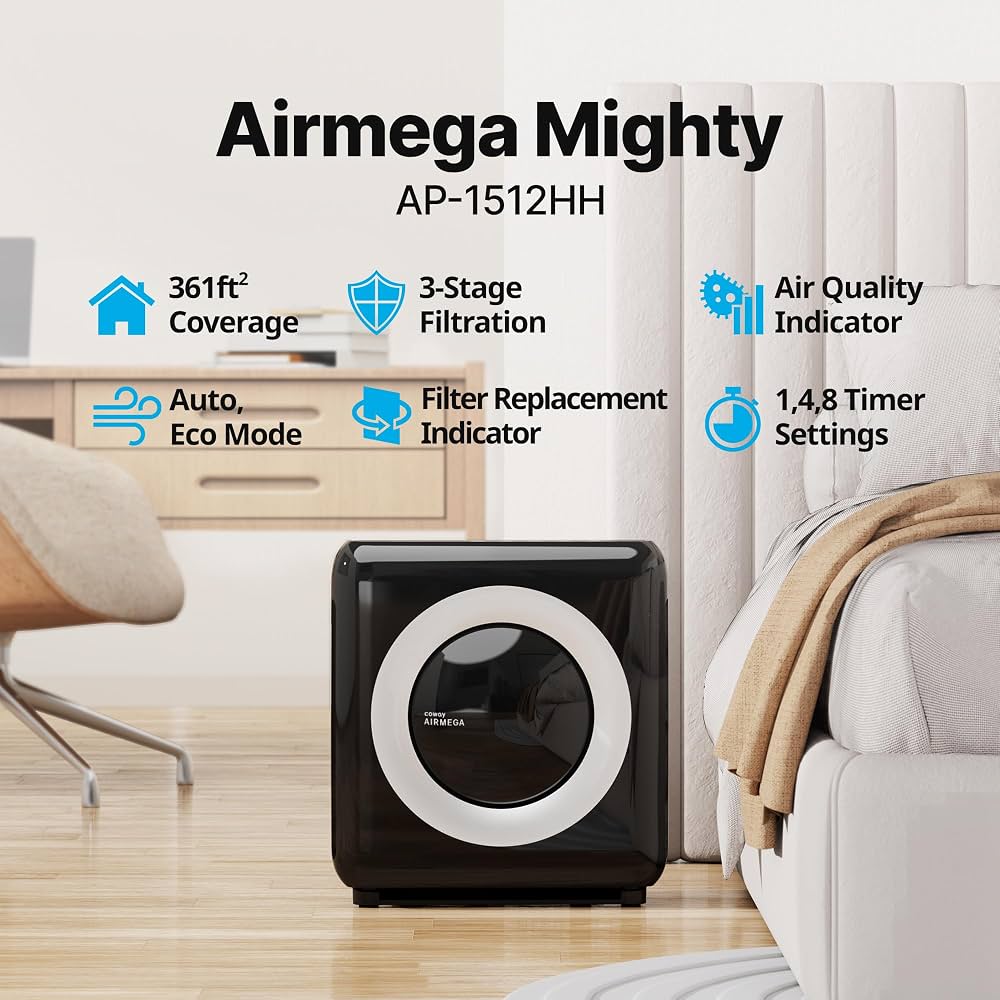
The Coway AP-1512HH Mighty earns our top pick for its proven balance of performance, price, and low maintenance. It effectively cleans medium-sized rooms with a true HEPA filter and has a smart eco mode, but its design is dated and it lacks Wi-Fi connectivity.
Main limitation: No smart home integration or app control, and the filter replacement indicator is basic.
Skip if: Skip if you want app-based control or if you need coverage for very large rooms over 500 square feet.
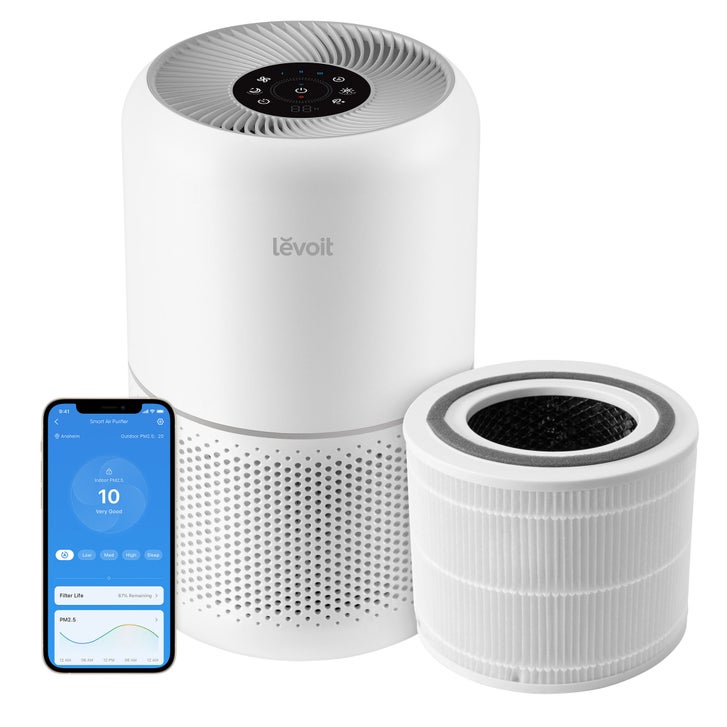
The Levoit Core 300S offers impressive HEPA filtration and app control at a budget price, making it ideal for small rooms. It's quiet and efficient, but its coverage area is limited and the filter life is shorter than premium models.
Main limitation: Coverage maxes out around 219 sq ft, so it's not suitable for large spaces.
Skip if: Skip if you need to purify a large open-plan area or want a washable pre-filter.
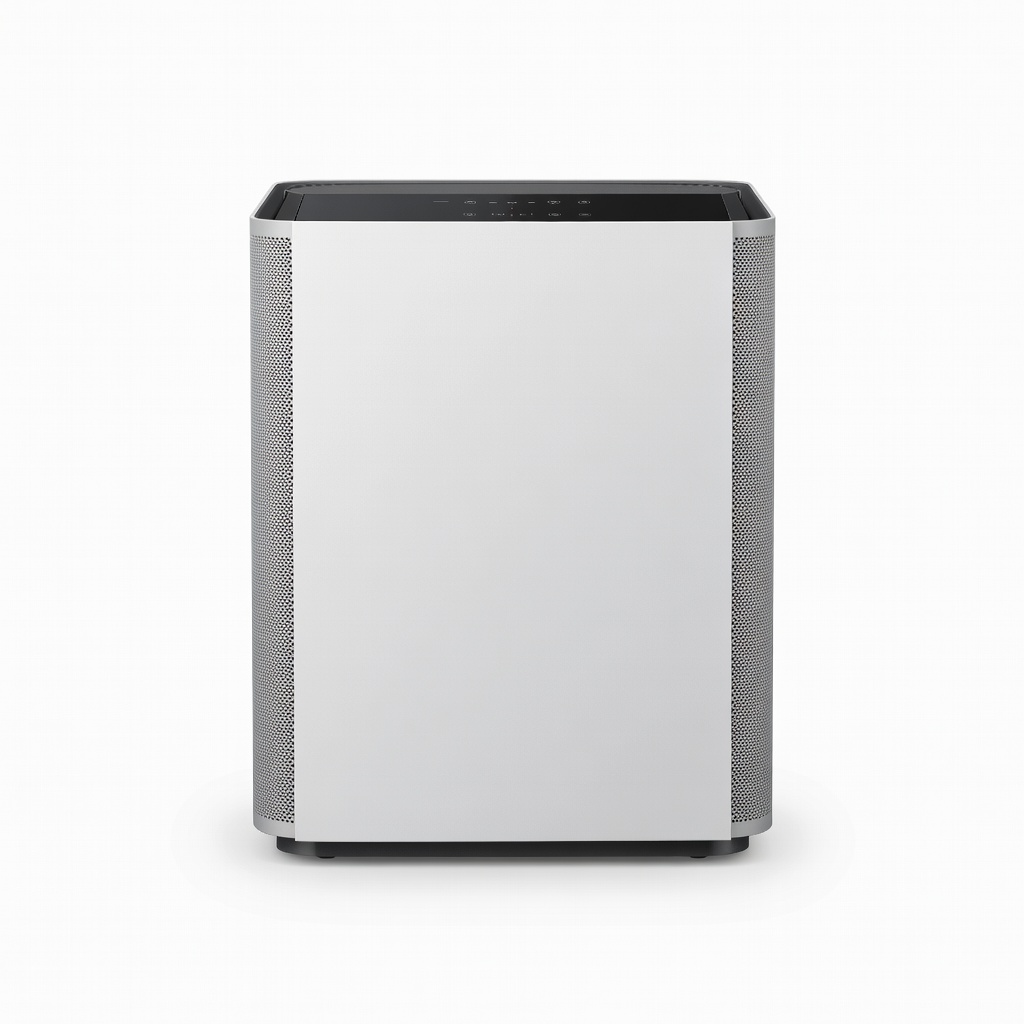
The Coway Airmega 400 is a powerhouse for large spaces, covering up to 1,560 sq ft with dual HEPA filters and smart features. It's expensive and bulky, but its performance and build quality justify the investment.
Main limitation: High upfront cost and filter replacements are pricey; it's heavy and takes up floor space.
Skip if: Skip if you have a small apartment or a tight budget, as its coverage far exceeds typical needs.
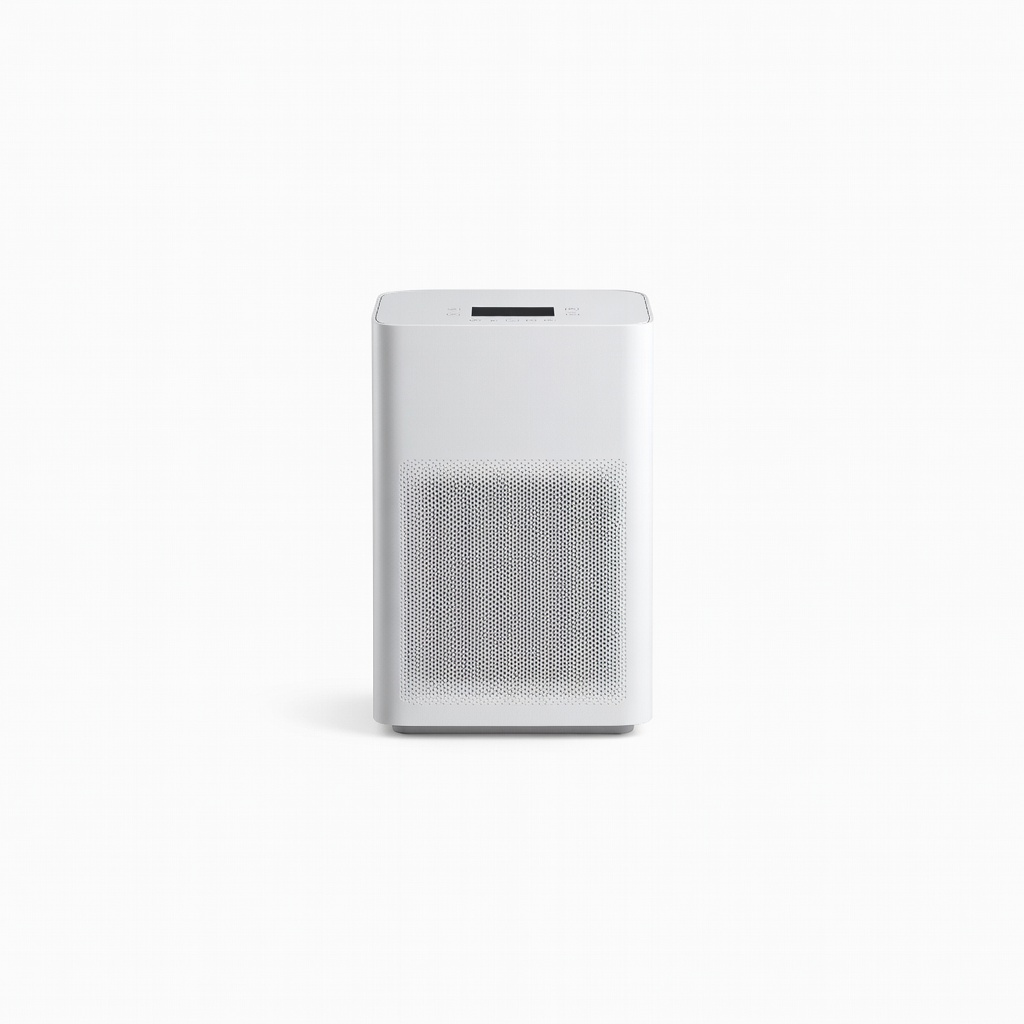
The Winix 5500-2 is a favorite for pet owners thanks to its washable carbon filter that tackles odors and dander effectively. It offers solid HEPA filtration and a sleep mode, but its plasma wave technology may produce trace ozone, which concerns some users.
Main limitation: PlasmaWave technology can emit a tiny amount of ozone, which may be an issue for sensitive individuals.
Skip if: Skip if you want to avoid any ozone generation or prefer a fully sealed HEPA system.
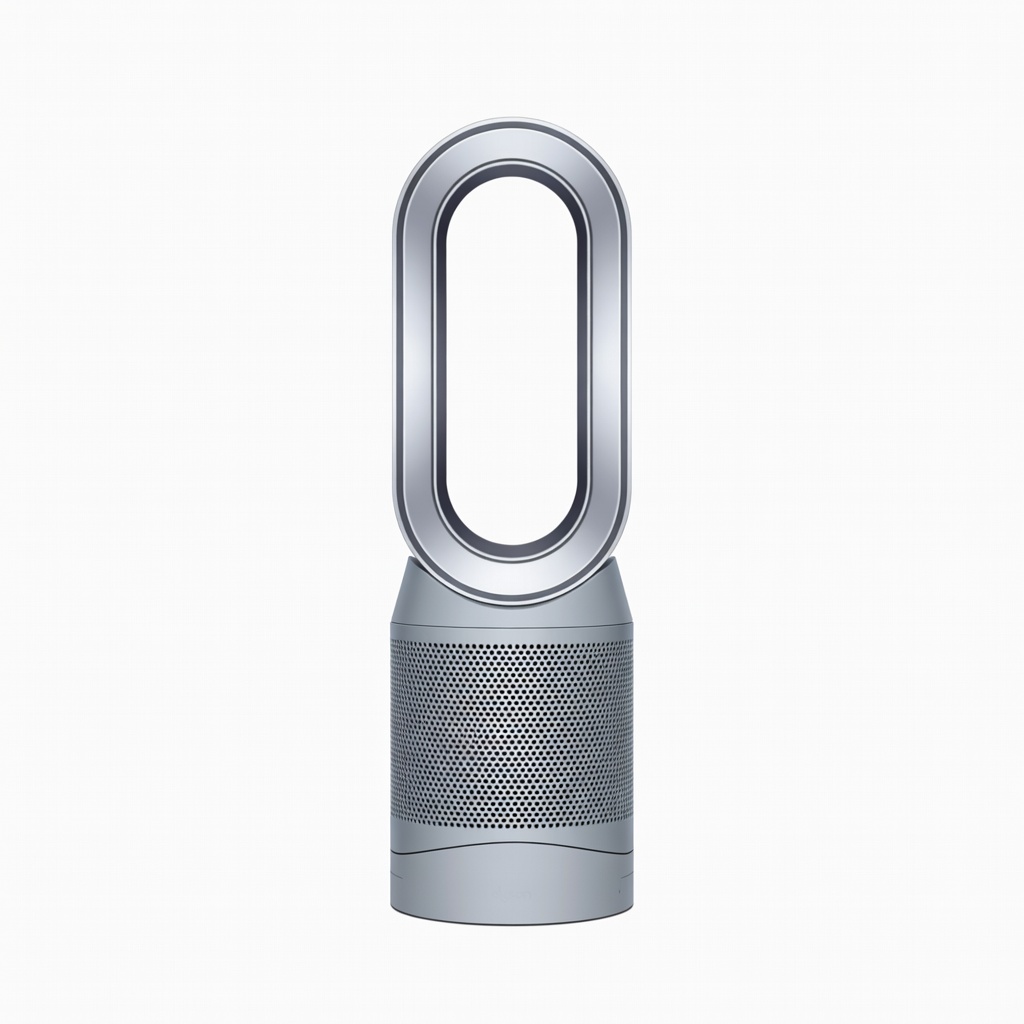
The Dyson Purifier Cool TP07 combines a powerful air purifier with a cooling fan and advanced smart features like app control and real-time air quality reporting. It's a premium choice with a high price and filter costs, but its versatility and design are unmatched.
Main limitation: Expensive to buy and maintain; filter replacements cost significantly more than competitors.
Skip if: Skip if you're on a tight budget or primarily need a dedicated air purifier without fan functionality.
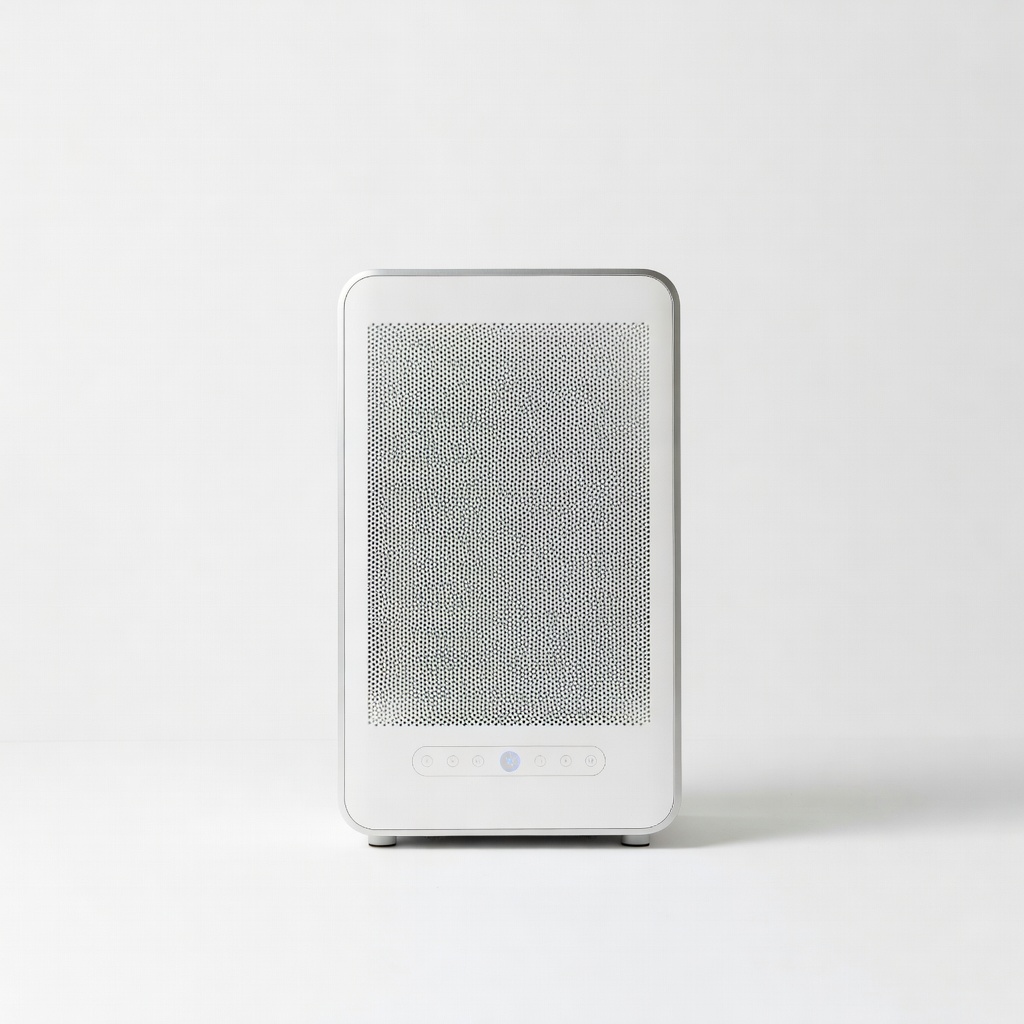
The Medify MA-40 is designed for allergy sufferers, with a high CADR and true HEPA H13 filtration that captures 99.97% of particles. It's effective for large rooms, but its boxy design and lack of smart features make it less convenient than some rivals.
Main limitation: No Wi-Fi or app control, and the unit is relatively bulky.
Skip if: Skip if you want a sleek design or smart home integration.
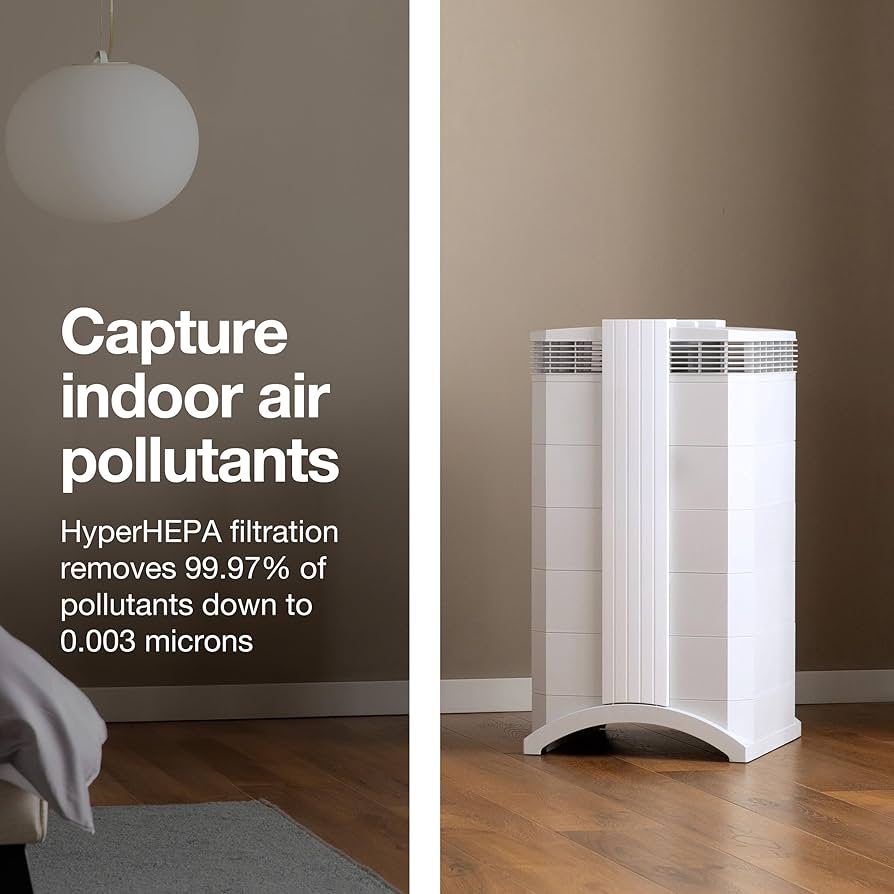
The IQAir HealthPro Plus is a medical-grade air purifier that delivers exceptional filtration for the most sensitive individuals. Its performance is top-tier, but the high price and ongoing filter costs make it a significant investment.
Main limitation: Very expensive upfront and filter replacements are costly; it's also heavy and bulky.
Skip if: Skip if you're looking for a budget-friendly option or a compact unit for small spaces.
Compare key specs and features of all our recommendations side-by-side
| Product | Recommendation | Rating | Price |
|---|---|---|---|
Coway AP-1512HH Mighty Air Purifier Rank #1 | 🏆 Top Pick | 9.0/10 | $180–$220 Check current price → |
Levoit Core 300S Air Purifier Rank #2 | 💰 Budget Pick | 8.5/10 | $90–$120 Check current price → |
Coway Airmega 400 Smart Air Purifier Rank #3 | ⭐ Editor's Choice | 8.8/10 | $400–$500 Check current price → |
Winix 5500-2 Air Purifier Rank #4 | — | 8.5/10 | $150–$200 Check current price → |
Dyson Purifier Cool TP07 Rank #5 | — | 8.2/10 | $500–$650 Check current price → |
Medify MA-40 Air Purifier Rank #6 | — | 8.0/10 | $200–$250 Check current price → |
IQAir HealthPro Plus Air Purifier Rank #7 | — | 8.7/10 | $900–$1,000 Check current price → |
Common questions buyers have about this category.
Measure your room's square footage and aim for an air purifier with a CADR (Clean Air Delivery Rate) that is at least two-thirds of that number for general use, or equal to it for allergy sufferers. For example, a 300 sq ft room benefits from a CADR of 200–300. Always check the manufacturer's recommended room size, but be aware that these are often based on maximum fan speed and ideal conditions.
Most HEPA filters last 6–12 months, while carbon filters may need replacement every 3–6 months depending on use and environment. Many purifiers have filter replacement indicators, but you should also visually inspect the filter for discoloration or odor. Replacing filters on schedule maintains performance and avoids straining the motor.
Yes, air purifiers with true HEPA filters can reduce airborne allergens like pollen, dust mites, and pet dander, which may alleviate allergy and asthma symptoms. However, they are not a cure — they work best as part of a broader strategy that includes reducing indoor allergens at the source and proper ventilation. Some people notice improvement within days, while others may need weeks.
True HEPA filters capture 99.97% of particles down to 0.3 microns, making them the gold standard for allergen and particle removal. While HEPA-like filters may be cheaper, they often don't meet the same efficiency standards. If you're concerned about smoke, allergens, or fine dust, a true HEPA filter is worth the investment.
Air purifiers with activated carbon filters can reduce odors from cooking, pets, and smoke, as well as some volatile organic compounds (VOCs). However, the amount of carbon matters — small filters may saturate quickly. For serious odor or chemical removal, look for a purifier with a substantial carbon filter and a high CADR for smoke.
Smart features like app control, auto mode, and air quality sensors add convenience and can optimize performance based on real-time conditions. They're worth it if you want to monitor air quality remotely or integrate with smart home systems. But if you're on a budget, a basic unit with a timer and manual fan speeds can be just as effective.
Noise levels vary widely, from near-silent (24 dB) on low to as loud as a box fan (50+ dB) on high. If you plan to run it while sleeping, look for a sleep mode or a unit that's quiet on low. Some purifiers are designed to be quieter, but higher fan speeds always increase noise for better cleaning.
Products we evaluated but did not recommend — and why.
