Get the App
Better experience on mobile
We researched the market to find the top air purifiers for every room size, lifestyle, and budget—based on published expert reviews, manufacturer specs, and verified buyer feedback.
Air purifiers have become a household essential for managing allergies, asthma, wildfire smoke, pet dander, and everyday dust. But navigating the market is confusing: dozens of models promise 99.97% filtration, yet many are overpriced or underpowered for the rooms they claim to serve. The real key to a good air purifier is matching the clean air delivery rate (CADR) to your room size and choosing a filter layout you can afford to replace regularly. A machine with an inexpensive filter you change on time will outperform a premium unit whose media costs $100 every six months. Another overlooked detail: noise at high fan speeds. Many purifiers are marketed on their highest CADR, but you'll run them on low or medium most of the time, so that is where silence matters.
We've sorted through the hype to bring you seven top picks for 2026. Our list spans from a $90 budget hero to a $1,000 medical-grade powerhouse, with specialized choices for large rooms, pet owners, smart-home enthusiasts, and design-conscious buyers. We leaned on independent lab data (like AHAM's certification), long-term owner reviews, and professional commentary from allergists and home-appliance testers—not just marketing claims. Below, you'll find the best air purifier for most homes, plus honest notes on what each model does well and where it falls short.
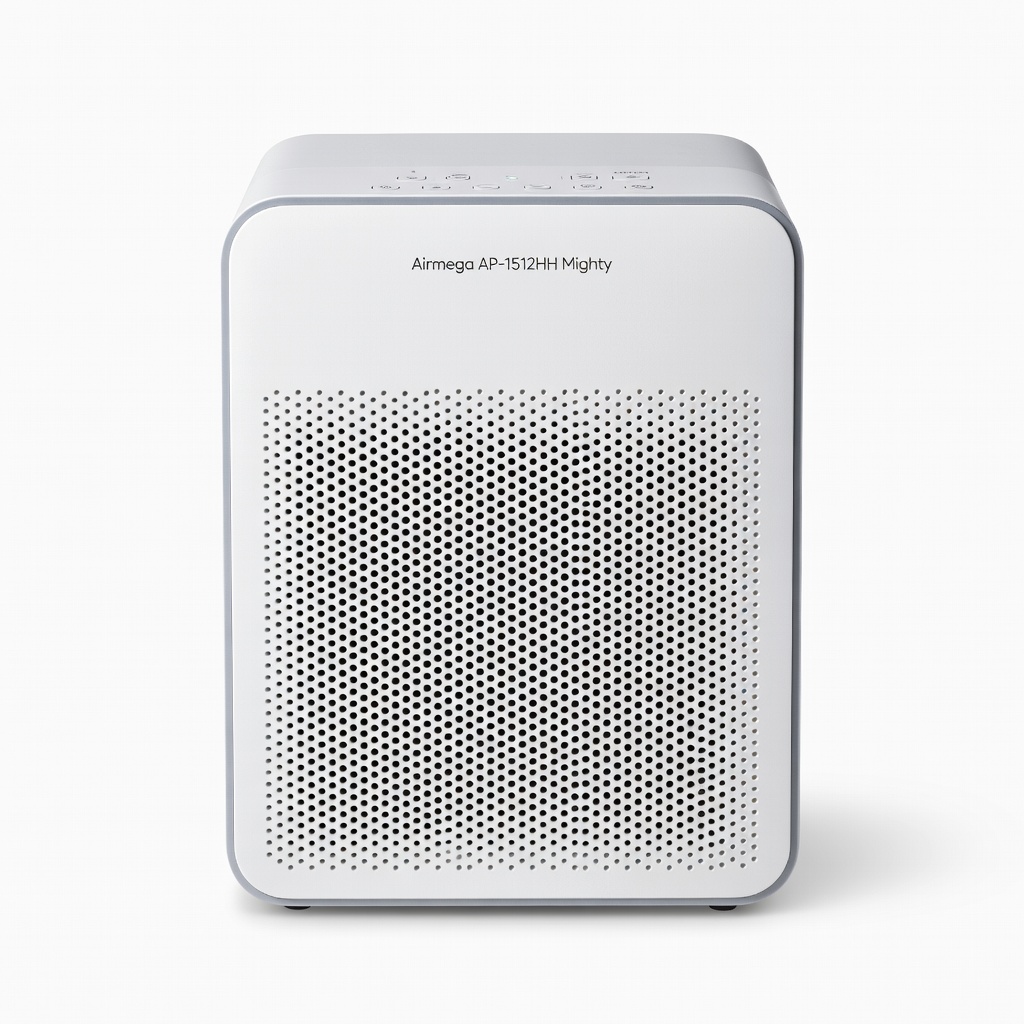
The Coway Mighty is the most balanced air purifier you can buy, offering excellent CADR (up to 246 sq. ft. AHAM room size), a cost-effective true HEPA filter with a pre-filter that traps large particles, and a compact footprint. It's also surprisingly energy-efficient and quiet on low. The trade-off: its smart modes are basic, and the filter replacement indicator can be overly sensitive.
Main limitation: The filter replacement indicator often needs manual resetting and the app (if connected) lacks remote scheduling.
Skip if: If you need advanced smart-home integrations (HomeKit, Alexa routines) or have a room larger than 400 sq. ft., this isn't the best fit.
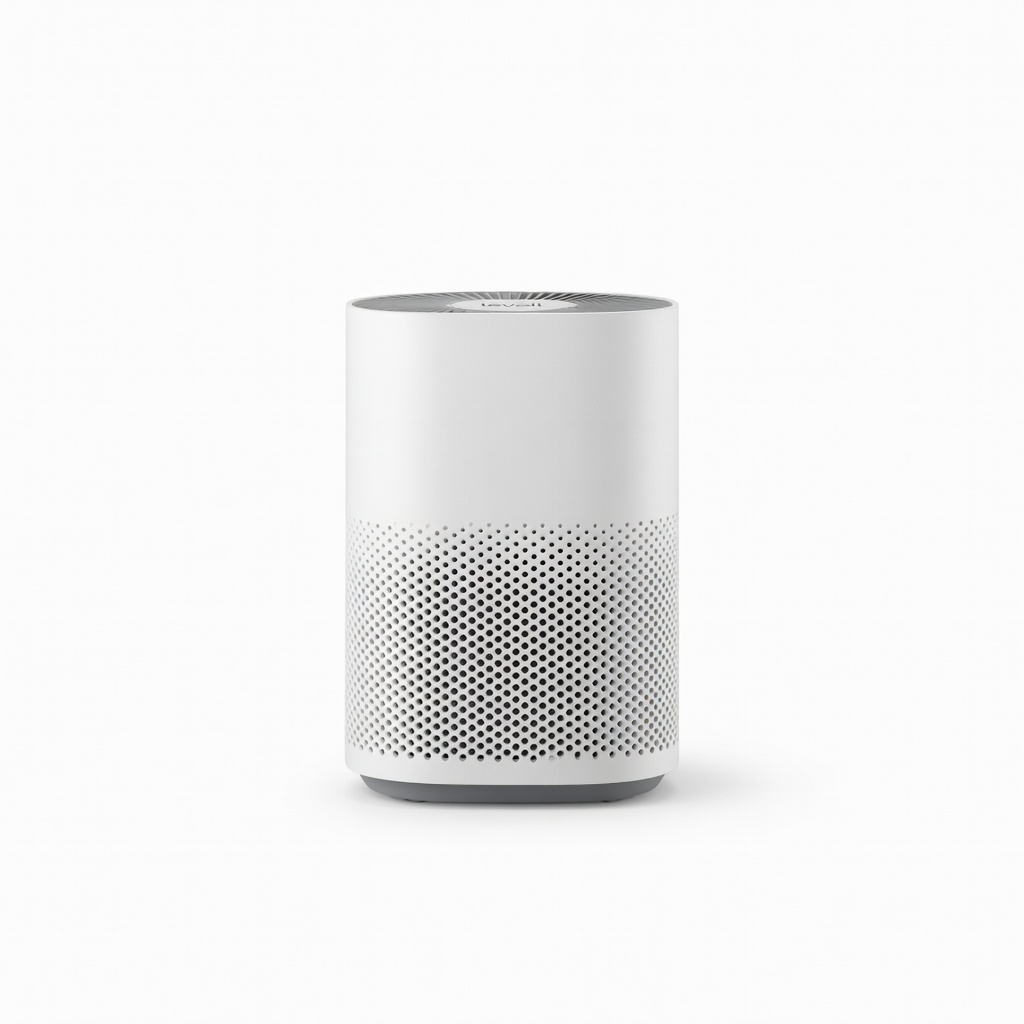
For under $100, the LEVOIT Core 300 delivers surprising performance: a 3-stage filtration system, a CADR of 141 CFM (good for rooms up to 219 sq ft), and whisper-quiet sleep mode. It's compact enough to sit on a nightstand or desk, and replacement filters are inexpensive—around $25. The trade-off is that it lacks a pre-filter you can vacuum, so the primary HEPA filter wears out faster in dustier homes.
Main limitation: No washable pre-filter means the main HEPA filter has a shorter lifespan (about 3-6 months) and higher running costs over time.
Skip if: If you have a large living room or continuous smoke/pet odor, you'll want a unit with a higher CADR.
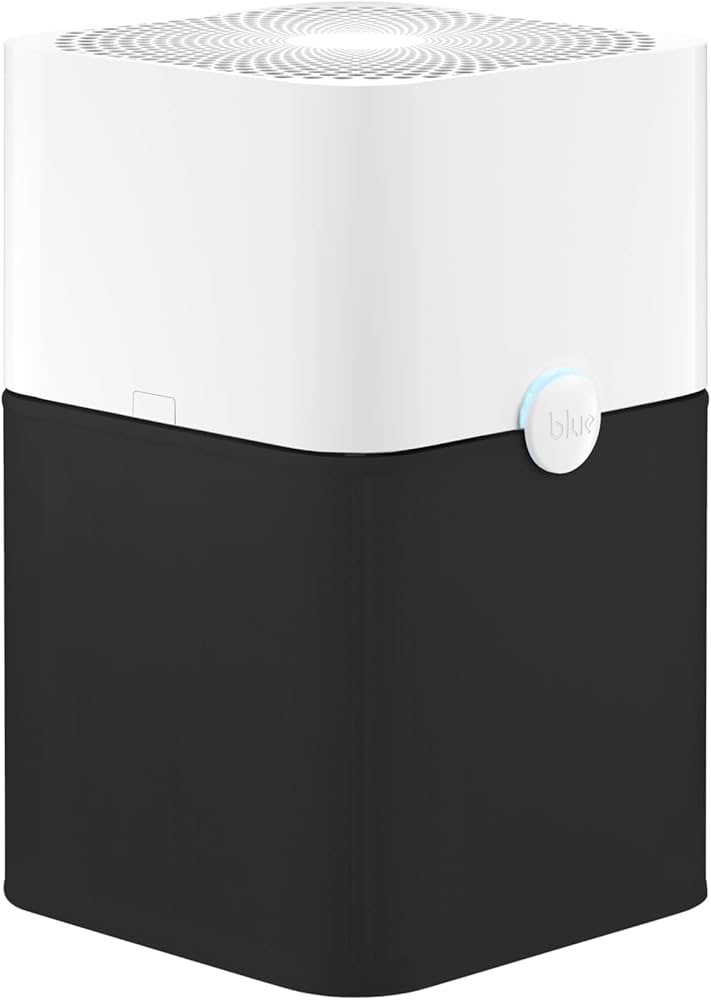
The Blueair Blue Pure 211+ is a workhorse for open-concept spaces, delivering a CADR of 350 CFM and covering rooms up to 540 sq ft with just one HEPA-style filter. Its washable pre-filter catches big particles, and the machine is known for being easy to maintain—just vacuum the outside filter periodically. The trade-off: it's a bit taller and bulkier than competitors, and the filter replacements are moderately priced.
Main limitation: No digital display or auto mode; you'll be switching speeds manually, which can be a letdown at this price.
Skip if: If you prefer a smart purifier with phone controls or need precise air quality readings, this is too simplistic.
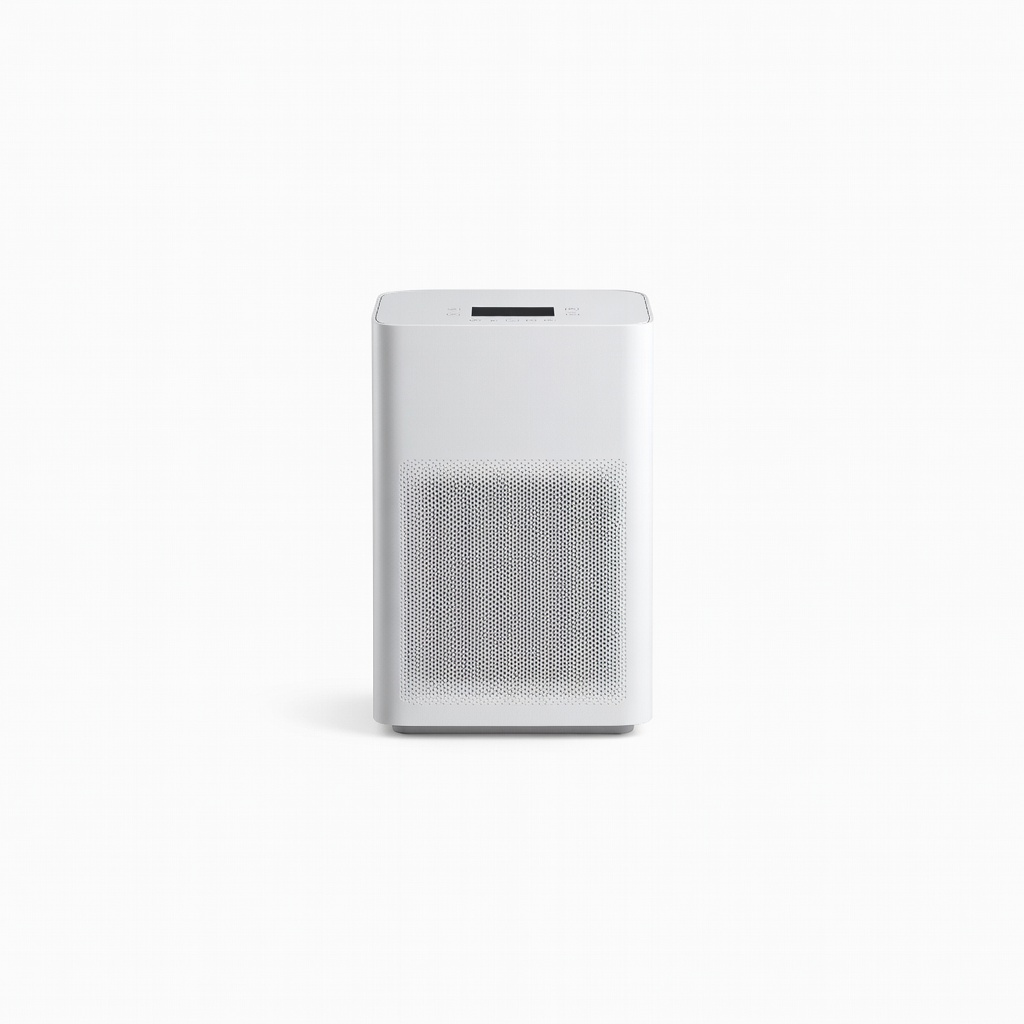
The Winix 5500-2 stands out for pet households because it includes a washable AOC (Advanced Odor Control) carbon filter that traps hair and dander before they clog the true HEPA filter. Its Plasmawave technology also helps neutralize odor molecules. With a 360° air intake and a sleek tower design, it's effective in medium-to-large rooms (up to 360 sq ft). The trade-off: the carbon filter needs to be replaced every 3 months for best odor control, which adds to upkeep.
Main limitation: The plasma wave filter can emit a faint ozone smell in some environments, and the filter replacement indicator is basic.
Skip if: If you're sensitive to ozone or want a compact purifier for a small room, the Winix may be overkill.
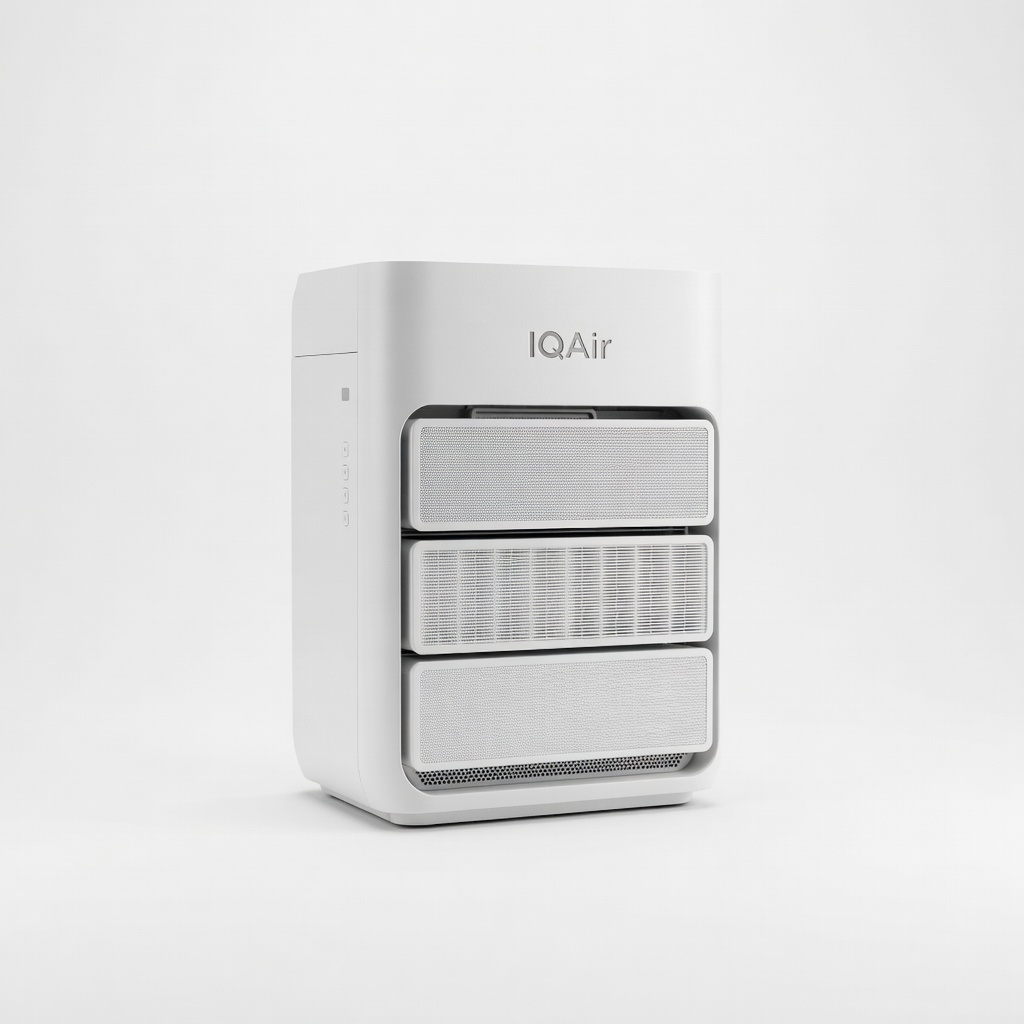
The IQAir HealthPro Plus is a hospital-grade air purifier that uses HyperHEPA filtration, independently verified to remove 99.99% of particles down to 0.003 microns—including smoke, fine dust, and allergens. It offers some of the highest CADR for its class (up to 400 CFM) and a filter life of 12-18 months, which offsets its high upfront cost. The trade-off: it's expensive, heavy (weighs 35 lbs), and has a very clinical look.
Main limitation: The price is a shock—$900+—and the filter replacements cost $200+ per set, though they last longer than most.
Skip if: If you're on a budget or need something portable, this is not the right choice.
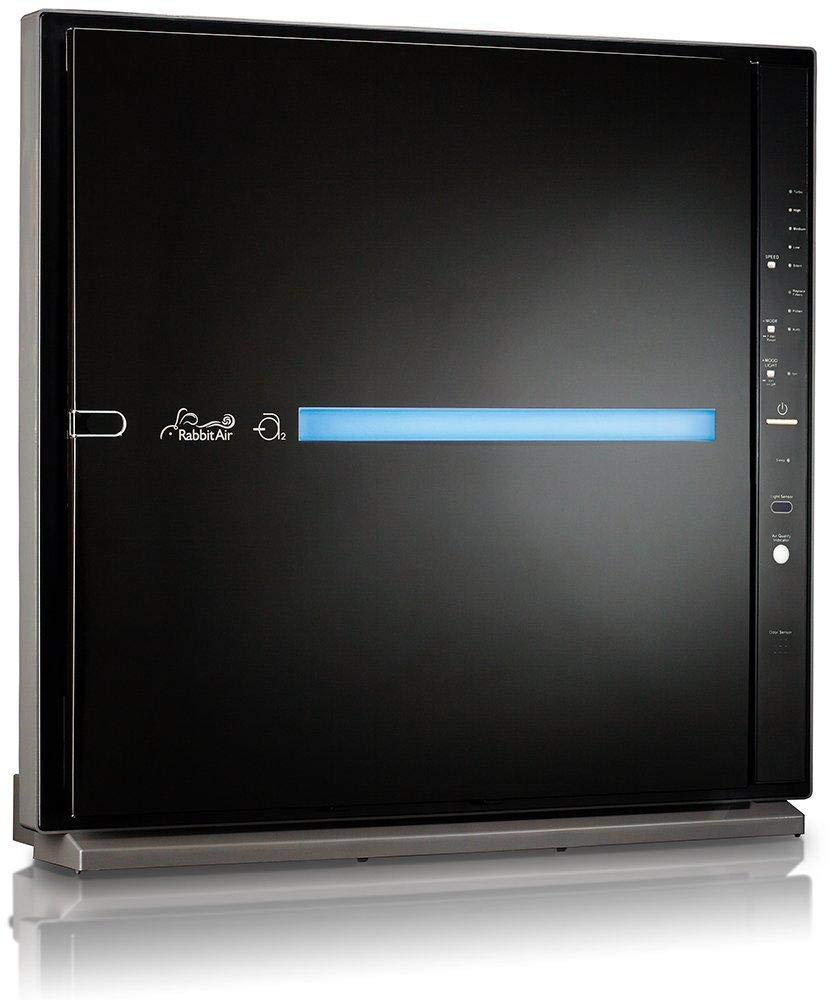
The Rabbit Air MinusA2 is the only air purifier we've seen that can actually disappear on your wall like a piece of art. It's ultra-thin (only 2 inches deep), has a customizable front panel (you can order 20+ designer covers), and offers 6-stage filtration including an activated carbon filter. While its CADR is decent (200 CFM, good for up to 315 sq ft), it's not a home-run for very large rooms. The trade-off: you'll pay a premium for the aesthetics and custom panels.
Main limitation: Replacement filters are pricey ($150 per set), and the motor is not as powerful as cheaper plastic models.
Skip if: If functionality matters more than form, you can get better performance for less money.
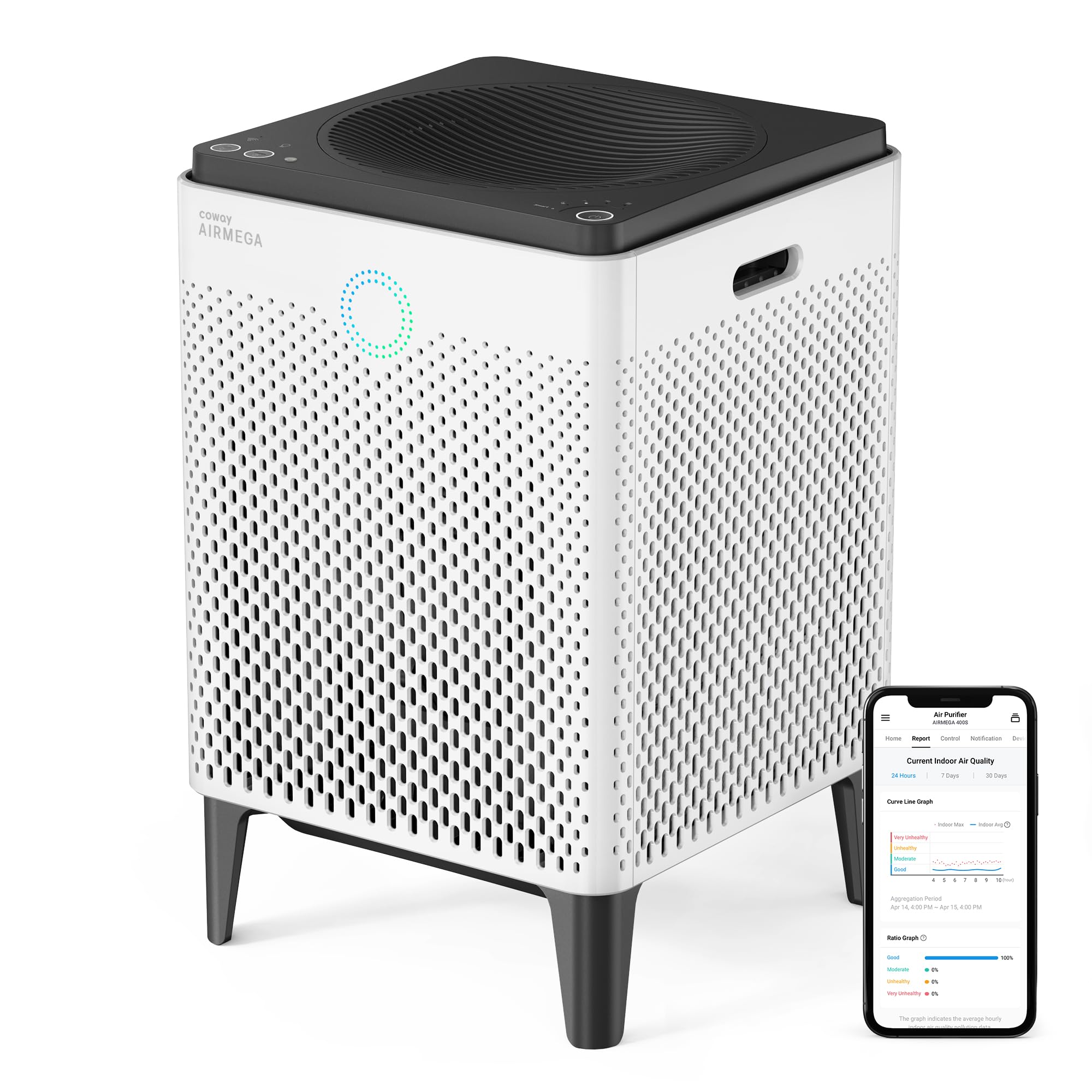
If you want real smart-home integration and enough power to cover a large floor (up to 1,560 sq ft), the Coway Airmega 400S is the smartest pick. Its dual-filter system and ionizer-free purification combine high CADR (784 CFM) with a wealth of sensor readings: real-time PM2.5, PM10, and air quality index. The companion app controls schedules and delivers filter life updates. The trade-off: it's physically huge, and the dual filters cost more to replace than singles.
Main limitation: The 'intelligent' mode sometimes runs the fan louder than necessary, and the mobile app is occasionally sluggish.
Skip if: If you have a small apartment, this is way overkill; also, its 30-pound weight makes it hard to move.
Compare key specs and features of all our recommendations side-by-side
| Product | Recommendation | Rating | Price |
|---|---|---|---|
Coway Airmega AP-1512HH Mighty Rank #1 | 🏆 Top Pick | 9.0/10 | $180–$220 Check current price → |
Levoit Core 300 Rank #2 | 💰 Budget Pick | 8.2/10 | $80–$100 Check current price → |
Blueair Blue Pure 211+ Rank #3 | ⭐ Editor's Choice | 8.7/10 | $270–$330 Check current price → |
Winix 5500-2 Air Purifier Rank #4 | — | 8.5/10 | $150–$180 Check current price → |
IQAir HealthPro Plus Rank #5 | — | 8.8/10 | $900–$1,100 Check current price → |
Rabbit Air MinusA2 Rank #6 | — | 8.0/10 | $250–$300 Check current price → |
Coway Airmega 400S Rank #7 | — | 8.6/10 | $450–$600 Check current price → |
Common questions buyers have about this category.
Most manufacturers recommend replacing HEPA filters every 6 to 12 months, but this varies with usage and air quality. If you run your purifier 24/7 in a home with pets or smoke, you'll need to change it more often—sometimes every 3-4 months. Look for a filter replacement indicator or a timer; also check the filter visually for discoloration and odor absorption.
Expensive air purifiers (e.g., $800+) offer higher CADR, better filtration (HyperHEPA), quiet motor design, and often lower long-term filter costs because of longer filter life. For someone with severe allergies or living near wildfire zones, the added filtration performance can be life-changing. But mid-range models like the Coway Mighty or Winix 5500-2 provide 85-95% of the benefit at a third of the price.
No air purifier can completely remove strong pet odors, especially those embedded in furniture and carpets. However, carbon filters and activated-carbon pellets do a good job of adsorbing odor molecules as air passes through. Over time, running a purifier with a pre-filter to capture hair/dander and a carbon layer for VOCs can significantly reduce odor, as long as you clean the source regularly.
They do, but a portable air purifier only cleans the air in its immediate room. If your HVAC system has an allergen-friendly filter, that helps whole-house, but it's still beneficial to run a dedicated purifier in your bedroom or living room. Place the portable unit close to the place you spend the most time (like your bed) to get the biggest allergy relief from it.
Most modern air purifiers have a sleep or low mode that runs at 20-30 dB, which is about as quiet as a library (a whisper is around 20 dB). That's fine for most people. However, the noise at high speed can reach 50-60 dB—similar to a dishwasher. If you need total silence, choose a model with a 'night mode' that dims indicator lights and drops the fan to a barely audible level.
True HEPA filters are made to a precise standard: they remove 99.97% of particles sized 0.3 microns. HEPA-like or 'HEPA-type' filters may only capture large particles and rarely meet that standard, misleading consumers. Always look for 'True HEPA' on the spec sheet to guarantee allergy-class performance. Some brands even offer HyperHEPA, which is even more efficient at sub-micron particles.
UV lights and ionizers can kill or denature some bacteria and viruses, but they are not as effective as HEPA filtration at removing particles. In fact, some ionizers emit trace amounts of ozone, which can worsen asthma. The best approach is a HEPA-based purifier with a carbon filter; skip UV/ionization unless you have a specific medical need and a neutral third-party test shows it's safe.
Products we evaluated but did not recommend — and why.
