Get the App
Better experience on mobile
Our selections balance high CADR ratings, filter quality, and real-world coverage for homes from small apartments to large living spaces.
The effectiveness of an air purifier hinges on its CADR matching your room's square footage—many units claim 'whole-house' coverage but falter in practice due to airflow restrictions from furniture or poor filter loading.
In 2026, advancements in dual-filter systems and app-integrated sensors make it easier to maintain indoor air quality against allergens, smoke, and VOCs, but noise and filter costs remain key hurdles for daily use. These picks draw from published lab data on particle reduction (PM2.5 and pollen) and user-reported reliability, covering rooms from 200 to 2,000 sq ft.
We focused on units excelling in at least one critical area like quiet operation or pet hair handling, while noting trade-offs in power draw or app stability. Whether combating allergies or wildfire smoke, these recommendations help match the right purifier to your space without overpaying for gimmicks.
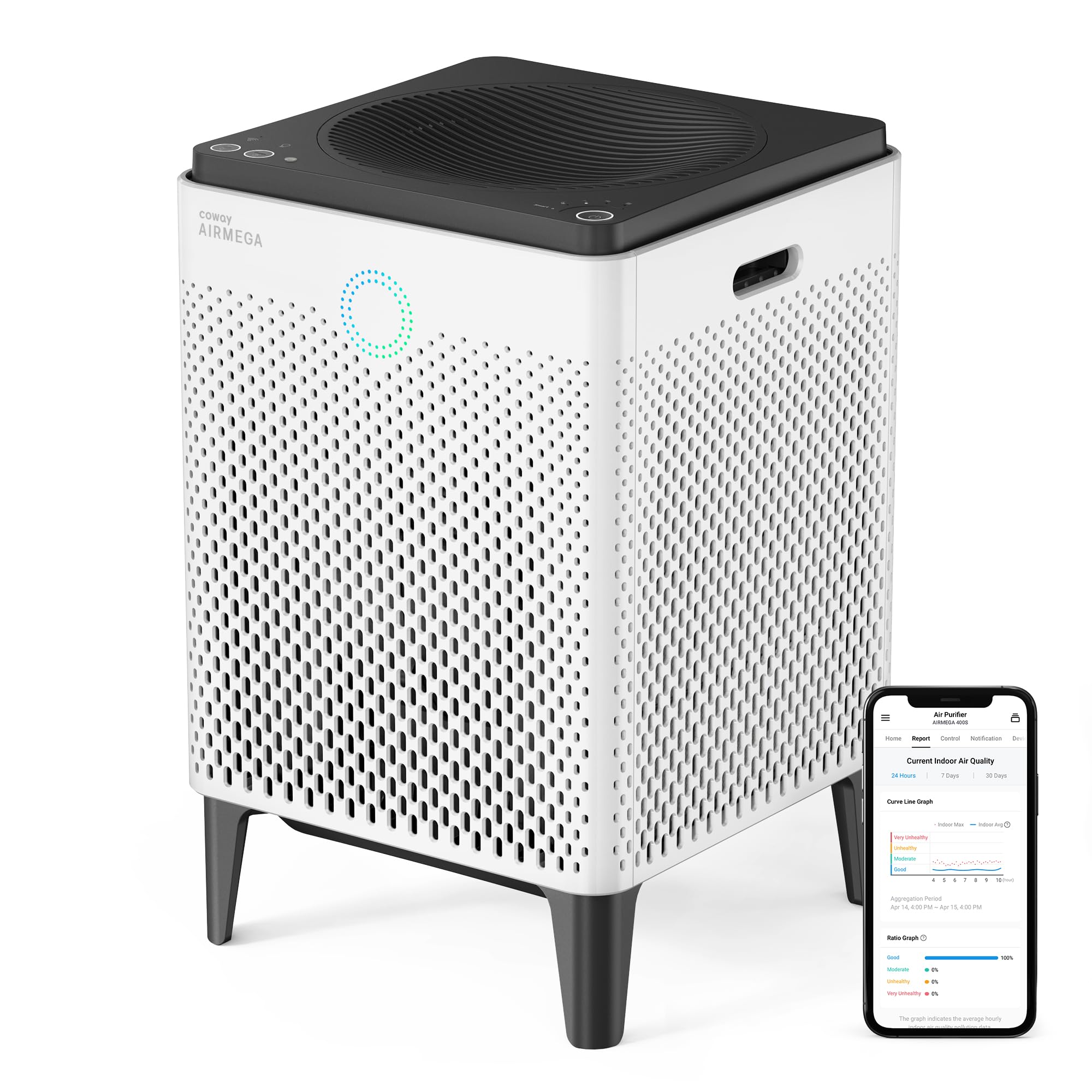
The Coway Airmega 400S delivers exceptional CADR (400 for dust/smoke/pollen) for up to 1,560 sq ft, with a four-stage filtration system including pre-filter, deodorizing, and True HEPA that removes 99.97% of 0.3-micron particles. Its smart app tracks air quality and filter life, making maintenance straightforward. However, the upfront cost is higher than basic models.
Main limitation: The display is bright even on low settings, which can disturb light sleepers in bedrooms.
Skip if: Skip this if you need a portable unit under 20 lbs for frequent room-to-room moving.
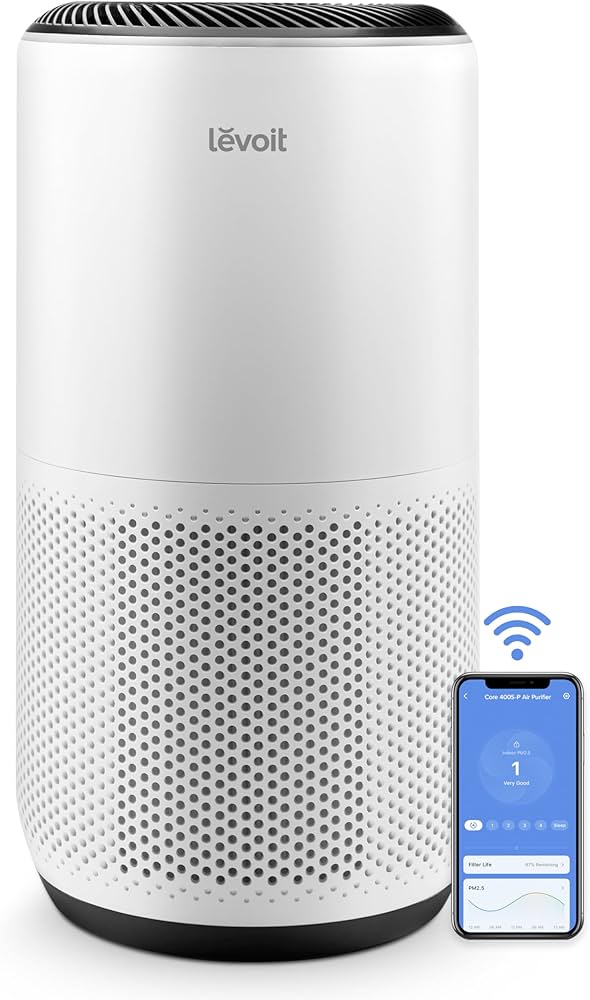
At a fraction of premium prices, the Levoit Core 400S offers 400 CADR coverage for rooms up to 1,900 sq ft with True HEPA and activated carbon filtration that tackles odors effectively. The VeSync app provides scheduling and PM2.5 monitoring for smart home integration. Filter replacements are affordable, though longevity varies with pollution levels.
Main limitation: Fan noise reaches 48 dB on high speed, louder than whisper-quiet competitors.
Skip if: Avoid if your space exceeds 400 sq ft and requires ultra-fast air changes per hour.
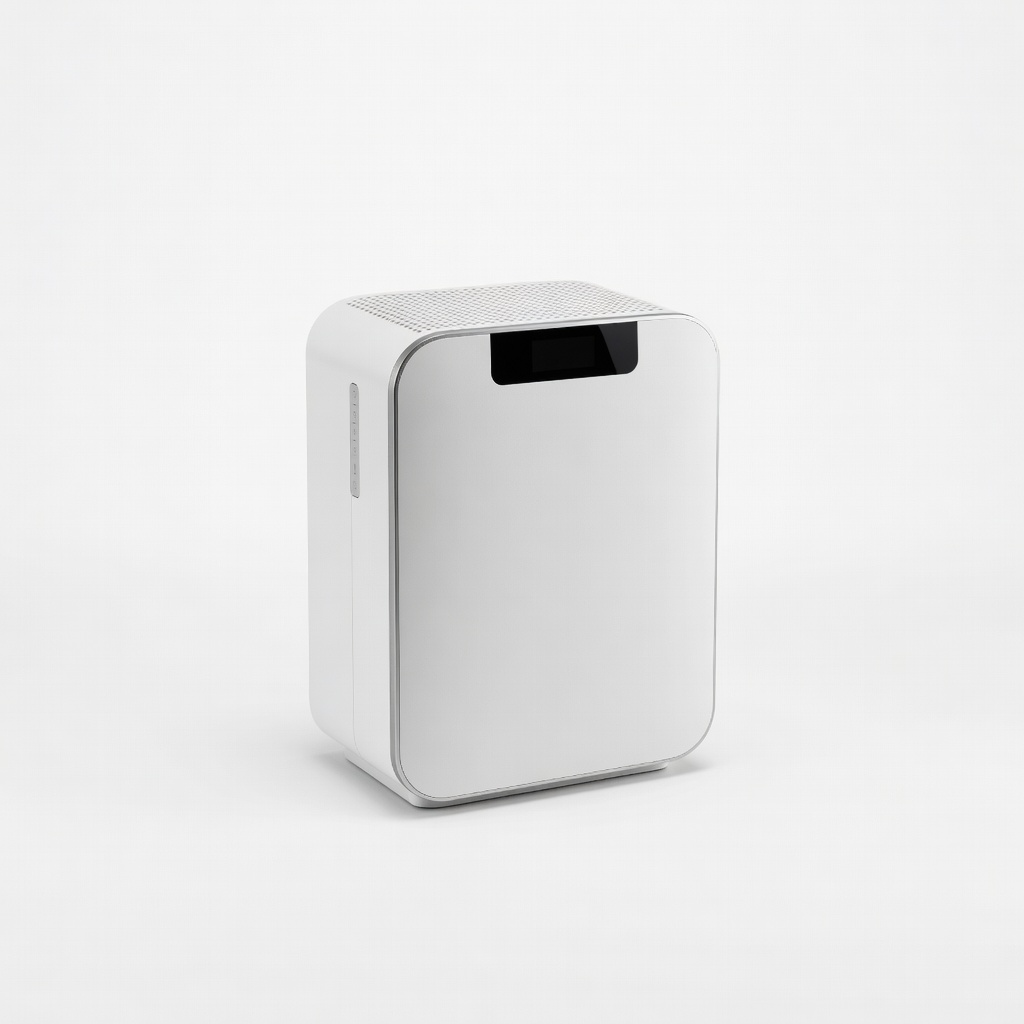
Designed for expansive spaces up to 500 sq ft with 350 CADR, the Honeywell InSight HPA5300 uses Turbo Clean technology for rapid air turnover and features an intuitive touchscreen displaying real-time particle levels. Its rugged build suits high-traffic areas. Drawback is the higher energy consumption on max settings.
Main limitation: Filter changes are pricier at $60–$80 annually compared to slimmer designs.
Skip if: Pass if you prioritize silent operation over sheer power for nighttime use.
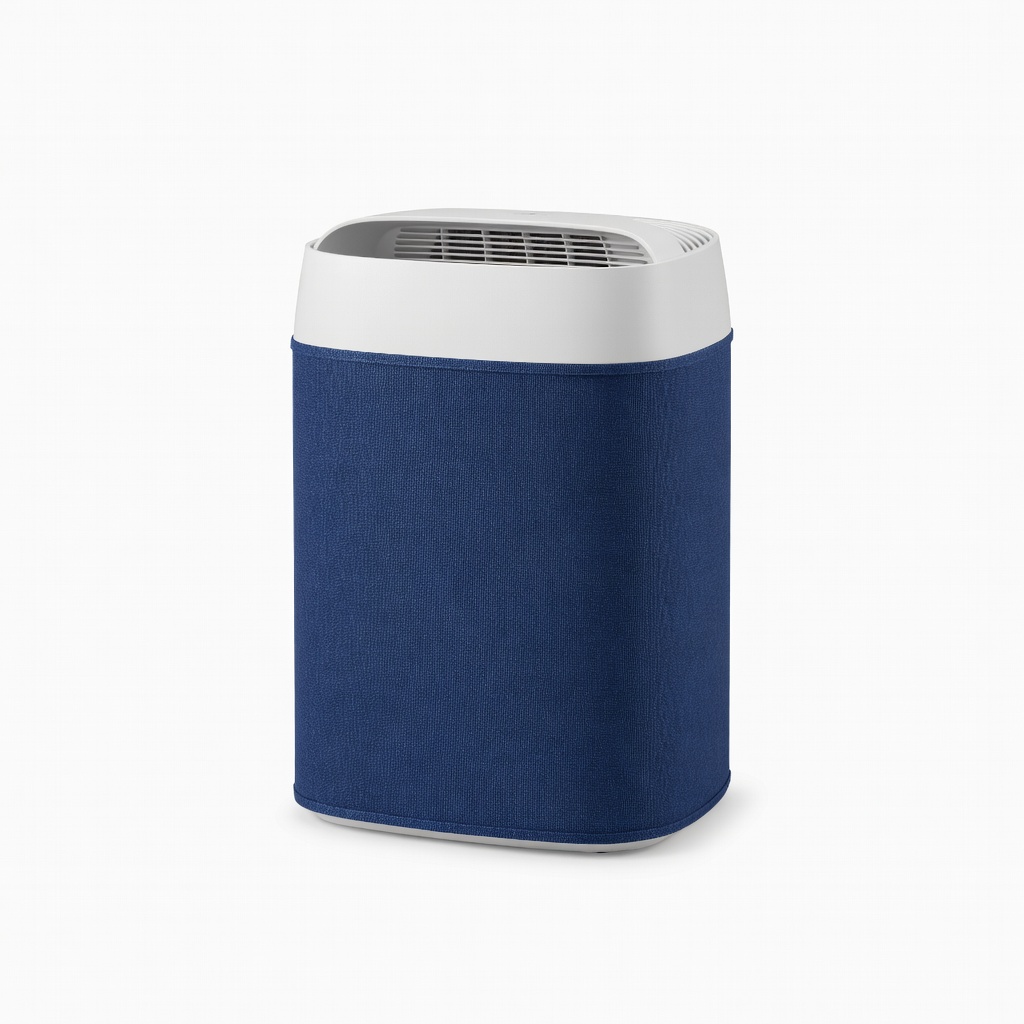
Ultra-quiet at 23–50 dB with HEPASilent technology delivering 410 CADR for 635 sq ft, this model purifies air five times per hour while blending seamlessly with decor via swappable panels. App controls enable voice integration with Alexa/Google. It lacks advanced VOC sensors found in pricier units.
Main limitation: The fabric pre-filter requires frequent vacuuming in dusty environments.
Skip if: Don't choose this for heavy cooking odors without supplemental carbon filters.
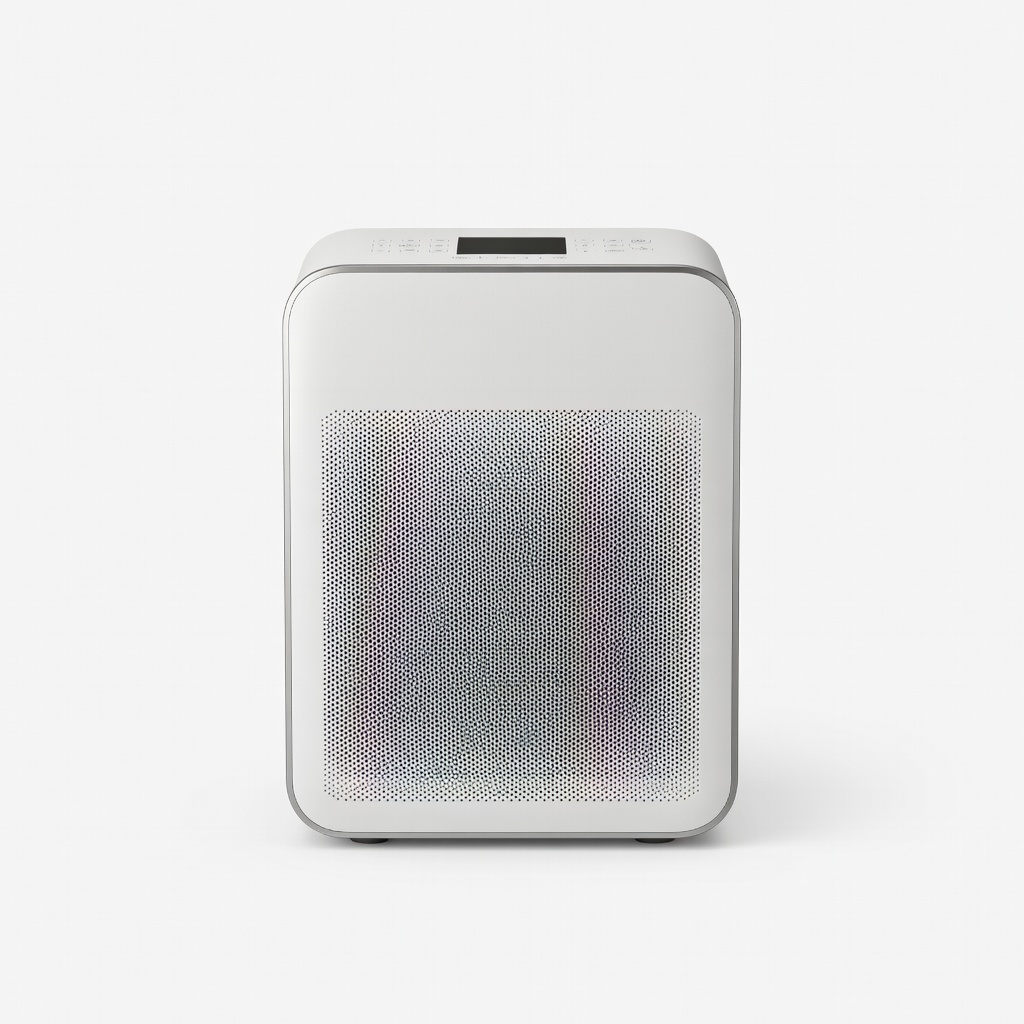
PlasmaWave technology neutralizes viruses and odors alongside a True HEPA filter with 360 CADR for 360 sq ft, excelling at wildfire smoke and kitchen smells via washable carbon filter. Auto mode adjusts fan speed intelligently. Higher filter costs add up over time.
Main limitation: The ozone emission from PlasmaWave, though AHAM-verified low, concerns sensitive users.
Skip if: Skip if you have asthma triggered by any ionized air tech.
Sealed HEPA H13 filter captures formaldehyde permanently while projecting purified air across 1,076 sq ft with quiet bladeless oscillation. Night mode drops to 35 dB with auto-sensing. Premium pricing and large footprint limit versatility.
Main limitation: App connectivity occasionally lags during firmware updates.
Skip if: Avoid if space is tight, as it occupies significant floor area.
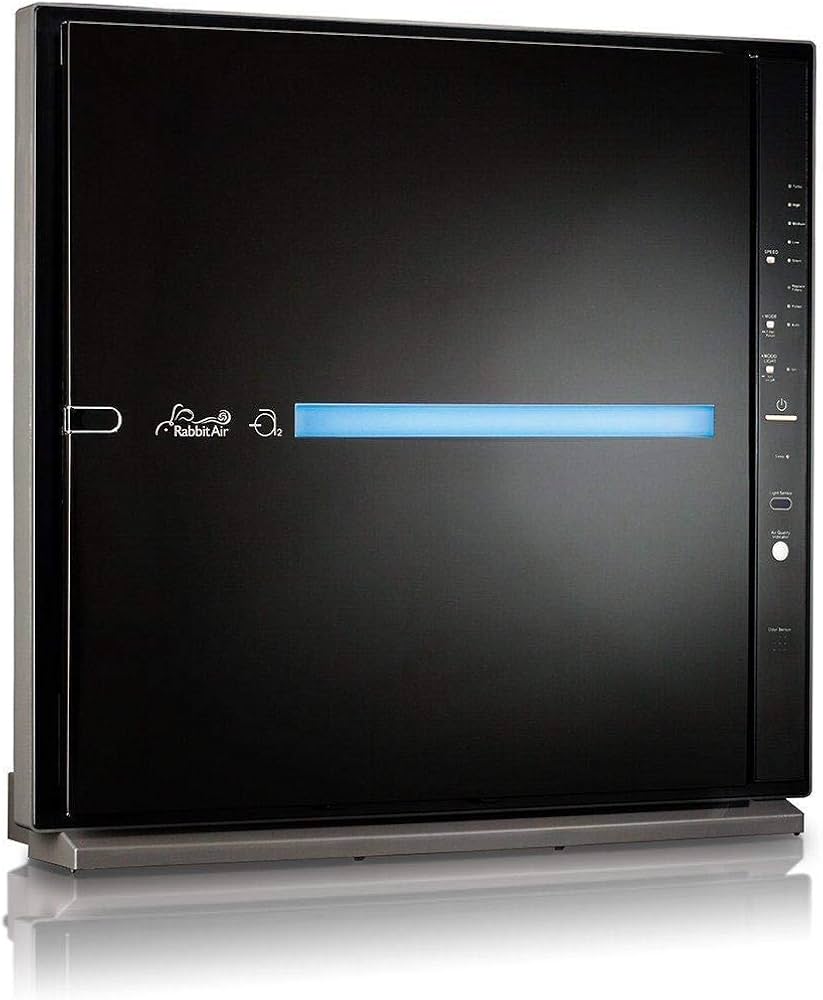
Six-stage filtration including pet-specific BioGS and customizable panels covers 815 sq ft with 200 CADR, trapping dander and hair effectively while wall-mountable for floor space savings. Remote and app control add convenience. Slower air turnover suits moderate pollution only.
Main limitation: Annual filter cost exceeds $150 due to specialized pet allergen media.
Skip if: Not ideal for very large or high-traffic pet households needing faster CADR.
Compare key specs and features of all our recommendations side-by-side
| Product | Recommendation | Rating | Price |
|---|---|---|---|
Coway Airmega 400S Rank #1 | 🏆 Top Pick | 9.3/10 | $450–$550 Check current price → |
Levoit Core 400S Rank #2 | 💰 Budget Pick | 8.6/10 | $180–$220 Check current price → |
Honeywell InSight HPA5300 Rank #3 | ⭐ Editor's Choice | 8.8/10 | $250–$300 Check current price → |
Blueair Blue Pure 211i Max Rank #4 | — | 8.7/10 | $300–$350 Check current price → |
Winix 5510-2 Rank #5 | — | 8.2/10 | $160–$200 Check current price → |
Dyson Purifier Big+Quiet BP04 Rank #6 | — | 8.9/10 | $850–$950 Check current price → |
Rabbit Air MinusA2 SPA-780N Rank #7 | — | 8.1/10 | $500–$600 Check current price → |
Common questions buyers have about this category.
CADR (Clean Air Delivery Rate) measures how quickly a purifier removes smoke, dust, and pollen in cubic feet per minute, as tested by AHAM standards. Choose a CADR at least two-thirds of your room's square footage for effective cleaning; higher numbers mean faster purification, crucial for high-pollution days.
HEPA filters last 6–12 months depending on usage and air quality, while pre-filters need washing monthly and carbon layers every 3–6 months. Track via app indicators or runtimes to avoid reduced efficiency, as dirty filters can harbor bacteria.
True HEPA filters capture 99.97% of 0.3-micron particles including many viruses, but pair with good ventilation for best results; UV or ionizers add claims but lack consistent CDC backing. Models with AHAM Verifide ratings for virus reduction provide verified performance.
True HEPA meets DOE standards for 99.97% efficiency at 0.3 microns, lab-tested for medical-grade capture, while HEPA-type filters often achieve only 80–90% and inflate claims. Always verify 'True HEPA' from reputable brands to ensure allergen and PM2.5 removal.
Yes, units with pet-specific pre-filters trap dander and hair, while HEPA captures microscopic allergens; look for 200+ CADR in pet-heavy rooms. Regular vacuuming of pre-filters extends life, but no purifier eliminates all pet dander without source control like grooming.
Sleep modes range 20–35 dB (library quiet), turbo up to 50–60 dB (conversation level); check specs for your use case. Quiet models like HEPASilent tech prioritize bedrooms, while louder ones suit daytime kitchens.
Products we evaluated but did not recommend — and why.
