Get the App
Better experience on mobile
From budget-friendly bedroom units to whole-home powerhouses, these HEPA allergen filters are ranked by real-world performance and long-term value.
The best air purifier for allergies isn't the one with the most buttons or the loudest marketing—it's the one that moves enough air through a real HEPA filter to capture allergens faster than they settle. Allergen particles like pollen, dust mite debris, and pet dander are incredibly small, often below 10 microns, so filtration efficiency matters more than any advertised "smart" feature. The two biggest mistakes buyers make are choosing a purifier too small for their room and ignoring the long-term cost of replacement filters, which can exceed the purchase price within two years.
After digging through published lab results, manufacturer specs, and thousands of verified owner reviews, we selected seven air purifiers that genuinely cover the allergy spectrum. Those picks range from around $100 for a dorm room to nearly $800 for a premium whole-room monitor, so there's a useful option for nearly any situation. You'll see a budget pick, a best overall, and specialized models for pet owners, severe allergy sufferers, large spaces, and tech-focused buyers.
The selection process centered on clean air delivery rate (CADR), total room coverage, filtration design, noise on both high and sleep settings, and replacement filter costs. We sought out models that use True HEPA or equivalent mechanical filtration, and we penalized heavy reliance on ionic or ozone-generating features unless published documentation showed minimal ozone output. We also favored proven brands with readily available filters and a strong record of user satisfaction, because an air purifier that's a hassle to maintain will stop being used.
You'll notice that every product below comes with a trade-off—no single purifier is perfect for every room and every allergy trigger. The Coway Airmega, for example, is our best overall for its combination of power and size, but it lacks app control. The Dyson offers superb real-time air quality feedback but at a price that could buy two effective units. Knowing your room size, allergy severity, and budget will help you decide which limitation you can live with.
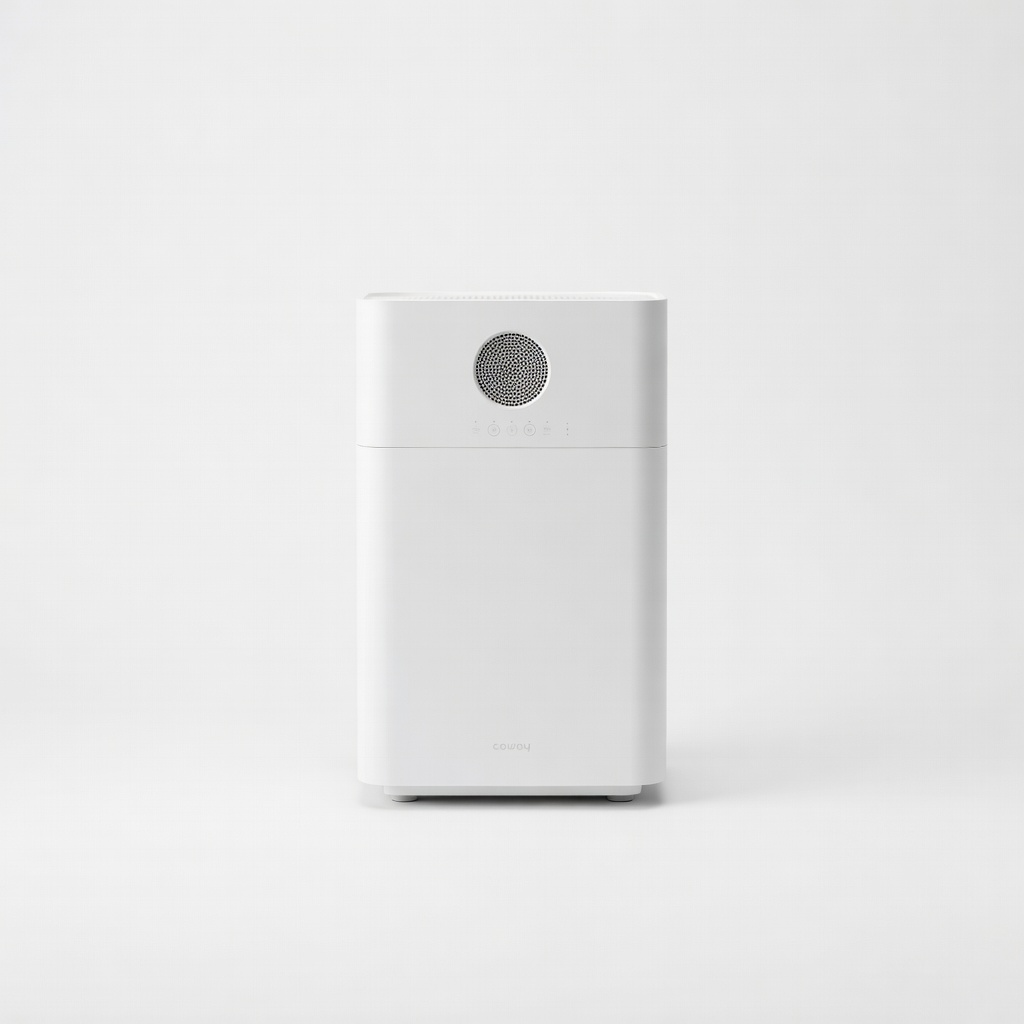
The Coway Airmega Mighty is the most balanced performer for allergy relief, combining a powerful 4-stage filtration system with a compact footprint that fits neatly in a bedroom or living room. Its Eco mode automatically adjusts fan speed based on air quality, and its particle sensor does an impressive job of detecting spikes in allergens. The key trade-off is the lack of smart home connectivity—if you want app controls, you'll need to look elsewhere.
Main limitation: No app or Wi-Fi connectivity, and the filter replacement warning requires manual resetting after you swap in a new filter.
Skip if: People who want a voice-controlled or app-connected purifier that can be monitored from their phone.
The Levoit Core 300 is a compact, low-cost purifier that still makes a meaningful difference in small rooms, with a True HEPA filter and 360-degree intake that pulls allergens from multiple directions. It's exceptionally quiet on sleep mode, making it a favorite for bedside use. The trade-off is that it covers only about 219 square feet, so if your room is larger, you'll need to run it on high more often—and that gets noisy.
Main limitation: Airflow is modest for larger rooms, and replacement filters tend to need changing every 6 to 8 months under heavy use.
Skip if: Anyone needing whole-home coverage or with a living area larger than ~250 square feet.
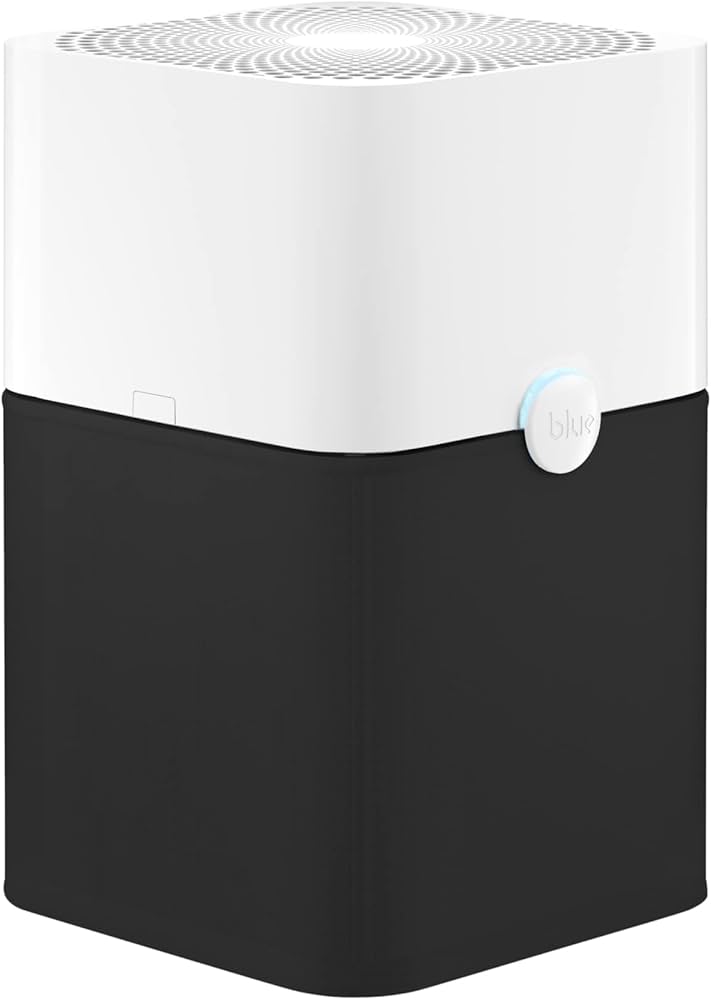
If you need to clean the air in a wide-open living space, the Blueair Blue Pure 211+ delivers a high clean air delivery rate that turns over the air quickly and captures more pollen and dander per minute than most competitors. Its two-piece filter system—a washable pre-filter and a particle/carbon combo—keeps replacement costs a bit more predictable. The main trade-off is that the base 211+ model is strictly manual: no auto mode, no air quality sensor, and no app controls.
Main limitation: No automatic air quality sensing or smart features; you have to manually adjust the fan speed.
Skip if: Tech-oriented buyers who expect an app-based experience or real-time pollutant readings.
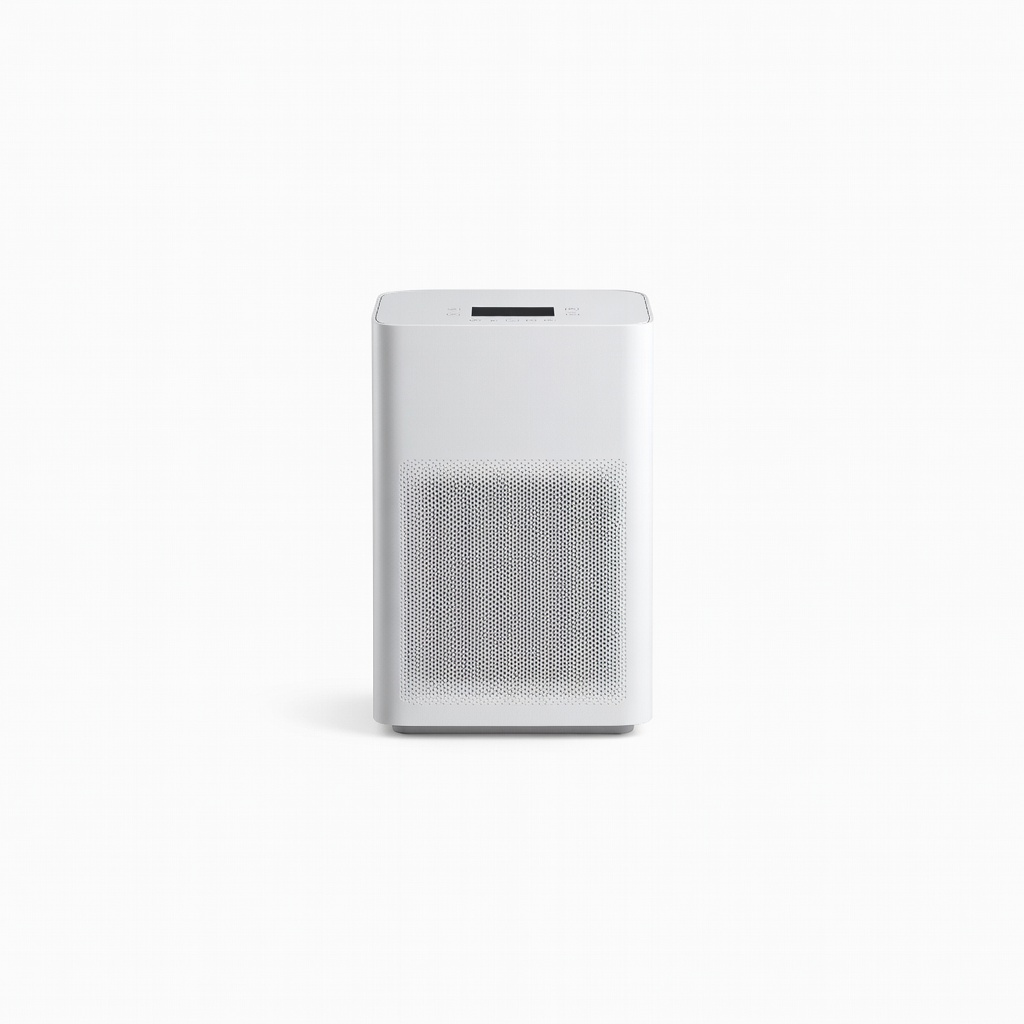
For households with cats and dogs, the Winix 5500-2 stands out with a washable pre-filter that grabs pet hair and a carbon filter that handles odors better than many similarly priced units. The True HEPA filter captures dander, and the PlasmaWave technology is designed to temporarily neutralize certain pollutants. Just be aware that PlasmaWave is an ionizing feature, so if you're sensitive to even trace ozone, you may want to leave it off.
Main limitation: PlasmaWave generates trace amounts of ozone, which some allergy and asthma communities prefer to avoid.
Skip if: Anyone who wants to avoid ionizing technology altogether or needs a purifier with a sealed HEPA system for hospital-grade filtration.
The Rabbit Air MinusA2 is one of the most flexible purifiers on the market, offering a wall-mountable design that saves floor space and a choice of specialized filters for pet odors, germs, or toxins. When you attach it to a wall, it routes air efficiently along the room's perimeter, which can be an advantage in bedrooms and nurseries. The trade-off is the hefty price tag, nearly triple that of a comparable Coway or Blueair unit.
Main limitation: Expensive, and the optional wall-mount kit adds even more to an already premium price.
Skip if: Budget conscious shoppers or anyone likely to move frequently, because wall mounting reduces portability.
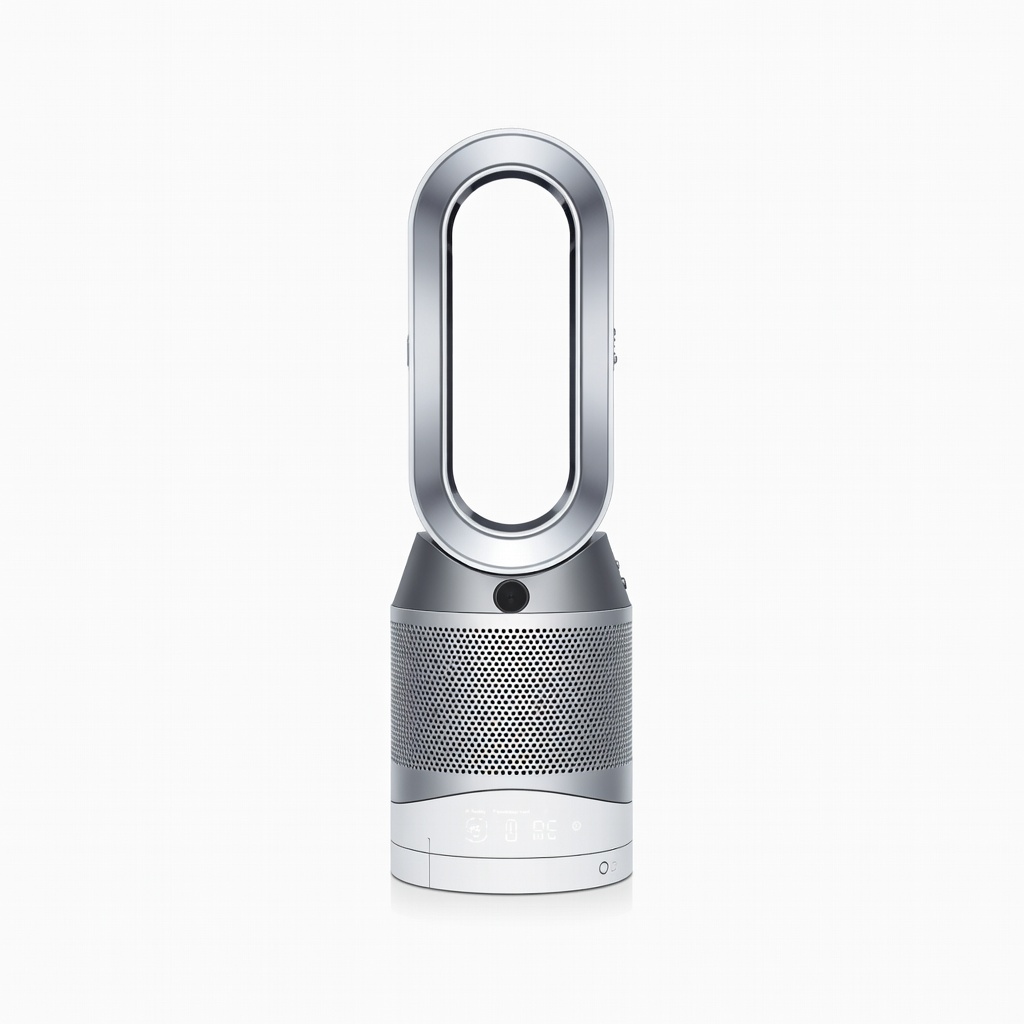
The Dyson TP09 earns its place by giving you a full picture of your air quality, with sensors that detect particulate matter, gases, and formaldehyde, and a live readout you can actually understand. It doubles as a cooling fan, so one device can cover two household needs, and the HEPA H13 filter captures allergens well. The main trade-off is price: it costs several times more than a typical allergy purifier, while the added fan and sensor features are nice-to-haves rather than essentials.
Main limitation: You're paying a significant premium for the monitoring display and fan function, not necessarily for dramatically better allergen removal.
Skip if: Buyers who just need basic allergy relief and don't want to spend on a device that also acts as a fan.
The Honeywell HPA300 is a straightforward, no-nonsense machine made for people who need serious allergen reduction in a large room. It moves a lot of air, and its True HEPA filter captures airborne particles with a high clean air delivery rate, while the germ-fighting pre-filter adds an extra layer of protection. On the downside, it's bulky, has no smart controls, and the carbon filter is relatively small so odor handling is basic.
Main limitation: Noisy at high fan speeds and the filter replacement indicator is a manual timer rather than a true sensor.
Skip if: People who need a quiet bedroom purifier or want smart home integration.
Compare key specs and features of all our recommendations side-by-side
| Product | Recommendation | Rating | Price |
|---|---|---|---|
Coway Airmega AP-1512HH Mighty Air Purifier Rank #1 | 🏆 Top Pick | 9.0/10 | Around $250 Check current price → |
Levoit Core 300 True HEPA Air Purifier Rank #2 | 💰 Budget Pick | 8.0/10 | Around $100 Check current price → |
Blueair Blue Pure 211+ Air Purifier Rank #3 | ⭐ Editor's Choice | 8.5/10 | Around $330 Check current price → |
Winix 5500-2 Air Purifier Rank #4 | — | 8.0/10 | Around $180 Check current price → |
Rabbit Air MinusA2 Ultra Quiet HEPA Air Purifier Rank #5 | — | 8.0/10 | Around $600 Check current price → |
Dyson Purifier Cool Formaldehyde TP09 Rank #6 | — | 8.0/10 | Around $750 Check current price → |
Honeywell HPA300 True HEPA Allergen Remover Rank #7 | — | 7.5/10 | Around $250 Check current price → |
Common questions buyers have about this category.
CADR is measured in cubic feet per minute and tells you how quickly a purifier can filter smoke, pollen, and dust. For allergies, look for a pollen CADR that's at least two-thirds of your room's square footage—for a 300 sq ft bedroom, you'd want a pollen CADR of around 200+. Most quality purifiers list their CADR for each particle type, so use the number that corresponds to your main allergen.
Most HEPA filters need replacement every 6 to 12 months, depending on usage quality and air quality. If you run your purifier 24/7 and have pets or heavy dust, expect to change it closer to every 6 months. Always check the manufacturer's schedule and the filter reset light, but trust your nose and eyes: if you notice a dusty smell or reduced airflow, it's probably time.
Air purifiers capture airborne allergens like dust mite fecal particles and pollen that drift into your nasal passages. However, dust mites live on surfaces, so a purifier is not a replacement for washing bedding and vacuuming with a HEPA-equipped vacuum. Used together, you can significantly reduce allergen levels in your room.
Many leading health organizations recommend avoiding ionizing purifiers if you have asthma, because some models generate ozone as a byproduct, which can irritate lungs. Even ionic purifiers that produce almost zero ozone may be less effective than a true HEPA filter. For reliable allergy relief, a mechanical HEPA filtration system is the safest and most effective route.
Almost all air purifiers are designed to run continuously, and that's exactly what you should do for the best allergy symptom control. Allergens are constantly being reintroduced—through open windows, pets, and daily activity—so intermittent use will let particle levels rebound. Energy-efficient models with an auto mode can help balance power consumption while still keeping the air clean.
Measure your room's square footage by multiplying length by width, and then look for a purifier whose published coverage at high speed is at least 1.5 to 2 times that size for comfortable medium-speed operation. For a typical 150 sq ft bedroom, a small unit like the Levoit Core 300 will suffice, but for a 300 sq ft master suite, you'll want a larger Purifier like the Coway AP-1512HH or Blueair 211+.
Yes, a washable pre-filter is a huge money-saver because it traps larger particles like pet hair, fuzz, and dust that would otherwise clog the main HEPA filter. You can vacuum or rinse it every few weeks and extend the life of the more expensive true HEPA filter. Models like the Coway Mighty and Winix 5500-2 include these washable layers in their design.
Products we evaluated but did not recommend — and why.
