Get the App
Better experience on mobile
These models stand out for high CADR on pollen and dust, reliable HEPA filtration, and real-world performance from expert reviews and user feedback.
Allergens like pollen, dust mites, and pet dander don't just float—they settle and recirculate without proper filtration, making room size-matched CADR ratings (clean air delivery rate) the real benchmark for relief over flashy features. Purifiers with True HEPA filters capturing 99.97% of 0.3-micron particles excel here, but success hinges on air changes per hour (ACH) above 4 for noticeable symptom reduction in 30 minutes.
In a market flooded with 'HEPA-type' pretenders, we focused on verified performance from AHAM-certified models that handle common triggers without generating ozone or excessive noise. This list covers budgets from under $150 to premium smart units, ensuring options for apartments, family homes, or pet-filled spaces.
Expect trade-offs like filter replacement costs or app reliability, but every pick delivers on core allergy-fighting metrics based on aggregated data from sources like AllergyBuyersClub and RTINGS.
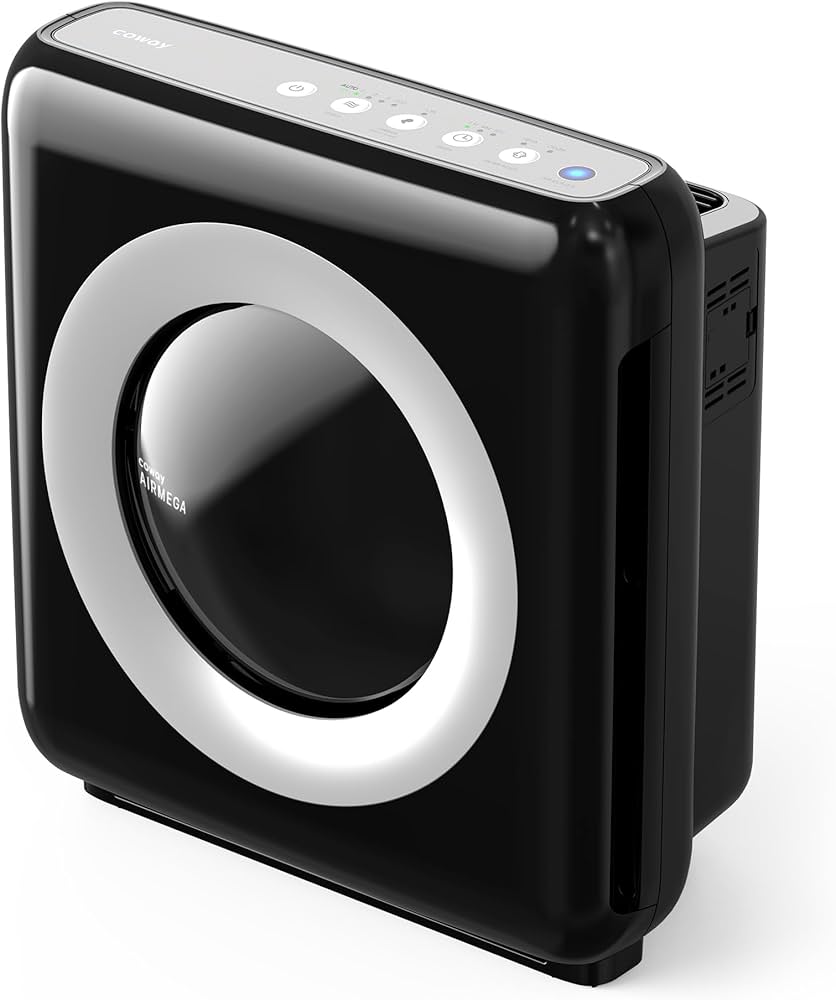
This AHAM-verified unit delivers exceptional CADR (246 dust, 240 pollen) for rooms up to 360 sq ft, with a four-stage filtration system including True HEPA that traps allergens effectively. Real-time air quality monitoring and auto mode adjust performance intelligently. Filter life averages 1-2 years, though replacements add ongoing costs.
Main limitation: It lacks Wi-Fi connectivity, so no app-based remote control or scheduling.
Skip if: Skip this if you need smart home integration with Alexa or Google Assistant.

At an entry-level price, it offers solid CADR (141 dust) and H13 True HEPA filtration for spaces up to 219 sq ft, effectively reducing sneezing from pet dander and pollen per buyer feedback. App control adds scheduling convenience rarely found this cheap. The main trade-off is shorter filter life around 6-8 months.
Main limitation: Maximum noise hits 50dB on high, which can disturb light sleepers.
Skip if: Avoid if you need coverage for rooms larger than 200 sq ft.
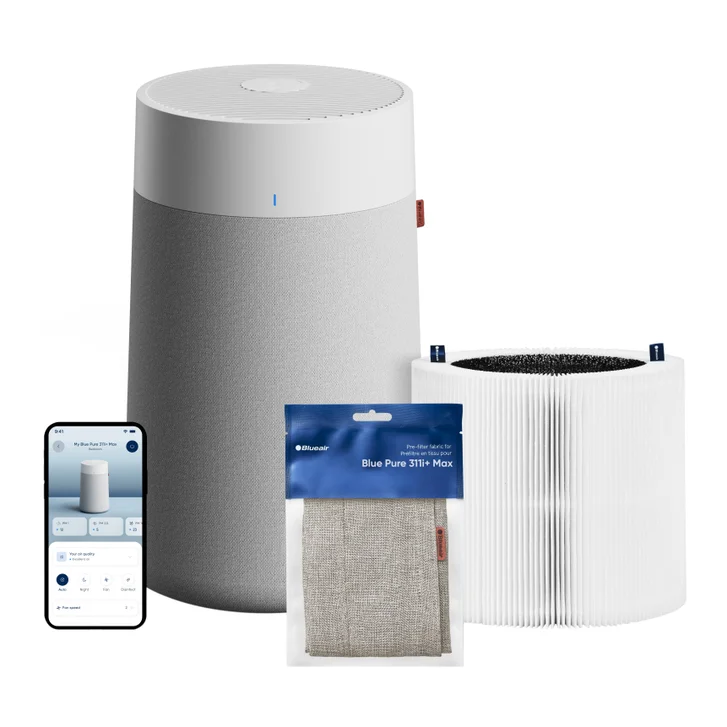
HEPASilent technology combines mechanical and electrostatic filtration for 355 CFM CADR, clearing allergens in up to 1,300 sq ft on high (ideal for open living areas). App insights track filter life accurately. It uses more energy on turbo mode compared to competitors.
Main limitation: Annual filter costs exceed $100 due to proprietary HEPASilent cartridges.
Skip if: Pass if your budget can't accommodate premium filter replacements.
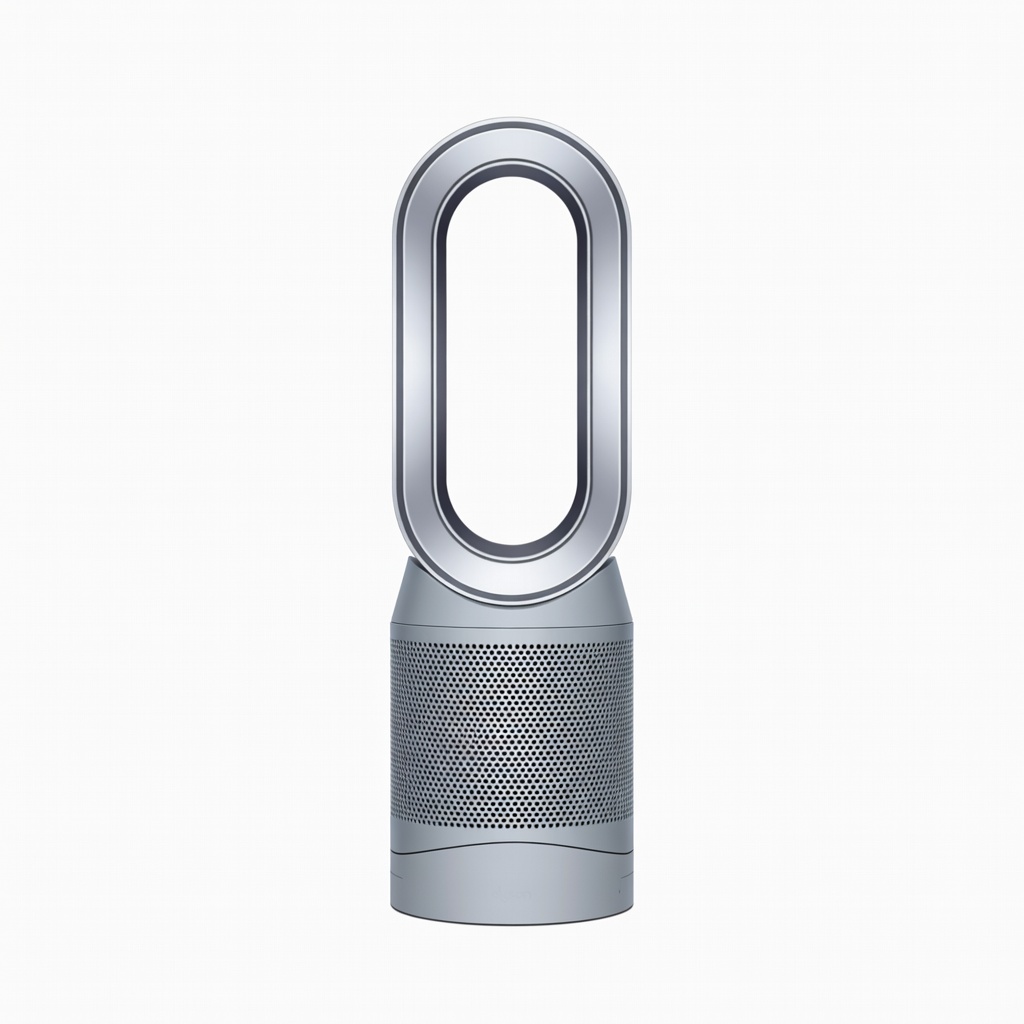
Sealed HEPA H13 filtration captures 99.97% allergens while doubling as a bladeless fan for year-round use in 800 sq ft spaces. Night mode is whisper-quiet at 35dB with projected airflow. The app is feature-rich but occasionally glitchy per reviews.
Main limitation: High upfront cost and filters need replacement every 12 months at $80+.
Skip if: Don't choose this if you prefer a simple, non-smart design.
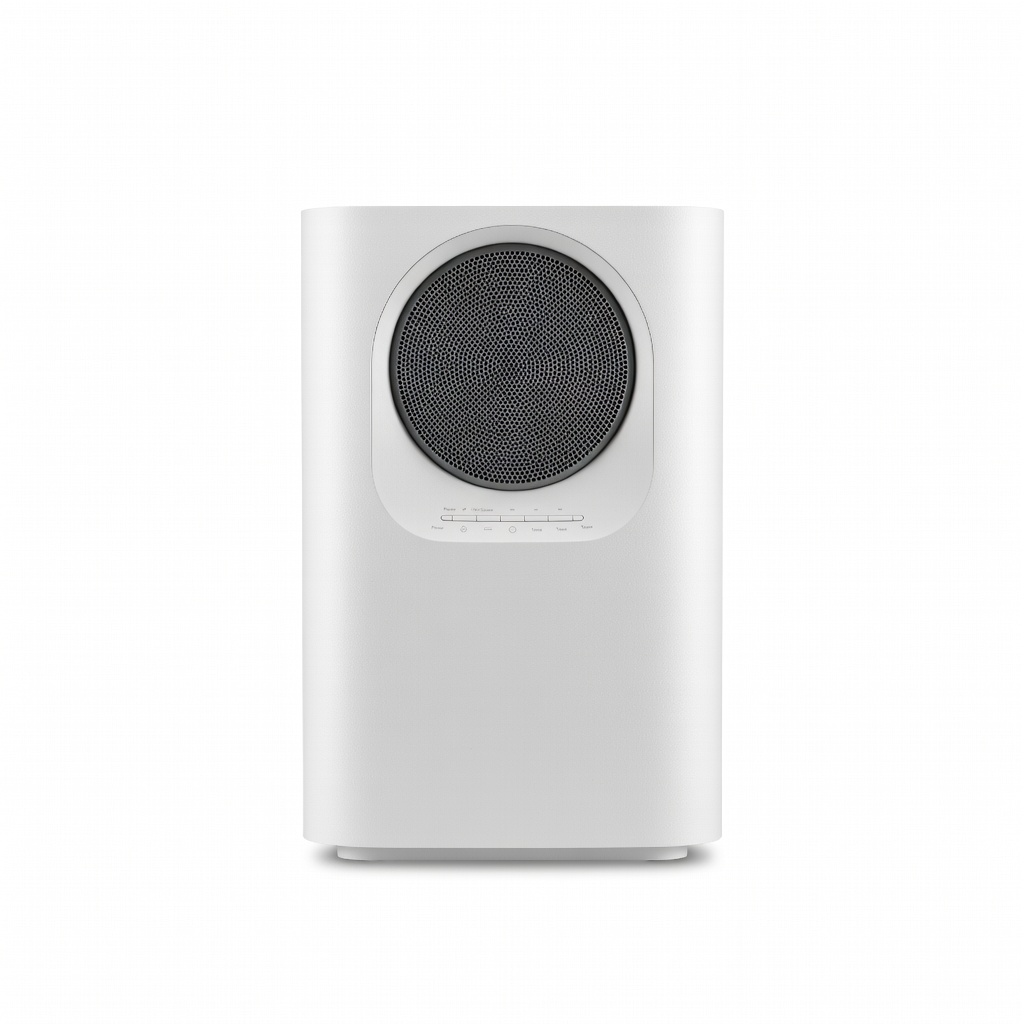
Top-tier CADR (300 dust/pollen) excels at pet dander and hair in 465 sq ft rooms, with a pre-filter trapping larger particles to extend HEPA life. Turbo mode cleans air 5x per hour. It's bulky and lacks smart features.
Main limitation: Loudest setting reaches 60dB, unsuitable for quiet environments.
Skip if: Skip if space is tight or noise is a priority.
PECO-HEPA destroys VOCs and allergens at molecular level beyond trapping, with CADR 185 for 600 sq ft. Sensors auto-adjust precisely. Technology is innovative but power draw is higher on max.
Main limitation: Filter subscriptions are mandatory and pricier at $150/year.
Skip if: Avoid if you want non-subscription filters or lower energy use.
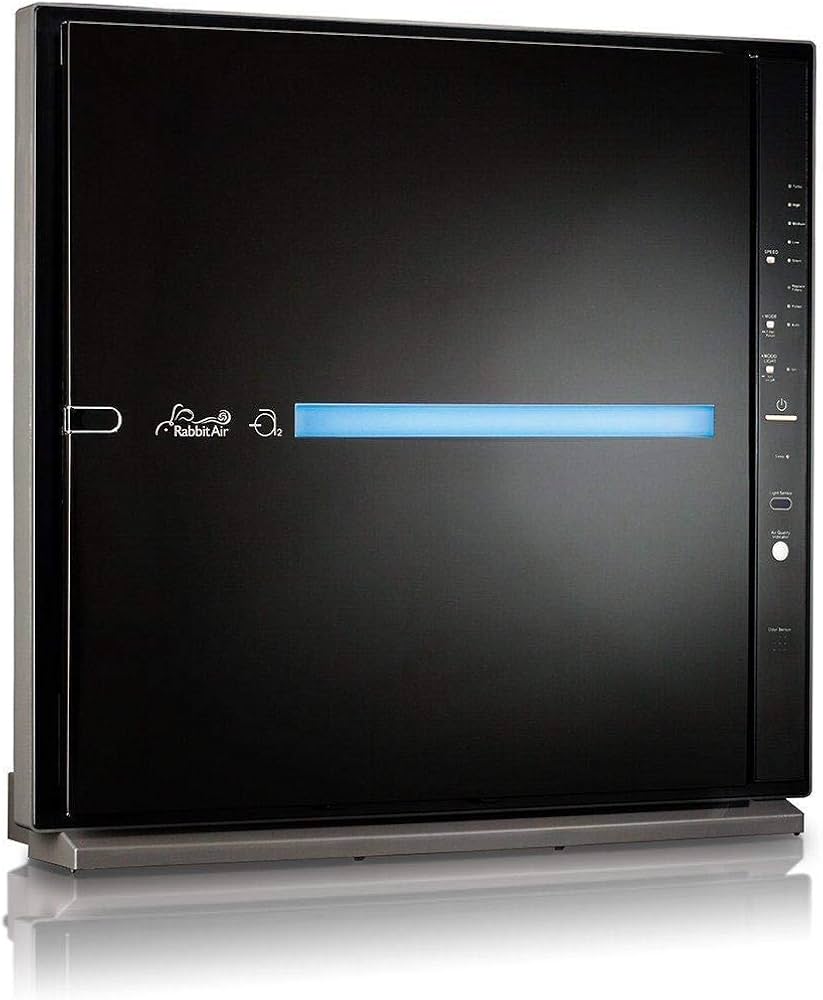
Six-stage filtration with customizable panels covers 815 sq ft quietly (20-51dB), trapping wall-to-wall allergens effectively. Wall-mount saves floor space. Initial setup requires wall hardware.
Main limitation: Remote app is basic compared to full smart ecosystems.
Skip if: Not for renters without permission to mount.
Compare key specs and features of all our recommendations side-by-side
| Product | Recommendation | Rating | Price |
|---|---|---|---|
Coway Airmega AP-1512HHS Rank #1 | 🏆 Top Pick | 9.3/10 | $220–$250 Check current price → |
Levoit Core 300S Smart Air Purifier Rank #2 | 💰 Budget Pick | 8.4/10 | $130–$160 Check current price → |
Blueair Blue Pure 311i+ Max Rank #3 | ⭐ Editor's Choice | 8.8/10 | $300–$350 Check current price → |
Dyson Purifier Cool TP07 Rank #4 | — | 8.6/10 | $500–$550 Check current price → |
Honeywell HPA300 Rank #5 | — | 8.2/10 | $230–$260 Check current price → |
Molekule Air Pro Rank #6 | — | 8.1/10 | $800–$900 Check current price → |
Rabbit Air MinusA2 SPA-780N Rank #7 | — | 8.3/10 | $600–$700 Check current price → |
Common questions buyers have about this category.
Aim for CADR over 150 for dust and pollen in rooms up to 300 sq ft, scaling up proportionally for larger spaces to achieve 4-5 air changes per hour. Higher ratings mean faster allergen reduction, with AHAM-certified numbers providing the most reliable benchmark from independent lab data.
True HEPA captures 99.97% of 0.3-micron particles like pollen fragments, while HEPA-type often falls short at 99% or less without certification. For seasonal allergies, stick to True HEPA or H13+ to trap coarser pollen (10-50 microns) and finer irritants effectively.
Most HEPA filters last 6-12 months depending on usage and air quality, with indicators on smarter models alerting you precisely. In high-allergen environments like near highways or with pets, check monthly and budget $50–$100 annually to maintain peak performance.
Yes, models with high dust/pollen CADR and pre-filters trap dander and hair effectively, reducing airborne triggers by up to 80% in tests. Combine with weekly vacuuming and pet bathing for best results, as purifiers don't remove settled allergens.
CARB-certified models like those with mechanical HEPA avoid ozone entirely, unlike ionizers that can irritate airways. Always verify 'zero ozone' claims via manufacturer specs, as even trace amounts worsen asthma or allergies for sensitive users.
Position it centrally, 1-3 feet from walls and furniture for optimal airflow, ideally near sleeping areas or high-traffic zones. Avoid direct sunlight or heat sources to extend filter life, and elevate off the floor to capture rising allergens.
Smart apps enable auto-adjusting based on real-time sensors and scheduling, ensuring consistent runtime without manual tweaks. They're valuable for forgetful users but non-essential—reliable auto modes on basic models perform nearly as well for steady allergen control.
Products we evaluated but did not recommend — and why.
